
San Antonio, a city rich in history, also holds potential treasures for those interested in collecting currency. While many people might just see paper money as a way to buy things, some Federal Reserve notes can be quite interesting to collectors. This guide looks into finding and understanding these notes right here in San Antonio.
Key Takeaways
- Federal Reserve notes are the paper money currently issued by the U.S. government.
- Certain features like serial numbers, seals, and signatures can affect a note’s collectibility.
- Star notes, which replace damaged currency sheets during printing, are often more sought after by collectors.
- The Series 1976 Bicentennial $2 bill, while not extremely rare, is a notable note for collectors due to its historical significance.
- Local banks, antique shops, and online platforms are places where you might find federal reserve notes san antonio collectors are interested in.
Exploring Federal Reserve Notes in San Antonio
Understanding Federal Reserve Notes
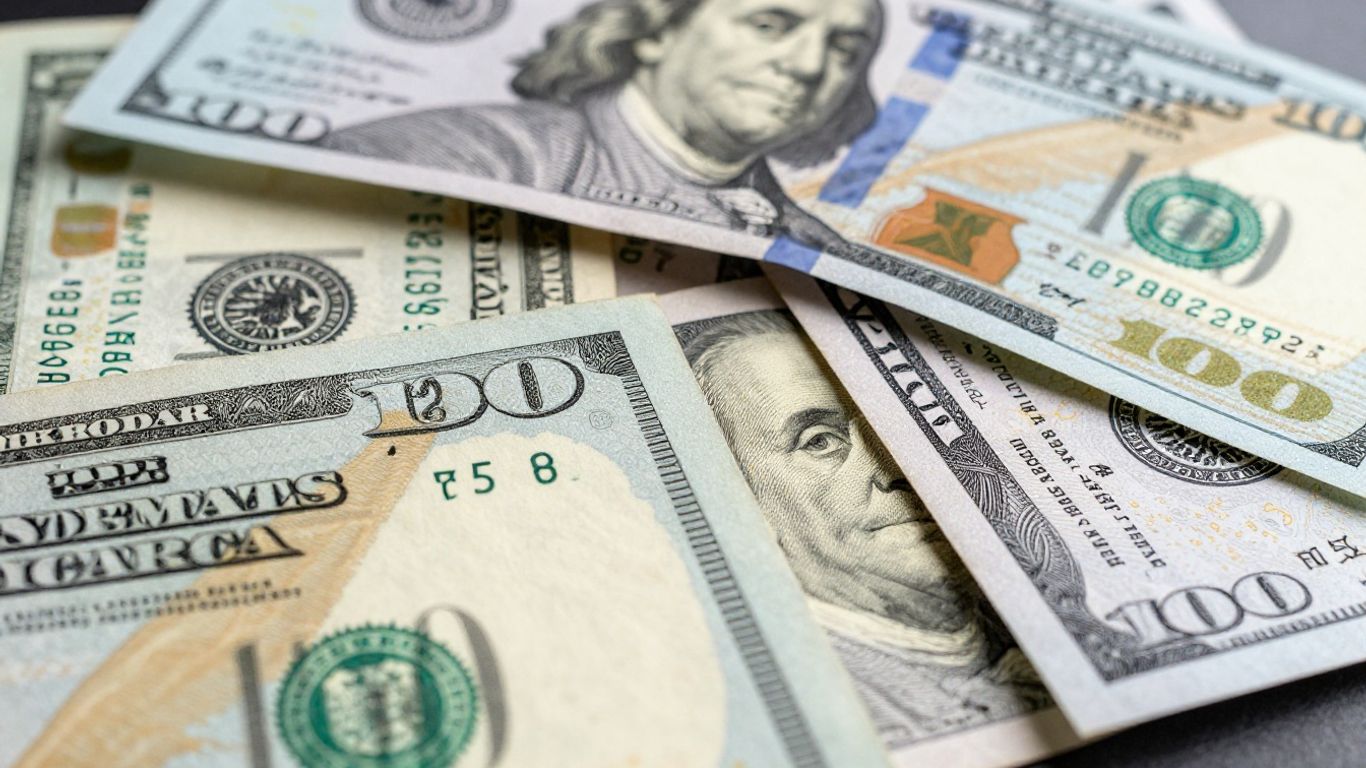
Federal Reserve Notes are the paper currency of the United States, issued by the Federal Reserve Banks. These notes are the most common type of U.S. currency in circulation today. They replaced earlier forms of currency and have been the standard since 1914. Understanding the basics of these notes is your first step toward becoming a successful collector. While many notes pass through our hands daily without a second thought, some possess unique characteristics that make them highly sought after by collectors.
The Significance of San Antonio in Currency History
While San Antonio might not be as widely recognized for currency production as other historical cities, its connection to Texas’s financial past offers a unique angle for collectors. Texas has a rich history with currency, including various forms of scrip and early bank notes. For instance, some Series 1929 National Bank Notes from Texas can be quite valuable, depending on their rarity and condition. Exploring this local history can add a deeper layer to your collecting pursuits right here in San Antonio.
Identifying Valuable Federal Reserve Notes
Finding a Federal Reserve Note that’s worth more than its face value takes a bit of know-how. It’s not just about the denomination; several factors can turn a regular bill into a collector’s item. Let’s break down what to look for.
Key Features to Look For
When you’re sifting through your change or a stack of bills, keep an eye out for these characteristics that can signal a note’s potential value:
- Condition: Bills in crisp, uncirculated condition are always more desirable. Look for sharp corners, no folds or creases, and vibrant ink.
- Design Elements: Certain series or special printings might have unique design features. For example, the Series 1976 $2 bill has a distinct back design commemorating the Bicentennial.
- Errors: Misprints, misalignments, or other printing errors can significantly increase a note’s value, though these are quite rare.
Understanding Serial Numbers and Star Notes
The serial number on a Federal Reserve Note isn’t just a random string of digits. It can tell you a lot about the note’s origin and rarity. The serial number itself, especially if it’s low or contains repeating patterns, can be a point of interest for collectors.
Star Notes are a special category. These notes have a star symbol at the end of the serial number instead of a letter. They are replacement notes printed when a mistake occurs during the printing process. Because they are printed in smaller quantities, star notes are generally more sought after than regular issue notes. You can learn more about decoding these numbers by reading Federal Reserve serial numbers.
The Role of Signatures and Seals
The signatures on a Federal Reserve Note belong to the Secretary of the Treasury and the Treasurer of the United States at the time of printing. While these signatures don’t typically add significant value on their own, notes from specific historical periods or those with particularly rare signature combinations might attract collector interest. The seal of the Federal Reserve Bank that issued the note (indicated by a letter and number) can also play a role, especially if you’re looking for notes from a specific district.
The Federal Reserve System is made up of twelve regional banks, each with its own identifying letter and number. These identifiers are printed on every note issued by that bank. While most collectors focus on the condition and serial number, some may seek out notes from less common districts or specific charter periods, like those found in U.S. National Bank Notes.
Notable Federal Reserve Notes for Collectors
When you’re hunting for currency with a bit more flair, certain Federal Reserve Notes stand out. These aren’t just everyday bills; they have stories, unique designs, or production quirks that make them special to collectors. Let’s look at a couple of examples that might just turn up in your change.
The Series 1976 Bicentennial $2 Bill
The $2 bill, especially the Series 1976 version, is a fun find. Introduced for America’s Bicentennial, its back features a reproduction of John Trumbull’s painting, "Declaration of Independence." While not incredibly rare – over 590 million were printed – these bills hold a certain historical charm. They were issued between 1976 and 1978. The signatures you’ll see are those of Treasury Secretary William E. Simon and Treasurer Francine Irving Neff. Finding one is always a neat little surprise.
The Intrigue of Star Notes
Star Notes are a particular point of interest for collectors. You can spot them by the star symbol at the end of the serial number, replacing the usual letter. These notes are essentially replacements for damaged or misprinted bills during the printing process. Because they are produced in smaller quantities to fill gaps in the serial number sequence, they are inherently scarcer than regular issue notes. This scarcity often translates to higher value for collectors, especially if the note is in good condition. It’s like finding a limited edition item in a regular print run.
Older Denominations and Their Appeal
While we’re focusing on Federal Reserve Notes, it’s worth mentioning that older currency, like National Bank Notes, can be quite collectible. For instance, a 1902 $10 National Bank Note from San Antonio, Texas, is a rare find, noted for its specific characteristics and grading. These older notes offer a tangible link to different eras of American commerce and banking. The history embedded in these pieces is a big part of their draw for many enthusiasts.
The appeal of collecting currency often lies in the story each bill tells. Whether it’s a special design, a production anomaly like a star note, or simply its age, these pieces of paper represent more than just monetary value; they are artifacts of history. For collectors in San Antonio and beyond, the thrill of discovery is a significant part of the hobby.
Where to Find Federal Reserve Notes in San Antonio
Finding Federal Reserve Notes in San Antonio can be a bit of a treasure hunt, but there are several places to look. It’s not always about finding rare bills; sometimes, it’s about the thrill of discovery in everyday transactions.
Local Banks and Change
Your most accessible source for Federal Reserve Notes is often the change you receive from everyday purchases. While most of this will be standard circulation currency, it’s worth keeping an eye out for older series or notes with unusual characteristics. Don’t hesitate to ask your local bank teller if they have any older bills or ‘star notes’ available. Sometimes, banks will set aside interesting currency for collectors or enthusiasts. It’s a simple step, but it can yield surprising results.
Antique Shops and Flea Markets
San Antonio has a vibrant scene for antique dealers and flea markets. These locations can be goldmines for older currency. You might find dealers who specialize in coins and paper money, or you might stumble upon a box of old documents that includes some interesting Federal Reserve Notes. It requires patience and a keen eye, but the rewards can be significant. Some dealers might have a good selection, like Lone Star Coins, which is a well-known spot for numismatic items in the city.
Online Marketplaces and Auctions
For those who prefer to search from home, online platforms offer a vast selection. Websites dedicated to coin and currency auctions, as well as general marketplaces, list Federal Reserve Notes from all eras. Be sure to research sellers and understand grading before making purchases. You can also find local San Antonio dealers who have an online presence, such as Golden Cash Exchange, which might list items for sale or provide information about their inventory.
The search for collectible currency is often a journey of persistence. While modern banks are the primary source of circulating notes, the true gems are frequently found in places where history is preserved and shared. Patience and a bit of local knowledge can go a long way in uncovering these pieces of American financial history.
Here are some general tips for your search:
- Check the Series Year: Look for notes from earlier series, especially those predating the 1970s, as they are generally scarcer.
- Examine the Condition: Notes in better condition, with crisp folds and minimal wear, will always be more desirable to collectors.
- Look for "Star Notes": These replacement notes, identified by a star at the end of the serial number, are rarer than regular issue notes and can be quite collectible.
The Value of Federal Reserve Notes
So, you’ve found a Federal Reserve Note and are wondering if it’s worth more than its face value. That’s the million-dollar question for any collector, right? Several things play a role in how much a bill might be worth. It’s not just about the number printed on it; condition, rarity, and even historical context all add up.
Factors Influencing Collectibility
When you’re looking at a bill, think about these points:
- Condition: Is it crisp and new, or does it show signs of wear and tear? Bills that look like they just came off the printing press are generally worth more.
- Rarity: How many of these notes were printed? Were there any special runs or limited editions? Fewer bills printed usually means higher value.
- Demand: Are other collectors looking for this specific type of note? Popularity plays a big part in what people are willing to pay.
- Historical Significance: Does the note represent a special event or era? Sometimes, the story behind the bill adds to its appeal.
Condition and Rarity
Condition is probably the most straightforward factor. A bill that’s been folded countless times, has creases, or even tiny tears will fetch less than one that’s perfectly preserved. Collectors often use grading scales, similar to those for coins, to describe a note’s condition. A bill graded as "uncirculated" or "Gem" condition is the top tier. You can find pricing guides, like the Official Price Guide to Paper Money, that list values based on condition. This resource offers over 130 pages of industry-trusted coin pricing information.
Rarity is a bit trickier. Sometimes, a bill that wasn’t particularly rare when it was printed can become rare over time if many were destroyed or lost. Star notes, for example, are replacement notes printed when a sheet of currency has an error. They have a star at the end of the serial number instead of a letter. Because they were printed in smaller quantities, they often carry a premium. Some $2 bills from 1976, especially star notes, can be quite sought after.
Market Trends for San Antonio Collectors
For collectors in San Antonio, keeping an eye on local trends can be helpful. While national market forces are strong, sometimes local interest in specific types of currency can influence prices. For instance, if there’s a surge in interest in notes related to Texas history or specific San Antonio landmarks, those might see a bump in value locally. It’s always a good idea to connect with local coin and currency clubs to get a feel for what’s popular in the area. The market for older denominations, like some of the $2 bills from earlier series, can fluctuate, but they often hold a steady appeal for those interested in currency history. Some $2 bills from 1890, for example, can be worth a surprising amount if they are in top condition.
The value of a Federal Reserve Note isn’t just about its printed face. It’s a combination of how well it’s been kept, how many others like it still exist, and whether collectors are actively seeking it out. Think of it like a piece of history – the better preserved and the rarer it is, the more it’s likely to be appreciated by those who collect it.
Beyond Federal Reserve Notes: Other Collectibles
While Federal Reserve Notes are a primary focus for many collectors in San Antonio, the world of numismatics and exonumia offers a much broader landscape. Expanding your collection beyond paper currency can lead to some fascinating discoveries. Let’s look at a few other items that might catch your eye.
San Antonio Missions National Historical Park Quarters
Did you know that the U.S. Mint has released special quarters featuring national parks? The San Antonio Missions National Historical Park was honored with its own quarter design in 2019. These quarters, struck at the West Point Mint, bear a "W" mint mark, making them distinct from regular circulation issues. While 10 million were produced, finding one in your change might still be a bit of a hunt. The West Point Mint also produced special quarters in 2020 with a "V75" privy mark to commemorate the 75th anniversary of the end of World War II. These special issues add a unique local flavor to any coin collection.
Wheat Pennies and Silver Kennedy Half Dollars
Two other popular items for collectors are Wheat Pennies and 40% silver Kennedy Half Dollars. Wheat Pennies, minted from 1909 to 1958, are a classic starting point for many coin enthusiasts. They are still occasionally found in circulation, though searching through coin rolls from a local bank can increase your chances. The Kennedy Half Dollar, particularly those minted between 1965 and 1970, contain 40% silver. While not as common in everyday change as they once were, their intrinsic silver value makes them a worthwhile find. The melt value alone for these coins can be quite significant, depending on the current price of silver. You might even find some 1976 Bicentennial Halves mixed in when asking for rolls from your bank.
Historical Documents and Ephemera
Beyond coins and currency, historical documents and ephemera related to San Antonio’s rich past can also be highly collectible. Think old maps, letters, photographs, or even early advertisements specific to the city. These items offer a tangible connection to local history. For those with a specific interest in historical paper money, resources like specialized catalogs can be invaluable for identifying and valuing items, such as Confederate paper money.
The thrill of collecting often lies not just in the monetary value of an item, but in the story it tells and the piece of history it represents. Whether it’s a coin with a unique mint mark or a document detailing a past event, these tangible links to history are what truly make a collection special.
Collectors interested in a wide array of items, including coins and currency, might find local dealers who specialize in rare items. These establishments can be great places to both acquire new pieces and learn more about the collectibles market.
Preserving Your Federal Reserve Note Collection
Once you’ve started finding interesting Federal Reserve Notes in San Antonio, the next step is making sure they stay in good shape. Proper care is key to keeping their value and appearance. It’s not complicated, but a few simple practices go a long way.
Proper Storage Techniques
Storing your notes correctly prevents damage from light, humidity, and physical handling. Think of it like protecting a delicate piece of art. You wouldn’t leave a painting out in the sun, and you shouldn’t leave your currency exposed either.
- Use archival-quality materials: Always opt for holders made from inert plastics like Mylar or polyethylene. Avoid PVC (polyvinyl chloride) plastics, as they can degrade the paper over time, causing discoloration and brittleness.
- Store in a cool, dry place: Avoid attics, basements, or garages where temperature and humidity can fluctuate wildly. A stable environment is best.
- Keep away from direct light: Sunlight and even strong artificial light can fade the inks on your notes. Store them in albums or boxes that block out light.
Handling and Displaying Notes
When you’re looking at your collection, or showing it to someone, be mindful of how you handle the notes. The oils and acids on our skin can transfer to the paper.
- Wash and dry your hands thoroughly: Before touching any currency, make sure your hands are clean and completely dry. Some collectors even wear cotton gloves for added protection.
- Handle by the edges: Whenever possible, hold notes by their borders. Avoid touching the center of the note or the printed areas.
- Use appropriate display methods: If you choose to display notes, use specialized albums or frames designed for currency. Ensure they are protected from environmental factors.
Documentation and Cataloging
Keeping track of what you have is just as important as keeping it safe. A well-documented collection is easier to manage and understand.
- Create a detailed inventory: List each note, including its denomination, series, Federal Reserve Bank, serial number, and any special characteristics (like being a star note). Note its condition as well.
- Record acquisition details: For each note, jot down where and when you acquired it, and what you paid, if known. This can be helpful for insurance purposes and tracking your collection’s growth.
- Consider using cataloging software or apps: There are specialized tools available that can help you organize and manage your collection efficiently. This is especially helpful if your collection grows significantly. Learning about set banknotes can also inform your cataloging process.
Protecting your currency isn’t just about preventing damage; it’s about preserving history. Each note tells a story, and by taking good care of them, you ensure that story can be appreciated for years to come. This careful approach is also vital when considering buying and preserving banknote collections.
Resources for Federal Reserve Note Enthusiasts
So, you’ve found some interesting Federal Reserve Notes in San Antonio and now you’re hooked? That’s great! It’s a fun hobby, and luckily, there are plenty of places to connect with other collectors and learn more. You don’t have to figure it all out on your own.
Local Coin and Currency Clubs in San Antonio
Getting involved with a local club is a fantastic way to meet people who share your passion. These groups often have regular meetings where members can show off their finds, trade notes, and share knowledge. It’s a more personal way to learn about the hobby and get tips specific to the San Antonio area. You might even find out about local events or dealers you wouldn’t have known about otherwise. Some clubs even organize educational sessions or guest speakers. For instance, there are discussions about currency services from the Federal Reserve that might be relevant to local banks like Texas Partners Bank.
Online Collector Communities
If meeting up in person isn’t always feasible, the internet is your best friend. There are countless forums, social media groups, and websites dedicated to coin and currency collecting. These online spaces allow you to connect with collectors from all over the world. You can ask questions, share photos of your notes, and get opinions on their authenticity or potential value. It’s a 24/7 resource for all things numismatic. The sheer volume of information and shared experiences online is incredible.
Reputable Dealers and Appraisers
When you start finding notes that seem particularly special, or if you want to get a professional opinion on your collection, finding a trustworthy dealer or appraiser is key. These professionals have a deep knowledge of the market and can help you identify rare items, understand their worth, and even assist with selling or buying. It’s always a good idea to seek out dealers who are members of professional organizations. You can often find local dealers through club recommendations or online directories. Sometimes, news about local banking changes, like Prosperity Bancshares acquiring Southwest, can indirectly influence the availability of certain notes in circulation, which dealers would be aware of.
Building a collection is a journey, and having a network of fellow enthusiasts and reliable experts can make the experience much more rewarding and informative. Don’t hesitate to reach out and engage with the community.
Final Thoughts on Your San Antonio Treasure Hunt
So, that’s a look at some of the Federal Reserve Notes you might stumble upon right here in San Antonio. It’s not about getting rich quick, but more about the fun of finding something a little out of the ordinary in your everyday change. Keep an eye out for those 1976 $2 bills with the Declaration of Independence on the back, or maybe even a rare "Star Note" with a star instead of a letter at the end of its serial number. You never know what might turn up when you’re paying attention. Happy hunting!
Frequently Asked Questions
What makes a Federal Reserve Note valuable to collectors?
The value of a Federal Reserve Note can depend on a few things. Older notes, notes with rare serial numbers, or those in perfect condition are often worth more. Sometimes, a note’s history or a special printing error can also make it valuable.
How can I find valuable Federal Reserve Notes in San Antonio?
You might find interesting notes by checking the change you receive at local banks or stores. Sometimes, antique shops or flea markets have old currency. It’s also possible to find them at coin and currency shows or through online auctions, though it’s wise to be careful when buying online.
What is a 'Star Note'?
A Star Note is a replacement for a currency sheet that had a printing error. Instead of stopping the whole printing process, a star is put at the end of the serial number on the replacement note. These are generally rarer than regular notes and can be more valuable to collectors.
Are the $2 Bicentennial bills from 1976 worth much?
The $2 bill printed in 1976 for America’s Bicentennial is interesting because of its design, showing the Declaration of Independence. While many were printed and they are still in circulation, special ‘Star Notes’ from this series or those in very good condition might be worth more than face value to collectors.
What should I look for on a Federal Reserve Note to know if it's special?
Pay attention to the serial number. If it has a star at the end, it might be a Star Note. Also, check the condition of the bill – is it crisp and new, or worn out? The date, any special seals, and the signatures can also be important clues for collectors.
Besides Federal Reserve Notes, what other currency might be collectible?
You might also find collectible items like the special San Antonio Missions National Historical Park quarters, older Wheat Pennies, or Kennedy Half Dollars made with silver from the 1960s. Even old documents or paper items related to Texas history can be of interest.
How should I store my collected currency?
To keep your notes in good shape, store them in special protective sleeves or albums designed for currency. Avoid touching them with bare hands too much, as oils can damage them over time. Keep them in a cool, dry place away from direct sunlight.
Where can I learn more about collecting currency in San Antonio?
You can connect with local coin and currency clubs in the San Antonio area. There are also many online communities and forums where collectors share information. If you have specific items you want appraised, look for reputable dealers or appraisers who specialize in currency.