
Collecting coins can be a rewarding hobby, but it also comes with its own set of challenges. From understanding the subtle beauty of natural coin toning to protecting your hard-earned collection from damage, there’s a lot to consider. This guide aims to shed some light on these aspects, particularly focusing on the importance of professional coin toning services in San Antonio, TX, and how they can help preserve the value and appeal of your numismatic treasures.
Key Takeaways
- Natural coin toning, the colorful patina that develops over time, is often desirable to collectors and can significantly impact a coin’s appeal and value. Attempting to clean or alter this toning usually results in permanent damage and value loss.
- Proper storage and handling are critical for preserving a coin collection. Using inert materials and avoiding environmental extremes prevents corrosion and other forms of degradation.
- Professional coin toning services in San Antonio, TX, can help collectors achieve desirable aesthetic qualities on their coins, but it’s important to choose services that use ethical and reversible methods.
- Documentation and organization are vital for managing a coin collection. Keeping detailed records of acquisitions, provenance, and coin details helps in appraisal, insurance, and future sales.
- Collectors should be aware of deceptive practices, such as counterfeit coins and impulsive buying. Developing a clear collecting strategy and seeking expert advice are key to safeguarding against these pitfalls.
Understanding Coin Toning San Antonio TX Expertise
Coin toning is that colorful patina that develops on a coin’s surface over time. It’s not just random discoloration; it’s a chemical reaction between the metal and its environment. In San Antonio, TX, understanding this process is key for collectors who want to keep their coins looking their best. Natural toning is often a sign of a coin’s history and can add significant appeal.
The Nuances of Natural Coin Toning
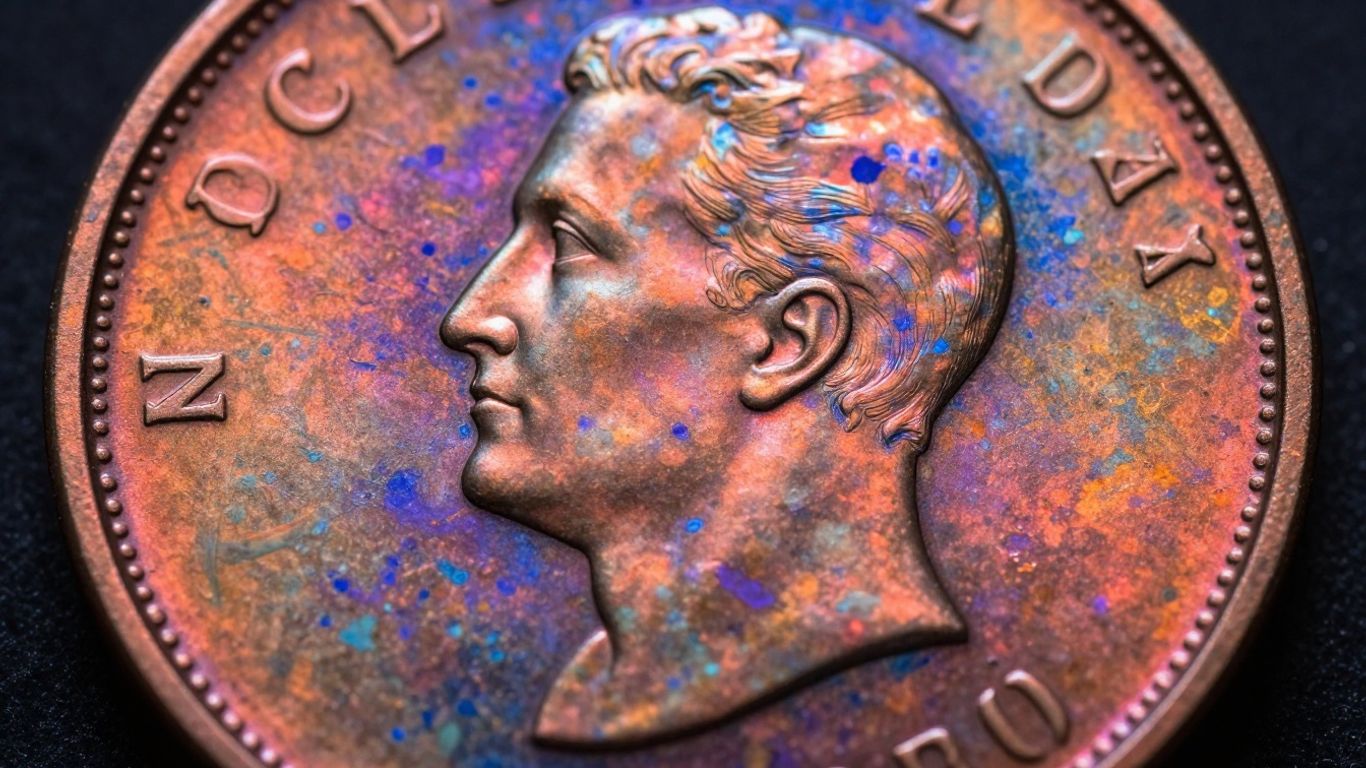
Natural toning happens when a coin is exposed to air, humidity, or other elements over many years. Think of it like aging wine or cheese – time and environment create unique characteristics. This can result in a spectrum of colors, from soft golden hues to deep blues and purples, sometimes even with rainbow-like patterns. The specific colors depend on the coin’s metal composition and the exact environmental conditions it experienced. For instance, a coin stored in a paper envelope might develop different toning than one kept in a wooden box or exposed to industrial pollutants. It’s this unique fingerprint of history that many collectors find so attractive.
Why Professional Toning Services Matter
While natural toning is desirable, sometimes coins need a little help to achieve their full visual potential, or to stabilize existing toning. This is where professional services come in. They understand the chemistry involved and can guide the toning process to create attractive, stable colors without damaging the coin’s surface. It’s a delicate art. Trying to artificially tone a coin yourself without the right knowledge can easily lead to irreversible damage, like scratches or chemical burns, which drastically reduce a coin’s worth. Professionals use controlled methods to achieve pleasing results that collectors seek. If you’re looking for places that deal with precious metals, you might find some options among gold exchange businesses in San Antonio.
Identifying Quality Coin Toning
So, how do you know if toning is good? Several factors come into play. First, look at the colors. Are they vibrant and appealing, or dull and muddy? Evenness is also important; a coin with consistent toning across its surface is generally more desirable than one with splotchy or patchy discoloration. The absence of damage is critical. You don’t want to see hairlines (tiny scratches), spots, or corrosion underneath the toning. A coin that has been artificially altered to look toned often has an unnatural, "hot-house" appearance. The best toned coins look like they developed their beauty naturally over a long period.
When assessing toned coins, always remember that originality is paramount. Any attempt to "improve" a coin’s appearance through cleaning or aggressive artificial toning can have negative consequences. It’s always better to consult with a specialist if you’re unsure about a coin’s surface condition or potential for toning.
Preserving Your Collection's Value
It’s easy to get caught up in the excitement of finding new coins for your collection. But all that effort can go to waste if you don’t think about how you’re keeping them safe. Your coins are more than just metal; they’re pieces of history, and they need protection. Think of it like owning a classic car – you wouldn’t just leave it out in the elements, would you? Your coins deserve that same level of care.
The Detrimental Effects of Improper Cleaning
This is a big one, and it trips up a lot of new collectors. You might look at a coin and think, "It’s a bit dull, I could just give it a quick polish and make it shine." Please, don’t. Cleaning a coin almost always reduces its value, often significantly. Collectors prize original surfaces and the natural toning that develops over time. When you clean a coin, you’re not just removing dirt; you’re often removing microscopic layers of metal, creating fine scratches that are visible under magnification. This damage is permanent and irreversible. Even seemingly gentle methods can cause harm.
- Avoid abrasive materials: This includes cloths, brushes, or even toothpaste. They will scratch the surface.
- Resist the urge to "brighten" toning: Natural toning is often desirable and can indicate a coin’s history and environment. Artificial brightening looks just that – artificial – and collectors can spot it.
- Never use household cleaners: Many contain chemicals that can react with the metal and cause further damage.
If you’re unsure about a coin’s surface or if it has something on it that you think needs addressing, the best course of action is to do nothing. Seriously. Consult with a professional numismatist or a reputable dealer before you even consider touching it. They can advise if any conservation is possible and safe, but in most cases, leaving it alone is the wisest choice.
Preventing Damage from Environmental Factors
Coins are made of metal, and metal can react to its surroundings. Humidity, air pollution, and even the materials used to store them can cause slow, insidious damage. This can manifest as corrosion, spotting, or discoloration. It’s not just about keeping them clean; it’s about keeping them in a stable environment. Here are a few things to watch out for:
- Control humidity: High humidity can lead to corrosion. Aim for a stable relative humidity level, ideally between 35-50%.
- Minimize air exposure: While not always practical for display, limiting prolonged exposure to unfiltered air can help.
- Be mindful of storage materials: Some older albums or holders can release chemicals that damage coins over time. Always opt for archival-quality, inert materials.
The Importance of Proper Storage Materials
Choosing the right storage is more than just putting coins in a box. It’s about creating a protective barrier. This means using materials that won’t interact negatively with the metal of your coins. Think about acid-free paper, inert plastics like Mylar (polyester), or specialized coin holders and albums. Handling coins with bare hands is also a no-no. The oils from your skin can leave marks that, over time, can lead to spotting. Always handle coins by their edges, and if you need to handle them more extensively, wear lint-free cotton or nitrile gloves. This attention to detail is what separates a well-preserved collection from one that deteriorates over time. For more on this, you might find resources on archival coin storage helpful.
Expertise in Coin Conservation
When Professional Conservation is Necessary
Sometimes, coins in a collection aren’t just naturally toned; they might have issues that need addressing. This is where professional conservation comes into play. It’s not about making a coin look brand new, but rather about stabilizing it and preventing further damage. Think of active corrosion, harmful residues, or even old, damaging PVC from old holders. These are situations where a coin’s integrity is at risk, and doing nothing could lead to irreversible harm. Professional conservation aims to halt deterioration and preserve the coin’s existing state. It’s a delicate process that requires specialized knowledge and tools, far beyond what a typical collector can or should attempt.
Avoiding Harmful Cleaning Methods
It’s easy to look at a coin that’s developed some tarnish or spotting and think a quick clean will fix it. Resist that urge! Most cleaning methods, even those that seem gentle, can cause permanent damage. Rubbing with a cloth, using abrasives like toothpaste, or even employing household cleaners can scratch the surface, remove microscopic layers of metal, and alter the coin’s original appearance. This damage is usually visible under magnification and significantly lowers a coin’s value. Collectors prize original surfaces, and once they’re gone, they can’t be brought back. If you’re unsure about a coin’s condition, it’s always best to consult with a professional numismatist before attempting any cleaning. They can advise if any conservation is possible and safe.
The Role of Conservation in Coin Value
Conservation isn’t about artificially improving a coin’s appearance to trick buyers. Instead, it’s about preservation. When done correctly by a professional, conservation can stabilize a coin, preventing it from deteriorating further. This stabilization can, in turn, help maintain or even increase its value over time, especially for rare or historically significant pieces. For instance, removing active corrosion that is eating away at the metal is a form of conservation that protects the coin’s intrinsic worth. It’s important to distinguish between cleaning, which typically harms value, and conservation, which aims to protect it. Reputable services will document their work, and many coins that have undergone professional conservation are still eligible for grading by third-party services, provided the conservation did not alter the coin’s fundamental characteristics in a detrimental way. Understanding the difference is key to protecting your investment.
The goal of conservation is not to make a coin look new, but to stop it from getting worse. It’s about stabilization and preservation, ensuring the coin survives for future generations to appreciate. This requires a careful, scientific approach, not a quick fix.
The Art of Eye Appeal in Numismatics
When you first look at a coin, what draws you in? It’s not just the date or the denomination; it’s the overall impression, the visual attractiveness. This initial feeling is what numismatists call "eye appeal." It’s that immediate spark that makes you want to look closer, or perhaps, sadly, makes you put it back down. A coin’s eye appeal is often the first factor that determines its desirability to a collector.
Recognizing Subtle Differences in Eye Appeal
It’s easy to think all coins of the same grade look alike, but that’s rarely the case. Even two coins with the same numerical grade can have vastly different looks. One might have a pleasing, even patina, while another is marred by distracting spots or scratches. Maybe one coin was struck with more vigor, resulting in sharper, more defined details. These are the subtle differences that experienced collectors learn to spot. Training your eye takes time and practice, but it’s a skill that helps you avoid overpaying and find coins that truly stand out.
How Toning Enhances Coin Aesthetics
Coin toning, the natural discoloration that occurs over time, can significantly impact eye appeal. When toning is attractive and evenly distributed, it can add a layer of beauty and historical character that collectors find very appealing. Think of the beautiful blues, purples, and golds that can develop on silver coins. However, not all toning is good. Artificial toning or toning that is dark and splotchy can detract from a coin’s looks. Distinguishing between natural, attractive toning and artificial or undesirable toning is a key skill. Understanding this helps collectors appreciate the nuances of natural coin toning.
The Collector's Perspective on Toned Coins
For many collectors, toned coins are more than just metal discs; they are pieces of history with a unique visual story. The colors and patterns of toning can make a coin memorable and distinct. While some collectors prefer the bright, uncirculated look of a newly minted coin, others actively seek out coins with beautiful, original toning. This preference often comes down to personal taste and what the collector values most in their collection. It’s about finding coins that speak to you visually and historically. The appeal of a toned coin can be quite subjective, but when it’s right, it’s undeniable.
The visual presentation of a coin is a significant aspect of its desirability. Beyond the basic details of its minting and condition, the way a coin looks – its color, luster, and any surface toning – plays a major role in how collectors perceive its value and appeal. This aesthetic quality is not merely superficial; it is an integral part of the numismatic experience.
Navigating the World of Coin Collecting
Getting into coin collecting can be a really fun hobby. You get to hold history in your hands, and it’s exciting to find those special pieces. But, like with any new interest, there are some common pitfalls that can trip up newcomers. Learning to spot and avoid these beginner coin collecting mistakes early on can save you a lot of headaches, money, and disappointment down the road. It’s not about being an expert overnight; it’s about building a solid foundation so your collection can truly grow and bring you joy.
Safeguarding Against Deceptive Practices
It’s easy to get swept up in the excitement of coin collecting. You see a shiny coin, hear about a rare find, or get caught up in a trend, and suddenly you’ve bought something that doesn’t quite fit with what you’re trying to build. This is where having a clear strategy really saves you. Relying solely on one method for verification can lead to mistakes. A balanced approach, using both hands-on inspection and digital verification, builds accuracy and confidence in your collecting decisions.
Identifying and Avoiding Counterfeit Coins
Buying coins without a plan is like going grocery shopping when you’re starving – you end up with a cart full of random stuff you don’t really need and probably can’t afford. For new collectors, this often means picking up coins based on looks alone, or because they seem like a good deal at the moment. Over time, this leads to a collection that’s scattered, hard to manage, and frankly, a bit of a mess. You might end up with duplicates, coins that don’t align with any particular interest, and a budget that’s blown way out of proportion. It’s a common trap, and one that can quickly turn a fun hobby into a source of frustration. It’s easy to be drawn in by a coin’s looks, but a coin’s appearance can be misleading. What looks like a rare find might actually be common, or worse, a fake. You can’t just assume a coin is valuable because it looks the part. You need to know its story, its history, and how many of them are actually out there.
The Pitfalls of Impulsive Buying
So, how do you avoid this chaos? Start by figuring out what truly interests you. Do you love ancient history? Are you fascinated by a specific country’s coinage? Maybe you’re drawn to coins with mint errors, or perhaps you prefer a particular denomination like silver dollars. Defining your theme is your first big step. This focus acts as your guide, helping you decide which coins are worth pursuing and which ones to pass on. It’s about building a collection that tells a story, your story, rather than just accumulating random pieces. This approach makes the hobby more personal and much more rewarding. For more tips on how to avoid common mistakes, check out this guide from One More Coin.
Once you have a theme, you can start making smarter choices. Think about creating a wishlist of coins or series you want to acquire. This helps you stay organized and avoid buying things you already have or that don’t fit your chosen path. It’s also helpful to know what you already own. Keeping good records, maybe using a simple spreadsheet or specialized software, prevents duplicate purchases and helps you see where you’re making progress. When you prioritize what you buy based on your theme and your budget, your collection will grow in a way that’s organized and meaningful. It’s not about having the most coins, but about having the right coins for your collection. Forget dusty notebooks. There are tons of apps and software out there now that make keeping track of your coins way easier. You can snap photos, add notes, and even link to market data. This digital approach keeps everything in one place and makes it simple to update as your collection grows or coin values change. It’s a smart way to manage your hobby without getting overwhelmed.
Professional Coin Appraisal Services
When it comes to your coin collection, knowing its true worth is more than just a number; it’s about understanding its history, rarity, and market position. A professional appraisal provides this clarity, acting as a vital step in managing and preserving your numismatic assets. It’s not just about getting a price tag; it’s about documentation, organization, and safeguarding against future issues.
The Necessity of Documentation and Organization
Getting your coins appraised involves more than just handing them over. A good appraiser will want to see a well-organized collection. This means having a clear inventory of what you own. Think about listing:
- The coin’s denomination, date, and mint mark.
- Any known varieties or errors.
- The coin’s condition or grade.
- How it’s currently stored (e.g., raw, in a flip, or in a third-party grading slab).
This level of detail helps the appraiser work more efficiently and provides you with a solid foundation for your collection records. It’s like having a detailed map of your numismatic territory. For those in the San Antonio area, local services like Texas Coins can help you get started with this organization.
Tracking Acquisition Details and Provenance
Provenance, the history of ownership for a coin, can significantly impact its desirability and value. When you get an appraisal, providing details about where and when you acquired your coins is important. This includes:
- Original purchase receipts.
- Old auction catalogs where you bought the coin.
- Any notes or labels that came with the coin when you acquired it.
This information adds a layer of authenticity and story to your collection. It helps establish that your coins are legitimate and have a traceable past, which is something collectors and buyers look for. A well-documented provenance can sometimes justify a higher market value.
Utilizing Digital Tools for Record Keeping
In today’s world, managing your collection doesn’t have to be done with just paper and pen. There are many digital tools available that can help you keep track of your coins, their appraisals, and their provenance. Spreadsheets are a simple start, but specialized numismatic software or even secure cloud-based inventory systems can offer more robust features. These tools can help you:
- Store high-resolution images of your coins.
- Log appraisal dates and values.
- Track insurance information.
- Set reminders for collection reviews.
Using these resources makes managing your collection much easier, especially if you have a large or diverse set of coins. For those looking for expert evaluation in San Antonio, services like San Antonio Coin Buyers often work with collectors who have detailed records, making the appraisal process smoother for everyone involved.
A professional appraisal is more than just an estimate of worth; it’s a detailed report that can guide decisions about insurance, estate planning, and potential sales. It provides a clear picture of your collection’s current status and helps you plan for its future, protecting your investment and preserving its legacy.
Choosing the Right Coin Toning Services
So, you’ve got some coins that have developed that lovely, natural patina, or maybe you’re looking to achieve a certain look. That’s where coin toning services come in. But not all services are created equal, and picking the right one is pretty important if you want to keep your collection looking its best and, you know, not lose value.
What to Look for in a Toning Specialist
When you’re looking for someone to handle your coins, you want someone who really knows their stuff. It’s not just about slapping some chemicals on there and hoping for the best. You want someone who understands the metals, how they react, and how to create toning that looks natural and appealing. A good specialist will have a portfolio of their work you can look at. Ask them about their process. Do they use controlled environmental methods, or something else? What kind of results can you expect? It’s also a good sign if they can talk about different types of toning and what makes them desirable to collectors.
Here are a few things to keep in mind:
- Experience: How long have they been doing this? Have they worked with coins similar to yours?
- Methodology: Do they have a clear, repeatable process for achieving specific toning results?
- Reputation: What do other collectors say about their work? Are there testimonials or reviews available?
- Communication: Do they explain things clearly and answer your questions patiently?
Evaluating the Results of Toning Services
Once a service has worked on your coins, you’ll want to check out the results. Does the toning look natural, or does it seem artificial and "cooked"? Natural toning usually has a smooth, gradual progression of colors, often with some depth. Artificial toning can sometimes look flat, blotchy, or have a metallic "sheen" that doesn’t belong. Look closely at the details of the coin – are they still sharp, or do they look dulled? You don’t want the toning process to obscure the coin’s design or details. Remember, the goal is to improve the coin’s appearance, not to hide its features.
The best toning services aim to mimic the beautiful, natural patinas that coins acquire over decades or even centuries. They understand that collectors value authenticity and subtlety. If a coin looks like it was artificially "aged" in a lab, it often won’t be as desirable as one with genuine, time-developed toning.
The Benefits of Local San Antonio TX Experts
While you can send coins off anywhere, there’s something to be said for working with a local expert. For one, you can often meet them in person, see their setup, and discuss your coins face-to-face. This builds trust. Plus, if you have any questions or concerns after the service, it’s much easier to follow up. For those in the San Antonio area, looking for a reputable local dealer like Golden Cash Exchange can be a good starting point, as they may have connections or recommendations for specialists in coin conservation and toning.
It’s also worth noting that while toning can add to a coin’s appeal, it’s not the only factor. The coin’s overall condition and rarity still play a huge role in its market value. Toning is about aesthetics, but it needs to be done right to be beneficial.
Maintaining Your Collection's Integrity
Once you’ve put effort into building your coin collection, keeping it in good shape is the next big step. It’s easy to get excited about finding new coins, but if you don’t protect what you already have, all that work can go to waste. Think of it like this: you wouldn’t buy a nice car and then just leave it out in the weather, right? Your coins need that same level of care.
Establishing a Clear Collecting Theme
So, how do you keep things from getting messy? Start by figuring out what really interests you. Are you into old coins from different countries? Maybe you like coins with mistakes made during minting, or perhaps you just prefer a certain type of coin, like silver dollars. Deciding on your theme is the first major move. This focus acts like a map, helping you choose which coins are worth getting and which ones to skip. It’s about building a collection that tells a story, your story, instead of just gathering random pieces. This makes the hobby more personal and much more satisfying. For more tips on avoiding common errors, you might find resources on coin collecting basics helpful.
Preserving Your Collection's Value
Keeping your coins safe means paying attention to how you store them. This isn’t just about putting them in a box; it’s about creating a shield. You need to use materials that won’t react badly with the metal of your coins. Good choices include acid-free paper, safe plastics like Mylar, or special coin holders and albums. Also, try not to touch your coins with bare hands. The oils from your skin can leave marks that, over time, can cause spots. Always handle coins by their edges, and if you need to hold them more, wear clean cotton or nitrile gloves. This carefulness is what makes a well-kept collection stand out from one that falls apart. Here are some key points to remember:
- Control humidity: Too much moisture can cause corrosion. Aim for a steady humidity level, ideally between 35-50%.
- Limit air exposure: While not always possible for display, reducing how long coins are in unfiltered air can help.
- Choose storage materials wisely: Some older storage items can release chemicals that harm coins over time. Always pick archival-quality, inert materials.
The goal is to create a stable environment that minimizes any potential harm from external factors, thereby protecting the coin’s original surfaces and inherent value for the long term.
The Importance of Handling Coins Correctly
Handling coins properly is a big part of keeping them in good condition. It might seem simple, but mistakes here can really hurt a coin’s value. Never, ever try to clean a coin you own. While it might seem like a good idea to make it look shinier, in almost all cases, cleaning will damage the coin’s surface and significantly lower its worth. Original surfaces are highly sought after by collectors, and once they’re gone, they can’t be brought back. If you’re unsure about a coin’s condition or if it needs any kind of attention, it’s always best to ask a professional numismatist before doing anything. For those in the San Antonio area looking for expert advice on coin care and appraisal, Silverstacker LLC can provide guidance.
Final Thoughts on Coin Care in San Antonio
So, we’ve talked a lot about keeping your coins looking good and staying valuable. It really comes down to being careful. Don’t try to clean them yourself, no matter how tempting it might be. That original look is what collectors want. Also, storing them right is a big deal – think stable temperatures and the right materials. If you’re ever unsure about a coin, or if it needs some attention, it’s always best to find a pro. Here in San Antonio, there are folks who know their stuff when it comes to coin toning and preservation. Getting their help means you’re protecting your investment and keeping your collection in great shape for years to come.
Frequently Asked Questions
What exactly is coin toning, and why is it important?
Coin toning refers to the natural color changes that happen on a coin’s surface over time. These colors, like blues, purples, golds, and browns, are caused by chemical reactions with the air and environment. Many collectors find these natural colors beautiful and a sign of a coin’s history, which can actually make the coin more valuable.
Is it ever okay to clean my coins?
Generally, no. Cleaning a coin, even with a soft cloth, can remove tiny layers of metal and create scratches that are hard to see but lower the coin’s value. Collectors prefer coins that look just as they did when they were made, with their original surfaces intact. If you think a coin needs cleaning, it’s best to ask a professional first.
How can I protect my coins from damage?
Protecting your coins involves keeping them in a stable environment. This means avoiding places with high humidity or big temperature changes. Also, use special holders made from materials that won’t harm the metal, like Mylar or inert plastics. Always handle coins by their edges to avoid transferring oils from your skin.
What makes one coin look better than another, even if they are the same grade?
This is called ‘eye appeal.’ Even coins with the same official grade can look different. A coin with nice, even toning, sharp details, and no distracting marks will usually look better and be more desirable to collectors than one with dull surfaces or visible flaws. It takes practice to learn what to look for.
How do I know if a coin is real or a fake?
Spotting fake coins can be tricky, especially for beginners. Be suspicious of deals that seem too good to be true. Look closely at the coin’s details, weight, and size compared to known genuine examples. If you’re unsure, it’s wise to get an opinion from an experienced coin dealer or appraiser before buying.
Why is it important to keep records of my coin collection?
Keeping good records, like a list of what you own, when and where you bought it, and how much you paid, is very important. This information, called provenance, helps prove your coin is authentic and can increase its value. It also makes it easier to insure your collection or sell coins later.
What should I look for when choosing a coin toning service?
When choosing a service, look for experts who understand natural toning and don’t try to create artificial-looking colors. Ask to see examples of their work. A good service will enhance a coin’s natural beauty without damaging its surface. Local experts in San Antonio can offer personalized service and advice.
Should I get my coins professionally graded?
Professional grading is often worthwhile for valuable or rare coins. Grading services authenticate and assign a condition grade, which gives buyers confidence. However, grading can be expensive, so it’s usually best for coins where the potential increase in value after grading is significantly more than the cost of grading itself.