
When you’re dealing with coins, whether it’s for collecting, trading, or just admiring them, keeping them in good shape is pretty important. You might not think about it much, but touching coins with your bare hands can actually cause them to degrade over time. That’s where wearing cotton gloves for coins comes in. It’s a simple step, but it makes a big difference in protecting your collection from fingerprints, oils, and moisture. This guide will walk you through why they’re so useful, how to pick the right ones, and the best ways to use them.
Key Takeaways
- Wearing cotton gloves for coins is vital for preventing damage from fingerprints, oils, and moisture, which can degrade metal over time.
- Opt for 100% cotton gloves that fit well for comfort and a secure grip when handling your collection.
- Proper technique involves clean hands before wearing and careful removal to avoid contamination.
- Regular cleaning and proper storage will extend the life of your cotton gloves.
- Avoid common mistakes like poor hand hygiene, using worn-out gloves, or choosing the wrong material for the task at hand.
Understanding Cotton Gloves For Coin Handling
Why Cotton Gloves Are Essential For Coin Preservation
When you’re dealing with coins, especially valuable ones, touching them directly is a big no-no. Your hands have oils and moisture, and even the slightest contact can leave marks or start a slow process of degradation. Cotton gloves act as a barrier, keeping your skin’s natural elements away from the coin’s surface. This is super important for keeping coins in their original condition. Think of it like wearing gloves when you handle delicate photographs; you wouldn’t want to smudge them, right? The same idea applies here. Using gloves helps maintain the integrity of the coin, which is key for collectors. It’s a simple step that makes a huge difference in the long run for any coin collection.
The Role Of Cotton Gloves In Preventing Damage
Coins, particularly those made of metals like silver or copper, are quite sensitive. Fingerprints might seem harmless, but they contain salts and acids that can react with the metal over time. This reaction can lead to spotting, discoloration, and a general loss of luster. Cotton gloves prevent this direct contact. They create a buffer zone, stopping those oils and residues from ever reaching the coin. This is especially true for items like Silver Eagles, where preserving the surface is paramount. Without gloves, you risk introducing contaminants that are difficult, if not impossible, to remove without causing further damage.
Benefits Of Wearing Cotton Gloves For Coins
There are several good reasons to start using cotton gloves for your coins:
- Preservation of Surface: They stop oils, sweat, and dirt from your hands from touching the coin’s surface, preventing tarnish and damage.
- Improved Grip: While it might seem counterintuitive, clean cotton gloves can actually provide a more secure grip on smooth coin surfaces compared to bare, potentially sweaty fingers.
- Hygiene: They keep your hands clean and protect them from any residues that might be on older coins.
- Professional Handling: For serious collectors, using gloves is standard practice and lends a more professional approach to handling your collection. It’s a good habit to get into, just like documenting your coin collection.
Handling coins with care is not just about aesthetics; it’s about respecting the history and material value of each piece. Cotton gloves are a simple, effective tool in this process.
Choosing The Right Cotton Gloves For Your Collection
When you’re getting serious about your coin collection, the little things really do matter. And that includes the gloves you use. It might seem straightforward, but picking the right pair of cotton gloves can make a big difference in how well you protect your coins.
Material Matters: 100% Cotton For Optimal Protection
This is probably the most important thing to get right. You want gloves made from 100% cotton. Why? Because cotton is a natural fiber that’s breathable and won’t react badly with the metal of your coins. Synthetic materials, on the other hand, can sometimes have chemicals in them that might transfer to the coin’s surface over time. That’s the last thing you want when you’re trying to preserve something valuable. Always check the label to make sure it says 100% cotton. It feels soft and comfortable, too, which is a nice bonus.
Fit And Comfort: Ensuring A Secure And Pleasant Experience
Gloves that are too big or too small are just annoying. If they’re too loose, you risk dropping a coin or not having enough control. If they’re too tight, your hands might get tired or sweaty, which can also lead to problems. You want a pair that fits snugly but comfortably, like a second skin. This allows for better dexterity when you’re handling delicate items. Some gloves have a tailored fit with separate thumbs, which really helps with comfort and control.
Durability And Reusability Of Cotton Gloves
Good quality cotton gloves should last you a while, especially if you take care of them. Look for gloves that are described as durable. Features like reinforced seams or an open hemmed wrist can help prevent tearing, making them easier to put on and take off without damage. Since you’ll be washing them, it’s good to know they can hold up to repeated use. This makes them a more economical choice in the long run, and it’s better for the environment too.
Here’s a quick look at what to consider:
- Material: Always 100% cotton.
- Fit: Snug but comfortable, allowing for good dexterity.
- Construction: Look for features that add durability, like reinforced seams.
When you’re handling coins, it’s really about preventing any transfer of oils or dirt from your skin. Even a single fingerprint can start to degrade the surface of a coin over time, which is something collectors always want to avoid. Using the right gloves is a simple step that makes a big difference in preserving your collection.
It’s worth spending a little extra time to find a pair that feels right. You’ll be using them a lot, and a comfortable, well-fitting glove makes the whole process of handling your coins much more enjoyable and, more importantly, safer for your collection. You can find good quality cotton gloves for coin collectors from specialized dealers or reputable online stores.
Proper Techniques For Wearing Cotton Gloves For Coins
Handling coins requires a delicate touch, and using cotton gloves correctly is key to preserving their condition. It’s not just about slipping them on; there are a few steps to make sure you’re doing it right.
Preparing Your Hands Before Wearing Gloves
Before you even think about putting on your gloves, take a moment to prepare your hands. This step is often overlooked, but it’s really important. Your hands might look clean, but they carry oils and residues that can transfer to your coins. A quick wash with mild soap and water is usually enough. Make sure to dry them completely; any lingering moisture can also be a problem. If you’re going to be handling coins for a long time, consider applying a thin layer of a barrier cream. This can help protect your skin and prevent it from drying out, especially if you have sensitive skin. It’s a small effort that makes a big difference in the long run.
The Correct Way To Put On And Take Off Gloves
Putting on gloves might seem straightforward, but there’s a knack to it that helps maintain their integrity and your grip. Never blow into the gloves to open them up; this introduces moisture. Instead, grasp the cuff and gently stretch it open. You can trap a bit of air inside by closing your fist around the opening and then pushing that air down towards the fingers. This will help the glove open up nicely. When taking them off, reverse the process. Gently peel the glove off from the cuff, turning it inside out as you go. This keeps the outside of the glove, which has been in contact with the coin, from touching your bare skin. Having a small waste bag ready can make this process tidier.
Maintaining Grip While Wearing Gloves
One common concern is losing dexterity and grip when wearing cotton gloves. This is especially true when handling small or smooth objects like coins. The trick is to choose gloves that fit well. A glove that’s too loose will make it hard to feel what you’re doing, while one that’s too tight can restrict movement. Practice picking up and holding coins with your gloved hands. You’ll find that a gentle, firm grip works best. Avoid squeezing too hard, as this can sometimes cause the coin to slip. If you find your grip is consistently an issue, you might need to experiment with different glove thicknesses or materials. Some collectors find that a slightly textured cotton glove offers a better hold.
Proper glove technique isn’t just about preventing damage to your coins; it’s also about ensuring your own comfort and safety during the handling process. Taking these small steps can lead to a more enjoyable and successful collecting experience.
Maintaining Your Cotton Gloves For Longevity
Taking good care of your cotton gloves means they’ll last longer and keep protecting your coins. It’s not complicated, but a little attention goes a long way.
Washing And Drying Your Cotton Gloves
These gloves are usually made from 100% cotton, which makes them pretty easy to clean. You can typically wash them by hand or toss them in the washing machine. Just be mindful of the temperature. Using low heat or air drying is best to avoid any shrinkage, keeping them fitting just right. Over time, repeated washing can wear down the fabric, so it’s good to have a few pairs on rotation.
When To Replace Your Cotton Gloves
Even with good care, cotton gloves won’t last forever. You’ll know it’s time for a new pair when you start noticing:
- Significant thinning of the fabric, especially around the fingertips.
- Holes or tears that compromise their protective ability.
- Loss of elasticity in the cuffs, making them slip down your wrists.
- Persistent stains that washing can’t remove, which might transfer oils.
It’s better to replace them before they fail to do their job properly. Remember, the goal is to prevent damage to your coins, and worn-out gloves can actually cause problems.
Storing Your Cotton Gloves Properly
Once clean and dry, store your gloves somewhere clean and dry. A simple drawer or a dedicated box works well. Keeping them away from dust and moisture will help maintain their condition. If you’re storing them for a longer period, consider placing them in a sealed bag to keep them fresh. This simple step helps prevent any unwanted smells or contamination before your next coin handling session. Proper storage is key to keeping your gloves ready for use and protecting your collection.
Cotton gloves are a simple tool, but their effectiveness relies on their condition. Treat them well, and they’ll continue to serve you and your numismatic treasures faithfully.
Beyond Coins: Versatile Uses For Cotton Gloves
While we’ve focused on coins, these white cotton gloves are surprisingly useful for a lot of other things too. Think of them as your go-to for anything that needs a gentle touch and protection from your hands.
Protecting Jewelry and Antiques
Your jewelry box and antique cabinet might be holding more than just memories; they’re likely filled with items that can easily get smudged or scratched. Delicate necklaces, rings with intricate settings, or old photographs can all suffer from the oils and moisture on our skin. Wearing cotton gloves when you handle these items is a simple step that makes a big difference. It keeps fingerprints off shiny surfaces and prevents oils from dulling finishes over time. For anyone who collects Morgan silver dollars or other valuable items, this practice is second nature.
Handling Artwork and Collectibles
If you’re into art, whether it’s paintings, sculptures, or even rare books, cotton gloves are a must. Museums use them for a reason: to keep the items pristine. Imagine handling a delicate watercolor or a vintage comic book. Your hands, even if clean, leave behind traces that can degrade the material over years. Cotton gloves act as a barrier, preserving the integrity of these pieces. They’re also great for handling things like stamps or other paper ephemera where oils can cause discoloration.
Use As Glove Liners For Enhanced Comfort
This is a bit of a different angle, but cotton gloves can also be worn under other gloves. If you have to wear thicker work gloves or even disposable nitrile gloves for extended periods, your hands can get sweaty and uncomfortable. A thin pair of cotton gloves underneath acts like a liner. They absorb moisture, keeping your hands drier and making the outer gloves feel much more pleasant. This is especially helpful if you work in a job where you need to wear gloves all day, like in healthcare or certain industrial settings. They add a layer of comfort and hygiene, making those long shifts a bit more bearable.
Common Mistakes To Avoid When Wearing Cotton Gloves
Even with the best intentions, it’s easy to slip up when using cotton gloves for coin handling. These simple errors can undermine the very protection you’re trying to provide for your collection. Let’s look at some common pitfalls and how to sidestep them.
Ignoring Hand Hygiene Before And After Use
It might seem obvious, but washing your hands thoroughly before putting on gloves is a step many overlook. Our hands, even after a quick rinse, can harbor oils and residues that transfer through the glove material over time. Think about it: within minutes of washing, your skin starts producing those natural compounds again. This is why consistent hand washing is non-negotiable. Similarly, don’t just pull off your gloves and go about your business. Always wash your hands again afterward to remove any contaminants that might have made it through or were on the outside of the gloves.
Using Worn-Out Or Damaged Gloves
Cotton gloves are reusable, which is great for the wallet and the environment. However, this reusability means they can wear out. Thinning fabric, holes, or stretched-out cuffs are all signs that a pair is past its prime. A damaged glove offers compromised protection, potentially allowing oils and dirt to reach your coins. If you notice any wear and tear, it’s time to retire that pair. For coin collectors, this means having a few pairs on hand so you’re never tempted to use a subpar glove. Remember, the goal is preservation, and a faulty glove works against that.
Choosing The Wrong Glove Material For Specific Tasks
While this section focuses on cotton gloves, it’s worth noting that not all gloves are created equal for every situation. Cotton is excellent for general handling and preventing fingerprints, but for certain tasks or environments, other materials might be considered. For instance, if you’re dealing with potentially hazardous materials or need a more robust barrier, nitrile or latex might be necessary, though latex has its own issues with silver. Always consider the specific needs of the coin or artifact you’re handling. Using a glove that’s too thick can also reduce dexterity, leading to accidental drops. It’s about finding the right tool for the job, and sometimes that means looking beyond just cotton.
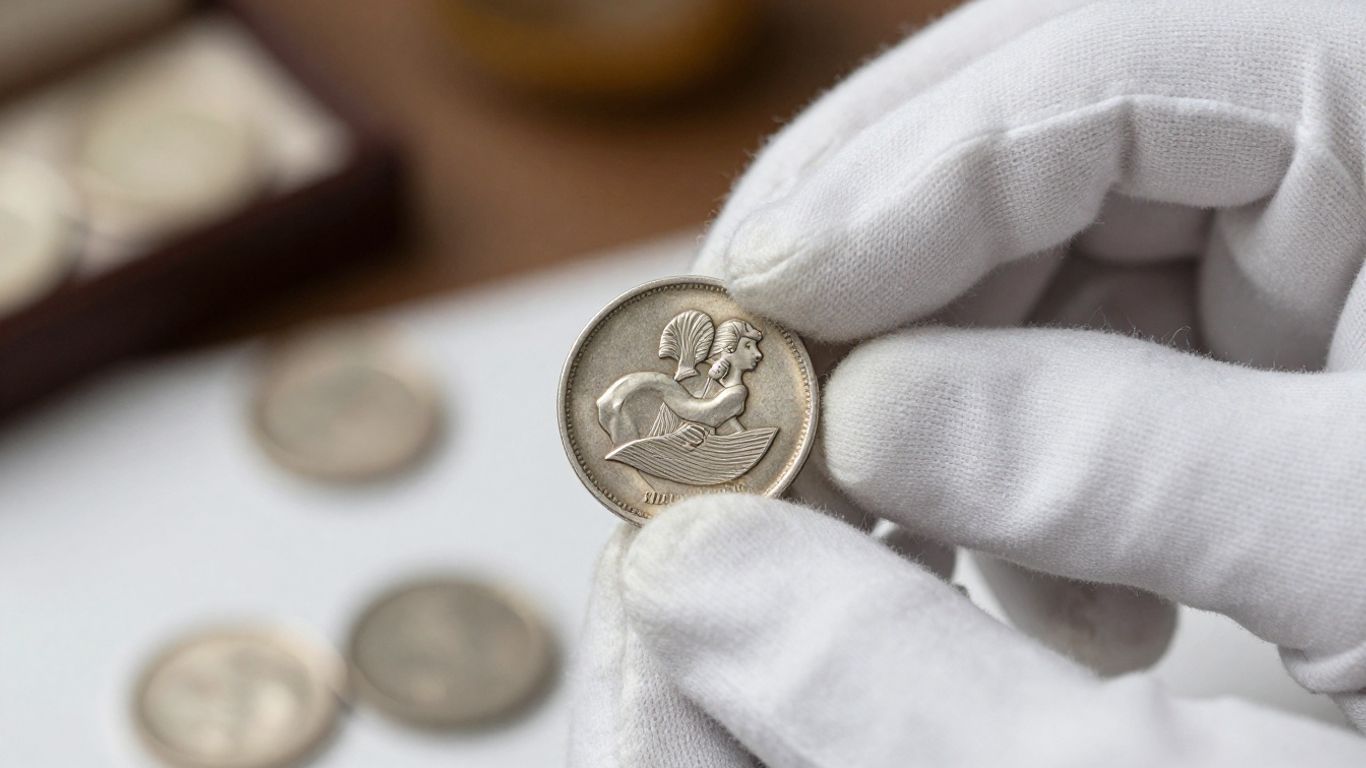
The subtle transfer of oils and acids from bare skin is a primary culprit in coin degradation. Even seemingly clean hands can leave behind residues that, over time, cause tarnishing and corrosion. Cotton gloves act as a vital barrier, preventing this direct contact and safeguarding the coin’s surface integrity. This simple act of wearing gloves is one of the most effective ways to preserve the condition and value of your numismatic treasures.
The Science Behind Fingerprints And Coin Degradation
How Moisture Affects Coin Surfaces
It might seem like your hands are clean after a good wash, but they’re actually leaving behind a complex mix of substances when you touch things. This isn’t just water; it includes salts, oils, and other organic compounds. When these touch a coin’s surface, especially one made of reactive metal like copper or silver, they can start a chemical reaction. Moisture is a big part of this. The compounds left on your skin are often hygroscopic, meaning they attract and hold onto water from the air. This creates a damp environment right on the coin’s surface. Think of it like leaving a wet spot on metal – it’s a prime spot for corrosion to begin. Over time, this can lead to pitting and discoloration, slowly degrading the coin.
The Impact Of Natural Oils On Metal
Our skin naturally produces oils, like sebum, and also picks up oils from our environment. These oils, along with sweat, form a film on our fingertips. When you handle a coin without gloves, this oily film transfers directly onto the metal. These oils aren’t inert; they can react with the metal over time. For certain metals, like silver, even tiny amounts of sulfur compounds found in some oils can cause rapid tarnishing. This isn’t just about making the coin look dirty; it’s a chemical process that alters the coin’s surface at a microscopic level. The longer these oils sit on the coin, the more damage they can potentially do, leading to permanent changes in the coin’s appearance and condition.
Preventing Chemical Reactions With Cotton
This is where cotton gloves really shine. Cotton acts as a physical barrier, preventing the oils, salts, and moisture from your hands from ever touching the coin’s surface. It’s a simple but incredibly effective way to protect your collection. Unlike your skin, clean cotton gloves don’t leave behind reactive compounds. They absorb any sweat your hands might produce while you’re wearing them, but this moisture is contained within the glove and doesn’t transfer to the coin. This keeps the coin’s surface stable and free from the chemical attacks that can happen with direct skin contact. It’s a small step that makes a huge difference in preserving the integrity of your coins for the long haul. If you’re serious about coin collecting, using cotton gloves is a non-negotiable part of the process, much like avoiding harsh cleaning solutions like ammonia which can also damage coins.
Where To Source Quality Cotton Gloves For Coin Collectors
Finding the right cotton gloves for your coin collection doesn’t have to be a treasure hunt itself. Several places offer quality options designed specifically for handling delicate items like coins. When you’re looking, keep a few things in mind to make sure you get the best protection for your numismatic treasures.
Identifying Reputable Suppliers
When you’re shopping for gloves, look for suppliers that specialize in coin collecting supplies or archival materials. These places often understand the specific needs of collectors. You can find good options online from dedicated coin supply stores, or sometimes in hobby shops that cater to collectors of all kinds. Always check reviews and product descriptions to confirm they are made of 100% cotton.
- Online Coin Supply Retailers: Many websites focus solely on providing tools and accessories for coin collectors. They usually have a curated selection of high-quality cotton gloves.
- Archival Supply Companies: Businesses that sell materials for preserving documents and artifacts often carry suitable cotton gloves, as the preservation needs are similar.
- Specialty Hobby Stores: While less common, some larger hobby stores might stock gloves for detailed work, which can include coin handling.
Understanding Glove Sizing Charts
Getting the right fit is important. Gloves that are too tight can restrict movement, making it harder to handle coins carefully. Gloves that are too loose can slip, increasing the risk of dropping a coin. Most reputable suppliers will provide a sizing chart. You’ll typically need to measure the width of your palm and sometimes the length of your hand.
Here’s a general idea of how sizing might work:
| Size | Palm Width (inches) | Hand Length (inches) |
|---|---|---|
| Small | 3.0 – 3.5 | 6.5 – 7.0 |
| Medium | 3.5 – 4.0 | 7.0 – 7.5 |
| Large | 4.0 – 4.5 | 7.5 – 8.0 |
Note: These are approximate measurements. Always refer to the specific supplier’s chart.
Looking For Specific Features Like Open Cuffs
Beyond material and size, certain features can make cotton gloves more practical for coin handling. An open cuff design, for instance, makes the gloves easier to put on and take off, which is convenient when you’re frequently handling different coins. This also helps prevent the glove from tearing at the wrist over time. Look for gloves that are breathable and comfortable for extended use. Some gloves are even designed to be washable and reusable, which is a nice bonus for long-term use.
When selecting gloves, prioritize those made from a single, natural material like 100% cotton. Avoid blends or synthetic materials, as these can sometimes react with metal surfaces or leave behind residues that are detrimental to coin preservation over time. The goal is a barrier that is inert and absorbent.
Wrapping Up: The Simple Value of Cotton Gloves
So, we’ve talked a lot about why cotton gloves are a good idea for handling coins and other delicate things. They help keep fingerprints and oils off your collection, which is pretty important if you want to keep its value. Plus, they’re comfy to wear, especially if you’re going to be at it for a while. They’re washable and reusable, which is nice, and they don’t cost a fortune. While they might not be the best choice for super hazardous stuff, for everyday coin handling and keeping your treasures looking good, they really do the job. Just remember to keep them clean and dry, and you’ll be set.
Frequently Asked Questions
Why are white cotton gloves recommended for handling coins?
White cotton gloves are recommended because they help keep the natural oils and moisture from your hands off the coins. These oils can cause coins to tarnish or degrade over time. The gloves act as a clean barrier, protecting the coin’s surface and preserving its condition.
Can I use any type of cotton glove?
It’s best to use gloves made from 100% cotton. This material is breathable, soft, and less likely to leave behind lint or chemicals that could harm delicate items like coins. Avoid gloves with added chemicals or synthetic blends if possible.
How do I put on cotton gloves correctly?
First, make sure your hands are clean and dry. Gently open the glove by stretching the wrist area, trapping air inside. Slide your hand in carefully, ensuring the glove fits snugly but not too tight. Avoid pulling too hard on the fabric.
How should I care for my cotton gloves?
Most white cotton gloves can be washed by hand or machine. It’s important to let them air dry completely or tumble dry on low heat to prevent shrinking. Properly cared for, they can be reused many times.
When should I replace my cotton gloves?
You should replace your cotton gloves when they become thin, develop holes, or are heavily stained. If the gloves no longer provide a good barrier or feel less protective, it’s time for a new pair.
Can cotton gloves be used for other collectibles?
Yes, absolutely! Cotton gloves are also great for handling other items like jewelry, photographs, artwork, and antiques. They help prevent fingerprints and damage on a variety of sensitive materials.
What's the difference between cotton gloves and other types of gloves for collecting?
Unlike gloves made of latex or nitrile, cotton gloves are breathable and less likely to react chemically with metals. While nitrile or latex offer a stronger barrier against certain chemicals, cotton is preferred for its gentleness on surfaces and its ability to absorb slight moisture without leaving residue.
Where can I find good quality cotton gloves for coin collecting?
You can find quality cotton gloves from reputable suppliers who cater to collectors, hobbyists, or those needing inspection gloves. Look for descriptions that specify ‘100% cotton’ and ‘breathable’. Online stores and specialty shops are good places to start your search.