
To truly get the best deals when buying or selling coins, you need to be smart about how you negotiate. It’s not just about the price; it’s about the whole process. Here are some of the most important things to remember:
Key Takeaways
- Always know what coins are worth by checking market prices before you start talking.
- Make your first offer a strong one, but make sure you can explain why it’s fair.
- Be honest and open about what you want and what you can offer to build trust.
- Think of negotiations as solving a problem together, not as a fight.
- Be confident and stay calm, even when the other side tries to pressure you.
Understanding Market Benchmarks For Coin Price Negotiation Tactics
When you’re looking to buy or sell coins, knowing the going rate is pretty important. It’s not just about guessing; it’s about having solid information to back up your price. This is where market benchmarks come into play. They’re like the scorecards of the coin world, showing what similar items have sold for recently. Using these standards helps take the emotion out of the deal and makes pricing feel fair to everyone involved.
Leveraging Industry Standards for Objective Pricing
Think of industry standards as the common language for pricing. When you can point to recent sales of comparable coins, you’re not just stating a number; you’re presenting evidence. This makes your position much stronger. For example, if you’re selling a rare coin, knowing its auction history or what dealers are listing similar pieces for gives you a solid foundation. It moves the conversation from ‘I want this much’ to ‘The market indicates this value.’ This objective approach builds confidence and reduces the chances of a deal falling apart over a disagreement on worth. It’s a good idea to check out resources that track coin sales, like auction archives or specialized price guides. This kind of research is key to making informed decisions.
The Authority of Market Data in Negotiations
Market data holds a lot of sway. People tend to trust numbers that are backed by real transactions. When you bring up specific sales figures, you’re tapping into this trust. It’s like saying, ‘This isn’t just my opinion; this is what collectors and dealers are actually paying.’ This can be especially useful when dealing with someone who might be new to the coin market or trying to push a price that’s out of line. Having data on hand can help steer the conversation back to reality. For instance, if someone is asking an unusually high price for a common coin, you can gently counter with recent sales data showing a lower range. This data can also be found on sites that track prediction markets, showing how real-world events influence value.
Establishing a Defensible Opening Offer
Your first offer sets the tone for the entire negotiation. It’s not just about picking a number; it’s about picking a number you can stand behind. If you throw out a price that’s way too high or too low without good reason, you risk losing credibility. A defensible opening offer is one that is ambitious but also realistic, supported by your market research. It shows you’ve done your homework and are serious about the deal. For example, if you’re buying, starting with an offer that’s a bit lower than the asking price but still within a reasonable range, and being able to explain why (e.g., condition, market trends), is a smart move. It leaves room for negotiation without appearing unreasonable. It’s also important to consider what your final offer might be, and perhaps have a non-monetary concession ready to go if needed.
When you’re negotiating, remember that your opening offer is like planting a flag. It signals your starting point and influences where the discussion goes from there. Make sure that flag is planted on solid ground, backed by facts and a clear understanding of the coin’s true market value. This approach builds trust and makes the entire process smoother for everyone involved.
Strategic Opening Offers and Countering Tactics
When you’re looking to buy or sell coins, how you start the conversation can really set the tone for the whole deal. It’s not just about throwing out a number; it’s about using that first number to guide where the negotiation goes. This is where the idea of the "anchoring effect" comes into play. Whoever makes the first offer often has a significant influence on the final price. Think about it: if someone offers a very high price for a rare coin, that high number becomes the reference point, making even a slightly lower offer seem more reasonable by comparison. It’s a well-known tactic used in many sales, and coin collecting is no different.
The Anchoring Effect: Seizing Control of the Negotiation
Making the first offer, especially if it’s a bit ambitious, can steer the entire discussion. It establishes a high anchor, making the eventual agreed-upon price seem more sensible. If the other party counters with their own ambitious offer, you can smile and meet their anchor with your own. This approach helps you seize control of the bargaining table and influence the outcome.
Responding Effectively to Initial Offers
What do you do when the other side throws out their first number? Don’t just accept it or immediately shoot it down. Instead, try to deflect it politely while keeping the conversation moving. Phrases like, "I appreciate that offer, but it doesn’t quite work for us right now," can be useful. You can also pivot the discussion: "Let’s set the price aside for a moment and talk about what would make this deal truly successful for both of us." Or, ask them directly, "What else could you include to make that price more attractive to me?" This keeps the ball in their court and opens up possibilities beyond just the monetary value.
Crafting Your Bargaining Agenda and Concessions
It’s wise to have a plan for how you’ll move through the negotiation. This means thinking about your opening offer, what your concessions might be, and what you expect in return. For instance, if you’re buying, you might start at 65% of the asking price, then move to 85%, and finally 95%. But each step should come with conditions. What are you willing to give up, and what do you expect to get in exchange? It’s also smart to consider what non-monetary items might be important to the other party, like faster delivery or a public acknowledgment. Remember, you’ll likely need to make concessions; seasoned negotiators expect them. The key is to get something in return for every concession you make. Think about what your final offer will be – sometimes, a non-monetary item can signal you’ve reached your limit.
A common mistake is negotiating against yourself. This happens when nerves kick in, and you lower your initial offer before the other side even pushes back. You end up giving away value without any pressure. It’s important to hold firm on your opening position, especially if you’ve done your homework and it’s well-supported. Sharing too much information about your own business or needs can also backfire, giving the other party an advantage they can exploit. Keep what the other side knows about your internal workings to a minimum.
Here’s a look at how concessions can be structured:
- Initial Offer: State your opening position clearly.
- Counter-Offer: Respond to their offer, perhaps by moving slightly towards their position but asking for something in return.
- Concession: Give a little on a point, but only after securing a reciprocal move from the other side.
- Final Offer: Present your best and final terms, which might include non-monetary elements.
When dealing with multiple offers on a property, for example, understanding how to negotiate each one is key to getting the best outcome. Maximizing your sale price often comes down to strategic negotiation.
Building Trust and Transparency in Coin Negotiations
When you’re looking to buy or sell coins, especially in the growing market for rare coins, building a foundation of trust and being upfront about things is really important. It’s not just about getting a good price today; it’s about making sure you can do business again tomorrow. Think of it like this: if you feel like someone is being honest and clear with you, you’re way more likely to feel good about the deal, even if it’s not perfect.
The Power of Honesty and Clear Objectives
Being honest from the start sets a good tone. If you know what you want – maybe it’s a specific coin for your collection or a certain profit margin – say it. Don’t play games. This helps the other person understand where you’re coming from. It’s like telling a friend you need to borrow their car for a specific reason; they’re more likely to help if they know the real story. When both sides are clear about their goals, you can figure out if you’re even in the same ballpark. This saves a lot of time and avoids misunderstandings down the road. It’s about making sure you’re both working towards a deal that makes sense for everyone involved.
Transparency as a Time-Saving Strategy
Being open about details, like pricing or the condition of a coin, can actually speed things up. Instead of back-and-forth questions about hidden fees or unknown issues, you get straight to the point. For example, if you’re selling, providing a detailed list of a coin’s grading, any imperfections, and its provenance upfront means the buyer can make a quicker decision. This is especially true when dealing with larger transactions or when you’re looking to buy rare coins. It cuts down on the back-and-forth that can drag negotiations out for weeks.
Here’s a quick look at how transparency helps:
- Reduces suspicion: When information is readily available, people are less likely to think something is being hidden.
- Speeds up due diligence: Buyers can verify information faster.
- Builds confidence: Knowing all the facts allows for more confident decision-making.
- Minimizes surprises: Fewer unexpected issues arise after the deal is done.
Admitting Needs to Facilitate Agreement
Sometimes, admitting what you really need can be a surprisingly effective tactic. It’s not about showing weakness, but about being realistic. If you need to sell a coin quickly due to financial reasons, or if you’re looking for a specific type of coin to complete a set, letting the other party know can open up new possibilities. They might have a solution you hadn’t considered, or they might be more willing to meet you halfway if they understand your situation. It shifts the conversation from a pure price battle to a problem-solving discussion. This approach can lead to more creative deal structures and a stronger working relationship, which is vital in the alternative asset class market.
When you focus on understanding the other party’s needs and openly share your own, you move beyond a simple transaction. You start building a connection that can lead to better outcomes for everyone involved, making future dealings smoother and more profitable.
Mastering the Art of the Deal: Collaborative Negotiation
Reframing Negotiations as Problem-Solving Conversations
Moving beyond a simple back-and-forth on price, true deal-making involves seeing the negotiation as a shared challenge. Instead of viewing the other party as an adversary, think of them as a partner in finding a solution that works for everyone. This shift in perspective is key. It means focusing on what each side truly needs, not just the stated positions. For instance, a seller might be focused on a specific dollar amount, but perhaps their real need is a quick sale or a reliable buyer. Understanding these underlying interests opens up possibilities for creative solutions that satisfy both parties. This approach helps to create value in the negotiation, rather than just dividing a fixed pie.
The Win-Win Concept for Sustainable Agreements
The goal isn’t just to get the best deal for yourself; it’s to find an agreement that both sides can feel good about. This ‘win-win’ scenario is more than just a nice idea; it leads to more stable and lasting agreements. When both parties feel they’ve gained something significant, they are more likely to honor the terms and even do business together again. Think about it: if one side feels completely taken advantage of, they might look for ways to back out later or simply avoid future dealings. A truly collaborative deal ensures that the other party also feels their needs have been met, which is a big part of successful negotiation.
Separating People from the Problem
It’s easy to get caught up in personalities during a negotiation. Someone might be difficult, or their demands might seem unreasonable. However, it’s vital to remember that the person is not the problem. The problem is the issue you are trying to resolve together. Try to address the issue directly without attacking the individual. This means being firm about your own needs and interests, but doing so in a way that respects the other person. Think of it as being soft on the person but hard on the problem. This principle helps maintain a constructive atmosphere, even when discussing tough points.
Here are some ways to keep people and problems separate:
- Listen actively: Pay attention to what the other person is saying, both verbally and non-verbally.
- Acknowledge their perspective: Even if you don’t agree, show that you understand their point of view.
- Focus on objective criteria: Use facts and data to support your arguments, rather than personal opinions.
- Reframe attacks: If the other person becomes personal, gently steer the conversation back to the issue at hand.
When you can separate the person from the problem, you create space for more productive dialogue. It allows you to address the core issues without damaging the relationship, which is often more important in the long run than the immediate outcome of a single deal.
Navigating Complex Deal Structures and Hidden Costs
When you’re looking at buying or selling coins, the sticker price is rarely the whole story. Deals can get complicated fast, and there are often costs lurking just out of sight. It’s like buying a house; the list price is just the start of what you’ll actually pay. You have to look beyond the initial number to see the full picture.
Uncovering Hidden Fees and Associated Costs
Sometimes, fees pop up that weren’t mentioned at first. These can be for things like authentication, grading, or even special handling. It’s important to ask directly about any extra charges. Don’t be afraid to ask for a breakdown of all costs involved. A seller who is upfront about these will usually be more trustworthy.
- Authentication Fees: Costs associated with verifying the coin’s authenticity.
- Grading Fees: Charges for professional grading services (e.g., PCGS, NGC).
- Insurance: If the coin is valuable, you might need to insure it during transit.
- Shipping and Handling: Especially for international deals, these can add up.
Negotiating Total Cost of Ownership Beyond Purchase Price
Think about what it will cost to own the coin over time. This includes not just what you pay for it, but also any upkeep, storage, or insurance. For example, a rare coin might need a special display case or a secure vault. These ongoing expenses matter when you’re deciding if a deal is truly good. You want to make sure the long-term costs fit your budget. This is where creative dealmaking can really help find common ground [fe34].
Securing Favorable Terms for Support and Parts
If you’re buying a collection or a large lot, consider what happens if something goes wrong. Are there terms for returns or exchanges? What if a coin in the lot turns out to have a problem? Knowing you have some recourse can save you a lot of headaches later. It’s about building a deal that works for both sides, not just for the moment of sale. This is similar to how real estate deals have many points to negotiate [d6fa].
Always ask for a detailed invoice that lists every single charge. If something seems unclear, ask for clarification before you agree to anything. It’s better to spend a little extra time now than to be surprised by unexpected bills later.
Leveraging Bulk Purchases and Payment Terms
When you’re looking to acquire multiple coin machines, thinking about how you’ll pay and if you can get a better deal for buying more at once becomes really important. It’s not just about the sticker price; it’s about the whole financial picture.
Strategies for Effective Bulk Discount Negotiation
Buying in larger quantities can definitely get you a better price per unit. Suppliers often have tiered pricing, and hitting a certain number of machines can move you into a lower cost bracket. If you’re not quite there yet, consider teaming up with other operators. Pooling your orders can help you reach those discount thresholds faster. It’s a smart way to get better terms, especially when you’re starting out and can’t buy a huge number on your own. You might also be able to negotiate a discount for future purchases if you commit to a certain volume within a set timeframe. This shows you’re serious about a long-term relationship.
- Combine orders with other operators to reach higher discount tiers.
- Negotiate for future purchase discounts based on volume commitments.
- Inquire about ‘starter packages’ that bundle machines with accessories.
Understanding the Impact of Payment Terms
How you pay can change the deal significantly. A supplier might offer a better price if you pay everything upfront, as it reduces their risk and speeds up their cash flow. However, this ties up a lot of your capital. A more common approach is a deposit followed by the balance before shipping. This splits the risk and is often a good middle ground. For international deals, a Letter of Credit offers security but comes with added complexity and fees. It’s less common for smaller orders.
Always clarify all bank fees associated with your chosen payment method. These can add up quickly and affect your overall cost.
Pros and Cons of Different Payment Structures
Here’s a quick look at common payment structures:
| Payment Structure | Pros | Cons |
|---|---|---|
| 100% Upfront | Best possible price, faster processing. | High risk for buyer, ties up capital. |
| Deposit + Balance | Balanced risk, common, allows inspection before final payment. | Requires significant upfront capital, trust needed for quality. |
| Letter of Credit (L/C) | Safest for international trade, guaranteed payment upon shipment. | Complex, time-consuming, incurs significant bank fees. |
| Installment Plans | Excellent for buyer cash flow, machines generate revenue first. | Very high risk for suppliers, rarely available for new buyers. |
When negotiating, aim for a structure that balances your cash flow needs with the supplier’s comfort level. If they insist on 100% upfront, try to negotiate a better price or a smaller deposit. Building a good relationship with your supplier can open doors to more flexible terms down the line, which is a key part of securing favorable terms for support and parts later on.
Developing a Confident Negotiator's Mindset
Projecting Confidence and Control
Walking into a negotiation without a solid sense of self-assurance is like bringing a butter knife to a sword fight. It’s not just about what you say, but how you carry yourself. Your posture, your tone of voice, even your eye contact all send signals. Projecting confidence doesn’t mean being arrogant; it means demonstrating that you’ve done your homework and you know your worth. When you appear calm and in control, you set a different tone for the entire discussion. This preparation is key to staying centered under pressure.
Avoiding Concessions Under Pressure
It’s easy to feel pressured when the other side pushes hard for a concession. They might use tactics, or simply wear you down. The trick is to recognize these moments and have a plan. Instead of immediately giving ground, try to understand what’s behind their request. Are they asking for something that costs you little but means a lot to them? Or are they trying to get something significant for next to nothing?
Here’s a way to think about potential concessions:
- Low Cost, High Value to Them: These are often good places to concede, as they build goodwill without significant loss.
- High Cost, Low Value to Them: Avoid these. You’re giving up too much for too little.
- High Cost, High Value to Them: These are the tough ones. You’ll need to get something substantial in return.
Maintaining Assertiveness in Stated Interests
Being assertive means clearly stating what you need and why, without being aggressive. It’s about advocating for your position respectfully. This involves more than just repeating your demands; it’s about explaining the underlying interests driving those demands. For example, instead of just saying "I need a 10% discount," you might say, "To meet our budget targets for this quarter, a 10% adjustment would be necessary." This approach helps the other party understand your perspective and makes it easier to find common ground. Understanding the psychology of negotiation can help you frame your interests effectively.
True confidence in negotiation comes from preparation and a clear understanding of your own needs and alternatives. It’s about being firm on your core interests while remaining flexible on how those interests are met. This balance allows for creative problem-solving and a more sustainable agreement.
Identifying and Responding to Negotiation Curveballs
Sometimes, even with the best preparation, a negotiation can take an unexpected turn. These are the "curveballs" – those tricky questions or statements designed to throw you off balance. Being ready for them is key to maintaining control and achieving your desired outcome. It’s not about being caught off guard; it’s about having a plan for when the unexpected happens.
Anticipating and Preparing for Difficult Questions
Think of curveballs as tests of your preparedness. The more you anticipate, the less likely you are to be flustered. Spend time with your team brainstorming potential challenges. What are the questions you dread hearing? What are the statements that make you uncomfortable?
- "What’s the absolute highest you’ll pay?" A classic tactic. Instead of answering directly, turn it around: "What’s the absolute lowest you’ll accept?" This shifts the pressure back to them and can reveal their bottom line.
- "Do you have the authority to make this deal?" Be cautious here. Revealing you don’t have full authority weakens your position. If possible, project confidence that you can finalize things.
- "Are you looking at other options?" This is often a probe to gauge your urgency. You don’t have to reveal your entire hand. A vague but confident response can suffice.
The goal isn’t to lie, but to manage the information you share. Think of it like a chess game; you don’t reveal your entire strategy at once.
Deflecting Direct Price Inquiries Effectively
When someone pushes hard for a specific price early on, it can feel like an interrogation. The trick is to acknowledge the question without giving a definitive answer that might box you in. You want to keep the conversation moving towards a broader understanding of value.
- Acknowledge and Redirect: "I understand you’re focused on price, and we are too. But before we get to specific numbers, let’s make sure we’re aligned on the overall value and scope of this deal." This shows you’re listening but also steering the conversation.
- Focus on Value First: "We’re looking for a solution that meets X, Y, and Z needs. Once we’ve confirmed that, we can discuss pricing that reflects that value." This links price to tangible benefits.
- Use Market Data: "Based on current market benchmarks for similar items, we’re seeing figures in a certain range. We’d like to discuss how our specific needs fit into that picture."
Brainstorming Responses with Your Team
Preparation is a team sport. When you’re facing a tough negotiation, especially when selling a coin collection, discussing potential curveballs and crafting responses together is incredibly beneficial. This collaborative approach ensures you’re not caught off guard and that your team is aligned on strategy. It’s about building a shared playbook for difficult moments. This process can help you appraise your coins more effectively by anticipating buyer questions about value.
| Potential Curveball | Suggested Response Strategy |
|---|---|
| "That price is too high." | "Let’s explore what aspects of the offer are causing concern and see if we can find a way to adjust." |
| "What’s your best and final offer?" | "We’ve presented our offer based on the value we see. What adjustments can you make to meet us closer to that?" |
| "We have a better offer elsewhere." | "We’d be interested to hear more about that offer to understand how it compares to our proposal." |
By anticipating these challenges and practicing your responses, you’ll project confidence and maintain control, even when faced with unexpected questions. This preparedness is a hallmark of seasoned negotiators.
The Value of Granular Numbers and Avoiding Ranges
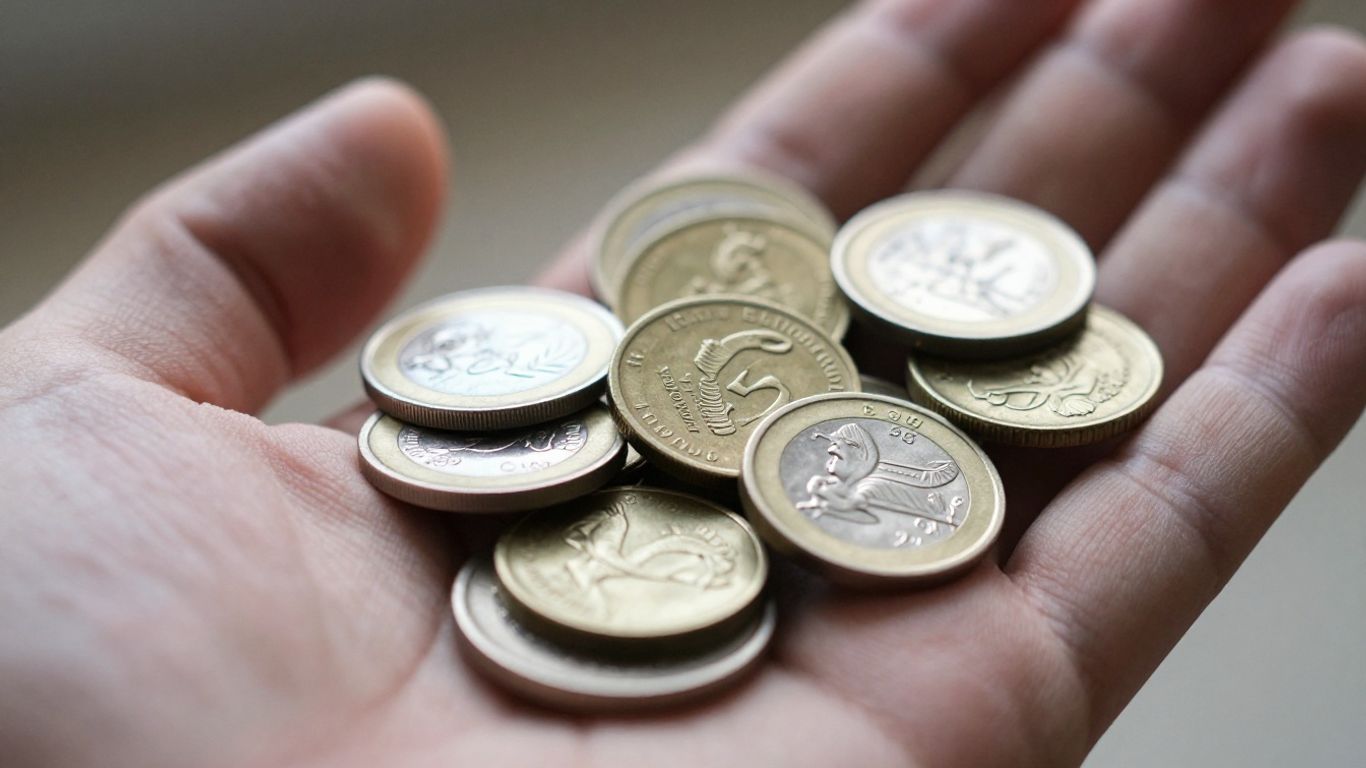
When you’re talking prices, especially for coins, getting specific with your numbers makes a big difference. Instead of saying something like "around $500 to $750," which just tells the other person how low you’re willing to go, try to use a precise figure. This isn’t just about sounding more informed; it’s about how people perceive the information.
Using Specific Numbers to Enhance Credibility
Think about it: if someone offers a price like $627.50 instead of just "about $600," it feels like they’ve done more homework. They’ve looked at the details, maybe considered specific grading costs, market fluctuations for that particular coin, or even the exact condition of the item. This level of detail suggests a more thorough analysis and makes your offer seem more grounded in reality. It’s a subtle psychological trick, but it works. This approach can be particularly helpful when discussing complex deal structures.
The Perception of Detailed Analysis
Presenting a price with several decimal points, even if it’s just a slight adjustment from a round number, can create the impression that you’ve meticulously calculated the value. This detailed approach can build trust and make the other party more inclined to accept your figure, as it appears less arbitrary and more the result of careful consideration. It shifts the conversation from a simple back-and-forth to a discussion based on perceived data.
Why Quoting Ranges Can Undermine Your Position
Ranges are often seen as a sign of uncertainty or a lack of firm conviction. When you offer a range, you’re essentially signaling the lowest acceptable price you’re willing to consider. This gives the other party a clear target to aim for, often leading them to push for the lower end of your stated range. It can also make you appear less confident in your own valuation. It’s generally better to present a single, well-researched number. If you need to adjust, do so strategically rather than starting with a wide berth.
The goal is to present your offer as the result of careful study, not a guess. Specificity lends an air of authority and suggests that you’ve considered all angles, making your position stronger and more defensible in the negotiation process.
Ethical Considerations in Coin Price Negotiation Tactics
When you’re in the middle of a coin price negotiation, it’s easy to get caught up in the back-and-forth. But it’s super important to remember that how you play the game matters. Being honest and fair isn’t just about being a good person; it actually makes you a better negotiator in the long run. Think about it: if people can’t trust you, they won’t want to deal with you again, and that’s bad for business.
The Risks of Bluffing and Deception
Sure, you might think a little white lie or a bit of bluffing can get you a better deal. Maybe you pretend you have another buyer lined up, or you downplay the value of a coin you really want. But here’s the thing: if you get caught, and you probably will, it blows up your credibility. It’s like trying to build a house on sand. Deception erodes trust, making future interactions difficult, if not impossible. It can lead to deals falling apart and a damaged reputation that’s hard to fix. It’s often better to ask essential questions to coin buyers to get clarity than to guess or mislead.
Maintaining Reputation and Trust
Building a solid reputation takes a long time, but it can be ruined in an instant. In the coin collecting world, word travels fast. If you’re known for being tricky or dishonest, collectors and dealers will avoid you. On the flip side, being known for your integrity and fair dealings can open doors. People will seek you out, knowing they can expect a straightforward transaction. This is why many collectors look for dealers who show adherence to ethical standards.
Understanding the Limits of Mind Games
While some negotiation tactics might seem clever, relying too heavily on psychological tricks or
Conclusion
Mastering coin price negotiation tactics isn’t about tricky maneuvers; it’s about smart preparation, clear communication, and aiming for deals that work for everyone involved. By understanding market values, making thoughtful offers, and building trust, you can approach any negotiation with confidence. Remember, the goal is often a lasting relationship, not just a single transaction. Keep practicing these skills, and you’ll find yourself getting better deals and building stronger connections in the coin world.
Frequently Asked Questions
What's the best way to know if a coin's price is fair?
You should always check what similar coins have sold for recently. This is like looking up prices for things online before you buy them. Knowing the market price helps you see if the seller is asking too much or if you’re getting a good deal.
Should I make the first offer when buying a coin?
It can be a good idea to make the first offer. When you make the first offer, you can set the starting point for the talk. This is called ‘anchoring.’ Just make sure your first offer is reasonable and you can explain why you picked that price.
What if the seller asks for a price that seems too high?
Don’t panic! You can respond by saying that price doesn’t quite work for you. Then, try to steer the conversation toward what would make the deal good for you. You could also ask them what else they could include to make that price better.
Is it okay to be honest about what I want?
Yes, being honest is usually the best way. If you tell the seller what you’re hoping to achieve and what you can give up, it helps them understand how to make a deal that works for both of you. It saves time and builds trust.
How can I make sure I'm not missing any hidden costs?
Always ask about everything that might add to the final price. This could be shipping fees, taxes, or any other charges. Think about the total cost, not just the sticker price, to avoid surprises later.
What does 'win-win' mean in negotiations?
A ‘win-win’ deal means that both you and the other person feel like you got something good out of the deal. It’s not about one person winning and the other losing. It’s about finding a solution that makes everyone happy, which can lead to better relationships.
What if the seller uses tricky tactics or tries to pressure me?
Stay calm and be prepared. Think about what they might say or do beforehand. If they try to rush you, don’t feel like you have to agree right away. You can always ask for time to think about it. Being confident in what you want is key.
Why is it better to use specific numbers instead of ranges?
When you use exact numbers, like $125 instead of ‘around $100 to $150,’ it sounds like you’ve done your homework. It makes your offer seem more thought-out and serious. Ranges can sometimes make the other side think they know how low you’re willing to go.