
When you inherit a coin collection, it’s easy to feel lost. Here are the most important things to remember to take care of your new treasure.
Key Takeaways
- Never clean inherited coins; it can lower their worth.
- Handle coins only by their edges to avoid damage.
- Create a list of all the coins you have.
- Get a professional appraisal to know the true value.
- Store coins safely in proper, non-plastic holders.
Understanding Your Inherited Coin Collection
Receiving a coin collection as an inheritance can bring a mix of emotions. It might feel exciting to have a new collection, but it can also be a bit daunting if you’re not familiar with numismatics. This guide is here to help you figure out what to do next.
Initial Steps for New Owners
When you first get your hands on an inherited collection, the most important thing to remember is to do not clean the coins. Seriously, don’t do it. Cleaning can damage the coin’s surface and remove the natural toning or patina that collectors find appealing. This can drastically reduce the coin’s worth. Think of it like trying to polish an old antique – you might think you’re making it look better, but you could be ruining its historical value. Instead of cleaning, focus on handling the coins carefully. Always try to hold them by their edges to avoid transferring oils from your skin. If you’re unsure about the value or how to handle them, using cotton gloves is a good idea.
Here are some initial actions to take:
- Resist the urge to clean: This is the golden rule. Any attempt to polish, scrub, or wash coins can cause irreversible damage and devalue them significantly.
- Handle with care: Always touch coins by their edges. If you need to move them, consider using cotton gloves to prevent fingerprints and oils from affecting the surfaces.
- Keep them in original holders: Unless the current holders are clearly damaging the coins (like old, brittle plastic), it’s best to leave them as they are for now. This preserves their condition and provides a starting point for your inventory.
Recognizing the Scope of the Collection
Before you can do much else, you need to get a general idea of what you’ve inherited. Is it a shoebox full of loose change, several albums, or meticulously organized display cases? The sheer volume and how the coins are currently stored will give you a sense of the task ahead. You might find everything from common pocket change to potentially rare items. Taking a moment to just look through the collection, without touching too much, can help you gauge its size and complexity. This initial assessment is key to planning your next steps, whether that involves sorting, documenting, or seeking professional help. Understanding the scope helps you prepare for the process of getting an accurate valuation.
The Emotional Aspect of Inherited Collections
It’s completely normal to feel a range of emotions when dealing with an inherited collection. These coins might have belonged to a parent, grandparent, or another loved one, and they can carry a lot of personal history and memories. It’s okay to take your time and acknowledge these feelings. The collection isn’t just a collection of metal objects; it’s a tangible link to the past. Sometimes, the sentimental value can be just as important, if not more so, than the monetary worth. As you begin to handle the coins, you might uncover stories or connections that add another layer of meaning to your inheritance. It’s important to balance the practical steps of managing the collection with respecting its emotional significance.
The process of inheriting a coin collection often involves more than just sorting through objects. It can be a journey through a loved one’s history, a chance to connect with their passions, and an opportunity to preserve a legacy. Approach this task with patience and respect for both the coins and the memories they represent.
Preserving Value: Crucial Handling Practices
When you first get your hands on an inherited coin collection, it’s easy to get excited and want to start sorting, cleaning, or even selling. But hold on a minute! Before you do anything, it’s really important to understand how to handle these items to keep their value intact. A few simple mistakes can really knock down what a coin is worth, sometimes by a lot.
The Golden Rule: Do Not Clean Your Coins
This is probably the most important thing to remember. Never, ever clean your inherited coins. It might seem like a good idea to polish up a dull or tarnished coin, but this is a big no-no in the coin collecting world. Cleaning removes the natural surface, called patina, that collectors actually look for. Even using a soft cloth or a bit of soap and water can cause tiny scratches or spots that significantly reduce a coin’s worth. We’ve seen coins lose a huge chunk of their value just because someone tried to make them shine.
Even seemingly gentle cleaning methods can cause irreversible damage. The original surface of a coin is unique and irreplaceable. Once it’s altered, the coin’s appeal to collectors diminishes, directly impacting its market price.
Proper Handling Techniques
How you physically touch and move the coins matters. Always handle coins by their edges. Your skin has oils and acids that can leave marks on the metal surface over time, which can be seen as damage. If you’re dealing with coins that look particularly valuable or if you’re just being extra cautious, wearing thin cotton gloves is a good idea. It’s also wise to work on a soft surface, like a towel or a felt mat. This way, if you accidentally drop a coin, it won’t get damaged from hitting a hard surface. And definitely avoid eating or drinking anywhere near the coins.
Here are some basic handling steps:
- Always hold coins by their edges, never by the flat surfaces.
- Wash and dry your hands thoroughly before handling coins to remove natural oils.
- Consider using thin cotton gloves for coins you suspect might be valuable.
- Work over a soft surface to prevent damage from accidental drops.
Understanding Patina and Original Surfaces
Patina is the natural layer that forms on a coin’s surface over time due to its environment and metal composition. For many collectors, this toning is a desirable characteristic that adds to a coin’s appeal and historical feel. It’s a sign of age and authenticity. Trying to remove this natural toning is like trying to erase a coin’s history. While some coins might have dirt or grime that needs professional attention, most of the time, the natural look is what collectors want. If you’re unsure, it’s always best to leave it as is. For more on how to keep coins in their best state, you can look into proper coin storage.
It’s worth noting that coins in hard plastic holders, often called "slabs," from services like PCGS or NGC, have already been professionally graded and protected. These generally require no special handling beyond keeping the slab itself intact. If your collection includes items like these, or original U.S. Mint packaging, they are usually in a good state of preservation already. Proper storage is key for anything not already professionally encased.
Organizing and Documenting Your Find
Inheriting a coin collection can feel like stepping into a mystery. Before you can even think about what the coins are worth or what to do with them, you need to get a handle on what you actually have. This means organizing and documenting everything. It might not sound exciting, but trust me, it’s a really important step. It’s like cleaning out your garage; you don’t know what treasures you have until you sort through the clutter.
Creating a Basic Inventory
Your first task is to create a basic inventory. Don’t worry about identifying every single coin’s rarity or value just yet. The goal here is to get a general sense of the collection’s scope. Think of it as a catalog of what’s in front of you. You can use a simple spreadsheet or even just a notebook for this. Start by noting down broad categories like U.S. coins, foreign coins, paper money, or tokens. Then, count how many albums, folders, or individual holders you have. If you see coins in those hard plastic cases from grading companies, make a note of those too. Taking photos of album pages can be a quick way to document them for your records. Also, keep an eye out for any old receipts or lists the previous owner might have kept; these can be goldmines of information. This initial inventory is your roadmap for everything that follows.
Sorting Coins for Clarity
Once you have a basic list, it’s time to sort. Grouping coins by denomination is a good starting point – pennies, nickels, dimes, quarters, and so on. After that, you can sort by year and mint mark. This process often reveals patterns, like finding a lot of older silver coins or complete date sets. It helps you see the collection more clearly. For example, you might notice a significant number of pre-1965 U.S. dimes, quarters, and half dollars, which are often made of silver. This sorting helps you understand the collection’s makeup before you even think about appraisals. It’s also a good time to separate items that are likely to be more valuable. This includes coins in professional grading holders, gold coins, and older U.S. silver dollars like Morgans and Peace dollars. You can also create a list of items that are probably worth a closer look, such as foreign coins in albums or older U.S. penny collections. This initial sorting helps focus your efforts and any future appraisal time on the pieces that matter most. You can find more details on how to start this process at organizing your collection.
Identifying Key or High-Value Items
As you sort, keep an eye out for specific things that often indicate higher value. Coins in professional grading slabs (like those from PCGS or NGC) are usually a good sign. Gold coins, regardless of their origin, are almost always worth investigating further. For U.S. coins, look for silver dollars (especially Morgan and Peace dollars), and pre-1965 dimes, quarters, and half dollars, as these contain significant silver content. Very old U.S. coins, particularly those dated before 1900, can also be quite valuable. Don’t forget to check for complete sets in original mint packaging or proof sets in their original boxes. Foreign gold coins are another category to flag. Even if you’re not sure about a coin’s exact worth, noting these types of items will be incredibly helpful when you decide to seek professional advice. It’s better to flag something that turns out to be common than to miss a rare gem. Remember, even items you might consider lower priority could hold surprises; it’s always wise to have them looked at by a professional. This careful documentation is key to understanding the true nature of your inherited assets and can be a significant part of estate planning.
Documenting your collection isn’t just about numbers; it’s about preserving the story. When you record details about the coins, their history, and any notes the original owner left, you’re creating a legacy that goes beyond monetary value. This information can be invaluable for future generations who might inherit the collection.
Seeking Professional Coin Appraisal
Why Appraisals Are Essential
Look, nobody wants to think their inherited coin collection is worthless. But honestly, trying to figure out the real value on your own can be a real headache. You might spend hours looking at online prices or flipping through a "Red Book," only to realize you’re missing key details. A professional appraisal cuts through all that guesswork. It gives you a clear picture of what you actually have and what it’s worth right now. This isn’t just about potential selling prices; it’s also important for insurance if you decide to keep the collection, or for estate planning purposes. Sometimes, even common-looking coins can have hidden value due to errors or specific mint marks. It’s always better to get an expert opinion before making any big decisions.
Finding a Reputable Numismatist
So, how do you find someone trustworthy? It’s not just about picking the first name you see. Look for individuals or firms with a solid history in the coin business. Membership in organizations like the Professional Numismatists Guild (PNG) is a good sign, as they have ethical standards members must follow. Ask around at local coin clubs or see if dealers you trust can recommend someone. You want someone who is knowledgeable about a wide range of coins, not just the popular ones. Remember, you’re looking for an impartial evaluation, not just someone trying to buy your coins for the lowest price.
What to Expect During an Appraisal
When you bring your collection in for an appraisal, expect it to take some time, especially if it’s a large one. The numismatist will likely go through each coin, examining details like its condition, date, and mint mark. They’ll be looking for rare varieties, checking the metal content, and noting if any coins are already in professional holders. They’ll also be checking current market values to give you a realistic idea of worth. You should receive written documentation of their findings. It’s a good idea to ask questions during the process. For instance, understand how they charge – some offer free informal evaluations, while formal written appraisals for legal or insurance needs might have a fee. Clarify if they are also making an offer to buy, or if their sole purpose is to provide an unbiased evaluation. This helps ensure you get the most authentic experience possible.
Here’s a quick rundown of what a professional might look for:
- Condition: Wear and tear, scratches, or damage.
- Date and Mint Mark: Specific years and where the coin was made.
- Rarity: How many of that particular coin were produced.
- Metal Content: Whether it’s gold, silver, or another metal.
- Varieties: Unusual minting errors or design differences.
- Professional Grading: Coins in sealed holders from services like PCGS or NGC.
Don’t assume anything is worthless. Even collections that seem ordinary can contain hidden gems. A professional eye can spot details that might be missed by someone less experienced, potentially uncovering significant value in unexpected places.
Storage and Preservation Strategies
Proper storage is key to keeping your inherited coins in good condition. Think of it like protecting a piece of history. You wouldn’t store old photographs in a damp basement, and coins are no different. The goal is to shield them from things that can cause damage over time.
Choosing the Right Storage Materials
When it comes to storing coins, the materials you use really matter. Some things can actually harm your coins, while others offer good protection. It’s best to avoid anything that might react with the metal. This includes things like rubber bands, paper envelopes with staples, or plastic bags that contain PVC. PVC, a type of plastic, can turn coins green over time, which is definitely not what you want.
Here are some materials that are generally considered safe and effective:
- Mylar Flips: These are small, two-pocket plastic sleeves. They’re good for individual coins and offer decent protection. They are made from inert materials, so they won’t harm the coin’s surface.
- Airtight Capsules: These are clear plastic holders that seal around the coin. They provide a high level of protection against environmental factors and are great for more valuable individual pieces.
- Certified Holders (Slabs): If your coins have been professionally graded by services like PCGS or NGC, they will likely come in hard plastic cases called slabs. These offer maximum protection and are ideal for valuable, graded coins.
- Coin Tubes: These are plastic tubes designed to hold multiple coins of the same size, like bullion coins or rolls of uncirculated coins. They offer good protection for bulk storage.
Always handle coins by their edges, or use cotton gloves if you’re unsure. Your skin’s natural oils can leave marks that are hard to remove and can affect the coin’s surface over time.
Protecting Against Environmental Factors
Coins are sensitive to their surroundings. Temperature and humidity are the biggest culprits when it comes to damage. Extreme temperature swings can cause metals to expand and contract, potentially leading to stress on the coin. High humidity is even worse, as it can promote corrosion and the formation of harmful residues. You’ll want to keep your collection in a stable environment. Avoid places like attics, basements, or garages, which often experience significant fluctuations in temperature and moisture. A consistent, cool, and dry location is best. If you have particularly valuable items, consider a safe deposit box for added security and climate control. For those interested in the science behind preservation, understanding how environmental factors affect materials can be quite insightful.
Securing Valuable Pieces
For coins that are particularly rare, historically significant, or have a high market value, extra steps for security are a good idea. This might involve using more robust storage solutions like certified holders or high-quality capsules. Beyond the storage materials themselves, think about where you keep them. A sturdy safe or a bank’s safety deposit box can offer protection against theft or damage from events like fires or floods. It’s also wise to have adequate insurance coverage for your collection, especially for high-value items. Documenting your collection thoroughly, as mentioned in other sections, is also a form of security, as it provides a record in case of loss. If you’re considering how to best protect your assets, learning about adjustable bed benefits might seem unrelated, but the principle of creating a stable, supportive environment for valuable items is similar.
Navigating Estate and Tax Considerations
Inheriting a coin collection can come with its own set of financial and legal details to sort out. It’s not just about the coins themselves, but also how they fit into the larger picture of an estate. Understanding these aspects early on can save a lot of headaches down the road.
Understanding Stepped-Up Basis
One of the most significant tax benefits when you inherit assets like a coin collection is the concept of a "stepped-up basis." Basically, this means the cost basis for the coins is adjusted to their fair market value on the date the original owner passed away. So, if the person who left you the collection bought a rare coin for $100 decades ago, but it’s now worth $10,000, your cost basis for tax purposes becomes $10,000, not $100. This is a big deal if you decide to sell the coins later, as your capital gains tax will be calculated on the difference between the sale price and this stepped-up value, not the original purchase price. This adjustment can significantly reduce your potential tax liability. Documenting this value through a professional appraisal is key.
Accurate Valuation for Tax Purposes
When dealing with an estate, accurate valuation is not just helpful; it’s often required. This applies to estate taxes if the total value of the estate exceeds certain thresholds. For 2025, the federal estate tax exemption is quite high, but state estate taxes can apply at lower levels. Even if estate taxes aren’t a concern, knowing the collection’s value is important for several reasons:
- Estate Tax Reporting: If the estate is large enough, you’ll need to report the value of all assets, including the coin collection.
- Fair Distribution: If there are multiple heirs, a clear, documented valuation helps ensure everyone receives a fair share, whether the collection is divided or sold and proceeds are split.
- Capital Gains Basis: As mentioned, this value sets your new cost basis for future tax calculations if you sell any coins. You can learn more about what a step-up in basis means.
Documentation for Estate Planning
Proper documentation is your best friend when handling an inherited collection. This includes:
- Appraisal Reports: Professional appraisals provide a detailed record of the coins, their condition, and their market value at the time of inheritance. This is vital evidence for tax authorities and for settling the estate.
- Original Purchase Records (if available): While the stepped-up basis often makes the original purchase price less relevant for capital gains, having these records can sometimes be useful for historical context or specific tax situations.
- Inventory Lists: A detailed list of the coins, including dates, mint marks, and any grading information, cross-referenced with appraisal reports, creates a clear picture of the collection’s contents.
Dealing with the financial and legal aspects of an inherited collection can feel overwhelming. It’s wise to consult with professionals, such as an estate attorney and a tax advisor who understands numismatics, to ensure you’re handling everything correctly. They can help clarify the specific rules that apply to your situation and guide you through the process, making sure you meet all legal obligations and take advantage of any tax benefits available for inherited assets like coins. Remember that gold and silver coins might be taxed differently, potentially at a higher rate if considered collectibles [37e8].
Taking the time to get these details right from the start will make the entire process smoother and help protect the value of your inheritance.
Deciding the Future of Your Collection
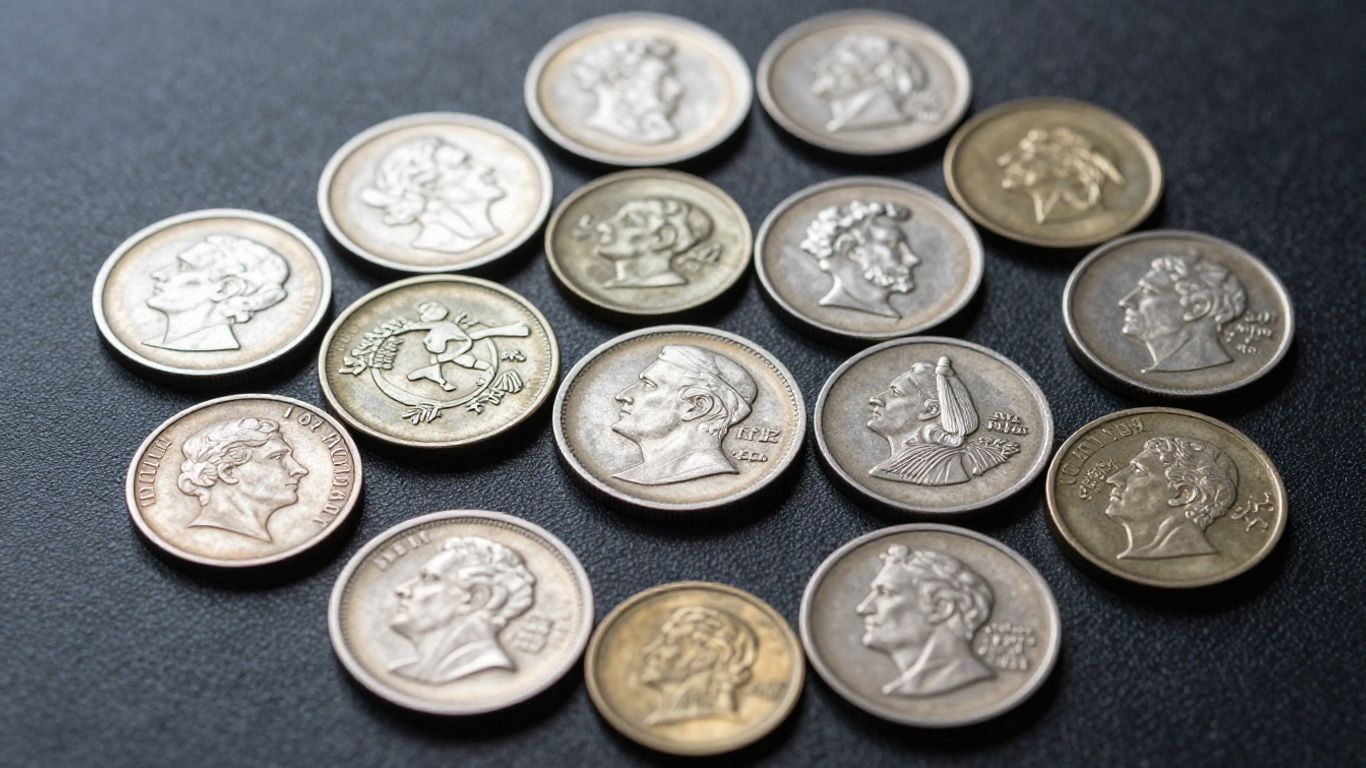
Once you have a good idea of what your inherited coin collection contains and its general worth, it’s time to think about what you want to do with it. This isn’t a decision to rush into. You have several paths you can take, and each has its own set of considerations.
Options for Inherited Collections
There are a few main routes you can go down. It’s not a one-size-fits-all situation, and what feels right will depend on your personal connection to the coins, your financial goals, and your available time.
- Keep the Entire Collection: This is a great option if the collection holds significant sentimental value or if you’ve developed an interest in numismatics yourself. It allows you to preserve a piece of family history. If you choose this path, proper storage and insurance become very important. You might also consider joining a local coin club to learn more about what you have and connect with others who share the hobby.
- Keep Select Pieces, Sell the Rest: Many people find this to be a good balance. You can hold onto coins that have personal meaning – perhaps those from significant birth years or ones your loved one particularly cherished. The remaining coins, often duplicates or more common issues, can then be sold to help offset any costs associated with the inheritance or simply to convert them into usable assets. This approach allows for both personal connection and financial benefit.
- Sell Everything: If coins aren’t your passion and you’d prefer to liquidate the assets, selling the entire collection is a perfectly valid choice. The person who built the collection likely would have preferred it to be appreciated by new owners rather than sit unused. This option requires careful consideration of the best selling method to get a fair price.
- Donate to a Museum or Institution: For truly exceptional collections with significant historical or educational importance, donation can be a rewarding option. This ensures the collection is preserved for public benefit and can also provide a tax deduction. However, this route typically requires a formal appraisal and acceptance by the institution.
Keeping the Collection Intact
Deciding to keep the collection as a whole means you’re embracing its legacy. This path requires a commitment to preservation. Proper storage is paramount to prevent damage and maintain value. Think about secure containers that protect against humidity and air exposure. For higher-value collections, consider a safe deposit box or a home safe. Insurance is also a wise step to protect against theft or unforeseen events. Learning more about the coins themselves can also deepen your appreciation and connection to the collection. You might find resources like A Guide Book of United States Coins helpful in this regard.
Selling Select Pieces
If you opt to sell some of the coins, you’ll want to be strategic. The goal is to get a fair price for the pieces you’re parting with while keeping the ones that matter most to you. This often involves identifying common coins that might be easier to sell in bulk versus rarer items that might fetch a better price individually. It’s about finding that sweet spot between convenience and maximizing return for the items you choose to sell.
Making informed decisions about your inherited coin collection requires patience and research. Avoid impulsive actions, especially when it comes to selling. Understanding the value and significance of each piece will guide you toward the best outcome for both the collection and your personal circumstances.
Preparing Coins for Sale
Deciding to sell part or all of your inherited coin collection is a big step. It’s not just about the money; it’s about finding the right way to let these pieces go to new homes. Before you even think about listing anything, doing your homework is key. This means understanding what you have and what the market looks like right now.
Researching Market Trends
Knowing what’s popular and what prices are doing can make a huge difference. You don’t want to sell a rare coin for less than it’s worth because you didn’t check recent sales. Look at what similar coins have sold for. This isn’t always straightforward, as condition and rarity play massive roles. Sometimes, a coin that looks common can be quite valuable if it has a rare mint mark or an error. Keeping an eye on auction results and dealer price lists can give you a good sense of current values. It’s also helpful to understand if there’s a particular type of coin that collectors are seeking out right now. For instance, certain series of U.S. silver dollars or early American copper coins might be in high demand.
Choosing the Right Sales Channel
There are several ways to sell your coins, and each has its own benefits and drawbacks. Picking the right one depends on how much time you have, how much effort you want to put in, and what kind of return you’re hoping for.
- Local Coin Dealers: These folks are often the quickest and easiest option. They’ll usually make an offer on the spot. The downside is you’ll likely get less than retail price, as they need to make a profit. This is a good choice if you want a simple, fast transaction.
- Auctions: For rare or high-value coins, auctions can sometimes bring the best prices. Bidding wars can drive up the cost. However, there are fees involved, and you might have to wait a while for payment. It’s worth looking into reputable auction houses that specialize in numismatics.
- Online Marketplaces (e.g., eBay): Selling directly to collectors online can potentially yield higher prices. But it takes time to list items, deal with buyers, and handle shipping. You also need to be aware of potential scams.
- Consignment: You can work with a dealer who will sell the coins for you, taking a percentage of the sale price. This can get you closer to retail prices, but it also means waiting longer for your money.
Working with Auctioneers
If you decide an auction is the way to go, finding the right auctioneer is super important. You want someone who knows coins inside and out, not just general antiques. They should be able to tell you honestly what your coins might fetch and explain their fees clearly. A good auctioneer will have a solid reputation and a network of buyers who are interested in numismatic items. Don’t be afraid to ask questions about their experience and how they plan to market your collection. Getting a free evaluation from a place like JD’s Realty & Auction can be a good starting point to understand your options.
When preparing coins for sale, remember that presentation matters. Even if you’re not cleaning them (which you shouldn’t do!), ensuring they are properly organized and documented will make them more attractive to potential buyers and can help justify their price.
Sharing the Collection's Story
Documenting the Collection's History
Inheriting a coin collection represents more than just a group of coins; it embodies the passion, knowledge, and dedication of the person who curated it. To truly honor that legacy, it’s important to capture the narrative behind the collection. Think about why it was started. Was it a lifelong hobby, assembled during travels, or perhaps a strategic investment? Documenting these details provides context and meaning for future generations. Consider creating a written history that includes:
- When and where significant coins were acquired.
- Any notable stories or memories associated with specific pieces.
- The collector’s personal interests that shaped the collection.
This narrative adds a layer of personal connection that goes beyond monetary worth. It helps heirs understand the collector’s journey and the significance of their pursuit. For instance, knowing that a particular coin was a rare find after years of searching can make it far more special than just its market price. This historical context is invaluable for preserving the collection’s spirit.
The story behind the collection is as important as the coins themselves. It connects the past, present, and future, transforming a collection of metal into a tangible piece of personal history.
Preserving Sentimental Value
Beyond the financial appraisal, many coins hold deep sentimental value. These might be pieces gifted by family members, coins from significant years, or items that represent shared experiences. Clearly identifying these emotionally significant items is key to thoughtful distribution. When documenting the collection, make notes about any coins that were particularly cherished or had special meaning to the original owner. This information is vital for making decisions about who should receive these items, should the collection be passed on or divided. It helps prevent these personally important pieces from being overlooked or sold without consideration for their emotional weight. Understanding the personal significance helps ensure that these heirlooms are treated with the respect they deserve.
Ensuring Heirs Understand the Legacy
Communicating the story and significance of the collection to potential heirs is a vital step. When individuals understand both the financial aspects and the personal history, they are more likely to appreciate and preserve the collection thoughtfully. This understanding can prevent coins from being treated merely as assets to be liquidated. Providing clear information about the collection’s origins, its notable pieces, and any specific wishes of the original owner can guide future decisions. This might involve:
- Sharing the documented history with all involved parties.
- Discussing the sentimental value of specific coins.
- Explaining any plans for the collection’s future, whether it’s to be kept intact, divided, or sold.
This open communication helps manage expectations and fosters a shared appreciation for the legacy. It ensures that the collector’s passion and the collection’s story continue to be recognized and valued by those who inherit it. Learning about the collection’s history can be as rewarding as the coins themselves, especially when you consider the fair market value on the date of the owner’s death for tax purposes.
Resources for Further Guidance
So, you’ve got this coin collection, and you’re wondering what’s next. It’s a lot to take in, right? Don’t worry, you’re not alone in this. There are plenty of places to turn for help and information as you figure things out. Think of it like learning a new skill – you start with the basics, and then you find people who know more to guide you.
Professional Numismatic Organizations
These are the big players in the coin world. They’re like the official clubs for people who really know their stuff. Joining or even just checking out their websites can give you a ton of insight. They often have directories of dealers and appraisers, which is super helpful when you’re trying to find someone trustworthy. Plus, they usually have educational materials that can help you understand coins better. It’s a good idea to look for organizations that have a code of ethics for their members.
- American Numismatic Association (ANA): This is a major one, with a big focus on education and promoting coin collecting. They have a library and lots of resources.
- Professional Numismatists Guild (PNG): This group is for dealers and appraisers who meet certain standards. It’s a good sign if someone you’re working with is a member.
- Numismatic Guaranty Company (NGC) and Professional Coin Grading Service (PCGS): While these are primarily grading services, they also offer a lot of information on their websites about coin values and market trends.
Local Coin Clubs and Dealers
Sometimes, the best help is right around the corner. Local coin clubs are fantastic for meeting other collectors and getting advice from people who are passionate about coins. You can learn a lot just by chatting with them. Local coin dealers can also be a great resource. Some offer informal appraisals, and they can give you a sense of what’s common and what might be rare in your area. Just remember to get a few opinions if you’re thinking about selling.
When you visit a local dealer, don’t feel pressured. A good dealer will answer your questions and explain things clearly. If you feel rushed or confused, it’s okay to thank them and move on to find someone else.
Online Resources for Coin Collectors
The internet is a treasure trove of information, but you have to know where to look. There are forums where collectors discuss everything from rare finds to storage tips. Websites dedicated to coin collecting can offer price guides, historical information, and news about the market. Just be a little careful – not everything you read online is accurate, so try to stick to reputable sites. If you’re trying to get a handle on the initial scope of your collection, looking at resources that help with creating a basic inventory can be a good starting point.
- Coin Value Websites: Sites like CoinWorld or PCGS CoinFacts provide data on coin values and market trends. Use these as a starting point, not the final word.
- Numismatic Forums: Online communities allow you to ask questions and get advice from experienced collectors.
- Auction House Archives: Major auction houses often have searchable databases of past sales, which can give you an idea of what certain coins have sold for recently.
Conclusion
Inheriting a coin collection can seem like a big task, but by following these steps, you can manage it well. Remember to handle coins carefully, avoid cleaning them, and get them properly documented and appraised. Whether you decide to keep, sell, or share the collection, understanding its history and value will help you make the best decisions. Taking your time and seeking expert advice when needed will ensure the legacy of the collection is respected and preserved.
Frequently Asked Questions
What's the very first thing I should do with inherited coins?
The first thing is to not clean them! Seriously, don’t touch them with anything. Just set them aside carefully. Then, try to get a general idea of what you have by sorting them a bit, maybe by country or type, and make a list. After that, it’s a good idea to find someone who knows coins to tell you what they’re worth.
Why shouldn't I clean the coins?
Cleaning coins can actually make them less valuable to collectors. Think of it like scratching a painting; you can’t un-scratch it. Coins get a natural look over time called patina, and collectors like that. Cleaning removes this, and can leave tiny scratches that are easy to see up close, making the coin worth much less.
How should I hold the coins?
It’s best to hold coins by their edges. Your fingers have oils on them that can leave marks on the metal over time, which isn’t good for the coin’s condition. If you’re worried about dropping them or want to be extra careful, wearing soft cotton gloves is a good idea.
What kind of storage is best for coins?
You want to use holders that don’t have PVC, which is a type of plastic that can harm coins over time. Things like Mylar flips, hard plastic capsules, or special coin albums are good choices. Avoid old plastic bags or soft plastic holders, as they can cause damage.
Do I need to get my coins appraised?
Yes, getting an appraisal is really important. It helps you understand the real worth of your collection, which is useful for insurance, taxes, or if you decide to sell. Coin values can change a lot, so an old appraisal might not be accurate anymore.
How do I find someone to appraise my coins?
Look for a professional coin dealer, also called a numismatist. They often have certifications from groups like the American Numismatic Association (ANA). It’s best to find someone who has a good reputation and isn’t trying to buy the coins from you right away. Ask friends or look for local coin clubs for recommendations.
What if I just want to keep some coins my family liked?
That’s totally fine! You can decide to keep certain coins that have special meaning to your family. It’s a good idea to write down who you want to have those specific coins, so there are no arguments later. You can then decide what to do with the rest of the collection.
Are inherited coins taxed differently?
Usually, when you inherit something like coins, their value is set at what they were worth on the day the person passed away. This is called a ‘stepped-up basis.’ This can be good because if you sell them later for more than that stepped-up value, you might owe less in taxes on the profit.