
Getting a grip on coin pricing helps you avoid surprises and make better decisions as a collector. Here are some key points to keep in mind:
Key Takeaways
- Spot price is the base value for most coins, but dealer premiums add to the final cost.
- Gold and silver coins come in different forms—bullion, proof, and numismatic—all priced differently.
- Always compare total costs across several dealers, not just the sticker price.
- Watch out for common tricks, like bait-and-switch or fake certifications.
- Check a coin’s collector value before selling it just for its melt value.
Understanding The Core Components Of Coin Pricing
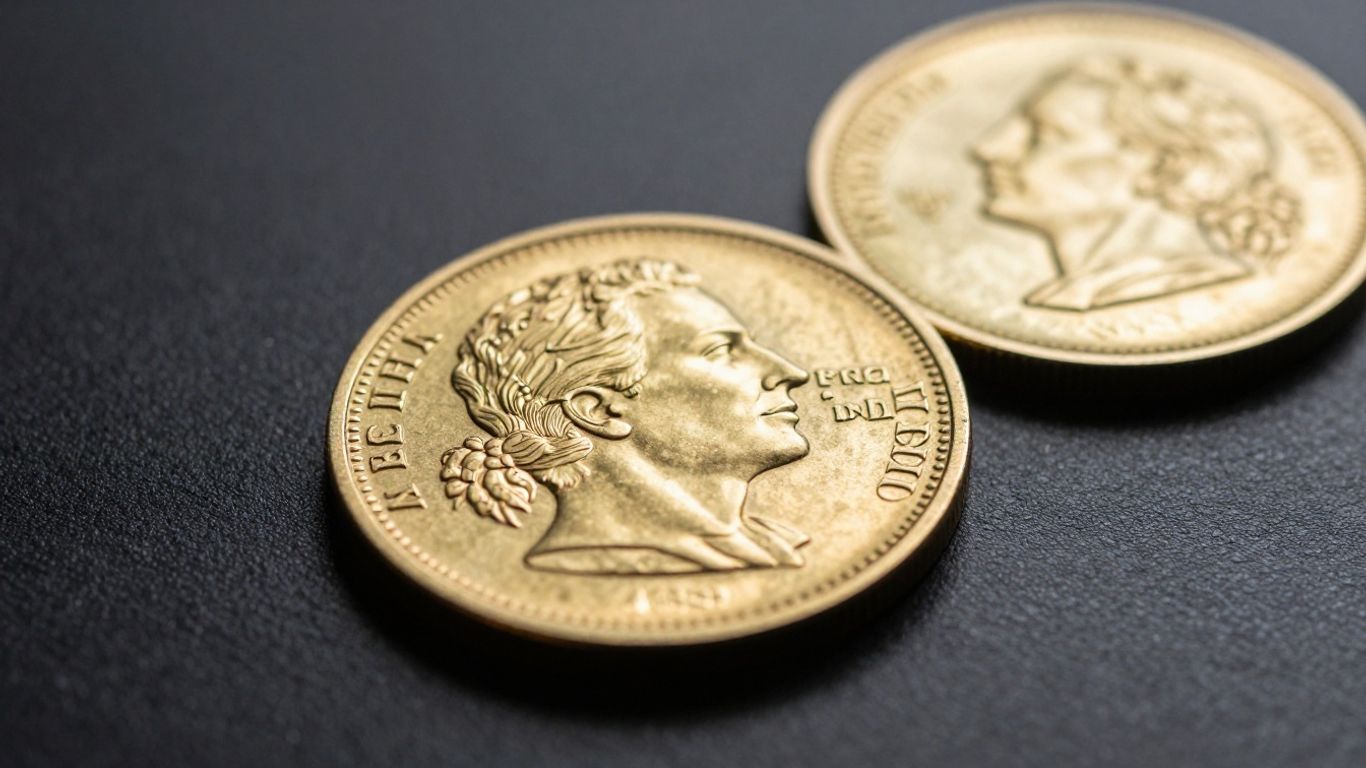
When you’re looking to buy coins, especially those made of precious metals, it’s not just about the metal’s price. There are a few key things that make up the final price tag you see. Getting a handle on these components will help you make smarter buying decisions and avoid overpaying.
The Role Of Spot Price In Coin Valuation
The spot price is basically the current market price for a troy ounce of gold or silver. Think of it as the base value of the metal itself, fluctuating throughout the day based on global markets. It’s the starting point for figuring out what a coin is worth. For anyone serious about buying precious metals, understanding the spot price is pretty much step one. You can easily check live prices online to see where things stand.
Defining The Dealer Premium Over Spot
Beyond the spot price, there’s what dealers call the ‘premium.’ This is the extra amount added on top of the metal’s base value. It covers a few things: the costs the mint or refiner had to produce the coin, the dealer’s own profit margin, and sometimes, the coin’s collectibility or rarity. For standard bullion coins, this premium is usually a smaller percentage, maybe 5% to 10% over spot. For more specialized coins, like proof versions or rare numismatic pieces, that premium can climb much higher. It’s this premium that really differentiates the price of a coin from just the raw metal.
Calculating The Total Acquisition Cost
So, to get the real cost of a coin, you need to add up the spot price and the dealer premium. But don’t stop there. You also have to factor in shipping and insurance costs, especially if you’re buying online or having coins sent to you. Some dealers might advertise a low premium, but then hit you with high shipping fees, which can really eat into any savings. Always look at the total amount you’ll be paying out of pocket. It’s a good idea to compare the total cost from a few different reputable dealers before making a purchase. You might be surprised at the price differences you find.
It’s easy to get caught up in the sticker price, but the real cost includes all the associated fees. Always ask for the final price, including shipping and handling, before committing to a purchase.
Here’s a simple breakdown:
- Spot Price: The base value of the precious metal.
- Dealer Premium: Covers production, dealer profit, and collectibility.
- Ancillary Costs: Shipping, insurance, and any transaction fees.
Total Acquisition Cost = Spot Price + Dealer Premium + Ancillary Costs
Understanding these elements helps you see the full picture when buying coins. It’s not just about the gold or silver; it’s about the entire process from mint to your collection. For instance, knowing the PCGS grading standards can also influence a coin’s premium, as higher grades often command higher prices.
Navigating Gold Coin Specifics
When you’re looking at gold coins, it’s not just about the price of gold itself. There are a few other things that really make up the final number you see. It’s like buying a car – you don’t just pay for the metal it’s made of, right?
Purity And Weight Standards For Gold
Most gold coins you’ll find are either 22-karat (that’s .9167 pure gold) or 24-karat (.9999 pure gold). The standard size for investment coins is one troy ounce, which is about 31.1 grams. You can also find smaller sizes, like half-ounce or tenth-ounce coins. These smaller ones usually have a higher price per ounce, but they’re easier to buy if you’re just starting out or want more flexibility. For coins like the American Gold Eagle, which are 22-karat, they actually weigh a bit more than an ounce. This is because they add a little silver and copper to make them more durable, but you’re still getting exactly one ounce of pure gold in them.
- 24-Karat (.9999 Fine): This is pure gold, offering the highest gold content. Examples include the Canadian Maple Leaf and the American Gold Buffalo.
- 22-Karat (.9167 Fine): These coins have a mix of gold with other metals (like copper and silver) for added durability. The American Gold Eagle is a prime example.
- Weight Standards: Common weights are 1 oz, 1/2 oz, 1/4 oz, and 1/10 oz. Larger coins generally have lower premiums per ounce.
Understanding Premiums For Bullion Versus Proof Gold
So, you’ve got the spot price of gold, which is always changing. Then there’s the premium. For standard gold coins, often called bullion coins, you’ll typically see a premium of about 5% to 10% over the spot price. These coins are made by government mints and are valued mostly for their gold content. Think of coins like the Canadian Maple Leaf or the South African Krugerrand. They’re pretty straightforward. On the other hand, proof coins are a bit different. They’re made with special care, often having a mirror-like finish and sharper details. Because of this extra work and their usually lower mintage numbers, their premiums can be higher, sometimes 15% to 30% over spot. These are more for collectors who appreciate the artistry and potential for long-term value growth. The total cost is always the spot price plus the premium, plus any shipping and insurance fees.
When comparing prices, always look at the total cost. Some dealers might advertise a low premium but then add on high shipping fees that end up costing you more. It’s smart to check at least three different dealers to get a good idea of the real market price.
The Nuances Of Modern Numismatic Masterpieces
Beyond basic bullion and proof coins, there’s a whole category of modern numismatic coins. These are often limited-edition issues, sometimes with unique designs or historical themes. They might be struck in high grades and have significant artistic or historical importance. Their value isn’t just tied to the gold content; it’s also driven by rarity, condition, and collector demand. These coins can sometimes outperform pure bullion over the long term because of that scarcity factor. If you’re looking for something that offers both the stability of gold and the potential for appreciation due to rarity, these might be worth a look. You can find these at many reputable online dealers for a wide selection.
- Rarity: Low mintages are a key driver of value.
- Condition: High grades (like MS70 or PF70) command significant premiums.
- Historical/Artistic Significance: Coins tied to important events or featuring exceptional design work often see increased collector interest.
- Market Demand: Ultimately, what collectors are willing to pay dictates the price.
Decoding Silver Coin Melt Value
When you’re looking at silver coins, especially older ones, it’s easy to get caught up in the idea of them being worth a fortune as collector’s items. But sometimes, the real value isn’t in their history or rarity, but simply in the silver they’re made of. This is what we call the "melt value." It’s basically what the coin is worth if you were to melt it down and sell the silver itself. For many common silver coins, this is the most straightforward way to figure out their worth.
Distinguishing Melt Value From Numismatic Value
It’s really important to know the difference between melt value and numismatic value. Melt value is all about the metal content. Think of it as the raw material worth. Numismatic value, on the other hand, is what collectors are willing to pay. This can be influenced by a bunch of things:
- Rarity: How many of these coins were made, and how many are still around today?
- Condition: Is the coin in great shape, or is it worn down and scratched?
- Mint Marks: Sometimes, where a coin was made can add to its appeal.
- Key Dates: Certain years of issue might be much harder to find.
- Collector Demand: How popular is this particular type of coin among collectors?
For instance, a regular U.S. quarter from 1964 has a melt value based on its silver content. But a super rare coin, like an old Liberty Seated Quarter from a specific mint, could be worth way more to a collector than its silver alone. Selling that rare coin for just its melt value would be a big mistake. Always check if a coin has numismatic value before you decide to sell it just for the silver. If it’s a common coin or in rough shape, its melt value is probably its highest price.
Understanding the difference helps you get the best price, whether you’re selling for metal content or to a collector.
Key Factors Influencing Silver's Melt Value
So, what actually goes into calculating that melt value? It really comes down to three main things:
- The Spot Price of Silver: This is the current market price for one troy ounce of silver. It changes all the time based on what’s happening in the world, economic news, and how much people want to buy or sell silver. The higher the spot price, the more your silver coin is worth in terms of its metal.
- Coin Weight: Precious metals are measured in troy ounces, which are a bit heavier than standard ounces. Knowing the exact weight of your coin is key for an accurate calculation. You can often find the standard weight for common coins online.
- Metal Purity: Most silver coins aren’t made of pure silver. They’re usually an alloy, meaning silver is mixed with other metals to make them more durable. Purity tells you what percentage of the coin is actually silver. For example, many older U.S. coins are 90% silver.
To figure out the melt value, you use a simple formula: Melt Value = (Weight of the Coin in Troy Ounces × Metal Purity) × Current Silver Spot Price per Ounce. You can use online calculators to help with this, which is handy if you have a lot of coins. For example, a pre-1965 U.S. quarter weighs about 6.25 grams (roughly 0.2009 troy ounces) and is 90% silver. If the spot price is $30 per troy ounce, the melt value would be around $5.42. You can find a silver coin melt value calculator to help with your own coins.
Identifying Common Silver Coin Purity Levels
Knowing the purity of your silver coins is a big part of figuring out their melt value. Here’s a quick rundown of some common purities you’ll find, especially in U.S. and Canadian coins:
- 90% Silver: This is very common for U.S. dimes, quarters, and half dollars minted before 1965. These are often referred to as "junk silver" because their value is primarily in the silver content, not numismatic appeal.
- 40% Silver: You’ll find this purity in U.S. Kennedy half dollars from 1965 to 1970, and some Eisenhower dollars.
- 35% Silver: These are the U.S. "War Nickels" made between 1942 and 1945. They were made with less silver due to wartime needs.
- 80% Silver: Many Canadian dimes, quarters, and half dollars from 1920 to 1967 contain 80% silver.
- 92.5% Silver: Older Canadian coins (1858-1919) and items marked "Sterling" are typically this purity.
- 99.9%+ Silver: Modern bullion coins, like the American Silver Eagle or Canadian Silver Maple Leaf, are made of very pure silver.
If you’re unsure about a coin’s purity or its potential numismatic value, it’s always a good idea to consult resources like NGC’s historical melt values or a trusted coin dealer. They can help you sort out what you have and how much it’s truly worth.
Strategies For Optimizing Your Coin Purchases
When you’re looking to add to your collection or make an investment in precious metals, getting the best possible price is always a good idea. It’s not just about finding the lowest sticker price; it’s about understanding the whole picture and making smart moves. Paying attention to the details can save you a significant amount of money over time.
Comparing Offers Across Multiple Reputable Dealers
It might seem obvious, but it bears repeating: don’t just buy from the first dealer you talk to. Prices can vary quite a bit, even for the same coin. I always make it a point to check with at least three different sources before I commit to a purchase. This helps you see the real spread between dealers. Sometimes, the difference between the best and worst price for a particular coin can be as much as 8-12%. That’s a substantial amount, especially if you’re buying multiple coins or higher-value items. You can use online price comparison tools, but don’t forget to factor in shipping and insurance costs, as some dealers might advertise a low premium but make up for it with high handling fees.
Leveraging Volume Discounts For Greater Savings
Many dealers offer what’s called tiered pricing. This means the more you buy, the lower the price per coin or per ounce becomes. If you’re planning to acquire several coins or a larger quantity of bullion, buying them all at once from a single dealer can lead to noticeable savings. It’s worth asking about these discounts upfront. For instance, buying a single 1/10 oz gold coin might have a higher per-ounce premium than buying a full 1 oz coin, but buying several 1 oz coins together can often get you a better overall rate than buying them one by one over several months. This is a good way to approach building a gold bar collection or stacking bullion.
Strategic Timing For Coin Acquisitions
While trying to perfectly time the market is a fool’s errand, there are certainly smarter times to buy. Keep an eye on the spot price of gold and silver. When the price is pulling back from recent highs, it can often present a good entry point. Another solid approach is dollar-cost averaging, which involves investing a fixed amount of money at regular intervals, regardless of the price. This strategy helps remove the emotional aspect of trying to guess the market’s next move. It’s also wise to understand the dealer’s buyback policy before you purchase. A dealer who offers fair buyback terms, typically within 1-2% of the spot price, is usually a sign of a trustworthy business that stands behind its products. If they seem hesitant to discuss buyback terms, that’s a red flag.
When you’re looking to buy, remember that the price you see isn’t just the price of gold or silver. There’s the spot price, which is the current market rate, and then there’s the premium. This premium covers things like production costs, the dealer’s profit margin, and any special features of the coin, like its rarity or condition. Always calculate the total cost, including shipping and insurance, to get the true picture of what you’re paying. Comparing these total costs across different sellers is key to making an informed decision and avoiding overpaying.
Here are some common factors to consider when timing your purchases:
- Spot Price Fluctuations: Monitor daily price movements. Buying during a dip can be advantageous.
- Economic Indicators: Broader economic news can influence precious metal prices. Stay informed about global events.
- Dealer Promotions: Occasionally, dealers may offer special pricing or reduced premiums, especially during holidays or specific sales events.
By combining these strategies, you can approach coin purchases with more confidence and a better chance of securing favorable pricing. It’s about being informed and patient, rather than making impulsive decisions. For those interested in the broader market, understanding precious metals in general can provide valuable context.
Identifying And Avoiding Common Dealer Tactics
When you’re looking to buy coins, especially those with precious metal content, it’s easy to run into some less-than-ideal sales practices. Dealers, like any business, want to make a sale, but some go about it in ways that aren’t fair to the customer. Being aware of these tactics can save you money and a lot of headaches.
Recognizing Bait-And-Switch Schemes
This is a classic trick. A dealer advertises a specific coin, maybe a popular gold eagle, at a really attractive price. You call them up, excited to buy, only to be told that particular coin just sold out. Suddenly, they’re pushing a different, usually more expensive, coin on you. They might say it’s a "better value" or "just came in." The original advertised coin was likely never available in significant quantity, or maybe not at all. It’s just a lure to get you on the phone or in the store. Always know the exact coin you’re interested in before contacting a dealer, and if your advertised item is suddenly unavailable, it’s often best to simply end the conversation.
Discerning High-Pressure Sales Tactics
Reputable dealers want you to feel comfortable with your purchase. They’ll answer your questions and give you time to think. On the other hand, a high-pressure salesperson might try to create a false sense of urgency. You might hear things like, "This price is only good for the next hour," or "We only have two of these left in stock." They might also try to scare you by saying, "Gold prices are about to skyrocket, you need to buy now!" These tactics are designed to make you act impulsively without doing your research. It’s a good idea to compare offers across multiple reputable dealers before making a decision.
Evaluating the Legitimacy of Certifications
Many coins, especially higher-value ones, come with certifications from grading services like PCGS or NGC. These certifications are supposed to guarantee the coin’s authenticity and condition. However, counterfeit slabs and fake certification labels do exist. A dishonest dealer might try to pass off a coin in a fake slab as genuine. Always verify the certification number directly on the grading service’s website. You can usually find a tool on their site to look up a specific certification number. If the number doesn’t match the coin described, or if it doesn’t exist in their database, you’re likely looking at a fake. This is where third-party grading services are so important; always double-check their work.
Be wary of any dealer who won’t clearly state their premium over the spot price. If the final cost is hidden or vague, it’s a major red flag. A transparent dealer will break down the price for you, showing the spot price and their markup.
Where To Source Your Coins
Finding the right place to buy coins is as important as knowing what to look for. Different sources offer different advantages and disadvantages, so it pays to know your options. Your choice of vendor can significantly impact the price you pay and the authenticity of your purchase.
The Advantages Of Local Coin Shops
Local coin shops offer a tangible experience. You can physically inspect a coin before buying, which is great for spotting any imperfections or verifying details. Building a relationship with a local dealer can also be beneficial over time. They often have a curated selection, and you can walk out with your purchase the same day. However, inventory might be smaller compared to online retailers, and prices can sometimes be a bit higher due to overhead costs. Think of these shops as excellent places to find specific pieces you want to examine closely, rather than the primary spot for bulk bullion purchases.
Purchasing Directly From Government Mints
Buying directly from government mints, like the U.S. Mint or the Royal Canadian Mint, guarantees authenticity and adherence to purity standards. These coins come with the backing of their respective governments. The main limitation here is that you’re typically restricted to current releases and commemorative issues. You won’t find older or secondary market coins this way, and prices are usually set at a premium without much room for negotiation. It’s a solid choice for new, official issues.
Navigating Auctions And Coin Shows
Auctions and coin shows are often where you’ll find rarer items or unique opportunities. These events can be exciting, but they require preparation. You need to do your homework on comparable sales and set a strict budget before bidding. Remember to factor in buyer’s premiums, which can add a significant percentage to the final price. It’s easy to get caught up in the moment, so sticking to your pre-determined maximum bid is key. For beginners, attending a local coin show can be a good way to see a variety of coins and dealers in one place, and it’s a great starting point for new collectors.
Understanding Peer-to-Peer Marketplaces
Online platforms like eBay or Facebook Marketplace can sometimes offer deals, but they come with higher risks. Always verify the seller’s reputation and look for coins that have been certified by a reputable third-party grading service. If a coin isn’t certified, it’s often best to pass. These marketplaces require extra diligence to avoid counterfeits or misrepresentations. It’s a space where you might find a bargain, but the potential for problems is also greater.
When considering where to source your coins, weigh the convenience and selection of online dealers against the hands-on inspection offered by local shops. Auctions and shows are for the more experienced buyer, while peer-to-peer can be a minefield if you’re not careful. Always prioritize trusted sources and be prepared to do your research.
Essential Considerations Before Selling Coins
Before you decide to sell your coins, especially if you’re thinking about getting just their melt value, there are a few things you really should think about. It’s easy to overlook the potential value hidden in your collection, and that can lead to leaving money on the table. This section is all about making sure you get the most out of your coins when you decide it’s time to part with them.
Verifying Numismatic Value Before Selling For Melt
This is probably the biggest pitfall for most people. You might have a jar full of old dimes and quarters, and you figure, "Hey, it’s silver, I’ll just sell it for the silver." But what if one of those coins is a rare date or has a minting error? Selling it for its silver content alone means you’re missing out on potentially much higher collector value. It’s like selling a vintage car for scrap metal without checking if it’s a collector’s item. Always do a quick check. Look up the year and mint mark on sites like PCGS CoinFacts or similar resources. Even a small detail can make a big difference in what a coin is worth to a collector.
Here’s a quick rundown of what to look for:
- Rarity: Are there many of these coins made? Lower mintage numbers often mean higher value.
- Condition: Is the coin worn down, or does it look pretty good? The better the condition, the more it’s worth to collectors.
- Errors: Did the mint make a mistake? Off-center strikes, double dies, or other errors can significantly increase a coin’s appeal.
Never clean a coin you suspect might have collector value. Cleaning can damage the surface and drastically reduce its numismatic worth. For coins destined only for melt, cleaning is unnecessary anyway.
Understanding Current Market Spot Prices
If you’ve determined your coins are indeed best sold for their melt value, knowing the current market price for silver (or gold, if applicable) is non-negotiable. You wouldn’t go to a car dealership without knowing what your car is worth, right? The same applies here. Prices fluctuate daily, sometimes hourly. Before you even talk to a dealer, check a reliable source for the live spot price. This gives you a baseline to evaluate any offers you receive. A reputable dealer will be transparent about how they calculate their offer based on the spot price, usually offering a percentage of it.
Negotiating Buyback Terms In Advance
When you’re buying coins, especially from a dealer you plan to sell back to later, it’s smart to ask about their buyback policy upfront. What percentage of the spot price will they offer you when you want to sell? A dealer who is confident in their product and pricing will usually offer fair buyback terms, often within a small percentage of the current spot price. If a dealer seems hesitant or vague about their buyback policy, it might be a sign to consider other options. This is a good way to gauge a dealer’s long-term commitment to their customers and their pricing integrity. For coins valued at $500 or more, professional grading can also help secure a better buyback price, though it comes with a fee ranging from $20 to $150 per coin.
Here are some points to consider regarding buyback terms:
- Percentage of Spot: What percentage of the current spot price will they pay?
- Fees: Are there any hidden fees associated with selling back?
- Time Limits: Are there any restrictions on when you can sell back?
- Condition Requirements: Do they have specific requirements for the coin’s condition?
Protecting Your Investment From Scams
It’s a bummer when you think you’ve found a great deal on coins, only to realize later it was a scam. This happens more often than you’d think, and it’s not just about losing money; it’s about losing trust too. So, how do you keep your hard-earned cash safe when buying coins?
Detecting Counterfeit Coins and Certifications
One of the most common tricks is passing off fake coins as real ones. These can look pretty convincing, especially if you’re not an expert. Sometimes, even the packaging or the certification labels can be faked. It’s like buying a designer handbag that turns out to be a knock-off – disappointing and costly.
- Always verify the certification number. Reputable grading services like PCGS and NGC have online tools where you can check if a coin’s certification number matches the details of the coin it’s supposed to be attached to. If the number doesn’t pull up or shows a different coin, it’s a big red flag.
- Examine the coin closely. Look for inconsistencies in the strike, color, weight, and size compared to known genuine examples. Sometimes, counterfeiters miss small details.
- Be wary of deals that seem too good to be true. If a rare coin is being offered at a fraction of its market value, it’s almost certainly fake or part of a larger scam.
A common tactic involves advertising a popular coin at an attractive price, only to claim it’s sold out when you call, then pushing a more expensive alternative. Knowing what you’re looking for beforehand can help you avoid this bait-and-switch.
The Importance Of Third-Party Grading Services
Third-party grading services are your best friend when it comes to verifying a coin’s authenticity and condition. Companies like PCGS and NGC have established reputations for unbiased grading. When a coin is encapsulated (or ‘slabbed’) by one of these services, it comes with a detailed description of its grade and authenticity. This provides a layer of security for your purchase. However, as mentioned, even these slabs can be faked, so verification is still key. It’s always a good idea to check the grading service’s own website to confirm the coin’s details. You can find more information on how these services work on sites like PCGS CoinFacts.
Choosing Buyers With Transparent Pricing
Transparency is everything in this business. If a dealer is cagey about their pricing, or if the total cost isn’t clear upfront, you should be concerned. This includes understanding not just the spot price of the metal, but also the dealer’s premium, shipping costs, and any other fees. A good dealer will break down the price for you. They should also have a clear buyback policy. Knowing what they’ll pay you for the coin later is just as important as knowing what you’re paying now. This is where building a relationship with a dealer who is upfront about their pricing structure can really pay off in the long run.
Understanding Different Coin Categories
Understanding the main categories of coins is probably the biggest step you can take as you build a collection. Picking the right type helps match your goals, whether you want a flexible investment or just enjoy the hobby side. Let’s break down the core categories so you know what each brings to the table.
The Role Of Bullion Coins In A Portfolio
Bullion coins are mostly valued for their metal content, not for their beauty or rarity. If you want something that tracks closely with the market price of gold or silver, these are your go-to. Major government mints like the U.S. and Canada make them, and buyers everywhere recognize names like the American Gold Eagle or the Canadian Silver Maple Leaf.
Key features of bullion coins:
- Issued by national mints as legal tender
- Common weights: 1 oz, 1/2 oz, 1/4 oz, and 1/10 oz
- Premiums are lower compared to fancier or scarcer coins
- Easy to sell almost anywhere in the world
| Coin Type | Typical Premium Over Spot | Most Common Weights | Notable Examples |
|---|---|---|---|
| Gold Bullion Coins | 5-10% | 1 oz, 1/2 oz, 1/4 oz, 1/10 oz | American Gold Eagle, Krugerrand |
| Silver Bullion Coins | 10-20% | 1 oz | Canadian Silver Maple Leaf |
Bullion coins give your portfolio liquidity and stable value—they’re also a smart starter pick if you’re new to collecting. For those just getting started, beginning with government mint coins is often the simplest option.
The Appeal Of Proof Coins For Collectors
Proof coins cater to people who like craftsmanship and rarity. They use special dies and blanks, resulting in a mirror-like finish—something that jumps out when you see one next to a normal coin.
Why collectors go after proofs:
- Limited mintage and unique looks
- Strong collector premiums (often 15–30% over metal value)
- Grades of PF69 or PF70 can bring top dollar
Proof coins are all about presentation and scarcity. Don’t expect these to track spot price tightly—they can gain value based on collector demand, artistry, and condition.
Exploring Modern Numismatic Coins
Numismatic coins are all about rarity, history, and artistry. Think of them as pieces with a story—maybe a limited-run modern commemorative, or even something that echoes a classic design like the 2009 $20 High Relief Gold coin. These often trade way above their metal content and appeal to people with an eye for exclusivity.
Things to know about numismatic coins:
- Low mintages and sometimes striking designs
- Prices can be driven by demand, auction results, and trends
- Tend to fluctuate less with metal prices and more with collector appetite
Numismatic coins can be a wild card in your collection. They’re not always the best bet if you’re after instant liquidity, but they can be the most personally rewarding to own.
Consider mixing coin types—bullion for security, proof coins for beauty, and numismatics for that little spark collectors love. Exploring a balance can turn a basic collection into something unique and more flexible down the road.
Practical Tips For Selling Your Coins
Selling coins, especially those valued for their metal content, requires a bit of forethought to get the best return. It’s not just about handing them over; there are steps you can take to make the process smoother and more profitable.
Preparing Coins For Sale
Before you even think about contacting a buyer, take some time to get your coins ready. This doesn’t mean polishing them up to a shine, especially if they have numismatic value – cleaning can actually hurt their worth. Instead, focus on organization and identification.
- Identify your silver coins: Look for dates before 1965 on U.S. dimes, quarters, and half dollars. These are typically 90% silver.
- Separate by metal type: If you have both gold and silver coins, keep them in separate piles. This makes the appraisal process much quicker for the buyer.
- Check for numismatic value: Do a quick search for your coin’s date, mint mark, and condition. A rare coin might be worth significantly more than its melt value. You can check resources like PCGS or NGC for guidance on coin grading and values.
Never clean coins that might have collector value. Cleaning can destroy their surface patina and drastically reduce their numismatic worth. For coins destined for melt, cleaning is unnecessary.
Safe Shipping Practices For Precious Metals
If you’re not selling locally, you’ll need to ship your coins. This is where security and insurance become paramount. You don’t want your valuable metals to get lost or stolen in transit.
- Use secure packaging: Wrap coins individually or in small rolls to prevent them from shifting and scratching each other. Use sturdy boxes and plenty of padding.
- Insure your shipment: Always opt for insured shipping. The cost of insurance is a small price to pay for peace of mind and protection against loss or theft. Get tracking as well.
- Choose a reputable carrier: Stick with well-known shipping companies that have a good track record for handling valuable items.
Understanding Potential Tax Implications
When you sell coins, especially for a profit, you might need to consider taxes. The IRS generally views physical precious metals as capital assets. This means any profit you make could be subject to capital gains tax.
- Short-term capital gains: If you owned the coins for a year or less, the profit is taxed at your regular income tax rate.
- Long-term capital gains: If you held onto the coins for more than a year, the profit is taxed at lower long-term capital gains rates.
It’s always a good idea to consult with a tax professional to understand your specific situation and obligations. Keeping good records of your purchases and sales will make this process much easier. If you’re looking to sell coins for melt value, understanding the current silver spot price can help you gauge fair offers.
Conclusion
Understanding the markup pricing structure for coins is the first step to making smart choices, whether you collect for fun or investment. Take your time to compare prices, know the real value of your coins, and always check who you’re buying from. Don’t rush into deals, and be sure to ask questions if anything feels off. Being careful and informed can help you build a collection you’re proud of, while avoiding common traps that can cost you money. Remember, collecting coins should be enjoyable—and with the right knowledge, it can also be rewarding.
Frequently Asked Questions
What does 'markup pricing structure coins' mean?
It means how much extra dealers add to the base value of a coin when they sell it. This includes their profit and costs.
How do I know if a coin is priced fairly?
Check the spot price of the metal, add the dealer’s premium, and compare the total cost with other sellers. If it seems much higher, ask why.
What is a 'dealer premium'?
A dealer premium is the extra amount over the metal’s spot price. It covers things like handling, shipping, and the dealer’s profit.
Why do proof coins cost more than regular coins?
Proof coins are made with special care and are often limited. That makes them more expensive than regular bullion coins.
How can I avoid scams when buying coins?
Buy from trusted dealers, check for real certifications, and never feel rushed into a deal. If something feels off, walk away.
What’s the difference between melt value and numismatic value?
Melt value is just the metal’s worth. Numismatic value is what collectors pay for rare or special coins, which can be much higher.
Can I negotiate coin prices with dealers?
Sometimes, yes—especially if you’re buying in bulk or from a local shop. It never hurts to ask if there’s room for a better price.
Should I clean my coins before selling them?
No, cleaning can lower a coin’s value. Collectors like coins in their original condition, even if they look old or dirty.