
Key Takeaways
Identifying rare error coins requires a foundational understanding of historical minting techniques that often led to these unique anomalies. Collectors must prioritize professional certification to ensure the authenticity and market value of their potential investments.
- Master the distinction between intentional design modifications and unintentional minting mistakes.
- Prioritize third-party grading services when evaluating the condition and attribution of rare coins.
- Focus on surviving population counts and historical demand to gauge potential market longevity.
- Implement strict environmental controls, such as archival-safe storage, to prevent surface degradation.
- Maintain detailed provenance records to support the long-term resale value of your collection.
Understanding the origin of overdate error coins
The creation of overdate coins is rooted in the operational realities of 19th and early 20th-century minting facilities. Workers often faced intense pressure to maximize output, which occasionally resulted in the overlapping of date numerals from different years on a single die. Understanding these anomalies provides a deeper appreciation for the manual labor and complex mechanical processes that once defined national coinage.
Historical minting processes explained
The minting process of the era required high-pressure hydraulic presses to force steel dies into a planchet, effectively creating the coin’s design. Before a new year, the Mint would create new master dies containing the updated date. If an existing die from the previous year was already prepared, it might be recalibrated to include the new date. This manual intervention by Mint staff is the primary reason why we see remnants of previous numerals underneath the final striking, a phenomenon explored in detail through the allure of U.S. 20th-century overdate coins.
Difference between overdates and re-punched dates
Collectors often confuse overdates with re-punched dates, though they are distinct in their origin. A re-punched digit occurs when the engraver strikes the same numeral twice to sharpen the detail, while an overdate involves two different numbers occupying the same space. Identifying these differences requires magnification and a trained eye to recognize whether a 7 was placed partially over an 8 or if the same number was merely doubled due to die bounce.
The impact of worn dies on production errors
Worn dies often displayed shallow details, leading officials to re-hub them repeatedly to maintain design clarity. This over-hubbing process frequently contributed to the appearance of ghosts or faint secondary numerals within the date field. When evaluating the top 20 error coins, one must consider how die wear contributed to the visibility of these unique markers.
Key factors influencing major overdate coin values
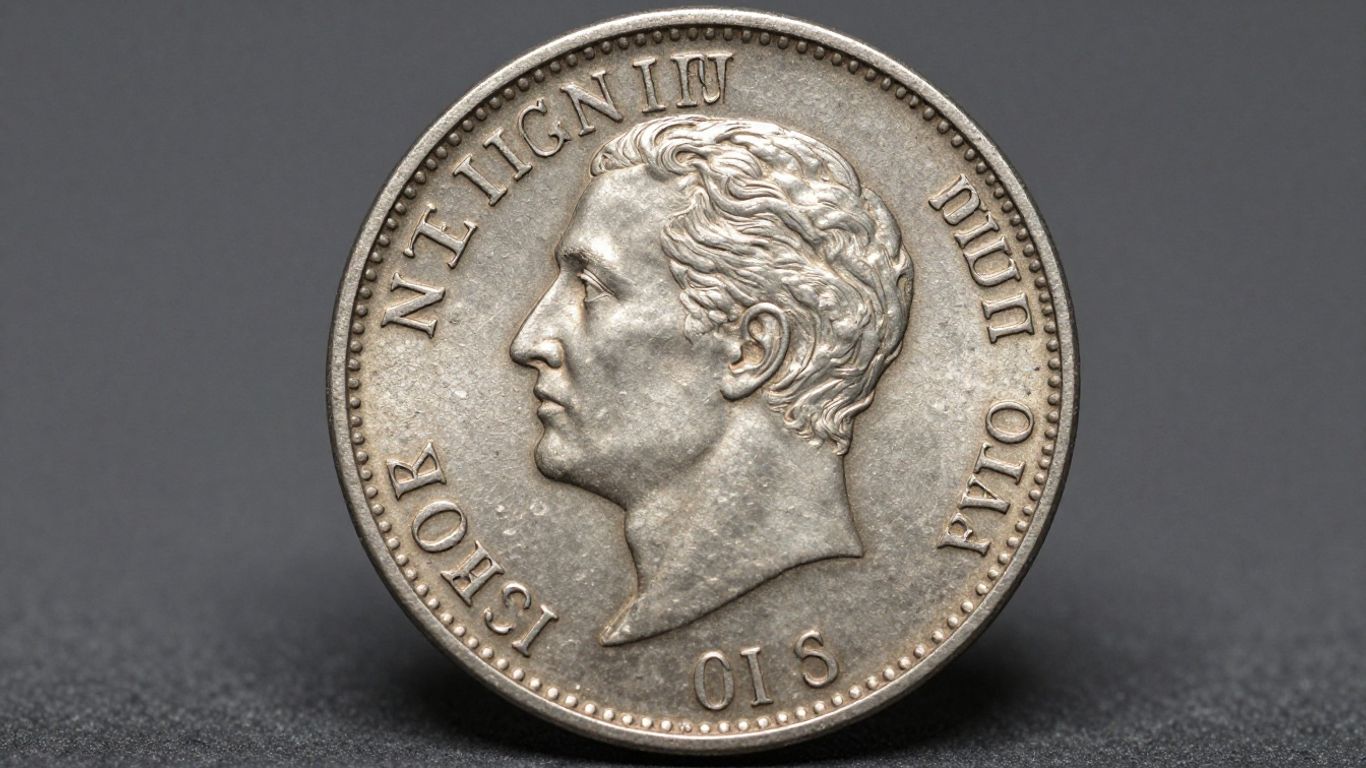
Determining major overdate coin values involves assessing several quantitative and qualitative metrics. Collectors must look beyond the novelty of the error and examine the coin’s historical significance within the broader numismatic landscape. Factors such as current market sentiment and the presence of documented authentication remain paramount for any serious investor.
Rarity and surviving population counts
Rarity is the driving force behind most high-value transactions in the numismatic market. While many error coins were struck, the number of those that survived to the present day in good condition is often quite small. When specific varieties are identified as significantly scarce, their market value can skyrocket as competition among elite collectors intensifies during private auctions and public trades.
Impact of numismatic grade on final price
Condition remains a central pillar of coin appraisal, as even a rare overdate can lose substantial value if characterized by heavy circulation wear. High-grade specimens, particularly those in Mint State, command premiums that far exceed lower-grade examples. It is standard practice to consult a free Coin Value Checker to get an estimate of a coin’s potential worth based on its grade, though professional grading remains the gold standard for final valuation.
Market demand for specific error types
Certain error types generate more excitement than others; for example, iconic wartime errors often attract collectors interested in the socio-economic context of the era. Understanding whether a particular variety is highly sought after by major error coin guides helps collectors determine the right time to acquire or divest from their inventory, ensuring that portfolios remain aligned with contemporary collector tastes.
Identifying popular overdate coin series
Collecting by series allows for a more structured approach to building a valuable portfolio. Many collectors begin by targeting known errors within specific denominations, which helps in developing the necessary skills to recognize smaller, less obvious variations over time.
The famous 1918/7-D Buffalo nickel
The 1918/7-D Buffalo nickel acts as a cornerstone for many advanced collections. This specific variety resulted from a die intended for 1917 production receiving an additional impression of 1918. Its status as a wartime rarity ensures that it maintains steady appreciation among numismatists focusing on twentieth-century US coinage.
Early large cent overdates
Early large cents feature some of the most dramatic and historically significant die interactions in American coinage. Given the primitive state of early 19th-century minting technology, these variations often appear large and distinct to the naked eye. Collectors focusing on these pieces should note that they are often subject to unique Lincoln cent overdate research that continuously updates our knowledge regarding die hubs.
Mercury dime and Walking Liberty overdate innovations
The innovations in die creation during the mid-20th century occasionally led to subtle but fascinating overdate errors in series like the Mercury dime. These coins require detailed study, often under strong light and magnification, to correctly identify the underlying numerals. Such pieces serve as excellent examples of how production refinements sometimes caused as many design issues as they solved.
Authentication and grading for overdated coins
| Feature | Importance | Impact on Valuation |
|---|---|---|
| Authentication | Critical | Prevents loss due to fakes |
| Grading | Essential | Drives final price point |
| Provenance | High | Boosts long-term track record |
Third-party validation is an absolute necessity in the modern coin market. Without an official slab and grade, a high-value piece may be viewed with skepticism, significantly diminishing its liquidity and market transparency.
Relying on third-party grading services
Independent grading houses provide the expertise necessary to distinguish genuine mint errors from post-mint damage. These services use consistent standards that create a reliable benchmark for buying and selling. By utilizing these services, collectors can protect their capital and ensure that the leather belts for men in their collection—or rather, the various holdings in their portfolio—are backed by verifiable credentials.
Documenting attribution markers for positive identification
Attribution markers are the specific physical indicators that verify an overdate as legitimate. These often include specific placement of numerals or the angle of die rotation. Collectors are encouraged to take high-resolution photos of these markers to facilitate future transactions and ensure they understand how to use tools like commercial ice machine repair specialists often recommend documenting maintenance to keep things running properly, much like maintaining coin records helps track status.
Risks of counterfeit and doctored overdate alterations
Deceptive practices, such as manually altering a coin’s date to simulate an error, remain a significant risk for the uninitiated. Authentic errors exhibit specific flow lines and metal displacement consistent with the striking process, whereas doctored coins show signs of tool marks or irregular metal abrasion. Vigilance is essential to avoid purchasing fraudulent items.
Market trends and investment potential for error coins
The market for error coins has evolved significantly over the last decade, transitioning from a niche interest to a major component of high-quality investment portfolios. Collectors today are better informed and motivated by long-term growth rather than quick flips.
Fluctuations in buyer demand over the last decade
Macroeconomic shifts have historically influenced the collectibles market, but high-end rare coins have shown resilience. Demand often spikes when new discoveries are made public, although consistent growth is usually seen in well-documented, iconic errors that have passed the test of time.
Comparison between error coin performance and typical bullion
Unlike gold or silver bullion, which track closely with industrial precious metal prices, error coins perform like unique works of art. Their value is driven by scarcity and historical interest rather than melt content. This makes them a distinct asset class, though they require more expertise to manage effectively compared to planning outdoor lighting or other household infrastructure improvements.
Long-term asset appreciation versus short-term speculation
Collectors who treat their coins as long-term assets generally see better results than those seeking quick profits. Building a collection focused on quality and rarity allows an investor to weather short-term market corrections. Those interested in home swapping might find that using a structured, long-term approach to asset building provides a better foundation for their financial and travel goals.
How to properly store and display your overdate collection
Preservation is as vital as acquisition when maintaining the integrity of an expensive collection. Improper storage conditions are often the primary cause of environmental damage to surfaces.
Selecting archival-safe holders for long-term storage
Only use materials explicitly certified as archival-safe to store valuable coins. Plastic capsules containing PVC can leach chemicals over time, creating a sticky, green residue that permanently damages the metal finish. Opting for inert materials ensures that coins remain in their current state for decades.
Controlling humidity and chemical contaminants to preserve surface finish
High humidity causes oxidation, while localized pollutants can lead to ugly spotting. A controlled environment, such as a secure safe with desiccants, provides the best protection. For those interested in legal specifics regarding their assets, one might review Terms of Use related to specialized storage services if professional vaulting is required.
Documenting ownership history for future resale provenance
Provenance creates a narrative for each piece, which often increases its desirability at auction. Keep an organized log of when you acquired each coin, the price paid, and any relevant details about its certification path. This data, when accompanied by the original grading certificates, provides buyers with the confidence they need to pay top dollar. Consistent outdoor lighting installation documentation and similar record-keeping practices within numismatics define the difference between a casual hobbyist and a true professional.
Conclusion
Investing in overdate error coins offers a unique challenge that balances historical research with financial objective setting. By focusing on certified, authentic pieces and maintaining a long-term perspective on market trends, collectors can derive both intellectual enjoyment and significant potential financial growth from these remarkable remnants of human history.
Frequently Asked Questions
Are all overdate errors valuable?
Not all overdate errors carry high premiums; value depends heavily on the rarity of the specific variety, its historical demand, and the condition of the coin.
Can I find overdate errors in circulation?
While highly unlikely due to the age of most confirmed overdates, constant vigilance in examining pocket change or bulk rolls can occasionally lead to identifying unlisted varieties or minor minting anomalies.
How does cleaning an overdate coin affect its value?
Cleaning a coin is one of the most damaging actions a collector can take, as it permanently alters the surface and destroys the original luster, significantly reducing the numismatic value.
Why are some overdates more famous than others?
Famous overdates, like the 1918/7-D Buffalo nickel, gain their reputation through a combination of high historical profile, distinct visual evidence of the error, and consistent demand from prominent collector groups.
What should I look for when buying an overdate online?
Always verify that the coin comes from reputable dealers or platforms and look for coins that have been certified by major, recognized third-party grading services to avoid common counterfeits.
Does the mint mark matter for overdate valuation?
Yes, the mint mark can fundamentally change the value of an overdate because certain mint facilities had lower production numbers or different die preparation standards that enhance the rarity of the final product.
How often are new overdate varieties discovered?
New varieties are discovered occasionally as high-resolution imaging technology helps researchers re-examine archived coins, though the frequency of finding major, previously unknown varieties has decreased over the last several decades.