
If you have rare twenty cent pieces and want to find buyers in San Antonio, TX, you’re not alone. Selling coins can feel tricky, especially if you’re hoping to get a fair price and avoid mistakes. Whether you’re a longtime collector or just found some old coins in a drawer, knowing where to look and what steps to take will make the process smoother. This guide will show you how to find twenty cent pieces buyers in San Antonio, TX, and help you prepare your coins for the best possible sale.
Key Takeaways
- Look for coin dealers in San Antonio who specialize in rare U.S. coins, especially twenty cent pieces.
- Clean and organize your coin holders before meeting buyers, but avoid cleaning the coins themselves.
- Check recent sales and market trends to set a realistic price for your coins.
- Consider getting your coins graded by NGC or PCGS for added buyer confidence.
- Always leave room for negotiation so both you and the buyer feel good about the sale.
Locating Twenty Cent Pieces Buyers in San Antonio
Finding someone interested in buying your twenty-cent pieces in San Antonio involves a bit of legwork, but it’s totally doable. You’re not just looking for any buyer; you want someone who knows what these coins are worth and will give you a fair shake. It’s like finding a good mechanic – you want someone trustworthy.
Finding Reputable Coin Dealers
When you’re looking for dealers, think about who has a good name in the coin world. A dealer who’s been around for a while and has a solid reputation is usually a safe bet. You can often find these folks through word-of-mouth from other collectors or by checking with local coin clubs. A dealer with a strong track record is your best bet for a smooth transaction.
Here are a few ways to check if a dealer is on the up-and-up:
- Ask other collectors about their experiences.
- Look for dealers who are members of professional numismatic organizations.
- See if they have a physical storefront or a well-established online presence.
Utilizing Online Dealer Locators
These days, the internet makes it pretty easy to find dealers. Websites like the NGC Coin Dealer Locator are super helpful. You can search by location and even by the type of coins they specialize in. This is a great way to get a list of potential buyers in the San Antonio area without having to drive all over town.
These locators often provide:
- Contact information for dealers.
- Details about their areas of specialization.
- Sometimes, reviews or ratings from other users.
Understanding Dealer Specialties
Not all coin dealers are created equal, and that’s especially true when you’re dealing with specific types of coins like twenty-cent pieces. Some dealers focus on general U.S. coins, while others might be experts in gold coins, silver coins, or even specific historical periods. It’s important to find a dealer who has a particular interest or knowledge in the type of coin you’re selling. A specialist will likely have a better understanding of your coin’s value and a more immediate need for it in their inventory.
Trying to sell a specialized coin to a generalist can sometimes lead to a lower offer because they might not fully appreciate its rarity or demand. It’s always better to connect with someone who truly understands the niche market for your specific coin.
It’s worth taking a little time to figure out who buys what. You don’t want to waste your time showing a rare twenty-cent piece to someone who only deals in modern commemoratives, you know?
Preparing Your Twenty Cent Pieces for Sale
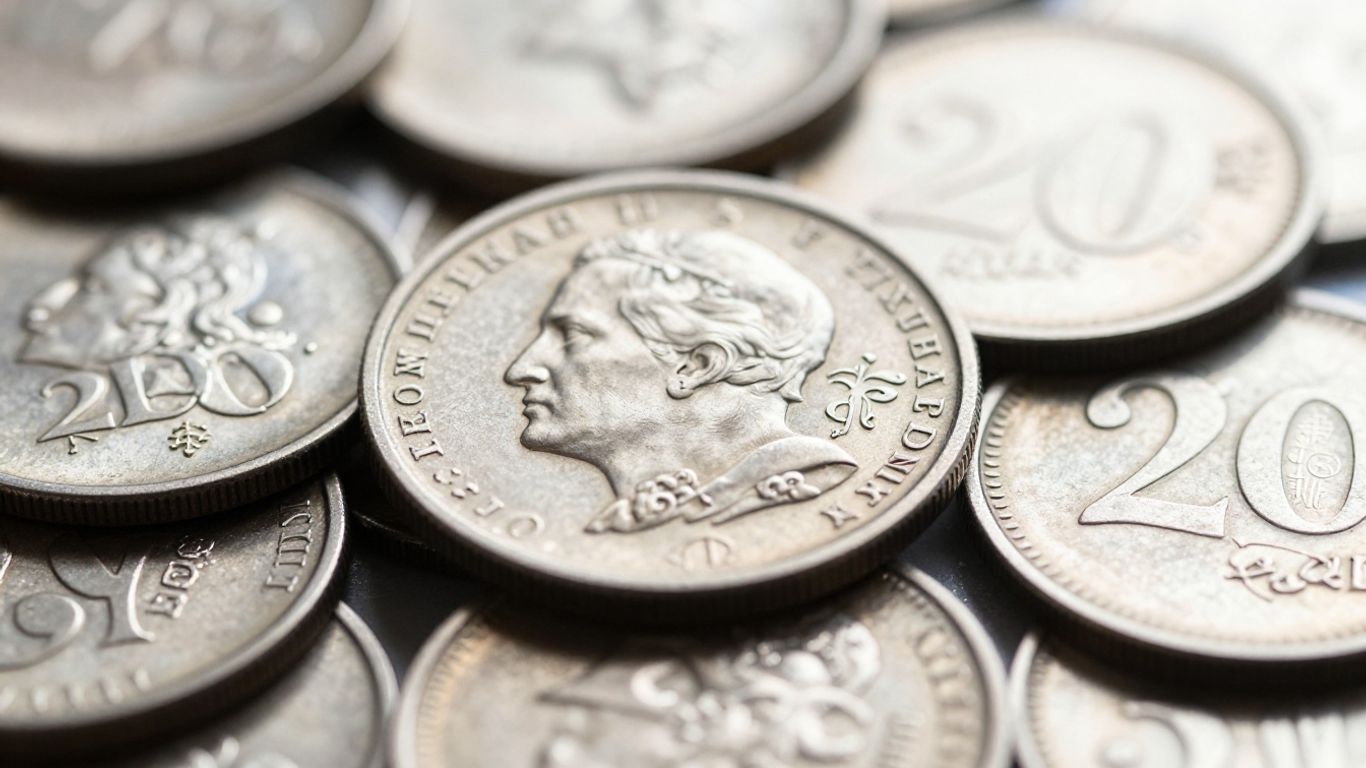
Selling rare coins like twenty cent pieces is more than just showing up to a dealer with your collection. A little bit of prep can make a noticeable difference in how much you get paid and how smooth the whole process goes. Here’s how to get your coins ready for sale in San Antonio, TX:
Attributing Your Rare Coins
Before pricing or listing your twenty cent pieces, it’s important to know exactly what you have. That means:
- Checking for mint marks and varieties that affect value.
- Comparing dates and types against coin reference guides.
- If you’re unsure, asking a knowledgeable collector or using an attribution service like those provided by major grading companies.
This avoids the sting of accidentally selling a rare variety as a common piece, which could cost you hundreds or even thousands of dollars.
Take the time to identify and attribute each coin, so you can present buyers with accurate information and strong justification for your asking price.
Cleaning Coin Holders
No, don’t clean the coins themselves—just the holders! Dusty, scratched, or foggy coin holders can make your coins look less appealing. A clean, clear holder lets your coins’ true quality show. Here’s what helps:
- Wipe holders gently with a microfiber cloth—never use anything rough.
- If slabs or holders are badly scratched, consider a professional re-holdering service.
- Replace damaged flips or outdated holders with new, archival-quality ones.
| Cleaning Task | Impact on Value | Estimated Cost |
|---|---|---|
| Wiping holder with soft cloth | Minor boost | Free |
| Professional re-holdering | Moderate-high | $12-$20/coin |
| Replacing flips | Minor | $1-$2/coin |
Assessing Coin Condition and Grade
The value of your twenty cent piece hangs heavily on its condition. Accurately describing your coins’ grades helps buyers trust you and makes for smoother negotiations. Start with these steps:
- Compare your coin to online grading images (PCGS, NGC have handy charts).
- Look for signs of wear, cleaning, or damage.
- If you’re not sure about the grade, get a professional appraisal or grading service participation. Sometimes a small investment here leads to bigger returns.
Presenting your coins honestly builds trust and often leads to better offers from both dealers and collectors.
Getting your twenty cent pieces ready for sale is about the details. Taking a methodical approach helps you get the most out of every transaction—no matter how rare your coins are.
Maximizing the Value of Your Twenty Cent Pieces
Understanding Market Trends
Keeping an eye on what’s happening in the coin market can really help when you’re looking to sell. Prices for coins, especially older or rarer ones like twenty-cent pieces, can go up and down. Sometimes, a specific type of coin becomes really popular for a while, and its price jumps. Other times, interest might cool off. Reading coin publications, checking auction results, and even talking to dealers can give you a sense of what’s in demand. Knowing if your twenty-cent piece is part of a series that’s currently sought after can make a big difference in what you get for it. For instance, if there’s a surge in interest for early U.S. coinage, your twenty-cent piece might fetch a better price than it would during a slower period.
The Impact of CAC Stickers
CAC, or Certified Acceptance Corporation, is a company that reviews coins already graded by major services like PCGS and NGC. They add a green sticker to coins they believe are of higher quality than their assigned grade suggests. A CAC sticker can really boost a coin’s appeal to buyers. It acts as a second opinion, assuring potential buyers that the coin is a top-tier example for its grade. This often translates into a higher selling price because buyers feel more confident in the coin’s quality and its potential for future appreciation. While not every coin needs a CAC sticker, for significant pieces, it can be a worthwhile step to increase desirability and value.
Pricing Strategies for Rare Coins
Figuring out the right price for a rare coin isn’t always straightforward. You’ll want to look at recent sales of similar coins. Auction records are a good place to start, but remember that auction prices can sometimes be higher or lower than what you’d get in a private sale. Consider the coin’s condition very carefully. Even small differences in wear or appearance can affect its value. If your coin is in a holder from a major grading service, check if it has a CAC sticker, as that can influence pricing. It’s also wise to understand what dealers typically pay and what they aim to sell coins for; this difference, known as the dealer’s markup, is how they make a profit. Leaving a little room for negotiation can often lead to a smoother sale and a satisfied buyer, who might return for future purchases.
Here’s a quick look at factors influencing price:
- Coin Condition: Higher grades generally command higher prices.
- Rarity: Scarcer dates and mint marks are more valuable.
- Market Demand: Current collector interest plays a significant role.
- Grading and Authentication: Coins with reputable third-party grading and CAC approval often sell for more.
When setting a price, it’s often best to be realistic. While you want to get the most you can, an overly ambitious price might scare potential buyers away. Researching comparable sales and understanding the market will help you find that sweet spot.
Navigating the Selling Process
When preparing to sell your twenty cent pieces in San Antonio, a clear strategy makes a big difference. The market can be unpredictable, and your approach can either help you get a fair price or leave you regretting a rushed deal. Here’s how to organize and manage each step—without overcomplicating things.
Avoiding Forced Sale Situations
It’s tempting to sell quickly, especially if you need cash fast. But selling under pressure usually means getting a lower price. Buyers can spot desperation and will often offer less. Take the time to gather offers, compare them, and avoid letting anyone know you absolutely have to sell. If possible, set a reasonable window to market your coins—give yourself 45-60 days if you can. Doing so can help you find buyers willing to pay more.
- Don’t mention financial stress to buyers.
- Wait for multiple offers before agreeing to a sale.
- Watch out for buyers who focus on your urgency rather than the value of your coins.
Rushed sales usually favor the buyer, not you. Step back and allow yourself enough time to make a good decision on your collection.
Choosing the Right Time to Sell
The coin market, like any market, has its hot and cool periods. Many veteran sellers watch for active times like major coin shows, when collectors are eager to buy. Traditionally, January and the summer months align with national shows and increased demand. Locally, San Antonio and nearby areas often see a boost right before and after these events. For instance, Great Southern Coins in Boerne could be busier during these times, offering better prices for sellers.
Best Times to Sell Twenty Cent Pieces:
| Best Months | Coin Shows | Collector Activity |
|---|---|---|
| January | FUN Show | High |
| July-August | ANA Summer | High |
| Rest of the Year | Local Events | Moderate |
Try not to sell during major holidays or when the market is distracted by unrelated events.
Leaving Room for Profit
Every dealer needs to make something on a purchase, and leaving some margin for them isn’t a bad thing. If you refuse to budge on your price or squeeze every cent out of the deal, buyers might choose not to work with you next time. Letting a dealer take a profit often builds goodwill, and can encourage repeat business or referrals to serious collectors. Here are simple ways to do this:
- Research recent sales, then ask just above the highest comparable price.
- If a buyer is fair and transparent, consider accepting a slightly lower offer.
- Build relationships—dealers remember sellers who make it easy to do business.
Sometimes, it pays more in the long run to let others profit a little, strengthening your reputation and future negotiating power.
Specialized Dealers for Twenty Cent Pieces
If you’re looking to sell rare twenty cent pieces in San Antonio, finding the right specialized dealer can make a real difference. Not every coin buyer focuses on this unusual denomination, so connecting with professionals who understand it saves hassle and can mean better offers. While any local shop might give you a price, dealers experienced with these coins know what to look for and can better evaluate condition, rarity, and demand.
Identifying Experts in U.S. Coinage
Some coin dealers make a point of focusing on U.S. coinage, including odd denominations like twenty cent pieces. These dealers know the detailed history, key dates, and specific market for American coins. Here’s how you might identify them:
- Ask them about their favorite U.S. coin series – specialists are often enthusiastic about their area of focus.
- Review their inventory, either online or in person, to see if they handle similar coins.
- Request references or testimonials from past sellers.
When working with someone who truly knows U.S. coins, you’re more likely to get a realistic and informed offer, which avoids wasted time and missed opportunities.
Working with Branch Mint Specialists
A branch mint specialist focuses on coins from certain U.S. mints, like Carson City or New Orleans. Since some twenty cent pieces were produced at these facilities, a branch mint expert could spot subtle varieties and pay extra for them.
Benefits of Branch Mint Specialists:
- Recognize rare mintmarks or varieties
- May have clients specifically seeking non-Philadelphia coins
- Offer insights into unique attributes affecting value
| Mint Location | Key Years of 20-cent Issue | Notable Varieties? |
|---|---|---|
| Carson City (CC) | 1875, 1876 | 1876-CC rare |
| San Francisco (S) | 1875 | Low mintage |
| Philadelphia (No Mintmark) | 1875-1876 | Regular strikes |
Connecting with Gold Coin Buyers
While it might sound odd, some buyers specializing in gold coins also appreciate rare and unusual denominations—even when they’re silver. Specialty buyers, like those at Great Southern Coins, might work with a broader range of rare U.S. coinage beyond just gold.
Here are a few tips for approaching these dealers:
- Explain what makes your coin unique, especially if it’s a low-mintage date or has strong eye appeal.
- Ask if they presently have clients looking for key-date coins or entire type sets.
- Inquire if they belong to professional coin organizations, which adds credibility.
Specialized dealers aren’t always easy to spot at first glance, but with a little digging and the right questions, you can find the right partner to help you sell your twenty cent pieces at their proper value.
The Role of Grading Services
Professional grading services are a backbone of the rare coin market, especially for sellers of twenty cent pieces in San Antonio. Accurate grading boosts trust between buyers and sellers and often leads to quicker, higher offers. Here’s what you need to know about how grading services work and why they matter.
Understanding NGC and PCGS
Two companies—NGC (Numismatic Guaranty Company) and PCGS (Professional Coin Grading Service)—dominate the grading landscape. They certify coins by evaluating authenticity and assigning a grade based on quality. Most serious collectors and buyers in San Antonio expect rare twenty cent pieces to be in slabs from these services.
| Service | Full Name | Founded | Main Features |
|---|---|---|---|
| NGC | Numismatic Guaranty Company | 1987 | Grading, Encapsulation |
| PCGS | Professional Coin Grading Service | 1986 | Grading, Encapsulation |
- NGC and PCGS both use a 70-point grading scale.
- Most major dealers trust both for certification.
- Only reputable dealers or collectors are allowed to submit coins directly.
The Benefits of Third-Party Grading
Getting your twenty cent pieces graded comes with clear benefits:
- Buyers can easily see the coin’s condition and have evidence it’s not counterfeit.
- Coins in slabs often sell for more, as the grade is recognized industry-wide.
- The slab protects your coin from accidental damage or tampering.
When trying to stand out in a busy collector’s market, certified coins often move faster and attract competitive offers.
Submitting Coins for Authentication
Here are the usual steps to submit a coin for grading:
- Contact NGC or PCGS, or find a local dealer who is authorized to submit coins for you.
- Pack your twenty cent pieces securely and fill out the submission form.
- Pay the required fees (these vary by coin value and service level).
- Wait for grading; the company will then return each coin in a sealed holder with its assigned grade.
If you’re searching for a dealer to help with grading submissions or want advice on next steps, local resources such as A-Z Stamp Company in San Antonio can be a helpful starting point. Discussing options with a well-rated hobby shop can save you a lot of time and confusion.
For almost any rare coin sale today, a third-party grade is worth more than a dozen photos—a certified coin tells buyers exactly what they need to know.
Selling Rare Coins in San Antonio
When you’re ready to let go of your rare coins, finding the right place and method to sell in San Antonio can make a real difference. You have plenty of options around the city, and each one comes with its own set of advantages and things to look out for. Below, you’ll find a rundown on the local selling landscape, including coin shops, networking tips, and auction advice.
Local Coin Shops and Dealers
San Antonio has a number of established coin shops and dealers who specialize in rare and collectible coins. Here’s what you should consider:
- Most shops will offer free or low-cost evaluations if you bring in your coins directly.
- Dealers may have specific interests, such as U.S. type coins, so check if they have experience with twenty cent pieces.
- Some dealers may offer immediate cash, while others might suggest consignment for higher-end pieces.
| Dealer Type | Pros | Cons |
|---|---|---|
| Traditional Coin Shops | Fast payment, in-person help | May offer lower prices |
| Rare Coin Specialists | Knowledge of rarities | May be selective about coins bought |
| Consignment Dealers | Potential for higher returns | Could take longer to get paid |
Networking with San Antonio Collectors
Selling to other collectors can sometimes give you better prices and more satisfaction:
- Connect through local coin clubs and numismatic society meetings.
- Consider online forums focused on Texas or San Antonio coin enthusiasts.
- Attend coin shows—these are good for meeting both collectors and dealers.
Building personal connections in the collector community can sometimes result in a quick, straightforward sale and even establish relationships for future trades.
Considering Auction House Options
If your coins are especially rare or high-value, local and national auction houses may be the best route. Here’s a quick checklist:
- Check if the auction house has solid experience with twenty cent pieces or U.S. coins.
- Ask about commission rates and selling fees before you commit.
- Request a realistic pre-sale estimate for your coins.
Some auction houses even let you set your own minimum price (reserve), which helps protect you from underselling. Remember, auctions can take a while to process, so factor in the timeline when making your decision.
Selling coins in San Antonio isn’t a one-size-fits-all process. Take your time, weigh the options, and aim for a deal that feels fair to both you and the buyer.
Essential Considerations for Sellers
When selling your twenty cent pieces in San Antonio—or anywhere, really—there are a few things to keep in mind so you get the best outcome. Preparing ahead, following fair market practices, and thinking about the future of your collection can make a big difference.
Emergency Plans for Coin Collections
It’s uncomfortable, but you need to have a plan for your coins if something unexpected happens to you.
- Write down instructions for family or heirs on how to sell your collection
- List trusted dealers, advisors, or contacts who know the coin’s value
- Store documentation like receipts and grading certificates where they can find them
If something happens and there’s no plan, your heirs might end up selling rare coins for much less than they’re worth—sometimes just out of confusion or urgency.
The Importance of Fair Pricing
You might be tempted to squeeze every dollar from a deal, but usually, it pays off to leave some room for the next buyer. Dealers appreciate sellers who make room for their own margins, leading to smoother future transactions. Fair pricing encourages repeat business and good relationships.
Steps for setting a fair price:
- Research auction records for coins that match yours in grade and type.
- Consider current market demand and recent price changes.
- Factor in any certifications or stickers that add to the coin’s desirability.
Example: Recent Auction Results vs. Dealer Offers
| Coin Grade | Average Auction Price | Typical Dealer Offer |
|---|---|---|
| VF30 | $220 | $180 |
| XF40 | $350 | $300 |
| AU55 | $600 | $500 |
Building Trust with Buyers
Selling coins isn’t just about the money—it’s about building confidence. When people know you’re honest and open, deals are simpler, and word gets around.
A few ways to show trustworthiness:
- Be upfront about any flaws or peculiarities with your coins
- Provide proof of grading or authenticity
- Stay open to negotiation and be willing to explain your pricing decisions
The best transactions often happen when both seller and buyer feel they’ve gotten a fair shake. Make it easy for someone to want to work with you again.
Resources for Twenty Cent Piece Sellers
Numismatic Organizations and Associations
When you’re looking to sell your twenty-cent pieces, connecting with the right groups can make a big difference. Numismatic organizations are full of people who love coins, and many of them are knowledgeable collectors or dealers. These groups often have local chapters, which can be a great way to meet people in your area who might be interested in buying. They also provide a space to learn more about coins and the market.
- American Numismatic Association (ANA): A large organization offering educational resources, conventions, and a community for coin enthusiasts.
- Local Coin Clubs: Search for clubs in the San Antonio area. These are often informal gatherings where members share knowledge and sometimes trade coins.
- Specialty Coin Groups: Depending on the specific type of twenty-cent pieces you have, there might be groups focused on U.S. coins or specific historical periods.
Authoritative Coin Guides and Catalogs
Having reliable information at your fingertips is key to understanding what your twenty-cent pieces are worth. These resources offer pricing data, historical context, and details about different coin varieties. Using up-to-date guides can help you avoid common mistakes and get a better sense of your coin’s value.
- A Guide Book of United States Coins (Red Book): A widely recognized annual publication listing U.S. coins with historical information and retail price estimates.
- The Official Price Guide to U.S. Coins (Whitman): Another popular guide offering pricing and market analysis.
- Specialized Catalogs: For specific series or types of coins, more detailed catalogs might exist that offer in-depth information.
Online Coin Communities and Forums
The internet has opened up new avenues for coin collectors and sellers. Online forums and communities allow you to connect with a global network of numismatists. You can ask questions, share photos of your coins, and get opinions from experienced individuals. Just remember to be cautious and verify information, as not all advice online is accurate.
When selling rare coins, it’s wise to gather as much information as possible. This includes understanding market trends, consulting price guides, and seeking opinions from trusted sources. Being well-informed puts you in a stronger position when discussing prices with potential buyers.
Evaluating Offers for Your Coins
Properly evaluating offers is a key step when selling your rare twenty cent pieces. It’s easy to feel overwhelmed when numbers are thrown at you by experienced buyers, but a bit of work on your end will ensure you don’t leave money on the table.
Researching Comparable Sales
To get a sense of what your coins might fetch, check out recent sales:
- Review auction results for coins similar in type, grade, and rarity. Auction sites and price guides (like NGC and PCGS) are helpful for this.
- Look up private sales, if possible, through forums or dealer reports.
- Make note of premiums from coins with special features, such as old holders or provenance.
| Coin Type | Grade | Recent Auction Price |
|---|---|---|
| 1875-CC 20¢ Piece | AU-58 | $1,650 |
| 1876 20¢ Piece | MS-64 | $2,100 |
| 1875-S 20¢ Piece | XF-45 | $345 |
Taking thirty minutes to compare several sales often results in a clearer price range and more confidence at the bargaining table.
Understanding Dealer Markups
Remember that dealers need room for profit—they can’t pay retail prices. Here’s what usually drives their markups:
- Overhead costs: shop rent, staff, insurance
- Expected sale turnaround time (a rarer coin that may take longer to sell might fetch a lower initial offer)
- Market risk — prices can drop before they resell your coin
It’s normal to see offers that are 10–30% less than recent public sale records for similar coins.
Negotiating Fair Prices
Negotiation is part of any collector’s sale. Here’s how to approach it smartly:
- Ask the dealer how they arrived at their offer—knowledgeable sellers get more respect.
- Be ready to walk away if an offer feels off; you don’t have to accept the first bid.
- If you have proof (recent sale prices, CAC stickers, rare variety information), use it to justify your counter-offer.
A well-prepared seller is less likely to regret their decision after the sale. Don’t rush: take time to weigh every offer, ask questions, and make sure you feel good about the final deal.
Wrapping Up Your Coin Sale
So, you’ve got these twenty-cent pieces and you’re ready to sell them here in San Antonio. It might seem like a lot to figure out, but really, it just comes down to doing a little homework. Think about getting your coins looked at by a service like NGC, especially if you’re not sure about their exact value or if they have special features. Also, try not to rush into a sale. Dealers can spot desperation, and you’ll likely get less money that way. Taking your time, maybe even waiting for a big coin show if you can, often leads to a better outcome. And remember, being fair with buyers can help you build good relationships for future sales. Good luck out there!
Frequently Asked Questions
How can I find someone to buy my twenty-cent pieces in San Antonio?
You can find buyers by looking for reputable coin dealers in San Antonio. Many dealers specialize in rare coins. Online tools can also help you locate dealers who buy specific types of coins, like U.S. coinage or even gold coins.
What should I do before selling my twenty-cent pieces?
Before selling, it’s a good idea to figure out exactly what coins you have, which is called attributing them. Also, check the condition of your coins and their holders. Knowing this information can help you get a better price.
How do I know if my twenty-cent piece is valuable?
The value of your coin depends on several things. These include its rarity, its condition (how well it’s preserved), and current market trends. Sometimes, special marks on the coin holder, like a CAC sticker, can also increase its worth.
Should I clean my twenty-cent pieces before selling?
Generally, it is not recommended to clean rare coins yourself, as this can damage them and lower their value. It’s best to leave them as they are or consult with a professional coin dealer or grading service.
What is the role of grading services like NGC and PCGS?
Grading services, such as NGC and PCGS, provide an expert opinion on a coin’s condition and authenticity. Having your coin graded by them can give potential buyers more confidence and may lead to a higher selling price.
Are there specific times that are better for selling coins?
While the market is always active, some periods are traditionally better for selling coins. These often include times around major coin shows, like the FUN show in January or the ANA show in the summer, when many collectors are looking to buy.
What does it mean to 'leave room for profit' when selling?
When you sell a coin, especially to a dealer, it’s wise to price it in a way that allows the buyer to also make a profit when they resell it. This practice helps build good relationships with buyers and can lead to more sales in the future.
What if I need to sell my coins quickly due to an emergency?
If you need to sell coins quickly, it’s important to be aware that you might not get the best price. Try to avoid showing desperation to potential buyers. Having a plan for your coin collection in case of unexpected life events can help your heirs get a fairer price.