
Exploring the special mint coin set history reveals a fascinating journey from ancient times to today’s intricate collectibles. What started as simple forms of value has evolved into highly artistic and sought-after pieces. This history shows how coins have not only served as currency but also as a canvas for art, history, and culture, making each set a unique story waiting to be discovered.
Key Takeaways
- The special mint coin set history traces the evolution from early collectibles like shells and stones to the first minted coins in Lydia around 600 BCE.
- Technological advancements have continually shaped minting, from early stamping methods to modern techniques like high relief, color, and gemstone inlays.
- Commemorative and thematic series, including zodiac, mythology, and historical figures, are central to modern mint sets, offering collectors diverse interests.
- The Royal Canadian Mint is known for its artistic and thematic releases, such as zodiac and birthstone series, often incorporating special features.
- Scarcity, driven by limited mintage numbers, plays a significant role in the collectibility and investment potential of special mint coin sets.
The Genesis of Collectible Coinage
Ancient Valuables as Early Currency
Long before coins were even a concept, people used objects they found valuable to trade. Think shells, beads, or even large stones. These items worked because they were hard to get, looked unique, and people agreed they were worth something. For instance, cowrie shells were used in many parts of the world for ages. They were tough, looked pretty much the same, and you couldn’t easily make fakes back then. The effort it took to find or make these things gave them value and stopped prices from going crazy. It’s kind of like how Bitcoin works today, where the energy spent to create it gives it worth.
However, this system had a weak spot. When new tools made it super easy to get more of these items, their value dropped. Imagine traders arriving with machines that could gather shells way faster than locals could. Suddenly, there were too many shells, and the money system fell apart. This is a bit like what happens with paper money when a government can just print more and more of it – it loses its meaning.
The Transition from Collectibles to Coins
Metals like gold, silver, and copper were a big step up from organic items. They lasted a long time, could be broken into smaller pieces, were all pretty much the same, and you could check if they were real. Gold, especially, was great because you couldn’t just make more of it; you had to dig it out of the ground, which took a lot of work. This effort is what gave gold its special value, not just its shine.
The Lydian Innovation: Minting the First Coins
Around 600 BCE, in a place called Lydia (which is now Turkey), they started making the first official coins. They used electrum, a natural mix of gold and silver, and stamped them with a mark. This idea spread fast to places like Greece and Rome. Coins made trading much simpler, helped governments collect taxes, and funded big empires. This innovation was a major shift, moving from varied collectibles to standardized, verifiable units of exchange. It laid the groundwork for the monetary systems we still use today, and you can see the start of publicly available annual coin sets in Canada from as early as 1908, with their first "specimen" coin set released for two dollars.
Here’s a look at how money has changed over time:
| Era (Approximate) | Previous Form | New Form | Key Improvement |
|---|---|---|---|
| ~8000 BCE | Barter | Collectibles (shells, beads) | Solved the problem of needing to find someone who wants what you have and has what you want. |
| ~600 BCE | Collectibles | Metal coins | Made things uniform, divisible, and easier to check. |
| ~1000 CE | Metal coins | Paper notes (backed by gold) | Easier to carry for big trades. |
| 1971 | Gold-backed notes | Fiat currency | Allowed governments more control over money (but less scarcity). |
| 2009 | Fiat currency | Bitcoin | Absolute scarcity, decentralized, hard to censor. |
Evolution of Minting Techniques and Materials
The Rise of Precious Metals in Coinage
For a long time, people used all sorts of things as money, like shells or beads. These worked okay for a while, but they had problems. They could be hard to count, they weren’t always the same, and sometimes, if you found a lot of them, they lost their value. That’s where metals really changed the game. Think about gold, silver, and copper. These metals are tough, they don’t just disappear over time, and you can melt them down and make them into new things. Plus, they’re pretty rare. You can’t just find tons of gold lying around. This scarcity made them a much more reliable way to store value.
Innovations in Coin Stamping and Design
Around 600 BCE, the Lydians, who lived in what’s now Turkey, came up with a really smart idea. They started taking a natural mix of gold and silver, called electrum, and stamping it with a mark. This mark showed that the coin had a certain weight and purity. It was like a guarantee. This made it super easy for people to trade because they didn’t have to test the metal every single time. Other places, like Greece and Rome, saw this and started doing it too. They got really good at making coins with detailed pictures and symbols. These designs weren’t just pretty; they told stories, showed who was in charge, and made the coins harder to fake. It was a big step up from just carrying around lumps of metal.
The Role of Technology in Minting Advancements
Over the centuries, the way coins were made got better and better. Early on, it was mostly done by hand, which was slow. Then, machines started to be used, making it possible to produce more coins faster and with more precision. Think about how they started using dies – these were like carved metal stamps that were struck together with great force to imprint the design onto the metal blank. This process, called striking, allowed for much more intricate designs and sharper details than earlier methods. Later on, steam power and eventually electricity revolutionized minting, allowing for mass production on a scale never seen before. This technological progress meant that more people could have access to standardized currency, and it also allowed mints to experiment with different metals and alloys to create coins with unique properties or appearances, paving the way for the collectible sets we see today.
The journey of coin minting is a story of human ingenuity. From simple stamped metals to complex, multi-material creations, each advancement aimed to make currency more secure, more recognizable, and, eventually, more beautiful.
Commemorative Coinage and Thematic Series
Celebrating Historical Figures and Empires
Coins have long served as miniature canvases for history, and few subjects capture the imagination quite like ancient empires and their leaders. Mints worldwide have embraced this, creating stunning pieces that bring figures like Roman emperors to life. Imagine holding a coin depicting Emperor Augustus, complete with intricate details of his reign, the Colosseum, and even a map of his vast empire picked out in color. These aren’t just coins; they’re tiny historical narratives. The artistry involved is remarkable, with elements like gilded Imperial Eagle Standards and detailed centurions adding layers of depth. It’s a way to connect with the past, to hold a tangible piece of a civilization that shaped so much of our world. The attention to detail, from the emperor’s likeness to the symbols of power, makes these coins truly special.
Thematic Collections: Zodiac and Mythology
Beyond historical figures, coins also explore broader themes that touch on culture and belief systems. The zodiac, with its twelve distinct signs, offers a rich source of inspiration. Each sign can be represented with unique symbols and characteristics, making for deeply personal collectibles. Many of these coins feature embellishments like Swarovski® crystals, adding a sparkle that complements the celestial theme. Similarly, mythology provides endless stories and figures. From the fierce Valkyries of Norse legend, depicted with striking imagery and even gemstone inserts like moonstones, to the tragic tale of King Midas and his golden touch, these coins are wearable art. They capture the essence of ancient myths and legends, allowing collectors to own a piece of these timeless stories. The craftsmanship here often includes high relief techniques and vibrant color applications to truly bring these mythical beings and events to the forefront.
Artistic Expression in Modern Minted Sets
Today’s mints are pushing the boundaries of what a coin can be. It’s not just about the metal or the face value anymore; it’s about the art and the story. We see incredible artistic expression in modern minted sets, moving beyond simple designs to intricate, multi-layered creations. This includes features like:
- High Relief Designs: Giving coins a dramatic, almost sculptural quality.
- Color and Gilding: Adding vibrant hues and metallic finishes to highlight specific elements.
- Unique Inserts: Incorporating crystals, gemstones, or other materials to add texture and visual interest.
These advancements transform coins into miniature masterpieces. They are designed to be admired, to tell a story, and to capture the imagination. The result is a collection that is both numismatically significant and aesthetically captivating, offering a tangible link to history and culture.
The evolution of commemorative and thematic coinage reflects a growing appreciation for coins as more than just currency. They have become a medium for artistic expression, historical storytelling, and cultural celebration, appealing to a wide range of collectors.
Royal Canadian Mint's Special Releases
The Royal Canadian Mint has a long history of producing special coin sets that capture the imagination of collectors. These releases often go beyond simple currency, becoming miniature works of art that celebrate diverse themes. It’s a tradition that stretches back decades, with early issues setting a precedent for what was to come. For instance, the first one-dollar circulation coin in Canada, issued in 1935 to mark King George V and Queen Mary’s Silver Jubilee, was a significant step in the evolution of annual coin sets [e68f].
The Allure of Zodiac-Themed Coins
One of the most popular and enduring themes for special releases is the zodiac. The Mint has produced several series dedicated to the twelve signs of the Western Zodiac. These coins often feature intricate designs that represent each sign’s unique constellation and symbolism. For example, a 2024 $30 coin showcased the zodiac, blending astrological history with numismatic artistry. These coins are not just silver; they often incorporate special features like Swarovski crystals or detailed color applications to bring the celestial themes to life. It’s a way for collectors to connect with the cosmos and their own birth signs.
Gemstone and Birthstone Coin Series
Adding another layer of appeal, the Royal Canadian Mint frequently incorporates gemstones and birthstones into their special coin designs. These series offer a personal touch, allowing collectors to acquire coins associated with their birth month or a loved one’s. Imagine a coin featuring a vibrant emerald for May or a deep sapphire for September, all set within a beautifully crafted silver piece. These additions transform a coin from a mere collectible into a personalized keepsake, blending the intrinsic value of precious metals and stones with the artistry of minting.
Artistic Craftsmanship in Canadian Mint Sets
What truly sets Royal Canadian Mint special releases apart is the exceptional artistic craftsmanship. The Mint consistently pushes the boundaries of minting technology and design. This is evident in features like high relief strikes, which give designs a dramatic, almost three-dimensional appearance. They also employ advanced techniques such as colorization, gilding, and the inclusion of unique inserts like crystals and gemstones. These elements combine to create coins that are not only valuable but also visually stunning, making them highly sought-after by collectors worldwide. The attention to detail and the innovative use of materials demonstrate a commitment to producing numismatic art of the highest caliber.
Thematic Coin Series: A Collector's Delight
Coin collecting isn’t just about shiny metal; it’s about stories. Thematic coin series tap into this by letting collectors connect with history, mythology, and even fantasy. It’s like holding a tiny piece of a grand narrative right in your hand.
Exploring Ancient Legacies Through Coins
Many mints look to the past for inspiration, and who can blame them? Ancient civilizations offer a wealth of material. Take the Roman Empire, for instance. Coins from this era often depict emperors, military might, and iconic structures like the Colosseum. Some modern series even go a step further, creating intricate designs that tell a story on a single coin. Imagine a coin featuring Emperor Augustus, surrounded by symbols of his power, like the Imperial Eagle Standard, or even a map of the empire picked out in color. These aren’t just coins; they’re miniature history lessons.
Mythological Narratives on Minted Art
Mythology provides endless inspiration for coin designs. Think about Norse legends, for example. Valkyries, those fierce warrior maidens who guide fallen heroes to Valhalla, have become a popular subject. These coins often feature high relief designs to really bring the figures to life, sometimes even incorporating elements like moonstones to represent the aurora borealis. It’s a way to capture the drama and mystique of ancient myths in a tangible form.
Fairy Tale Inspired Coin Collections
Who says coin collecting has to be all serious history and mythology? Fairy tales are also making their way onto coins. The story of King Midas, with his unfortunate golden touch, is a perfect example. These coins often use gilded highlights and rich color to bring the narrative to life, capturing the emotion of the tale. It shows that coin design can be as imaginative and whimsical as the stories they represent.
- Connecting with Stories: Thematic series allow collectors to engage with narratives they love.
- Artistic Expression: Mints use these themes to showcase incredible artistry and minting techniques.
- Diverse Appeal: From historical figures to mythical beings and fairy tales, there’s a theme for almost everyone.
The appeal of thematic coin series lies in their ability to transform a simple piece of metal into a vessel of storytelling, bridging the gap between numismatics and broader cultural interests. They offer a unique way to appreciate art, history, and imagination all at once.
High Relief and Advanced Minting Features
Coin collecting has really taken off, and a big part of that is how coins are made these days. It’s not just about the metal anymore; it’s about the art and the tech that goes into them. We’re seeing some seriously cool stuff happening with how coins are designed and produced, making them more than just currency – they’re becoming miniature sculptures.
The Impact of High Relief Designs
One of the biggest changes you’ll notice is the jump in "high relief." Think of it like a 3D movie versus a flat one. High relief means the design elements on the coin are raised much higher off the surface than usual. This gives the coin a real sense of depth and makes the imagery pop. It’s like the figures and scenes are almost leaping off the metal. This technique really brings historical figures, mythological creatures, or even intricate patterns to life in a way that flat designs just can’t.
- Adds dramatic visual appeal: The raised details catch the light differently, creating shadows and highlights that make the design more dynamic.
- Enhances tactile experience: You can actually feel the texture and depth of the design when you hold the coin.
- Allows for finer detail: The extra height gives artists more room to work with, letting them include more intricate elements.
The push for more detailed and visually striking coins has led mints to explore techniques that go beyond traditional stamping. High relief is a prime example, transforming a coin’s surface into a canvas for impressive artistry.
Incorporating Color and Gilding
Beyond just the shape of the design, mints are now adding color and gold accents to their coins. This isn’t your standard coin look. They use special printing techniques to apply vibrant colors directly onto the metal. Sometimes, they’ll even use fine gilding, which is a thin layer of real gold, to highlight specific parts of the design. Imagine a Roman emperor’s laurel wreath picked out in gold, or the deep blue of a mythological sky. It adds another layer of realism and luxury.
Unique Inserts: Crystals and Gemstones
And then there are the coins with actual physical additions. We’re talking about coins that have tiny crystals or even small gemstones embedded right into the design. For example, a coin depicting the aurora borealis might have a small moonstone set into it, meant to represent the northern lights. Or a coin about a specific constellation might feature a tiny diamond as a star. These additions make the coins truly unique collectibles, blending the world of numismatics with jewelry making.
Here’s a look at some common specifications you might see:
| Feature | Description |
|---|---|
| Relief | High relief for dramatic depth and detail |
| Color | Digital printing for vibrant, detailed imagery |
| Gilding | Fine gold plating for highlighted elements |
| Inserts | Crystals, gemstones, or other unique materials |
The Special Mint Coin Set History: A Collector's Perspective
When you start looking into coin collecting, especially the fancy sets that come out year after year, you quickly realize there’s more to it than just shiny metal. These aren’t just random coins; they’re often put together with a specific theme or to mark an event, and that’s where the history really starts to show. It’s like collecting little pieces of time, each with its own story.
Understanding the Value of Mint Sets
So, what makes a mint set valuable? It’s a mix of things, really. First off, the number of sets made plays a big part. If they only make a few thousand, they’re naturally going to be more sought after than ones where they churn out hundreds of thousands. Then there’s the condition – nobody wants a scratched-up coin, right? The finish, the details, even the packaging it comes in, all add up. The rarity of a specific set, combined with its condition and historical significance, often dictates its market price.
Here’s a quick look at what collectors often consider:
- Mintage Numbers: How many were actually produced?
- Condition: Is it pristine, or are there visible flaws?
- Theme and Design: Does it represent something historically important or artistically unique?
- Materials: What is it made of? Pure silver or gold usually commands more.
- Original Packaging: Does it still have its box and certificate of authenticity?
Identifying Rare and Sought-After Sets
Finding those rare gems can feel like a treasure hunt. Sometimes, it’s the sets that were released with a very limited run, maybe for a special anniversary or a specific region, that become the most talked about. Other times, it’s a particular design that just captures people’s imagination. For instance, coins featuring detailed mythological scenes or historical figures, especially when they use advanced techniques like high relief or colorization, tend to grab attention. Sets that incorporate unique elements, like gemstones or intricate gilding, also stand out.
Collectors often look for sets that push the boundaries of minting technology. Features like incredibly detailed high relief designs, the application of vibrant colors, or the inclusion of small crystals and gemstones can transform a coin from a simple piece of currency into a miniature work of art. These advanced minting techniques not only make the coins visually striking but also contribute to their scarcity and desirability.
The Enduring Appeal of Special Mint Coin Sets
Why do people keep collecting these sets? It’s more than just the potential for them to be worth more money down the line. It’s about connecting with history, art, and culture. Think about a set that depicts ancient Roman emperors or tells a story from mythology – you’re holding a tangible piece of that narrative. The Royal Canadian Mint, for example, has released series like the Zodiac coins, which blend astrological themes with fine silver and sometimes even Swarovski crystals. These aren’t just coins; they’re conversation starters, educational tools, and beautiful objects that bring different aspects of human interest to life. It’s this blend of history, artistry, and tangible connection that keeps collectors coming back for more.
Thematic Coin Design: From History to Fantasy
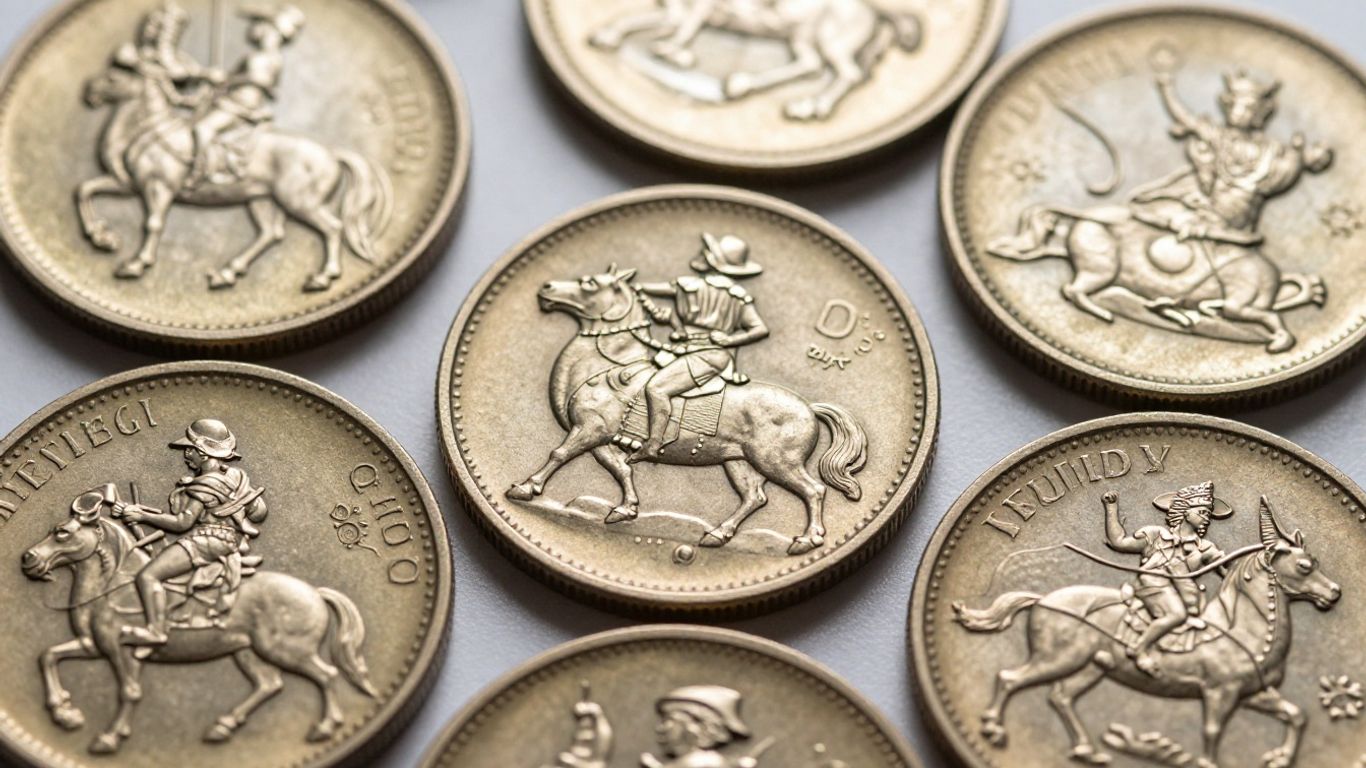
Depicting Roman Emperors and Power
Coins have long served as miniature canvases for historical narratives, and few subjects are as compelling as the Roman Empire. The transition from Republic to Empire under figures like Augustus provided a rich source of imagery. These coins often showcased the emperor’s likeness with striking detail, sometimes in high relief, to convey authority and presence. Beyond the portrait, designs incorporated symbols of military might, such as legions and standards, alongside architectural marvels like the Colosseum, or even maps of the vast territories they controlled. These elements weren’t just decorative; they were deliberate messages of power, stability, and imperial reach, intended to be seen and understood by all who handled the currency.
Valkyries and Warrior Maidens in Mythology
Moving from historical figures to the mythical, coin designs frequently explore tales of warrior maidens. The Valkyries of Norse mythology, for instance, offer a dramatic visual palette. These figures, often depicted on horseback or in battle, embody strength and destiny. Modern mints use advanced techniques to bring these legends to life. High relief can emphasize the musculature and dynamic poses of these warrior goddesses, while color applications and even gemstone inlays, like moonstones representing the aurora borealis, add layers of visual storytelling. The artistry aims to capture both the fierce nature and the ethereal quality attributed to these mythological beings.
The Golden Touch: King Midas's Tale
Fairy tales also find a place on collectible coins, offering a different kind of narrative. The story of King Midas, whose greed led him to wish for a golden touch, is a poignant example. Coin designs based on this myth often focus on the tragic transformation, depicting Midas with expressions of anguish. Gilded elements are frequently used to represent the gold, and color accents can highlight the stark contrast between life and the coldness of the golden state. The reverse of such coins might feature simpler, symbolic imagery, like a heraldic flower, that ties back to the story’s themes or the broader series it belongs to. These coins transform a well-known cautionary tale into a tangible piece of art.
The Significance of Limited Mintage
When you look at coin sets, especially those special ones, you’ll notice something called ‘mintage’. This basically means how many of that specific coin or set were made. It’s a pretty big deal for collectors. The fewer coins that exist, the more people want them, and that usually drives up the price. It’s like anything rare, really. Think about limited edition sneakers or art prints – when there aren’t many, they become more desirable.
Understanding Mintage Numbers
Mintage numbers aren’t just random figures; they’re carefully decided by the mint. They consider the expected demand, the cost of production, and sometimes, a desire to create scarcity from the start. For collectors, these numbers are a key piece of information when deciding if a set is worth adding to their collection. It’s not uncommon to see sets with mintages in the thousands, or even just hundreds, especially for special releases.
Here’s a quick look at how mintage can vary:
- High Mintage: Often found on standard circulation coins or very popular, widely produced sets. These are generally less sought after by collectors focused on rarity.
- Medium Mintage: Common for many commemorative or thematic series where a balance is struck between accessibility and exclusivity.
- Low Mintage: Typically reserved for premium, high-relief, or exceptionally detailed sets. These are the ones that often generate the most buzz among serious collectors.
The Impact of Scarcity on Collectibility
Scarcity is a huge factor in the coin collecting world. When a coin set has a low mintage, it means fewer people can own it. This naturally makes it more special and harder to find. Over time, as more collectors enter the market or as existing collectors seek out specific pieces, the demand for these scarce items can increase significantly. This is where the real excitement for many collectors lies – in the hunt for those hard-to-find treasures. It’s not just about owning a coin; it’s about owning a piece of history that not everyone can get their hands on. The value of old coins is primarily determined by their rarity. The fewer existing examples of a coin, the higher its collector value, irrespective of the metal’s worth. This rarity factor is crucial for determining a coin’s price.
Rarity and Investment Potential in Coin Sets
For many, collecting coins isn’t just a hobby; it’s also an investment. Low mintage figures can point towards a set having good investment potential. If a set is released with, say, only 500 pieces worldwide, and it features exceptional design or historical significance, it’s likely to appreciate in value over time. This is because the supply is fixed, while demand can grow. It’s important to remember that while rarity can boost value, it’s not the only factor. The condition of the coin, its historical context, and overall market trends also play a part. But when you combine a low mintage with other desirable qualities, you often have a recipe for a sought-after collectible that could see its value increase.
When considering a coin set, always check the mintage number. It’s a simple figure, but it tells a big story about how many of these pieces were made and how likely you are to find them down the road. This number is often a strong indicator of future collectibility and potential value appreciation.
The Role of Collectibles in Monetary History
Long before coins jingled in pockets or paper bills were tucked into wallets, humans used objects of value for trade. These weren’t just random items; they were often things that were hard to get, looked good, or took a lot of effort to make. Think of things like shells, beads, or even large stones. These items served as early forms of money because they met a few key requirements.
Early Forms of Value and Exchange
For thousands of years, various cultures relied on these kinds of collectibles. Cowrie shells, for instance, were used as currency across large parts of Africa, Asia, and the Pacific Islands. In North America, Indigenous peoples used wampum, which are beads made from clam shells. Even massive stone discs, like the Rai stones of Yap, functioned as a way to store and transfer wealth, often through social agreement rather than physical movement. The value of these items came from their scarcity – they weren’t everywhere – and their recognizability, which built trust. Plus, making them wasn’t easy, which helped prevent too many from suddenly appearing and devaluing them.
- Scarcity: Difficult to find or produce in large quantities.
- Durability: Able to withstand wear and tear over time.
- Verifiability: Easy to recognize as genuine and not a fake.
- Portability: Relatively easy to carry, especially for their value.
The Failure Modes of Collectible Money
These early systems, while functional for their time, had a major weakness. When new tools or technologies made it much easier to produce these valuable items, their worth would plummet. Imagine if someone suddenly found a way to mass-produce perfect replicas of rare shells. The original shells would lose their scarcity, and thus their value as money. This is exactly what happened historically. When outside traders arrived with better tools, they could gather shells far more easily than the locals, flooding the market and wrecking economies that depended on that shell currency. This vulnerability to easy production is a recurring theme throughout the history of money.
The transition from simple collectibles to more standardized forms of currency was driven by the need for greater reliability and resistance to manipulation. Each step forward aimed to solve the problems left by the previous system, often through technological innovation.
The Enduring Fascination with Tangible Assets
Even with the rise of coins, paper money, and digital currencies, there’s still a strong appeal to tangible assets. Collectible coins, like those in mint sets, tap into this historical fascination. They represent a connection to the past, a piece of art, and a store of value that you can physically hold. The effort and artistry that go into creating them, much like the ancient shells and beads, contribute to their desirability. This enduring interest shows that while the forms of money change, the human desire for things that are scarce, beautiful, and represent real effort remains constant.
Conclusion
Looking back at the journey of special mint coin sets, it’s clear they’ve come a long way from their early beginnings. What started as simple pieces of metal used for trade has grown into a world where coins are celebrated for their design, history, and the stories they tell. Today, collectors can find coins that honor ancient empires, mythological figures, and even the mysteries of the zodiac. Each new release brings something different, whether it’s a new technique, a unique material, or a fresh theme. For many, collecting these coins is more than a hobby—it’s a way to connect with the past and appreciate the creativity that goes into each piece. As mints continue to push boundaries and try new ideas, the world of special mint coin sets will only get more interesting. Whether you’re just starting out or have been collecting for years, there’s always something new to discover.
Frequently Asked Questions
What makes a coin a collectible?
Coins become collectibles because they are special. This can be due to their age, how rare they are, their beauty, or the story they tell. Think of them like unique pieces of art or history that people want to own.
When did people start making coins?
People have been valuing special items for a very long time. But the first actual coins, like the ones we recognize today, were made about 2,600 years ago in a place called Lydia, which is now part of Turkey. They were made from a natural mix of gold and silver.
How have the ways coins are made changed over time?
Making coins has gotten much more advanced. At first, they were simple stamped pieces of metal. Now, special machines and techniques are used to create amazing details, add colors, and even put gemstones into coins. Technology has really changed what’s possible.
What is a 'Special Mint Coin Set'?
A Special Mint Coin Set is usually a collection of uncirculated coins made by a country’s mint in a single year. These sets often come in special packaging and are made to showcase the year’s coin designs.
Why are some coins worth more than others?
A coin’s value can go up for many reasons. If only a few were made (making them rare), if they have a special design or historical meaning, or if they are in perfect condition, they can become very valuable to collectors.
What does 'limited mintage' mean for collectors?
Limited mintage means that the mint only made a certain, small number of those coins. Because there aren’t many available, they are often more sought after by collectors, which can increase their value.
Are coins with gemstones or special features more valuable?
Yes, coins that have extra features like gemstones, gold plating, or very detailed designs (called high relief) are often more special and can be worth more. These additions make the coins stand out and appeal to collectors looking for unique items.
What's the difference between old coins and modern collectible sets?
Old coins were once used as everyday money. Modern collectible sets, like the Special Mint Coin Sets, are made specifically for collectors. They are usually in perfect condition and feature special designs or themes, rather than being used for buying things.