
Finding a good place to sort your coins in San Antonio can be a bit of a task. Whether you have a jar full of change or a collection you need organized, knowing where to go makes all the difference. This guide looks at some options for coin sorting in San Antonio, TX, to help you out.
Key Takeaways
- Coinstar kiosks are widely available in grocery stores and offer a quick way to convert coins to cash or gift cards, though fees apply.
- Dailey Treasures, located in San Antonio, is a resale shop that sometimes features vintage coin sorting items, appealing to collectors.
- Evolve Bank & Trust partners with Coinstar to provide retail remote transfer services, but does not directly offer coin sorting services.
- Lead Bank partners with Coinstar for debit card services and holds funds for prepaid cards, but doesn’t directly provide coin sorting services to the public.
- For personal coin sorting needs, consider manual sorters or specialized services if available, as banks often have limitations on coin processing.
1. Coinstar
Coinstar is a name many people recognize when it comes to coin counting. You’ve probably seen their bright red kiosks in grocery stores and other retail spots around San Antonio. They make it pretty simple to turn that jar of loose change into something more usable, like cash or a gift card.
It’s important to know that Coinstar itself isn’t a bank. They work with financial institutions to provide their services. For example, some of their remote transfer services are handled by Evolve Bank & Trust, and if you get a Coinstar debit card, it’s issued by Lead Bank. This means your funds might have FDIC insurance, but only under specific conditions related to the partner bank, not Coinstar directly. Always check the details for any account or card they offer.
Here’s a general idea of how using a Coinstar kiosk works:
- Find a kiosk near you in San Antonio. They’re often located near store entrances or customer service areas.
- Pour your coins into the designated area on the machine. It will then count them for you.
- Choose what you want to do with your money. You can typically get a cash voucher, a gift card for various retailers, or sometimes even a statement credit.
Keep in mind that Coinstar does charge a fee for their services, especially if you opt for cash. The fee is usually a percentage of the total amount you’re cashing in. If you choose a gift card from one of their partners, the fee might be lower or even waived sometimes. It’s a good idea to look at the screen on the kiosk before you start to see the current rates.
While convenient, the fees can add up, especially for large amounts of change. If you have a significant amount of coins, it’s worth comparing the Coinstar fee to other options available in San Antonio, like local banks that might offer free coin counting for their customers.
2. Dailey Treasures
Dailey Treasures is a bit different from the other places on this list. They focus on selling pre-owned and pre-loved items, which is a great way to be more sustainable. While they don’t specifically advertise coin sorting as a primary service, their business model revolves around giving items a second life. This means they might be open to handling bulk items like coins if you’re looking to sell them as part of a larger collection or estate.
Their mission is centered on reducing waste and promoting a circular economy. It’s worth reaching out to them to see if they can accommodate your coin sorting needs, especially if you have a significant amount of coins or other collectibles you’re looking to sort and potentially sell. They seem to have a good reputation based on customer feedback, with high ratings for accurate descriptions, reasonable shipping costs, and fast shipping.
Here’s a look at their customer feedback:
- Accurate Description: 4.9/5
- Reasonable Shipping Cost: 4.7/5
- Shipping Speed: 5.0/5
- Communication: 5.0/5
If you’re interested in exploring other local options for selling items or finding unique pieces, you might want to check out local coin shops in the San Antonio area.
Dailey Treasures operates with a strong commitment to environmental responsibility. By reselling items, they help cut down on landfill waste and conserve resources, making them a good choice for those who value eco-friendly practices. It’s a business that believes every item has value, even after its first owner.
3. Evolve Bank & Trust
While Evolve Bank & Trust isn’t a direct coin-sorting service you’d find at a grocery store, they play a role in the financial technology landscape, particularly through partnerships. You might encounter their name in relation to services offered at Coinstar kiosks. Evolve Bank & Trust acts as the financial institution that provides retail remote transfer services through Coinstar. This means that when you use certain services at a Coinstar machine, your transactions are processed and held by Evolve Bank & Trust, which is a member of the FDIC.
It’s important to understand that Coinstar itself is a company that provides the machines and the interface, but the actual banking services, like holding funds for transfers, are handled by partner banks. Evolve Bank & Trust is one such partner.
Here’s a breakdown of their involvement:
- Service Provider Role: Evolve Bank & Trust partners with companies like Coinstar to offer financial services to consumers.
- FDIC Membership: As an FDIC member, deposits held by Evolve Bank & Trust are insured up to the standard maximum amount, offering a layer of security for funds processed through their services.
- Transaction Processing: They are involved in the backend processing of certain financial transactions initiated at kiosks.
While you won’t walk into an Evolve Bank & Trust branch to sort coins, their behind-the-scenes work enables some of the convenient coin-processing services you might use elsewhere. It’s a good reminder that many everyday financial tools rely on a network of banking partners to function.
4. Lead Bank
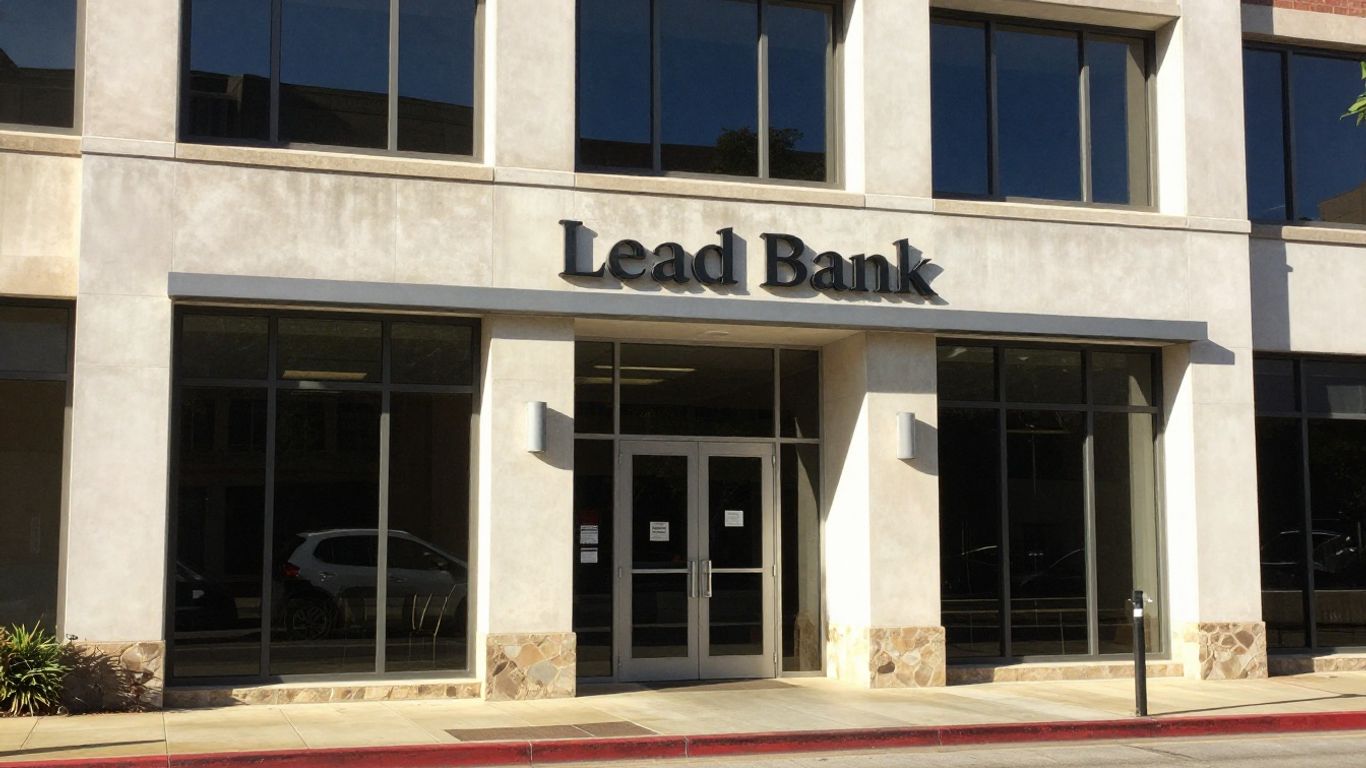
Lead Bank is a financial institution that partners with Coinstar to offer certain services. If you use a Coinstar kiosk for services like a debit card, Lead Bank is the FDIC-insured bank that holds your funds. This means your money is protected up to $250,000 if Lead Bank were to fail, provided certain conditions are met and your card is registered. It’s important to understand that this FDIC insurance specifically covers funds held by Lead Bank, not Coinstar itself, and doesn’t protect against theft or fraud.
While Coinstar handles the user interface and transaction processing, Lead Bank acts as the behind-the-scenes banking partner. This setup allows Coinstar to offer financial products, like their debit card, while adhering to banking regulations.
Here’s a quick look at the relationship:
- Coinstar: A financial technology company providing kiosk services.
- Lead Bank: An FDIC-insured bank that holds funds for Coinstar’s debit card users.
- Mastercard®: Issues the license for the Coinstar Debit Card.
It’s worth noting that Lead Bank is also involved in cryptocurrency services through Coinstar’s CINQ platform, in partnership with Zero Hash LLC. However, cryptocurrency assets themselves are not FDIC insured and carry their own set of risks.
When using services that involve a partner bank like Lead Bank, it’s always a good idea to check the specific terms and conditions. Understanding where your funds are held and what protections are in place can help you make informed decisions about your money.
Conclusion
Finding a good coin sorting service in San Antonio, TX doesn’t have to be a hassle. Whether you’re rolling up spare change from around the house or handling coins for a small business, there are several options out there. Some folks like the convenience of machines at grocery stores, while others prefer local shops or banks that offer sorting and counting. It’s worth checking fees and making sure you know what you’ll get back for your coins. At the end of the day, the best service is the one that fits your needs and makes the process simple. So, gather up your loose change and give one of these local options a try—you might be surprised how quickly those coins add up.
Frequently Asked Questions
What is Coinstar and how does it work?
Coinstar is a service that lets you turn your loose change into cash or gift cards. You pour your coins into a machine, and it counts them for you. It’s like a vending machine for your coins, but instead of getting a snack, you get money or a voucher.
Does Coinstar charge a fee?
Yes, Coinstar usually charges a fee for its services. The fee can be a percentage of the total amount of coins you cash in. It’s a good idea to check the fee before you use the machine, so you know how much you’ll get back.
Can I get gift cards instead of cash at Coinstar?
Absolutely! Coinstar often gives you the option to get your money as a gift card for various stores or restaurants. Sometimes, if you choose a gift card, the fee might be lower or even waived.
Where can I find Coinstar machines in San Antonio?
Coinstar machines are typically found in grocery stores and other retail locations throughout San Antonio. You can usually find them near the checkout areas. A quick search on the Coinstar website can help you find the exact location nearest to you.
What is Dailey Treasures?
Dailey Treasures is a business that focuses on selling pre-owned items. They believe in giving items a second life to help reduce waste and be kinder to the planet. They might have coin-related items for sale, but they aren’t a direct coin-counting service like Coinstar.
Are Evolve Bank & Trust or Lead Bank coin sorting services?
Evolve Bank & Trust and Lead Bank are actual banks. While they might partner with services like Coinstar to offer certain financial tools, they themselves are not places where you can directly take your loose change to be sorted and exchanged.
What's the difference between a bank and a coin sorting service?
A bank is a place where you can keep your money safe, get loans, and do other banking tasks. A coin sorting service, like Coinstar, is a machine or business that specifically helps you count and exchange your piles of coins, usually for a fee.
How can I avoid fees when sorting my coins?
The best way to avoid fees is to take your coins directly to a bank or credit union that offers coin-counting services for its customers. Some banks have machines that let you count your own change without charging you a fee, especially if you have an account with them.