
Putting together a coin collection can be a really interesting hobby. It’s not just about having a bunch of old coins; it’s about understanding the stories they tell and the history they represent. One popular way to collect is called type set assembly, and it’s a great way to get into the hobby without needing a massive budget. We’ll cover how to get started and what to look out for when you’re building your own type set assembly coin collecting project.
Key Takeaways
- A type set focuses on collecting one example of each coin design, rather than every single date and mint mark.
- This approach is often more budget-friendly than collecting by date, allowing focus on more affordable examples.
- Understanding coin grading and condition is important for assessing value and making informed purchasing decisions.
- Proper storage and documentation are vital for preserving your collection and understanding its history.
- Connecting with other collectors can provide helpful advice and a sense of community.
Understanding Type Set Assembly In Coin Collecting
Defining A Coin Type Set
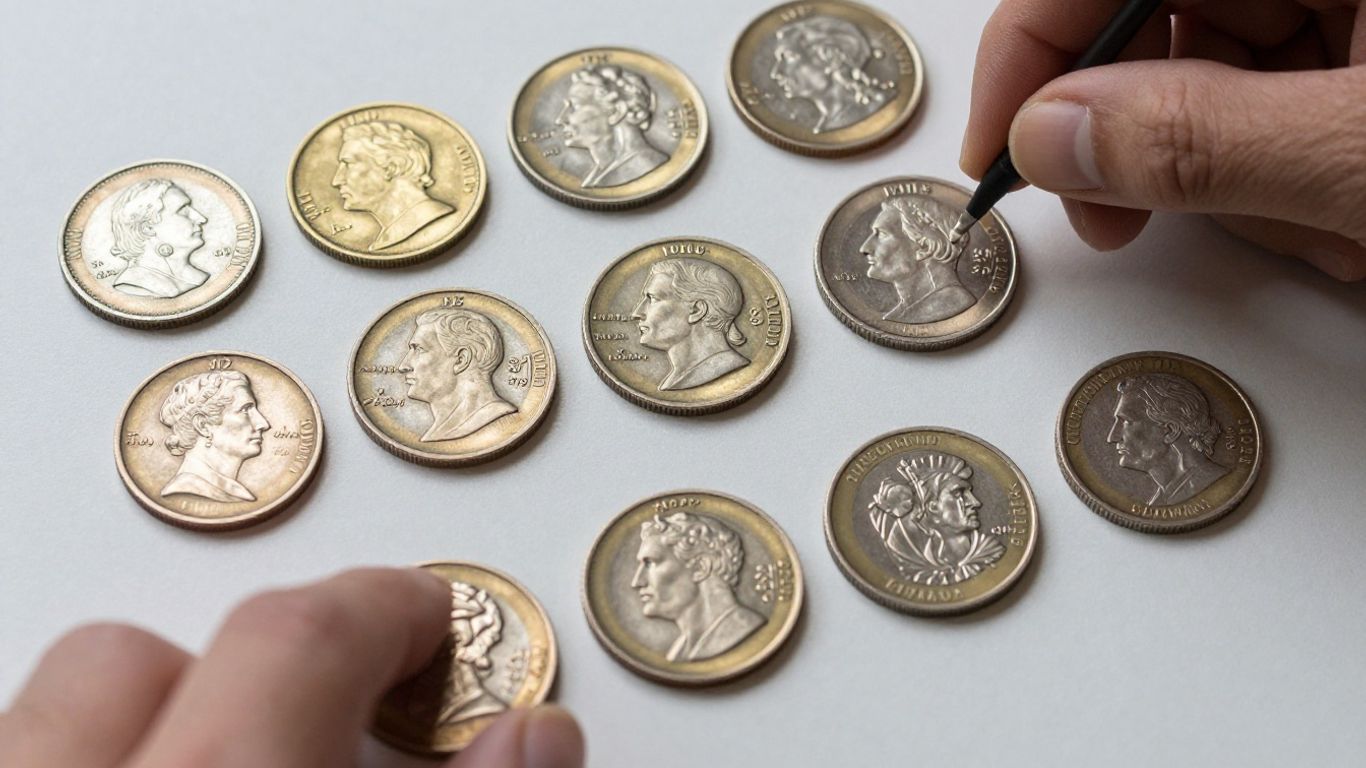
When we talk about coin collecting, there are a few ways to go about it. One popular method is building a "type set." Simply put, a type set means you’re aiming to get just one example of each distinct coin design. It’s not about collecting every single date and mint mark for a particular coin, which can get pretty overwhelming and expensive. Instead, you focus on the type of coin. Think of it like collecting one representative from each model of car ever made, rather than every single car of a specific model produced over the years. This approach lets you appreciate the variety of designs that have graced our coinage over time. This focus on design variety is what makes type set collecting so appealing to many.
The Appeal Of Type Set Collecting
So, why do so many collectors gravitate towards type sets? For starters, it’s often a more budget-friendly way to build a meaningful collection. Instead of hunting down rare dates or mint marks, you can often find examples of each design in more common, affordable conditions. This means you can build a substantial and historically interesting collection without breaking the bank. It also provides a broader overview of American coinage history. You get to see how designs have changed, what motifs were popular at different times, and how artistic styles evolved. It’s a great way to learn about the history behind the coins without getting bogged down in the minutiae of every single variation. You can even use resources like this numismatic data organizer to keep track of your progress.
Focusing On Denominations Or All Types
When you decide to build a type set, you have a couple of main paths you can take. You can choose to focus on a specific denomination, like collecting one example of each type of U.S. quarter ever made. Or, you could go for the more ambitious goal of collecting one example of every single coin type issued by the U.S. Mint across all denominations. This latter approach gives you a sweeping view of American coinage history, from the earliest cents to modern commemoratives. It’s a big undertaking, but incredibly rewarding. Here’s a quick look at how you might structure your approach:
- Denomination-Specific Type Set: Focus on one coin type (e.g., Lincoln Cents, Jefferson Nickels, Washington Quarters).
- All Denominations Type Set: Collect one example of each distinct design across all U.S. coin types.
- Historical Period Type Set: Focus on coins from a specific era, like Colonial or early American Republic coinage.
Building a type set is a journey of discovery, allowing you to appreciate the artistry and history embedded in each coin. It’s a flexible approach that can be tailored to your interests and budget, making it accessible for collectors at all levels.
Essential Components Of Coin Type Sets
Putting together a coin type set is more than just grabbing one of each coin. There’s an art to recognizing the main elements that make each coin type stand out and seeing how these details have changed through history.
Exploring Different Coin Designs
Coin designs tell the story of a nation’s history, values, and shifts in style. Collectors often look at the following aspects when examining different designs:
- The imagery featured, such as presidents, allegorical figures, animals, or emblems
- Lettering style and arrangement of inscriptions
- The use of symbols like shields, eagles, or wreaths
- The overall style and plainness or complexity of the design
The different layouts reflect both the era and the purpose behind each coin. U.S. coins, for instance, once showed classic images of Liberty before moving to the faces of important historical figures.
Identifying Key Design Elements
Each coin type is marked out by certain basic features. If you’re assembling a type set, look out for these:
- Obverse and reverse imagery (front and back designs)
- Types of edges (plain, reeded, or lettered)
- Shape, thickness, and size
- Metal composition and the look it gives
- Year and mint location
Paying attention to these characteristics helps you organize a true type set, not just a random group of coins.
| Coin Type | Major Obverse Feature | Edge Type | Metal Composition |
|---|---|---|---|
| Shield Nickel | Shield & rays | Plain | 75% copper, 25% nickel |
| Mercury Dime | Winged Liberty Head | Reeded | 90% silver, 10% copper |
| Washington Qtr | Washington Portrait | Reeded | 90% silver pre-1965, clad after |
Recognizing Design Evolution Over Time
Coin types don’t stay the same forever. Artistic preferences, political changes, and new technologies all shape the way coins look. Over time, you’ll notice:
- Shifts from symbolic figures to notable Americans
- Modernization or simplification of intricate older styles
- Different metals used as precious metal prices changed
When you focus on design evolution, you get a clearer picture of how history shapes what ends up in your collection.
Tracking these changes isn’t just about collecting; it’s a way to follow the story of currency through the lens of design and purpose. The essential components of type sets are not just about physical traits—they reflect culture and identity, too.
Building Your Coin Type Set Collection
Starting a coin type set can feel like a big project, but it doesn’t have to be overwhelming. The key is to begin with what’s accessible and build from there. Many collectors find that focusing on more common, less expensive examples of each design is a smart way to get started. This approach lets you appreciate the different styles and historical periods without a massive initial investment.
Starting With Affordable Examples
Think about it – you don’t need to chase down the rarest, most expensive coin to represent a particular type. For instance, if you’re building a type set of U.S. nickels, you could start with a common Jefferson nickel from the 1960s or 70s. These coins are readily available and often quite affordable. You can find them in circulated condition for just a dollar or two. As you get more comfortable and your budget allows, you can then upgrade to nicer examples or seek out earlier, scarcer types. It’s all about making steady progress and enjoying the journey.
Acquiring Specific Coin Types
When you decide which coin types you want to include, it helps to have a plan. Are you focusing on a specific denomination, like all the different types of quarters? Or perhaps you’re interested in a particular historical era? Once you have your target types identified, you can start looking for them. Coin shows are great places to see coins in person and talk to dealers. Online marketplaces are also useful, but be sure to buy from reputable sellers. Remember, a type set is about the design, not necessarily the date or mint mark, so you have a lot of flexibility.
Strategies For Completing Your Set
Completing a type set is a marathon, not a sprint. Here are a few ways to keep moving forward:
- Set Realistic Goals: Don’t try to finish the whole set in a month. Aim to add one or two new types each quarter, or focus on completing a specific denomination first.
- Trade or Sell Duplicates: As you acquire better examples of coins you already have, you might end up with duplicates. These can be traded with other collectors or sold to fund new acquisitions.
- Research and Patience: Learn about the coins you’re looking for. Knowing their history and design variations will make the hunt more rewarding. Sometimes, the best strategy is simply to wait for the right coin to appear at the right price.
Building a type set is a fantastic way to learn about the history of coinage. Each coin tells a story, and by collecting different designs, you’re essentially curating a visual timeline of artistic and economic changes. It’s a more accessible entry point into collecting than trying to get every single date and mint mark of a particular series, which can get very expensive very quickly.
Key Considerations For Type Set Assembly
When you’re putting together a coin type set, some basic facts can make all the difference in how your collection grows. Paying attention to details like grading, condition, and mint marks can help you build a set that’s both satisfying and valuable. Sometimes, it’s the small things—tiny letters or a faint scratch—that matter most over time.
The Role Of Coin Grading
Coin grading is a structured way to rate how well-preserved a coin is. The system usually uses terms like Mint State (MS), Extremely Fine (XF), Very Fine (VF), Fine (F), Very Good (VG), Good (G), and Poor (P).
| Grade | Description |
|---|---|
| MS (60-70) | No wear; looks brand new |
| XF (40-45) | Slight wear, all details visible |
| VF (20-35) | Moderate wear, main details clear |
| F (12-15) | Moderate to heavy wear |
| G (4-6) | Well-worn, major details visible |
| P (1) | Barely recognizable |
- Standard grading helps you compare coins side-by-side.
- Grading affects not only value, but also your enjoyment—you notice more of the design’s details.
- Third-party grading services can "slab" your coins, sealing them in plastic for protection and certification.
Knowing what the grading terms mean can make you more confident when buying or trading coins, and the value difference between grades is sometimes pretty surprising.
Understanding Coin Condition
Condition is about more than numerical grades. Think about toenail scratches, rim nicks, cleaning marks, and natural coloration. These features:
- Help you spot coins that have been tampered with, which can lower value.
- Show when a coin has an original, "honest" appearance, often preferred by collectors.
- Influence whether to spend more on a rare type or focus on "nice for the grade" pieces.
Even coins with the same grade can look or cost very different, depending on their eye appeal.
The Impact Of Mint Marks
A mint mark shows which US Mint facility made the coin. Usually you’ll see letters like “P” for Philadelphia, “D” for Denver, “S” for San Francisco, or “W” for West Point. Sometimes these tiny letters are hidden in plain sight, often on the reverse below the main design.
- Some years or designs have no mint mark, which can make them more interesting.
- Certain mint marks are much scarcer—these are often more appealing to collectors (but watch out, type set collectors usually just want one example per design and denomination).
- Mint marks can also change where you buy or trade coins—some local or regional dealers get larger supplies of certain mint marks.
For a type set, most collectors only require one coin of each type, regardless of mint mark, but if you want to go a step further, picking up unique mint marks can add a fun twist to your set.
Historical Context In Type Set Assembly
When you’re putting together a type set, it’s not just about grabbing a bunch of coins that look cool. There’s a whole story behind each one, and understanding that history really makes the hobby more interesting. Think about it: coins have been around for ages, and they tell us a lot about the times they were made in.
Tracing Coinage History
Coinage history is a long and winding road. Early coins were often made of precious metals like gold and silver. Over time, the way coins were made, the designs they featured, and even the metals used have changed a lot. This evolution reflects changes in technology, economics, and even politics.
- Early Coinage: Often simple, stamped designs on irregular shapes.
- Medieval Period: More standardized designs, but still often crude.
- Renaissance and Beyond: Increased artistry and detail, with monarchs’ portraits becoming common.
- Modern Era: Mass production, complex designs, and the introduction of clad metals.
Understanding Design Origins
Every design on a coin has a reason for being there. Sometimes it’s to honor a historical figure, commemorate an event, or represent a national symbol. For example, the Liberty Head designs on many U.S. coins show how different artists interpreted the idea of freedom over the years.
The choice of imagery on a coin is rarely accidental. It’s a deliberate message from the issuing authority, intended to convey power, prosperity, or national identity to everyone who handles the currency.
The Significance Of Early American Coins
Early American coins are particularly fascinating for type set collectors. Before the U.S. Mint was established, various coins circulated in the colonies, including foreign coins and locally produced tokens. The introduction of the first U.S. coins, like the large cent and the half cent, marked a significant step in the nation’s development. These early pieces are important because they represent the very beginnings of American currency. Collecting even one example of these early types provides a tangible link to the nation’s formative years.
Practical Aspects Of Type Set Assembly
Putting together a coin type set is a rewarding hobby, but it requires some attention to detail beyond just picking out coins you like. You’ve got to think about how you’ll keep them safe, how you’ll remember what’s what, and how to keep everything in good shape over time. It’s not just about the coins themselves; it’s about the whole system around them.
Proper Coin Storage Solutions
Keeping your coins protected is really important. You don’t want them getting scratched, tarnished, or damaged in any way. There are a few ways to go about this, and what you choose often depends on how many coins you have and how serious you are about preservation.
- Coin Flips: These are probably the most common. They’re usually made of Mylar and come in various sizes. You can put one coin in each pocket, and some even have two pockets, one for the coin and another for a small card with its details. They’re inexpensive and easy to use.
- Coin Albums: These are books with pre-cut holes for specific coins. They’re great for type sets because they often have spaces for different designs of a particular denomination. It makes your collection look organized and keeps coins from moving around too much.
- Coin Holders (2x2s): These are cardboard holders with a clear plastic window. You fold them in half around the coin, and they’re usually stapled shut. They offer good protection and are easy to label.
- Capsules: These are clear plastic, two-piece containers that snap together around the coin. They offer excellent protection against scratches and environmental damage, and they let you see both sides of the coin clearly. They can be a bit pricier, especially for larger coins.
The goal with storage is to create a barrier between your coins and the outside world. This means avoiding materials that can react with the metal, like PVC (polyvinyl chloride), which can cause green slime or damage over time. Always opt for inert materials.
Documenting Your Collection
Simply having the coins isn’t enough; you need to know what you have. Good record-keeping helps you track your progress, identify what you still need, and can be useful if you ever need to insure your collection or pass it on.
- Inventory List: A simple spreadsheet or notebook where you list each coin, its type, date, mint mark (if applicable), condition, purchase price, and purchase date. This is your master list.
- Coin Labels: When using flips or 2x2s, include a small label with key information. This could be the coin’s name (e.g., "Morgan Dollar"), date, and maybe a brief note about its condition or significance.
- Photographs: Taking pictures of your coins, especially any key pieces or those with unique characteristics, can be a good backup and a nice way to visually appreciate your collection.
Regular Collection Maintenance
Coins, even when stored properly, can benefit from occasional attention. This isn’t about cleaning them – which is generally a big no-no for numismatics – but about checking on their condition and the storage materials.
- Periodic Inspection: Every year or so, take your coins out of their storage and give them a look. Check for any signs of toning that you didn’t expect, or any issues with the storage materials themselves. Are the flips yellowing? Are the staples on your 2x2s rusting?
- Environment Control: Keep your collection in a stable environment. Avoid places with high humidity, extreme temperature fluctuations, or direct sunlight. A closet in a climate-controlled part of your home is usually a good spot.
- Update Records: As you add new coins or perhaps upgrade existing ones, make sure your inventory list is updated. This keeps your documentation current and accurate.
Advanced Strategies For Type Set Collectors
Serious collectors often move beyond basic sets, wanting something more challenging and personal. Advanced strategies start where simple collecting ends, opening doors to more engaging projects and a deeper appreciation for coins. Here’s how you can step up your approach:
Exploring Specialized Type Sets
Some collectors create themed or focused type sets that show a specific concept or story. For example, you might build a set around:
- "First-year-of-issue" coins for multiple denominations.
- All major design changes within a particular time frame (like 20th-century redesigns).
- Coins featuring a certain symbol, animal, or historical event.
A specialized type set can be:
| Set Theme | Sample Focus | Collection Size |
|---|---|---|
| First-Year Issues | Key U.S. coins debut year | 10-20 |
| Liberty Head Designs | Every coin with Liberty’s image | 8-15 |
| Wartime Coinage | World War II metals and designs | 7-12 |
Leveraging Numismatic Resources
You can make smarter decisions by using and understanding good resources. Consider these steps:
- Get standard reference books or guides, updated often by coin experts.
- Use online price databases and auction results to track trends for your set.
- Sign up for newsletters or magazines devoted to coin collecting—these sometimes bring surprises about new finds or unique type set ideas.
Connecting With The Collecting Community
The most successful collectors don’t work alone. They:
- Join local coin clubs or attend national conventions
- Take part in online forums or social media groups dedicated to type set collecting
- Trade coins with others (sometimes even finding a crucial piece via collector-only swaps)
Building strong relationships with fellow collectors can lead to new opportunities—sometimes a helpful tip or trade is what lets you finish a hard-to-find part of your set.
Advanced strategies keep collecting interesting. They push you to keep learning, gather rare pieces, and share what you find—making your hobby more rewarding as your collection grows.
The Value Proposition Of Type Set Assembly
Cost-Effectiveness Compared To Date Sets
Building a type set can be a much more budget-friendly way to collect coins compared to trying to acquire every single date and mint mark for a particular series. Instead of needing hundreds of coins to complete a date set, a type set typically requires just one example of each distinct design. This means you can focus your resources on obtaining a representative piece of each design era, rather than chasing down every scarce or rare variation. It allows collectors to appreciate the artistry and history of coinage without the immense financial commitment that date sets often demand. For instance, assembling a type set of U.S. gold coins, which includes denominations like the Half Eagle ($5) and Quarter Eagle ($2.50), is far more accessible than collecting every single date and mint mark for each of those series. You get to hold a piece of history without breaking the bank.
Focusing On Design Over Rarity
One of the most appealing aspects of type set collecting is the emphasis placed on design and historical significance rather than sheer rarity. You’re not necessarily looking for the hardest-to-find coin, but rather a coin that best represents a particular design or period. This shifts the focus from a treasure hunt for elusive dates to an appreciation of artistic evolution and historical context. It’s about understanding the story each coin tells through its imagery and style. This approach can lead to a more visually engaging and historically rich collection, where each piece is chosen for its unique contribution to the narrative of coinage.
Building A Historically Rich Collection
A type set offers a unique window into the history of coinage. By selecting one example of each design, you are essentially curating a timeline of artistic and technological changes in coin production. You can trace the evolution of national symbols, portraiture, and even the metals used over time. This makes your collection not just a group of valuable objects, but a tangible representation of economic and cultural shifts. It’s a way to connect with the past on a very personal level, understanding how coins reflected the times in which they were made. This historical narrative is a significant part of the appeal for many collectors.
The beauty of a type set lies in its ability to tell a story. Each coin is a chapter, showcasing a specific era, a particular artistic vision, or a significant moment in a nation’s history. It’s a curated journey through time, made accessible through the tangible medium of coinage. This approach allows for a deep appreciation of numismatic art and history without the overwhelming pressure of rarity.
Here are some benefits of focusing on type sets:
- Accessibility: Generally more affordable than date or mint mark sets.
- Educational Value: Provides a broad overview of coinage history and design evolution.
- Aesthetic Appeal: Allows for a visually diverse collection showcasing different artistic styles.
- Manageable Scope: Easier to complete and maintain compared to more exhaustive set types.
Navigating Coin Specifications For Type Sets
When you’re putting together a coin type set, it’s not just about the pretty pictures on the coins. You’ve got to pay attention to the nitty-gritty details, like what the coin is actually made of and how its edges are finished. These specifications can tell you a lot about a coin’s history and why it was made the way it was.
Coins aren’t just made of one thing. Over time, the metals used have changed quite a bit. Before 1965, many of our circulating coins, like dimes, quarters, and half dollars, were made from an alloy of 90% silver and 10% copper. This gave them a distinct look and feel. After 1965, the U.S. Mint switched to a
Wrapping Up Your Type Set Journey
So, we’ve gone through a lot about putting together a type set. It’s not just about grabbing coins; it’s about understanding what makes each one special and how it fits into the bigger picture. Remember, a type set is a great way to collect without needing every single date and mint mark, which can save a lot of time and money. Keep organizing your finds, maybe get them graded if you’re serious, and definitely share your passion with other collectors. Building a type set is a rewarding hobby that connects you to history, one coin at a time. Happy collecting!
Frequently Asked Questions
What exactly is a type set in coin collecting?
A type set is a collection where you gather just one example of each different coin design. Instead of trying to get every single year and mint mark of a coin, you focus on having one of each unique look or style. Think of it as collecting one of each kind of car model, rather than every single car ever made of that model.
Why do people like collecting type sets?
Type sets are popular because they can be more affordable and easier to complete than collecting every single date and mint mark. This allows collectors to focus on the interesting designs and historical stories behind the coins, rather than just the rarity. It’s a great way to learn about the history of coins without spending a fortune.
Can I make a type set of just one type of coin, like pennies?
Absolutely! You can focus your type set on a single denomination, such as collecting one example of every Lincoln cent design, or one of every nickel design. Or, you can create a broader type set that includes one example from each denomination – like a penny, a nickel, a dime, and so on.
How important is the condition, or grade, of a coin in a type set?
Coin condition, or grade, is quite important. Even though type sets are often more about the design than rarity, the condition affects how the coin looks and its value. Collectors usually aim for coins that are in good shape, often uncirculated (meaning they haven’t been used as money), but you can start with more affordable, used coins too.
What's the difference between a type set and a date set?
A type set focuses on collecting one example of each unique coin design. A date set, on the other hand, aims to collect one coin for every single year (date) it was made, and often includes the mint mark too. Date sets usually require many more coins than type sets.
Are there special terms I should know when building a type set?
Yes, knowing terms like ‘obverse’ (the front or ‘heads’ side) and ‘reverse’ (the back or ‘tails’ side) is helpful. You’ll also want to understand things like ‘mint mark’ (a small letter showing where the coin was made) and ‘clad’ (coins made of layers of different metals, like modern US coins).
How should I store my type set coins?
Proper storage is key to keeping your coins in good condition. Use safe materials like Mylar flips, coin albums, or capsules that don’t contain harmful acids. This protects them from scratches, dirt, and environmental damage, helping to preserve their appearance and value.
Where can I find information to help me build my type set?
You can find a lot of helpful information from various sources. Books about coin collecting, websites dedicated to numismatics (coin collecting), and joining local coin clubs or online communities are excellent ways to learn, get advice, and connect with other collectors.