
Thinking about selling coins with extra marks in San Antonio? It can be a bit confusing to know where to start, especially with these unique pieces. This guide is here to help you figure out the best places and ways to sell counterstamped coins in San Antonio, TX, making the process smoother for you.
Key Takeaways
- Understand what makes a coin ‘counterstamped’ and why collectors find these unique marks interesting.
- Explore local San Antonio coin shops and dealers who might be interested in buying your special coins.
- Learn about online options for reaching a wider audience of collectors interested in counterstamped items.
- Consider factors like the stamp’s history, the coin’s condition, and how rare both are when figuring out a price.
- Prepare your coins properly, perhaps with professional grading, before you try to sell counterstamped coins San Antonio TX.
Understanding Counterstamped Coins in San Antonio
What Constitutes A Counterstamped Coin?
A counterstamped coin is essentially a regular coin that has had an additional mark or design intentionally impressed upon it after its original minting. This isn’t a mint error; rather, it’s a deliberate alteration. Think of it like a signature or a personal seal added to something that already existed. These added marks can range from simple initials or dates to elaborate symbols or company logos. The key is that the stamp was applied after the coin left the mint.
The Appeal of Unique Markings
What makes these coins so interesting to collectors? It’s the story they tell. A counterstamp can signify ownership, commemorate an event, or even serve as a form of advertising. For instance, a coin stamped with a business name might have been used as a token for a specific promotion or as part of a loyalty program. The variety is vast, and each stamp offers a glimpse into a particular time, place, or purpose.
Identifying Genuine Counterstamps
Authenticity is important when collecting any numismatic item, and counterstamped coins are no exception. Genuine counterstamps typically exhibit clear, well-defined impressions. The metal of the coin will often show signs of displacement around the stamped area, a natural result of the striking process. Fakes, on the other hand, might appear too perfect, lack the expected displacement, or show signs of being applied with a modern engraving tool rather than a traditional stamp. It’s also worth noting that some historical counterstamps are well-documented, making them easier to verify.
The practice of counterstamping has a long history, often reflecting economic conditions, social movements, or the needs of businesses. Early examples might include marks applied by merchants to guarantee weight or purity, while later ones could be political statements or personal mementos.
Local Coin Dealers for Selling Counterstamped Coins
When you’re looking to sell your counterstamped coins in San Antonio, local coin dealers can be a good starting point. These professionals often have a keen eye for unique items and understand the local market. It’s wise to visit a few different shops to get a feel for their inventory and how they treat customers.
Specialty Coin Shops in San Antonio
San Antonio has a few shops that focus specifically on numismatic items. These places are more likely to appreciate the nuances of counterstamped coins than a general pawn shop might. They often cater to serious collectors and may have a better understanding of what makes a particular stamp or coin desirable. Finding a dealer who specializes in coins, rather than just precious metals, is key.
Reputable Dealers for Numismatic Items
When choosing a dealer, look for those with a good reputation in the collecting community. This can often be gauged by how long they’ve been in business, their online reviews, or if they are members of professional numismatic organizations. A dealer who is knowledgeable about a wide range of coins, including those with added markings, will be better equipped to offer a fair price. You might want to check out dealers who handle coins with compelling modern object biographies, as they often deal with items that have a story beyond their metal content.
Where to Sell Counterstamped Coins San Antonio TX
To find the best place to sell, consider these steps:
- Research Local Shops: Identify coin dealers in the San Antonio area. Look for those that advertise buying coins or have a strong online presence.
- Inquire About Counterstamps: Before visiting, call ahead or check their website to see if they express interest in or deal with counterstamped or altered coins.
- Visit and Get Appraisals: Take your coins to a few different dealers. Ask for an appraisal and see what offers you receive. Don’t feel pressured to sell to the first person you talk to.
Selling unique items like counterstamped coins often requires patience. Dealers need to consider not only the coin’s intrinsic value but also the appeal of the added stamp and its potential market.
It’s also a good idea to have some idea of what your coins are worth before you go in. This can help you negotiate effectively and avoid accepting a lowball offer. Remember, these dealers are running a business, so they will be looking to make a profit, but a reputable dealer will still offer a price that is fair to both parties.
Online Platforms to Sell Your Counterstamped Collection
While local dealers are a great option, the internet opens up a much wider audience for your counterstamped coins. Selling online can connect you with collectors far beyond San Antonio, potentially fetching better prices for unique items. It requires a bit more effort in terms of presentation and shipping, but the reach is undeniable.
Leveraging Online Marketplaces
Platforms like eBay are a go-to for many sellers. You can list your coins with detailed descriptions and photos, setting your own auction or buy-it-now prices. It’s important to be honest about the condition and any markings. For those looking to sell specific types of collectibles, specialized marketplaces might exist. For instance, some sites focus on vintage silver bars, which could be relevant if your counterstamped coin has historical ties to such items. Creating a profile on these sites often allows you to track your sales and build a seller reputation.
- High-Quality Photos: Take clear, well-lit pictures from multiple angles. Show the counterstamp distinctly.
- Detailed Descriptions: Include the coin’s base metal, date, mint mark, and a thorough description of the counterstamp, including its apparent origin if known.
- Competitive Pricing: Research similar items to set a realistic price. Consider shipping costs.
Be aware that online marketplaces often charge fees, which will impact your final profit. Factor these into your pricing strategy from the start.
Numismatic Forums and Communities
Online forums dedicated to coin collecting can be excellent places to find interested buyers. These communities are often filled with knowledgeable collectors who appreciate the nuances of items like counterstamped coins. You can often post your items for sale directly in designated sections or engage with potential buyers by sharing your knowledge. Building a good reputation within these communities is key. Some forums even have buy/sell sections where you can list your items. You might find discussions about specific types of coins or historical periods that align with your collection, offering a direct path to interested parties. For example, discussions about vintage silver bars might lead you to collectors interested in related exonumia.
Direct Sales to Collectors
Sometimes, the best way to sell is to connect directly with collectors who specialize in the exact type of counterstamped coin you possess. This often happens through dedicated collector websites, social media groups, or even through word-of-mouth within the numismatic community. While it might take more time to find these specific buyers, the sale can be more rewarding as the buyer often has a deep appreciation for the item. Building relationships with other collectors can lead to these direct sales opportunities over time. It’s a more personal approach to selling your collection.
Valuation Factors for Counterstamped Coins
When you’re looking to sell a counterstamped coin, especially here in San Antonio, a few things really matter when it comes to figuring out what it’s worth. It’s not just about the original coin; that added stamp can change everything. Let’s break down what makes one of these unique pieces more desirable than another.
Rarity and Availability
Just like with any collectible, how common or rare a counterstamped coin is plays a big part. If only a handful of a certain stamp exist on a particular coin type, that scarcity can drive up the price. Think about it – if everyone has one, it’s not as special, right? We’re talking about coins where the stamp itself is hard to find, or perhaps the combination of the coin and the stamp is unusual.
Historical Significance of the Stamp
Sometimes, the stamp tells its own story. Was it applied by a specific business that’s no longer around? Does it mark a significant event, like a local fair or a historical moment in Texas? Coins stamped by early Texas businesses or those related to significant historical events often carry a premium because they connect us to the past in a tangible way. The context behind the stamp is often as important as the stamp itself.
Condition and Eye Appeal
This is pretty straightforward. The better the condition of the original coin, the better. But with counterstamped coins, you also have to look at the stamp itself. Is it clear and well-struck, or is it weak and messy? Does the stamp detract from the coin’s overall look, or does it add to its character? A coin that’s been worn down to nothing, with a faint stamp, isn’t going to fetch as much as a crisp coin with a bold, clear counterstamp.
Demand within the Collector Market
Ultimately, what someone is willing to pay is determined by what collectors want. Are there many people actively looking for this specific type of counterstamped coin? Sometimes, a particular series or type of stamp becomes popular for a while, and demand goes up. Keeping an eye on what’s trending in the numismatic community, both locally in San Antonio and online, can give you a good idea of what buyers are looking for.
The value of a counterstamped coin is a blend of the original coin’s worth, the uniqueness and history of the added mark, and the current interest from collectors. It’s a layered assessment, not a simple calculation.
Here’s a quick look at how different factors might influence value:
| Factor | High Impact | Medium Impact | Low Impact |
|---|---|---|---|
| Rarity of Stamp | Very few known examples | Moderately scarce | Common stamp |
| Historical Context | Major event, famous business, local history | Minor event, lesser-known business | Generic or unknown origin |
| Original Coin Condition | Mint State (MS) or near Mint State | About Uncirculated (AU) to Very Fine (VF) | Good (G) or Fair (F) |
| Stamp Clarity/Strike | Bold, clear, well-centered | Visible but slightly weak or off-center | Faint, illegible, or poorly placed |
| Collector Demand | High interest, active bidding | Moderate interest, steady demand | Niche interest, few active buyers |
Types of Counterstamped Coins You Might Find
When you’re looking at counterstamped coins, it’s not just about the original coin itself, but also the mark added later. These added marks can come in many forms, turning a regular coin into something a bit more special.
Commemorative Coin Counterstamps
Sometimes, coins are counterstamped to commemorate an event or a person. Think of it like a coin getting a special sticker applied to it to mark a significant moment. These might be official issues from a mint, or they could be privately done. For example, you might find a coin with a stamp celebrating a historical anniversary or a famous figure. The U.S. Mint itself has produced commemorative coins over the years, often with unique designs. While not always counterstamped in the traditional sense, these special issues share the idea of marking a specific occasion on a coin.
Tokens and Medals with Counterstamps
It’s not just official currency that gets counterstamped. Tokens and medals, often called "exonumia," are frequently found with added marks. These could be anything from advertising tokens from old businesses to medals commemorating local events. A common example might be a trade token from a general store, later stamped with the store’s name or a special offer. These items often have a strong local connection, making them interesting to collectors.
Early American Coinage with Added Marks
Older coins, especially from the early days of American coinage, are sometimes found with counterstamps. These marks could have been added for various reasons, like indicating a change in value or ownership. For instance, some early silver dollars or half dollars might bear marks from private banks or assayers. The history behind these marks can add a whole new layer of interest to the coin.
Here’s a look at some common types of coins that might be counterstamped:
- U.S. Half Dollars: From Walking Liberty to Franklin designs, these have been stamped.
- U.S. Dollars: Including Morgan, Peace, and Eisenhower dollars.
- Tokens and Medals: Often overlooked, these can be very collectible.
The practice of adding marks to coins isn’t new. It’s been done for centuries, for all sorts of reasons, from simple identification to more complex economic purposes. Understanding the context of the stamp is key to appreciating the piece.
Preparing Your Counterstamped Coins for Sale
Before you list your counterstamped coins for sale, taking a little time to prepare them can make a big difference in what buyers are willing to pay. It’s not about making them look brand new, but rather presenting them in the best possible light while preserving their historical integrity.
Cleaning and Preservation Myths
Many people think that cleaning a coin will increase its value. This is almost always a myth, especially with collectible coins like counterstamps. Harsh cleaning can remove original surfaces, create fine scratches, and generally damage the coin’s appearance, significantly lowering its worth. For counterstamped coins, the original patina and any signs of age are often part of their story and appeal. Instead of cleaning, focus on gentle preservation.
- Avoid abrasive materials: Never use household cleaners, metal polishes, or rough cloths. These will damage the coin’s surface.
- Gentle dusting: If a coin has loose dust, a very soft brush (like a camel hair brush) can be used carefully.
- Storage: Store coins in inert holders like Mylar flips or specialized coin capsules. Avoid PVC-containing plastics, which can damage coins over time.
The goal is to protect the coin from further harm, not to make it shine like new. Any alteration to the coin’s original state, especially through aggressive cleaning, can be detrimental to its numismatic value.
Documenting Your Collection
Good documentation is key to a successful sale. It helps potential buyers understand what they are looking at and builds trust. For each coin, try to gather as much information as possible.
- Basic Coin Details: Note the coin’s original denomination, date, mint mark, and metal composition.
- Counterstamp Information: Record the details of the counterstamp itself – what it looks like, where it’s located on the coin, and any known history or significance associated with it. If you’re unsure about identification, consider posting pictures in a numismatic forum for help identifying a coin.
- Provenance: If you know where or from whom you acquired the coin, include that information. Any history of ownership can add to the coin’s story.
- Photographs: Take clear, well-lit photos of both the obverse and reverse of the coin, as well as close-ups of the counterstamp. Good photos are essential for online sales.
Professional Grading Considerations
For particularly rare or valuable counterstamped coins, you might consider professional grading. Services like PCGS or NGC will authenticate, grade, and encapsulate your coin in a tamper-evident holder. This process can add significant credibility and potentially increase the market value, as buyers often trust the standardized grading of these services. However, grading does come with a cost, so it’s important to weigh whether the potential increase in value justifies the expense for your specific coin. For less common pieces, detailed personal documentation and clear photos might be sufficient.
Navigating the San Antonio Coin Market
Local Coin Shows and Events
San Antonio hosts a number of coin shows and numismatic events throughout the year. These gatherings are fantastic opportunities to connect with other collectors, meet dealers, and potentially find that unique counterstamped piece you’ve been searching for. Keep an eye on local hobby shop bulletin boards and online numismatic calendars for announcements. Attending these events allows you to see coins in person, which is always a plus when dealing with items that have such specific visual appeal.
- Check for Annual Shows: Many larger coin shows are annual events, so mark your calendar if you find one you like.
- Smaller Gatherings: Don’t overlook smaller, more local meetups; they can sometimes yield surprising finds.
- Networking: These events are prime spots for talking with people who know their stuff.
Building Relationships with Dealers
Developing a rapport with local coin dealers in San Antonio can be incredibly beneficial. A dealer who knows your interests might reach out when they acquire a counterstamped coin that fits your collection. Building trust and showing genuine interest in the hobby goes a long way. Don’t be afraid to strike up conversations and ask questions, even if you’re not buying.
A good dealer is more than just a seller; they are a resource and a potential partner in your collecting journey. They can offer insights into market trends and the authenticity of items.
Understanding Market Trends
Staying informed about what’s happening in the coin market, especially concerning counterstamped items, is key. This includes understanding which types of counterstamps are currently in demand, what historical periods are popular, and how condition affects value. Reading numismatic publications and following market reports can help you make informed decisions when buying or selling.
The value of a counterstamped coin is often a blend of the original coin’s worth and the desirability of the added mark.
The Role of Tokens and Medals in Collecting
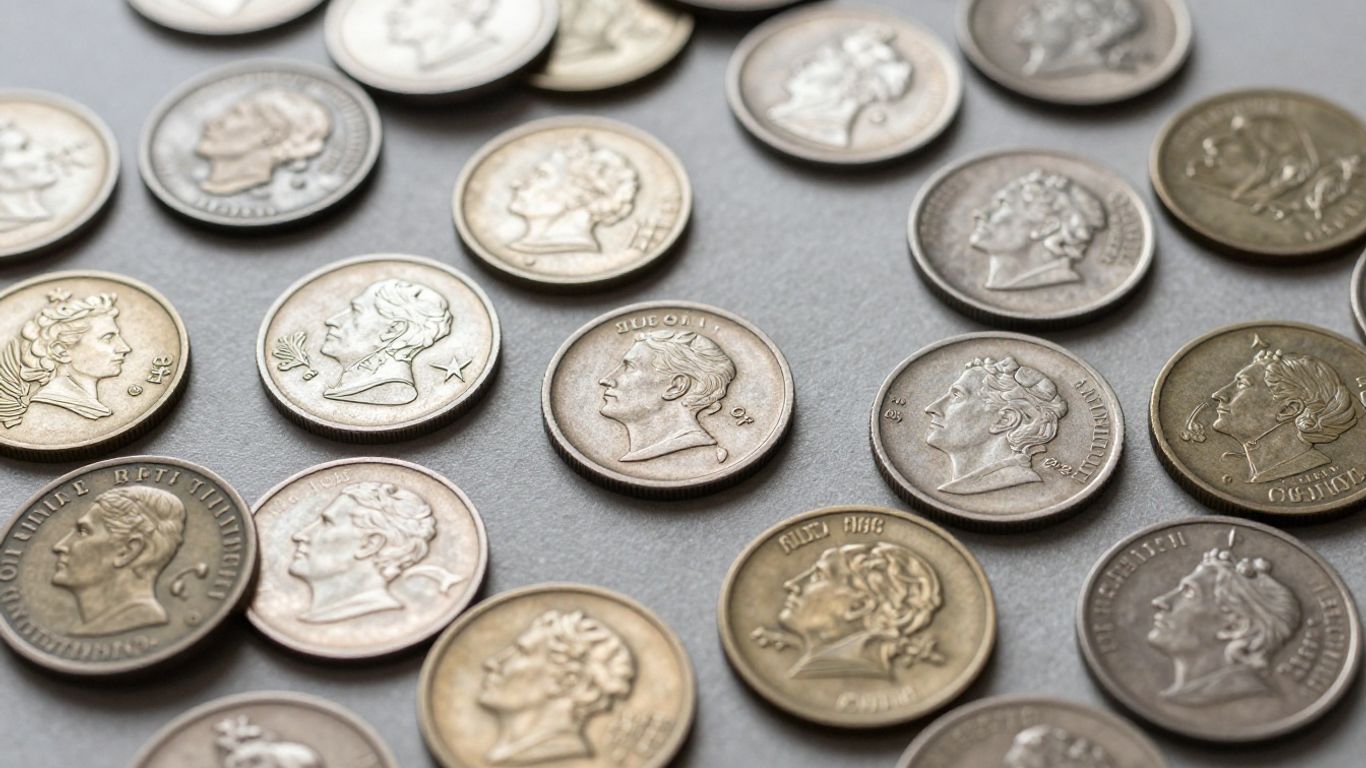
Beyond Traditional Coinage
When we talk about collecting, coins often come to mind first. But the world of numismatics is much broader. Tokens and medals, often called exonumia, are a significant part of this hobby. These items aren’t usually official government currency, but they hold their own special place. Think of them as historical snapshots or personal mementos. They can represent anything from a local business’s promotion to a significant historical event. Many collectors find them fascinating because they tell stories that regular coins might not.
Sentimental and Historical Value
Many tokens and medals carry a lot of personal meaning. They might be souvenirs from a trip, gifts from loved ones, or even items from childhood memories. For instance, a token from an old arcade or a medal from a special event can bring back a flood of memories. Beyond personal connections, these items often have historical weight. They can commemorate important figures, anniversaries, or societal changes. The stories they tell are often as compelling as their material worth.
Rarity in Exonumia
It might surprise some people, but many tokens and medals are quite rare. Unlike coins, which are often made in large quantities and meant to circulate widely, tokens and medals can have much smaller mintages. Some were produced for very specific, limited events or purposes. Plus, their nature means they often lead a rougher life. They might be used as currency, given away as freebies, or simply lost over time. This means fewer examples survive. Finding a rare token or medal can be a real thrill for a collector.
Here are a few reasons why exonumia can be rare:
- Limited Production Runs: Many were made for specific events or businesses with no intention of mass distribution.
- Usage and Loss: Tokens were often used heavily and discarded, while medals might be kept but eventually lost or damaged.
- Lack of Centralized Record-Keeping: Unlike government mints, private producers didn’t always keep meticulous records of how many were made.
The journey into collecting tokens and medals can be incredibly rewarding. It’s a chance to connect with history, personal memories, and a community of like-minded individuals. The thrill of discovery, whether it’s a common piece with a great story or a genuinely rare find, is what keeps many collectors hooked.
Maximizing Your Sale of Counterstamped Coins
So, you’ve got some counterstamped coins and you’re ready to sell them. That’s great! But how do you make sure you get the best possible price? It’s not just about finding a buyer; it’s about presenting your coins in a way that highlights their unique appeal and history. Let’s break down how to get the most out of your collection.
Setting Realistic Price Expectations
Before you even think about listing your coins, you need to have a good idea of what they’re worth. This isn’t always straightforward with counterstamped coins because their value can be a mix of the original coin’s worth and the added stamp’s significance. Research is key here. Look at what similar counterstamped coins have sold for recently. This means checking auction records, coin dealer websites, and even online forums where collectors discuss sales.
- Original Coin Value: What is the base value of the coin before it was stamped? This depends on its date, mint mark, condition, and rarity.
- Stamp Significance: Is the stamp historical, artistic, or from a notable event or organization? Unique or rare stamps add more value.
- Combined Rarity: How often do you see this specific coin with this specific stamp together? The less common, the better for your price.
- Market Demand: Are collectors actively looking for this type of counterstamped coin right now?
Don’t get too attached to a specific number. The market fluctuates, and what one buyer is willing to pay might be different for another. Be prepared to adjust your expectations based on genuine offers and market feedback.
Effective Presentation for Buyers
How you show your coins can make a big difference. Buyers, especially collectors, want to see what they’re getting clearly. This means good photos and detailed descriptions.
- High-Quality Images: Take clear, well-lit photos of both sides of the coin. Show the original design and the counterstamp in detail. If there are any flaws, it’s better to show them than to hide them.
- Detailed Descriptions: Include all the important information: the original coin’s details (date, mint, denomination), the specifics of the counterstamp (what it is, when it’s believed to have been applied), and the coin’s condition. Mention any known history or provenance if you have it.
- Contextual Information: Briefly explain the significance of the counterstamp. For example, if it’s a trade token from a specific business, mention the business and its era. If it’s a historical mark, explain its context.
Negotiation Strategies
Once you have interested buyers, you’ll likely need to negotiate. Approach this with a clear head and a plan.
- Know Your Bottom Line: Decide the lowest price you’re willing to accept before you start talking to potential buyers. This prevents you from accepting an offer you’ll regret.
- Be Polite and Professional: Even if an offer seems too low, respond respectfully. You never know if that buyer might be willing to come up or if they can connect you with someone else who will pay more.
- Highlight Strengths: If a buyer points out a flaw, acknowledge it but gently remind them of the coin’s positive attributes – its rarity, the historical significance of the stamp, or its overall appeal.
- Consider Offers: Don’t dismiss offers outright. If an offer is close to your target, it might be worth accepting to close the deal. Sometimes, a quick sale is better than waiting indefinitely for a slightly higher price.
Exploring San Antonio's Numismatic Landscape
Local Coin Collecting Clubs
San Antonio boasts a few active coin clubs where collectors of all levels can meet up, share knowledge, and perhaps even find that missing piece for their collection. These clubs are great places to learn about local market trends and connect with people who have a real passion for coins and tokens. Attending a club meeting is a fantastic way to get a feel for the local numismatic community. They often have guest speakers, educational sessions, and informal trading opportunities. It’s a good idea to check their meeting schedules online or give them a call before you visit.
Resources for San Antonio Collectors
Beyond the clubs, San Antonio collectors have access to several resources. Local libraries might have numismatic books or historical records that can help you research the origins of your counterstamped items. University archives could also be a surprising source of information, especially for older tokens or medals tied to regional businesses or events. Don’t forget to explore online forums dedicated to coin collecting; many have sections for regional discussions where you can find fellow enthusiasts from the San Antonio area.
Identifying Potential Buyers
When it comes to selling your counterstamped coins, knowing who to approach is key. Local coin dealers are an obvious starting point, but don’t overlook private collectors. Many collectors specialize in specific types of coins or historical periods, and your counterstamped pieces might be exactly what they’re looking for. Building a network through coin clubs and shows can help you identify these interested buyers. Sometimes, a piece with a unique local stamp might even attract interest from historical societies or museums, though this is less common for typical sales.
Tokens and medals, often overlooked, can tell fascinating stories. They represent more than just their metal content; they are tangible links to past events, businesses, and personal histories. For many collectors, these items hold a special sentimental value, often tied to personal experiences or family legacies, making them highly desirable to a niche but dedicated group of enthusiasts.
Wrapping Up Your Counterstamp Search in San Antonio
So, that’s the rundown on finding places to sell your counterstamped coins right here in San Antonio. It’s not always a straightforward path, and sometimes you might find yourself digging through old boxes or researching obscure refiners, but that’s part of the fun, right? Remember, patience is key, and knowing what you have can make a big difference. Whether you’re dealing with a unique token from a family trip or a more common piece, there are people out there who appreciate these bits of history. Keep exploring, keep asking questions, and good luck with your coin selling adventures in San Antonio!
Frequently Asked Questions
What exactly is a counterstamped coin?
A counterstamped coin is a regular coin that has had an extra mark or symbol stamped onto it after it was originally made. Think of it like a coin getting a special tattoo. These added marks can be anything from initials and dates to logos or even pictures.
Why would someone add a mark to a coin?
People add marks for many reasons! Sometimes it was to show ownership, like a business marking its tokens. Other times, it was to celebrate an event or show support for an idea. It can make a coin unique and tell a story about its journey.
How can I tell if a counterstamp is real?
Authentic counterstamps usually look like they belong on the coin. The added mark will often match the style and depth of the original coin’s design. If the stamp looks poorly done, too shallow, or doesn’t fit the coin’s era, it might not be genuine.
Where in San Antonio can I sell my counterstamped coins?
In San Antonio, you can try visiting local coin shops that specialize in rare or unique items. Attending local coin shows or events is also a great way to connect with dealers and collectors who might be interested in your specific coins.
Are counterstamped coins valuable?
The value of a counterstamped coin depends on several things. How rare is the coin itself? How unique or interesting is the counterstamp? What condition is the coin in? And importantly, is there a collector out there who really wants that specific coin and mark?
What kind of counterstamped coins might I find?
You could find many types! Some might be old U.S. coins with added marks from businesses or individuals. Others could be tokens or medals that were stamped to commemorate special events or places, like parades or historical anniversaries.
Should I clean my counterstamped coins before selling?
It’s generally best not to clean them. Cleaning can often damage the coin’s surface and reduce its value. Most collectors prefer coins in their original condition, even if they look a little dirty. Documenting your coin’s history is more important than cleaning.
What's the difference between a token and a medal?
Tokens often served a purpose, like being used as money for a specific place or event, such as a fare on a streetcar or admission to a fair. Medals are usually made to honor something or someone, like a historical figure or an anniversary, and aren’t typically used as currency.