
Collecting coins by denomination can be a rewarding pursuit, offering a structured way to build a significant collection. It’s a path many numismatists take to explore history, art, and economics through tangible pieces of the past. This guide offers practical denomination coin collecting strategies, from understanding the basics of coin anatomy to advanced evaluation techniques, all aimed at helping you build a collection that is both personally satisfying and potentially valuable. We’ll cover how to define your focus, assess coin condition, acquire quality pieces, and preserve your treasures for years to come.
Key Takeaways
- Define your collecting niche and purpose clearly to guide your acquisition and organization efforts.
- Understand coin anatomy, mint marks, and specifications to accurately identify and evaluate each piece.
- Master coin grading and condition assessment using established systems like the Sheldon Scale to gauge value.
- Develop smart strategies for acquiring high-quality coins, focusing on value and rarity rather than just price.
- Implement proper storage and handling practices to preserve your collection’s condition and maintain its worth over time.
Defining Your Collecting Niche
Starting a coin collection can feel a bit overwhelming, like walking into a giant library without knowing what section to browse first. That’s why figuring out your collecting niche is a really important first step. It’s not just about grabbing any shiny coin; it’s about building something meaningful to you. Having a clear purpose will guide your choices and make the whole experience more rewarding.
Establishing A Clear Purpose
Before you even think about buying a coin, ask yourself why you’re doing this. Are you fascinated by history? Do you enjoy the art on old coins? Maybe you see it as a way to save money, or perhaps a family member passed down a few coins and you want to continue their interest. Knowing your ‘why’ helps you focus. For example, if you love ancient history, you might lean towards Roman or Greek coins. If you’re interested in American history, perhaps U.S. type coins or specific presidential series would be a better fit. It’s about finding what genuinely sparks your interest.
Assessing Areas Of Focus
Once you have a general idea, it’s time to narrow it down. The world of numismatics is vast. You could collect coins from every country, but that’s a lot! It’s usually better to pick a few specific areas. Think about:
- Time Periods: Are you drawn to the Renaissance, the Victorian era, or maybe the early 20th century?
- Coin Types: Do you prefer silver dollars, gold coins, or perhaps error coins?
- Themes: Many collectors focus on specific images like animals, ships, or historical figures.
- Mint Marks: Collecting coins from a particular mint can be a focused approach.
It’s like choosing a favorite subject in school; you can’t be an expert in everything, but you can become quite knowledgeable in one or two areas.
Choosing A Theme Or Geography
This is where you really start to shape your collection. A theme can be anything that interests you. Maybe you love trains, and you decide to collect coins that feature locomotives. Or perhaps you’re fascinated by a specific country’s history, like Japan, and you decide to collect Japanese coins from different eras. Geography is another popular way to focus. You might decide to collect coins from all the countries in South America, or perhaps just coins from your home state or region. This makes your collection tell a story, whether it’s a story of a place, a time, or an idea.
Picking a niche isn’t about limiting yourself; it’s about giving your collection direction. It helps you learn more deeply about the coins you choose and makes it easier to find pieces that fit your specific interests. Without a focus, you might end up with a random assortment of coins that don’t feel like ‘yours’.
Understanding Coin Anatomy And Details
Decoding The Obverse, Reverse, And Edge
When you first pick up a coin, it’s like getting a tiny history lesson. You’ve got the front, the back, and the side – sounds simple, right? But each part tells a different part of the story. The front, called the obverse, usually shows the main image, like a portrait of a president or a national symbol. It’s often the most recognizable side. Then there’s the reverse, the back of the coin. This side typically features the coin’s denomination, the year it was made, and sometimes other designs or inscriptions. Think of it as the supporting cast to the obverse’s star. Finally, don’t forget the edge, the part that runs around the outside. It’s easy to overlook, but it can hold important clues. Some edges are plain and smooth, while others have reeding (those little lines) or even lettering. These details aren’t just for looks; they can tell you about how the coin was made and even if it’s been tampered with.
Identifying Mint Marks And Specifications
Tiny letters on a coin can mean big things for collectors. These are called mint marks, and they tell you where the coin was actually produced. For example, a coin made in San Francisco might have an ‘S’ on it, while one from Denver could have a ‘D’. Coins from certain mints, especially those that produced fewer coins, can be more sought after. It’s like knowing which bakery made your favorite bread – sometimes the origin matters. Beyond the mint mark, there are other specifications to consider. These might include the metal composition (like .999 fine silver) or specific design elements that are supposed to be sharp and clear. Checking these details helps confirm you have what you think you have, and it’s a big part of figuring out if a coin is rare or just common.
Recognizing Coin Anatomy For Evaluation
So, you’ve looked at the front, the back, and the edge, and you’ve checked the mint mark. What’s next? It’s about putting all those pieces together to really evaluate the coin. You start to notice patterns. For instance, some coins are known for having a really strong strike, meaning all the details are super sharp and well-defined. Others might have a weaker strike, where some parts look a bit mushy or faded. This difference in how well the design came out can affect how much a coin is worth. Also, pay attention to the coin’s surface. Is it bright and shiny with a nice luster, or does it look dull or scratched? These visual cues are part of understanding the coin’s overall condition and, by extension, its potential value. It takes practice, but learning to ‘read’ these anatomical details is key to becoming a smart collector.
The obverse, reverse, and edge are the primary visual components of a coin, each offering distinct information. Mint marks and specific design details provide critical data for identification and authenticity. Understanding how these elements interact contributes significantly to a coin’s overall assessment.
Mastering Coin Grading And Condition
Implementing A Grading System
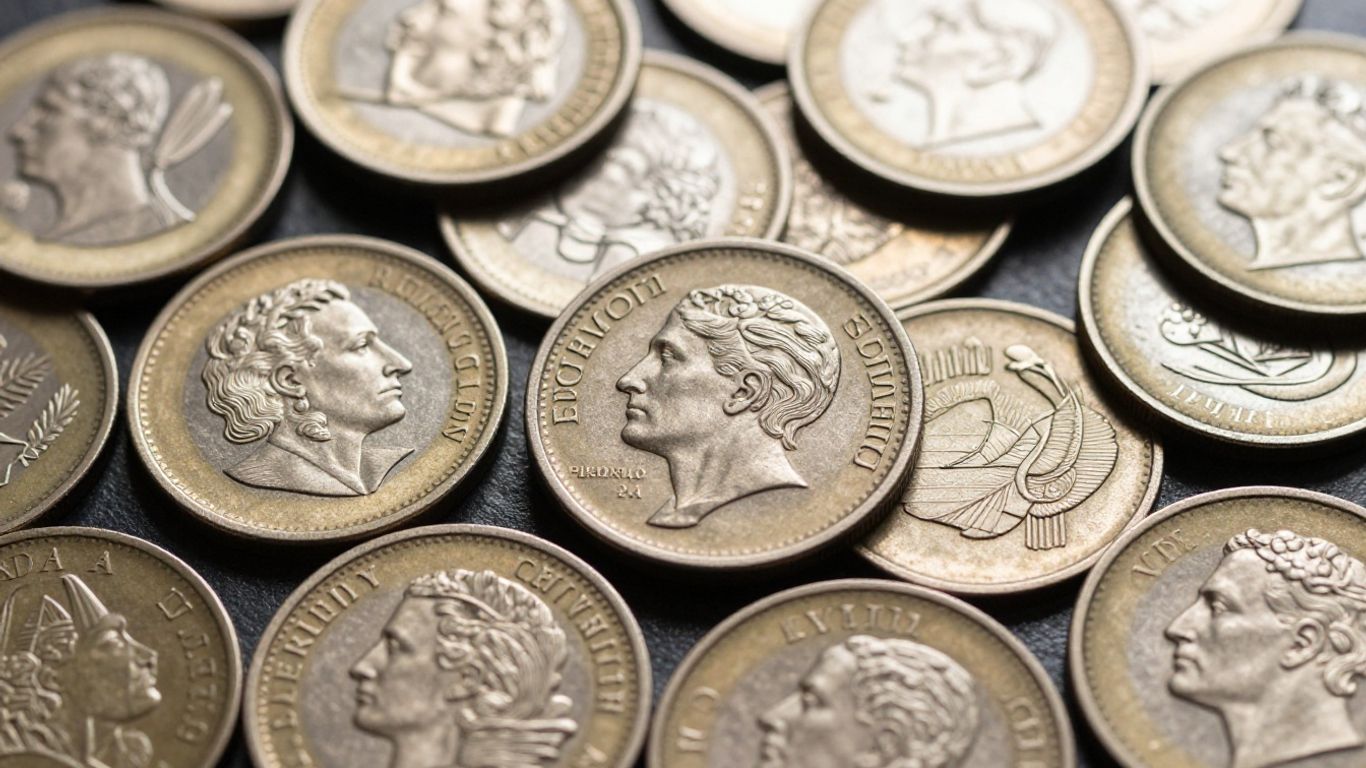
Understanding coin grading is a skill that can really change how you see your collection. It’s all about assessing a coin’s condition, and this assessment directly impacts its worth. The most common system used is the Sheldon scale, which runs from 1 to 70. A grade of 1 means a coin is heavily worn, almost unrecognizable, while a 70 represents a perfect specimen with no wear and full mint luster. For instance, a common date Lincoln cent in Good-4 condition might be worth pennies, but the same coin in Mint State-65 (MS-65) could be worth significantly more. The grade, or condition and state of wear, of a United States coin is a primary factor in determining its value.
Here’s a quick look at some common grade ranges:
| Grade Range | Description |
|---|---|
| G-1 to VG-8 | Heavily worn, major details are visible but weak. |
| F-12 to VF-35 | Moderate wear, design elements are clear but not sharp. |
| EF-40 to AU-58 | Light wear on high points, details remain sharp. |
| MS-60 to MS-70 | No wear, details are sharp, with varying degrees of luster and surface marks. |
Assessing Coin Condition For Value
When you’re looking at a coin to figure out its condition, you’re not just looking for wear. You’re also checking for other things that affect its appearance and, therefore, its value. Things like strike quality, which is how well the coin’s design was impressed into the metal, play a big role. A coin with a weak strike might have mushy details, even if it hasn’t been handled much. Then there’s luster, that original shine from the mint. Coins that have been cleaned, even lightly, often lose this luster, which collectors really value. You also need to watch out for surface flaws. These can be anything from tiny scratches, often called bag marks, to more serious issues like corrosion or damage from improper storage. I once saw a beautiful silver dollar that had developed black spots from being stored in a damp box; it really hurt its value. It’s a lot to keep track of, but it’s how you learn to spot the truly nice coins.
Learning to grade takes time and practice. It’s easy to be fooled by a coin that looks shiny but has been cleaned, or one that has a lot of marks. Comparing coins side-by-side and using grading guides can help you develop a better eye for these details. Don’t be discouraged if you don’t get it perfect right away; most collectors spend years refining their grading skills.
Understanding The Sheldon Scale
The Sheldon scale is the standard for grading coins, and it’s pretty straightforward once you get the hang of it. It uses numbers from 1 to 70. The lower numbers represent coins that are heavily worn and may be difficult to identify. As the numbers increase, the coin shows less wear and more detail. For example, a coin graded ‘Good’ (G-4) is worn but identifiable. A ‘Very Fine’ (VF-20) coin shows moderate wear, with most details visible. ‘Extremely Fine’ (XF-45) coins have only slight wear on the highest points of the design. Then you get into the ‘Mint State’ (MS) grades, from MS-60 upwards. These coins show no wear at all. The difference between an MS-60 and an MS-65, for instance, comes down to the number and severity of bag marks or other minor imperfections. A coin graded MS-65 is considered ‘Gem Uncirculated,’ meaning it’s nearly perfect. Professional grading services like PCGS and NGC use this scale, often adding descriptive terms to further refine the grade, like ‘Full Bell Lines’ on a Mercury dime. This detailed grading helps collectors understand coin grading and make informed decisions.
Strategies For Acquiring Quality Coins
Building a collection of quality coins requires a thoughtful approach, blending smart purchasing habits with a keen eye for potential. It’s not just about buying any coin; it’s about acquiring pieces that will stand the test of time and hold their appeal. Focusing on high-quality examples from the outset can save you a lot of trouble down the line.
Focusing On High-Quality Examples
When you’re starting out, it’s easy to get drawn to cheaper coins, and that’s perfectly fine for getting a feel for the hobby. But if you plan on collecting for a while, it’s worth aiming for coins that you’ll be happy to keep for the long haul. This usually means looking for coins in good condition. You don’t always have to spend a fortune to get good coins; sometimes, it’s about being more strategic with your budget and perhaps looking at areas that are a bit more affordable. For instance, collecting coins from the later Roman Empire might be more budget-friendly than trying to acquire ancient Greek pieces. This way, you’ll likely be more satisfied with your collection over time and won’t feel the need to replace pieces later on.
Smart Budgeting For Coin Purchases
Setting a budget is key. Decide how much you can comfortably spend on coins each month or year. This helps prevent overspending and encourages you to be more selective. Consider setting aside funds specifically for higher-quality pieces or rare finds. It’s also wise to research the market before making a significant purchase. Knowing the typical price range for a coin in a certain grade helps you avoid overpaying. Many collectors find that tracking their purchases and expenses in a spreadsheet or using numismatic software helps them stay on track. This organization will help ensure a smooth and accurate appraisal process. Preparing your collection for appraisal is also a good practice.
Identifying Undervalued Opportunities
Spotting undervalued coins is where the real excitement can happen. This often involves a combination of research and a bit of luck. Keep an eye on market trends and auction results. Sometimes, coins that are not as popular at the moment can be acquired for less, only to increase in value later. Look for coins with strong strike quality and original mint luster, as these attributes can significantly boost a coin’s appeal and worth, even if it’s not a rare date. Also, consider coins with historical significance or interesting varieties that might be overlooked by the broader market. Learning to read a coin’s details, like mint marks and specific design elements, can help you identify these hidden gems.
Acquiring quality coins is a journey that rewards patience and knowledge. By focusing on condition, managing your budget wisely, and actively seeking out undervalued pieces, you build a collection that is not only aesthetically pleasing but also has the potential for lasting value. It’s about making informed decisions at every step.
Identifying Rare And Unique Coin Opportunities
Finding those special coins that stand out from the crowd is a big part of the fun in collecting. It’s not just about low numbers; sometimes it’s about a coin that just looks different or has a story attached to it. These are the pieces that can really make a collection shine.
Recognizing Error Coins
Coins aren’t always made perfectly. Sometimes, things go a little sideways at the mint, and that’s where error coins come in. These are coins that have a mistake in their production. They can be anything from a date that’s doubled up to a coin that was struck off-center. Because these mistakes don’t happen often, error coins can be quite sought after by collectors.
- Off-center strikes: The design isn’t fully within the coin’s edge.
- Double dies: Details like numbers or letters appear doubled.
- Struck-through errors: A foreign object was on the die when the coin was made, leaving a mark.
- Clip planchet errors: The coin was cut from a metal strip that was already shaped, leaving a curved edge.
Mistakes in minting, while unintended, create unique artifacts. These production anomalies offer a tangible link to the manufacturing process, making them fascinating to collectors who appreciate the unexpected.
Researching Low-Mintage Rarities
Coins with a low mintage number are made in smaller quantities. This means fewer of them were produced, and over time, many might have been lost or melted down. When you find one of these, especially in good condition, it’s a significant find. You’ll want to check resources like the official mint reports or reliable coin guides to see just how many were originally made. A coin with a mintage in the thousands, or even hundreds, is often much rarer than one with millions produced.
| Year | Mint Mark | Mintage | Potential Rarity |
|---|---|---|---|
| 1916 | D | 52,000 | High |
| 1909-S | S | 496,000 | Medium |
| 1937 | D | 10,000,000 | Low |
Understanding Historical Significance
Sometimes, a coin’s value comes from its history. A coin might be rare because it was only made for a short period, or perhaps it was part of a significant event. For example, coins from early American history, or those associated with important figures or moments, can be highly prized. Researching the story behind a coin can reveal its true importance beyond just its metal content or production numbers. Knowing the context helps you appreciate why a particular coin is special and sought after by collectors who value history.
Advanced Coin Evaluation Techniques
Beyond the basics of grading and identification, truly appreciating a coin’s worth involves a closer look at its physical attributes and the nuances of its creation. This is where we move into more detailed inspection, honing our ability to spot subtle qualities that can significantly impact a coin’s desirability and market price.
Dissecting Strike Quality and Luster
Strike quality refers to how well the design details were impressed onto the coin’s surface during the minting process. A strong strike means every element of the design is sharp and clear, from the highest points to the deepest recesses. Conversely, a weak strike can result in soft, mushy details, often due to worn dies or insufficient pressure. This directly affects how a coin looks and feels. Luster, on the other hand, is the original mint sheen that reflects light. It’s that vibrant, frosty, or satiny glow that new coins possess. This original surface brilliance is highly sought after, and its presence or absence is a key indicator of a coin’s condition and whether it has been altered.
- Sharpness of Detail: Look for full definition in intricate areas like hair, feathers, or lettering.
- Completeness of Design: Ensure all elements of the design are present and well-formed.
- Originality of Surface: Assess the presence of original mint luster, avoiding coins that appear dull or wiped.
Inspecting Surface Condition and Flaws
This stage involves a meticulous examination of the coin’s surface for any imperfections. These can range from minor issues that might be overlooked by a casual observer to significant problems that drastically reduce a coin’s value. Common flaws include scratches, nicks, rim dings, and environmental damage like corrosion or spotting. It’s also important to identify any signs of artificial alteration, such as polishing or cleaning, which can destroy a coin’s natural luster and appeal.
| Flaw Type | Description |
|---|---|
| Scratches | Linear abrasions on the surface; severity varies by length and depth. |
| Environmental Damage | Corrosion, pitting, or spotting caused by exposure to moisture or chemicals. |
| Contact Marks | Small nicks or dents resulting from coins hitting each other. |
| Artificial Cleaning | Loss of original luster, often appearing overly shiny or wiped clean. |
A coin’s surface tells a story of its journey. While some marks are unavoidable results of the minting or circulation process, others indicate mishandling or damage that diminishes its appeal. Identifying these flaws requires a keen eye and careful observation.
Utilizing Magnification Tools
To effectively evaluate strike quality, luster, and surface condition, magnification is indispensable. A standard 10x jeweler’s loupe is the most common tool for numismatists. This allows for a close-up view of fine details, minting imperfections, and surface marks that are invisible to the naked eye. When examining luster, a good light source, such as a halogen lamp, is also beneficial, as it helps reveal the way light reflects off the coin’s surface. Combining magnification with proper lighting allows for a thorough assessment of a coin’s true state.
- Use a 10x magnification loupe for detailed inspection.
- Employ a bright, directional light source to observe luster.
- Examine the coin from multiple angles under magnification to catch all flaws.
- Compare the observed details against known examples or grading standards.
Essential Coin Storage And Preservation
Proper storage and preservation are not just afterthoughts; they are fundamental to maintaining the integrity and value of your coin collection. Mishandling or incorrect storage can lead to irreversible damage, turning a potentially valuable asset into a tarnished memory. Think of it as protecting a piece of history. The goal is to create a stable environment that shields your coins from the elements and physical harm.
Investing in Proper Storage Solutions
Choosing the right housing for your coins is the first line of defense. Avoid generic plastic containers or anything that might degrade over time. High-quality, archival-grade materials are your best bet. This includes:
- Coin Albums: These offer individual slots for coins, often with descriptive labels. Look for albums made with acid-free paper and sturdy construction.
- 2×2 Cardboard Holders: These are popular for individual coin protection. Ensure the window is made of inert material like Mylar, not PVC.
- Coin Capsules: Clear, hard plastic capsules provide excellent protection against scratches and environmental exposure. They are available in various sizes to fit different denominations.
- Slabs: Professional grading services encapsulate coins in sealed, tamper-evident holders, which also serve as excellent long-term storage.
Selecting Acid-Free and Non-PVC Materials
This is where many collectors inadvertently cause damage. Polyvinyl chloride (PVC) is a plasticizer that can leach into coins over time, causing a green, waxy residue that is extremely difficult to remove and significantly lowers a coin’s value. Always opt for materials explicitly labeled as acid-free and PVC-free. Common safe materials include:
- Mylar (polyester)
- Polyethylene
- Polypropylene
When in doubt, consult the manufacturer’s specifications or stick to products from reputable numismatic suppliers. For example, many collectors prefer Dansco albums for their durability and archival quality.
Implementing Best Handling Practices
Even the best storage won’t help if coins are handled improperly. Oils and acids from bare hands can cause spotting and corrosion. Always follow these guidelines:
- Wear Gloves: Cotton or nitrile gloves are recommended to prevent fingerprints.
- Hold by the Edge: When you must handle a coin directly, grasp it gently by its rim. Never touch the obverse (front) or reverse (back) surfaces.
- Work Surface: Use a soft, clean cloth or a felt mat to protect coins from scratches when examining them.
- Environment: Store coins in a cool, dry location with stable temperature and humidity. Avoid attics, basements, or bathrooms where conditions fluctuate.
The long-term preservation of your collection hinges on consistent attention to detail. Small precautions taken now can prevent significant losses later. It’s about creating a protective bubble around each piece, safeguarding its historical narrative and material condition for future generations to appreciate.
Documenting Your Collection's History
Cataloging Coin Details Meticulously
Keeping track of what you own is more than just a good idea; it’s really important for knowing your collection’s worth and history. Think of it like keeping a diary for each coin. You’ll want to write down the basics: what coin it is, the year it was made, where it was minted (that’s the mint mark), and its face value. But don’t stop there. Note any special features, like unusual wear patterns or if it’s a rare variety. This detailed record helps you spot duplicates and understand what makes each piece special.
Here’s a simple way to start:
- Coin Name/Type: (e.g., Lincoln Cent, Morgan Dollar)
- Year: (e.g., 1909)
- Mint Mark: (e.g., S, D, O, or none)
- Denomination: (e.g., Penny, Dollar)
- Condition/Grade: (e.g., AU, MS-65)
- Purchase Date & Price: (If known)
- Notes: (Any unique characteristics or observations)
Recording Provenance and Historical Context
Beyond the basic facts, knowing where a coin has been can add a whole new layer of interest and value. This is called provenance. Did it come from a famous collection? Was it owned by someone historically significant? Even knowing it was passed down through your family for generations tells a story. This information isn’t always easy to find, but when you do, write it down. It makes your collection more than just metal objects; it turns them into pieces of history with a past.
Understanding a coin’s journey can significantly impact its perceived value and historical weight. It connects the physical object to the people and events that shaped its existence, transforming a simple coin into a tangible link to the past.
Leveraging Numismatic Software
These days, you don’t have to rely solely on notebooks and spreadsheets. There are computer programs and apps made just for coin collectors. They can help you keep all those details organized, often with features to track value changes, store images of your coins, and even manage wish lists. Using this kind of software can save you a lot of time and make it easier to see the big picture of your collection at a glance. It’s a modern way to manage a timeless hobby.
Maintaining Your Collection's Value
Keeping your coin collection in top shape is just as important as acquiring those special pieces in the first place. Think of it like tending a garden; consistent care prevents things from going downhill. Regular attention is key to preserving the condition and, by extension, the worth of your numismatic treasures.
Scheduling Regular Maintenance Inspections
It’s a good idea to set aside time periodically, maybe every few months, to go through your collection. This isn’t just about dusting things off. You’re looking for any signs of trouble. Are the holders still secure? Is there any discoloration on the coins themselves or within the storage materials? Catching small issues early can prevent them from becoming big, costly problems down the road. It’s also a chance to appreciate the coins you’ve gathered.
Understanding When Professional Cleaning Is Needed
This is a tricky one. Most of the time, you should absolutely avoid cleaning your coins. Cleaning can significantly reduce a coin’s value, sometimes permanently. However, there are rare instances where a coin might benefit from professional conservation. This is not about making a dull coin shiny; it’s about removing harmful contaminants that could cause further damage. If you suspect a coin needs this kind of attention, it’s best to consult with a professional numismatic conservator. They have the knowledge and tools to assess the situation without harming the coin. For most collectors, the safest bet is to leave cleaning to the experts, like those at PCGS, who offer conservation services.
Preserving Environmental Conditions
Where you store your coins matters a lot. You want a stable environment. Avoid places with high humidity, extreme temperature fluctuations, or direct sunlight. A consistent, moderate temperature and low humidity are ideal. Think about a closet in a climate-controlled part of your home. Even the best coin holders can’t fully protect against a damp basement or a hot attic. Keeping your storage area stable helps prevent corrosion and other environmental damage that can affect coin condition over time.
Leveraging Resources For Collectors
Consulting Numismatic Guides And Publications
When you’re building a coin collection, having good reference materials is a big help. Think of them as your trusty sidekicks. Books like the "Red Book" (A Guide Book of United States Coins) are pretty standard for American coins. They give you lists of coins, their dates, mint marks, and what they might be worth. It’s not always exact, but it’s a solid starting point. Other publications, like "Coin World" or "Numismatic News," offer current market updates and articles about what’s happening in the coin world. Staying current with these can help you spot trends or learn about new discoveries.
Engaging With Online Forums And Communities
Online spaces are fantastic for connecting with other collectors. Websites and forums dedicated to numismatics are full of people who love coins just as much as you do. You can ask questions, share pictures of your finds, and get advice from folks who have been collecting for years. It’s a great way to learn about specific coins, get opinions on grading, or even find out about coins for sale. Just remember to be a bit cautious and do your own research before making any big decisions based on online advice.
Attending Coin Shows And Local Clubs
Going to coin shows or joining a local coin club is another excellent way to get involved. At shows, you can see thousands of coins up close, talk directly with dealers, and often find deals you wouldn’t see online. It’s a hands-on experience that’s hard to beat. Local clubs offer a more relaxed setting. You can meet up with collectors regularly, share stories, and learn from each other. These gatherings are often where you’ll hear about rare finds or get help identifying a tricky coin.
Building a strong collection isn’t just about the coins themselves; it’s also about the knowledge and connections you build along the way. Using these resources can make your collecting journey much more rewarding and informed.
Wrapping Up Your Coin Collecting Journey
So, we’ve gone over a lot of ground, from picking out coins that catch your eye to keeping them safe and sound. It’s not just about stacking up metal discs; it’s about building something that tells a story, a piece of history you can hold. Remember to focus on what you like, buy the best you can afford, and don’t be afraid to ask questions. This hobby is a marathon, not a sprint, so take your time, enjoy the hunt, and most importantly, have fun with your collection. Happy collecting!
Frequently Asked Questions
What's the very first thing I should do when I start collecting coins?
Before you buy any coins, it’s smart to figure out what kind of collection you want to build. Think about whether you’re interested in coins from a specific country, a certain time period, or coins that have a special design. Having a clear goal will help you focus your collecting efforts and make the process more enjoyable.
How do I know if a coin is in good condition?
Coin condition is super important because it affects how much a coin is worth. You’ll want to learn about coin grading, which is a system used to describe a coin’s state. Factors like wear, scratches, and how clear the design is all play a role. The better the condition, generally the more valuable the coin.
What does 'grading' a coin mean?
Grading a coin means figuring out its condition and assigning it a score. The most common system is the Sheldon Scale, which uses numbers from 1 to 70. A coin with a higher number is in better shape. Knowing how to grade helps you understand a coin’s value and compare it to others.
Where can I find good coins to buy for my collection?
You can find coins at coin shows, from reputable coin dealers, and sometimes online. It’s a good idea to start with coins that fit your budget and that you genuinely find interesting. Sometimes, you can find great deals on coins that are a bit overlooked but still have a lot of potential value.
What makes a coin rare or unique?
Coins can be rare for a few reasons. They might have been made in very small numbers (low mintage), have a mistake in their production (error coins), or have a special historical story behind them. Finding these kinds of coins can make your collection really stand out.
How should I store my coins to keep them safe?
Proper storage is key to protecting your coins. Use storage materials that are safe for coins, like acid-free paper or special plastic holders. Avoid storing them in regular plastic bags, as some plastics can damage the metal over time. Keeping them in a stable environment, away from moisture and extreme temperatures, is also important.
Why is it important to keep records of my coins?
Keeping good records, like a catalog, helps you know exactly what coins you have. You should write down details like the year, mint mark, and any special features. This information is useful for tracking your collection’s value, insurance purposes, and understanding the history of each piece.
How can I learn more about coin collecting?
There are many ways to learn! You can read books and guides about coins, join online forums or communities where collectors share tips, and attend local coin clubs or shows. Talking to experienced collectors is a great way to gain knowledge and discover new collecting strategies.