
When you’ve got a coin collection, keeping them safe is a big deal. It’s not just about how they look, but also about making sure they don’t get damaged over time. There are lots of ways to store coins, and picking the right one can make a difference. We’re going to look at different coin storage tube materials and other options to help you figure out the best way to keep your collection in good shape.
Key Takeaways
- Coin tubes are a simple and affordable way to store bulk coins, though they might not offer the best individual protection.
- Plastic coin holders and capsules provide individual protection, preventing scratches and environmental damage.
- Coin albums offer organized storage, allowing easy viewing of both sides of your coins, but some plastics might pose risks.
- For high-value coins, professional grading services encapsulate them, offering top-tier protection but at a higher cost.
- Proper storage materials are vital to prevent damage from air, humidity, and handling, preserving your collection’s condition.
Coin Tubes
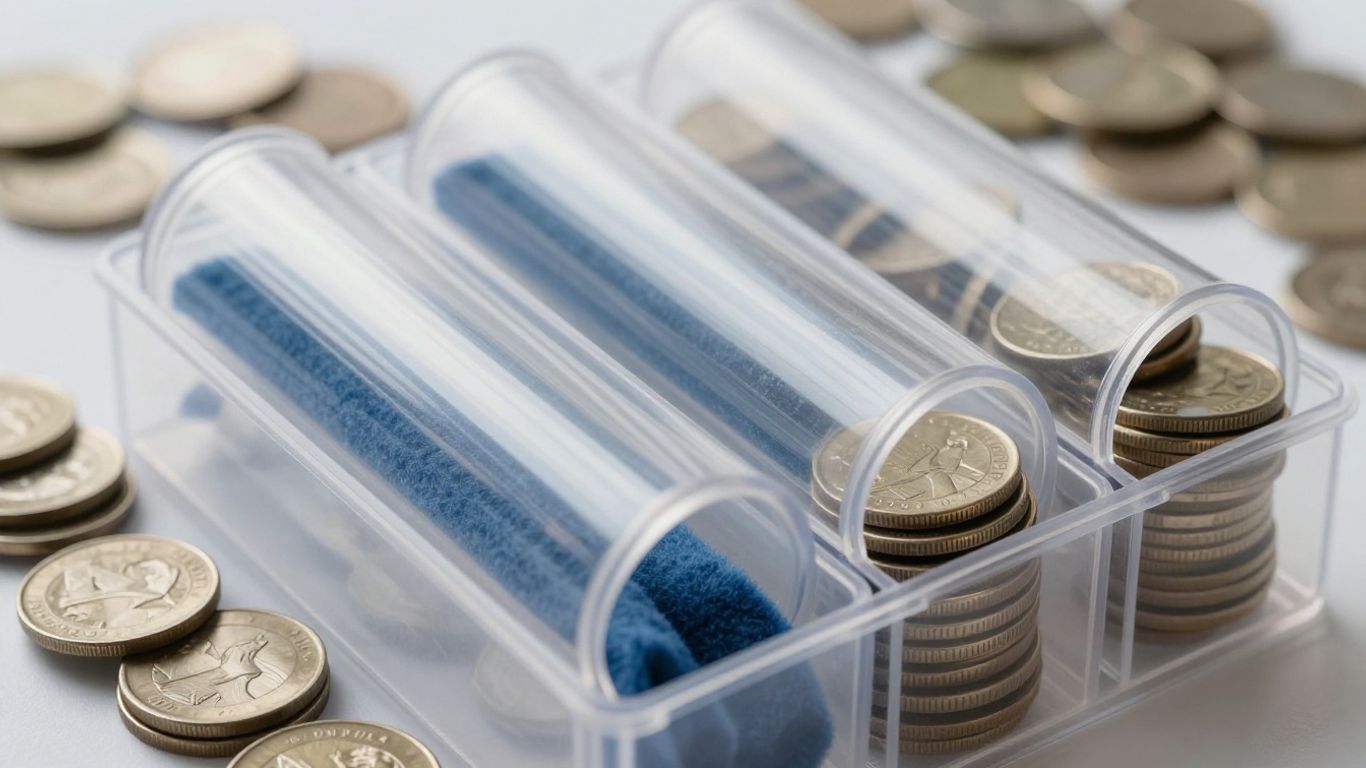
When you’ve got a good number of coins that don’t necessarily need individual, fancy housing, coin tubes are a solid choice. Forget those flimsy paper sleeves you get from the bank with rolled coins; we’re talking about sturdy, clear plastic tubes designed for proper storage. They’re great for keeping duplicates or bulk coins organized and dust-free. These tubes offer a practical way to store coins in larger quantities without breaking the bank.
Using coin tubes is pretty straightforward. You typically stack your coins inside, making sure they fit snugly. The clear plastic lets you see what’s inside without having to open the tube, which is handy. They’re also designed to pack efficiently, making them a good option if you’re looking to save space.
Here’s a quick look at what makes them useful:
- Protection: They shield coins from dust and accidental scratches.
- Organization: Keep similar coins together, making inventory easier.
- Visibility: Clear tubes allow for quick identification of contents.
- Cost-Effectiveness: Generally less expensive than other specialized holders.
While they’re great for bulk storage, it’s worth noting that coins can sometimes rub against each other inside a tube. This might be a concern for very high-value or delicate coins where even minor contact could cause damage. For general storage of common coins or duplicates, though, they’re a reliable option. You can find archival-safe, PVC-free round tubes specifically made for long-term coin storage like these.
Storing coins in tubes is a budget-friendly method that provides decent protection and organization for collections where individual display isn’t the primary goal. They are particularly useful for managing large numbers of similar coins.
Coin Holders
When you’re looking to keep your coins safe and sound, coin holders are a pretty common choice. They’re basically small containers designed to protect individual coins from getting scratched or dinged up. Think of them as little personal security guards for your numismatic treasures.
There are a few different kinds out there, and what works best really depends on what you’re collecting and how much you want to spend. Some are simple plastic cases, while others might be a bit more involved. It’s important to know that not all holders are created equal; some might not be completely sealed, meaning moisture or air could still get in. You’ll want to check if they’re made from materials that won’t harm your coins over time.
- Individual Protection: Each coin gets its own space, reducing the risk of coins rubbing against each other.
- Visibility: Most holders allow you to see both sides of the coin without having to take it out.
- Variety: Options range from basic flips to more robust, sealed cases.
Choosing the right holder is key to preventing damage and maintaining your coin’s condition. For those really special coins, you might look into something more secure, like the ones used by professional grading services. These often involve a hard plastic case that’s sealed shut, offering top-notch protection. If you’re just starting out or have a few specific coins you want to keep safe, a good coin holder is a solid step. You can often find these at your local coin shop or through online distributors. For example, some collectors prefer hard plastic holders for their valuable pieces.
It’s worth noting that some holders might be made of plastics that could potentially interact with your coins over long periods. Always try to find holders made from inert materials to avoid any unwanted chemical reactions.
Coin Albums
Coin albums are a fantastic way to keep your growing collection organized and visible. Think of them like a scrapbook, but specifically designed for your coins. Each coin gets its own little spot, usually a pre-cut hole or slot, on a page. This means you can see both sides of many coins at once, which is a big plus for appreciating the details. They’re great for keeping sets together, like all the state quarters or a series of silver dollars.
However, not all albums are created equal. Some older styles might require you to press the coin directly into a cardboard page. While this keeps them together, you can only see one side. More modern albums often use plastic slides or pockets, which are generally better for visibility and protection. It’s really important to check what the album is made of, as some plastics can release chemicals over time that might harm your coins. You want something inert, like Mylar or polyethylene, if possible.
Here are a few things to consider when looking at coin albums:
- Visibility: Can you see both the front and back of the coin easily?
- Material: Is the material safe for long-term coin storage, or could it cause damage?
- Capacity: How many coins does the album hold, and does it fit the type of coins you collect?
- Organization: Does it help you group coins by year, type, or set?
When choosing an album, always do a little research on the materials used. Some plastics can degrade or leach chemicals, which is the last thing you want happening to your valuable coins. Opting for archival-quality materials is always a safer bet for long-term preservation.
Albums can be a bit pricier than simple coin flips or tubes, especially for larger or more elaborate ones. But for displaying a collection neatly and keeping it protected, they’re a solid choice. If you’re looking to keep a specific set together, like a run of uncirculated mint sets, an album can be a really neat solution. You might find some good options for coin storage cases that offer similar protection within an album format.
Coin Capsules
Coin capsules are a popular choice for protecting individual coins. They’re essentially clear plastic cases that fit snugly around your coin, offering a good barrier against dust, dirt, and accidental scratches. Think of them as a personal bodyguard for each coin in your collection. They’re great because you can still see both sides of the coin clearly, which is important for appreciating its details.
These capsules are particularly useful for coins you want to handle less frequently or for those that are more susceptible to damage. They come in various sizes to fit different coin diameters, so it’s important to measure your coin or know its specifications before buying. For example, specific capsules are made for popular coins like the 1oz Gold Eagle, designed to fit its exact dimensions [368f].
Here’s a quick look at why they’re a solid option:
- Protection: Shields coins from fingerprints, scratches, and environmental contaminants.
- Visibility: Allows for clear viewing of both the obverse and reverse sides.
- Security: Provides a firm, protective enclosure for individual coins.
- Variety: Available in many sizes to accommodate a wide range of coin denominations.
While they offer excellent protection for individual pieces, they can take up more space than other methods if you have a very large collection. Also, labeling them can be a bit trickier compared to other storage solutions. If you’re looking to buy some, you can often find a good selection sorted by price or popularity [51ss].
Coin capsules offer a robust, transparent shield for your valuable coins, making them a favored choice for collectors who prioritize individual coin safety and clear display.
Coin Flips
Coin flips are a pretty common sight, especially if you’ve ever browsed through a coin show or looked at coins being sold by dealers. They’re essentially small, clear plastic holders, usually with two pockets. One side holds your coin, and the other lets you see the reverse. It’s a straightforward way to keep your coins protected from fingerprints and minor scratches.
They offer a good mix of protection and easy viewing, which is why many collectors use them. Plus, there’s often a bit of space on the flip itself to jot down notes about the coin, like its date or any special details. They’re not the most heavy-duty option out there, but for general handling and display, they work well.
Here’s a quick look at what makes them useful:
- Protection: Shields coins from direct handling, reducing the risk of oils and dirt.
- Visibility: Clear plastic allows for easy inspection of both sides.
- Labeling: Space to write identifying information.
- Affordability: Generally inexpensive, making them accessible for large collections.
Some flips are made from cardboard with a clear window. While these are very cheap, you have to be careful if you ever decide to staple them shut. Removing staples later can sometimes scratch the coin, so that’s something to watch out for. For a more robust solution, you might look into other types of coin holders, but for everyday use and showing off your coins, flips are a solid choice. They’re a practical way to keep your collection organized and safe for short to medium-term storage protecting your coins.
When considering coin flips, it’s important to choose ones made from inert materials. Cheaper plastics can sometimes degrade over time and potentially harm your coins. Look for flips specifically designed for coin storage to avoid any long-term issues.
Coin Slabs
When you’ve got a coin that’s particularly special, maybe it’s rare, historically significant, or just holds a lot of personal value, you might consider a coin slab. Think of a slab as a high-tech, super-secure case for a single coin. These aren’t just simple plastic holders; they’re usually created by professional grading services. Companies like PCGS and NGC take your coin, examine it, assign it a grade based on its condition, and then seal it inside a tamper-evident, clear plastic holder. This process is often called encapsulation.
The primary benefit of a coin slab is the unparalleled protection it offers. The sealed plastic shields the coin from environmental factors like moisture and air, which can cause damage over time. It also prevents accidental scratches or fingerprints from handling. Because the coin is graded and authenticated by a reputable third party, a slab also adds a layer of trust and can significantly boost a coin’s market value. It’s a way to get a professional opinion on your coin’s condition and authenticity, all locked away safely.
Here’s a quick look at what goes into the slabbing process:
- Submission: You send your coin to a grading service.
- Grading: Experts assess the coin’s condition and assign a numerical grade.
- Authentication: The service verifies the coin’s genuineness.
- Encapsulation: The coin is sealed in a protective plastic holder, often called a slab, with a label detailing its grade and other information.
- Return: The slabbed coin is returned to you.
While it’s the most expensive option for coin storage, many collectors find it worthwhile for their most prized possessions. It’s a way to preserve a coin’s condition and potentially its value for the long haul. If you’re serious about protecting investment-grade coins, professional slabs are definitely something to look into.
Slabs offer a combination of security, authentication, and condition assessment that’s hard to beat for valuable coins. They essentially freeze the coin in its current state, protecting it from the outside world.
For those with multiple slabbed coins, specialized storage solutions exist, such as mahogany wood boxes designed to hold several slabs securely and present them nicely.
Wooden Holders
When you think about storing your coins, wood might not be the first material that comes to mind. Most people probably picture plastic or metal. But wooden holders, especially boxes, offer a really nice, classic way to keep your collection safe. They feel solid and look pretty good on a shelf, too.
These aren’t just any old wooden boxes, though. The good ones are made from materials that won’t mess with your coins. Think about a nice mahogany or cedar. Some are designed to hold individual coins in protective capsules, while others might have slots for larger coin slabs. It really depends on what you’re collecting and how you want to display it. A well-made wooden box can handle changes in temperature and humidity pretty well, which is a plus for keeping your coins stable [8783].
Here are a few things to consider with wooden holders:
- Material Quality: Look for hardwoods that are properly sealed. You don’t want any glues or finishes that could off-gas and damage your coins over time.
- Interior Design: Does it have individual compartments, or is it more of a general storage space? Some come with custom-fit inserts or foam padding.
- Security: Does it have a lock or a secure closure? This is important if you’re storing valuable items.
- Size and Capacity: How many coins or slabs do you need to store? Wooden boxes come in all sorts of sizes, from small ones for a few special pieces to larger ones that can hold quite a bit.
The appeal of wood is its natural beauty and the sense of permanence it conveys. It’s a material that feels substantial, unlike flimsy plastic. For collectors who appreciate a more traditional aesthetic, a wooden coin box is a great choice. You can find some really attractive options that double as display pieces, like this Keyohome wooden coin storage box that holds up to 100 coins [38f4].
While wood offers a beautiful and sturdy option, it’s important to ensure the wood itself is properly treated and sealed. Unfinished or poorly treated wood can sometimes release acids or moisture that could harm your coins over extended periods. Always opt for holders specifically designed for coin storage, which take these factors into account.
Mahogany Wood Box
When you’re looking for a more upscale way to store your collection, a mahogany wood box really steps up the presentation. These aren’t just simple containers; they’re often crafted to be display pieces themselves. Mahogany is a popular choice for these boxes because it’s a hard, durable wood that resists moisture well, which is good for keeping your coins safe from environmental damage.
These boxes are particularly well-suited for housing graded coins, often called slabs. You’ll find boxes designed to hold a specific number of these, like six standard slabs, fitting neatly inside. It’s a way to keep your most prized pieces organized and protected, all while looking quite elegant on a shelf or desk. Think of it as a nice way to show off your collection without having to constantly handle the individual coins. It’s a step up from basic storage, offering both security and a touch of class. If you’re interested in display cases, you might find that mahogany is also used for flag display cases, highlighting its use in preserving valuable items.
Here’s a quick look at what makes them a good option:
- Protection: The solid wood construction offers a good barrier against dust and minor impacts.
- Aesthetics: Mahogany has a rich color and grain that looks sophisticated.
- Organization: Designed to hold specific items like coin slabs, keeping them from shifting.
- Value Preservation: By providing a stable environment, these boxes help maintain the condition of your coins.
While they offer a nice way to store coins, especially graded ones, it’s worth noting that they are generally more expensive than simpler storage methods. They are more of a presentation and long-term storage solution for serious collectors. It’s a bit like having a dedicated money box for your savings, but for your valuable coins, adding a tangible element to their safekeeping.
These boxes are often seen as a more permanent storage solution, especially for coins that have been professionally graded and encapsulated. The sturdy construction and attractive finish make them a popular choice for collectors who want to display their collection while keeping it secure.
Safety Deposit Box
For collectors with a significant investment in their coin collection, the idea of storing items outside the home might seem appealing. A safety deposit box at a bank offers a level of physical security that many find reassuring. These secure metal containers are kept within a bank’s vault, providing a protected space for your belongings. It’s a way to add an extra layer of protection against theft or damage that might occur at home.
However, this method comes with a trade-off: accessibility. You won’t be able to casually admire your coins whenever the mood strikes. It’s a storage solution best suited for coins you don’t need frequent access to, but want kept safe. When considering a bank safety deposit box, remember that while they offer physical security, they typically lack bank insurance for the contents. You’ll want to check your own insurance policies to see what coverage you have for items stored off-site, especially if you’re storing gold bullion in Canada.
If you do opt for a safety deposit box, there’s a small detail to keep in mind. Try to avoid boxes located on the lowest shelves, closest to the floor. Banks sometimes clean their carpets, and the cleaning chemicals can potentially seep into the boxes. Choosing a box higher up reduces this risk. It’s a minor point, but for valuable coins, every precaution counts.
Storing coins in a safety deposit box means they are physically secure, but you lose the ability to view them whenever you wish. It’s a trade-off between security and convenience.
Here are a few points to consider:
- Security Level: Offers high physical security against theft and environmental damage like fire or flood, compared to home storage.
- Accessibility: Limited access, usually only during bank operating hours.
- Insurance: Typically not insured by the bank; requires separate personal insurance.
- Cost: Involves annual rental fees, which vary by bank and box size.
- Environmental Factors: Be mindful of potential chemical seepage from carpet cleaning, especially in lower boxes.
Soft Cotton Gloves
When you’re handling your coins, especially the more valuable ones, you’ve got to be careful. Your hands, even if they feel clean, have natural oils and acids on them. Over time, these can actually damage the surface of a coin, leaving behind smudges or even causing corrosion. It’s a bit like how fingerprints can ruin a photograph if you’re not careful. Wearing soft cotton gloves is one of the simplest ways to avoid this problem.
These gloves act as a barrier between your skin and the coin. They’re usually made from 100% cotton, which is soft and won’t scratch the metal. It’s a good idea to have a pair handy whenever you’re sorting, examining, or moving coins around. If you don’t have gloves, the next best thing is to always hold coins by their edges, never by the flat surfaces. This minimizes the contact area and reduces the amount of oil transferred. You can find good quality cotton gloves at most coin supply shops or online.
Here’s a quick rundown of why they’re important:
- Prevents Oil Transfer: Your skin’s natural oils are a major culprit in coin damage.
- Avoids Fingerprints: Smudges can obscure details and affect a coin’s appearance.
- Protects Against Acids: Acids present on skin can cause long-term corrosion.
- Maintains Surface Integrity: Especially important for uncirculated or proof coins.
It’s not just about keeping the coins looking nice; it’s about preserving their condition for the long haul. Think of it as part of the basic care routine, like making sure your car has oil. Without this simple step, you risk introducing damage that can’t be undone.
Using gloves is a small effort that makes a big difference in maintaining the quality of your collection. It’s a practice that seasoned collectors swear by, and for good reason. It’s a simple step that helps preserve the value of your coins.
Wrapping Up Your Coin Storage Choices
So, we’ve looked at a bunch of ways to keep your coins safe. From simple tubes for duplicates to fancier holders for your prize pieces, there’s a lot to think about. It really comes down to what you’re collecting, how much you want to spend, and how you like to see your coins. No matter what you pick, the main thing is to keep them protected from damage and the elements. Taking a little time to choose the right storage now means your collection stays in good shape for years to come. Happy collecting!
Frequently Asked Questions
Why is it important to store coins properly?
Storing coins the right way is super important to keep them in great shape. Over time, things like moisture, air, and even touching them can cause damage like scratches or fading. Using the right storage helps protect your coins from these problems, keeping their value and historical charm safe.
Can gold or silver coins get damaged?
Even though gold and silver are tough metals, they can still get damaged. Pure gold doesn’t rust, but if it’s mixed with other metals, it might show red spots or tarnish. Silver can get a dull, dark coating called tarnish when it reacts with things in the air like humidity or pollution.
What are the most basic ways to store coins?
Simple ways to store coins include using coin tubes, which are sturdy plastic tubes great for holding many coins. Another option is coin flips, which are like small plastic pockets that hold one coin. These are good for keeping coins separate.
What are coin albums and coin capsules?
Coin albums have special slots for each coin, letting you see both sides and keeping them organized. Coin capsules are clear plastic cases that fit around a single coin, offering good protection from scratches and dirt. They’re like tiny protective shields for your coins.
Are there more advanced or decorative ways to store coins?
Yes, there are! You can get special holders that seal coins individually, or even fancy wooden boxes that look nice on display. For the highest level of protection and authentication, coins can be sent to professional grading services that encapsulate them in a sealed slab.
Should I wear gloves when handling coins?
It’s a really good idea to wear soft cotton gloves when you handle coins. Your hands have natural oils and acids that can harm the coin’s surface, especially if it’s rare or in perfect condition. If you don’t have gloves, be careful to only touch the edges of the coin.
Where is the best place to keep my coin collection?
Many people keep their collections at home, but it’s wise to hide them in a spot that isn’t obvious to potential burglars. For extra security, especially for valuable coins, consider a safety deposit box at a bank. Just make sure the box isn’t too close to the floor to avoid damage from carpet cleaning chemicals.
What materials should I avoid when storing coins?
You should avoid materials that can harm your coins. Some plastics might release chemicals that damage the metal over time. Also, avoid storing coins in places with high humidity or extreme temperature changes, as these can lead to tarnishing or other forms of deterioration.