
When you’re building a coin collection, you want to keep those pieces safe. Many collectors start with simple cardboard coin holders. They seem like a good idea at first, right? Easy to use, cheap, and they keep your coins separate. But, as with many things in collecting, there are potential problems lurking beneath the surface. We’re going to unpack some of the common cardboard coin holder issues and talk about why your treasures might be at risk.
Key Takeaways
- Cardboard coin holders, while common, can pose risks to your collection due to potential acidity, fragility, and susceptibility to environmental damage.
- Moisture, humidity, temperature shifts, and light exposure are environmental threats that can degrade both the cardboard and the coins themselves.
- Physical damage like crushing, tearing, and abrasion can occur if cardboard holders are not handled or stored properly.
- Chemical reactions from acidic components or off-gassing within the cardboard can lead to coin tarnishing and material breakdown over time.
- Upgrading to acid-free, archival-quality storage solutions is recommended to prevent long-term cardboard coin holder issues and protect your collection’s value.
Understanding Cardboard Coin Holder Issues
Cardboard coin holders, while common and seemingly straightforward, present a number of potential problems for collectors. They’re often the first type of holder many people encounter, and it’s easy to assume they offer adequate protection. However, these holders can introduce risks that might not be immediately obvious.
The Fragility of Cardboard Protection
Cardboard itself is not a particularly robust material, especially when it comes to safeguarding delicate items like coins. Over time, it can become brittle, warp, or even crumble. This inherent weakness means that the holder itself can fail, leaving the coin exposed to damage. Think about how old cardboard boxes left in a damp garage tend to fall apart – coins can face similar fates if their holders aren’t up to the task.
- Structural Weakness: The corners and edges of cardboard holders are prone to bending and tearing.
- Limited Durability: They don’t offer much resistance to physical impact or pressure.
- Environmental Sensitivity: Cardboard readily absorbs moisture, which can lead to mold and degradation.
Hidden Dangers Within Cardboard
Beyond just being physically weak, the materials used in some cardboard holders can actively harm your coins. Not all cardboard is created equal, and cheaper varieties often contain substances that are detrimental to metal over the long term. This is where things get a bit more technical, but it’s important to know what to look out for.
The composition of the cardboard itself can be a source of contamination. Acids and other chemicals used in the manufacturing process can leach into the coin’s surface, causing unsightly toning or even corrosion.
Assessing Cardboard Coin Holder Integrity
Before you can address problems, you need to know how to spot them. Regularly checking your coin holders is a good habit to get into. Look for signs that the holder is no longer providing the protection it should. This proactive approach can save you from more significant issues down the line. For instance, if a holder feels soft or looks discolored, it’s a clear signal that it might be time for a change. It’s always better to be safe than sorry when it comes to preserving your collection, and opting for acid-free alternatives is a smart move for long-term coin care.
Environmental Threats to Your Collection
Cardboard coin holders, while seemingly convenient, offer minimal protection against the elements. Your valuable coins can be silently degraded by common environmental factors that might not seem like a big deal at first glance. It’s important to understand these risks to properly safeguard your collection.
Moisture and Humidity Risks
High humidity is a silent enemy of coins. When cardboard absorbs moisture, it can become a breeding ground for mold and mildew. This dampness can transfer directly to the coins, leading to unsightly toning, corrosion, or even pitting on the metal surface. Even seemingly dry environments can harbor enough humidity to cause long-term damage over time.
- Condensation: Rapid temperature changes can cause condensation to form on and within the cardboard holder.
- Direct Contact: Spills or leaks can saturate the cardboard, directly exposing coins to water.
- Absorption: Cardboard itself acts like a sponge, readily absorbing ambient moisture.
Storing coins in areas prone to dampness, like basements or garages, significantly increases the risk of moisture damage. Consider using moisture-resistant bins for added protection.
Temperature Fluctuations and Their Impact
Sudden or extreme shifts in temperature can also harm your coins. While metal itself is relatively stable, the cardboard holder can expand and contract with temperature changes. This movement can stress the coin, potentially causing micro-fractures or dislodging it within the holder. More critically, temperature swings often go hand-in-hand with humidity changes, exacerbating the risks.
Light Exposure and Fading Concerns
While direct sunlight is the most obvious culprit for fading, even prolonged exposure to ambient light can affect certain coin materials and the cardboard itself. The cardboard can become brittle and discolored, and some coin finishes might develop unwanted patinas or discoloration due to light exposure. This is particularly true for coins with sensitive alloys or older, less stable minting processes.
Physical Damage Risks
Cardboard coin holders, while seemingly simple, are not always the robust protectors we assume them to be. They are susceptible to various forms of physical harm that can compromise your coins.
The Perils of Compression and Crushing
When stacks of these holders are placed under pressure, the cardboard can deform. This isn’t just about the holder looking a bit squashed; the pressure can transfer directly to the coins inside. Imagine a heavy box sitting on top of a pile of your prized silver dollars. The cardboard might give way, leading to the coins pressing against each other or the sides of the holder. This can cause rim dings, surface abrasions, or even more significant damage if the force is substantial. The structural integrity of the cardboard itself is the first line of defense, and it can fail under stress.
Tearing and Structural Weakness
Cardboard is, by its nature, prone to tearing. Over time, or with rough handling, the edges can fray, corners can bend and rip, and the material can simply weaken. A tear might start small, but it can grow, eventually compromising the holder’s ability to keep the coin securely in place. If a holder tears significantly, the coin could potentially slip out, especially if it’s a larger denomination or if the holder is stored vertically. This is particularly a concern for older, brittle cardboard that has lost its original strength.
Abrasion and Surface Scratches
While not as common as other issues, abrasion can occur. If the cardboard holder itself becomes worn or if there are loose particles within it, these can rub against the coin’s surface. Think about a holder that has been handled frequently, or one where the internal surface has become rough. Even small movements within a slightly damaged holder can lead to fine scratches. This is especially problematic for coins with delicate finishes or those graded for their pristine surfaces. It’s a subtle form of damage, but one that can detract from a coin’s appearance and value over time. For more information on how holders can affect coins, check out this page.
It’s easy to overlook the physical stresses placed upon coin holders. They might seem inert, but stacking, moving, or even just the passage of time can introduce forces that degrade their protective qualities and, by extension, the coins they contain.
Material Degradation and Chemical Reactions
Acidic Components in Cardboard
Cardboard, especially older types, isn’t always inert. It can contain acids from the pulping process or from environmental exposure. Over time, these acids can migrate to your coins, causing surface damage. Think of it like a slow burn; it might not be obvious at first, but it’s steadily eating away at the metal. This is why using archival-quality, acid-free materials is so important for long-term coin preservation.
Off-Gassing and Contamination
Many materials, including some plastics and adhesives used in coin holders, can release gases over time. This process is called off-gassing. These fumes can react with the metal of your coins, leading to discoloration or other forms of surface contamination. It’s like a tiny, invisible cloud forming around your coin, slowly altering its surface. Even seemingly harmless materials can contribute to this problem if they aren’t specifically designed for archival use. For example, some plastics might contain plasticizers that can leach out and affect the coin’s surface over extended periods.
Long-Term Material Breakdown
Even the most robust materials will eventually break down. Cardboard holders, in particular, are susceptible to physical degradation. They can become brittle, crumble, or develop tears. This breakdown isn’t just about appearance; it compromises the protective barrier the holder is supposed to provide. When a holder starts to fall apart, your coin is left exposed to all the other environmental risks we’ve discussed. It’s a cascade effect where one problem leads to another. Choosing high-quality plastic coin holders is a good way to avoid many of these issues, as they are generally more stable over time than cardboard.
- Brittleness: Cardboard can become dry and brittle, making it prone to cracking.
- Adhesive Failure: Glues used in construction can weaken, causing parts of the holder to detach.
- Structural Weakness: Repeated handling or minor impacts can weaken the overall structure.
The key takeaway here is that not all storage materials are created equal. What seems like a simple cardboard sleeve might actually be a slow-acting threat to your coin’s condition. Always consider the long-term implications of your storage choices.
Preventing Cardboard Coin Holder Problems
Cardboard coin holders, while common, can present a number of issues for collectors aiming to keep their coins in top condition. Fortunately, there are straightforward steps you can take to avoid these pitfalls and safeguard your collection.
Choosing Acid-Free Alternatives
One of the most significant problems with standard cardboard holders is the presence of acids. Over time, these acids can migrate from the cardboard to the coin’s surface, causing discoloration and even corrosion. This is why it’s so important to switch to materials that are specifically designed for archival purposes. Look for holders that are labeled as "acid-free" or "archival quality." These are made from materials that won’t react negatively with your coins. Making the switch to acid-free materials is perhaps the single most effective step you can take to prevent long-term damage.
Implementing Protective Sleeves
Even if you’re using cardboard holders, adding an extra layer of protection can make a big difference. Consider placing your cardboard-adorned coins into individual plastic sleeves. These sleeves act as a barrier between the cardboard and the outside environment, and also between coins if they are stored together. Make sure these sleeves are made from inert plastics, like Mylar or polyethylene, and avoid PVC (polyvinyl chloride) at all costs, as PVC can leach chemicals that damage coins. You can find these sleeves at most coin supply stores.
Reinforcing Cardboard Holders
Sometimes, you might have coins already housed in cardboard holders that you can’t easily replace, or perhaps you’re dealing with older, more fragile holders. In such cases, reinforcing the existing holder can help. You can carefully place the entire cardboard holder into a larger, more robust plastic holder or a small, sturdy envelope. This adds structural support and provides an additional barrier against environmental factors. For very old or brittle holders, handle them with extreme care to avoid tearing or further damage. If a holder is already showing signs of significant wear, it might be time to consider a full upgrade to a more stable storage solution.
- Assess the current condition: Before reinforcing, check if the cardboard is already heavily degraded or stained.
- Select appropriate outer protection: Choose plastic sleeves or envelopes that are slightly larger than the original holder.
- Handle with care: Always support the coin and the original holder from both sides to prevent bending or cracking.
While cardboard holders are convenient for quick identification, their long-term suitability for valuable coins is questionable. Proactive measures are key to preserving your collection’s integrity.
Proper Storage Solutions
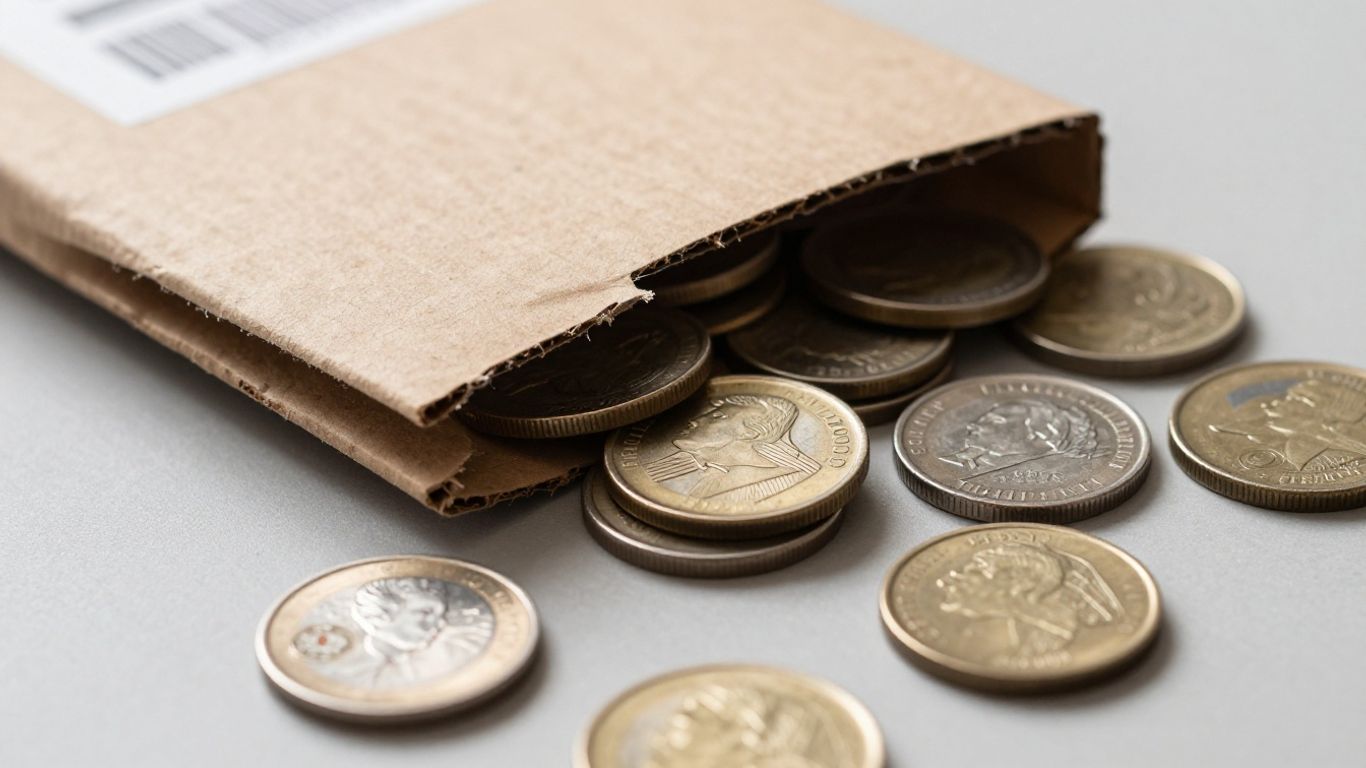
When it comes to keeping your coin collection safe, the way you store it is just as important as the holder itself. Cardboard holders are a start, but they aren’t the end of the story. You need to think about the environment your coins are in and how they’re being kept.
Climate-Controlled Environments
Coins, especially those in cardboard holders, don’t do well with wild temperature swings or damp air. Think about it like this: if you were uncomfortable, your coins probably are too. Fluctuations can cause metal to expand and contract, and moisture is a direct path to corrosion and those nasty green spots. A stable environment is key to long-term preservation.
- Temperature: Aim for a consistent temperature, ideally between 65-75°F (18-24°C). Avoid places like attics or garages where temperatures can get extreme.
- Humidity: Keep humidity levels low, generally between 30-50%. Too much moisture is a coin’s worst enemy.
- Airflow: Good air circulation helps prevent stagnant pockets of humid air from forming around your collection.
If your home has significant temperature or humidity issues, consider a climate-controlled storage unit. These places are designed to maintain a steady environment, offering a great layer of protection for valuable items.
Secure Display Cases
While cardboard holders protect individual coins, the overall collection needs a secure home. Display cases can be great, but you need to choose wisely. Some cases might look nice, but they could be made of materials that actually harm your coins over time. Look for cases made with archival-quality materials that won’t off-gas harmful chemicals. This is especially important if you’re displaying coins that are particularly sensitive, like older silver pieces. A good display case not only protects from dust and accidental bumps but also keeps your collection visible and organized.
The goal is to create a protective bubble around your coins, shielding them from the everyday wear and tear of the world. This means thinking about everything from the air they breathe to the light they’re exposed to.
Organized Shelving and Bins
Once you have the right environment, organization becomes the next step. Stacking cardboard holders haphazardly can lead to crushing or tearing. Using sturdy shelving units designed for storage can keep your collection off the floor and prevent items from being piled too high. Bins can be useful for grouping smaller batches of coins or related supplies. Make sure any bins you use are made from inert plastics, not materials that could leach chemicals. Labeling everything clearly is also a big help, so you don’t have to rummage through your collection every time you need to find something specific. This reduces handling and the risk of accidental damage. For more delicate items, consider using acid-free trays within your bins or shelves to provide an extra layer of support and separation.
Handling and Transportation Safeguards
When it comes to keeping your coins safe, how you handle and move them is just as important as the holders you choose. Even the best coin holders can fail if they’re not treated with care during transit or when you’re just moving them around.
Gentle Handling Techniques
Always use soft cotton gloves when handling coins and their holders to avoid transferring oils and dirt from your skin. This might seem like overkill, but it really makes a difference in keeping your collection pristine. Think of it like this: you wouldn’t want to smudge a masterpiece, right? The same applies to your coins. Avoid touching the coin’s surface directly. Instead, handle them by their edges. For cardboard holders, be mindful of the corners and edges; they can bend or tear more easily than you might think. If a holder feels weak or shows signs of damage, it’s best to support it from underneath when moving it.
Secure Packing for Transit
Moving your collection, whether across town or just to a different room, requires careful packing. For cardboard holders, it’s wise to use a secondary layer of protection. Consider placing individual holders into small, acid-free plastic sleeves or envelopes before putting them into a larger box. This adds a buffer against tears and moisture. When packing multiple holders, use dividers or create compartments within your box to prevent them from rubbing against each other. Packing peanuts or crumpled acid-free paper can fill any empty space, stopping the holders from shifting around during transport. For valuable collections, using a sturdy, double-walled box is a good idea. Remember, proper packing materials can make a world of difference.
Avoiding Direct Contact During Moves
During any move, especially a larger one, it’s easy for items to get jostled. Coins in cardboard holders are particularly vulnerable to this. Try to keep your coin collection separate from other, heavier items that might shift and crush them. If possible, transport your coin collection yourself in your own vehicle, rather than entrusting it to movers who might not understand the delicate nature of your treasures. If you must use movers, clearly label the boxes containing your coins with “Fragile” and “Handle With Care,” and indicate which side is up. It’s also a good practice to keep a detailed inventory list of your collection before packing, so you know exactly what you have and can check it off as it’s safely unpacked. This helps in case anything gets misplaced or damaged.
The goal with handling and transport is to minimize any stress or pressure on the cardboard holders and the coins within. Think of it as a gentle journey for your collection, where every step is taken with caution and foresight.
Identifying Compromised Holders
It’s easy to forget about the little cardboard holders once your coins are tucked away, but they aren’t always as inert as they seem. Over time, these simple enclosures can start to show their age, and sometimes, that aging process can put your collection at risk. Being able to spot a holder that’s seen better days is pretty important for keeping your coins in good shape.
Signs of Moisture Damage
Moisture is a coin collector’s nemesis, and cardboard holders can be a gateway for it. If you notice any discoloration, like brown spots or a general darkening of the cardboard, it’s a strong indicator that moisture has been present. Sometimes, the cardboard might feel a bit soft or even slightly damp to the touch, which is definitely a red flag. You might also see a white, powdery residue, which can be mold or mineral deposits left behind after water has evaporated. Any sign of dampness or staining on the holder warrants a closer look at the coin itself.
Visible Wear and Tear
Cardboard is, well, cardboard. It can tear, fray, and generally fall apart with enough handling or time. Look for edges that are becoming ragged or corners that are starting to peel away. If the slot holding the coin is widening or looks like it’s about to give way, that’s a problem. Staples, if present, can also rust or loosen, potentially scratching the coin. Sometimes, the holder might just look generally flimsy, like it couldn’t withstand even a gentle bump.
Discoloration and Staining
Beyond just moisture, cardboard can discolor for other reasons. Acids within the cardboard itself can break down over time, leading to yellowing or browning. This process can transfer to the coin, causing what’s known as ‘cardboard toning’ or spotting. Even if the holder doesn’t feel damp, significant discoloration means the material is degrading. This degradation can release chemicals that aren’t good for your coins in the long run. It’s a good idea to check your collection periodically for these visual cues, as they can signal the need for new coin flips or other protective measures.
Keeping an eye on your coin holders is part of the hobby. They might seem simple, but their condition directly impacts the safety of your coins. Regular inspection is key to preventing potential damage before it becomes serious.
When to Upgrade Your Coin Storage
It’s easy to get comfortable with your current coin storage setup, especially if it’s been working for a while. But sometimes, comfort can lead to overlooking signs that your collection might be at risk. Recognizing when it’s time to move on from those old cardboard holders is key to protecting your numismatic treasures.
Recognizing Irreversible Damage
Sometimes, the damage is already done, and it’s pretty obvious. If you’re seeing any of these issues, it’s a clear signal that an upgrade is needed immediately:
- Visible corrosion or pitting on the coin surface: This is a serious sign of chemical reactions, often from acidic materials or contaminants. Once this happens, it’s usually permanent.
- Significant discoloration or staining on the coin: While some toning can be desirable, dark, splotchy, or unnatural-looking stains often indicate a problem with the holder or the environment.
- Mold or mildew growth on or within the holder: This is a direct result of excessive moisture and can spread to other items in your collection.
- Deep scratches or gouges on the coin: These can happen from rough handling, poor-quality holders, or coins shifting within a compromised holder.
The Value of Preservation
Think about the long game. Cardboard holders, especially older ones, are not designed for indefinite protection. They can break down, leach chemicals, or simply fail structurally over time. Investing in better storage isn’t just about aesthetics; it’s about safeguarding the historical and monetary value of your coins. Proper storage solutions can prevent issues like:
- Acidic leaching: Many older cardboard holders contain acids that can slowly eat away at the metal of your coins.
- Environmental contamination: Dust, pollutants, and moisture can easily penetrate flimsy cardboard, leading to tarnishing and corrosion.
- Physical degradation: The cardboard itself can become brittle, tear, or warp, exposing the coins to damage.
Making the switch to archival-quality materials might seem like an expense, but it’s a proactive measure that can save you far more in the long run by preventing costly damage to your collection. It’s about peace of mind knowing your coins are protected by materials designed for longevity.
Investing in Archival Quality
So, what does “archival quality” actually mean for coin storage? It means using materials that are inert, meaning they won’t react chemically with your coins. It also means using materials that are structurally sound and provide a good barrier against environmental factors. Consider these options:
- Individual inert plastic capsules: These provide excellent protection against scratches, environmental exposure, and physical damage. Many collectors prefer these for their clarity and durability.
- Acid-free, lignin-free paper envelopes or folders: For less valuable coins or for temporary storage, these can be a step up from standard cardboard, but they still offer less physical protection than capsules.
- Specialized coin storage boxes with inert foam: These boxes are designed to hold individual coins or coin flips securely, preventing movement and offering a good level of protection, especially when stored in a stable environment. You can find these designed for various numismatic items.
Upgrading your storage is a proactive step that shows respect for your collection and its potential future value. Don’t wait until you see irreversible damage; make the change now to ensure your coins remain in the best possible condition for years to come. This commitment to proper care and storage is what separates a casual hobbyist from a serious collector.
Final Thoughts on Cardboard Coin Holders
So, we’ve talked about how those simple cardboard coin holders, while common, might not be the best long-term home for your valuable coins. They can degrade over time, potentially harming your collection. It’s really about giving your coins the protection they deserve, especially if they’re worth something or hold sentimental value. Taking a little extra time to use acid-free materials or better quality holders can make a big difference down the road. Think of it as a small investment now to avoid a much bigger headache later. Your coins will thank you for it, and you can rest easier knowing they’re safe.
Frequently Asked Questions
Why are cardboard coin holders not ideal for long-term coin storage?
Cardboard holders, while common, can harm your coins over time. They might contain acids or chemicals that can cause coins to tarnish or become discolored. Also, cardboard isn’t very strong and can easily get damaged by moisture or pressure, putting your coins at risk.
What are the main environmental dangers to coins stored in cardboard holders?
The biggest worries are moisture and humidity. Cardboard soaks up water easily, which can lead to rust or corrosion on your coins. Big changes in temperature can also affect the cardboard and potentially harm the coins inside. Bright light can also fade any labels or damage the coins themselves.
How can physical damage happen to coins in cardboard holders?
Cardboard isn’t very sturdy. If boxes get stacked too high or something heavy is placed on them, the cardboard can crush, bending or scratching your coins. The edges of the cardboard can also tear, weakening the holder and exposing the coin to more harm.
Are there chemicals in cardboard that can hurt my coins?
Yes, some cardboard is made using acids or other chemicals that aren’t good for metal. Over time, these can seep into the coin and cause damage, like dark spots or a dull finish. This is called ‘off-gassing’ and can contaminate your collection.
What are better alternatives to cardboard coin holders?
For safer storage, look for holders made from ‘acid-free’ materials. These are specifically designed not to harm coins. Many collectors also use plastic sleeves or capsules made of inert materials like Mylar or polystyrene, which offer better protection.
How should I store my coins if I'm worried about cardboard holders?
Keep your coins in a stable environment. A place with consistent temperature and low humidity is best. Storing them in protective boxes or display cases, away from direct sunlight and potential spills, will help keep them safe.
What signs should I look for to know if my cardboard coin holders are failing?
Check for any signs of moisture, like dampness or warping of the cardboard. Look for tears, crushing, or discoloration on the holder itself. Stains or spots on the coin window or the coin might also indicate a problem with the holder.
When is it time to replace my old cardboard coin holders?
If you notice any damage, discoloration, or signs of chemical reactions on the holder or coin, it’s definitely time to upgrade. Protecting valuable or rare coins is important, so investing in archival-quality storage is a wise choice to preserve their condition and worth.