
So, you’ve got some coins you want to keep safe for a long time? It’s not as simple as just tossing them in a drawer. You need the right stuff to make sure they don’t get damaged or lose their value. We’re talking about archival quality coin storage materials here. These are special supplies designed to protect your coins from all sorts of bad stuff, like moisture, air, and even harmful chemicals. Picking the right materials is pretty important if you want your collection to stick around and stay looking good for years to come. Let’s break down what you need to know.
Key Takeaways
- Using archival quality coin storage materials is vital for preventing damage and preserving the value and condition of your coins over the long haul.
- Always opt for materials that are inert and free from harmful chemicals like PVC, which can degrade your coins.
- Different types of storage exist, from individual capsules for prized pieces to albums for organized collections, so choose based on your needs.
- Environmental factors like temperature, humidity, and light exposure play a big role; control these to help your coins last.
- Consider both the security of your storage solution and the specific needs of the coins you are storing, especially for rare or valuable items.
Understanding Archival Quality Coin Storage Materials
The Importance of Preserving Your Numismatic Legacy
When you start collecting coins, it’s easy to get caught up in the thrill of the hunt. Finding that rare piece or completing a series feels great. But what happens after you’ve got it? If you’re just tossing them into a drawer or a shoebox, you might be doing more harm than good. Proper storage is just as important as finding the coin itself. Think of it like this: you wouldn’t frame a priceless painting in a cheap, flimsy frame, right? Your coins deserve the same level of care. They’re not just metal discs; they’re pieces of history, and their condition directly impacts their worth and their story. Over time, even seemingly harmless elements can cause damage. We’re talking about fingerprints, air, moisture, and even the materials the coin touches. All these things can lead to tarnishing, corrosion, or scratches that can’t be undone. This is where archival quality materials come into play. They are specifically designed to protect your coins without introducing new problems.
Why Proper Storage Matters for Coin Value
Let’s be blunt: damaged coins are worth less. A coin that’s been scratched, tarnished, or chemically altered by its holder will fetch a lower price than a pristine example. Even minor imperfections can significantly reduce a coin’s market value. For instance, a coin might look okay to the naked eye, but if it’s been stored in a holder that leaches chemicals, it could develop a hazy film or even pitting over time. This is especially true for coins made of more reactive metals like silver. The goal of archival storage is to prevent these issues before they start. It’s about maintaining the coin’s original condition, or ‘state of preservation,’ for as long as possible. This means using materials that are inert, meaning they won’t react with the coin’s metal. It also means protecting them from environmental factors that can cause deterioration. Investing in good storage now can save you a lot of money down the road, especially if your collection grows in value.
Safeguarding Your Treasures from Environmental Damage
Coins are constantly exposed to their surroundings, and those surroundings can be surprisingly harsh. Things like humidity, temperature fluctuations, and even light can take a toll. High humidity, for example, is a major enemy of silver coins, accelerating the tarnishing process. Rapid temperature changes can cause condensation to form, leading to moisture damage. Even prolonged exposure to light can sometimes affect certain coin finishes. Archival storage materials act as a barrier against these environmental threats. They create a stable micro-environment for your coins. This involves using materials that don’t off-gas harmful chemicals and often involves creating a seal that limits exposure to the ambient air. For example, using acid-free cardboard holders that are also PVC-free is a good start. These materials are chosen because they are chemically stable and won’t degrade or react with the coin over time. It’s about creating a safe haven for your collection, protecting it from the everyday elements that can cause irreversible harm.
Essential Components of Archival Coin Storage
Material Safety: Avoiding PVC and Harmful Chemicals
When you’re picking out storage for your coins, the first thing to really pay attention to is what the stuff is actually made of. You don’t want to put your hard-earned collection into something that’s going to wreck it over time. The big bad guy here is PVC, or polyvinyl chloride. It’s a type of plastic that can break down and release chemicals that cause a nasty green or brown residue on your coins. This stuff is often found in cheaper, flexible plastic holders, and it’s a real problem for long-term preservation. Always look for "PVC-free" labels on any storage material you buy. It might seem like a small detail, but it makes a huge difference in keeping your coins looking good for years.
Inert Materials for Long-Term Preservation
Beyond just avoiding PVC, you want materials that won’t react with your coins at all. Think of it like this: you wouldn’t store delicate food in a rusty tin can, right? Same idea applies here. We’re talking about materials that are chemically stable and won’t degrade or off-gas harmful fumes. This is where terms like "archival quality" and "acid-free" come into play. These aren’t just buzzwords; they mean the materials have been tested and are considered safe for long-term contact with sensitive items like coins. This is super important if you’re dealing with coins made of reactive metals like silver or copper, which can tarnish or corrode if exposed to the wrong things. Choosing the right materials is the first step in safeguarding your treasures.
The Role of Mylar, Polyethylene, and Acrylic
So, what should you be looking for? A few materials consistently get the nod from collectors and preservation experts. Mylar (often referred to by its brand name Melinex or Cronar) is a polyester film that’s generally considered safe and inert. Polyethylene, especially high-density polyethylene (HDPE), is another good choice. It’s a common plastic that’s quite stable. Acrylic, often used for hard, clear coin capsules, is also a solid option. It’s rigid, offers good clarity, and is generally non-reactive. These materials provide a protective barrier without introducing damaging chemicals. They’re the building blocks of good coin storage, whether you’re using individual holders or larger display cases.
| Material Type | Common Uses | Safety Notes |
|---|---|---|
| Mylar | Flips, sheets | Inert, PVC-free |
| Polyethylene | Bags, some holders | Stable, non-reactive |
| Acrylic | Capsules, display cases | Rigid, clear, inert |
When selecting storage, think about the coin’s metal composition. Silver coins, for instance, need protection from sulfur compounds that cause tarnishing, while copper coins can develop a patina that some collectors find desirable, but others want to prevent. The storage material should either prevent these reactions or be neutral enough not to interfere with natural aging processes you wish to preserve.
Choosing the Right Archival Holders and Capsules
When it comes to keeping your coins safe and sound, the holder or capsule you pick makes a big difference. It’s not just about keeping them from rolling around; it’s about protecting them from all sorts of environmental nasties that can cause damage over time. Think of these as tiny, personal security guards for each of your coins.
Individual Coin Capsules for High-Value Pieces
For those really special coins, the ones that make your heart skip a beat or represent a significant investment, individual capsules are the way to go. These are usually made from clear, hard plastic like acrylic. They fit snugly around the coin, offering a really good barrier against fingerprints, dust, and even minor scratches. The best capsules are ones that fit the coin perfectly, leaving no extra room for it to move around. This direct-fit approach minimizes the risk of the coin shifting and rubbing against the inside of the capsule. Many collectors prefer these for their top-tier pieces because they offer a clear view while providing robust protection. You can find these in various sizes to match different coin diameters, and some even offer UV protection to prevent fading from light exposure. For a premium feel and top-notch security for your most prized possessions, these are hard to beat. You can explore a wide range of these protective cases, often referred to as lenses, which are designed to preserve coin condition here.
Flip Holders for Frequent Viewing and Moderate Protection
Flip holders, often called 2x2s because of their common size, are a popular choice for a lot of collectors. They’re typically made of cardboard with a clear plastic window, and the coin is placed in a smaller, sealed pocket. They’re great because they’re relatively inexpensive and easy to label with information like the coin’s date, mint mark, or any other notes you might have. However, it’s important to be aware of the materials used. Cheaper cardboard holders can sometimes contain acidic materials that can harm coins over time. Always look for ones that are specifically labeled as archival quality or made from inert materials. They offer a decent level of protection for everyday handling and storage, especially for coins that aren’t considered extremely high-value. They strike a good balance between cost, convenience, and protection for many common coins.
Air-Tite Capsules and Screw Caps for Airtight Security
If you’re really serious about preventing environmental damage, especially from moisture and air, then airtight capsules are worth a look. These are usually two-piece plastic containers, often made of acrylic, that screw together. The tight seal they create is fantastic for long-term preservation. They’re particularly good for coins made of metals that are prone to tarnishing, like silver. Because they seal out air, they can significantly slow down or even prevent the oxidation process. While they might cost a bit more than basic flip holders, the peace of mind they offer for valuable or sensitive coins is often well worth the investment. They provide a very professional look and feel to your collection, making each coin stand out.
When selecting any coin holder or capsule, always prioritize materials that are chemically inert. This means they won’t react with the metal of your coin, which is the most important factor for long-term preservation. Avoid anything that feels sticky, has a strong chemical smell, or is made from materials known to degrade and release harmful substances over time. The goal is to protect, not to inadvertently damage your collection.
Archival Albums and Folders for Organized Collections
Once you’ve got your individual coins protected, the next step is organizing them. This is where archival albums and folders really shine. They’re not just about keeping things tidy; they’re about presenting your collection in a structured way while still keeping it safe from harm. Think of them as the library for your coins.
Ring-Bound Albums for Customization and Expansion
Ring-bound albums offer a lot of flexibility. You can add or remove pages as your collection grows or changes. This means you’re not stuck with a pre-set layout that might not fit your needs down the line. The pages themselves are usually made from sturdy, acid-free cardstock, with slots cut precisely for different coin sizes. This snug fit helps prevent coins from shifting around, which is a big plus for preventing scratches.
- Customizable Layouts: Arrange pages in any order you like.
- Expandable Capacity: Easily add more pages to accommodate new acquisitions.
- Durable Construction: Ring mechanisms are generally robust, and pages are often protected by sturdy covers.
Collectible Folders for Series and Themed Collections
Folders are a bit simpler than ring-bound albums, often designed for specific coin series or themes. They might have pre-printed spaces for every coin in a particular set, like the State Quarters or a run of Lincoln cents. This makes them great for tracking your progress and learning about the coins. The key is to ensure these folders are made from archival-quality materials, meaning they are free from harmful chemicals like PVC that can damage your coins over time.
When selecting folders, always check the material composition. Look for terms like ‘acid-free,’ ‘PVC-free,’ or ‘archival safe.’ This is your first line of defense against long-term damage that might not be visible immediately but can degrade your coins’ condition over decades.
Lighthouse INTERCEPT Technology Albums for Active Protection
Some albums go a step further by incorporating special protective technologies. Lighthouse albums, for instance, sometimes feature what they call INTERCEPT Technology. This is a material integrated into the pages that actively neutralizes corrosive elements in the air. It’s like giving your coins a little shield against tarnishing and environmental decay. These are often a bit pricier, but for valuable or sensitive coins, the added protection can be well worth the investment. You can find a variety of archival-quality coin collection folders and books that offer similar benefits.
| Feature | Benefit |
|---|---|
| INTERCEPT Technology | Actively neutralizes corrosive agents |
| Acid-Free Pages | Prevents chemical reactions with coins |
| Sturdy Covers | Protects against physical damage and dust |
| Precision-Cut Slots | Securely holds coins, prevents movement |
Secure Storage Solutions for Graded and Slabbed Coins
Once your coins have been professionally graded and encapsulated, the next step is to ensure their storage matches this elevated level of protection. These "slabs," as they’re commonly called, offer a robust barrier against environmental factors and handling damage, but they still require appropriate housing to maintain their integrity and value.
PCGS and NGC Slabs for Authenticity and Condition
Professional grading services like PCGS and NGC provide a standardized way to authenticate and assess a coin’s condition. The resulting "slabs" are tamper-evident, sonically sealed holders made of inert acrylic. This process not only assigns a numerical grade but also protects the coin from fingerprints, environmental contaminants, and physical abrasion. The slab itself becomes a significant part of the coin’s protective layer. While the grading process itself can be a point of discussion among collectors, the security and preservation offered by the slab are generally well-regarded for high-value pieces. Some collectors have had experiences where the grading process didn’t meet expectations, but the physical protection of the slab remains a constant.
Storage Boxes Designed for Graded Coin Slabs
Standard coin boxes won’t do for these encapsulated treasures. You need specialized storage solutions designed to hold the specific dimensions of graded slabs. Many manufacturers offer boxes that fit PCGS and NGC slabs snugly, preventing them from shifting or rubbing against each other. These boxes are often made from sturdy materials like cardboard or plastic and are designed for easy stacking. Look for boxes that are acid-free and have a snug fit to minimize movement. Some boxes are even designed to fit within larger safes or cabinets, adding another layer of security.
- Material: Opt for acid-free cardboard or durable plastic.
- Fit: Ensure the box is designed for graded slabs and holds them securely.
- Stackability: Boxes that stack well save space and maintain organization.
- Ventilation: While slabs are sealed, some boxes offer minimal ventilation to prevent internal condensation in extreme conditions.
Tetra Snaplock Holders for Secure Coin Encapsulation
Beyond the professional slabs, some collectors prefer additional layers of security or a different aesthetic for their coins, even if not professionally graded. Tetra Snaplock holders are a popular choice for this. These are clear, rigid plastic holders that snap shut securely, creating a tight seal. They are made from inert polystyrene, meaning they won’t react with the coin’s metal over time. Their crystal-clear design allows for excellent visibility, and the snap-lock mechanism is a user-friendly alternative to adhesives that could potentially harm a coin. They offer a good balance between protection and accessibility for coins that haven’t been slabbed by a major grading service.
Storing coins in these secure holders, whether professionally slabbed or in robust individual capsules, is a proactive step. It means your collection is better protected against accidental damage, environmental fluctuations, and the general wear and tear that can occur over time. This attention to detail is what separates casual collecting from serious numismatic preservation.
These specialized storage solutions are key to maintaining the condition and value of your graded coins. They provide peace of mind, knowing your investments are well-protected. For those with significant holdings, considering professional grading services like PCGS or NGC is often the first step before investing in the appropriate storage.
Advanced Protection: Safes, Vaults, and Specialized Cases
Fireproof and Waterproof Safes for Irreplaceable Coins
When you’ve got coins that are truly irreplaceable, maybe heirlooms or pieces with serious historical weight, just a regular box isn’t going to cut it. That’s where safes come in. Think of them as the ultimate guardians for your most prized numismatic possessions. These aren’t your average home safes; they’re built tough. We’re talking about units specifically designed to withstand extreme heat for a set amount of time, often with a fire rating like "Class 350" which means the interior stays below 350°F for up to an hour. Many also offer water resistance, protecting your coins from flood damage or even just a burst pipe.
- High-Security Locking: Most come with robust locks – combinations, key locks, or even biometric scanners.
- Internal Organization: Inside, you’ll often find customizable shelves or trays, sometimes with foam padding, to keep everything neat and prevent coins from rattling around.
- Environmental Shielding: Beyond fire and water, they block out humidity, dust, and big temperature swings, which are all bad news for metal.
These safes are a big investment, no doubt about it. They’re heavy, take up space, and might need bolting down. But for that one-of-a-kind coin or a collection you plan to pass down through generations, the peace of mind is pretty significant. It’s like having a personal vault right in your home.
For truly valuable collections, combining secure storage with proper insurance documentation is a smart move. It covers all your bases.
Pelican Waterproof Cases for Robust Security
If you’re moving your collection around, maybe to shows, grading services, or just between storage locations, you need something that can take a beating. Pelican cases are practically legendary for their toughness. They’re built like tanks – waterproof, dustproof, and crushproof. Seriously, they’re often used by military and emergency services, so they can handle pretty much anything you throw at them. The real magic is the customizable foam interior. You can cut out shapes to perfectly fit individual coins, slabs, or rolls, making sure nothing shifts during transit. This level of protection is fantastic for safeguarding coins during travel or if you live in an area prone to severe weather. While they might be overkill for coins just sitting in your study, for active collectors or those who need to transport valuable items, they’re a top-tier choice.
Professional Vault Services for Extensive Collections
For collectors with truly massive or exceptionally valuable holdings, sometimes the best option isn’t keeping everything at home. Professional vault services offer a level of security and environmental control that’s hard to match. These facilities are designed from the ground up for asset protection, often featuring:
- Advanced Security: Multiple layers of physical security, surveillance, and access control.
- Climate Control: Precise regulation of temperature and humidity, which is vital for long-term preservation, especially for sensitive metals like silver. You can find services that offer climate-controlled vault storage.
- Insurance: Typically, these services come with comprehensive insurance coverage for your stored assets.
- Accessibility: While highly secure, many vaults offer convenient online access and scheduled retrieval options.
This route is usually for serious investors or those with collections that represent a significant portion of their net worth. It’s the ultimate in safeguarding against theft, disaster, and environmental degradation, offering unparalleled peace of mind for extensive numismatic treasures.
Storage Considerations for Specific Coin Types
Protecting Silver Coins from Tarnishing
Silver coins, as many collectors know, have a tendency to tarnish. This happens when silver reacts with sulfur compounds in the air, creating a dark layer on the surface. It’s not just about looks, either; heavy tarnish can sometimes be difficult to remove without risking damage to the coin itself. The key to preventing this is minimizing exposure to the elements that cause it.
For silver coins, especially those like American Silver Eagles or older silver dollars, using truly airtight containers is a good idea. Materials like Mylar or polyethylene, when used in quality capsules or holders, can create a barrier. Some collectors also opt for specialized coin tubes designed for silver coins, which often come with features to help manage the environment inside. It’s also worth noting that keeping your storage area dry is a big help. High humidity speeds up the tarnishing process.
- Use inert, archival-quality capsules or holders.
- Store in a location with stable, low humidity.
- Avoid direct contact with materials that might off-gas sulfur compounds.
Keeping silver coins in a controlled environment, away from airborne pollutants and moisture, is the best defense against tarnishing. Even small amounts of sulfur can start the process, so a good seal on your storage is important.
Storing Larger Denominations in Tubes and Albums
When you’ve got coins that are bigger than average, like half dollars or even larger commemorative pieces, standard small holders might not be the best fit. They can end up rattling around, increasing the risk of scratches or dings. This is where coin tubes and appropriately sized albums come into play. Coin tubes are great for keeping multiple coins of the same size together, offering a snug fit that prevents movement. They’re often made of sturdy plastic and can be stacked or stored in specialized boxes. BCW coin storage solutions include various tube options for this purpose.
Albums designed for larger coins also work well. These usually have larger slots or pockets that can accommodate the dimensions of these denominations without forcing them. It’s important to make sure the album pages themselves are made from archival materials, so they don’t cause any harm over time. Think of it like giving each coin the right-sized bed to sleep in – it just makes sense for their protection.
Tailoring Storage for Rare and High-Value Coins
For coins that are particularly rare or have a significant monetary value, the storage approach needs to be more robust. These aren’t just everyday pocket change; they’re often key pieces in a collection, and their condition directly impacts their worth. For these treasures, individual, high-security capsules are often the go-to. These are typically made from acrylic or similar inert materials and provide a very secure, clear view of the coin. Many collectors choose to have these high-value coins professionally graded and slabbed by services like PCGS or NGC. The resulting plastic slabs offer excellent protection and authentication. Acid-free cardboard and plastic holders are a minimum requirement, but for truly valuable items, you’ll want to go a step further.
Beyond the individual holder, consider the overall storage environment. A safe deposit box at a bank offers a secure, climate-controlled space away from your home. Alternatively, a high-quality home safe, preferably fireproof and waterproof, can provide immediate access while still offering significant protection. The goal is to create multiple layers of security, both physical and environmental, to safeguard these irreplaceable pieces of history.
Environmental Controls for Optimal Coin Longevity
Keeping your coins in good shape for years to come really comes down to controlling their surroundings. It’s not just about the holders; it’s about the air, the light, and the general atmosphere where you keep them. Think of it like creating a mini-climate for your collection.
Maintaining Stable Temperature and Humidity Levels
Temperature and humidity are probably the biggest environmental factors affecting coins. Big swings in either can cause problems. For instance, high humidity can lead to tarnishing, especially on silver and copper coins. Too much moisture can even encourage mold growth on older paper elements in some storage.
- Ideal Range: Aim for a consistent temperature, generally around 70°F (21°C).
- Humidity Control: Keep relative humidity between 40% and 50%. Fluctuations are worse than a slightly higher or lower level if they are constant.
- Avoid Extremes: Steer clear of places like attics, basements, garages, or near heating vents and windows where temperatures and humidity can change rapidly.
Fluctuations in temperature and humidity are the silent enemies of coin preservation. They can cause metals to expand and contract, leading to stress, and can create condensation that accelerates corrosion. A stable environment is key.
Controlling Moisture with Silica Gel Packs
Silica gel packs are your friends when it comes to managing humidity. These little packets absorb moisture from the air. You’ll want to place them in your storage containers or the room where your coins are kept. It’s important to remember they aren’t a permanent solution; they get saturated and need to be reactivated or replaced.
- Placement: Put them in sealed containers with your coins or in larger storage cabinets.
- Reactivation: Most silica gel packs can be dried out in an oven at a low temperature (check the manufacturer’s instructions) and reused.
- Monitoring: Check them periodically. If they feel heavy or don’t seem to be absorbing moisture anymore, it’s time to reactivate them. For a more active approach to humidity control, consider specialized coin storage solutions.
Minimizing Light Exposure to Prevent Fading
Light, especially direct sunlight and some artificial lights, can be harmful over time. It can cause toning on coins, fade labels on holders or albums, and even degrade some packaging materials. The goal is to keep your coins in a dark place when they aren’t being viewed.
- Avoid Direct Sun: Never store coins in a location that gets direct sunlight, even for a short period.
- Limit Artificial Light: While not as damaging as sunlight, prolonged exposure to strong artificial lights can still have an effect. Consider UV-filtering sleeves for any display items.
- Dark Storage: Use opaque containers or store albums and boxes in drawers or cabinets. This simple step significantly reduces light exposure and helps maintain the coin’s original appearance.
Budget-Friendly Archival Quality Coin Storage Materials
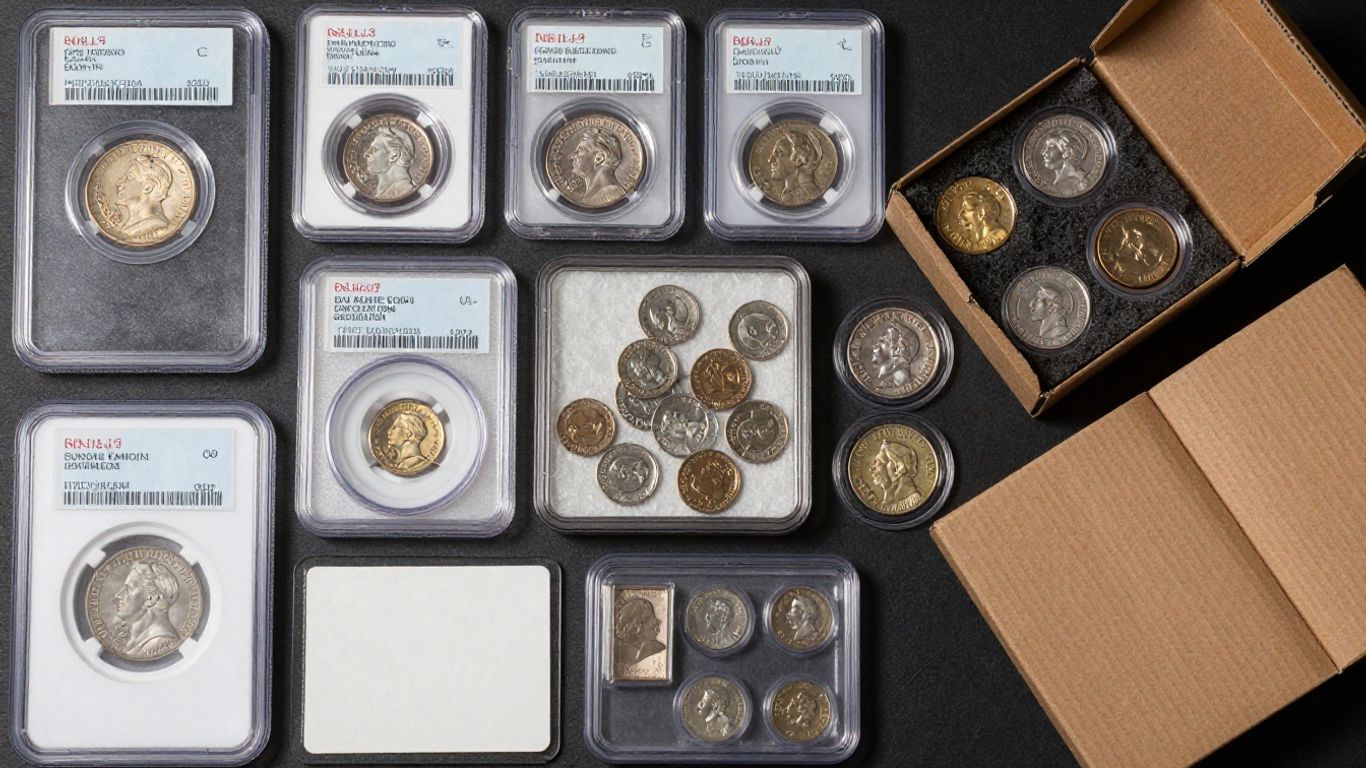
You don’t need to break the bank to keep your coins safe. There are plenty of good options out there that won’t cost a fortune but still offer decent protection. It’s all about finding that sweet spot between price and preservation.
BCW Coin Storage Boxes for Bulk Collections
For those with a lot of coins, especially more common ones, BCW boxes are a real lifesaver. They’re made of sturdy cardboard, and honestly, they hold up pretty well. You can stack them, which is great for saving space. They’re not exactly high-tech, but they do a good job of keeping dust off and preventing minor dings when you’re just moving them around. They’re a go-to for organizing large quantities without a big expense. If you’re just starting out or have a bunch of circulated coins, these are a solid choice. You can find them in various sizes, too, so you can match them up with how many coins you have. They’re a practical way to keep things tidy.
2x2 Cardboard Holders for Basic Organization
These little guys are super popular, and for good reason. They’re small cardboard squares with a clear window, usually made of Mylar. You just fold them in half around your coin and staple them shut. It’s a simple system, but it works. Each one gives your coin its own little space, and you can write on the cardboard part to label it – super handy for knowing what’s what. They offer basic protection against fingerprints and minor scratches. While they aren’t airtight or anything fancy, they’re perfect for keeping individual coins organized and easy to look through. Many collectors use these for everyday coins or for coins they plan to trade or sell soon. You can get a big pack of these for pretty cheap, making them a great way to start organizing your collection without spending much. They’re a good step up from just tossing coins into a jar.
Affordable Albums and Folders for Beginners
When you’re just getting into collecting, especially if you’re focusing on a specific series like state quarters or presidential dollars, these albums are fantastic. They usually have pre-cut slots for each coin in the series. You just pop the coin in, and it stays put. It makes your collection look really neat and organized. Some of these are more like folders, while others are ring-bound, letting you add pages as you find more coins. The materials are generally acid-free, which is important for long-term storage. They offer a nice visual way to see your progress and are much better than loose coins. They’re not the most heavy-duty protection, but for beginners, they provide a good balance of affordability, organization, and basic preservation. It’s a satisfying way to build a collection and see it grow.
It’s easy to think that good coin storage has to be expensive, but that’s just not true. You can find materials that offer real protection and organization without emptying your wallet. The key is to know what level of protection your coins actually need and to choose products made from safe, inert materials. Even simple cardboard holders and basic albums can make a big difference in keeping your coins looking good for years to come.
Integrating Archival Storage with Collection Security
So, you’ve got your coins tucked away in all the right archival holders and capsules. That’s a fantastic start, really. But what about keeping them safe from, well, everything else? It’s not just about preventing tarnish or scratches anymore; we’re talking about theft, accidental damage, and even bigger disasters. Think of it like this: you wouldn’t just leave your car keys lying around, right? Your coin collection deserves a similar level of thought when it comes to security.
Documentation and Inventory for Insurance
First things first, you need to know exactly what you have. Keeping a detailed list, or inventory, of your coins is super important. This isn’t just for your own peace of mind; it’s absolutely vital if you ever need to file an insurance claim. You’ll want to include:
- Coin Description: What is it? (e.g., Morgan Silver Dollar, 1921-S)
- Condition/Grade: If you know it, jot it down. Even a general description helps.
- Purchase Date and Price: When and where did you get it?
- Photographs: Clear pictures from both sides are a must. This is where having good lighting and maybe even cotton gloves for handling comes in handy.
- Unique Identifiers: Any serial numbers on slabs, or specific marks.
This list becomes your proof. Without it, proving ownership and value after a loss can be incredibly difficult. It’s also a good idea to store this inventory separately from your collection, maybe in a safe deposit box or a secure cloud service. This way, if something happens to your home, your inventory is still safe.
Physical Security Measures Beyond Storage
Your archival holders are great for preservation, but they don’t stop a determined thief. You need to think about where you’re keeping those holders. For most people, a sturdy, lockable cabinet or a small home safe is a good first step. If you have a more valuable collection, you might consider a fireproof and waterproof safe. These offer a good balance of protection against both theft and environmental hazards. For those with truly extensive collections, or extremely high-value pieces, looking into professional vault services might be the way to go. They offer the highest level of security, often with climate control and insurance included, though it does come with a higher cost.
The goal is to create layers of security. Your archival materials protect the coins themselves, while physical security measures protect the materials and the coins within them from external threats. It’s about making your collection as inaccessible and unappealing to potential threats as possible.
Discreet Storage to Reduce Risk
Sometimes, the best security is simply not advertising what you have. Avoid storing your entire collection in an obvious place, like a desk drawer in a home office that’s easily accessible. If you have a safe, make sure it’s not prominently displayed. Consider integrating your storage into your home in a less conspicuous way. For example, a safe can be hidden behind a piece of furniture or even built into a wall. The less obvious your collection is, the less likely it is to be a target. This is especially true if you live in an area where break-ins are more common. Remember, even the best archival-safe plastics won’t help if the holder is stolen before it can do its job.
Wrapping Up Your Coin Storage Journey
So, we’ve talked a lot about keeping your coins safe and sound. It might seem like a lot of detail, but really, it all comes down to picking the right stuff to put them in. Whether you’ve got a few old pennies or a whole pile of silver dollars, using materials that won’t mess them up is the main thing. Think of it like this: you wouldn’t store your favorite photos in a leaky old box, right? Same idea here. Taking a little time now to get good storage means your coins will be around for a long, long time, looking just as good as they do today. It’s a simple step that makes a big difference for your collection’s future.
Frequently Asked Questions
Why is using special materials important for storing coins?
Using special materials, often called archival quality, is super important because regular materials can actually harm your coins over time. Things like certain plastics or cardboard can release chemicals that cause coins to tarnish or corrode. Archival materials are made to be safe and won’t react with the metal of your coins, helping to keep them in the best possible condition for a very long time.
What are some common harmful materials I should avoid when storing coins?
You should definitely steer clear of anything containing PVC (polyvinyl chloride), which is a type of plastic found in some older vinyl holders or even some cheap plastic bags. It can turn sticky and green, damaging your coins. Also, avoid regular rubber bands, paper clips, or even regular cardboard that isn’t labeled as acid-free, as they can cause scratches or chemical reactions.
What are the best types of holders or capsules for individual coins?
For valuable or special coins, individual holders are a great choice. Options include hard plastic capsules like Air-Tite or screw-top types, which offer excellent protection from air and handling. Another popular choice is the 2×2 holder, which is a cardboard frame with a clear window, but make sure it’s acid-free and PVC-free. For graded coins, they come in their own protective slabs.
How can I store a larger collection of coins without breaking the bank?
For larger collections, you can still use archival-quality materials without spending a fortune. Simple cardboard 2×2 holders are very affordable for organizing many coins. You can also use archival-quality coin albums or folders, which are designed to hold multiple coins in labeled slots. Storage boxes made from sturdy, acid-free cardboard, like those from BCW, are also great for bulk storage.
What's the best way to protect silver coins from tarnishing?
Silver coins are especially prone to tarnishing. The best way to protect them is by storing them in airtight containers that block out moisture and air. This means using high-quality, inert plastic capsules or holders that seal well. Some specialized albums, like those with Lighthouse INTERCEPT Technology, actively absorb harmful gases that cause tarnish, offering an extra layer of protection.
How important is controlling the temperature and humidity for coin storage?
Controlling temperature and humidity is extremely important for keeping coins in good shape over the long haul. Big changes in temperature or too much moisture can cause coins to develop spots, tarnish, or even corrode. It’s best to keep your coins in a place with a steady temperature and humidity level, ideally around 40-50% humidity. Using silica gel packs can help manage moisture in enclosed storage areas.
What should I do if I have very rare or valuable coins?
For extremely rare or valuable coins, you’ll want to use the highest level of protection. This usually means individual, high-quality capsules or having them professionally graded and slabbed by companies like PCGS or NGC. For truly irreplaceable pieces, consider storing them in a fireproof and waterproof safe at home, or even looking into professional vault services for the ultimate security and environmental control.
Can I just use regular plastic bags to store my coins?
No, it’s strongly advised not to use regular plastic bags. Most common plastic bags are not made with archival-safe materials and can contain harmful chemicals, especially PVC, that will damage your coins over time. They can also get brittle and tear easily, offering little protection. It’s always best to invest in materials specifically designed for coin storage.