
Thinking about selling your old Canadian coins? San Antonio has a market for them, and you want to make sure you get a fair price. Whether you have a few old dimes or a big bag of quarters, knowing where to start can make a big difference. This guide will help you figure out what your coins are worth and where to find the best cash for Canadian coins San Antonio offers.
Key Takeaways
- Understand what makes a silver coin valuable, focusing on pre-1965 Canadian coins often called ‘junk silver’.
- Explore local coin dealers, online options, and coin shows in San Antonio as places to sell Canadian coins.
- Research current silver prices and compare offers from different buyers to get the most cash for your Canadian coins.
- Pre-1965 dimes, quarters, half dollars, and silver dollars are commonly sought after Canadian coinage.
- Avoid common selling mistakes like rushing, accepting low offers, or not checking a buyer’s reputation when selling Canadian coins in San Antonio.
Discover Local Coin Dealers For Canadian Coins San Antonio
When you’re looking to sell Canadian coins, especially those with silver content, finding the right local buyer in San Antonio can make a big difference. It’s not just about getting a price; it’s about a smooth transaction with someone you can trust. San Antonio has a few places where you can take your coins, and knowing a bit about them beforehand helps.
Texas Coins: A Longstanding San Antonio Coin Buyer
Texas Coins, located at 950 NE Loop 410, San Antonio, TX 78209, has been around since 1988. They buy coins that were made before 1964. You don’t need an appointment to visit them; they’re open Monday through Thursday from 10 am to 4 pm. This makes them a pretty accessible option if you want to stop by.
San Antonio Coin Company: Scheduling Your Appointment
Steve Petrik, who runs the San Antonio Coin Company, prefers to meet by appointment. If you have coin collections or estate items you’re looking to sell, it’s best to reach out to him first. You can call or text him at 210-838-4764 to set up a time to meet. This personal approach can sometimes lead to a more focused evaluation of your items.
Why Choose San Antonio Coin Dealers?
Working with local dealers offers several benefits. For starters, they often have a good grasp of the coin market right here in San Antonio. This means they can give you a quick assessment and an offer without much delay. Plus, meeting in person means you can see your coins being evaluated, which adds a layer of comfort.
- Convenience: Transactions can often be completed on the spot, saving you the hassle of shipping.
- Expertise: Many dealers have years of experience and can identify coins that might have collector value beyond their silver content.
- Trust: Building a relationship with a local buyer can lead to fair dealings, especially if you plan to sell more coins in the future.
When selling coins, especially those with silver, it’s wise to get a few opinions. This helps you understand the range of offers and ensures you’re getting a fair deal. Don’t feel pressured to accept the first offer you receive.
If you’re looking for a place that buys U.S. coins and pre-1957 paper currency, Harry’s Coins and Jewelry is another established dealer in the area.
Understanding The Value Of Your Canadian Coins
Researching Current Silver Prices
Before you even think about talking to a coin dealer, it’s a good idea to get a general sense of what silver is worth right now. The price of silver changes daily, sometimes even by the hour, based on what’s happening in the global markets. You can easily find this information online by searching for "spot silver price." This will give you a baseline for the raw material value of your coins. Keep in mind that this is the price for pure silver, and your coins likely won’t be pure silver.
Understanding Valuation Methods
When you bring your Canadian coins to a buyer, they’ll look at a couple of things to figure out what they’re worth. For many older Canadian coins, especially those made before 1968, their value is mostly tied to the amount of silver they contain. This is often called "melt value." Buyers will weigh your coins and calculate their worth based on the current silver price, then take a small cut for their time and effort. However, some coins might be worth more than just their silver content if they’re rare, in excellent condition, or have special collector appeal. This is known as numismatic value.
- Melt Value: Based on the current price of the silver content in the coin.
- Numismatic Value: Based on the coin’s rarity, condition, historical significance, and collector demand.
- Combined Value: Often, the final offer is a mix of both melt and numismatic value.
The Value Of Pre-1965 Coinage
Many older Canadian coins, particularly dimes, quarters, and half-dollars minted before 1968, are made with 80% silver (or 90% silver for some earlier issues). These coins are often grouped together and sold based on their silver content. While they might not have a lot of collector appeal on their own, their silver content makes them desirable for those looking to invest in silver. The exact silver content can vary slightly depending on the year and denomination, but this pre-1965 group is generally what people refer to when they talk about selling silver coins for their metal worth.
It’s important to remember that cleaning your coins can actually decrease their value, especially if they have any numismatic potential. Let the buyer handle any cleaning if they deem it necessary.
Here’s a quick look at common silver purities:
| Purity Standard | Description |
|---|---|
| 80% Silver | 80% silver, 20% other metals (common in Canadian coins before 1968) |
| .999 Fine Silver | 99.9% silver, minimal other metals (modern bullion coins) |
| .9999 Fine Silver | 99.99% silver, extremely pure (modern bullion coins) |
Navigating Online Marketplaces For Canadian Coins
Selling your Canadian coins online can open up your options to a much wider audience, potentially reaching buyers from all over the country or even the world. Platforms like eBay allow you to list your coins for sale, where you can set a fixed price or run an auction. While online sales can sometimes fetch higher prices due to increased demand, they also come with their own set of challenges.
Selling On eBay
eBay is a popular spot for selling all sorts of items, including coins. You can find many dealers and individuals listing their Canadian coins there. When listing your own coins, you’ll want to take clear, well-lit photos and write detailed descriptions. Be sure to mention the condition, year, and any specific mint marks or features of the coins. You can choose to sell at a set price or start an auction. Remember that eBay charges fees for listings and final sales, so factor those into your pricing.
Exploring Specialized Coin Forums
Beyond the big auction sites, there are online communities and forums dedicated specifically to coin collecting. These specialized spaces often have sections for buying and selling. The advantage here is that you’re interacting with people who are already knowledgeable about coins and may have a particular interest in Canadian coinage. This can sometimes lead to more informed offers and a better understanding of your coin’s worth. You might find discussions about specific series or types of Canadian coins that can help you price your items.
Challenges Of Online Sales
Selling online isn’t always straightforward. You’ll need to handle packaging and shipping yourself, which requires care to ensure the coins arrive safely. There’s also the waiting period for payment and the possibility of dealing with returns or disputes. It’s important to research the platform’s policies and buyer protection measures before you list your items. For those looking to sell precious metals, platforms like Kitco offer specific services for buying and selling. Always be aware of the fees involved and the potential for shipping delays or issues.
- Take clear, high-quality photos of your coins.
- Write detailed and accurate descriptions.
- Research comparable sales to set a fair price.
- Understand and account for platform fees.
- Package coins securely for shipping.
When selling online, it’s wise to compare offers from different platforms and consider the total cost, including fees and shipping supplies. Don’t rush the process; take the time to find the right buyer for your Canadian coins.
Leveraging Coin Shows For Canadian Coins San Antonio
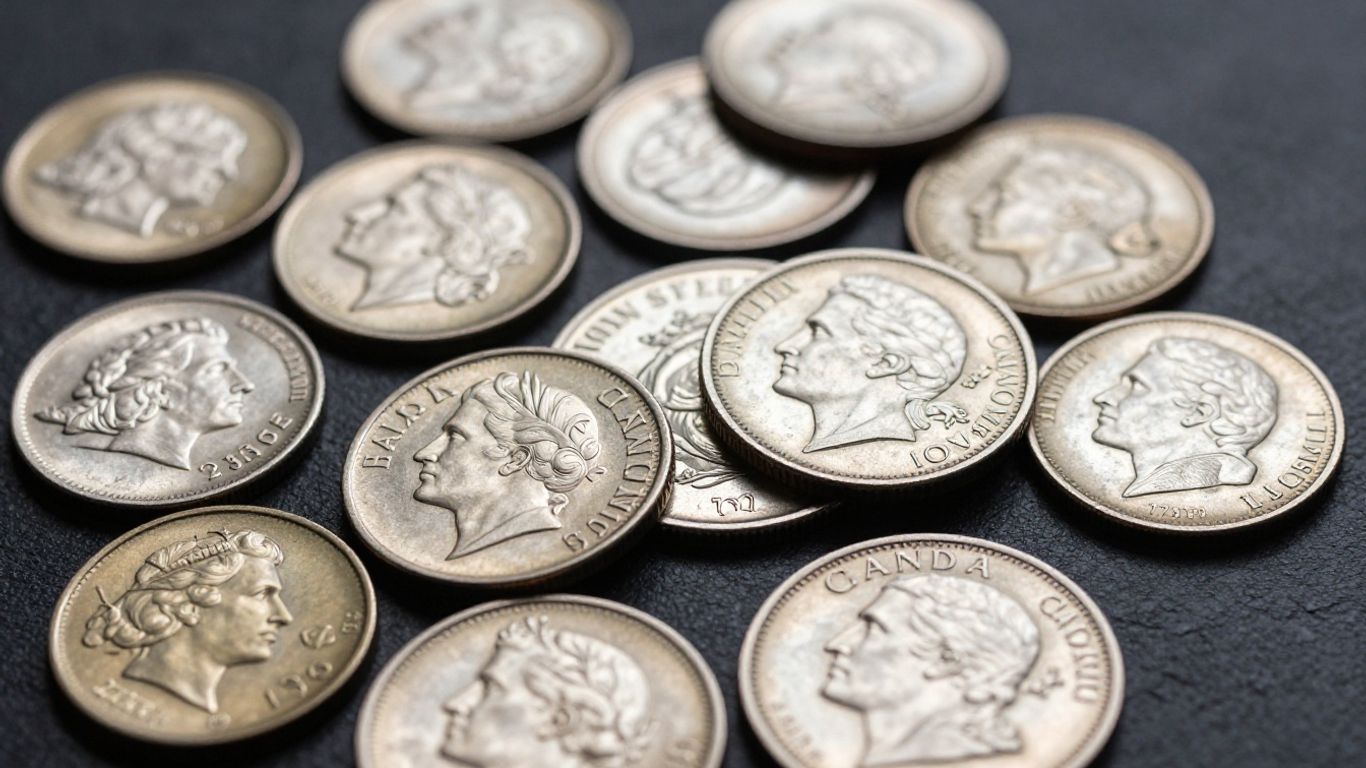
Coin shows can be a really interesting way to sell your Canadian coins, especially if you have a good amount or want to get a feel for what they’re worth right now. It’s like a big gathering where lots of coin buyers and collectors come together in one spot. This means you can talk to several dealers pretty quickly and compare what they’re offering, which is super handy.
Finding Upcoming San Antonio Coin Shows
Figuring out when and where these shows are happening around San Antonio takes a little bit of looking. Your best bet is to check out websites for local coin clubs or numismatic groups. Sometimes, the coin shops themselves will put up flyers or mention upcoming shows. Keep an eye out for events like the San Antonio Coin Club shows, which often happen at places like the Civic Center in Schertz, or bigger regional events that draw dealers from all over Texas. Even though the Texas Numismatic Association’s main shows might be in Arlington, dealers from San Antonio often attend.
Here are a few places to start looking:
- San Antonio Coin Club: They host regular shows, often in the Schertz area. Check their schedule.
- Texas Numismatic Association (TNA): A major group that influences dealers across the state.
- Regional Shows: Keep an eye out for larger events in nearby cities like Houston, as San Antonio dealers frequently participate.
Tips For Selling At Coin Shows
When you go to a coin show with the intention of selling, a little preparation goes a long way. First off, try to get an idea of what your coins are worth before you even get there. Knowing the current price of silver is a good starting point, especially for pre-1967 Canadian coins. Don’t clean your coins before you bring them; most dealers prefer to see them in their original condition, as cleaning can sometimes damage them and reduce their value.
It’s also smart to bring a list of what you have, especially if it’s a larger collection. This helps you keep track and makes it easier to discuss with dealers. Be ready to talk about the condition of your coins and any specific details you know about them. Remember, you’re there to get a fair price, so don’t feel pressured to accept the first offer you get. Walking around and talking to a few different dealers is perfectly fine and often recommended.
Coin shows offer a unique chance to interact directly with multiple buyers. This face-to-face interaction can build confidence and help you gauge the market’s interest in your specific coins. It’s a more personal way to sell compared to online platforms.
Connecting With Dealers At Events
Coin shows are more than just a place to sell; they’re also great for learning and meeting people in the coin world. You can chat with dealers about different types of coins, ask questions about grading, and get a sense of what’s currently popular. Building a rapport with a dealer at a show can lead to future business. If you find someone you trust and feel comfortable with, they might become your go-to person for selling coins down the line. It’s a good way to establish a relationship with someone who knows their stuff and operates with honesty.
Expertise And Convenience With Local Buyers
When you’re ready to sell your Canadian coins, especially those with silver content, turning to local buyers in San Antonio offers some distinct advantages. These dealers often bring a level of knowledge that goes beyond just knowing the current price of silver. They understand the history behind the coins, how they were made, and if there’s any special collector value attached, even to coins that might seem common.
Expertise In Numismatics
Local coin shops in San Antonio frequently have folks who have been in the coin business for years. This means they’ve seen a lot of coins and have a good sense of what’s what. They can tell you if a coin is worth more than just its melt value because of its rarity, condition, or historical significance. This kind of specialized knowledge is hard to find elsewhere and helps make sure you get a fair assessment.
Convenient Local Transactions
One of the biggest pluses of selling to a local buyer is the ease of the transaction. You can usually walk right into their shop, have your coins looked at on the spot, and get paid right then and there. No need to worry about shipping your coins off and waiting for someone to inspect them. Many dealers are open during regular business hours, and some even allow appointments outside of those times, making it simpler to fit into your busy schedule. For instance, some shops might be open Monday through Thursday, 10 am to 4 pm, while others might prefer you call ahead to set up a specific time.
Building Trust And Relationships
Over time, good local coin dealers build a solid reputation in the San Antonio community. They want repeat customers, and that means they generally try to be fair and honest. Finding a dealer you feel comfortable with can make the whole selling process much smoother, especially if you have a larger collection. A dealer who has been around for a while, perhaps since the late 1980s, likely has a good track record and cares about customer satisfaction. They want to be the place you think of when you need to sell coins.
Working with buyers who are transparent and fair is key. A little preparation and knowing who you’re dealing with can make a big difference in the final amount you receive for your coins.
Key Considerations When Selling Canadian Coins
Selling your Canadian coins, especially those with silver content, involves a few important points to keep in mind. It’s not just about handing over old metal; it’s about getting a fair price for what you have. Thinking through these steps can make a big difference in your final payout.
Compare Offers From Multiple Buyers
It’s really tempting to just go with the first person who makes an offer, especially if you need cash quickly. But seriously, don’t do that. Different buyers will offer different amounts, and some might be significantly lower than others. It pays to shop around. Reach out to a few different coin dealers in San Antonio, or even check out local coin shows if one is happening. Getting a few quotes gives you a much better idea of what your coins are actually worth on the market right now. Think of it like getting a few estimates before a big repair job – you want to make sure you’re not overpaying, or in this case, under-selling.
Avoid Cleaning Your Silver Coins
This is a big one, and it trips a lot of people up. You might think that making your old coins shiny and new will make them more appealing to buyers. Usually, it’s the exact opposite. For older coins, especially those with collector value beyond just their silver content, cleaning can actually damage them. Fingerprints, scratches, or harsh polishing can reduce their numismatic worth, sometimes drastically. Buyers who know what they’re doing often prefer coins in their original, uncleaned state. If your coins are in protective holders, leave them be. It’s better to present them as you found them.
Understanding 90% Silver vs. Fine Silver
When you’re dealing with Canadian coins, you’ll run into different levels of silver purity. Many older Canadian coins, similar to older U.S. coins, were made with 90% silver. These are often referred to as "junk silver" because their primary value comes from the silver content itself, rather than any special collector appeal. Then you have modern Canadian silver bullion coins, like Maple Leafs, which are typically .999 fine silver – meaning they are almost pure silver. This difference in purity matters. Fine silver coins will generally fetch a higher price per ounce because there’s more pure silver in them. However, 90% silver coins are still very popular, especially when sold in bulk, and their value closely tracks the current market price of silver. Knowing the purity helps you understand what kind of value to expect.
When selling your coins, remember that buyers need to make a profit. They’ll be buying your coins at a price that allows them to resell them later. So, while you want a fair price, expect offers to be below the current spot price of silver. The difference between the spot price and what a buyer offers is often called the ‘buy rate’ or ‘discount,’ and it can vary depending on the buyer, the type of coin, and the quantity you’re selling.
Selling Large Collections Of Canadian Coins
Seeking Dealers Specializing In Collections
When you find yourself with a substantial quantity of Canadian coins, perhaps accumulated over many years or inherited, the process of selling can feel a bit daunting. It’s not quite the same as bringing in just a few pieces. For larger collections, a more structured approach is often best to make sure you get a fair price and that the whole transaction goes smoothly. Dealers who focus on buying collections are usually better equipped to handle the volume and the complexities involved. They often have the capital and the know-how to make a significant purchase.
Appraisal Services For Large Holdings
Before you even start thinking about selling, getting a professional appraisal is a really smart first step. This isn’t just about getting a number; it’s about truly understanding what you have. An appraisal will detail the types of coins, their condition, and their potential value, considering both their silver content and any collector worth they might have. It’s a good idea to ask about their appraisal process and any costs involved upfront.
Here’s a general idea of what an appraisal might cover:
- Coin Identification: Cataloging the different denominations, mint marks, and dates.
- Condition Assessment: Evaluating the wear and tear on each coin.
- Value Determination: Estimating both the melt value (based on silver content) and any collector value.
Streamlining The Selling Process
Selling a large collection involves more than just showing up at a shop. You need to think about how you’ll transport the coins safely and securely. If you have a very large collection, a dealer might be willing to come to you, but this usually depends on the estimated value and their travel policies. For smaller collections, you might need to arrange for insured shipping if you’re not selling locally. Always keep a detailed inventory for your records, and if shipping, use registered mail and insure the package for its full worth. It’s easy to get overwhelmed, but breaking it down into steps – appraisal, logistics, and finding the right buyer – makes the process much more manageable and increases your chances of a successful sale.
Handling a large coin collection requires patience and a methodical approach. It’s easy to get overwhelmed, but breaking it down into steps – appraisal, logistics, and finding the right buyer – makes the process much more manageable and increases your chances of a successful sale.
Identifying Common Canadian Coin Types
When you’re looking to sell Canadian coins in San Antonio, knowing what you have is half the battle. Most people think of the older, silver coins when they hear "Canadian coins," and that’s often a good starting point. The Royal Canadian Mint has produced a variety of coins over the years, but for sellers, the ones with silver content are usually the most interesting.
What Constitutes "Junk Silver" Coins?
In the world of coin collecting and selling, "junk silver" is a term used for coins that have a significant silver content but aren’t particularly rare or valuable for their historical or collectible aspects alone. Their worth is primarily tied to the melt value of the silver they contain. For Canadian coins, this generally refers to:
- Dimes, Quarters, and Half Dollars minted before 1968: Before 1968, these denominations were struck with 80% silver. After 1967, the composition changed to a cupronickel clad, meaning they no longer contained silver.
- Silver Dollars minted before 1935: Canadian silver dollars produced before 1935 typically contained 80% silver, with some earlier issues having even higher silver purity. Later silver dollars, like those from the 1950s and 1960s, might also contain silver but in different percentages.
These coins are popular because their silver content makes them a straightforward way to invest in or sell silver. They’re easy to identify and their value is largely predictable based on the current market price of silver. You can find these at many local coin shops, including those in San Antonio.
Identifying 90% Silver U.S. Coins
While this guide focuses on Canadian coins, it’s worth noting that many sellers in San Antonio might also have U.S. coins. The most common U.S. silver coins that fall into the "junk silver" category are those minted before 1965. These include:
- Dimes, Quarters, and Half Dollars (1964 and earlier): These are made of 90% silver.
- Silver Dollars (various types like Morgan and Peace Dollars): These older, larger denomination coins are also 90% silver and are often sought after by collectors in addition to their silver value.
Understanding the difference between Canadian and U.S. silver coins is important, as their specific silver percentages and historical contexts can vary. However, both types are commonly traded based on their silver weight.
Commonly Sought After Canadian Coinage
When Canadian silver coins come up for sale, certain types tend to attract more attention from buyers. These are often the coins with a higher silver purity or those that have some historical or numismatic interest beyond just their melt value. Here are a few examples:
- Pre-1968 Dimes, Quarters, and Half Dollars: As mentioned, these are the workhorses of Canadian silver coinage. Their 80% silver content makes them a consistent seller. You’ll see familiar designs like the Bluenose on dimes or the Caribou on quarters.
- Canadian Silver Dollars (various issues): While the pre-1935 dollars are notable, later issues like the 1958 Bluenose dollar or the 1967 Centennial dollar are also popular. These often have 50% silver content but are collected for their designs and historical significance.
- Modern Silver Maple Leaf Coins: These are not "junk silver" but are modern bullion coins produced by the Royal Canadian Mint. They are made of .9999 fine silver (nearly pure silver) and are primarily valued for their silver content, similar to American Silver Eagles. They are a very common and popular choice for silver investors.
When assessing your Canadian coins, focus on the date and denomination. Coins minted before 1968 for dimes, quarters, and half-dollars are generally the ones with silver. Silver dollars have a different timeline for their silver content. Modern bullion coins are a separate category, valued for their high purity.
Knowing these common types will help you sort through your collection and have a more informed conversation with potential buyers in San Antonio. You can find more information about Canadian coins and their minting history to help with your identification process.
Ensuring A Fair Transaction For Your Coins
Selling your Canadian coins, especially those with silver content, involves more than just finding a buyer. It’s about making sure you get a price that truly reflects what your coins are worth. This means doing a bit of homework and being aware of how the process works. A fair deal leaves both parties feeling good about the exchange.
Verifying Buyer Reputation
Before you hand over your collection, take a moment to check out who you’re dealing with. Not all coin buyers operate with the same level of integrity. Look for established dealers in the San Antonio area who have a good track record. Online reviews, local coin club recommendations, or even just asking around can give you a sense of a buyer’s reputation. It’s wise to avoid dealers who seem eager to rush you or who can’t clearly explain how they arrived at their offer. You want to work with someone you can trust, like US Gold and Coin.
Understanding Intrinsic And Numismatic Value
Canadian coins, particularly those minted before 1965, often have value in two ways: their silver content (intrinsic value) and their historical or collectible appeal (numismatic value). "Junk silver," like pre-1965 dimes, quarters, and half-dollars, is primarily valued for its silver. However, rarer dates, specific mint marks, or coins in exceptional condition can carry a numismatic premium above the melt value. A buyer who only considers melt value might be undervaluing your collection if it has collectible potential.
- Intrinsic Value: Based on the precious metal content (e.g., silver). This is often tied to the current market price of the metal.
- Numismatic Value: Based on the coin’s rarity, condition, historical significance, and collector demand.
- Combined Value: The final price often reflects a combination of both, with the numismatic aspect potentially increasing the overall worth.
Transparency And Fairness In Dealings
Openness is key to a good transaction. A reputable dealer will be upfront about their pricing and how they assess your coins. They should be willing to explain their valuation methods and answer your questions. If a buyer seems hesitant to share details or offers a price that seems significantly lower than market rates, it’s a red flag. Always aim for a buyer who demonstrates honesty and a willingness to engage in a clear, straightforward exchange. This builds confidence and makes the selling process much smoother.
Be prepared to discuss your coins. Having a basic inventory, even a simple list of what you have, can help facilitate a more transparent conversation with potential buyers. It shows you’ve put thought into your collection and are serious about getting a fair price.
Wrapping Up Your Coin Sale
So, you’ve got some old coins and you’re looking to turn them into cash right here in San Antonio. It might seem a little overwhelming at first, but as we’ve seen, there are definitely places to go and people who want to buy them. Whether you decide to visit a local shop like Texas Coins, try your luck at a coin show, or even list them online, the key is to do a bit of homework first. Knowing the current price of silver and getting a few different offers will help make sure you get a fair deal. Don’t just settle for the first price you hear; take your time and find the buyer who feels right. Happy selling!
Frequently Asked Questions
What are “junk silver” coins, and why are they called that?
The term “junk silver” usually refers to older U.S. coins, like dimes, quarters, and half-dollars, made before 1965. They’re called “junk” not because they’re in bad shape, but because their main value comes from the silver they contain, not from being rare or special collector items. Think of them as common coins that are mostly valued for their metal content.
Which U.S. coins are typically made of 90% silver?
Most dimes, quarters, and half-dollars made in the United States before the year 1965 are made of 90% silver. Some dollar coins from that time are also 90% silver. After 1964, the U.S. government started making these coins with less silver because the price of silver had gone up. Nickels and pennies were never made with silver.
How can I find out the current worth of silver?
To know what your silver coins are worth, it’s a good idea to check the current market price of silver. You can easily find this information online by searching for the “spot price of silver” or “silver prices today.” This will give you a good idea of the going rate for silver before you talk to any buyers.
Should I clean my silver coins before selling them?
It’s generally best not to clean your silver coins. Cleaning can sometimes harm the coin’s surface and might actually make it worth less, especially if it has any collector value. Most buyers prefer to see the coins just as they are.
What’s the difference between 90% silver and fine silver?
Coins made of 90% silver, like old U.S. dimes and quarters, are made of 90% silver and 10% other metals. ‘Fine silver,’ often marked as .999 silver, means the coin or bar is almost pure silver, with 99.9% silver content. Items made of fine silver are usually worth more because they have a much higher silver content.
Where in San Antonio can I sell my Canadian coins?
In San Antonio, you have several good options for selling Canadian coins. You can visit local coin dealers who buy precious metals and coins, check out local coin shows for potential buyers, or explore online marketplaces. However, dealing with local buyers often makes the process simpler and faster.
What should I do if I have a large collection of Canadian coins to sell?
If you have a lot of Canadian coins to sell, it’s wise to look for dealers who specialize in buying whole collections. They often have the experience to properly value many coins at once. Some dealers might even offer appraisal services or be willing to come to you if your collection is quite large.
How can I make sure I’m getting a fair price for my Canadian coins?
To ensure you get a fair price, always get offers from several different reputable buyers. Compare what each dealer offers, keeping in mind the current price of silver. It’s also important to understand how they are valuing your coins—whether it’s just for the silver content or for any collector value they might have. Don’t hesitate to ask questions and negotiate politely.