
When you’re looking to buy coins online, doing your homework on the dealer is super important. It helps you find good deals and avoid getting tricked. Here are some main things to keep in mind:
Key Takeaways
- Always check what other people say about a coin seller before you buy anything.
- Make sure you understand the seller’s rules about returns and what happens if you’re not happy.
- Look very closely at the pictures of the coin; sellers might try to hide flaws.
- Be extra careful with rare coins, as fake ones are out there, especially online.
- If a seller seems to know nothing about the coins they’re selling, be suspicious.
Navigating Online Coin Dealer Research
Buying coins online is super convenient, right? You can find almost anything without leaving your couch. But, it also means you really need to know who you’re dealing with. It’s easy to get fooled if you’re not careful. Most of us have probably heard this before, but it’s worth going over again.
Understanding the Importance of Online Coin Dealer Research
When you’re looking for that special coin, the internet opens up a world of possibilities. You’re not limited to local shops anymore. This is great, but it also means you need to be extra sharp about checking out the sellers. A bad deal online can cost you more than just money; it can mean getting a fake or a damaged coin you thought was genuine. Doing your homework on the dealer before you click ‘buy’ is the most important step you can take. It saves you headaches later.
Key Considerations for Online Coin Purchases
Before you send your money off, think about a few things. First, check out the seller’s history. Do they have good reviews? How long have they been around? Some dealers specialize in certain types of coins, which can be a good sign they know their stuff. You can often find information about a dealer’s background and any specializations they have on numismatic sites. Also, think about the coin itself. Is the price too good to be true? That’s often a warning sign.
Here are some points to keep in mind:
- Seller Reputation: Look for consistent positive feedback from other buyers.
- Specialization: Does the dealer focus on the type of coins you’re interested in?
- Pricing: Compare prices with other dealers to spot unusual deals.
- Communication: How quickly and clearly do they respond to questions?
Leveraging Digital Resources for Informed Decisions
There are tons of online tools that can help you out. Websites often have sections where you can check recent sale prices for coins, which gives you a good idea of what something is actually worth. This is super helpful when you’re trying to figure out if a price is fair. You can also find forums and communities where collectors share tips and warn each other about shady dealers. It’s like having a whole group of people looking out for you.
The convenience of online shopping for coins is undeniable, but it requires a heightened sense of caution. Relying solely on attractive images or descriptions can lead to disappointment. Always prioritize verifying the seller’s credibility and understanding their policies before committing to a purchase. This diligence protects your investment and ensures a more satisfying collecting experience.
When you’re ready to see what your own coins might be worth, resources like the Coin Value Guide can give you a starting point. It’s a good way to get a feel for the market before you even talk to a dealer.
Evaluating Seller Reputation and Policies
When you’re looking to buy coins online, checking out the seller is a big deal. It’s not just about the coin itself, but who you’re buying from. A good seller makes the whole process smooth, while a bad one can lead to headaches and lost money.
Scrutinizing Seller Reviews and Feedback
Most online platforms let buyers leave reviews. These are super important. You can see what other people’s experiences have been like. Look for patterns in the feedback. Are there lots of comments about coins not matching descriptions? Or maybe people are happy with fast shipping and good communication? Pay close attention to both positive and negative reviews. A few negative reviews might not be a dealbreaker if the seller has hundreds of positive ones and addresses issues professionally. But if there’s a trend of complaints, it’s a warning sign.
- Positive Feedback: Look for comments on accuracy of descriptions, quality of packaging, and customer service.
- Negative Feedback: Note recurring issues like misrepresentation, slow shipping, or poor communication.
- Seller Responses: See if the seller engages with negative feedback and tries to resolve problems.
Understanding Return Policies and Guarantees
What happens if the coin you get isn’t what you expected? A solid return policy is your safety net. It should be clear and easy to find. Does the seller offer a full refund if you’re not satisfied? Who covers the return shipping costs? Some sellers might have a restocking fee, which is something to be aware of. Always read the fine print before you buy.
A clear and fair return policy protects both the buyer and the seller. It builds trust and shows that the dealer stands behind their products.
Identifying Red Flags in Seller Claims
Be wary of sellers who make unbelievable claims or seem to be hiding something. If a coin looks too good to be true for the price, it probably is. Some sellers might try to pass off cleaned or damaged coins as perfect specimens. They might use angled photos to hide flaws or make vague descriptions. If a seller claims ignorance about the coins they’re selling, especially if they seem like they should know, that’s also a bit suspicious. It’s always better to buy from dealers who are upfront and knowledgeable about their numismatic acquisitions.
- Overly Vague Descriptions: Lack of specific details about the coin’s condition or history.
- Unrealistic Pricing: Significantly lower prices than comparable coins on the market.
- Poor Quality Photos: Blurry images, odd angles, or photos that don’t show the entire coin clearly.
- Aggressive Sales Tactics: High-pressure language or claims of limited-time deals that seem manufactured.
Authenticity and Condition Verification
When you’re looking at coins online, it’s super important to really check them out. You can’t just trust the pictures and descriptions all the time. A lot of things can go wrong, and you need to be ready to spot them.
Examining Coin Photographs Critically
First off, look closely at the photos. Are they clear? Do they show the coin straight on, or are they at an angle? Sometimes sellers angle photos to hide little scratches, called hairlines, that show up when a coin has been cleaned. You want to see the coin’s shine, or luster. A good shine looks like an hourglass when you tilt the coin, and it seems to spin. This is called "cartwheeling." If the shine looks dull or uneven, the coin might have been cleaned too harshly, which can hurt its value. Always ask for more photos if you’re not sure. It’s better to be safe than sorry.
The Role of Third-Party Grading Services
Getting a coin graded by a professional service like NGC or PCGS is a big deal. These companies look at coins and give them a grade, like "Mint State 65," and say if they’re real. If a coin is in one of their sealed plastic holders, called a "slab," it’s usually a good sign it’s authentic. But don’t just buy the slab; buy the coin inside. You still need to look at the photos and decide if you agree with the grade and if the coin looks good to you. Sometimes, even graded coins have issues that affect their look. You can check out what these services say about grading on their websites.
Detecting Counterfeits and Altered Coins
Sadly, fake coins are out there, especially for popular or rare ones. They often come from places like China. If a deal seems too good to be true, it probably is. For really valuable coins, it’s best to stick with ones that have been certified by a reputable third-party grader. If you’re looking at a coin that isn’t graded, you need to be extra careful. Look for signs of tampering, like unusual wear patterns or details that don’t look quite right. Sometimes, dealers might try to pass off cleaned or damaged coins as if they’re in perfect condition. It takes practice, but learning to spot these problems yourself is a big part of collecting. You can also use tools like HeriBase to help identify coins, though it’s not a substitute for careful inspection.
Be aware that even with third-party grading, it’s wise to do your own assessment. Grading is subjective to a degree, and eye appeal can be a significant factor that slabs don’t always capture. Always compare the coin’s appearance to known examples and understand the grading standards yourself.
Building a Foundation of Numismatic Knowledge
To really get into coin collecting, you need to know your stuff. It’s not just about grabbing shiny metal; it’s about understanding what makes a coin tick. Think of it like learning a new language – you start with the basics, and then you build from there. This knowledge helps you spot good deals and avoid getting ripped off.
Essential Reference Materials for Collectors
Getting your hands on good books and guides is step one. Seriously, before you buy a single coin, get a book on grading. It’s the most important thing you can do. The Sheldon Scale is the standard for U.S. coins, running from Poor-1 all the way up to Mint State-70. Each number in between describes how worn a coin is. Knowing this scale helps you understand why one coin costs more than another that looks similar.
- Grading Guides: These explain the condition of coins.
- Price Guides: These give you an idea of what coins are worth.
- Historical Texts: These tell you the story behind the coins.
Don’t rush into buying. Take the time to read and learn. The more you know, the better your decisions will be.
Utilizing Digital Resources and Appraisal Tools
Beyond books, the internet is a goldmine. There are tons of websites and apps that can help you catalog your collection and check values. You can find information on coin varieties, mint marks, and even see what similar coins have sold for recently. This kind of data is super helpful when you’re trying to figure out if a coin is a good buy or if it’s time to sell. It’s a quick way to stay on top of what’s happening in the market. You can even find resources to help you understand different collecting themes.
The Value of Community Engagement and Mentorship
Talking to other collectors is also a big deal. You can learn a lot from people who have been doing this for years. Go to coin shows, join online forums, or find a local club. You’ll see coins you might not otherwise encounter and hear different opinions on value and trends. Sometimes, just chatting with someone experienced can clear up a lot of confusion. Mentors can guide you, especially when you’re just starting out and trying to figure out your collecting goals.
- Attend local coin club meetings.
- Participate in online numismatic forums.
- Seek out experienced collectors for advice.
Strategic Purchasing for Long-Term Value
When you’re building a coin collection, it’s not just about buying what looks interesting. Thinking ahead about what makes a coin hold its value over time is a smart move. This means looking beyond just the current price and considering factors that will make your collection grow in worth for years to come. It’s about making choices now that pay off later.
Prioritizing Scarcity Over Market Fluctuations
Coins with low mintage numbers, meaning fewer were originally produced, often perform better in the long run than those made in huge quantities. Think about it: if something is rare, it’s naturally more sought after. This scarcity can protect a coin’s value even when the broader market, like the price of gold or silver, is up and down. For instance, a coin with a limited production run might keep its value or even increase, while a common bullion coin might just track the metal price. Focusing on rarity is a solid strategy for building a collection that’s less affected by daily market swings.
Considering Future Resale Potential
Before you buy, ask yourself: "Would someone else want this coin later on?" Coins that have strong historical ties, are in excellent condition (think high grades), or are part of a popular series tend to have better resale value. It’s about picking coins that have a broad appeal to future collectors. This doesn’t mean you can’t buy coins you personally love, but if you’re aiming for long-term financial growth, keeping this future market in mind is a good idea. You can often find coins with this kind of potential on platforms like shopglobalcoin.com.
Understanding Market Trends and Economic Indicators
Keeping an eye on what’s happening in the world and in the coin market itself can help you make better buying decisions. Are certain types of coins suddenly getting more attention? Are there economic shifts that might make tangible assets like coins more attractive? Staying informed about these trends, perhaps by reading numismatic news or following market analysis, can give you an edge. It helps you spot opportunities and avoid overpaying for coins that might be currently popular but lack lasting appeal. Understanding how things like inflation can affect currency can also guide your choices towards assets that hold their value, like gold investments.
Making smart purchases today means looking at a coin’s story, its rarity, and its condition. These elements, combined with an awareness of market shifts, help ensure your collection isn’t just a hobby, but a growing asset. It’s about buying with a plan, not just on impulse.
Here are some points to keep in mind:
- Rarity: Look for coins with low mintages.
- Condition: Prioritize coins with high grades (e.g., MS70).
- Demand: Consider coins that are part of popular series or have historical significance.
- Liquidity: Think about how easily a coin might be sold later.
Secure Storage and Preservation Practices
Keeping your coins in good shape is super important if you want them to keep their value. It’s not just about putting them in a drawer and forgetting about them. You need to think about where and how you store them.
Best Practices for Storing Valuable Coins
When it comes to storing your collection, the goal is to protect them from anything that could cause damage. This means thinking about the environment they’ll be in. A cool, dry place is generally the best bet.:
- Temperature Control: Avoid places with big temperature swings. Attics and garages are usually bad ideas because they get too hot in the summer and too cold in the winter. Consistent, moderate temperatures are ideal.
- Humidity Management: Moisture is a coin’s enemy. It can lead to toning, corrosion, or even that nasty green stuff. Keep your coins away from damp areas like basements or bathrooms.
- Light Exposure: Direct sunlight can fade toning and potentially damage certain coin surfaces over time. Store your coins in a dark place or in containers that block light.
- Handling: Always handle coins with soft cotton gloves or by their edges. Your skin has oils that can transfer to the coin’s surface, causing damage that’s hard to see but can affect its grade and value. It’s a good idea to save any accompanying documentation that came with the coins or coin sets, as this can be important for certain coins and sets [3515].
Climate Control and Certified Slabs
For serious collectors, going beyond basic storage is a good idea. This is where things like climate-controlled storage units or specialized cabinets come into play. These offer a stable environment that’s hard to achieve in a typical home.
Certified slabs, those hard plastic holders from grading services like PCGS or NGC, are also a big part of preservation. They not only protect the coin from physical damage but also provide a tamper-evident seal. This means you know if someone has tried to mess with the coin after it was graded. They also make it easier to handle the coins without direct contact. Many dealers offer coins already in these slabs, which can be a good way to buy [3515].
The Importance of Insurance and Up-to-Date Appraisals
Even with the best storage, accidents can happen. Think about fire, flood, or even theft. This is why having your collection insured is a really smart move. You wouldn’t leave your car uninsured, right? Your coin collection can be worth just as much, if not more.
Getting regular appraisals is also key. Coin values can change, and you need to know what your collection is worth to make sure your insurance coverage is adequate. An up-to-date appraisal helps you understand the current market value and ensures you’re properly protected. It’s a good idea to get them done every few years, or whenever there’s a significant shift in the market. This process helps you maximize the value of your collection and keeps it secure and compliant with legal requirements [ba81].
Protecting your coins isn’t just about keeping them safe from physical harm. It’s also about safeguarding their financial worth. By paying attention to storage conditions, using protective holders, and making sure you have proper insurance and current valuations, you’re investing in the long-term health and value of your numismatic assets.
Effective Communication in the Online Marketplace
Multi-Channel Communication Strategies
In today’s digital age, connecting with coin collectors means being present where they are. The numismatic community spans various age groups and tech-savviness levels, so a single communication channel won’t cut it. To reach everyone, think about using a mix of platforms. This could include traditional avenues like collector magazines and hobbyist publications, alongside online spaces such as message boards, forums, and social media. Don’t forget about in-person events, too; they still hold a lot of weight.
- Print Publications: Magazines and newsletters from numismatic organizations.
- Online Forums: Dedicated coin collecting websites and subreddits.
- Social Media: Platforms like Facebook groups and Instagram.
- Email Newsletters: Direct communication for updates and special offers.
Being accessible across these different channels helps build trust and keeps collectors informed.
Providing Support Before, During, and After Sales
Communication isn’t just about announcing new items; it’s about the entire customer journey. Before a sale, clear descriptions and high-quality images are key. During a sale, especially for limited releases or "coin drops," having support ready to answer questions quickly is vital. This means having staff available to handle inquiries about shipping, payment, or any issues that might arise. After the sale, follow-up communication regarding shipping status and any post-purchase support can make a big difference in customer satisfaction. This kind of attention can turn a one-time buyer into a repeat customer.
Good communication at every step helps manage expectations and reduces potential misunderstandings. It shows respect for the collector’s time and interest.
Ensuring Accessibility and Fairness in Coin Drops
When it comes to limited releases or "coin drops," fairness and accessibility are paramount. The excitement of acquiring a rare coin can quickly turn to frustration if the process isn’t managed well. Issues like website crashes due to high traffic, bots snatching up inventory before real buyers can act, or unclear purchasing limits can alienate collectors. Implementing systems that prioritize genuine buyers over automated bots is important. For instance, using a raffle system instead of a first-come, first-served queue can offer a more equitable chance for everyone. Platforms designed for high-demand sales can help manage traffic and filter out fraudulent activity, making the experience better for legitimate collectors looking to add to their collections. This is where choosing the right technology partner becomes important, especially for sellers like American Rarities.
| Issue | Impact on Collectors |
|---|---|
| Website Crashes | Prevents purchases, causes frustration. |
| Bot Activity | Depletes stock, unfair advantage. |
| Reseller Teams | Limits availability for individual collectors. |
| Overselling | False sense of purchase, delayed disappointment. |
Essential Tools for Coin Examination
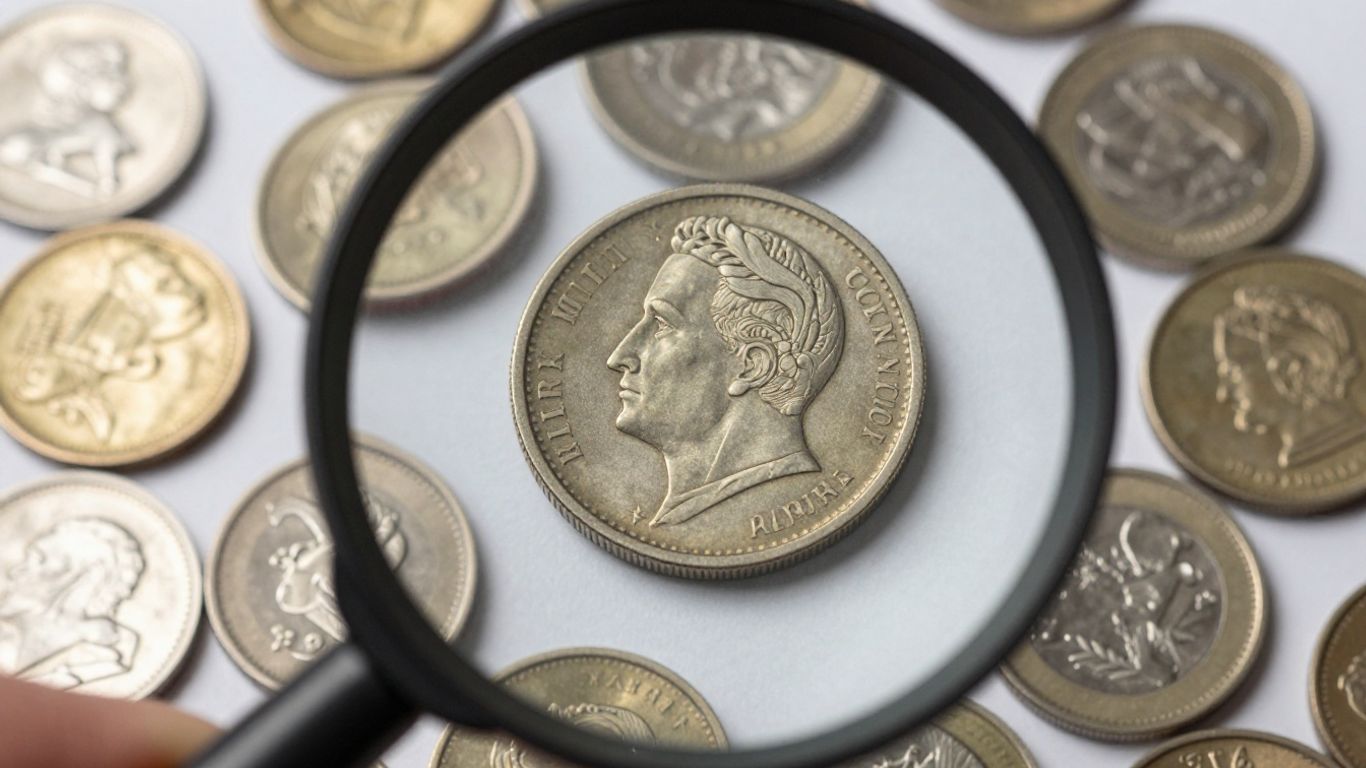
When you’re looking to buy coins online, having the right tools can make a big difference. It’s not just about spotting a good deal; it’s about making sure what you’re buying is what it’s supposed to be. Think of these as your first line of defense against fakes or coins that aren’t in the condition advertised.
The Indispensable Loupe for Collectors
A loupe is probably the most important tool for any coin collector, new or experienced. It’s a small, handheld magnifying glass that lets you see the fine details on a coin. You really can’t examine a coin properly without one. Most collectors use a loupe that magnifies 5x, 7x, or 10x. These powers are great for checking the coin’s surface for any issues, like scratches or minting errors. It’s also key for spotting if a coin has been cleaned or if there are any signs of tampering. A good loupe doesn’t have to cost a lot, often you can find a decent one for under $50. It’s one of those purchases that pays for itself quickly by helping you avoid buying a problem coin. Many options are available, from basic models to those with built-in lights, which can be helpful in different lighting conditions. You can find a variety of magnifying glasses for collectors to suit your needs.
Using Magnification for Grading and Authentication
Magnification is your best friend when it comes to grading coins and making sure they are authentic. Different levels of magnification help you see different things. For a general look, a 5x or 10x magnifier is usually enough. But if you need to get into the nitty-gritty details, like looking for tiny marks or die varieties, you might want to step up to a 20x magnifier. This level of detail is what separates a good deal from a bad one. It helps you identify wear patterns, check for tool marks, and confirm the coin’s features match known genuine examples. Without proper magnification, you’re essentially guessing about the coin’s true condition and authenticity.
Handling Raw Coins to Prevent Damage
When you get a coin that isn’t in a protective holder (often called a "raw" coin), how you hold it matters. Always hold coins by their edges. The oils and dirt on your fingers can damage the coin’s surface over time, leading to toning or even corrosion. Some collectors prefer to use special coin tweezers or wear white cotton gloves to avoid touching the coin directly at all. This might seem like overkill, but for valuable coins, it’s a necessary precaution. Even a slight smudge can affect the coin’s appearance and, consequently, its value. Being careful with raw coins protects your investment and keeps them in the best possible condition for your collection.
Navigating the Evolving Coin Market
The world of coin collecting isn’t static; it’s always shifting and changing. Keeping up with these changes is pretty important if you want to make smart choices about what you buy and when. The market itself is growing, and some folks think it’s going to keep expanding quite a bit over the next decade. This growth means more opportunities, but also more things to pay attention to.
Understanding Market Projections and Growth
It’s interesting to see how the coin market is doing. Projections show it’s set for some solid growth. For instance, one report suggests the market could jump from around $9.8 billion in 2024 to over $16 billion by 2030. That’s a pretty decent increase, happening at a rate of about 8.3% each year. This kind of expansion is often driven by collectors looking for stable assets or unique pieces of history. Staying informed about these trends can help you spot potential opportunities.
Choosing Trusted Platforms for Online Transactions
When you’re buying coins online, picking the right place to shop is a big deal. You want to be sure you’re dealing with honest sellers who offer genuine items. Look for platforms that have clear policies, good customer service, and a solid reputation. It’s wise to check out reviews and see what other collectors say about their experiences. Some sites even offer educational resources to help you make better decisions.
The Tangible Value of Coin Collecting
In a world that’s increasingly digital, there’s something special about holding a piece of history in your hand. Coins offer that tangible connection. They aren’t just abstract numbers on a screen; they represent real metal, real craftsmanship, and often, real historical events. This physical aspect is a big part of why coin collecting remains popular, offering a different kind of value compared to purely digital assets. It’s a way to connect with the past that you can actually touch and feel.
The coin market’s expansion is a positive sign for collectors. It suggests a growing interest and a healthy environment for acquiring and trading numismatic items. This upward trend can translate into increased liquidity and potentially better returns for well-chosen pieces over time.
Maximizing Collection Value Through Appraisal
Core Concepts of Coin Appraisal
Figuring out what your coins are really worth is a big part of collecting. It’s not just about the face value; it’s about history, how rare it is, and its condition. Accurate appraisal helps you know if you should keep a coin, sell it, or trade it, and it stops you from selling something important for too little. It’s like understanding the story behind each piece, but also its potential as an investment. With more people getting into collecting, knowing how to value your coins is becoming more important than ever. It protects your money and helps you appreciate the historical side of things too. You can learn more about how to get your coins appraised to understand their true value here.
Here are some key things that go into valuing a coin:
- Condition (Grade): This is a huge factor. A coin in mint condition is worth much more than one that’s worn out. Grading systems, like the Sheldon scale, help experts describe this precisely.
- Rarity: How many of these coins were made? How many still exist today? Fewer coins usually mean higher value.
- Demand: What are collectors looking for right now? Sometimes, a coin’s popularity can drive its price up, even if it’s not super rare.
- Historical Significance: Does the coin represent a special event, person, or time period? This can add a lot to its appeal and price.
Understanding these basics is your first step. It helps you talk more confidently with dealers and appraisers and makes you a smarter collector overall.
Knowing When to Engage Professional Appraisers
While you can learn a lot about appraising coins yourself, there comes a point where professional help is needed. If you have really old coins, very rare ones, or a large collection, getting an expert opinion is a smart move. These pros have seen a lot and know the market inside and out, often better than even experienced collectors. Their evaluations are solid for things like insurance, sorting out an estate, or getting ready to sell. They can also give you tips on how to care for your coins so they don’t lose value over time. You can obtain a professional appraisal for your rare coins from experts who offer accurate and dependable valuations.
Consider calling in the experts when:
- You’re dealing with coins worth a significant amount of money.
- You have inherited a collection and need to understand its overall worth.
- You plan to sell a valuable coin or collection and want to set a fair price.
- You need an appraisal for insurance purposes to cover your collection adequately.
Transforming Collecting into a Rewarding Venture
Coin collecting can be more than just a hobby; it can become a rewarding venture if you approach it strategically. By understanding appraisal concepts, using the right resources, and knowing when to get professional advice, you can really boost the worth of your collection. Making smart choices, taking good care of your coins, and connecting with other collectors turns this interest into something that’s both enjoyable and financially sensible. It’s about building something that holds both historical interest and financial potential.
Conclusion
Checking out coin dealers online is a big part of collecting these days. It’s super convenient, but you really have to know what you’re doing. By looking into sellers, checking out coins closely, and knowing your stuff, you can avoid problems. Remember, collecting should be fun, so take your time, do your homework, and enjoy the hunt for those special coins. Happy collecting!
Frequently Asked Questions
Why is it important to research online coin dealers?
It’s like checking out a store before you shop. You want to make sure the dealer is honest and sells real coins, not fakes or damaged ones. This saves you money and heartache.
How can I tell if a coin seller is trustworthy?
Look for reviews from other buyers. Most selling sites let people leave feedback. If a seller has lots of good reviews, they’re probably okay. Watch out for sellers with many bad reviews.
What should I look for in a coin's picture online?
The picture should show the coin clearly from the front and back. Some sellers take pictures from weird angles to hide scratches or other problems. Ask for better pictures if you’re unsure.
Are there fake coins sold online?
Yes, sadly, there are. Especially for very old or rare coins, people try to sell fakes. It’s a big problem. Be extra careful if a deal seems too good to be true.
What is a 'third-party grading service'?
These are companies that check coins to make sure they are real and in good condition. They put the coin in a special case with a label. Buying coins that have been graded this way gives you more confidence.
What's the deal with return policies?
A good seller will have a clear return policy. This means if the coin you get isn’t what you expected or has problems, you can send it back for your money. Always read this before buying.
Should I worry if a seller says they don't know much about coins?
Sometimes, yes. If someone is selling a lot of coins and claims they know nothing, it might be a way to avoid questions about a coin’s history or condition. It’s better to buy from sellers who seem knowledgeable.
What are 'raw' coins?
Raw coins are ones that aren’t in a special protective holder or graded. When you look at or hold a raw coin, always touch it only by the edges. Your fingers have oils that can damage the coin over time.