
Dealing with bronze coin disease can feel like a puzzle. It’s that fuzzy green stuff that shows up, and you want to stop it before it ruins your collection. This article is all about figuring out how to prevent it, what causes it, and what you can do to keep your coins looking good for a long time. We’ll go over some practical steps, from cleaning to storing, so you can protect your valuable pieces.
Key Takeaways
- Bronze disease is a chemical reaction involving chlorides, moisture, and oxygen that eats away at bronze coins. It’s not contagious from one coin to another.
- Preventing bronze disease means keeping coins dry, removing chloride ions from the surface, and avoiding materials that contain chlorine.
- Cleaning methods like soaking in deionized water or using specific chemical solutions can help remove chlorides, but may affect the coin’s patina.
- Proper storage is vital. Keep coins in low-humidity environments and avoid organic materials that can release harmful vapors.
- Regularly inspect your collection and handle coins with care, ideally using cotton gloves, to monitor for any signs of active corrosion.
Understanding Bronze Disease
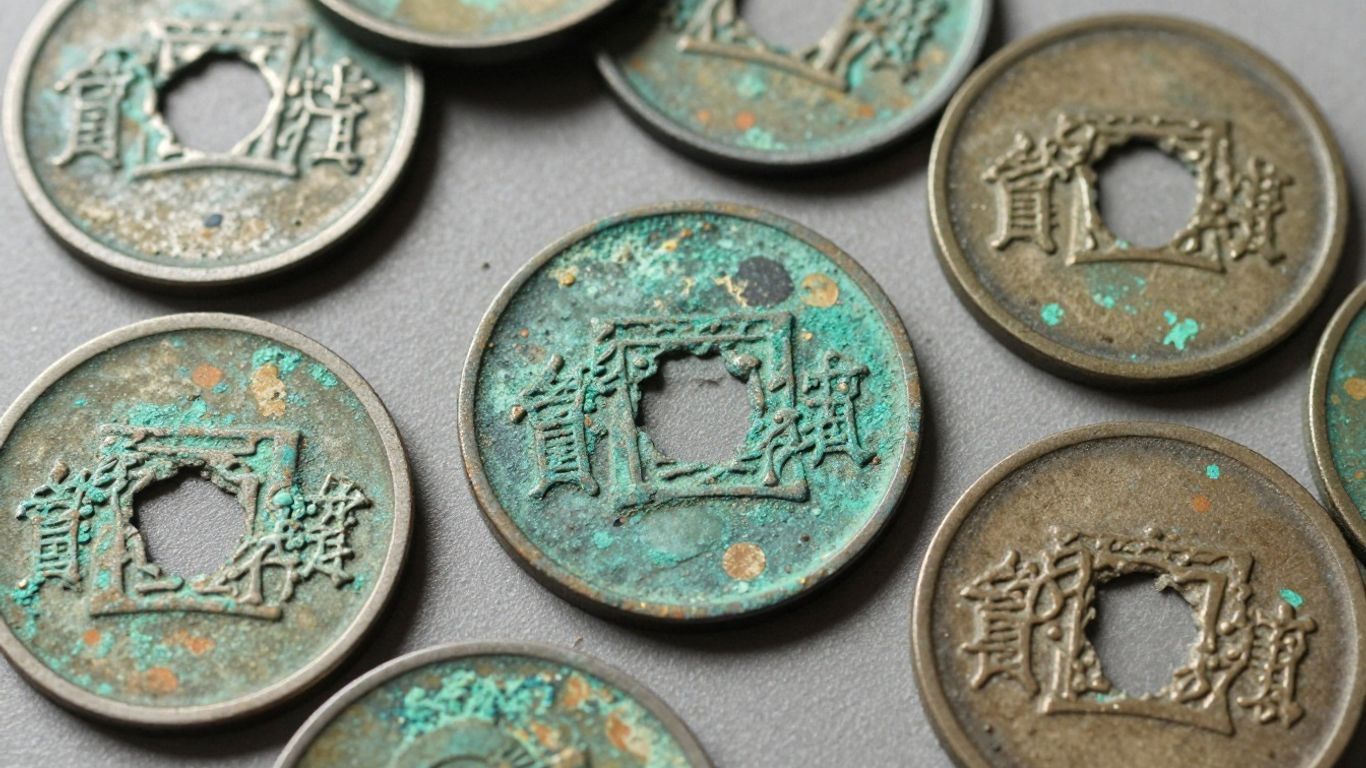
So, you’ve got a bronze coin, and you notice some weird green or bluish powdery stuff growing on it. That’s likely what collectors call "bronze disease." It’s not really a disease in the biological sense, but more like a chemical reaction that eats away at the metal. This corrosive process can seriously damage your coin over time. It’s a common problem, especially with older bronze artifacts, and it’s something every collector needs to know about.
The Corrosive Nature of Bronze Disease
Bronze disease is essentially a form of copper corrosion. It happens when certain elements, particularly chlorides, get into the bronze alloy. These chlorides then react with the copper, especially when moisture is present. This reaction creates new compounds, like cuprous chloride, which are unstable. They can then react further, producing acids that attack the coin’s metal. This cycle keeps going, causing the coin to deteriorate. It’s a bit like a slow-motion chemical fire eating away at your coin. The powdery green or blue spots are the visible signs of this ongoing attack.
Identifying Active Corrosion Pockets
Spotting active bronze disease is pretty important for stopping it early. You’re usually looking for powdery, bright green or bluish spots. Sometimes it can look a bit like a fuzzy coating. Unlike a stable patina, which is usually a solid, integrated layer, these active spots are often loose and can be easily scraped off. If you see this powdery stuff, especially if it seems to be growing or appearing on a coin that was previously clean, that’s a big red flag. It means the chemical reaction is happening right now. You might even see a white powdery residue mixed in with the green.
Distinguishing Bronze Disease from Patina
This is where things can get a little tricky for beginners. A patina is a natural layer that forms on bronze over time due to exposure to the environment. It’s usually a stable, integrated part of the coin’s surface, often dark brown, green, or black. It actually protects the metal underneath. Bronze disease, on the other hand, is an active, destructive process. The powdery corrosion products are loose and unstable, unlike the solid patina. A stable patina is a sign of age and preservation, while active bronze disease is a sign of ongoing damage. If you’re unsure, it’s always better to err on the side of caution and assume it might be disease, especially if you see any powdery texture. Sometimes, applying wax can cause dark patches, which might be mistaken for patina but are actually a reaction to the coating [02a9].
It’s easy to get confused between a coin’s natural patina and the destructive effects of bronze disease. Patina is generally a stable, protective layer that forms over centuries, becoming part of the coin’s surface. Bronze disease, however, is an active chemical reaction that produces unstable, powdery corrosion products that eat away at the metal. Recognizing the difference is key to proper coin care.
Here’s a quick way to think about it:
- Patina: Usually solid, integrated with the surface, often dark or deep green/brown. Protective.
- Bronze Disease: Powdery, loose, bright green or bluish. Destructive.
If you’re dealing with a coin that has active corrosion, you’ll need to take steps to treat it. Understanding the nature of this corrosion is the first step in figuring out how to stop it [853c].
Fundamental Causes of Bronze Disease
So, what actually makes this "bronze disease" happen? It’s not some random bad luck; there’s a chemical process at play. Think of it like a tiny, persistent chemical reaction that eats away at your coin.
The Role of Chloride Ions
At the heart of the problem are chloride ions. These little guys are the instigators. They get into the bronze, often from the environment where the coin was found or even from handling. Once they’re in there, they’re like a ticking time bomb. Chloride ions are the primary culprits that kickstart the destructive cycle. They don’t do much on their own, but when the conditions are right, they get to work.
The Necessity of Moisture for Reaction
Chloride ions need a partner to really cause trouble, and that partner is moisture. Without water, the reaction pretty much grinds to a halt. It’s the water that allows the chlorides to react with the copper in the coin. This reaction creates new compounds, and here’s the kicker: it also produces hydrochloric acid. This acid then attacks more of the bronze, creating more chlorides, and the cycle continues. It’s a self-perpetuating problem. So, if you see that powdery green stuff, you know moisture has been involved, helping the corrosion along.
The Catalytic Cycle of Corrosion
This whole process is a bit like a chain reaction, or what chemists call a catalytic cycle. The chloride ions start the reaction, and as they react, they’re regenerated, meaning they can go on to start the process all over again. It’s not like the chloride is used up in one go; it keeps coming back for more. This is why simply wiping off the green powder doesn’t fix anything. The underlying cause, the chloride ions within the metal structure, are still there, waiting for moisture and air to reactivate the process. This is why understanding the active corrosion is so important.
Initial Steps in Bronze Disease Prevention
Before you even think about treating a coin for bronze disease, or even just storing it safely, you need to take a good, hard look at it. This isn’t just about spotting that tell-tale powdery green stuff; it’s about understanding what you’re dealing with on a deeper level. Think of it like a doctor’s initial check-up before prescribing any medicine.
Thorough Coin Analysis
This is where you become a detective. You need to examine the coin closely, preferably with magnification. Look for any signs of active corrosion, which often appears as a powdery, bright green or blue-green deposit. Sometimes, this can look like a fuzzy coating. It’s also important to note the texture and color of the coin’s surface overall. Is it rough? Smooth? Does it have a uniform color, or are there patches of different shades?
Understanding Material Composition
Most ancient coins that suffer from bronze disease are made of bronze, which is an alloy primarily of copper and tin. However, the exact composition can vary quite a bit depending on where and when the coin was made. Some alloys might have more zinc (making them brass), or other trace metals. Knowing the general composition helps in understanding how it might react to different treatments. For instance, higher copper content can sometimes make a coin more susceptible to corrosion.
Assessing Patina Strength and Thickness
Patina is that layer of corrosion products that forms on bronze over time. A stable, well-formed patina can actually be protective. However, if the patina is weak, flaky, or actively corroding, it’s a sign that bronze disease might be present or developing. You need to assess if the patina is integral to the coin’s surface or if it’s a sign of active decay. A strong patina might be dark brown, black, or a deep green, and it usually adheres well to the metal. A weak or diseased patina is often lighter, powdery, and easily disturbed. If you’re unsure about the condition of the patina, it’s always best to err on the side of caution and assume it might need attention. This initial assessment is key to deciding on the right course of action for preserving your coin.
It’s really important to remember that what looks like a nice, colorful surface on a bronze coin isn’t always a good thing. Sometimes, that color is actually the first sign of trouble, a chemical reaction that’s eating away at the metal from the inside out. Getting a handle on this early on can save you a lot of heartache later.
Effective Cleaning and Treatment Methods
Once you’ve identified potential issues, the next step is tackling them. This section covers how to clean and treat your bronze coins to stop corrosion in its tracks.
Mechanical Removal of Corrosion Products
Sometimes, the simplest approach is the best. Mechanical cleaning involves carefully removing loose corrosion products. Think of it like gently brushing away dust, but with more precision. You’ll want to use tools like soft nylon brushes or wooden/metal points. The key here is to be gentle and work with the coin’s design, not against it. Avoid aggressive scraping, as this can damage the underlying metal or patina. It’s often helpful to look at examples of cleaned coins online to get a feel for what a finished, well-cleaned coin should look like. This helps you know when to stop.
The Benefits of Deionized Water Soaks
For coins that can handle it, a soak in deionized or distilled water can be very beneficial. This isn’t about scrubbing; it’s about letting the water do the work. Prolonged soaks can help loosen dirt and, more importantly, begin the process of drawing out harmful chloride ions. Remember, tap water often contains these very ions that cause bronze disease, so always use purified water. After soaking, you might follow up with light brushing and then drying.
Utilizing Sodium Sesquicarbonate Solutions
Sodium sesquicarbonate is a mild alkali that’s quite effective for treating bronze disease. A common method involves soaking the coin in a 1-2% solution for a couple of weeks. After this initial soak, you’ll replace the solution and soak for another couple of weeks. Following the sesquicarbonate soak, a rinse in deionized water for about a week helps remove any residual solution and byproducts. If you don’t have sodium sesquicarbonate on hand, you can make a similar solution using equal parts sodium carbonate and sodium bicarbonate. Be aware that stronger solutions (like 5%) can strip patina, so a lower concentration is usually preferred if you want to preserve the coin’s surface.
Advanced Treatments with Sodium Dithionite
For more stubborn cases, sodium dithionite is a powerful option. This treatment is particularly effective at removing chloride compounds from bronze alloys. However, it requires specific facilities and careful handling, so it’s generally considered an advanced technique. If you’re dealing with severe bronze disease, consulting with a professional conservator is highly recommended before attempting this method. It’s a step up from simpler treatments like alkali washes.
The goal of cleaning and treatment is not to make the coin look brand new, but to stabilize it and halt the corrosive processes that threaten its long-term survival. Patience is key; rushing these steps can cause more harm than good.
Critical Drying and Stabilization Techniques
After any cleaning or treatment, getting your bronze coins properly dry and stable is super important. If you leave any moisture behind, you’re basically inviting trouble, and those pesky chlorides can get right back to work causing damage. It’s a bit like leaving a wet towel bunched up – not good for anything.
The Importance of Thorough Drying
Think of drying as the final step in stopping the active corrosion process. Any residual moisture, especially if it contains even trace amounts of chlorides, can reactivate the "bronze disease." This is why simply wiping a coin down isn’t enough. You need to actively remove moisture from the coin’s surface and, more importantly, from any porous corrosion layers.
Baking Coins to Remove Moisture
One common method for drying is baking. This involves placing the coin in a low-temperature oven. The goal isn’t to cook the coin, but to gently evaporate all the trapped moisture. Temperatures are usually kept quite low, often around 100-150°F (40-65°C), and the time can vary depending on the coin’s size and how wet it is. Some collectors use a food dehydrator for this purpose, which offers good temperature control. The key is consistent, gentle heat to drive out moisture without causing thermal shock.
Stabilizing Surfaces Post-Treatment
Stabilization is about making sure the coin is no longer actively corroding. This often involves removing soluble chlorides and then applying a protective layer. For many collectors, this means ensuring the coin is completely dry and then applying a conservation wax, like Renaissance Wax. This wax acts as a barrier, helping to keep moisture and air away from the metal surface. For more advanced situations, treatments like sodium dithionite might be used to chemically neutralize corrosive elements, but this is a more involved process. The best approach for bronze disease on ancient coins is typically stabilization rather than correction through chemical treatments.
Here’s a quick look at some drying and stabilization steps:
- Initial Drying: Gently pat the coin with a soft, lint-free cloth or absorbent paper. Avoid rubbing.
- Moisture Removal: Use a low-heat oven or dehydrator for several hours, monitoring temperature closely.
- Final Stabilization: Apply a thin layer of a conservation-grade wax or sealant once the coin is completely dry and cool.
Optimal Storage for Bronze Coin Preservation
Proper storage is your last line of defense against bronze disease. It’s not just about putting coins in a box; it’s about creating an environment that actively discourages corrosion. Think of it as giving your coins a stable, peaceful retirement.
Maintaining Low Humidity Environments
This is probably the most important thing you can do. Bronze disease needs moisture to really get going. If you can keep the air around your coins dry, you significantly slow down or even stop the reaction. Aim for a relative humidity below 35%. You can achieve this using dehumidifiers in your collection room or by using desiccants like silica gel packets inside your storage cabinets. Fluctuations in humidity are just as bad as high humidity, so try to keep things steady. A stable, dry environment is key to long-term preservation. For ideal conditions, consider a temperature range between 60-70°F with around 50% relative humidity, though keeping it below 35% is more critical for preventing disease. This measure is crucial for preserving the integrity of collections.
Avoiding Organic Storage Materials
Wood, cardboard, and other organic materials can be sneaky enemies. They can release acidic vapors and sulfur compounds over time, which are not good for your coins. Even some plastics can degrade and cause problems. It’s best to stick with inert materials. Powder-coated steel cabinets are a good choice for larger collections. For individual coin storage, look for materials like Mylar or polyethylene terephthalate (PET) flips. Avoid anything that smells chemically or seems to be breaking down.
Individual Coin Protection Methods
Storing coins individually is a smart move. If one coin develops a problem, it’s less likely to spread to its neighbors. This is especially true if you have coins that are already showing signs of active corrosion. Using individual holders, like the PET flips mentioned earlier, creates a barrier. It also makes it easier to inspect each coin without disturbing others. If you’re handling your coins frequently, especially valuable ones, always use cotton gloves. This prevents oils and acids from your skin from transferring to the coin’s surface. Regular checkups are also a good idea; just a quick visual inspection can catch early signs of trouble before they become major issues.
The goal of storage is to create a stable, inert environment that minimizes exposure to damaging elements like moisture and corrosive vapors. By carefully selecting storage materials and controlling the ambient conditions, you can significantly extend the life of your bronze coins and prevent the onset or spread of bronze disease.
Handling Practices to Prevent Disease Spread
When it comes to keeping your bronze coins in good shape, how you handle them really matters. It might seem like a small thing, but the way you touch and move your coins can actually make a difference in preventing problems like bronze disease.
The Myth of Contagious Corrosion
First off, let’s clear something up. There’s a common idea that bronze disease can spread from one coin to another, like a sickness. This used to be believed because people thought it was some kind of infection. However, that’s not really how it works. Bronze disease is a chemical reaction happening within the metal itself, driven by things like moisture and chloride ions. It doesn’t jump from coin to coin. So, you don’t need to worry about your healthy coins catching it from an affected one just by being nearby. The real danger comes from shared environmental conditions or transferring corrosive elements between them.
Using Cotton Gloves for Handling
This is where handling practices become important. When you’re looking through your collection or moving coins around, your skin oils can transfer to the metal surface. These oils can contain salts and acids that, over time, might contribute to corrosion, especially if the coin is already susceptible. To avoid this, it’s a good idea to use cotton gloves when you handle your coins. They create a barrier, keeping your skin’s natural oils and any potential contaminants away from the coin’s surface. It’s a simple step, but it helps maintain the coin’s condition and prevents introducing new elements that could cause trouble.
Regular Collection Inspections
Beyond just handling, you need to keep an eye on your collection. Think of it like checking in on your plants to make sure they’re healthy. You should make it a habit to look over your coins regularly. This doesn’t mean you need to take them out and examine them under a microscope every week, but a visual check now and then is a good idea. Look for any unusual powdery green or blue spots, which are often the first signs of active corrosion. Catching these early gives you a much better chance to deal with the problem before it gets serious. It’s much easier to treat a small spot than a coin that’s heavily affected.
Here’s a quick checklist for your inspections:
- Visual Scan: Look for any powdery green or blue deposits, especially in crevices.
- Surface Check: Note any new discoloration or texture changes on the coin’s surface.
- Environmental Review: Briefly check your storage area for any signs of high humidity or other issues.
Being proactive with your collection is key. It’s not just about cleaning and storing; it’s about consistent observation and gentle handling. These practices, while seemingly minor, play a significant role in the long-term preservation of your bronze coins, helping to prevent the onset or spread of damaging corrosion.
Advanced Conservation Considerations
When dealing with stubborn bronze disease or preparing coins for long-term preservation, some more involved conservation techniques come into play. These methods often require a careful hand and a good understanding of the materials involved. It’s not always about a quick fix; sometimes, it’s about making informed choices that balance preservation with the coin’s historical integrity.
Risks and Benefits of Benzotriazole Treatments
Benzotriazole (BTA) is a chemical compound that can be used in conservation. It forms a protective layer on copper alloys, which can help slow down corrosion. Think of it like a shield for the metal. However, it’s not a magic bullet. Applying BTA can sometimes alter the coin’s surface appearance, potentially affecting the patina. Also, it’s a chemical that needs careful handling. For collectors, using BTA might be a step too far unless they have specific training or are working with a professional. It’s often used in lacquers like Incralac, which can seal the surface, but this is more about preventing future issues than fixing active ones. The main point is that while it can offer protection, it’s not a primary treatment for active bronze disease and can change the coin’s look.
The Impact of Treatments on Patina
Any treatment aimed at removing corrosive elements, especially chlorides, will likely affect the coin’s patina. Patina isn’t just a surface coating; it’s a complex layer of minerals and oxides that has formed over centuries. Aggressive cleaning or chemical treatments can strip away this natural layer, revealing the bare metal underneath. This can significantly change the coin’s aesthetic appeal and historical value. For instance, treatments like sodium sesquicarbonate or sodium dithionite, while effective at removing chlorides, can also lighten or remove parts of the patina. It’s a trade-off: saving the coin from destruction versus preserving its original surface. This is why a thorough preliminary analysis is so important before deciding on a treatment path.
Considering Professional Conservation Resources
Sometimes, the best approach for a valuable or particularly problematic coin is to seek expert help. Professional conservators have the knowledge, specialized equipment, and access to a wider range of treatments that might not be suitable or safe for a home collector to use. They can perform detailed analyses to understand the coin’s specific issues and recommend the most appropriate course of action. This might involve advanced techniques or simply the careful application of established methods. Engaging with professionals ensures that the coin is handled with the utmost care, minimizing risks and maximizing the chances of successful preservation. It’s a way to ensure the long-term survival of significant pieces in your collection, drawing on extensive art and chemistry knowledge.
Long-Term Bronze Coin Disease Prevention
Keeping your bronze coins safe from that nasty bronze disease over the long haul is all about setting up a good environment and sticking to some smart habits. It’s not a one-time fix, but more of a continuous effort to keep things stable.
Creating a Dry Storage Environment
Humidity is the enemy here. You really want to keep the air around your coins as dry as possible. Think below 35% relative humidity if you can manage it. Using desiccants like silica gel packs or activated charcoal in your storage cabinets can really help absorb excess moisture. Just remember to swap them out or recharge them periodically so they stay effective.
- Monitor Humidity: Use a hygrometer to keep an eye on the levels in your storage area.
- Use Desiccants: Silica gel or activated charcoal can absorb moisture.
- Airtight Containers: Store coins in sealed containers when possible to create a buffer against ambient humidity.
The goal is to create a microclimate where moisture cannot easily reach the coin’s surface and react with any lingering chlorides.
Stabilizing Surfaces to Remove Chlorides
While you can’t always remove every single chloride ion, especially from deeply porous coins, the aim is to get as many out as possible and then prevent them from causing trouble. Soaking in deionized water is a good way to leach out soluble chlorides over time. For more stubborn cases, treatments like sodium sesquicarbonate soaks can help. The key is patience and thoroughness. If you’ve treated a coin, you want to be sure it’s as stable as possible before long-term storage. This is where understanding the material composition of your coins becomes really important.
Avoiding Chlorine-Containing Storage Materials
This might seem obvious, but it’s worth repeating: don’t store your coins in materials that could introduce chlorides or other harmful chemicals. This includes certain plastics, papers, or even some types of wood that can off-gas acidic vapors. Stick to inert materials like polyethylene or Mylar for coin holders and archival-quality boxes. Even seemingly harmless things like rubber bands can degrade and release damaging compounds over time. It’s about creating a safe, inert bubble for each coin.
Wrapping Up: Keeping Your Bronze Coins Healthy
So, we’ve gone over a lot about this ‘bronze disease’ thing. It’s basically a chemical reaction that eats away at your coins if you’re not careful. The main takeaway is that keeping moisture away is super important. If you do spot the fuzzy green stuff, don’t panic. There are ways to deal with it, like soaking in special water or solutions, but it takes time and patience. Remember, it’s better to prevent it than to try and fix it later. Storing your coins in a dry place and checking on them now and then should go a long way in keeping them looking good for years to come. It might seem like a lot, but a little effort now can save your collection a lot of trouble down the road.
Frequently Asked Questions
What exactly is 'bronze disease' and why is it a problem for my coins?
Bronze disease is a type of corrosion that affects bronze coins. It’s like a rust that eats away at the metal, turning it into a fuzzy, green powder. This process can damage your coin over time, so it’s important to know how to prevent or treat it.
What causes bronze disease to start on a coin?
The main culprits are chloride ions, which are tiny particles found in salt. When these chlorides mix with moisture and oxygen on the surface of a bronze coin, they start a chemical reaction. This reaction creates acids that eat away at the bronze, and the cycle continues if the conditions are right.
How can I tell if my coin has bronze disease or just a normal patina?
A normal patina is a stable, often colorful layer that protects the coin. Bronze disease, on the other hand, looks like a powdery, bright green or blue-green spot that can feel soft. It’s an active corrosion that can spread, unlike a healthy patina.
What are the best ways to prevent bronze disease from forming in the first place?
The key is to keep your coins dry and away from things that can cause corrosion. This means storing them in a place with low humidity, avoiding materials that might release harmful chemicals (like certain plastics), and handling them carefully.
If I find bronze disease, what's the first thing I should do?
The most important first step is to carefully analyze the coin. Understand what it’s made of and check for any signs of active corrosion. This helps you decide on the best cleaning and treatment approach without causing further harm.
What cleaning methods are safe and effective for treating bronze disease?
Gentle methods are usually best. Soaking the coin in deionized water can help remove the harmful chloride ions. For more stubborn cases, solutions like sodium sesquicarbonate can be used, but always follow up with thorough drying and stabilization.
Why is drying a coin so important after cleaning it?
Moisture is a major trigger for bronze disease. After cleaning, any remaining water can react with leftover chlorides and start the corrosion process all over again. Thorough drying, sometimes with gentle heat, is crucial to stop this.
How should I store my bronze coins to keep them safe from disease?
Store your coins in a dry environment, ideally with humidity below 35%. Use individual protective holders made of inert materials like Mylar or polyethylene. Avoid storing them in wooden boxes or with materials that can release damaging acids or sulfur.