
Protecting your gold coin collection is more than just finding a safe place to put it. It’s about making sure that the value and condition of your investment are preserved for years to come. This article will walk you through the best gold coin storage recommendations, covering everything from home security to environmental protection and professional advice. Let’s make sure your precious metals stay safe and sound.
Key Takeaways
- Choosing the right storage container for your gold coins is vital. Consider options from airtight capsules and Mylar flips to specialized coin holders and certified slabs, avoiding materials like PVC that can damage your coins.
- For home storage, prioritize security with a high-quality, fireproof, and waterproof safe that is securely anchored. Diversify storage locations within your home and always keep your collection discreet to deter potential theft.
- Protect your gold coins from environmental damage by storing them in cool, dark, and dry environments. Utilize silica gel packs to manage humidity and always handle coins by their edges, preferably with cotton gloves, to prevent fingerprints and surface damage.
- When deciding between a home safe and a bank deposit box, weigh accessibility against security. For maximum protection, consider professional private vault services that offer bank-level security and climate control.
- Secure your investment with specialty coin insurance policies and regular professional appraisals. Verifying coverage for theft and damage incidents is critical, and consulting with reputable dealers can provide expert guidance on storage and preservation.
Understanding Your Gold Coin Storage Needs
When you decide to invest in gold coins, you’re not just buying metal; you’re securing a tangible asset that holds value over time. But owning gold is only half the battle. The other, equally important, half is knowing how to keep it safe and sound. This means thinking carefully about where and how you’ll store your collection. It’s not as simple as just tossing them in a drawer. You need to consider a few key things to make sure your investment stays protected from both people and the environment.
Assessing Storage Options for Your Coin Collection
Before you even think about buying a fancy safe, take a moment to figure out what your collection actually needs. Are you dealing with a few common gold pieces, or do you have rare, high-value coins that require extra special care? The size and value of your collection will really shape your storage decisions. For instance, a small number of coins might be manageable at home, but a large hoard might push you towards professional storage solutions. It’s also about how often you plan to access your coins. If you’re a collector who likes to admire your pieces regularly, you’ll want something more accessible than if you’re just looking to tuck them away for the long haul. Thinking about these factors upfront helps you avoid making a storage choice that doesn’t quite fit your situation.
- Security Level: How much risk are you willing to accept?
- Accessibility: How often do you need to get to your coins?
- Environmental Control: Do your coins need protection from humidity or temperature swings?
- Cost: What’s your budget for storage solutions?
Proper storage isn’t just about preventing theft; it’s also about protecting your coins from environmental damage that can chip away at their value over time. Things like humidity, extreme temperatures, and even air pollution can cause problems.
Choosing the Right Storage Container for Precious Metals
Once you have a handle on your needs, you can start looking at the actual containers. This is where things get specific. You’ve got everything from simple coin flips to elaborate display cases. For gold coins, especially if they’re meant to be kept in pristine condition, you’ll want something that offers protection without causing damage. Think about materials – you definitely want to avoid anything that could react with the metal. For individual coins, individual capsules are a good idea. They keep the coin from rubbing against other coins or the container itself. If you have a larger collection, you might look into specialized coin albums or trays designed to hold them securely. The goal is to find a container that keeps your gold safe from scratches, tarnish, and other forms of degradation. Storing physical gold requires careful thought about these details.
Understanding the Benefits of Expert Guidance
Let’s be honest, the world of coin collecting and storage can get pretty complicated. There’s a lot of information out there, and not all of it is easy to understand. That’s where getting advice from people who know their stuff really comes in handy. Experts can help you sort through all the options, pointing out potential pitfalls you might not have considered. They can advise on the best types of holders, the ideal storage environments, and even help you understand insurance needs. Think of it like getting a second opinion before a big decision. For example, they can tell you if your homeowner’s insurance actually covers your gold collection adequately, which is something many people overlook. Getting professional advice can save you a lot of headaches and potentially a lot of money down the road by helping you make the right choices from the start. Seeking professional guidance can make a big difference.
Best Practices for Storing Gold Coins at Home
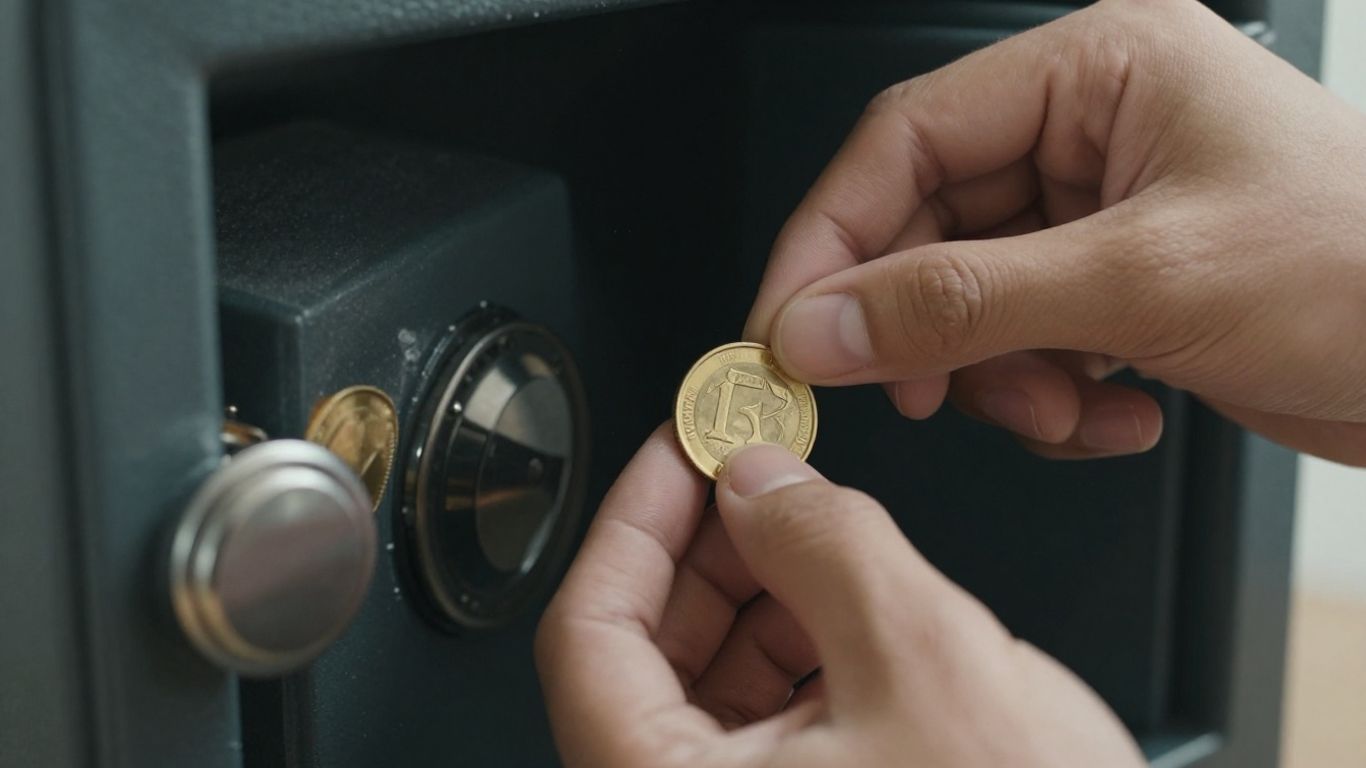
Storing gold coins at home can be a practical choice for many collectors, offering easy access and personal control. However, it’s not as simple as just putting them in a drawer. You need to think about security and protection from damage. Prioritizing security with a high-quality safe is your first line of defense.
Prioritizing Security with a High-Quality Safe
When you decide to keep your gold at home, a good safe is really important. It’s not just about keeping thieves out; it’s also about protecting your coins from things like fire and water. Look for a safe that’s heavy, so it can’t be easily carried away, and one that can be bolted down to the floor or a wall. Fire ratings are also a big deal. A safe with a good fire rating, like one that can withstand high temperatures for at least an hour, can make a huge difference if there’s a fire.
When choosing a safe, consider these points:
- Fire Rating: Aim for a rating that protects against temperatures of at least 1700°F for one hour or more.
- Waterproofing: A good seal can protect against water damage from floods or firefighting efforts.
- Weight and Anchoring: A heavy safe is harder to steal. Bolting it down adds another layer of security.
- Locking Mechanism: Modern safes offer various locks, from traditional keys to electronic keypads and even biometric scanners.
Diversifying Storage Locations Within Your Home
Don’t put all your gold in one spot, even if it’s in a safe. Spreading your collection across different locations in your home is a smart move. This way, if one spot is compromised, you don’t lose everything. Think about places that aren’t obvious. Some people use diversion safes that look like everyday objects, or hidden compartments built into furniture or walls. The key is to make it difficult for anyone searching your home to find all your coins.
Keeping Your Investments Discreet
This might seem obvious, but it’s worth repeating: don’t tell everyone about your gold coins. The fewer people who know you have them, the better. Avoid discussing your collection on social media or even with casual acquaintances. Even close friends and neighbors might not need to know the specifics of where and how you store your precious metals. Discretion is a powerful security tool when it comes to valuable assets stored at home. Keeping your collection quiet helps prevent theft.
Storing precious metals at home requires a thoughtful approach. It involves more than just finding a secure container; it means actively thinking about potential threats and taking steps to mitigate them. Diversifying locations and maintaining secrecy are just as important as the quality of your safe.
Protecting Gold Coins from Environmental Damage
Gold coins, while generally resistant to corrosion, are not entirely immune to the effects of their environment. Factors like humidity, air pollution, and even simple handling can lead to degradation over time, potentially impacting their appearance and value. It’s important to be mindful of these elements to keep your collection in top shape.
Utilizing Airtight Coin Capsules and Mylar Flips
One of the most straightforward ways to shield your gold coins is by using individual protective holders. Airtight coin capsules, often made from acrylic, create a sealed barrier around each coin. This prevents direct contact with the air, which can carry moisture and contaminants. Similarly, Mylar flips, which are small plastic sleeves, offer a good level of protection. They are a popular choice because they are inert and won’t react with the metal of the coin. These simple measures are your first line of defense against environmental harm.
Managing Humidity with Silica Gel Packs
Humidity is a significant enemy of stored metals. Even in a seemingly dry environment, moisture can accumulate, especially in enclosed spaces like safes or storage boxes. This is where silica gel packs come in handy. These small packets are designed to absorb excess moisture from the air. You can place them inside your storage containers, like safes or boxes, to help maintain a drier atmosphere. It’s a good idea to check and replace them periodically, as they do become saturated over time. For larger storage areas, a dehumidifier might be a more suitable option, but for individual coin containers, silica gel is quite effective. You can find these useful packets at most hobby or craft stores, often used for protecting items from moisture damage.
Storing Metals in Cool, Dark, and Dry Environments
Beyond individual protection, the overall storage location plays a big role. Gold coins should be kept in a place that is consistently cool, dark, and dry. Extreme temperature fluctuations can cause materials to expand and contract, which, over long periods, might stress the coin or its holder. Direct sunlight can cause discoloration, and heat sources like radiators or vents should be avoided. Basements and attics, often prone to dampness and temperature swings, are generally not ideal. A stable environment, like a climate-controlled vault or a well-managed interior closet, is much better for long-term preservation. Keeping your collection away from chemicals, such as cleaning supplies or certain plastics (like PVC), is also important, as these can emit fumes that damage metal surfaces over time. Storing your coins properly is crucial to preserving their value. You can use albums, folders, or holders, which provide protection and make it easy to view and examine your collection. Creating a Coin Collection can be a fun and rewarding hobby, allowing collectors to appreciate the history and cultural significance of various coins.
The goal is to create a stable micro-environment for each coin, minimizing exposure to anything that could cause it to tarnish, corrode, or otherwise degrade. This requires a bit of forethought but pays off in the long run by preserving the coin’s condition and market appeal.
Choosing Appropriate Gold Coin Holders and Albums
When it comes to keeping your gold coins in good shape, the container you use really matters. It’s not just about tossing them into a box; the right holder or album can make a big difference in preserving their condition and, by extension, their worth. Think of it like protecting a valuable painting – you wouldn’t just lean it against a wall, right? Coins are similar; they need specific care.
Coin Albums: Pros and Cons for Collectors
Coin albums are a popular choice, especially for those with a growing collection. They usually have pre-cut slots for specific coins, making it easy to see what you have at a glance. This makes them great for casual collectors who enjoy looking through their coins regularly. They’re generally affordable and widely available, which is a plus.
- Pros:
- Easy to organize and view a lot of coins.
- Generally inexpensive and simple to find.
- Lets you get to your coins quickly.
- Cons:
- Offers limited defense against dust, air, and moisture.
- Not the best choice for coins that are very valuable.
- Over time, coins might rub against the album material, causing wear.
Coin Holders and Certified Slabs for Valuable Coins
For coins that are particularly valuable or rare, you’ll want to step up the protection. Individual coin holders, often made of hard plastic, or Mylar flips are a good next step. These keep each coin separate and reduce its exposure to the elements. For the most prized pieces, though, certified slabs are the gold standard. These are hard plastic cases, sealed by professional grading services, that not only protect the coin but also authenticate its grade. This kind of protection is top-tier for safeguarding your investment and confirming its authenticity. If you’re serious about high-value coins, looking into certified grading services is a smart move.
Avoiding Harmful Storage Materials Like PVC
This is a really important point. Some older or cheaper plastic holders might contain PVC (polyvinyl chloride). Over time, PVC can break down and release chemicals that are really bad for metal coins. These chemicals can cause a greenish or sometimes rainbow-like film to appear on the coin’s surface, which is called ‘PVC damage.’ It’s permanent and can significantly lower a coin’s value. Always make sure any holder or album you use is made from inert, archival-quality materials. If you’re unsure, it’s best to stick with known brands that specify their materials are safe for long-term coin storage. You don’t want your collection to suffer damage from the very thing meant to protect it.
When selecting storage, always check the material. Plastics that are too soft or have a strong chemical smell are often suspect. Archival-quality, inert materials are the only way to go for long-term preservation.
Home Safe vs. Bank Deposit Box for Gold Storage
When it comes to keeping your gold coins safe, you’ve got a couple of main options to think about: storing them at home in a safe, or using a bank’s deposit box. Each has its own set of pros and cons, and what’s best really depends on how you plan to access your collection and how much security you feel you need.
Evaluating Home Safe Features and Security
Storing gold coins in a home safe offers the most convenience. You can get to your collection whenever you want, which is a big plus if you like to admire your coins or need to access them quickly. However, not all safes are created equal. A high-quality safe is your primary defense against theft and potential damage. You’ll want to look for a safe with a good fire rating, ideally one that can withstand high temperatures for at least an hour. Waterproof seals are also important, especially if you live in an area prone to flooding. Beyond that, the safe needs to be heavy or, even better, bolted down securely to the floor or wall. This makes it much harder for a thief to just pick up the whole safe and walk away with it. Think about the locking mechanism too; modern safes often have advanced features that offer better protection than older, simpler locks.
Understanding Bank Deposit Box Accessibility and Security
Bank deposit boxes provide a different kind of security. They’re typically located in a vault, which offers a high level of protection against burglary and often against fire and natural disasters, though this can vary by bank. The main drawback here is accessibility. You can only get to your coins during the bank’s operating hours, and you might have to go through a few steps to access your box. This makes them less ideal if you want frequent, immediate access to your collection. While they offer a secure environment, remember that the contents of a bank deposit box are generally not insured by the bank itself, so you’ll still need separate insurance for your gold. Bank safe deposit boxes offer sturdy and discreet long-term storage for gold.
Considering Private Vault Services for Maximum Protection
If you have a significant collection or are particularly concerned about security, private vault services are another option to explore. These facilities often provide a higher level of security than a typical bank, sometimes including advanced climate control to protect your coins from environmental damage. They can also offer more flexible access hours than traditional banks. However, these services usually come with a fee, and it’s important to understand what’s included in terms of insurance and access limitations. For many, this option strikes a good balance between the convenience of home storage and the robust security of a bank, especially for larger quantities of gold and silver.
Choosing between a home safe and a bank deposit box often comes down to a trade-off between convenience and security. A well-secured home safe offers immediate access, while a bank deposit box provides a more robust, albeit less accessible, layer of protection. For those with substantial collections, private vault services might offer the best of both worlds.
The Importance of Insurance and Appraisals for Gold
When you’ve put a good chunk of change into gold coins, you don’t want to leave anything to chance. That’s where insurance and appraisals come in. Think of them as the safety net for your shiny assets.
Securing Specialty Coin Insurance Policies
Most standard homeowner’s insurance policies aren’t really set up to cover valuable collections like gold coins. They might have limits on personal property, and precious metals often fall outside those limits or have very low coverage amounts. It’s like expecting your regular car insurance to cover a race car – it just doesn’t quite fit. You really need to look into specialty coin insurance. These policies are designed specifically for collectors and understand the unique risks involved with owning precious metals. They can cover things like theft, damage from fire or natural disasters, and even loss during transit if you’re moving your collection.
- Check your existing homeowner’s policy: See what, if anything, it covers for collectibles. Don’t assume it’s enough.
- Research specialized insurers: Look for companies that focus on insuring numismatic collections or precious metals.
- Understand the coverage details: Pay attention to deductibles, coverage limits, and any specific exclusions.
Getting the right insurance is about peace of mind, knowing your investment is protected.
The Role of Regular Professional Appraisals
So, how much is your gold coin collection actually worth? If you don’t know, you can’t insure it properly. That’s where professional appraisals come in. A qualified appraiser will look at each coin, considering its condition, rarity, historical significance, and current market demand. This gives you a clear, documented value for your collection. This appraisal report is super important for insurance purposes, but it’s also handy if you ever decide to sell or need to settle an estate. It provides an objective record of your assets. You can find appraisers through coin dealer associations or professional appraisal organizations. A good appraisal considers factors like rarity, condition, historical significance, and market demand, providing a comprehensive understanding of a coin’s worth.
Verifying Coverage for Theft and Damage Incidents
Even with the best storage and insurance, things can happen. If the worst occurs – say, a burglary or a fire – having proper documentation is key. Your insurance policy needs to clearly state what’s covered and up to what amount. The appraisal reports you’ve kept up-to-date will be your proof of value when you file a claim. It’s also a good idea to keep records of where your coins are stored, especially if you use multiple locations or a professional vault service. This helps the insurance company process your claim efficiently and fairly. Without solid proof of ownership and value, getting reimbursed can be a real headache. It’s always wise to keep copies of your insurance policies and appraisal reports in a separate, secure location, perhaps digitally backed up off-site, so they’re safe even if your home is affected.
Documenting your holdings and securing appropriate coverage is often overlooked but vital. It is important to verify that your collections are fully covered for replacement costs or incidents of theft or damage when stored in various facilities.
When to Consider Professional Vault Storage
So, you’ve got a decent pile of gold coins, maybe a few silver bars thrown in for good measure. You’ve got a home safe, you’ve diversified locations, and you’re pretty sure nobody knows about your stash. But what happens when your collection grows beyond what feels comfortable keeping under your own roof? That’s when it’s time to think about professional vault storage.
Identifying Triggers for Off-Site Storage Solutions
There isn’t a magic number, but a few things should make you pause and consider moving your metals elsewhere. If the sheer value of your collection starts to make you feel a bit uneasy about home security, that’s a big sign. Think about it: if a fire or a break-in happened, could you truly afford to lose it all? Also, if you travel a lot or are away from home for extended periods, the risk increases. It’s not just about theft; it’s also about protecting your assets from unforeseen events like natural disasters. For many, the tipping point comes when their collection represents a significant portion of their net worth, making the peace of mind offered by professional storage worth the cost.
Benefits of Bank-Level Security and Climate Control
Professional vaults offer a level of security that’s hard to replicate at home. We’re talking about multi-layered defenses, sophisticated surveillance systems, and often, on-site security personnel. It’s a different ballgame than a bolted-down home safe. Beyond just physical security, these facilities usually provide climate-controlled environments. This is super important for precious metals, as it helps prevent tarnishing and degradation over time. Think about it: your gold coins are kept in a stable environment, shielded from the fluctuations in temperature and humidity that can happen in your basement or closet. This kind of protection is what helps maintain the long-term value of your collection. Many services, like Bullion Exchanges, offer this kind of advanced protection.
Understanding Vault Storage Fees and Access Limitations
Of course, this premium security comes at a price. Vault storage typically involves monthly or annual fees, which vary based on the amount of space you need and the value of the assets being stored. It’s important to get a clear breakdown of these costs upfront. You’ll also need to understand the access limitations. Unlike your home safe, you can’t just pop into a vault whenever you feel like it. Access usually needs to be scheduled in advance, and there might be specific hours or procedures you need to follow. Some facilities, like SchiffGold, offer segregated storage, meaning your specific metals are kept separate from others, which adds another layer of security and accountability. It’s a trade-off: you gain top-tier security and environmental control, but you sacrifice immediate, on-demand access.
When deciding on professional vault storage, weigh the increased security and preservation benefits against the associated costs and access restrictions. For substantial collections, the peace of mind and protection offered often outweigh these considerations, safeguarding your investment for the future.
Mistakes to Avoid in Gold Coin Storage
When it comes to safeguarding your gold coins, overlooking simple precautions can lead to significant losses, both in value and in the coins themselves. Many collectors, especially those new to the hobby, fall into common traps that can damage their investments over time. It’s not just about having a safe; it’s about the details.
Common Errors in Home Storage Containers
One of the most frequent slip-ups is using inadequate containers. Think about those old plastic bags or even basic cardboard flips. While they might seem okay for temporary storage, they can cause real problems. Plastic bags can degrade, and some plastics contain chemicals that react with metal. Cardboard flips, while better, can still scratch coins when you’re trying to get them in or out. The oils from your fingers are also a major culprit. Even a brief touch can leave residue that, over time, can lead to corrosion or unsightly spots on your gold. It’s always best to use specialized coin holders or capsules designed for long-term preservation.
The Risks of Unsealed Packaging and Exposure
Leaving your coins exposed to the elements, even within your home, is a recipe for disaster. Gold is relatively stable, but it’s not immune to environmental damage. Humidity is a big one; it can lead to tarnishing, especially if your coins aren’t pure gold or if they have other metals mixed in. Air pollution can also play a role. Storing coins in a place with fluctuating temperatures or high moisture levels, like a basement or an attic, is a bad idea. You want a stable environment. Using airtight capsules or Mylar flips is a good start, but you also need to consider the overall storage location. Keeping them in a cool, dark, and dry place is key. For example, storing metals in a cool, dark, and dry environment is a widely recommended practice.
Why Sharing Storage Details Can Be Detrimental
This might seem obvious, but you’d be surprised how many people discuss their coin collections and where they keep them with others. Loose talk about your valuable assets can attract unwanted attention. Even if you have a high-quality safe, knowing its location and the fact that it contains gold can make your home a target. It’s wise to keep the specifics of your collection and its storage location private. Only share this information with trusted individuals who absolutely need to know, such as a spouse or a legal representative.
Keeping your storage plans discreet is as important as the security measures you implement. A secure location is only effective if potential wrongdoers are unaware of its existence or its contents. Think of it as an extra layer of security that costs nothing but vigilance.
Proper Handling Techniques for Gold Coins
Handling Coins by Their Edges
When you’re examining your gold coins, it’s really important to handle them with care. The oils and dirt on our skin can actually damage the metal over time, leading to tarnishing or even corrosion. The best way to hold a coin is by its edge, using your thumb and forefinger. This minimizes contact with the main surfaces of the coin, which are the most delicate parts. It might feel a little awkward at first, but it’s a habit worth developing for any serious collector. Think of it like handling a fragile antique – you wouldn’t want to leave fingerprints all over it, right?
Using Cotton Gloves to Prevent Fingerprints
For an extra layer of protection, consider using soft cotton gloves. These are readily available and provide a barrier between your skin and the coin’s surface. This is especially recommended when you’re handling coins that are particularly rare or valuable, or if you plan on spending a bit of time sorting through your collection. It’s a simple step that makes a big difference in preserving the coin’s original condition. You can find these gloves at most hobby or coin supply stores. It’s a small investment that helps protect your larger investment.
Avoiding Contact with Obverse and Reverse Surfaces
Beyond just holding the coin correctly, it’s also about being mindful of where you’re placing it or what it might come into contact with. Always try to avoid touching the front (obverse) and back (reverse) of the coin. If you need to set a coin down, do so on a soft, clean surface like a felt mat or a clean towel. This prevents accidental scratches or dings. Some collectors even use specialized plastic tweezers with soft tips for moving coins around, though this requires a bit more practice. The goal is always to reduce any potential for damage, no matter how small it might seem at the time. Remember, even minor surface imperfections can affect a coin’s value down the line. Handling coins by their edges is a key part of this.
Leveraging Reputable Dealers for Storage Advice
When you’re getting into gold coins, whether you’re just starting out or have been collecting for a while, talking to a good dealer can really help. These folks know the ins and outs of precious metals and can offer advice that goes beyond just buying and selling. They often see how different storage methods work out for people and can point you toward what’s best for your specific situation.
Seeking Professional Guidance on Safe Storage
It’s easy to think that just putting your coins in a safe is enough, but there’s more to it. A reputable dealer can guide you on the best types of safes, how to secure them properly in your home, and even suggest when a home safe might not be the best option. They understand the risks involved and can help you avoid common mistakes. For instance, they might advise on specific safe features like fireproofing and anchoring, which are really important for protecting your investment from unexpected events. They can also help you understand the different types of protective holders and containers that keep your coins from getting damaged over time.
Understanding Dealer Expertise in Preservation
Dealers who specialize in precious metals have a deep knowledge of how to keep coins in good condition. They know about things like humidity control, the best ways to handle coins without leaving fingerprints, and what materials to avoid that could harm your collection. They can explain why using airtight capsules or Mylar flips is better than just tossing coins into a drawer. They’ve seen what happens when coins are stored improperly and can share those lessons with you. This kind of practical knowledge is hard to come by and can save you a lot of trouble down the road. If you’re looking at coins certified by organizations like the Numismatic Guaranty Corporation (NGC), a dealer can explain what that certification means for storage and long-term value.
Partnering with Dealers for Secure Storage Solutions
Some dealers even offer their own secure storage solutions, which can be a great option if you’re concerned about home security or have a very large collection. These facilities often have bank-level security, climate control, and insurance. They can provide a level of protection that’s difficult to achieve at home. When considering these services, it’s wise to ask about:
- The security measures in place (e.g., surveillance, access controls).
- Environmental controls (temperature and humidity).
- Insurance coverage and any limitations.
- Fees associated with storage and access.
Working with a dealer you trust means you’re not just buying gold; you’re getting a partner who can help you protect your investment for the long haul. They can help you source quality containers and safes, and offer support every step of the way. It’s about building a relationship where you feel confident that your precious metals are well looked after.
Keeping Your Collection Safe for the Long Haul
So, we’ve talked about a lot of ways to keep your gold coins safe. It really comes down to picking the right spot and making sure they’re protected from things like moisture and, you know, sticky fingers. Whether you go with a home safe, a bank, or a special vault service, the main idea is to give your coins the best chance to hold their value over time. Don’t forget about insurance, either – it’s a big deal if something unexpected happens. Taking these steps means you can relax a bit, knowing your investment is well looked after. It’s not just about buying gold; it’s about making sure it stays valuable for years to come.
Frequently Asked Questions
Why is proper storage so important for my gold coins?
Proper storage is key because gold coins, even though they seem tough, can be damaged by things like moisture, air, and even the oils from your fingers. If not stored correctly, their shine can fade, they might get scratched, or even corrode, which can lower their value significantly.
What are the best ways to store gold coins at home?
For home storage, using a high-quality, fireproof, and waterproof safe that’s bolted down is a great start. It’s also smart to hide your coins in a few different spots around your house rather than keeping them all in one obvious place. Keeping your storage plans a secret is also very important.
How can I protect my gold coins from damage like rust or fading?
To guard against damage, always put your coins in airtight holders, like capsules or Mylar flips. Using small packets called silica gel packs can help soak up extra moisture. Store your coins in a place that’s cool, dry, and dark, away from heat and sunlight.
Are coin albums or individual holders better for storing gold coins?
Coin albums are good for showing off many coins easily and are usually cheaper, making them great for casual collectors. However, for valuable coins, individual holders or certified slabs offer much better protection against damage and environmental factors. Always avoid holders made of PVC, as they can harm your coins over time.
Should I keep my gold coins in a home safe or a bank deposit box?
A home safe gives you quick access but needs to be very secure. A bank deposit box offers more security from burglars, but you can’t get to your coins whenever you want. For very valuable collections, a private vault service might be the best option, offering top-notch security and climate control.
Do I need to insure my gold coins, and should I get them appraised?
Yes, it’s highly recommended. Most regular home insurance policies don’t cover valuable coin collections, so you’ll likely need special insurance for them. Getting regular appraisals helps you know exactly what your collection is worth, which is crucial if you ever need to file a claim for theft or damage.
When should I think about using a professional vault storage service?
If you have a very large or valuable collection, or if you’re worried about the security of storing them at home, it’s a good idea to consider professional vault storage. These facilities offer advanced security and controlled environments, like banks but often with better accessibility and insurance options.
What are some common mistakes people make when storing gold coins?
Some common mistakes include using cheap storage containers that don’t protect well, leaving coins exposed to air or moisture, storing them in places that are too hot or humid, and telling too many people where you keep your collection. Also, handling coins with bare hands can cause damage.