
For coin collectors in San Antonio, understanding the nuances of coin luster is key to appreciating and valuing their collections. This guide explores the importance of luster, how to evaluate it, and where to find expert services in the San Antonio area. Whether you’re a seasoned collector or just starting, knowing about coin luster evaluation in San Antonio can help you make better decisions.
Key Takeaways
- Coin luster refers to the original mint shine on a coin’s surface, a significant factor in its appearance and value.
- Professional services in San Antonio offer coin luster evaluation, helping collectors determine authenticity and condition.
- The presence and quality of luster directly impact a coin’s market price, with well-preserved luster commanding higher values.
- Local San Antonio coin dealers can provide expertise on luster, aiding collectors in identifying and assessing coins.
- Proper handling and storage are vital for preserving a coin’s delicate luster over time.
Understanding Coin Luster In San Antonio
The Importance of Coin Luster
Coin luster is that special shine you see on a coin, especially when you tilt it under a light. It’s basically the original surface finish from when the coin was made. Think of it as the coin’s natural glow. It’s a big deal for collectors because it tells you a lot about the coin’s history and how it’s been treated. A coin with strong, vibrant luster is usually more desirable and can fetch a higher price. It’s not just about the design; that original mint brilliance is a key part of a coin’s appeal. For collectors in San Antonio, understanding this shine is the first step to appreciating the true quality of a coin.
Identifying Original Luster
Spotting original luster takes a bit of practice. You’re looking for a bright, reflective surface that seems to move with the coin. It’s not a dull or flat look. Sometimes, coins can be cleaned, which removes this original shine, leaving them looking dull or even scratched under magnification. This is why knowing what to look for is so important. You want to see that lively, almost liquid-like appearance. It’s the sign of a coin that hasn’t been messed with.
Here’s a quick rundown of what to look for:
- Vibrant reflectivity: The surface should bounce light back strongly.
- Movement of light: As you tilt the coin, the shine should appear to flow across the surface.
- Absence of cleaning marks: Look for any signs that the coin has been wiped or polished, which would dull the luster.
Factors Affecting Luster
Several things can impact a coin’s luster. First off, how it was made matters. Coins struck with new dies and high pressure tend to have better luster. Then there’s how the coin was handled after it left the mint. Was it dropped? Was it put in a pocket? Even how it was stored can make a difference. For instance, coins stored in paper envelopes might develop a duller surface over time compared to those kept in inert plastic holders. The environment also plays a role; humidity and air quality can affect the metal’s surface. Understanding these factors helps explain why some coins shine brighter than others, even if they were minted in the same year. It’s a complex mix of minting quality and post-mint history that determines that sought-after gleam. For those interested in the technical side of coin production, learning about the grading process for United States coins can offer more insight into how surface characteristics, including luster, are evaluated.
Expert Coin Luster Evaluation Services
When you’re serious about your coin collection, especially in a place like San Antonio where history and numismatics meet, getting an expert opinion on coin luster is a smart move. It’s not just about how shiny a coin is; it’s about understanding its original state and how it has been preserved. This is where professional services come into play.
Professional Grading Services
These services are the bedrock for serious collectors. Companies like PCGS and NGC have teams of experts who examine coins under controlled conditions. They don’t just assign a numerical grade; they also assess the coin’s surface preservation, which is where luster comes in. A coin’s original mint luster is a key indicator of its condition and authenticity. They look for signs of wear, cleaning, or other damage that can affect that original gleam. Getting your coins graded can provide a standardized, objective assessment that is widely recognized in the market. It’s a good first step if you’re unsure about a coin’s condition or want to establish its baseline value. You can find more information on coin grading services.
Third-Party Authentication
Beyond grading, third-party authenticators focus specifically on verifying a coin’s genuineness and its stated characteristics. While grading services often include authentication, some collectors opt for standalone authentication for particularly rare or high-value items. This process is meticulous, involving detailed examination to detect counterfeits or altered coins. They also pay close attention to surface details, including luster, to ensure it aligns with the coin’s purported origin and age. This adds another layer of confidence for buyers and sellers alike.
Specialized Numismatic Appraisals
For a more in-depth look, especially if you’re considering selling or insuring your collection, a specialized numismatic appraisal is beneficial. Appraisers go beyond a simple grade. They consider market trends, rarity, eye appeal, and, of course, the quality and presence of luster. They can provide a detailed report that explains the factors contributing to a coin’s value, including how its luster impacts its desirability. This type of appraisal is particularly useful for unique or complex collections where standard grading might not capture the full picture. It’s about getting a nuanced view from someone who truly understands the market and the specific series you collect. You can explore resources on numismatic topics to learn more about what appraisers look for.
The Role of Luster in Coin Value
How Luster Impacts Market Price
Coin luster is a big deal for collectors, and it directly affects how much a coin is worth. Think of it as the coin’s original shine, the way light dances across its surface when you tilt it. A coin that still has its original, vibrant luster is generally much more desirable than one that looks dull or has been handled a lot. This original mint brilliance is a key indicator of a coin’s condition and how well it’s been cared for since it was made. The more appealing the luster, the higher the price it can command. It’s not just about the metal content or the rarity of the date; the visual appeal, driven by luster, plays a huge part in what someone is willing to pay. For many collectors, a coin with strong, original luster is simply more beautiful and represents a better example of that particular issue. This is why understanding coin luster is so important for anyone serious about collecting.
Luster and Coin Condition
Luster is a primary indicator of a coin’s overall condition. When a coin is first minted, its surface is covered in a brilliant, reflective sheen. This is the original mint luster. Over time, if a coin is handled, stored improperly, or even just exposed to the elements, this luster can diminish or be lost entirely. You might see friction marks, hairlines, or a general dullness that tells you the coin isn’t in its "as struck" state. A coin that retains its original luster suggests it has likely been preserved carefully, perhaps remaining in its original mint packaging or a protective holder for most of its existence. This preservation is what collectors look for when trying to acquire high-quality examples of coins. It’s a visual cue that the coin hasn’t been subjected to the wear and tear of circulation or careless handling.
Premium for Well-Preserved Luster
Collectors are often willing to pay a premium for coins that exhibit exceptional, well-preserved luster. This premium isn’t just a small bump; it can significantly increase a coin’s market value. A coin with vibrant, full luster that shows strong cartwheel effects (the way light seems to radiate from the center) is far more attractive than a similar coin with weak or impaired luster. This is especially true for coins that are already rare or in high grades. The difference in price between a coin with full original luster and one that has lost it can be substantial. It’s a testament to the coin’s journey through time and the care it has received. This is why many collectors focus on acquiring coins that have been certified by reputable services, as these often come with a strong indication of their luster quality. For instance, coins that receive a CAC sticker often have superior luster and eye appeal, which can lead to better prices when sold.
Here’s a general idea of how luster can affect value:
| Luster Description | Potential Value Impact |
|---|---|
| Full Original Mint Luster | Highest Premium |
| Strong Original Luster | Significant Premium |
| Weak or Impaired Luster | Reduced Value |
| No Original Luster | Base Value |
San Antonio Coin Dealers and Luster Expertise
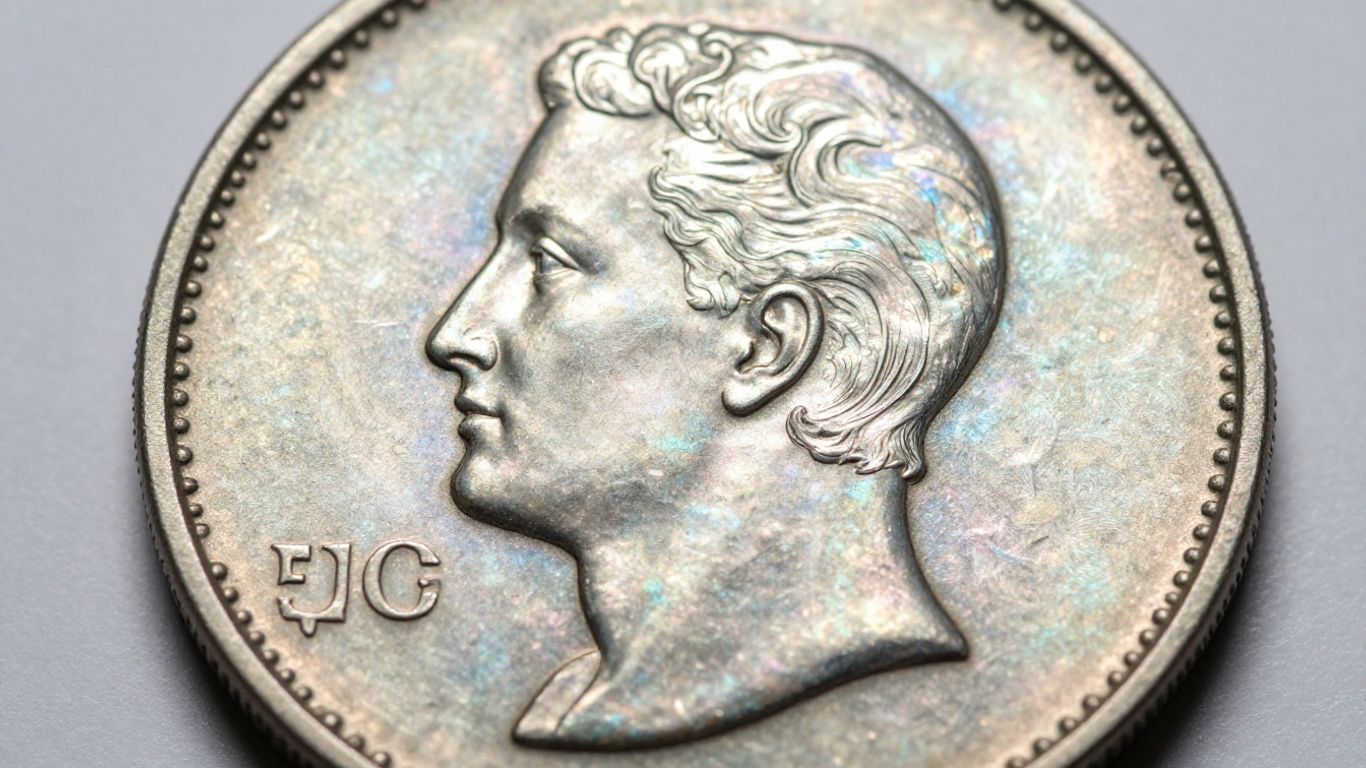
When you’re looking to get a handle on the true condition and appeal of your coins, especially concerning their luster, the local coin dealers in San Antonio can be a real help. These folks often have years of experience looking at coins, and they know what to look for when it comes to that special shine. It’s not just about knowing the grade; it’s about understanding what makes a coin visually attractive to collectors.
Finding Reputable Dealers
It’s important to find dealers you can trust. A good dealer will be upfront about what they see and won’t try to pressure you into a sale. Look for dealers who are members of professional numismatic organizations. They often have a code of ethics they follow. Asking other collectors for recommendations is also a smart move. You want someone who treats your collection with respect.
Dealer Knowledge of Luster
A dealer’s ability to accurately assess coin luster is a strong indicator of their overall numismatic knowledge. They can often spot original mint luster versus artificial enhancements or wear that has dulled the surface. This insight is particularly useful when you’re trying to determine if a coin might be worth sending for professional grading or if it already has a premium appearance.
Here’s a quick look at what to expect:
- Original Luster: Bright, vibrant, and often directional, showing cartwheel effects.
- Worn Luster: Diminished shine, often appearing dull or flat due to circulation.
- Artificial Luster: Can sometimes mimic original luster but often looks unnatural or too uniform.
Building Trust with Local Experts
Building a relationship with a San Antonio coin dealer means you have a go-to person for questions and evaluations. They can help you understand the market and how specific coins are performing. For instance, knowing when to sell a coin with exceptional luster can make a big difference in the price you get. Some dealers might even have insights into upcoming shows or auctions where you could find great deals or sell your own pieces.
When you’re evaluating coins, especially for their luster, remember that what looks good to one person might not appeal as much to another. However, there are objective qualities that most experienced collectors and dealers agree on. Understanding these qualities will help you better appreciate your own coins and make more informed decisions when buying or selling.
Consider this when you’re talking to dealers:
- Ask questions: Don’t be afraid to ask why they think a coin has strong or weak luster.
- Observe their process: See how they handle and examine coins.
- Compare opinions: If possible, get a second opinion from another reputable dealer.
By working with knowledgeable local dealers, you can gain a better appreciation for the nuances of coin luster and how it impacts the value of your collection.
Preserving Coin Luster for Collectors
Keeping that original shine on your coins is a big deal for collectors, and it’s not as simple as just putting them in a drawer. The way you handle and store your coins can make a huge difference in how they look over time, and that directly impacts their value. It’s all about protecting that delicate surface that gives a coin its luster.
Proper Coin Handling Techniques
When you’re looking at a coin, try not to touch the surface directly. Your fingers have oils and acids that can actually damage the metal over time, dulling that nice sheen. It’s best to hold coins by their edges. If you absolutely must handle the surface, use soft cotton gloves. For really valuable coins, or if you’re just being extra careful, using a soft coin pouch or holder is a good idea before you even pick it up.
- Always wash and dry your hands thoroughly before handling coins.
- Use cotton gloves for any direct contact.
- Hold coins by their reeded or smooth edges whenever possible.
- Avoid placing coins on hard surfaces that could cause scratches.
Storage Solutions for Coin Luster
Where you keep your coins matters a lot. You want a place that’s stable and protected. Humidity is the enemy of coin luster, as is exposure to air pollutants. Many collectors opt for specialized coin albums or holders made from inert materials. These keep the coins separated and protected from environmental factors. For graded coins, secure storage boxes designed for slabs are a good choice. The goal is to create a stable environment that minimizes any potential for damage or environmental degradation. Keeping your coins in a dry, airtight container is a solid first step to prevent tarnishing. Storage solutions can range from simple to complex, but the principle is the same: protection.
Avoiding Damage to Coin Surfaces
Damage to a coin’s surface is often irreversible and can significantly reduce its appeal and value. This includes scratches, nicks, and cleaning marks. Cleaning a coin, even with the best intentions, can often remove or alter its original luster, which is usually undesirable. While some professional conservation services can address certain issues, like removing harmful residues, it’s generally best to leave coins as they are. For instance, NGC conservators have developed methods for safely cleaning gold coins, but this is a specialized service. Trying to clean a coin yourself is risky and can lead to permanent damage. It’s better to accept a coin with minor imperfections than to risk ruining its surface through improper cleaning attempts.
The pursuit of preserving coin luster is a careful balance between protection and non-interference. Every action taken, from handling to storage, should be considered for its long-term effect on the coin’s surface and its inherent beauty.
Advanced Luster Analysis Techniques
Microscopic Examination of Surfaces
Looking at a coin’s surface under magnification is key to understanding its luster. It’s not just about seeing if it shines; it’s about seeing how it shines. Different types of luster have distinct patterns. Original mint luster often shows as cartwheel effects, where light seems to radiate from the center outwards. This is caused by the way the metal was struck. Scratches, cleaning, or wear disrupt these patterns, creating dull spots or altering the reflective quality. A 10x magnification, like that provided by a jeweler’s loupe, is standard for this kind of inspection. It allows you to see fine details that tell the story of the coin’s life after it left the mint. You can spot hairline scratches, bag marks, and even evidence of polishing, all of which impact the perceived luster.
Lighting Techniques for Luster Assessment
How you light a coin can dramatically change how its luster appears. Different angles and types of light reveal different aspects of the surface. A direct, bright light might wash out subtle luster, making a coin look flat. On the other hand, angled lighting can highlight the reflective quality and the cartwheel effect. Many collectors and professionals use a halogen lamp because it provides a bright, consistent light source. Experimenting with light sources and angles is important. It helps you see the coin as it would appear under various viewing conditions, giving a more accurate assessment of its true luster. This is a big part of how to read a coin.
Digital Imaging for Luster Documentation
For serious collectors and dealers, documenting a coin’s luster digitally is becoming more common. High-resolution photography can capture the subtle nuances of luster that might be missed in a quick glance. Specialized lighting setups are often used in conjunction with cameras to bring out the best in a coin’s surface. This documentation is useful for several reasons: it helps in cataloging a collection, provides a record for insurance purposes, and can be used to showcase a coin’s quality when selling. It allows for a consistent and objective record of the coin’s appearance over time.
The goal of advanced analysis is to move beyond a simple ‘shiny’ or ‘dull’ assessment. It’s about understanding the origin and quality of the luster, recognizing how it has been affected by time and handling, and using this knowledge to make informed decisions about a coin’s value and authenticity.
The Impact of Toning and Patina on Luster
When we talk about coin luster, it’s easy to get caught up in the bright, shiny appearance of a brand-new coin. But what happens over time? That’s where toning and patina come into play, and they can really change how a coin looks and how collectors see its luster.
Distinguishing Natural Toning
Coin toning is basically a surface film that forms on a coin due to chemical reactions with its environment. Think of it like a natural aging process for metal. This isn’t something someone did to the coin on purpose; it just happens. The colors can range from subtle golden hues to vibrant blues, greens, and purples. Well-executed natural toning can actually make a coin more attractive and sometimes even more valuable. It shows the coin has a history and has been left undisturbed for a long time. It’s important to know that artificial toning exists, and it’s usually done to make a coin look older or more appealing, but it’s not the same as natural toning. Collectors generally prefer natural toning because it’s a sign of authenticity and age. You can find more about coin collecting terms on sites like Modern Coin Mart.
Understanding Patina Development
Patina is a bit different from toning. While toning is typically a thinner film, patina often refers to a more substantial layer that develops on older coins, especially those made of copper or bronze. It’s a form of oxidation that can give a coin a duller, sometimes greenish or brownish appearance. Unlike toning, which can sometimes be removed without damaging the coin’s surface, patina is often considered an integral part of the coin’s history and character. Trying to remove patina can be very damaging and will almost certainly reduce the coin’s value. It’s a sign of age and often indicates the coin has spent a significant amount of time in the ground or exposed to the elements. The development of patina is a slow, natural process.
How Color Affects Luster Perception
So, how do these surface changes affect that all-important luster? It’s a mixed bag, really. Sometimes, toning can actually preserve or even highlight the original mint luster underneath. A coin with vibrant, even toning might still show strong cartwheel luster when tilted under a light. This is because the toning hasn’t significantly abraded or damaged the coin’s surface. However, heavy or uneven toning, or the development of a thick patina, can obscure or completely hide the underlying luster. If the surface is rough or pitted due to environmental exposure, the light won’t reflect smoothly, and the coin will appear dull, regardless of its original mint state. Collectors often look for coins where the toning complements, rather than detracts from, the coin’s original brilliance. The goal is to find that sweet spot where age and beauty meet. Coin toning is a complex topic that many collectors study.
The interplay between toning, patina, and luster is a key consideration for anyone evaluating a coin’s aesthetic appeal and market worth. Understanding these natural processes helps collectors appreciate the unique story each coin tells.
Maximizing Coin Value Through Luster
When you’re looking to get the most out of your coin collection, paying attention to luster is a smart move. It’s not just about the coin’s date or mint mark; that original shine can really make a difference in what someone is willing to pay. Think of it like a car – a well-maintained vehicle with a gleaming finish will always fetch a higher price than one that’s seen better days. The same applies to coins. A coin’s luster is often the first thing a collector notices, and it can significantly influence their perception of its condition and desirability.
Strategic Selling of High-Luster Coins
Selling coins with strong, original luster requires a bit of planning. You don’t want to rush into a sale, especially if you’ve got a real gem on your hands. Give yourself time to properly present the coin. This might mean getting it into a clean, clear holder or even having it professionally reviewed by a service like CAC. They can add a sticker to coins that meet their standards, which gives buyers more confidence. This confidence often translates directly into a higher price. It’s also wise to consider when you’re selling. While the internet has changed things, traditional busy times for coin sales, like around major shows in January and August, can still be beneficial. Timing your sale can help you connect with more motivated buyers.
The Benefits of CAC Certification
Getting a CAC sticker can be a real boost when you’re selling. It’s not about getting a higher grade, but about confirming that the coin is a top-quality example for the grade it already has. This is especially true for coins that have been in older holders. Sometimes, a coin in an old slab might be worth more if it’s re-holdered, but if it’s already a great coin, leaving it in its original holder can sometimes appeal to collectors who like those older slabs. However, if a coin has the potential for a significant upgrade in value, it might be worth the risk to have it re-graded. For coins that are already high-end for their grade, a CAC sticker can really make them stand out and become more liquid, meaning they tend to sell faster and often for more money.
Timing Your Coin Sales for Optimal Returns
When you decide to sell, think about the market. Are there specific coin series that are currently popular? Have you seen recent auction results for similar coins? Doing your homework on pricing is key. For common coins, it’s straightforward, but for rare items, you’ll need to look at past sales. If you have an extremely rare coin, an auction might be the best route, but don’t forget that specialist dealers can also be great resources. They might be able to help you get the best price. Remember, avoiding a forced sale is important; if buyers know you’re in a hurry, they’re likely to offer less. Giving yourself at least 45-60 days for a sale allows for proper marketing and gives potential buyers time to arrange payment, which can lead to better outcomes. It’s often better to leave a little bit of profit on the table for the buyer; it makes for a smoother transaction and can build goodwill for future sales.
Navigating Coin Auctions with Luster Awareness
Attending coin auctions, whether online or in person, can be an exciting way to acquire new pieces for your collection. However, it’s easy to get caught up in the bidding frenzy and overlook important details, especially when it comes to coin luster. Understanding how luster plays a role can help you make smarter decisions and avoid overpaying.
Evaluating Luster in Auction Lots
When you’re looking through auction listings, pay close attention to the descriptions and images. High-quality images are key, but they can sometimes be misleading. Look for terms that describe the coin’s surface preservation. Words like "brilliant," "lustrous," or "original surfaces" are good signs. Conversely, terms like "cleaned," "polished," or "bag marks" might indicate that the original luster has been compromised. The presence of strong, original mint luster is often a primary indicator of a coin’s desirability and potential value.
Here’s a quick checklist to consider when evaluating luster in auction lots:
- Image Quality: Are the photos clear and well-lit, allowing you to see the coin’s surfaces? Can you zoom in to inspect details?
- Description: Does the auction house use specific terms to describe the luster, or is it vague?
- Grading Service: Is the coin encapsulated by a reputable grading service like PCGS or NGC? While not a guarantee, their grading often takes luster into account.
- Comparables: Have you seen similar coins sell recently? Knowing the market helps you gauge if the starting bid reflects the coin’s condition, including its luster.
Understanding Auction House Grading
Auction houses often provide their own grading of coins. While many are knowledgeable, their grading might not always align perfectly with the standards set by major third-party grading services. It’s wise to cross-reference their descriptions with your own knowledge and, if possible, with information from services like PCGS or NGC. Sometimes, a coin might be described as "high grade" but lack the vibrant luster that collectors seek, which can affect its true market value.
Be aware that auction estimates are often set to attract attention and encourage bidding. They are not always a reflection of the coin’s true worth, especially when factors like luster are not fully appreciated or disclosed.
Bidding Strategies Based on Luster
When you’re ready to bid, having a clear strategy is important. Don’t get caught in a bidding war without a predetermined limit. Consider the coin’s luster as a significant factor in your valuation. A coin with exceptional luster, even if it’s in a slightly lower grade, might be more appealing and hold its value better than a higher-graded coin with dull or impaired surfaces. If a coin has strong original luster, it might be worth bidding a bit higher, especially if it’s a key date or a rare variety. Remember to factor in buyer’s premiums and shipping costs when determining your maximum bid. For rare items, it might be beneficial to consult with a specialist dealer before the auction to get a better sense of the coin’s true market appeal, including its luster characteristics. This due diligence can help you avoid costly mistakes and make more informed purchasing decisions at coin auctions. Consider the long-term appeal of a coin’s luster when deciding how much you’re willing to spend.
Specialized Coin Series and Luster
Different coin series have their own unique ways of showing luster, and knowing this can really help collectors. It’s not just about how shiny a coin is; it’s about how that shine interacts with the coin’s design and metal.
Luster in Gold and Silver Eagles
American Gold and Silver Eagles are popular for a reason. Their bullion status means they’re often kept in top condition, which helps preserve their original mint luster. For these coins, you’re looking for that strong, cartwheel effect when you tilt them under a light. It’s a sign they haven’t been handled much. The minting process itself aims for a bright, clean surface, so any dullness or hairlines can really stand out. The presence of original, vibrant luster is a key factor in their desirability for collectors.
- Gold Eagles: Often have a warmer, deeper luster due to the gold content.
- Silver Eagles: Typically exhibit a brighter, more reflective luster.
- Proof Versions: These are struck multiple times to bring out maximum detail and a mirror-like finish, making their luster exceptionally striking.
Assessing Luster on Morgan Dollars
Morgan Dollars are a whole different story. These older coins, especially those from certain mints and years, can have incredible, frosty luster. Sometimes, this luster is so intense it almost looks like it’s glowing. It’s not uncommon to find Morgan Dollars with what collectors call ‘original bag marks,’ which are tiny surface imperfections from being stored in mint bags. While these marks can affect the grade, the quality of the luster can sometimes compensate, especially if the luster is particularly strong and attractive. It’s a balancing act.
Evaluating the luster on a Morgan Dollar requires a keen eye. You’re not just looking for shininess; you’re looking for the quality and intensity of that shine, how it plays across the design, and whether it’s original mint luster or something that’s developed over time.
Unique Luster Characteristics of World Coins
World coins present an even wider array of luster types. Many countries use different alloys, minting techniques, and finishes that result in distinct luster appearances. For instance, some European commemorative coins might have a very soft, almost velvety luster, while certain Asian bullion coins could boast an intense, mirror-like finish. It’s important to research the specific series or country of origin to understand what kind of luster is considered normal and desirable. This knowledge helps in spotting coins that have been cleaned or mishandled. For collectors interested in these unique pieces, understanding the specific grading standards for Commemorative & Expo Medals (Local) can be quite helpful, as many world coins fall into similar categories.
- Alloy Composition: Different metals reflect light differently.
- Minting Techniques: Some coins are struck multiple times for a sharper, more brilliant finish.
- Surface Treatments: Special finishes, like satin or proof, dramatically alter luster.
Understanding these nuances across different coin series is what separates a casual collector from a seasoned numismatist. It’s all about appreciating the subtle details that make each coin special.
Wrapping Up Your Coin Journey
So, when it comes to evaluating the shine and quality of your San Antonio coins, remember that getting a professional opinion can really make a difference. It’s not just about knowing what you have, but also about understanding its true worth and how to best care for it. Whether you’re a seasoned collector or just starting out, looking into expert services can help you make smarter decisions and protect your investment. Think of it as giving your collection the best chance to shine for years to come.
Frequently Asked Questions
What exactly is coin luster?
Coin luster is like a shiny glow on a coin’s surface. It happens when the coin is brand new and hasn’t been touched much. Think of it as the coin’s original sparkle that shows how well it was made and preserved.
Why is coin luster so important for collectors?
Luster is a big deal because it shows a coin is in great shape and hasn’t been worn down. Coins with strong, original luster are usually worth more money because they look better and are rarer.
How can I tell if a coin's luster is original?
Original luster often looks like a smooth, flowing shine that moves when you tilt the coin. If the shine looks dull, artificial, or has lines, it might not be original. Experts can help you spot the difference.
Does cleaning a coin affect its luster?
Yes, absolutely! Cleaning a coin almost always damages its original luster, making it look dull or scratched. This can significantly lower the coin’s value, so it’s best to avoid cleaning coins yourself.
What are some ways to protect a coin's luster?
To keep luster safe, handle coins by their edges using soft gloves or tongs. Store them in special holders that don’t scratch the surface, and keep them away from moisture and harsh chemicals.
How do professional services evaluate coin luster?
Experts use special tools and lighting to look closely at a coin’s surface. They check for original mint shine, any signs of wear, or if the luster has been harmed. They also consider how toning or other surface changes might affect the luster’s appearance.
Can toning or patina change how luster looks?
Toning is a natural color change on a coin’s surface, and patina is similar but often found on older, non-precious metal coins. While they can change a coin’s color, they don’t always hide the underlying luster. Sometimes, attractive toning can even enhance a coin’s appeal, but experts need to tell the difference between natural toning and damage.
Where can I find experts in San Antonio who know about coin luster?
In San Antonio, look for reputable coin dealers or professional grading services. These places have experienced numismatists who understand coin luster and can help you evaluate your coins accurately.