
To become a successful penny hunter, focus on these main points. They will guide you in finding coins and building your collection.
Key Takeaways
- Know what makes a penny special, like its date, mintmark, and if it has any errors.
- Look for coins in places people often overlook, like old houses or through bank rolls.
- Use tools like magnifying glasses and reference books to help you spot good finds.
- Understand that things like the coin’s condition and how much people want it affect its price.
- Keep learning, talk to other collectors, and keep good records of what you find.
Identifying Potential Penny Treasures
Finding valuable pennies isn’t just about luck; it’s about knowing what makes a penny special. Think of it like being a detective, but instead of clues, you’re looking for specific details on these small copper discs. The date and mintmark are your first big clues.
Understanding Key Date and Mintmark Significance
The date tells you when the penny was made, and the mintmark (usually a small letter like ‘S’ for San Francisco or ‘D’ for Denver, or no mark for Philadelphia) tells you where. Some dates and mintmarks are much rarer than others. For example, a penny from a year with very few made, or one struck at a mint that produced fewer coins, can be worth a lot more than a common one. It’s like finding a specific edition of a book that only had a small print run.
Here’s a quick look at mintmarks:
- P (Philadelphia): No mintmark on most pennies.
- D (Denver): Found on many Lincoln cents.
- S (San Francisco): Often indicates a scarcer coin.
Recognizing Rare Error Varieties
Sometimes, the minting process goes a little wonky, and that’s where errors come in. These aren’t just mistakes; they can be highly sought after by collectors. Things like doubled lettering, where a number or letter looks like it’s been stamped twice, or coins that are struck off-center, can add significant value. You might even find pennies made of the wrong metal, like the famous 1943 copper pennies.
Common error types include:
- Doubled Dies: The die used to strike the coin was doubled.
- Off-Center Strikes: The coin wasn’t perfectly aligned when struck.
- Wrong Planchet: Struck on a planchet (blank coin) meant for a different denomination or metal.
Keep an eye out for anything that looks a bit ‘off’ compared to a normal penny. These anomalies are often what collectors are hunting for.
Assessing Coin Condition and Preservation
Even a rare penny won’t be worth much if it’s heavily damaged or worn down. The condition, or grade, of a coin is super important. A penny that looks almost brand new, with all its details sharp and clear, is worth far more than one that’s been rubbed smooth from years of circulation. Learning to spot wear and tear is key to knowing if you’ve found a treasure or just a regular old penny. You can find more details on coin grading standards.
Factors to consider for condition:
- Luster: Does it still have its original shine?
- Wear: Are the high points of the design worn down?
- Damage: Are there any nicks, scratches, or bent spots?
- Color: Has it been cleaned or altered?
Strategic Penny Hunting Locations
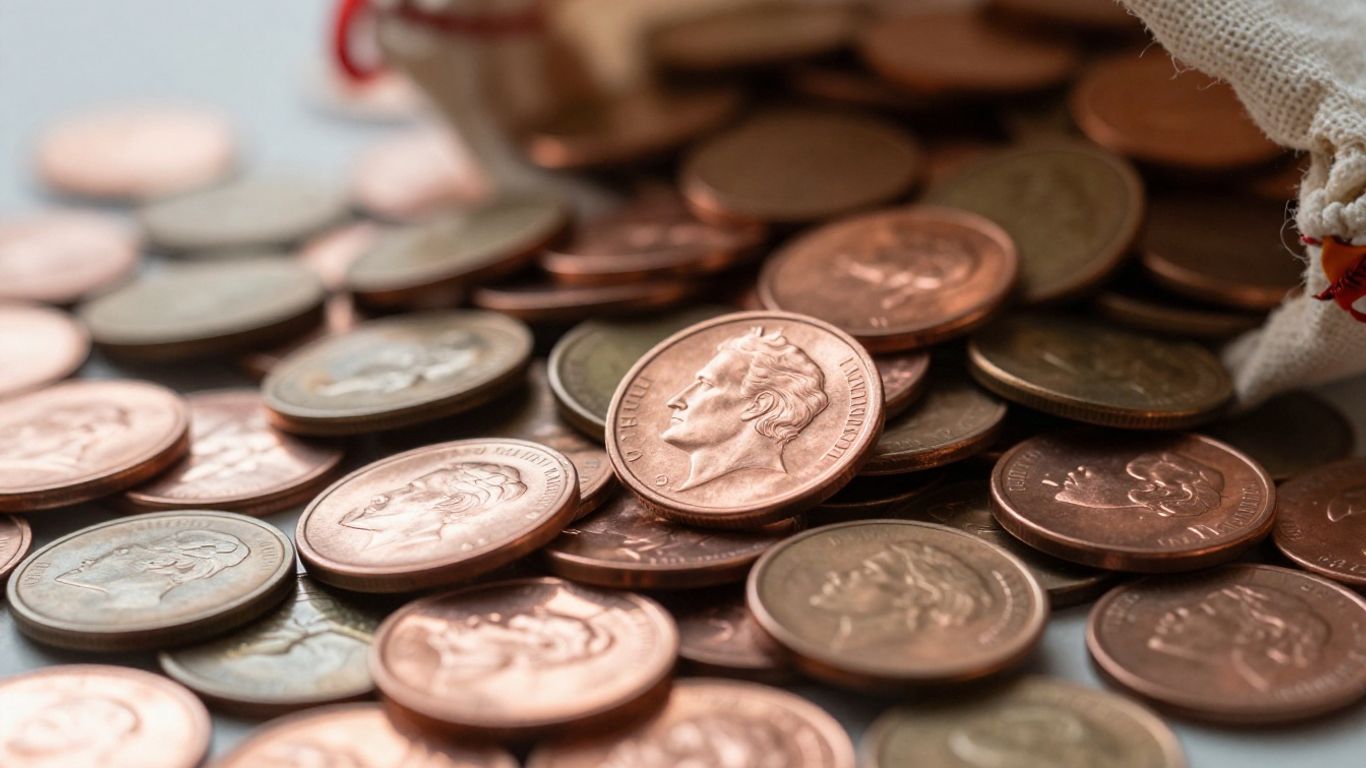
Finding valuable pennies isn’t just about knowing what to look for; it’s also about knowing where to look. While pocket change can sometimes yield a surprise, expanding your search to other areas can significantly increase your chances of uncovering hidden treasures. Think of it like a treasure map – the more spots you explore, the better your odds.
Exploring Overlooked and Unexpected Places
Many collectors focus on the obvious, leaving less common spots ripe for discovery. Consider places where coins might have been lost or stored over time. Old houses, especially during renovations, can be goldmines. Check inside walls, under floorboards, or in attics. Backyards, particularly near old trees or pathways, might have coins buried or dropped. Even dry creek beds or old fountains can sometimes hold forgotten cents. The key is to think creatively about where people might have been and what might have fallen out of their pockets.
Leveraging Bank Rolls for Finds
One of the most popular and effective methods for finding older or rarer pennies is through roll searching. This involves obtaining rolls of pennies from a bank and carefully examining each coin. You’re looking for specific dates, mintmarks, or error varieties that might be worth more than face value. A single box of 50 rolls, which contains 2,500 one-cent coins, offers numerous opportunities to discover rare Lincoln Wheat Cents, Indian Head Cents, and other notable varieties through roll searching.
Here’s a basic process for roll searching:
- Obtain Rolls: Visit your local bank and ask for rolls of pennies. It’s best to get them in person to avoid suspicion.
- Prepare Your Workspace: Set up a comfortable area with good lighting. Have a container ready for keepers and another for spent coins.
- Examine Each Coin: Use a magnifying glass to check the date, mintmark, and look for any unusual features or errors.
- Sort and Store: Keep any coins that meet your criteria. Return the rest to the bank, perhaps in a different branch to avoid returning the same coins.
While banks are a primary source for coin rolls, remember that pennies are still in circulation. Retailers continue to provide penny change for cash transactions, so always keep an eye on the change you receive.
Visiting Garage Sales and Estate Auctions
Garage sales and estate auctions are fantastic places to find coins that sellers may not realize have significant value. People often sell entire collections or boxes of old items without knowing the true worth of individual pieces. You might find a jar full of old pennies for a few dollars, or a box of assorted items that contains a few key date pennies. It’s important to go with an idea of what you’re looking for and be prepared to sort through a lot of common coins to find the gems. This is also a great place to find reference books that can help you identify your finds. Remember, sellers at these events might not be numismatic experts, so you can often find great deals. You can also find information on identifying valuable coins on sites like PCGS CoinFacts.
Essential Tools for Penny Hunters
Utilizing Magnification for Close Examination
Looking at pennies without magnification is like trying to read a book from across the room. You might get the general idea, but you’ll miss all the important details. For serious penny hunting, a good magnifying tool is non-negotiable. This isn’t just about seeing the date more clearly; it’s about spotting those tiny mintmarks, subtle design shifts, or even the faint signs of an error that could turn a common penny into a treasure. A jeweler’s loupe, typically with 10x magnification, is a popular choice because it’s small, portable, and provides a clear, magnified view. This simple tool can be the difference between passing over a valuable coin and recognizing its potential.
The Role of Reference Books and Guides
Even with a magnifying glass, knowing what you’re looking for is key. That’s where reference books and guides come in. These resources are packed with information on key dates, mintmarks, rare varieties, and typical values for different coin conditions. Think of them as your cheat sheets for the world of pennies. They help you quickly identify coins that stand out from the everyday circulation. Having a current guide is important because coin values can change. You can find guides specific to U.S. coinage that cover pennies in detail, helping you understand which dates and mintmarks are generally more sought after by collectors. For those looking to understand the nuances of specific coin types, resources on wheat penny rolls can be particularly insightful.
Considering Metal Detectors for Expansive Searches
While many valuable pennies are found through careful sorting of pocket change or bank rolls, sometimes you need to think bigger. If you’re interested in finding coins that might have been lost or buried over time, a metal detector can be a game-changer. These devices can scan larger areas, like parks, old home sites, or beaches, and alert you to the presence of metal objects beneath the surface. It’s important to choose a detector that is sensitive enough to pick up small, low-value items like pennies, but also has discrimination features to help you avoid digging up junk. Remember to always get permission before searching on private property and to fill in any holes you dig. This approach opens up a whole new dimension to coin hunting, moving beyond just what’s in circulation and into the realm of historical finds. This section of The Penny Hunter’s Toolkit offers more on equipping yourself for success.
When you’re out hunting for pennies, remember that patience and persistence are your best allies. Not every hunt will yield a jackpot, but each search is a learning experience. Keep your tools handy, your reference guides updated, and your eyes sharp. The thrill of discovery is often just around the corner, waiting for the prepared collector.
Understanding Penny Value Drivers
The Impact of Copper Content on Value
For many years, pennies were made primarily of copper. This is a big deal for collectors, especially when you’re looking at coins made before 1982. These older pennies are mostly copper, and that metal itself has a market value. When the price of copper goes up, the melt value of these older pennies also increases. It’s like having a small piece of a commodity that people want. This gives them a sort of baseline worth, separate from their numismatic value. So, even a common pre-1982 penny might be worth more than its face value just because of the metal it’s made from. It’s a good idea to keep an eye on metal prices if you’re serious about this hobby.
How Market Demand Influences Penny Prices
Just like anything else, what people want affects how much a penny is worth. If a particular year or type of penny suddenly becomes popular with collectors, its price can jump. This is often driven by what’s called "key dates" – coins that were made in smaller numbers or have some special characteristic that makes them harder to find. The more people want a specific coin, the higher the price collectors are willing to pay. This is why understanding trends in the coin collecting world is so important. You might find a coin that’s common today, but if it becomes a sought-after item tomorrow, its value could change quite a bit. It’s a dynamic market, and staying informed is key to making smart finds. Learning about factors affecting coin worth can really help here.
The Significance of Historical Context
Sometimes, a penny is worth more because of the story behind it. Coins minted during significant historical periods or associated with notable events can carry extra weight. For example, a penny made during wartime might have a unique composition due to metal shortages, making it interesting. Or perhaps a coin has a connection to a famous person or a specific historical moment. These kinds of details add a layer of interest that goes beyond just the metal or the rarity. It connects the coin to a piece of history, and that can make it much more appealing to collectors. Think of it as owning a small artifact that tells a story about the past. This historical angle is a big part of what makes coin collecting so fascinating for many people.
Maximizing Your Penny Finds
When it comes to getting the best out of your penny discoveries, there’s more to it than just having a pile of old coins. The right approach can make the difference between a common penny and a truly special find worth real money. These tips will help you stay smart and get the most out of every coin.
Professional Authentication and Grading
Professional grading services like PCGS or NGC can give you an unbiased opinion about your coin’s authenticity and condition. This can increase buyer trust and raise your coin’s resale value.
- Submit only those coins that show minimal wear or are already known to be rare or in demand.
- Compare grading fees and choose a service that fits your situation and budget.
- Use third-party authentication to help eliminate doubts among buyers.
If you’re sitting on a coin you suspect is rare, having it graded is almost always worth the cost, since verified condition can mean a much higher price at sale.
Timing Your Sales for Optimal Returns
Not all markets are equal at all times. Coins can sell for more or less depending on what’s happening in the hobby and the broader economy. Time your sales for the best results:
- Keep an eye on precious metal prices—when copper is up, so are pre-1982 penny prices.
- Sell popular coin types when interest peaks, which often happens after their story hits the news or collector forums.
- Avoid selling during holiday lulls when buyers tend to be distracted by other spending.
Selling Through Reputable Coin Dealers
Working with a dealer can smooth out the selling process. It’s important to choose wisely:
- Gather quotes from several dealers, so you know you’re getting fair offers.
- Select a dealer known for transparency and honest pricing.
- Be prepared to show proof of authentication if you’ve had coins graded.
For more practical advice on organizing and showcasing your coins for buyers, check out tips to display your coin collection.
Quick Reference: Maximizing Your Penny Value
| Step | What to Do |
|---|---|
| Authentication | Get important coins authenticated |
| Market Monitoring | Watch prices and time your sales wisely |
| Dealer Investigation | Research buyers before making a deal |
If you want a better sense of which pennies you should be looking for—and what they might be worth if you decide to sell—see real-world examples in this popular penny finds guide.
Building Your Penny Collecting Expertise
Becoming a knowledgeable penny collector takes time and effort, much like learning any new skill. It’s not just about finding coins; it’s about understanding their story and their place in history. The more you learn, the better your chances of spotting those hidden gems.
Staying Informed on Market Trends
Keeping up with what’s happening in the coin world is pretty important. Prices can change, and new discoveries are always being made. Think of it like following the stock market, but for coins. You’ll want to read up on what’s popular, what’s selling well, and what experts are saying. This helps you know if a coin you found might be worth more than you thought, or if it’s a good time to buy or sell. Monitoring trends can also give you ideas for what to look for next. For instance, sometimes older coins with high copper content become more interesting when metal prices go up, similar to how people might look at silver investments when silver prices are climbing.
Networking with Fellow Collectors
Don’t try to do this all alone. There are tons of people out there who love collecting coins just as much as you do. Joining a local coin club or participating in online forums can be a great way to meet others. You can share stories, ask questions, and even trade coins. Experienced collectors are often happy to share their knowledge, and you might learn about specific coin series or find out where to look for certain types of pennies. It’s a good way to get different perspectives on coin values and collecting strategies.
Keeping Detailed Records of Your Collection
This might sound a bit tedious, but it’s really useful. Keep a list of all the pennies you find or buy. For each coin, jot down where you got it, how much you paid (if anything), the date, the mintmark, and any notes about its condition. This information is super helpful if you ever need to insure your collection or decide to sell some of your coins later on. It also helps you track your progress and see how your collection is growing over time. A simple spreadsheet can work wonders for this.
Building a solid collection isn’t just about luck; it’s about consistent effort and learning. Paying attention to details, connecting with others, and keeping good notes are all part of the process that separates a casual finder from a serious collector.
Advanced Penny Hunting Techniques
Moving beyond the basics of penny hunting involves refining your approach and developing a more systematic way of finding those hidden gems. It’s about looking at the hobby with a sharper eye and a more strategic mindset. This means understanding that consistent success often comes from disciplined repetition and a willingness to learn from every search.
Diversifying Your Collecting Strategy
While focusing on pennies is your main goal, consider how other collecting areas might inform your penny searches or offer complementary value. For instance, understanding the market for other U.S. coins can provide context for penny values. Some collectors find that balancing their numismatic interests with tangible assets like precious metals can create a more stable overall portfolio. This approach acknowledges that different types of assets have different risk and reward profiles.
Learning from Experienced Collectors
Connecting with others who have been in the hobby for a while is invaluable. They’ve likely encountered many of the same challenges and can offer practical advice. Attending coin shows, joining local coin clubs, or participating in online forums are great ways to meet these individuals. You can learn about their methods, what they look for, and even discover opportunities to trade or acquire coins.
The numismatic community is often very generous with its knowledge. Don’t be afraid to ask questions; most experienced collectors are happy to share their insights and help newcomers avoid common pitfalls.
Developing a Systematic Sorting Process
A structured sorting method is key to efficiency and accuracy. When you get a batch of coins, whether from bank rolls or other sources, having a clear process prevents valuable items from being overlooked. Here’s a workable method:
- Obtain coins: Get rolls or bags from banks or post offices that handle regular change orders.
- Examine under light: Use strong lighting and a good loupe to inspect each coin.
- Separate by type: Group coins by denomination, date, portrait, and any obvious design differences.
- Verify suspect coins: Check any unusual pieces against standard references before deciding they are varieties or errors.
- Record and return: Keep a log of what you find and decide to keep. Return the ordinary coins promptly to the bank or post office.
This disciplined approach rewards routine and helps you avoid wasting time storing common coins. It’s about making the most of your search time, much like how coin roll hunting requires a methodical approach to yield the best results.
The Art of Spotting Valuable Pennies
Finding a penny that’s worth more than its face value takes a bit of know-how. It’s not just about luck; it’s about knowing what details to look for. Think of it like being a detective for tiny metal discs. You need to train your eye to spot the unusual, the rare, and the historically significant.
Focusing on Specific Coin Series
While all pennies are interesting, some series are more likely to hide treasures. The Lincoln cent series, which began in 1909, is a great place to start. Within this series, certain years and mint marks are much more sought after than others. For instance, the early
Conclusion
The world of pennies can be surprisingly exciting for collectors, both new and experienced. From the super rare ones that are worth a lot of money to the more common finds, these small coins hold a lot of potential. Finding these treasures takes a bit of learning, patience, and a good eye. Whether you’re just checking your pocket change or building a serious collection, knowing what to look for and where to look will help you get the most out of this fun hobby.
Frequently Asked Questions
What makes a penny rare or valuable?
A penny can be valuable if it’s a ‘key date,’ meaning it was made in a year or at a mint where fewer coins were produced. Also, coins with mistakes, like doubled letters or wrong metal, can be worth more. The better the condition of the coin, the more it’s usually worth too.
Where are the best places to look for old pennies?
You might find them in old coin collections, at garage sales, or even in the change you get from stores. Some people also search through rolls of coins from the bank or look in less common spots like old attics.
Do I need special tools to find valuable pennies?
It really helps to have a magnifying glass to see small details like dates and mintmarks clearly. Having a good book or guide about coins can also tell you which ones are more sought after and what they might be worth.
How can I tell if a penny is in good condition?
Look closely at the coin’s surface. Is it worn down smooth, or can you still see all the details clearly? Coins that look sharp and have their original shine are usually in better condition and worth more.
What is a mintmark, and why is it important?
A mintmark is a small letter on the coin that shows where it was made, like ‘D’ for Denver or ‘S’ for San Francisco. Sometimes, coins made at a specific mint are rarer and more valuable than those made elsewhere.
Are pennies made before a certain year more valuable?
Yes, pennies made before 1982 are mostly copper and can be worth more just for the metal itself, especially if copper prices are high. Some older pennies from specific years or mints are also very collectible.
What should I do if I think I found a valuable penny?
First, try to identify it using a coin guide or online resources. If you think it’s truly rare, you might consider getting it checked by a professional coin dealer or a grading service to find out its exact worth.
Is it better to sell my pennies to a dealer or online?
Selling to a reputable coin dealer can be a good way to get a fair price, especially if they know about coins. Selling online might reach more buyers, but you need to be careful about who you sell to and how you ship them.