
Diving into bank box coin searching can be a rewarding hobby. Here are the main points to remember as you start your treasure hunting adventure.
Key Takeaways
- Understand the basics of bank box coin searching and the types of coins you might find.
- Gather the right tools, including a good metal detector and necessary accessories.
- Develop smart strategies for visiting banks and interacting with tellers.
- Learn to identify coins that are rare or have special mint marks and errors.
- Always practice ethical searching and respect property rights.
Understanding Bank Box Coin Searching
The Allure of the Hunt
There’s a certain thrill that comes with the possibility of finding something valuable, something hidden away from plain sight. It’s the same feeling that draws people to explore old attics or sift through antique shops. With bank box coin searching, this excitement is brought right into your local bank. You’re not just getting change; you’re potentially holding a piece of history, a forgotten treasure waiting to be rediscovered. It’s a hobby that combines a bit of luck with a good dose of patience, and the rewards can be more than just monetary.
What is Bank Box Coin Searching?
Bank box coin searching, often called coin roll hunting, is a hobby where people buy rolls of coins from banks and then go through them, looking for anything unusual or valuable. Think of it like a treasure hunt, but instead of a map, you have a roll of quarters or dimes. People do this because sometimes, rare coins, errors, or coins with interesting mint marks end up in circulation and can be found mixed in with the common ones. It’s a way to explore history and potentially find some interesting pieces without needing a metal detector or digging in the dirt. You can find out more about coin roll hunting and how it works.
Potential for Rare Finds
The idea of finding a rare coin in a roll of change is what keeps many enthusiasts going. While most rolls will contain just ordinary currency, the possibility of discovering a key date coin, a mint error, or even a foreign coin that somehow made its way into circulation is very real. These finds can range from a few cents more than face value to coins worth hundreds or even thousands of dollars. It’s about the thrill of the search and the potential for a significant discovery.
- Key Dates: Certain years and mint marks are much rarer than others.
- Mint Errors: Coins struck incorrectly can be quite valuable.
- Varieties: Small differences in the die used for minting can create rare varieties.
The excitement of bank box coin searching lies in the unpredictability. Each roll is a new opportunity, a chance to uncover something special that has been circulating for years, perhaps decades, without being noticed. It’s a hobby that requires a keen eye and a bit of luck, but the potential for finding hidden treasures makes it all worthwhile.
Essential Tools for Your Coin Searching Journey
To really get into coin searching, you need the right gear. It’s not just about luck; having the proper equipment makes a huge difference in what you can find and how much time you spend searching. Think of it like a carpenter needing good tools to build something solid. For us, these tools help us uncover those hidden bits of history.
Choosing the Right Metal Detector
This is probably the most important piece of equipment you’ll get. Not all metal detectors are created equal, and the one you pick can really affect your success. For general coin searching, especially in parks or older yards, a good all-around detector works well. These usually have adjustable sensitivity and discrimination settings, which help you filter out junk metal like bottle caps and pull tabs, so you can focus on the good stuff. If you’re aiming for deeper targets or larger caches, you might need a more specialized detector, sometimes called a "deep-seeking" model. These often use different coil technology to reach further into the ground. It’s worth looking into detectors that have a good reputation for coin hunting. Some popular brands offer models that are great for beginners, while others cater to more experienced hunters looking for specific features. The key is to match the detector’s capabilities to the types of places you plan to search.
Essential Accessories for the Field
Beyond the detector itself, a few other items can make your outings much smoother and more productive.
- Digging Tools: You’ll need something to dig with. A sturdy trowel or a specialized digging tool designed for metal detecting is a must. Look for ones with a serrated edge if you expect to hit roots or tough soil.
- Pinpointer: Once your detector signals something, a pinpointer is a small, handheld device that helps you zero in on the exact location of the target in the plug of dirt you’ve dug. This saves a lot of time and reduces the size of the hole you need to dig.
- Collection Pouch or Bag: You need a place to put your finds, whether it’s coins, relics, or even trash you’re removing. A durable pouch that attaches to your belt is handy for small finds, while a larger bag is good for a day’s haul.
- Headphones: Using headphones with your metal detector is a game-changer. They help you hear faint signals that you might miss with the speaker, and they also block out ambient noise, letting you concentrate better.
Protective Gear and Storage
Taking care of yourself and your equipment is just as important as the hunt itself. When you’re out in the field, especially for extended periods, consider wearing comfortable clothing and sturdy shoes. Sunscreen and a hat are good ideas for sunny days. For your equipment, a waterproof cover for your detector’s control box can be a lifesaver if you encounter unexpected rain. When you’re done detecting, it’s important to clean your gear. Dirt and moisture can damage electronics over time. Store your metal detector and accessories in a dry place, preferably in a protective case or bag. This will help keep them in good working order for many hunts to come. Keeping track of your finds is also part of the process; you might want to use a system like a spreadsheet to manage your coin collection.
Proper preparation and the right tools aren’t just about convenience; they directly impact the quality and quantity of your discoveries. Investing in good equipment and knowing how to use it will significantly improve your chances of finding those sought-after coins and historical artifacts.
Strategic Approaches to Bank Box Coin Searching
When you’re looking to find some hidden coin treasures, the bank is a good place to start. But just walking in and asking for a box of coins isn’t always the best way to go about it. You need a bit of a plan, you know? It’s not just about the coins themselves, but how you get them and what you do with them.
Timing Your Bank Visits
Going to the bank at the right time can make a big difference. Think about when banks are usually less busy. Early mornings on weekdays are often good. Avoid lunch hours or right after work when people are rushing. Also, some people say that right after a bank gets a new shipment of coin rolls, your chances might be better. It’s like knowing when the fresh produce comes in at the grocery store.
- Early mornings, Monday through Wednesday: Generally less crowded.
- Avoid peak hours: Lunchtime (12 PM – 1 PM) and late afternoons (4 PM – 5 PM).
- Consider post-shipment days: Ask tellers if you can, or observe when they seem to have more rolls.
Building Relationships with Bank Tellers
This is a big one. The tellers are your gateway to those coin boxes. If you’re friendly and polite, they’re more likely to help you out. Don’t just demand a box; ask nicely. Maybe chat with them a bit about your hobby. If you become a regular, friendly face, they might even set aside boxes for you or let you know when they have something interesting. It’s all about being a good customer. A simple "How’s your day going?" can go a long way.
Building rapport with bank staff can lead to them keeping an eye out for specific coin types or even setting aside boxes that might contain older or unusual coins. This personal connection is often more effective than simply being another transaction.
Understanding Coinage and Mint Marks
Before you even get a box, it helps to know what you’re looking for. Different years and mint marks mean different things. Some coins are rarer than others. For example, a penny from 1943 made of steel is different from a copper one. Knowing about these things, like key dates and mint marks, can help you spot a potential gem right away. It’s like knowing which old books might be worth something.
| Coin Type | Common Years | Notable Rare Years/Mint Marks | Potential Value Indicator |
|---|---|---|---|
| Penny | 1959-Present (mostly copper-plated zinc) | 1909-S VDB, 1931-S, 1943 (steel), 1955 Double Die | High-grade, specific rare dates |
| Nickel | 1938-Present | 1939-D, 1950-D, 1971-S (proof) | Condition, specific rare dates |
| Dime | 1965-Present | 1916-D, 1942/1 over 1 | High-grade, specific rare dates |
| Quarter | 1965-Present | 1932-D, 1932-S, 1970-S (proof) | State Quarters, specific rare dates |
It’s not just about finding old coins; sometimes it’s about finding coins that were made in a specific place or during a time when fewer were produced. That’s where mint marks come in. A small letter on a coin can tell you if it was made in Denver (D), San Francisco (S), or Philadelphia (no mark). Some of these can make a coin much more sought after by collectors.
Identifying Valuable Coins
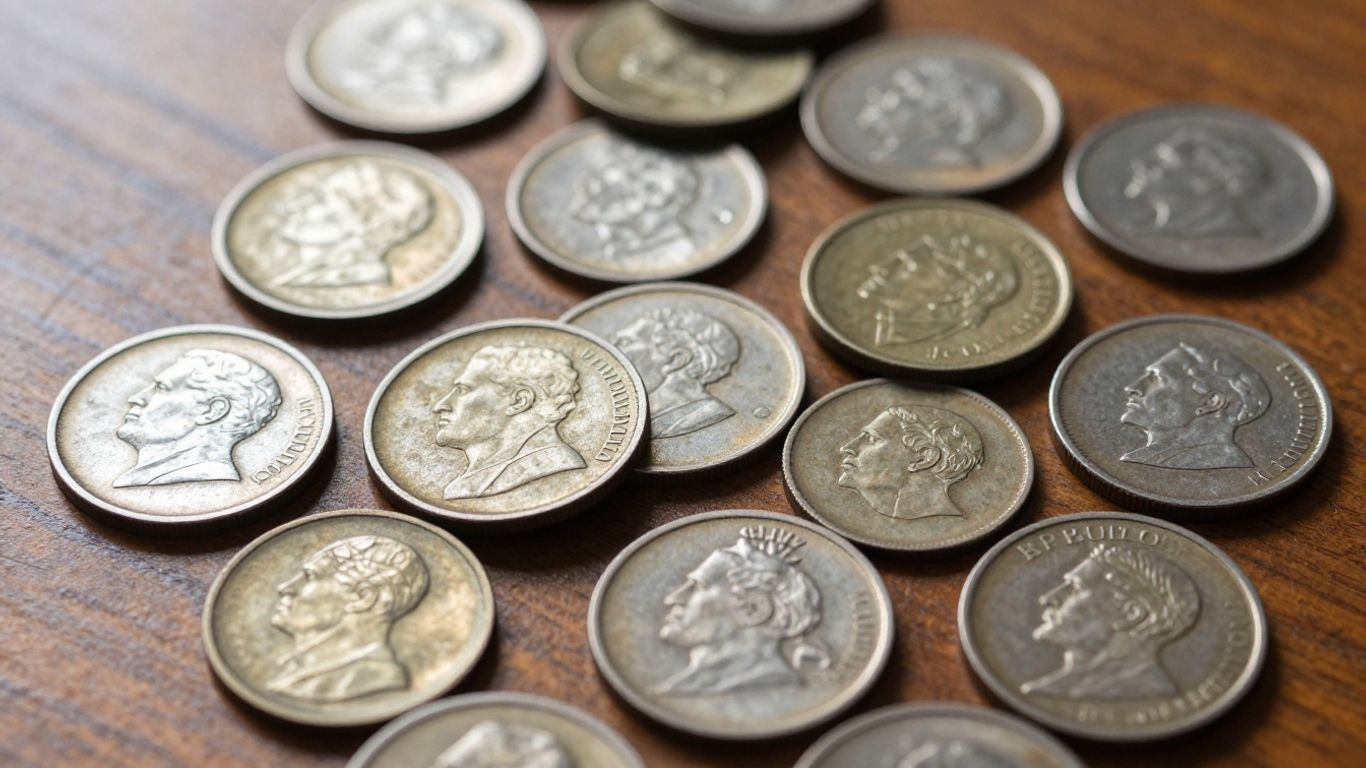
So, you’ve been digging through those bank boxes, and maybe you’ve found a few interesting coins. But how do you know if you’ve stumbled upon something truly special, or just a common pocket piece? It’s all about knowing what to look for. The thrill of the hunt often comes from the potential of finding a rare gem among the everyday.
Key Dates and Mint Marks to Look For
This is where the real detective work begins. Certain years and mint locations can make a coin significantly more desirable. For instance, a coin minted in a year with low production numbers, or from a mint that operated for a short time, is often rarer.
- Key Dates: These are specific years or mint marks that are known to be scarce. For example, the 1909-S VDB Lincoln cent is a classic key date.
- Mint Marks: These small letters (like ‘S’ for San Francisco, ‘D’ for Denver, or ‘O’ for New Orleans) indicate where the coin was struck. Some mints produced far fewer coins than others.
- Varieties: Sometimes, errors during the minting process create unique varieties that collectors seek out. These can be subtle, like a doubled die or a repunched mint mark.
It’s helpful to have a reference guide or use an app like CoinSnap to help you quickly identify these important details.
Understanding Coin Grading and Condition
Even a rare coin might not be worth much if it’s in poor condition. Coin grading is a system used to describe a coin’s state of preservation. The better the condition, the higher the grade, and generally, the higher the value.
Here’s a simplified look at grading:
| Grade Name | Abbreviation | Description |
|---|---|---|
| Uncirculated | UNC / MS | No wear from circulation. Mint luster is present. |
| About Uncirculated | AU | Very slight wear, but still retains most of its original mint luster. |
| Extremely Fine | EF / XF | Slight wear on high points, but overall a sharp, attractive coin. |
| Very Fine | VF | Moderate wear, but all details are still visible. |
| Fine | F | Significant wear, but the coin is still identifiable. |
| Good | G | Heavy wear, details are flattened, but the coin’s outline is clear. |
Remember, cleaning a coin can drastically reduce its grade and value. It’s usually best to leave coins as they are found.
Recognizing Errors and Varieties
Sometimes, the mistakes made at the mint are what make a coin valuable. These mint errors can range from minor to major.
- Off-center strikes: The coin is struck with the die misaligned, resulting in a portion of the design being cut off.
- Struck through: An object (like a piece of metal or cloth) is on the die when the coin is struck, leaving an impression or hole.
- Die cracks or breaks: These can result in raised lines or missing metal on the coin’s surface.
- Double dies: The die itself was struck twice, creating a "ghost" image or doubling of the design elements.
Identifying these requires a keen eye and often a magnifying glass. Comparing your find to known examples is a good way to spot these anomalies. Don’t assume every odd-looking coin is an error; research is key.
Where to Search for Hidden Treasures
While bank boxes offer a unique thrill, the world of coin searching extends far beyond the teller’s window. Many historical locations, often overlooked, hold the potential for significant finds. These places have witnessed centuries of human activity, from daily life to significant historical events, leaving behind a trail of lost coins, jewelry, and artifacts.
Exploring Old Home Sites and Abandoned Properties
Old home sites and abandoned properties are prime locations for uncovering lost treasures. Before modern banking was widespread, people often kept their savings buried on their property for safekeeping. Look for areas around old wells, barns, cellar doors, and even large trees, as these were common hiding spots. Also, check under porches and near steps where small items could have easily fallen and been forgotten. Researching historical maps can help pinpoint these forgotten homesteads.
Investigating Ghost Towns and Forgotten Settlements
Ghost towns and forgotten settlements are like time capsules, often holding untouched remnants of the past. These places were once bustling communities that were later abandoned due to economic shifts or natural events. Areas around old saloons, general stores, and railroad depots are particularly promising, as they were centers of activity where people spent money and may have lost valuables. Exploring these sites can feel like stepping back in time, and you might just find a piece of that history. You can even find resources to help you on your quest, like the Seek Texas Treasure Hunt.
Riverbanks, Creeks, and Lake Shores
Waterways have always been arteries of travel and commerce. As such, riverbanks, creeks, and lake shores are excellent places to search for lost items. People traveling by boat, crossing rivers, or simply spending time near the water have historically dropped coins, jewelry, and other metal objects. Focus your search on river bends, shallow areas, and spots near old bridges or ferry crossings. The movement of water can often concentrate lost items in specific areas, making them easier to find with a metal detector.
Remember that many of these locations are on private property or are historical sites. Always obtain permission before metal detecting and be sure to leave the area as you found it, refilling any holes you dig.
Beyond the Bank Box: Other Treasure Hunting Locations
While the thrill of digging through bank rolls is undeniable, the world of coin searching and artifact hunting extends far beyond the teller’s window. Many other locations hold the potential for uncovering forgotten treasures, often steeped in local history. These spots require a different kind of preparation and a keen eye for the past.
Churchyards and Historic Meeting Places
Older churchyards, especially those predating modern cemeteries, can be surprisingly fruitful. Think about the people who gathered there for services, social events, or even as a central meeting point for a community. Valuables could have been dropped, lost, or even intentionally buried for safekeeping over the centuries. Similarly, old town squares or the grounds around historic meeting houses might yield interesting finds.
- Look around old foundations and pathways.
- Investigate areas near ancient trees that might have served as landmarks.
- Consider the social hubs of past communities.
Fairgrounds and Old Carnival Sites
Places that once hosted regular fairs, circuses, or carnivals are often overlooked. These were sites of great activity, where people spent money, played games, and enjoyed themselves. It’s not uncommon for coins, tokens, jewelry, and small personal items to have been lost in the grass or soil over many years of events. Researching when and where these events took place is key.
Military Camps and Battlefield Sites
Historical military encampments and less-known skirmish sites can be treasure troves for relics. Soldiers lost equipment, personal items, and sometimes even coins. Always remember that many battlefield sites are protected by law, and you must thoroughly research local regulations and obtain explicit permission before detecting on any such land.
The allure of finding a piece of history, whether it’s a soldier’s button or a dropped coin, is powerful. These locations offer a tangible connection to past events and the lives of those who lived through them. Proper research and respect for the historical significance of these sites are paramount.
These locations, while different from the controlled environment of bank box searching, offer a broader scope for discovery. Each requires careful planning, respect for property rights, and an understanding of the history embedded in the landscape. Exploring these areas can lead to finds that are not only monetarily interesting but also historically significant, adding another layer of reward to your treasure hunting endeavors. For those interested in the history of coinage, hunting pennies can offer a specific focus within these broader searches.
Advanced Techniques for Deep Caches
Deep-Seeking Metal Detecting Equipment
When you’re aiming for those really old, buried treasures, the kind that might be several feet down, your everyday coin detector just won’t cut it. You need something built for serious depth. Think of detectors designed to find gold veins or buried containers – these are the tools for the job. They’re made to pick up larger objects and get way down there. A ‘two-box’ metal detector is often recommended for this. It uses special coils to send signals into the ground, and when those signals hit something big, they bounce back, telling you where to dig. Some advanced models even have screens that can tell you what you might be looking at before you even start digging, like identifying gold. It’s pretty wild.
Researching Historical Maps and Records
Finding a deep cache isn’t just about having the right gear; it’s also about knowing where to look. This means digging into old maps and historical records. Libraries are great places to start, especially local ones. You might be able to get old maps of the area you’re interested in. Sometimes, talking to people who know local history or stories about buried treasure can give you solid leads. Some hunters even pay for good information or offer a share of whatever they find. The more you know about a potential site beforehand, the better your chances of success.
Understanding Cache Hunting Strategies
Several factors come into play when you’re trying to find a buried cache. You have to think about:
- The location itself and what the ground is like there.
- How much metal or minerals are in the soil.
- How big the cache is – a small box versus a large chest.
- Just how deep it’s buried.
- Any changes that might have happened at the site since the cache was put there, like erosion or new buildings.
Choosing the right detector and search coil for the specific conditions you’ll be facing is a big part of the puzzle. It’s not a one-size-fits-all situation.
For those serious about finding deeply buried relics, specialized metal detectors are a must. These are not your typical coin-finding machines; they are built for maximum depth. When you’re looking for something that might be four feet down or more, you need equipment that can handle that. Ground balance is also a big deal, especially in areas with mineralized soil, which can cause false signals and throw you off. Having a detector that can handle this is key. You can even use online calculators to help figure out potential returns on your finds, though this is more for after you’ve found something valuable. Understanding profit margins can be helpful later on.
The Importance of Research and Preparation
Before you even think about heading to the bank or digging in a field, a solid foundation of research and preparation is key. This hobby isn’t just about luck; it’s about being smart and informed. Knowing where to look and what to look for can make all the difference between a fruitless outing and a truly rewarding one.
Leveraging Historical Maps for Forgotten Locations
Old maps are like time capsules, offering glimpses into landscapes that have long since changed. They can reveal old property lines, forgotten roads, or even the locations of structures that no longer stand. When hunting for coins, especially those that might have been lost or intentionally buried long ago, these maps can point you toward areas that are now overlooked. Imagine finding a map showing an old homestead that’s now just a field – that field might hold the very coins you’re searching for. It’s about piecing together the past to find treasures in the present. You can often find these at local historical societies or libraries.
Understanding Local Laws and Obtaining Permission
It’s absolutely vital to know the rules before you start searching. Different areas have different regulations regarding metal detecting and coin hunting. Some public lands might have restrictions, and private property is, of course, off-limits without explicit permission. Trespassing can lead to legal trouble and give the hobby a bad name. Always seek permission from landowners before searching on private property. This not only keeps you out of trouble but also builds goodwill within the community. It’s a matter of respect for both property and people.
Compiling Information for Successful Searches
Think of yourself as a detective. The more information you gather, the better your chances of success. This means not just looking at maps, but also reading local history books, talking to long-time residents, and researching old newspaper archives. Understanding the history of an area – where people lived, worked, and gathered – can provide clues about where coins might have been lost or hidden. For instance, knowing about old fairgrounds or picnic spots can be a great lead. This kind of background work is what separates casual searchers from those who consistently find interesting items. It’s a bit like learning about financial markets before making an investment; preparation leads to better outcomes.
Successful coin searching often involves a blend of historical detective work and practical fieldwork. Understanding the context of a location – who lived there, what they did, and when – can significantly improve your odds of finding something special. Don’t underestimate the power of old documents and local lore.
Maximizing Your Finds and Profits
So, you’ve spent time searching through bank boxes, and maybe you’ve even found a few interesting coins. That’s great! But how do you make sure you’re getting the most out of your efforts, both in terms of what you find and what you can potentially gain from it? It’s not just about the hunt; it’s also about smart handling of your discoveries.
Knowing Brand Value and Resale Potential
When you’re examining coins, especially older ones or those with unique features, it’s helpful to have a general idea of what makes them desirable. Some coins are sought after for their rarity, others for their historical significance, and some just because they look cool. Understanding the market for different types of coins is key to knowing if you’ve stumbled upon something truly special. This doesn’t mean you need to be a professional appraiser overnight, but a little research goes a long way. Knowing which mint marks or dates are typically more collectible can save you from overlooking a gem.
Careful Inspection of Potential Finds
Once you think you have a coin that might be worth more than face value, take a good look at it. Don’t just toss it in a bag with the others. Check for any obvious damage, like deep scratches or bent edges. The condition of a coin, often referred to as its ‘grade,’ can significantly affect its worth. A coin that looks almost perfect will usually be worth more than one that’s heavily worn or damaged. For those interested in the specifics of coin condition, resources on coin grading and condition can be quite informative.
Patience and Persistence in Your Hobby
It’s easy to get discouraged if you don’t find a rare coin every time you search. Treasure hunting, including coin searching, is often a game of patience. Some days you might only find common circulation coins, and that’s perfectly normal. The real reward is in the process and the occasional exciting discovery. Think of it as a hobby that brings enjoyment and the possibility of finding something unexpected. Don’t give up too soon; persistence is often what separates a casual searcher from someone who makes remarkable finds over time. Remember, even experienced collectors have slow days.
The thrill of discovery is often amplified by the knowledge that you’ve put in the effort and done your homework. It’s about more than just luck; it’s about informed searching and a keen eye for detail. Every coin has a story, and uncovering that story can be as rewarding as the monetary value it might hold.
Ethical Considerations in Coin Searching
Respecting Property Rights
When you’re out searching for coins, whether it’s from bank boxes or in the field, it’s super important to remember whose land you’re on. Trespassing is a big no-no, and it can get you into a lot of trouble. Always make sure you have permission before you start digging or even just searching on private property. This applies to old home sites, fields, or anywhere else you might think there’s a hidden gem. For public lands, know the rules – some areas might allow metal detecting, while others strictly forbid it. A little bit of research beforehand can save you a lot of headaches later on. It’s all about being a good guest in the places you explore.
Leaving No Trace
Part of being a responsible coin searcher is leaving an area just as you found it, if not better. This means filling in any holes you dig, no matter how small. If you find trash, it’s a good idea to pack it out with you. Think about it: if everyone who went out digging left holes everywhere, the place would look pretty messy pretty fast. We want to keep these spots open for future searches, and that means being tidy. It’s a simple concept, but it makes a huge difference in how the hobby is perceived and how accessible locations remain. Remember, we’re visitors, and we should act like it.
Reporting Significant Historical Finds
Sometimes, you might stumble upon something more than just old coins. You could find artifacts, historical markers, or even evidence of past human activity that’s significant. In these cases, it’s good practice to report your find to the proper authorities. This could be a local historical society, a museum, or even state archaeologists. They can properly document and preserve these items for everyone to learn from. While finding a rare coin is exciting, uncovering a piece of history is a different kind of reward. It’s about contributing to our collective knowledge of the past. You might even find that reporting a significant find can lead to more opportunities for responsible exploration in the future.
Conclusion
Bank box coin searching, while not always yielding a fortune, offers a unique blend of historical exploration and the thrill of discovery. It’s a hobby that connects you to the past, encourages research, and rewards patience. Whether you’re sifting through rolls of coins from your local bank or venturing out to historical sites, the potential for finding something special is always there. Remember to always be respectful of property and laws, and most importantly, enjoy the hunt. Happy searching!
Frequently Asked Questions
What exactly is bank box coin searching?
It’s like a treasure hunt, but instead of a map, you get rolls of coins from a bank. You then look through these coins for older ones, rare ones, or ones with mistakes that might be worth more money. People do this hoping to find cool old coins or even valuable ones.
Do I really need a metal detector for bank box coin searching?
Not for the coins you get directly from the bank rolls. You usually look through those by hand. However, if you plan to search old places like parks, old houses, or fields for buried coins, then yes, a metal detector is a must-have tool.
How do I know if a coin I find is valuable?
You’ll want to look for a few things. First, check the date on the coin – older coins are often more interesting. Also, look at the mint mark, which is usually a small letter showing where it was made. Sometimes, coins made with mistakes, called errors, are also quite valuable. Learning about these details is part of the fun.
Can I just go into any bank and ask for coin rolls?
Most banks are happy to help, but it’s good to build a friendly relationship with the tellers. Sometimes they have specific days they get new coin shipments, and knowing that can help. It’s also a good idea to call ahead or visit during less busy times, like mid-week mornings.
What kind of coins should I look for?
You’re looking for coins that stand out. This could be old pennies, nickels, dimes, or quarters, especially those made before 1965 (since those are mostly silver). Keep an eye out for coins with special dates, like key dates that were made in smaller numbers, or coins with mint marks from places like Denver (D) or San Francisco (S) that might be rarer.
What if I find a coin with a mistake on it?
Coins with errors can be super interesting! This could be things like a coin that’s not completely stamped, has a double image, or is missing a part of the design. These ‘error coins’ are often sought after by collectors and can be worth more than a regular coin.
Are there other places to search for coins besides bank rolls?
Absolutely! Many people search old places where people used to gather or live. Think about old parks, schoolyards, areas around old houses, or even places where old roads used to be. Just remember to always get permission before searching on private land.
Is bank box coin searching legal?
Searching through coins you buy from a bank is perfectly legal. If you decide to search for buried coins in other locations, you need to be aware of local laws. Always get permission from the property owner before you dig, and be mindful of historical sites or protected areas where searching might not be allowed.