
Thinking about the value of gold certificates in San Antonio? It’s a question many people have when they find these unique pieces of paper. They’re not quite like regular money, and they’re not exactly like owning physical gold. This guide is here to help you understand what makes them tick, how to figure out what yours might be worth, and where to go in San Antonio if you’re looking to buy, sell, or just get a professional opinion. We’ll break down the basics so you can feel more confident about your gold certificates san antonio.
Key Takeaways
- Gold certificates represent a direct claim on gold, offering a unique investment avenue.
- Understanding factors like condition, rarity, and market demand is key to valuing your gold certificates.
- Professional authentication in San Antonio helps confirm the legitimacy and assess the condition of your certificates.
- Local coin shops and online platforms are available in San Antonio for buying and selling gold certificates.
- Seeking expert appraisal services can help you get a fair market price for your gold certificates.
Understanding Gold Certificates in San Antonio
The Allure of Gold Certificates
Gold certificates represent a fascinating piece of American financial history. These were not just pieces of paper; they were direct claims on gold held by the U.S. Treasury. Their intrinsic link to a tangible asset like gold gave them a unique appeal and stability. For many decades, they circulated as currency, offering a way for people to hold and transact with gold without the physical burden. This historical backing makes them stand out from other forms of currency and collectible items.
Historical Significance of Gold Certificates
Introduced in 1863, Gold Certificates served a specific purpose in the nation’s monetary system for many years. They were issued in various denominations, allowing for both large transactions and everyday use. The ability to redeem these certificates for actual gold coins or bullion was a key feature, providing a level of confidence in the currency. Their circulation spanned significant periods of American economic history, making them more than just old paper money; they are artifacts of a different financial era. Learning about their past helps us appreciate their place in numismatics.
Gold Certificates vs. Other Gold Investments
When considering gold investments, gold certificates offer a distinct option compared to physical gold bullion or gold mining stocks. Unlike bullion, which requires secure storage, or stocks, which are subject to market volatility and company performance, gold certificates offer a more direct, albeit historical, link to gold. They are collectible items with their own market dynamics, influenced by rarity, condition, and collector demand, in addition to the underlying value of gold. This makes them a unique category for collectors and investors alike.
Valuing Your Gold Certificates
Figuring out what your gold certificates are actually worth can feel like a puzzle. It’s not just about the gold content; a few other things play a big part. Understanding these factors is key to getting a fair price.
Factors Influencing Gold Certificate Value
Several elements go into determining the worth of a gold certificate. Think of it like this:
- Gold Content: While the certificate represents gold, its actual value is tied to the current market price of gold. This price changes daily, so it’s a moving target.
- Face Value: The denomination printed on the certificate (e.g., $10, $20) is a starting point, but rarely the final value for collectible certificates.
- Rarity: How many of a specific type or series of gold certificates were printed, and how many are still known to exist? Fewer certificates generally mean higher value.
- Historical Significance: Some certificates are tied to specific historical events or periods, which can add to their appeal for collectors.
The Role of Condition and Rarity
Just like old coins, the physical state of your gold certificate matters a lot. A certificate that’s crisp, with sharp corners and no major folds or tears, will be worth more than one that’s heavily worn or damaged. This is often referred to as the certificate’s "condition." Professional grading services can assess this, but even a basic look can tell you a lot.
Rarity, as mentioned, is a huge driver. A common $10 certificate from a well-known series might be worth only a little more than its face value, while a rare $100 certificate from a limited run could be worth thousands. It’s always a good idea to research the specific certificate you have to understand its place in numismatic history. If you’re looking for accurate valuations, places like Gold Unlimited in San Antonio can help assess your items.
Market Demand for Gold Certificates
Even if a certificate is rare and in great condition, its value also depends on whether people want to buy it. The market for collectibles can shift. Sometimes, certain types of historical documents or currency become more popular with collectors, driving up prices. Other times, interest might wane. Keeping an eye on what collectors and investors are actively seeking can give you a sense of current demand. This is why working with dealers who are active in the San Antonio coin market is beneficial; they have a pulse on what’s currently sought after.
The worth of a gold certificate is a blend of its intrinsic metal backing, its denomination, how many were made, its physical state, and what collectors are willing to pay for it right now. It’s a complex mix, but understanding these pieces helps you appreciate its true value.
Authenticating Gold Certificates in San Antonio
When you have gold certificates, making sure they are the real deal is a big step. It’s not always obvious, and some fakes can look pretty convincing. Professional authentication is key to knowing you have a genuine item and understanding its true worth. This process involves experts looking closely at the certificate’s paper, ink, design details, and any security features. They compare it against known genuine examples to spot any discrepancies.
Why Professional Authentication Matters
Trying to figure out if a gold certificate is authentic on your own can be tough, especially if you’re new to collecting. Professionals have the experience and tools to tell the difference. They can spot subtle signs of forgery that an untrained eye would miss. This is important because a fake certificate has no real value, while a genuine one can be quite valuable. Getting a professional opinion gives you confidence in what you own.
The Process of Verifying Authenticity
The verification process usually involves a few key checks:
- Paper Quality: Experts examine the type of paper used, its texture, and any watermarks. Genuine certificates often use specific paper that’s hard to replicate.
- Ink and Printing: They look at the ink’s color, consistency, and how it was applied. Printing methods, like intaglio printing, leave distinct raised ink that can be felt.
- Design Details: Fine details in the engraving, serial numbers, and signatures are scrutinized for accuracy. Any slight variation can indicate a counterfeit.
- Security Features: Older certificates might have specific security features that are difficult to fake, such as microprinting or unique serial number formats.
Authenticating a gold certificate is like verifying a piece of art. It confirms that the item is genuine and not a counterfeit. Counterfeit certificates can look very convincing, but they lack the intrinsic value of a real one. Authentication also involves assessing the certificate’s condition, which significantly impacts its price. A properly authenticated certificate provides confidence to both buyers and sellers.
Identifying Potential Counterfeits
Some common signs that might point to a fake include:
- Blurry or fuzzy printing: Genuine certificates usually have very sharp, clear details.
- Incorrect paper type: The paper might feel too smooth, too rough, or lack the expected weight.
- Missing or altered security features: If security elements are absent or look
Navigating the San Antonio Market for Gold Certificates
San Antonio has a pretty active scene when it comes to coins and collectibles, and gold certificates are no different. If you’re looking to buy, sell, or just get a feel for what your certificates are worth, knowing where to look is half the battle. It’s not always straightforward, and sometimes you might feel a bit lost trying to figure out the best approach.
Local Coin Shops and Dealers
Walking into a local coin shop can feel like stepping back in time. These places often have a lot of history and a good amount of knowledge about different types of coins and paper money, including gold certificates. You can usually talk to someone face-to-face, show them what you have, and get an idea of its value right then and there. It’s a good way to get a quick assessment, especially if you prefer a personal touch. Some shops might even specialize in paper currency or historical documents. It’s always a good idea to visit a few different shops to compare their offers and get a broader sense of the market. For instance, places like S A Gold Rush or other reputable dealers in the area are worth checking out.
Online Marketplaces and Auction Houses
Beyond the physical shops, the internet opens up a much wider world. Online marketplaces and auction sites can connect you with buyers from all over, potentially leading to better prices, especially for rarer items. You can list your gold certificates and let the market decide their worth. Auction houses, both online and sometimes with local San Antonio connections, can also be a good venue. They often have a curated selection and attract serious collectors. However, selling online means you need to be careful about shipping and payment security. It’s also important to understand the fees associated with these platforms.
Understanding Local Market Trends
Knowing what’s happening in the market is key. Prices for gold certificates can shift based on the price of gold itself, collector interest, and overall economic conditions. For example, when inflation is a concern, people often look to assets like gold, which can influence the demand for gold-related items. It helps to stay informed about these trends.
Keeping an eye on what’s popular with collectors and what the current price of gold is can make a big difference when you’re deciding whether to sell or hold onto your certificates. It’s about timing and knowing the factors that influence value.
Here’s a quick look at some factors that can affect prices:
- Condition: A certificate that’s crisp and well-preserved will be worth more than one that’s torn or heavily creased.
- Rarity: Some gold certificates were printed in smaller quantities than others, making them harder to find and thus more valuable.
- Demand: If a particular series or type of gold certificate becomes highly sought after by collectors, its price can go up.
- Gold Prices: Since these certificates represent gold, fluctuations in the actual market price of gold can sometimes influence their perceived value, especially for those interested in the metal’s intrinsic worth. Rising inflation can sometimes make gold more attractive.
Selling Your Gold Certificates
Deciding to sell your gold certificates is a significant step, and doing it right can make a big difference in the outcome. It’s not just about finding a buyer; it’s about finding the right buyer and getting a fair price for these unique pieces of history. You want to feel confident that you’re getting what your certificates are truly worth.
Preparing Your Certificates for Sale
Before you even think about listing your gold certificates, a little preparation goes a long way. First, gather all the documentation you have associated with them. This could include original purchase receipts, grading reports if they’ve been professionally assessed, or any other paperwork that speaks to their authenticity and history. The more information you can provide, the easier it is for a potential buyer to assess their value.
Next, consider the condition of the certificates themselves. Are they crisp and new-looking, or do they show signs of wear like folds, tears, or discoloration? While you shouldn’t attempt any cleaning yourself (as this can often do more harm than good), understanding their current state is important. If you have a collection, organizing them by denomination, year, or any other logical system can also be helpful.
Getting Competitive Offers in San Antonio
When you’re ready to get offers, San Antonio has several avenues to explore. Local coin shops and reputable dealers are a good starting point. They often have a deep knowledge of the local market and can provide immediate valuations. Online marketplaces and auction houses can also be effective, potentially reaching a wider audience of collectors. However, be mindful of fees and shipping considerations when selling online.
To ensure you get competitive offers, it’s wise to get quotes from multiple sources. This allows you to compare what different buyers are willing to pay. Look for buyers who specialize in paper currency or historical documents, as they’ll have a better grasp of what your gold certificates are worth. Some services even offer free appraisals which can be a great way to start.
Ensuring a Secure Transaction
Safety and security are paramount when selling valuable items like gold certificates. Always aim for a transaction where payment is guaranteed and the process is transparent. If you’re meeting a buyer in person, choose a public, well-lit location, perhaps even a bank or a police station lobby. If you’re shipping your certificates, opt for insured shipping with tracking. This protects your items in transit and gives you peace of mind.
When selling, prioritize clear communication and secure payment methods. Understanding how and when you’ll be paid is just as important as the offer itself. A trustworthy buyer will be upfront about their payment process and timelines, making the entire experience smoother and more secure for everyone involved.
Expert Appraisal Services for Gold Certificates
When it comes to gold certificates, getting a professional appraisal is a smart move. It’s not just about knowing the face value; it’s about understanding the real worth, which can be influenced by many things. A good appraisal service looks at your certificates with a trained eye, considering factors that a casual observer might miss. This is where you find out if you have a common piece or something truly special.
What to Expect During an Appraisal
During an appraisal, expect a thorough examination of your gold certificates. Experts will look at several key aspects to determine their value. This process usually involves:
- Condition: The physical state of the certificate, including any tears, folds, discoloration, or wear. A certificate in pristine condition will naturally be worth more.
- Rarity: How many of this particular certificate were issued, and how many are believed to still exist? Scarce items often command higher prices.
- Historical Context: The specific series, denomination, and any unique markings or signatures can add historical significance and thus, value.
- Market Demand: Current collector and investor interest plays a significant role. What are people actively seeking right now?
They’ll also compare your certificate against known sales data and auction records to provide a realistic market valuation. It’s a detailed process designed to give you a clear picture of your item’s worth.
Free, No-Obligation Appraisals
Many reputable dealers and appraisal services in San Antonio offer free appraisals. This is a great way to get an initial valuation without any commitment. You can bring your gold certificates in, and they’ll provide an assessment of their worth. This initial step is vital for understanding your collection’s potential. It allows you to gather information and decide on your next steps, whether that’s selling, holding, or further research.
In-Home Consultations for Collections
If you have a substantial collection of gold certificates or items that are difficult to transport, an in-home consultation might be the best option. Professionals can come to your location in San Antonio to examine your certificates directly. This is particularly convenient for larger collections and offers a more personal approach to valuation. It allows the appraiser to see the items in their original context and can make the entire process much smoother for you. For those seeking trusted valuations, services like Gold Unlimited can be a good resource.
Getting a professional appraisal is more than just a transaction; it’s an educational experience. It helps you understand the history and market forces that give your gold certificates their unique value.
The Importance of Expertise in Numismatics
Years of Numismatic Experience
When you’re dealing with something as specific as gold certificates, having someone with real experience on your side makes a big difference. It’s not just about knowing what a gold certificate looks like; it’s about understanding the history behind it, the different types that exist, and how their value has changed over time. Our team has spent years working with coins and paper currency, so we’ve seen a lot. We know the subtle details that can affect a certificate’s worth, from the printing variations to the specific series it belongs to. This kind of background means we can give you a more accurate picture of what you have.
Personalized Collection Assessment
Every collection is different, right? You might have a few gold certificates tucked away, or maybe you’ve inherited a whole box of them. We don’t just look at them and give a generic price. We take the time to really look at your specific items. We consider things like:
- Condition: Is the paper crisp, or is it worn and creased?
- Rarity: How many of this particular certificate were printed?
- Series and Denomination: Different series and amounts have different values.
- Any Special Markings: Sometimes, unique stamps or signatures can add interest.
This careful look helps us understand the unique story of your collection and its potential value.
Building Trust Through Fair Dealings
It’s easy to feel unsure when you’re not an expert yourself. That’s why we focus on being upfront and honest. We want you to feel comfortable and confident that you’re getting a fair assessment. We explain our findings clearly, so you understand how we arrived at a particular valuation. Our goal is to build a relationship based on trust, whether you’re looking to sell or just curious about your holdings. For those in the San Antonio area, finding a reliable place to get your coins checked is important, and we aim to be that trusted source. We’ve seen many collections, from inherited items to carefully built sets, and we treat each one with respect.
The world of collecting can seem complicated, but having a knowledgeable guide makes all the difference. It’s about more than just the monetary worth; it’s about appreciating the history and the story each piece tells. An experienced eye can spot details that might be missed by someone less familiar with the field, leading to a more precise and fair evaluation.
Maximizing the Value of Your Collection
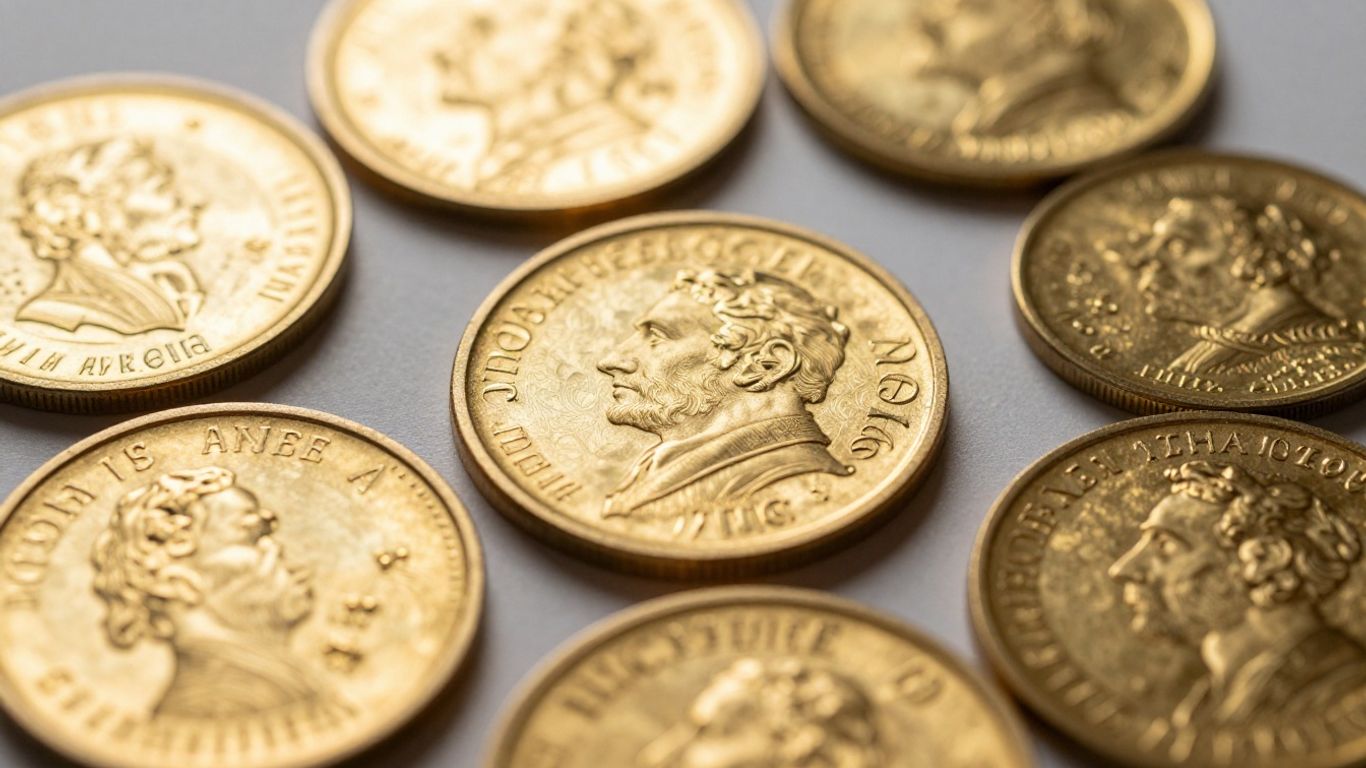
When it comes time to sell your gold certificates, getting the best possible price is usually the main goal. It’s not just about the face value or the gold content; several factors can really make a difference in what someone is willing to pay. Understanding these elements is your first step toward a profitable sale.
Avoiding Lowball Offers
One of the biggest worries when selling any collectible is getting an offer that’s way below what your items are actually worth. This often happens when you deal with people who don’t really know the market or who are just looking for a quick profit. They might point out minor flaws or downplay the rarity of your certificates. Being prepared is the best way to avoid this. Do your homework first, so you have a good idea of your collection’s potential worth before you even start talking to buyers.
Understanding Current Market Value
Figuring out what your gold certificates are worth involves looking at more than just the price of gold. Here are some key things to consider:
- Condition: How well has the certificate been preserved? Folds, tears, stains, or fading can all reduce value. Certificates in pristine condition are always worth more.
- Rarity: How many of these certificates were originally printed? How many are believed to still exist? Lower print runs and fewer surviving examples generally mean higher value.
- Historical Significance: Some certificates might be tied to important historical events or figures, which can add to their appeal and price.
- Demand: What are collectors looking for right now? Sometimes, a particular type of certificate becomes more popular, driving up its market price.
It’s helpful to consult resources like pricing guides or talk to experts who track these trends. For instance, understanding the nuances of United States coins can give you a broader perspective on the collectible market.
Strategies for a Profitable Sale
To make sure you get the most for your collection, think about these strategies:
- Get Professional Appraisals: Before selling, get your certificates appraised by reputable dealers or numismatists. This gives you a solid baseline for negotiations. Services like Celestial Jewel in San Antonio can offer insights into valuable items.
- Document Your Collection: Keep a detailed list of your certificates, including their condition, any identifying marks, and what you know about their history. This helps potential buyers see the full picture.
- Consider the Timing: The market for precious metals and collectibles can change. Selling when demand is high can lead to a better financial outcome.
Selling valuable items requires patience and knowledge. Rushing the process or accepting the first offer you receive can mean leaving money on the table. Taking the time to understand your collection’s true worth and finding the right buyer is key to a successful and satisfying sale.
By following these steps, you can approach the sale of your gold certificates with confidence, aiming for a return that truly reflects their value.
Guidance for New Collectors of Gold Certificates
Beginner's Guide to Gold Certificates
Getting started with gold certificates can feel a bit like stepping into a new world, and that’s okay. Many people begin their collecting journey by inheriting a collection or simply finding an interesting piece. The key is to approach it with curiosity and a willingness to learn. Don’t worry if you don’t know all the terms right away; we’re here to help explain the basics.
Understanding Grading and Rarity
When you look at gold certificates, two big things that affect their worth are their condition and how many of them exist. Condition, or grading, looks at how well-preserved the certificate is. Is it crisp and new-looking, or does it have folds, tears, or discoloration? Even small details matter. Rarity is about how many of a particular certificate were originally printed and how many are still around today. A certificate that’s hard to find will generally be worth more than one that’s common.
Here are some points to consider:
- Condition: Look for sharp corners, bright colors, and no significant damage. Cleaning a certificate can actually lower its value, so it’s best to leave it as is.
- Rarity: Research the certificate’s series and denomination. Some are much scarcer than others.
- Historical Context: Understanding the time period it comes from can add to its appeal and perceived value.
Making Informed Decisions
It’s easy to get excited about collecting, but making smart choices from the start can save you trouble later. Always try to get a second opinion or do your own research before making a significant purchase. If you’re looking to buy or sell, consider visiting local coin shops and dealers in San Antonio. They can offer insights and help you understand the market better. For those with larger collections, exploring options like certified US gold coins can be a good way to get a professional assessment.
When you’re new to collecting, it’s easy to feel overwhelmed by all the information. Take your time, focus on learning about the pieces that interest you most, and don’t be afraid to ask questions. Building a collection is a journey, not a race.
Contacting Gold Certificate Specialists in San Antonio
So, you’ve got some gold certificates and you’re wondering what they’re really worth, especially here in San Antonio. It’s not always straightforward, and honestly, trying to figure it out yourself can be a real headache. That’s where the pros come in. Finding someone who actually knows gold certificates, not just general coins, is key.
How to Get Started
When you’re ready to find out more about your gold certificates, the first step is usually to reach out to a specialist. Think of it like going to a doctor for a specific health issue; you want someone with that particular knowledge. Here’s a general idea of how you might begin:
- Initial Contact: Call or visit a reputable dealer or appraisal service. Many offer a first-time consultation to discuss your items.
- Collection Overview: Be prepared to give a general description of what you have. Are they old, are they in good shape? Even a rough idea helps.
- Scheduling an Appointment: Depending on the specialist and the size of your collection, you might need to schedule a time to bring them in or arrange for an in-home visit.
It’s important to find someone who focuses on numismatics, particularly paper currency and historical financial instruments.
Your Next Steps Toward Valuation
Once you’ve made contact, the specialists will guide you through the valuation process. This usually involves a few key stages:
- Examination: The specialist will carefully look at your gold certificates. They’ll check for authenticity, condition, and any unique markings.
- Research: They’ll compare your certificates against historical records, auction results, and current market data.
- Assessment: You’ll receive a detailed explanation of your certificate’s condition, its historical context, and its estimated market value.
This process helps you understand not just a dollar amount, but the story and significance behind your certificates. For example, some services offer expert jewelry and gemstone appraisals, which shows they have specialized knowledge that can translate to other valuable collectibles.
Reach Out for a Consultation
Don’t hesitate to pick up the phone or send an email. Many specialists in San Antonio are happy to discuss your needs and explain their process. They understand that selling or valuing these items can be a significant decision. Getting a professional opinion is the best way to ensure you’re making informed choices about your gold certificates. If you’re looking for a place that handles appraisals, consider reaching out to a service that can schedule your appraisal and discuss your specific needs.
Final Thoughts on Your Coin Collection
So, we’ve gone over a lot about coins here in San Antonio. It’s clear that knowing what you have is the first step, whether you’re looking to sell or just curious. Getting coins checked out by folks who know them well makes a big difference. It’s not just about finding out if they’re real, but also what they might be worth today. If you’ve got some old coins lying around, maybe it’s time to get them looked at. You might be surprised by what you find. Don’t just let them sit in a drawer; find out their story and their value.
Frequently Asked Questions
What exactly are gold certificates?
Gold certificates were special paper money issued in the United States. They represented a direct claim to a specific amount of gold held by the U.S. Treasury. Think of them like a receipt that said you owned a certain amount of gold.
Are gold certificates still valuable today?
Yes, many gold certificates are valuable, but not because you can redeem them for gold anymore. Their value comes from their rarity, historical importance, and demand among collectors. Some are worth much more than their original face value.
How do I know if my gold certificate is real?
Authenticating a gold certificate is important. Genuine certificates have specific security features, paper types, and printing styles. It’s best to have them checked by a professional coin or currency dealer who specializes in such items.
What makes one gold certificate worth more than another?
Several things make a gold certificate more valuable. The condition of the certificate is key – ones that are crisp and show no signs of wear are worth more. Also, how rare it is matters a lot. Certificates from smaller banks or those issued in limited numbers are often more sought after by collectors.
Where can I get my gold certificate appraised in San Antonio?
In San Antonio, you can find several places that offer appraisals. Local coin shops, reputable dealers, and numismatic experts are good options. Some may offer free initial consultations to give you an idea of your certificate’s potential worth.
Can I sell my gold certificate easily?
Selling a gold certificate is possible, but it’s wise to do your homework first. Understanding its true market value through an appraisal will help you avoid low offers. Selling to a specialist dealer or through an auction that focuses on collectibles can often yield better results.
What's the difference between a gold certificate and actual gold coins?
Gold certificates are paper money that represented gold ownership. Actual gold coins, like American Eagles or South African Krugerrands, are made of gold metal and have value based on their gold content and collectibility. You can’t redeem gold certificates for gold today, but gold coins can be sold for their metal value or collector’s price.
Should I try to clean my gold certificate if it looks dirty?
It’s generally not recommended to clean a gold certificate yourself. Cleaning can easily damage the paper, remove important details, or alter its appearance, which can significantly decrease its value. It’s best to leave it in its original condition and let a professional handle any cleaning if it’s deemed necessary and safe.