
The Lincoln cent, a coin many of us have in our pockets or piggy banks, has a pretty interesting story. It’s not just a penny; it’s a piece of American history that’s changed over time. From its very beginning, meant to honor Abraham Lincoln, to the different looks it’s had on the back, and even what it’s made of, the Lincoln cent design history evolution is quite a journey. Let’s take a look at how this common coin came to be and how it’s been updated through the years.
Key Takeaways
- The Lincoln cent was first made in 1909 to celebrate Abraham Lincoln’s 100th birthday, replacing the Indian Head design. President Theodore Roosevelt wanted a more artistic coin and chose Victor David Brenner to create it. This was a big deal because it was the first time a real person was on a regular U.S. coin.
- Right when it came out, people noticed Brenner’s initials, ‘V.D.B.’, on the back and complained. The Mint took them off quickly, making those early coins rare. Later, the initials were added back, but much smaller, on Lincoln’s shoulder.
- The back of the penny has changed a few times. It started with wheat stalks, then the Lincoln Memorial building, followed by special designs for Lincoln’s 200th birthday, and now it has a shield design.
- What the penny is made of has also changed. It used to be mostly copper. During World War II, it was made of steel for a year because copper was needed for the war. Later, the mix changed again because of the cost of copper.
- Over the years, there have been some notable versions, like the rare 1909 ‘V.D.B.’ pennies and the unique 1943 steel cents. The design has stayed mostly the same on the front with Lincoln’s face, making it a long-lasting image on American money.
The Genesis Of The Lincoln Cent Design
Presidential Vision For Coinage Beautification
Back in the early 1900s, President Theodore Roosevelt had this idea that American coins should look a bit nicer, more artistic, you know? He wasn’t too thrilled with the current designs, especially the Indian Head cent that had been around since 1859. He really wanted something fresh, something that represented a significant American figure. It was a big shift from just using symbolic imagery. Roosevelt was quite taken with the work of a sculptor named Victor David Brenner, particularly a plaque Brenner had created featuring Abraham Lincoln. This admiration led Roosevelt to commission Brenner for a new cent design. This decision marked a major turning point, as it would be the first time a real person’s likeness would appear on a regularly circulating U.S. coin. Before this, it was pretty much all allegorical figures or eagles. It was a bold move, and it set the stage for a whole new era in American coinage.
Victor David Brenner’s Artistic Selection
So, President Roosevelt, with his eye for art, zeroed in on Victor David Brenner. Brenner was a well-respected sculptor, and Roosevelt had seen his work, specifically a Lincoln plaque from 1907. He really liked the dignified portrayal of Lincoln in that piece. Roosevelt personally asked Brenner to create the new design for the cent. This wasn’t just a casual request; Roosevelt was actively involved in pushing for this change. Brenner’s task was to translate his existing Lincoln portrait onto a coin, a much smaller canvas than a plaque. It was a significant commission for Brenner and a testament to his artistic reputation at the time. The selection process itself highlights Roosevelt’s desire to bring a higher level of artistry to U.S. currency, moving away from more traditional, less personal imagery.
A First For American Circulating Coinage
The introduction of the Lincoln cent in 1909 was a pretty big deal. It wasn’t just another coin redesign; it was a historical first. For the first time ever, a U.S. coin intended for everyday use featured the portrait of an actual person. Up until then, coins typically showed figures like Liberty, or eagles, or other symbolic representations. The idea of putting a president’s face on a coin had been considered before, but it was often seen as a bit too close to monarchy, something the founding fathers had actively tried to avoid. George Washington himself, for example, was never depicted on early U.S. coinage. But by 1909, a century after Lincoln’s birth, the sentiment had clearly shifted. The public was really excited about this new penny, and it quickly became a popular coin to collect.
The shift to featuring a specific historical figure on circulating coinage was a significant departure from previous numismatic traditions, reflecting a changing cultural landscape and a desire to connect currency more directly with national identity and historical commemoration.
Initial Design And Early Controversies
The "V.D.B." Initials Debate
When the Lincoln cent first came out in 1909, it was a really big deal. It was the first time a real person’s face was on a regular American coin, and everyone wanted to see it. President Theodore Roosevelt himself had picked the artist, Victor David Brenner, for the job. Brenner put his initials, "V.D.B.," on the coin, which was pretty standard for artists back then. But, wow, did people get upset about it! Some folks thought it looked like Brenner was just trying to show off his name, like a little advertisement on our money. It caused such a fuss that the Mint had to stop making the coins for a bit.
Rapid Public Demand And Mint Response
People were so excited about the new Lincoln penny that they were grabbing them up as fast as they could. Banks were running out of them almost immediately after they came out on August 2, 1909. But that initial excitement quickly turned into a different kind of buzz because of those "V.D.B." initials. The government officials heard all the complaints, and they decided something had to be done. They stopped production to figure out how to fix it. It was a bit of a mess, trying to please everyone and get the coins back out there.
Subtle Reintroduction Of Designer’s Mark
After all the hubbub about the initials, the Mint decided to take them off completely for a while. But then, a few years later, in 1918, they decided to bring them back, but in a much less obvious spot. Instead of being right there on the back, they were moved to a more discreet location on Abraham Lincoln’s shoulder. This way, the artist’s mark was still there, honoring Victor Brenner’s artistic legacy, but it didn’t cause the same kind of public outcry. It’s kind of funny how a small detail like initials can cause such a stir, right? The coin has been through a lot of changes, but that basic design has stuck around for ages, making the Lincoln penny one of the most recognizable coins out there.
Evolution Of The Obverse Portrait
Brenner’s Lincoln Profile
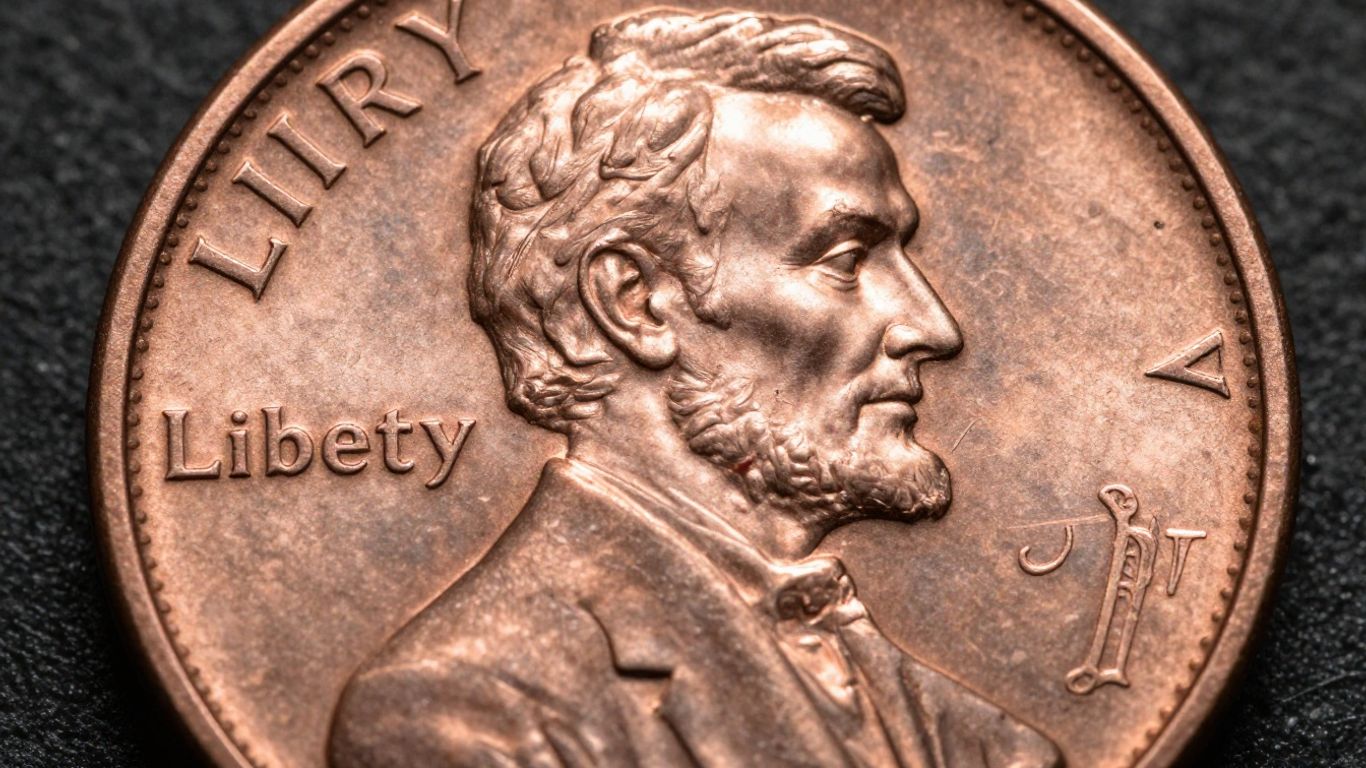
The face you see on the Lincoln cent, the one that’s become so familiar, wasn’t just pulled out of thin air. Victor David Brenner, the artist behind it, based his design on a profile of Abraham Lincoln he’d created a couple of years earlier, around 1907. It was for a plaque, actually. Some folks think Brenner might have looked at a specific photograph of Lincoln taken by Mathew Brady’s studio, possibly one showing Lincoln with his son, Tad. It makes sense, right? He wanted to capture Lincoln at his best, maybe reading to a child. It’s a thoughtful touch that adds a bit of warmth to the portrait. The profile itself is quite striking, showing Lincoln looking off to the right.
Inscriptions And Placement
When the Lincoln cent first came out, there was a bit of back and forth about what should be on the coin. Initially, the motto "IN GOD WE TRUST" wasn’t there. President Taft reviewed some samples and felt that adding it would make the coin look better, especially since there was a good bit of blank space above Lincoln’s head. So, they added it. The placement of these words, along with "LIBERTY" and the date, was carefully considered to make sure the coin wasn’t too cluttered. It’s a balance between showing the president and including the necessary official information. The placement of these inscriptions has remained pretty consistent over the years, helping to make the Lincoln cent design instantly recognizable.
Enduring Lincoln Image
Over the decades, the basic look of Lincoln’s profile on the cent has stayed the same. While there have been changes to the reverse side of the coin, the obverse has largely remained untouched. This consistency is pretty remarkable. It means that no matter when your Lincoln cent was minted, you’re likely to see the same dignified profile of the 16th president. It’s a testament to Brenner’s original design and how well it captured Lincoln’s likeness. This enduring image has made the Lincoln cent one of the most recognizable coins in the world, a small piece of history we carry around in our pockets every day. It’s a constant reminder of a significant figure in American history, and the design has stood the test of time.
The Wheat Ears Reverse Era
Symbolism Of The Wheat Stalks
When the Lincoln cent was first introduced in 1909, it wasn’t just the obverse that changed. The reverse design also got a significant update, moving away from the laurel wreath of the Indian Head cent. This new reverse featured two stalks of wheat, one on each side, framing the denomination "ONE CENT" and the words "UNITED STATES OF AMERICA" and "E PLURIBUS UNUM." These wheat stalks weren’t just decorative; they were meant to symbolize America’s agricultural strength and bounty. It was a nod to the nation’s roots and its ability to feed itself. This design became so iconic that the coin is still widely known as the "Wheat Penny" today. It remained the standard reverse for half a century, a long run for any coin design.
Standard Inscriptions
The reverse of the Wheat Penny carried the essential inscriptions that are standard on most U.S. coinage. You’d find "UNITED STATES OF AMERICA" prominently displayed, along with the motto "E PLURIBUS UNUM," meaning "Out of Many, One." The value, "ONE CENT," was also clearly marked. These elements were arranged symmetrically around the central wheat stalks, creating a balanced and recognizable design. The placement and font were carefully chosen for clarity and aesthetic appeal, contributing to the coin’s overall enduring look.
The "Wheat Penny" Period
The era of the Wheat Penny reverse spanned from 1909 all the way to 1958. That’s a remarkable 50 years! During this time, the coin saw many changes on its obverse, including the removal and later reintroduction of the designer’s initials, but the wheat stalks on the reverse remained a constant. This long period of stability made the Wheat Penny a familiar sight in pockets and cash registers across the country. It’s interesting to think about how many hands these coins passed through over those five decades. The coin’s composition also saw shifts, notably the introduction of the wartime steel cent in 1943 due to copper shortages, though this was a temporary change.
The Wheat Penny’s reverse design, with its twin stalks of wheat, served as a visual representation of American prosperity and agricultural significance for half a century. Its enduring presence made it a familiar and comforting aspect of daily commerce, linking generations through a shared numismatic experience.
Commemorating Lincoln’s Legacy: The Memorial Reverse
Frank Gasparro’s Lincoln Memorial Design
In 1959, the cent got a whole new look on the back. It was a big deal because it was the 150th birthday of Abraham Lincoln, and also the 50th anniversary of the Lincoln cent itself. The U.S. Mint decided to mark the occasion with a new design for the reverse side, and they picked the Lincoln Memorial. Frank Gasparro, who was an assistant engraver at the time and later became the chief engraver, was the one who created this design. It was announced pretty suddenly by President Eisenhower’s press secretary in late December 1958, and the coins started being made in early January 1959. The official release date was February 12, 1959, Lincoln’s actual birthday. This new design replaced the wheat stalks that had been on the penny for fifty years. The Lincoln Memorial cent, featuring this new reverse design, was first minted in 1959.
A Unique Coinage Feature
Gasparro’s design shows the Lincoln Memorial building. It’s pretty detailed, considering how small the coin is. You can see the columns and the structure of the memorial. What’s really interesting, though, is that a tiny image of Lincoln’s statue is actually visible between the main columns of the memorial on the coin. This made it a bit of a novelty, as it was the only U.S. coin at the time that featured the same person on both the front and the back. Some people thought the design looked a bit like a trolley car, and others weren’t too impressed artistically, but it certainly made the penny stand out. It became the standard reverse for the Lincoln cent for a long time, running from 1959 all the way until 2008. This long run meant that for a whole generation, the image of the Lincoln Memorial was what people associated with the penny. You can find more details about this significant change in the Lincoln Memorial cent’s history.
The Sesquicentennial Celebration
The introduction of the Memorial reverse was tied directly to a major celebration: the 150th anniversary of Abraham Lincoln’s birth. This wasn’t just a small nod; it was a nationwide event. The U.S. Mint wanted to honor Lincoln in a significant way, and changing the coin’s design was a very public and accessible method. It allowed millions of Americans to hold a piece of this commemoration in their hands every day. The decision to use the Lincoln Memorial itself was fitting, as it’s one of the most iconic monuments dedicated to his memory. The timing was perfect, aligning the coin’s release with the actual sesquicentennial date. This period marked a significant moment in how the nation remembered its 16th president, and the penny played a part in that collective memory. The coin was officially released on February 12, 1959, the 150th anniversary of Lincoln’s birth, although some pieces entered circulation early. This event was a surprise to many, as the plans were kept quiet until the last minute.
Lincoln Bicentennial Special Issues
Four Distinct Commemorative Designs
In 2009, the United States Mint rolled out a special series of Lincoln cents to mark the 200th anniversary of Abraham Lincoln’s birth. This wasn’t just a minor tweak; it was a whole new look for the cent’s reverse side, featuring four different designs throughout the year. Each one was meant to tell a part of Lincoln’s story, giving us a glimpse into his life beyond just his presidential portrait.
Representing Key Life Stages
The first design, released on Lincoln’s actual birthday, February 12, 2009, showed a humble log cabin, representing his birth and early childhood in Kentucky. It was a simple image, but it really set the tone for the year. Then, in May, we got a look at his formative years in Indiana, with a young Lincoln depicted taking a break from splitting rails to read a book. It’s a nice touch, showing his early thirst for knowledge. Later, in August, the focus shifted to his professional life in Illinois, showing him as a lawyer standing before the state capitol building. Finally, in November, the series concluded with a design representing his presidency, featuring the U.S. Capitol dome under construction. This was the first time in the cent’s history that four different reverse designs were issued in a single year.
Special Collector’s Sets
Beyond the circulating coins, the Mint also produced special collector’s sets. These sets featured the Bicentennial cents struck in the same copper-based alloy that was used for the original 1909 Lincoln cent. It was a nod to the past for collectors who appreciated the historical significance of the series. These sets, along with the circulating issues, offered a unique way to commemorate a truly significant figure in American history. The 2009 series is a standout year for any Lincoln cent collection, offering a variety of designs that tell a story. You can find out more about the 2009 Lincoln cents and their specific designs.
The Union Shield: A Modern Reverse Design
Symbolism Of National Preservation
After a series of special designs celebrating Lincoln’s bicentennial in 2009, the U.S. Mint introduced a new, permanent reverse design for the cent in 2010. This change was mandated by the Presidential $1 Coin Act, which called for an image that reflected President Lincoln’s role in preserving the United States as a unified nation. The chosen design, the Union Shield, carries significant historical weight, harkening back to symbols used during the nation’s early days and the Civil War.
Lyndall Bass’s Shield Motif
The design itself features a shield with 13 vertical stripes, each representing one of the original thirteen colonies. These stripes are joined by a horizontal bar at the top, symbolizing the federal government that united them. The inscription "E Pluribus Unum" (Out of Many, One) is prominently displayed on this bar, reinforcing the theme of national unity. The words "ONE CENT" are inscribed on a scroll draped across the lower part of the shield, and "UNITED STATES OF AMERICA" encircles the top edge. This modern rendition was created by artist Lyndall Bass and sculpted by U.S. Mint sculptor-engraver Joseph Menna. It’s a design that aims to connect the coin’s present to the nation’s foundational struggles and triumphs.
The "Preservation of the Union" Theme
This reverse design is more than just an image; it’s a statement about national identity and history. It directly addresses Lincoln’s legacy not just as a president, but as the leader who guided the country through its most divisive period. The shield motif, with its clear representation of the states coming together, serves as a constant reminder of the fragility and importance of national unity. It’s a design that has been in continuous use since its introduction, making it a familiar sight for collectors and the public alike. You can find more details about the evolution of the Lincoln cent, including this Union Shield penny, on various numismatic resources.
- Symbolic Elements:
- 13 vertical stripes on the shield representing the original colonies.
- A horizontal bar above the stripes symbolizing the federal government.
- "E Pluribus Unum" inscribed on the bar, meaning "Out of Many, One."
- "ONE CENT" on a scroll across the shield.
The introduction of the Union Shield reverse in 2010 marked a significant shift, moving away from specific historical commemorations back to a design that broadly represents a core American ideal: the preservation of the nation as a single, united entity. It’s a design that continues to be minted today, a testament to its enduring message.
Material Transformations Of The Lincoln Cent
Original Copper Composition
The Lincoln cent kicked off its long run in 1909 made from a classic alloy: 95% copper with the remaining 5% split between tin and zinc. This gave the penny its familiar reddish-brown hue and a good bit of heft. For over four decades, this was the standard, a consistent material for a coin meant to represent a consistent national figure. It’s what most people probably think of when they picture an old penny.
The Wartime Steel Cent
Things got a bit dicey during World War II. Copper was needed for the war effort, so the U.S. Mint had to get creative. In 1943, they switched things up dramatically, producing cents made from zinc-coated steel. These coins are a lighter, silvery color and are noticeably lighter than their copper counterparts. They were a temporary measure, a direct response to wartime necessity, and only lasted for that single year. While they were made in huge numbers, they’re a distinct and historically significant part of the Lincoln cent story. You can sometimes find them with a magnetic pull, a trait their copper cousins lack.
Shifting Alloys Due To Economic Factors
After the war, the Mint went back to a copper-based alloy, though not exactly the original. For a while, it was still 95% copper, but the other 5% was just zinc. Then, as the price of copper started to climb in the latter half of the 20th century, the Mint looked for ways to cut costs. This led to a major change in 1982. The composition shifted to a copper-plated zinc core. This means the coin is mostly zinc (97.5%) with a thin layer of copper electroplated on the outside. This change was a big deal, marking the end of the traditional copper penny for circulation. It’s a bit of a collector’s point, as 1982 saw both the old and new compositions minted, making those specific coins interesting to numismatists.
The constant tinkering with the cent’s metal content wasn’t just about saving money; it was a reflection of broader economic shifts and the nation’s resource availability. Each change, from the wartime steel to the later zinc core, tells a story about the times.
Here’s a quick look at the main compositions:
- 1909-1942: 95% Copper, 5% Tin & Zinc
- 1943: Zinc-coated Steel
- 1944-1982: 95% Copper, 5% Zinc
- 1982-Present: Copper-Plated Zinc (97.5% Zinc, 2.5% Copper plating) [3c2b]
Notable Varieties And Mint Marks
When you start looking closely at Lincoln cents, you quickly realize there’s more to them than just the date and the face. Over the years, a bunch of interesting variations and specific mint marks have popped up, making some coins way more sought-after than others. It’s these little quirks that really get collectors excited.
The "V.D.B." Initials Debate
The very first Lincoln cents, minted in 1909, carried the initials "V.D.B." of the designer, Victor David Brenner. This was a big deal because it was the first time a U.S. coin had a person’s initials on it. But, folks in charge at the Mint thought it looked too much like a trademark, so they quickly removed them. This short run of coins with the initials is now super valuable. The 1909-S VDB, specifically, is a real prize for collectors, with only 484,000 made before the change. Even coins that have seen a lot of use can be worth a good bit, and perfect ones? They can go for thousands.
Rapid Public Demand And Mint Response
It wasn’t just the VDB initials that caused a stir. The Lincoln cent itself was a hit right out of the gate. People loved the new design, especially since it honored Abraham Lincoln. The demand was so high that the Mint had to ramp up production. This rush to make coins sometimes led to minor differences in how they were struck. For instance, some coins from this early period might show slight variations in the sharpness of Lincoln’s features or the details on the reverse. It’s these small inconsistencies that numismatists pore over.
Subtle Reintroduction Of Designer’s Mark
After the initial fuss over Brenner’s initials, they eventually made a comeback, but in a much less obvious way. You’ll find them on later Lincoln cents, but they’re tiny and tucked away, usually near the bottom of Lincoln’s shoulder. It took a while for these to be added back, and their placement changed a bit over time. It’s a good reminder that even small design elements can have a long history and create collecting challenges. For example, the 1914-D cent is another key date with a low mintage that makes it hard to find in good condition.
The Rare 1909-S VDB Penny
This coin is legendary in the collecting world. Struck at the San Francisco Mint (hence the "S" mint mark), the 1909-S VDB penny is famous for its extremely low mintage. Because the designer’s initials were removed so quickly, very few of these coins were ever made. Finding one is a big deal, and their value reflects that rarity. It’s a prime example of how a small change in production can create a major collectible.
The 1943 Steel Cent Production
During World War II, copper was needed for the war effort, so the Mint switched to making pennies out of steel for one year. These 1943 steel cents are a unique part of the series. They look different, feel different (they’re magnetic!), and are thinner than the regular copper cents. While they were made in huge numbers, they are still historically significant. However, a few 1943 cents were accidentally struck on copper planchets, making those incredibly rare and valuable errors.
Philadelphia Mint Mark Anomaly
Usually, coins made at the Philadelphia Mint don’t have a mint mark. However, there are some rare exceptions and errors. For instance, the famous 1922 "Plain" cent is actually a Denver coin where the mint mark was either missing or completely worn away, making it look like it has no mark. This kind of anomaly is what makes collecting so interesting – you never know what you might find. Identifying these can be tricky, but they are highly prized by collectors who specialize in errors and varieties. For those interested in the value of these coins, understanding specific rare varieties is key Wheat Pennies and Lincoln Cents for collectors.
Here’s a quick look at some key dates and their approximate mintages:
| Year | Mint Mark | Mintage |
|---|---|---|
| 1909 | S | 484,000 |
| 1914 | D | 1,193,000 |
| 1922 | D (weak) | Unknown |
| 1931 | S | 866,000 |
| 1943 | (Steel) | ~1,000,000,000 |
Collecting Lincoln cents involves more than just gathering coins; it’s about understanding the history behind each strike, the decisions made by the Mint, and the tiny details that make a coin rare or common. These variations, from mint marks to designer initials and even material changes, tell a story of American coinage over more than a century.
A Lasting Impression
So, there you have it. The Lincoln cent, a coin we see and use every day, has a surprisingly long and interesting story. From its start as a tribute to a beloved president to all the little changes it’s gone through – different metals, new designs on the back – it’s pretty neat to think about. It’s more than just a penny; it’s a small piece of American history that’s kept evolving right alongside us. It’s a good reminder that even the simplest things can have a rich past, and that designs, like people, can change over time while still staying recognizable.
Frequently Asked Questions
Why was the Lincoln cent created?
The Lincoln cent was made to honor Abraham Lincoln’s 100th birthday in 1909. President Theodore Roosevelt wanted to make U.S. coins more artistic and chose Victor David Brenner, a well-known artist, to design the new penny. It was a big deal because it was the first time a real person was shown on a regular U.S. coin instead of a symbol.
What was the controversy surrounding the first Lincoln cents?
When the first Lincoln cents came out in 1909, people noticed the designer’s initials, ‘V.D.B.’, were very noticeable on the back. Some folks thought this looked like the designer was bragging. Because of this, the U.S. Mint quickly removed the initials. They were later put back on, but much smaller, on Abraham Lincoln’s shoulder in 1918.
How has the design on the back of the Lincoln cent changed over time?
The back of the penny has had a few different looks. From 1909 to 1958, it showed two stalks of wheat. Then, for the 150th anniversary of Lincoln’s birth in 1959, it was changed to show the Lincoln Memorial building. In 2009, there were four special designs to celebrate Lincoln’s 200th birthday. Since 2010, it features a shield design representing the preservation of the United States.
Why did the material of the Lincoln cent change?
The penny wasn’t always made of the same stuff. It started out as mostly copper. During World War II, copper was needed for weapons, so in 1943, pennies were made of steel coated in zinc. Later, as copper became more expensive, the mix changed again. Since 1982, pennies are mostly zinc with a thin layer of copper on the outside.
What are some special or rare Lincoln cents?
Some Lincoln cents are harder to find than others. The 1909 penny with the ‘V.D.B.’ initials on the back, especially those made in San Francisco (the 1909-S VDB), are very rare and sought after by collectors. The steel cents from 1943 are also unique because they were only made for one year.
What do the wheat stalks on the early Lincoln cents symbolize?
The two stalks of wheat on the reverse of the early Lincoln cents were meant to represent the agricultural abundance of the United States. They were a simple yet powerful symbol of the nation’s resources and prosperity during that era.
What is the significance of the Lincoln Memorial design on the cent?
The Lincoln Memorial design, introduced in 1959, was chosen to honor the 150th anniversary of Abraham Lincoln’s birth. It features the famous monument in Washington, D.C., where Lincoln is honored, symbolizing his lasting impact on the nation.
What does the Union Shield on the current Lincoln cent represent?
The Union Shield design, adopted in 2010, represents President Abraham Lincoln’s role in preserving the United States as one nation. The shield itself is an old symbol, used during the Civil War, representing unity and strength, with its stripes and bar symbolizing the original thirteen states coming together.