
San Antonio, TX, has a rich history that extends to its coin collecting scene. For those interested in the finer points of numismatics, understanding the condition of coins, particularly those in Very Fine (VF) grade, is essential. This guide will help you explore the nuances of identifying very fine coin grade details in San Antonio, TX, and navigate the local market to build a more informed collection.
Key Takeaways
- Familiarize yourself with the Sheldon scale to understand coin grading, paying close attention to the Very Fine (VF) level and its characteristics.
- Recognize the specific visual cues of a Very Fine coin, noting that moderate wear is visible but main design features remain clear.
- Explore San Antonio’s local coin shops, shows, and online platforms to find and evaluate coins, keeping the focus on very fine coin grade details San Antonio TX.
- Understand that a coin’s condition significantly impacts its value; Very Fine coins offer a balance between wear and detail, influencing their market price.
- When buying or selling, be aware of common pitfalls like overpaying for common coins or ignoring condition, and consider professional grading for authenticity and accurate valuation.
Understanding Coin Grading Scales in San Antonio
The Sheldon Scale Explained
When you start looking at coins, especially older ones like silver dollars, you’ll hear a lot about their ‘grade.’ This isn’t just a random number; it’s a way for everyone to talk about the condition of a coin using a common language. The most widely used system is the Sheldon Scale, which was developed way back in 1949. It uses numbers from 1 to 70, where 1 is basically a beat-up coin and 70 is as close to perfect as you can get. Think of it like this: a coin graded 70 is theoretically worth 70 times more than a coin graded 1. While that’s a bit of an oversimplification, it gives you an idea of how much condition matters. Most collectors and dealers in San Antonio use this scale, or a version of it, to describe coins.
Key Grading Levels for Collectors
While the Sheldon Scale goes all the way to 70, most collectors focus on a few key ranges. You don’t need to be an expert on every single number to get started. Here’s a quick look at some important levels:
- Poor (PO-1) to Good (G-6): These coins are heavily worn. You can usually see the date and the main design elements, but details are often missing or very flat. They might be valued more for their metal content than their historical look.
- Very Good (VG-8) to Fine (F-12): Wear is quite noticeable here. Major design features are visible, but finer details are softened. For example, on a coin with ‘LIBERTY’ written on it, you might only see a few letters clearly. Even a coin like the 1916-D Mercury dime, which is rare, can be identified in these lower grades.
- Very Fine (VF-20) to Extremely Fine (XF-45): This is where things start to look better. You’ll see moderate wear, but most of the original detail is still there. The coin still has some sharpness to its design.
- About Uncirculated (AU-50 to AU-58): These coins show only very light wear, often only visible when you look closely or with magnification. They look almost new, with most of their original shine intact.
- Mint State (MS-60 to MS-70): These are uncirculated coins. They have never been used in commerce. The higher the number, the fewer imperfections like scratches or nicks the coin has. A coin graded MS-65 is considered a very nice uncirculated coin, while an MS-70 is essentially flawless.
Understanding these general levels helps you know what to expect when a dealer or listing describes a coin. It’s the first step in knowing if a coin is in the condition you’re looking for.
Why Grading Matters for San Antonio Buyers
So, why should you, as a collector in San Antonio, care about all this grading talk? It really comes down to making smart decisions when you buy. When you’re looking at coins, whether in a local shop or online, the grade tells you a lot about the coin’s history and its potential value. A coin that looks similar to another might have a big difference in price just because of its grade. For instance, the 2019 San Antonio Missions Quarter might be common, but its condition will still affect its desirability among collectors.
Knowing the grading scale helps you:
- Avoid Overpaying: You won’t pay top dollar for a coin that’s more worn than you thought.
- Build a Better Collection: You can select coins that meet your standards for condition and appearance.
- Understand Value: You’ll have a better idea of why one coin costs more than another, even if they are the same type.
- Communicate Effectively: You can talk to dealers and other collectors using the same terms, making transactions smoother.
Identifying Very Fine Coin Grade Details
Characteristics of Very Fine (VF) Coins
When a coin reaches the Very Fine (VF) grade, it has seen some circulation but still retains a good amount of its original detail. You’ll notice moderate wear, particularly on the coin’s high points. The rims of the coin should be fully separated and distinct from the field. If the coin has lettering like "LIBERTY" within the design, all of those letters should be visible and appear strong, even if slightly softened by wear. Think of it as a coin that’s been handled and passed around a bit, but not so much that its main features are obliterated. It’s a common grade for coins that have been in circulation for a while.
Distinguishing VF from Higher Grades
Moving from Very Fine to higher grades like Extremely Fine (XF) or About Uncirculated (AU) involves looking for the presence of remaining mint luster and the extent of wear. In VF coins, most of the original shine is gone, and wear is apparent on raised areas. An XF coin will show only light wear, with most details still sharp, and might still have some mint luster. An AU coin will have very minimal wear, often just a trace on the highest points, and will retain most of its original luster. The key difference often comes down to how much of the original detail remains and the amount of mint luster still visible. For instance, a VF coin might have visible wear on the eagle’s wings on a silver dollar, while an XF coin would show only slight friction on those same areas, and an AU coin would look almost untouched there.
Finer Details in Very Fine Condition
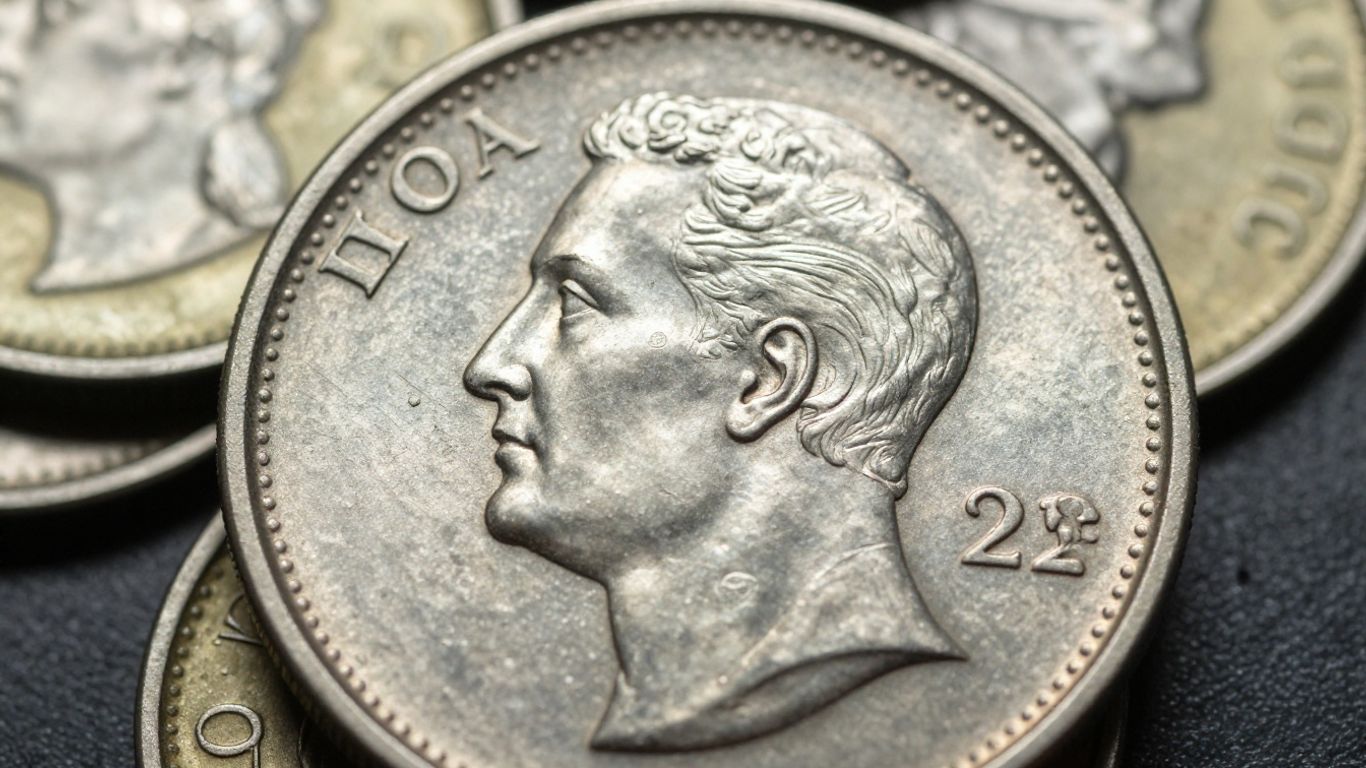
Even in Very Fine condition, certain details can still be observed with careful examination, often aided by magnification. For example, on many U.S. coins, you can still see the individual strands of hair on a portrait or the fine lines within a shield or an eagle’s feathers. The lettering around the coin’s circumference will be clear, and dates will be fully readable. While the sharp, crisp definition of higher grades is absent, the overall design is still easily recognizable. Collectors often use a 5x or 10x magnifier to spot these finer points when assessing a coin’s condition [1891].
Here’s a quick look at how VF compares to adjacent grades:
| Grade | Numerical Range | Key Characteristics |
|---|---|---|
| Very Good (VG) | 8-10 | Major design elements visible but worn; rims show wear; at least three letters of "LIBERTY" visible if present. |
| Very Fine (VF) | 20-35 | Moderate wear on high points; fully separated rims; all letters of "LIBERTY" visible and strong. |
| Extremely Fine (XF) | 40-45 | Light overall wear; most details sharp; traces of mint luster may be evident. |
When examining a coin for a VF grade, pay close attention to the wear patterns. High points like the tops of letters, the edges of design elements, and any raised features will show the most wear. The fields (flat areas) might show some light scratches or bag marks, but the main design should remain quite clear and distinct.
Navigating San Antonio's Coin Market
Finding the right places to buy and sell silver dollars in San Antonio is key to building a solid collection. It’s not just about knowing what a coin is worth, but also where to find trustworthy dealers and fellow collectors.
Local Coin Shops and Dealers
San Antonio has a number of local coin shops that can be great resources. These shops often have a wide selection of coins, from common silver dollars to rarer finds. The people who run these shops usually have a lot of knowledge about coins and can offer advice. It’s a good idea to visit a few different shops to get a feel for their inventory and the prices they offer. Building a relationship with a reputable dealer can be very beneficial for a collector.
When visiting local shops, consider these points:
- Inventory: Do they have a good selection of silver dollars you’re interested in?
- Knowledge: Does the staff seem knowledgeable and willing to answer questions?
- Pricing: Are their prices fair compared to what you’ve seen elsewhere?
- Reputation: Do they have good reviews or a solid standing in the local collecting community?
Attending Coin Shows and Events
Coin shows are fantastic opportunities to see a large number of coins in one place and meet many dealers and collectors. These events often bring together sellers from across the region, meaning you might find coins here that aren’t available in local shops. It’s also a place where you can often negotiate prices more effectively, especially if you’re buying multiple items.
When you go to a coin show, remember:
- Do your homework: Know what you’re looking for and what you’re willing to pay.
- Be patient: Take your time to look through everything.
- Talk to people: Dealers and other collectors can be great sources of information.
- Bring cash: Sometimes you can get a better deal if you pay with cash.
Online Marketplaces for San Antonio Collectors
While local shops and shows are great, the internet offers a vast marketplace. Websites and online auction platforms can provide access to coins from all over the world. For San Antonio collectors, this means you can find specific silver dollars you need without leaving your home. However, buying online comes with its own set of challenges. You need to be extra careful about verifying the seller’s reputation and the authenticity of the coins. Always look for detailed descriptions and clear photos, and be wary of deals that seem too good to be true. Even coins in Very Fine condition might not fetch their melt value from local dealers, highlighting the importance of knowing your coins’ worth before selling. Collectible coins with grading
The internet opens up a world of possibilities for collectors, but it also requires a heightened sense of caution. Always prioritize sellers with strong feedback and detailed, accurate descriptions. If a deal seems too good to be true, it often is.
The Value of Condition in San Antonio
When you’re looking at silver dollars here in San Antonio, or really any coin for that matter, how it looks really matters. It’s not just about the date or the mint mark; the actual physical state of the coin, its condition, plays a massive role in how much it’s worth. A coin that’s seen a lot of use will naturally be worth less than one that looks almost new. This is why collectors and dealers spend so much time talking about coin grades.
How Coin Condition Impacts Worth
The condition of a coin is graded on a scale, and even small differences can mean big changes in price. Think about it: a coin that’s been handled a lot will have tiny scratches or wear on its highest points. These imperfections, even if you can barely see them, take away from the coin’s original beauty and detail. For San Antonio buyers, understanding this is key to not overpaying. A coin that looks ‘good enough’ might be a bargain, but a coin in truly excellent shape can be a real treasure. It’s about recognizing the difference between a coin that’s just old and one that’s been preserved.
Circulated vs. Uncirculated Valuations
Coins are generally put into two main groups: circulated and uncirculated. Circulated coins have been used in everyday commerce, meaning they show signs of wear. Uncirculated coins, on the other hand, have never been used as money and retain their original mint luster and detail. The difference in value can be dramatic. For example, a common silver dollar might be worth only its silver content if it’s heavily circulated, but the same coin in uncirculated condition could be worth many times that amount. When you’re looking to get your coins appraised, like those offered by Lone Star Coins, they’ll be looking closely at whether your coins show any wear at all.
Here’s a general idea of how condition affects value:
| Coin Type | Circulated (Good/Fine) | Uncirculated (MS-60) | Gem Uncirculated (MS-65) |
|---|---|---|---|
| Common Morgan $$ | $25 – $35 | $40 – $60 | $70 – $100+ |
| Common Peace $$ | $22 – $30 | $35 – $55 | $60 – $90+ |
Note: These figures are approximate and can change based on market demand and the specific coin’s characteristics.
Gem Uncirculated Coin Premiums
Coins graded as ‘Gem Uncirculated’ are the cream of the crop. These are coins that not only show no signs of wear but also possess exceptional eye appeal, often with full original mint luster and very few, if any, distracting marks. They represent the highest quality available for a particular coin issue. Because they are so rare and desirable, they command significant premiums over lower-grade uncirculated coins. If you believe you have a coin in this top-tier condition, seeking an appraisal from a reputable source in San Antonio, such as San Antonio Coin Buyers, is a wise step to understand its true market worth.
The difference between a coin that has been handled and one that has been carefully preserved can be the difference between a common piece of silver and a valuable collectible. Paying attention to the small details of wear and luster is how collectors in San Antonio can make informed decisions about what to buy and sell.
San Antonio's Silver Dollar Heritage
Silver dollars are more than just old coins; they are pieces of history that connect us to the past, especially here in San Antonio. Think about the economic life of this city during the Republic of Texas era or its early years as a state. Coins like the Morgan and Peace dollars weren’t just currency; they represented economic progress and a developing sense of identity. It’s quite something to imagine these very coins being handled by merchants in the old markets or used to pay for goods during important moments in Texas’s formation. Their value, tied to silver, also meant they were a reliable way to store wealth, which was important on a changing frontier.
Coins Minted During Texas History
While Texas itself had limited official coinage during its republic days, U.S. silver dollars were already circulating and were highly sought after. As Texas became a state, these coins, including early designs like the Gobrecht and Seated Liberty dollars, became more common. They played a role in trade and the general expansion across the West. Later, the Morgan and Peace dollars were the main silver dollars seen around San Antonio, coinciding with periods of significant growth in industry and the city itself.
Here’s a look at some key periods and their associated silver dollars:
- Early Republic of Texas Era (Pre-1845): U.S. silver dollars were circulating and highly valued.
- Mid-to-Late 19th Century: Following statehood, U.S. silver dollars facilitated trade and westward expansion.
- Early 20th Century: Morgan and Peace dollars were dominant, reflecting San Antonio’s growth.
Historical Significance of Local Silver Dollars
In San Antonio’s past, silver dollars were a common sight. They were used for everyday transactions, from buying supplies at local stores to paying workers. Consider the historic missions and the developing downtown area; silver dollars would have been the currency exchanged right there. Their weight and silver content made them a trusted form of money before paper currency and modern banking became widespread. The coins circulating in San Antonio directly reflect the city’s economic activity and growth, acting as silent witnesses to its journey from a frontier town to a major city.
The intrinsic value of silver, combined with the historical narrative each coin carries, makes San Antonio silver dollars a fascinating area for collectors. They represent not just monetary worth, but also the economic pulse and historical journey of this significant Texas city.
Provenance and San Antonio Connections
For collectors in San Antonio, the story behind a silver dollar can be just as interesting as its silver content or rarity. Coins that can be traced back to specific historical periods or even local San Antonio families add a deeper layer of connection. This is known as provenance. While finding solid proof for older coins can be tough, any verifiable history – like a coin passed down through generations or one known to have been used in a significant local event – makes it more appealing. A silver dollar with a clear, documented history tied to San Antonio is more than just a collectible; it’s a piece of local heritage. If you’re looking to understand the value of your coins, getting a fair appraisal from local appraisal services is a good first step.
Spotting Rare Dates and Mint Marks
When you’re looking through a pile of silver dollars, or even just examining a single coin, paying attention to the date and mint mark can make a big difference. These small details are like a coin’s fingerprint, telling you when and where it was made. And for collectors, this information is key to finding those special, harder-to-get pieces.
Identifying Low-Mintage Silver Dollars
Some silver dollars were made in much smaller numbers than others. Think of it like a limited edition print versus a mass-produced poster; fewer copies mean they’re generally more sought after by collectors. For example, certain years and mints of Morgan and Peace dollars produced far fewer coins. These scarcity factors are a primary driver of collector interest and, consequently, value. When you see a coin with a date and mint mark combination that produced only a fraction of the output of others, that’s often a sign of a rarer coin.
The Importance of Date and Mint Mark
Where a coin was made is shown by a small letter, called a mint mark. These marks tell you if the coin came from Philadelphia (often no mark), Denver (D), San Francisco (S), or other locations that were mints back in the day. A coin from a mint that produced fewer coins in a specific year might be rarer than one from a busier mint. For instance, a Morgan dollar minted in Carson City (CC) is often more desirable than one from Philadelphia for the same year, simply because fewer were made there. Understanding these marks is a basic aspect of coin collecting.
Here’s a quick look at some common mint marks:
| Mint Mark | Location |
|---|---|
| (None) | Philadelphia |
| D | Denver |
| S | San Francisco |
| CC | Carson City |
| O | New Orleans |
Rare Dates on San Antonio Silver Dollars
While not all silver dollars were specifically tied to San Antonio, many were used in commerce during important times in Texas history. Coins that were around during significant local events can have extra appeal to collectors interested in the area’s past. Certain dates stand out in the history of silver dollars. These "key dates" are often the ones with the lowest mintages or other unique characteristics that make them hard to find. For collectors, finding these specific coins can be a major goal. It’s not just about the silver content; it’s about completing a set or owning a piece of numismatic history.
Some examples of coins that collectors often seek out include:
- 1893-S Morgan Dollar: Known for its very low mintage and high demand.
- 1921 High Relief Peace Dollar: While not the lowest mintage, its distinct design and historical context make it popular.
- 1878-CC Morgan Dollar: The first year of issue for the Morgan dollar and from the historic Carson City mint.
Identifying these specific dates and mint marks requires a good reference guide or the help of an experienced dealer. It’s easy to overlook a rare coin if you don’t know what to look for, and conversely, you might overpay for a common coin if you’re not careful.
Selling Your Silver Dollars in San Antonio
So, you’ve gathered a collection of silver dollars right here in San Antonio and now you’re considering selling some of them. It’s a natural next step for many collectors, but it can feel a bit overwhelming to make sure you’re getting a fair deal. Let’s walk through how to approach selling your coins in our city.
Getting Fair Appraisals for Your Coins
Before you even think about accepting an offer, getting a solid appraisal is really important. This isn’t just about finding out a number; it’s about understanding the coin’s condition, its rarity, and what people are actually looking to buy right now. For San Antonio collectors, this often means visiting a few local coin shops or talking to dealers who know their stuff.
Here’s a good way to approach appraisals:
- Seek Multiple Opinions: Don’t just go to one place. Visit at least two or three different dealers. This helps you see if there’s a big difference in what they offer and gives you a better picture of your coins’ worth.
- Understand the Valuation: Ask the appraiser to explain their price. Are they basing it on the silver content (melt value), or is it the coin’s collectible value (numismatic value)? Knowing this makes a big difference.
- Consider Professional Grading: For coins that might be particularly valuable or rare, think about sending them to a professional grading service. While there’s a cost involved, a certified grade can really boost buyer confidence and potentially the price you get.
Getting a good appraisal is the foundation for a successful sale. It arms you with knowledge and helps prevent you from accepting a low offer.
Negotiating with San Antonio Dealers
Once you have a good idea of your coins’ value from appraisals, you’ll likely be talking with dealers about selling. Keep in mind that dealers are running businesses, and their offer will include a margin for their own profit. Being prepared and informed is your best strategy.
- Know Your Minimum: Decide ahead of time the lowest price you’re willing to accept. This helps you avoid making a quick decision based on emotion.
- Be Respectful but Firm: Present your case clearly. If you have multiple appraisals, you can use them as a basis for discussion, but avoid being overly pushy.
- Look for Honesty: A good dealer will be open about how they arrived at their offer. If something feels off, it’s perfectly fine to thank them for their time and look elsewhere. You can find a list of potential gold and silver buyers in San Antonio to start your search.
When to Consider Auctions for Your Collection
Sometimes, selling directly to a dealer might not get you the best return, especially for very rare or highly sought-after coins. In these situations, auctions can be a great alternative. You might find that a public auction, whether local or online, can attract more buyers and potentially drive up the price. For valuable collections, consigning with a reputable auction house is also an option. They handle the marketing and sale, taking a commission for their services. This can be a good way to maximize your return without the direct hassle of selling yourself. Some local shops, like Alamo Heights Coin Shop, also purchase a variety of silver items, which might be an option if you’re looking for a straightforward sale.
Selling your silver dollars is a process. Take your time, do your homework, and you’ll be in a much better position to get a fair price for your collection right here in San Antonio.
Resources for San Antonio Coin Enthusiasts
Building a coin collection, especially one focused on silver dollars, is a journey that benefits greatly from community and knowledge. San Antonio offers several avenues for collectors to connect, learn, and grow their passion.
Local Dealer Expertise
San Antonio is home to several coin shops where you can find knowledgeable staff ready to share their insights. These dealers are often the first point of contact for many collectors, offering advice on everything from coin grading to market trends. Visiting local establishments like Royalty Coins can provide a hands-on learning experience. When you visit, consider what they have in stock, how well they know their coins, and if their prices seem fair. Building a good relationship with a local dealer can be incredibly beneficial as you expand your collection.
Numismatic Websites and Forums
Beyond physical locations, the internet provides a vast library of information. Numismatic websites and online forums are filled with discussions, articles, and databases that can answer many of your questions. While these resources are invaluable, it’s always wise to cross-reference information and be aware that online advice might not always be tailored to the local San Antonio market. Look for established sites that have a long history of providing accurate numismatic data.
Building Your Collection Knowledge
To truly succeed as a collector, continuous learning is key. This involves more than just reading; it means actively engaging with the numismatic community. Consider joining a local coin club, such as the Gateway Coin Club, which offers a low annual membership fee and provides opportunities to meet fellow collectors and participate in club activities. These groups often host meetings where members share knowledge, discuss recent finds, and sometimes even have educational presentations.
- Attend local coin club meetings: These gatherings are excellent for networking and learning from experienced collectors.
- Visit coin shows: These events bring together many dealers and collectors, offering a wide selection of coins and negotiation opportunities.
- Read numismatic publications: Stay informed about market changes, new discoveries, and grading standards.
The pursuit of numismatic knowledge is ongoing. Embrace the learning process, ask questions, and connect with others who share your interest. This dedication to learning will serve you well in San Antonio’s vibrant coin collecting scene.
Common Pitfalls for New Collectors
Starting a coin collection, especially with silver dollars, can be exciting, but it’s easy to stumble into a few traps. Knowing these common mistakes can save you time, money, and a lot of frustration as you build your collection in San Antonio. It’s like trying to assemble furniture without reading the instructions – you might end up with something that looks okay, but it’s wobbly and missing a few key parts.
Overpaying for Common Coins
One of the biggest mistakes beginners make is paying too much for coins that aren’t particularly rare. Many silver dollars, like common dates of Morgan and Peace dollars, are readily available. Their value is often tied more closely to the silver content than to numismatic rarity. If you’re paying a significant premium over the melt value for a coin that’s abundant, you’re likely overspending. Always do your homework on typical market prices for the specific coin you’re considering. For instance, a common circulated Morgan dollar might only be worth a few dollars over its silver value, while a rare date in the same condition could be worth hundreds.
Ignoring Coin Condition Details
The physical state of a coin, its condition, has a huge impact on its worth. A coin that looks okay to the untrained eye might have hidden damage or wear that drastically reduces its value. Collectors often refer to grading scales to assess condition, from Poor (P-1) to Mint State (MS-70). A coin graded MS-65 is worth far more than the same coin graded MS-60, and both are worth significantly more than a circulated version. Paying attention to the finer points of wear and preservation is key to making smart purchases.
Here’s a simplified look at how condition affects value for common silver dollars:
| Coin Type | Circulated (Good/Fine) | Uncirculated (MS-60) | Gem Uncirculated (MS-65) |
|---|---|---|---|
| Common Morgan $$ | $25 – $35 | $40 – $60 | $70 – $100+ |
| Common Peace $$ | $22 – $30 | $35 – $55 | $60 – $90+ |
Note: These are approximate values as of late 2025 and can fluctuate based on market conditions and specific coin details.
Falling for Misleading Advertisements
Be wary of advertisements that promise instant riches or claim to have incredibly rare coins at bargain prices. Sometimes, these ads prey on a new collector’s excitement and lack of experience. They might use exaggerated language or show images of high-grade coins while selling much lower-quality ones. It’s always best to buy from reputable sources and to verify any claims made in advertisements. If a deal seems too good to be true, it almost certainly is. This is a common trap for new coin buyers and collectors [9fec].
Building a collection is a journey, not a race. Enjoy the process of discovery and the connections you make along the way. Patience and knowledge are your greatest assets as you grow your San Antonio silver dollar collection.
Authenticity and Grading Services
Professional Grading Services Explained
When you’re looking at coins, especially those valuable silver dollars you might find around San Antonio, knowing if a coin is the real deal and what condition it’s in is a big deal. It’s not always easy to tell, and sometimes a coin can look pretty convincing even if it’s not. This is where professional grading services come into play. Think of them as the ultimate fact-checkers for coins. They have experts who examine coins very closely and assign a numerical grade, usually on the 1-70 Sheldon scale. This grade tells you a lot about how well the coin has been preserved, which directly impacts its worth. For collectors in San Antonio, using these services can really give you peace of mind when you’re buying or selling. The two biggest names you’ll hear about are PCGS (Professional Coin Grading Service) and NGC (Numismatic Guaranty Company). They both put graded coins into a sealed plastic holder, often called a "slab," which has a label detailing the coin’s grade and other important information. This makes it much simpler to compare coins and know exactly what you’re getting. These services help take the guesswork out of coin condition.
Signs of Counterfeit Silver Dollars
Sadly, fake coins are out there. Counterfeits can range from really obvious fakes that are easy to spot to very clever copies that can fool even experienced collectors. It’s good to know a few things to watch out for:
- Weight and Size: Real silver dollars have a specific weight and diameter. If a coin feels too light or is the wrong size, that’s a warning sign.
- Edge Detail: Take a close look at the reeded edge, those lines on the side. Counterfeits often have poorly defined or uneven reeds.
- Strike Quality: Genuine coins have sharp, clear details. If the design elements look blurry, mushy, or just don’t have that crispness, it might be fake.
- Sound: A real silver dollar often makes a distinct "ring" when you tap it lightly on a hard surface. Fakes tend to make a duller sound.
- Color and Luster: While coins can naturally develop different colors over time (called toning), an unnatural or "painted-on" look to the color can be suspicious.
Ensuring Authenticity in San Antonio
When you’re in San Antonio and looking to buy or sell coins, especially valuable ones, making sure they are authentic is key. While local coin shops like Alamo City Gold & Silver can offer appraisals and advice, relying on professional grading services provides an extra layer of confidence. These services are independent and have strict protocols to prevent fraud. For collectors who want to be absolutely sure about the authenticity and grade of their coins, submitting them to a reputable grading service is a wise step. It’s a way to protect your investment and ensure you’re dealing with genuine numismatic items. If you’re looking for expert appraisals, San Antonio Coin Buyers is another local option that can help assess your collection’s authenticity and value.
The rise of third-party grading companies has significantly changed the coin collecting hobby. Before these services became widespread, collectors had to rely heavily on the seller’s word regarding a coin’s condition and authenticity. Now, with coins graded and sealed by trusted organizations, buyers can feel much more secure about their purchases, knowing that the coin’s grade and identity have been verified by independent experts.
Wrapping Up Your San Antonio Coin Journey
So, that’s a look at what makes San Antonio silver dollars special. We’ve talked about how to tell the difference between coin conditions, which really matters for their value. It’s not just about the date on the coin; how it’s held up over the years plays a huge role. We also touched on finding good local shops and dealers here in town, which is a smart move for any collector. Remember, building a collection takes time and a bit of learning. Keep exploring, keep asking questions, and most importantly, enjoy the hunt for those unique pieces of history right here in San Antonio.
Frequently Asked Questions
What does 'Very Fine' (VF) mean for a coin's condition?
A coin graded as ‘Very Fine’ (VF) shows moderate wear. This means that while the main parts of the design are still clear and easy to see, some of the smaller, finer details might be a little softened or worn down. Think of it like a favorite book that’s been read many times – you can still read the story, but the cover might be a bit faded and some pages might be slightly creased.
How can I tell if a coin is 'Very Fine' and not just 'Good' or 'Fine'?
To tell the difference, look closely at the coin’s details. In ‘Good’ or ‘Fine’ condition, many parts of the design are worn flat or are hard to make out. A ‘Very Fine’ coin will have much clearer major features, like the portrait’s hair or the eagle’s feathers, even if the tiniest lines within those features are not perfectly sharp.
Why is understanding coin grading important for buyers in San Antonio?
Knowing about coin grades, like ‘Very Fine,’ is crucial because it directly affects a coin’s value. A coin in better condition, even if it’s ‘Very Fine’ instead of ‘Uncirculated,’ is worth more. Understanding these differences helps San Antonio buyers make sure they are paying a fair price and not overpaying for a coin that has more wear than they realized.
Where can I find coin dealers in San Antonio?
San Antonio has several local coin shops that are great places to start. You can also find dealers at coin shows and events, which are often advertised locally or online. Building a good relationship with a trusted dealer can be very helpful for your collecting journey.
What are some common mistakes new coin collectors make?
New collectors sometimes pay too much for coins that are not rare, don’t pay enough attention to the coin’s actual condition, or are swayed by advertisements that make coins seem more valuable than they truly are. It’s always wise to do your research before buying.
How does the condition of a coin affect its value?
A coin’s condition is one of the most important factors in its value. A coin that looks almost new (uncirculated) will be worth much more than the same coin that has been used a lot (circulated) and shows signs of wear. Even small differences in condition, like going from ‘Very Fine’ to ‘Extremely Fine,’ can significantly change the price.
What is the Sheldon Scale, and why should I know about it?
The Sheldon Scale is a system used to grade coins, running from 1 (very worn) to 70 (perfect). Knowing this scale helps you understand descriptions of coins, like ‘Very Fine’ (VF) or ‘Mint State’ (MS), so you have a better idea of what a coin should look like before you buy it, especially when shopping online.
Are there professional services that can grade my coins in San Antonio?
Yes, there are professional grading services like PCGS and NGC that experts use. While they might not have a physical office in San Antonio, collectors can send their coins to these services. Getting a coin professionally graded can confirm its authenticity and condition, which often increases its value and buyer confidence.