
So, you’ve got a coin, or maybe you’re thinking about getting one. It’s pretty cool to hold a piece of history, right? Each coin has its own story, and figuring out what makes it special is part of the fun. We’re going to look at how many coins were made, which is a big deal for collectors, and how to spot the ones that are harder to find. We’ll also cover how to read what’s on the coin, where it was made, and what condition it’s in, because all these things add up to how much a coin is worth. Let’s get started.
Key Takeaways
- The number of coins produced, known as mintage numbers, is a primary factor in determining a coin’s rarity and potential value for collectors.
- Understanding a coin’s identity involves examining its obverse (front) and reverse (back) designs, inscriptions, and dates, which can offer clues to its scarcity.
- Mint marks, small letters indicating where a coin was made, significantly impact production numbers and can lead to higher premiums for coins from certain mints.
- Beyond mintage, factors like a coin’s physical condition (grade), market demand, and its metal content all play a role in its overall worth.
- Learning to identify rare coins, including those with minting errors or unusual designs, requires attention to detail and knowledge of historical production.
Understanding Mintage Numbers and Rarity
The Core Concept of Mintage
Mintage is pretty straightforward: it’s simply the total number of coins a mint actually produced for a specific date and design. Think of it as the coin’s birth count. When a mint strikes coins, they keep a tally. This number, the mintage figure, is a big deal for collectors because it directly relates to how many of that particular coin exist in the world. A lower mintage generally means a coin is rarer. It’s like trying to find a specific book that only had a few hundred copies printed versus one that had millions. The fewer there are, the harder they are to find, and that scarcity often drives interest and value.
Here’s a simple breakdown:
- High Mintage: Lots of coins were made. These are usually common and less sought after by collectors focused on rarity.
- Low Mintage: Fewer coins were produced. These are scarcer and often more desirable.
- Very Low Mintage: Extremely limited production. These coins are typically the most sought-after and can command significant prices.
It’s important to note that sometimes the number of coins issued can be different from the number minted. Coins might be melted down if they don’t meet quality standards or if demand is lower than expected. This can make a coin even rarer than its initial mintage number suggests.
Mintage figures are usually finalized after production concludes, unlike issue limits, which are set beforehand. The actual quantity released can sometimes be a smaller, estimated number.
Why Low Mintage Matters to Collectors
For many collectors, the thrill of the hunt is a huge part of the hobby. Finding coins with low mintage numbers adds an extra layer of excitement. These aren’t just coins; they’re pieces of history that fewer people have the chance to own. When you’re building a collection, especially if you’re aiming for completeness in a series, low-mintage coins can be the toughest pieces to acquire. Their scarcity means they often carry a premium, but for dedicated collectors, the challenge and prestige of owning a rare coin are well worth it. It’s about more than just the metal; it’s about the rarity and the story that scarcity tells. You can often find lists of low mintage coins that collectors actively seek out.
Mintage Numbers as a Rarity Indicator
Mintage is one of the primary ways we gauge a coin’s rarity. It’s a quantitative measure that collectors and dealers rely on heavily. While other factors like condition and demand play a role, the number of coins originally produced is a foundational element in assessing scarcity. For instance, a coin minted in the tens of thousands will almost always be considered rarer than one minted in the millions, assuming all other factors are equal. This makes checking the mintage figures a standard first step when evaluating a coin’s potential rarity and value. It helps set expectations and guides purchasing decisions, especially for those looking to invest in coins that are likely to hold or increase their value over time due to their limited availability. Understanding these numbers is key to making informed choices in the coin collecting world.
Decoding a Coin's Identity
When you pick up a coin, it’s not just a piece of metal; it’s a little history book. To really get what makes a coin special, you’ve got to learn to read its basic parts. It’s like getting to know someone – you start with their face, then look at what they’re wearing, and maybe check out their signature. Coins are pretty similar.
The Significance of the Obverse
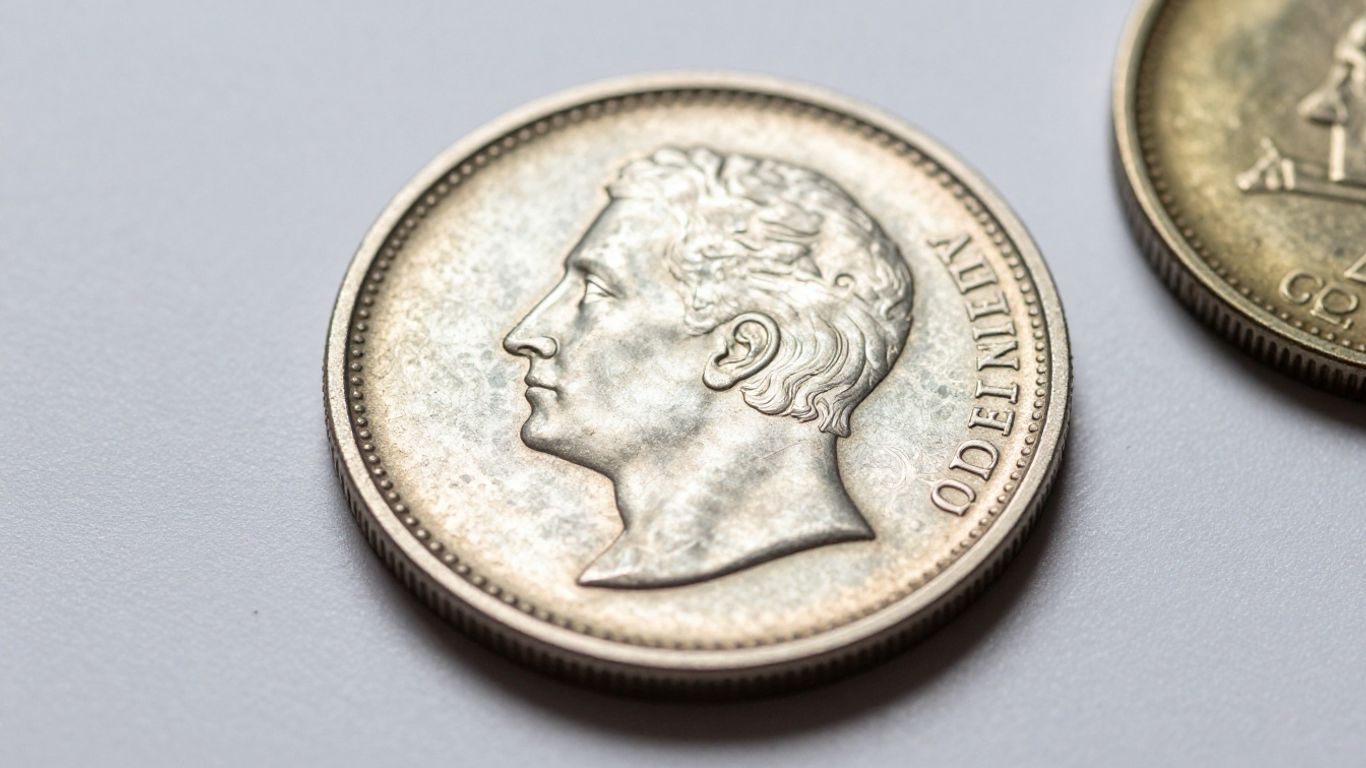
The obverse is what most people call the "heads" side of the coin. This is usually where you’ll find the main portrait or a really important national symbol. Think of the profile of a president on a U.S. coin or a monarch on a coin from another country. This side really sets the stage for what the coin is all about. You’ll also find some key text here, like the year it was made and maybe a motto. The date is often your first clue to a coin’s potential rarity.
Exploring the Reverse Narrative
Flip the coin over, and you’re looking at the reverse, or the "tails" side. This is where the artistry often shines. You might see a national emblem, a historical event being remembered, or even wildlife. It’s like the coin’s way of telling a story or showing off its national pride. Besides the main design, the reverse usually has other text, like the coin’s weight and metal purity for gold or silver coins, or its face value.
Identifying Key Inscriptions and Dates
Don’t overlook the words and numbers stamped onto a coin. These aren’t just random bits of text; they’re vital clues. The date tells you when the coin was made, which is super important for figuring out how many were produced and if it’s a rare year. Other inscriptions might tell you the country that issued it, its denomination, or important phrases like "In God We Trust." Sometimes, tiny letters near the design are the initials of the person who designed the coin, which can add another layer of interest for collectors. Learning to spot these details is a big step in understanding coin identification.
The Crucial Role of Mint Marks
Mint marks are like a coin’s birthplace, a tiny letter or symbol that tells you where it was made. For a long time, the Philadelphia Mint didn’t even use a mint mark because it was the only one. But as the U.S. Mint expanded, adding branches in places like Charlotte, Dahlonega, and New Orleans, it became important to know which facility produced a coin. This helped keep each mint accountable for the quality of its output.
Locating and Interpreting Mint Marks
Finding a mint mark can sometimes be a treasure hunt. They are usually small and can appear on the obverse (the head side) or the reverse (the tail side) of a coin. For example, you might find them near the date or below a design element. Over the years, their placement has changed. The "P" for Philadelphia, for instance, only started appearing regularly in 1979, though it had a brief stint during World War II. Today, the main mint marks you’ll see are "S" for San Francisco, "D" for Denver, "P" for Philadelphia, and "W" for West Point. Knowing these is a good start for any collector.
Mint Marks and Their Impact on Production
The location where a coin is made can really affect how many are produced. Some mints, like West Point, often produce fewer coins, especially special collector issues. This lower production number, combined with the specific mint mark, can make a coin more sought after by collectors. It’s not just about the total number minted, but also where that number came from. A coin with an "S" or "W" mint mark might be harder to find than one from Philadelphia or Denver, even if the overall mintage is similar. This scarcity is a big deal in the collecting world.
Specific Mint Marks and Their Premiums
Certain mint marks are known to command a bit of a premium. Coins from the San Francisco Mint ("S") and the West Point Mint ("W") often carry a higher value, particularly if they were part of a limited run or special series. For instance, West Point coins, especially those made for collectors, are usually produced in much smaller quantities than those from Denver or Philadelphia. This scarcity directly influences their desirability and price. It’s always worth checking the mintage figures associated with a specific mint mark when evaluating a coin’s potential value. Understanding mintage is key for collectors [a3aa].
The history of mint marks is tied to the growth and accountability of the U.S. Mint system. What started as a way to track production across different facilities has become a significant factor in a coin’s rarity and desirability for collectors.
Beyond Mintage: Factors Influencing Value
The Importance of Coin Condition
While mintage numbers tell us how many coins were made, the condition they’re in is a massive part of what makes them valuable. Think about it: a coin that’s been tossed around in pockets for decades is going to look a lot different than one that’s been kept safe in a special holder since it was minted. The wear and tear, or lack thereof, really changes things. A coin’s grade, often determined on the Sheldon scale from 1 to 70, is a primary driver of its worth. A coin in near-perfect condition (like an MS-65 or higher) can be worth exponentially more than the same coin with visible wear (like a VF-20). It’s not just about the big scratches; even tiny marks from being bagged with other coins can affect the grade and, consequently, the price. Collectors often look for coins with excellent ‘eye appeal’ – meaning they look good, with nice luster and minimal distracting marks.
Market Demand and Historical Appeal
Sometimes, a coin’s value isn’t just about how rare it is or how good its condition is. What people want to collect plays a huge role. If a particular series or type of coin suddenly becomes popular, maybe because of a movie, a historical anniversary, or just a trend among collectors, demand goes up. This can push prices higher, even for coins that aren’t exceptionally rare. Coins tied to significant historical events or periods often have a special draw. For instance, coins from wartime eras, like the 1943 steel cents, are sought after because they tell a story. This historical connection adds a layer of appeal that goes beyond simple scarcity. Keeping an eye on what’s trending in the numismatic world, perhaps by checking out resources like Coin World or auction results, can help you spot coins that might be gaining popularity.
Metal Content and Bullion Value
For many coins, especially older ones or those specifically made for investment, the metal they’re made of is a big deal. Gold, silver, platinum – these precious metals have a market value that fluctuates daily. This is often called the ‘bullion value’. So, even if a coin isn’t particularly rare or in amazing condition, its value can be tied directly to the price of the metal it contains. This is especially true for modern bullion coins like American Eagles or Canadian Maple Leafs. Their value will generally track the spot price of gold or silver. However, for numismatic coins, the value is usually much higher than just the metal content because of factors like rarity and condition. It’s important to understand that for many collectible coins, their numismatic value far surpasses their melt value, making them more than just a commodity; they are pieces of history with numismatic value.
When evaluating a coin, it’s easy to get caught up in just one or two factors. But the truth is, it’s a combination of things. A coin might have a low mintage, but if it’s heavily damaged, its value will be significantly impacted. Conversely, a coin with a higher mintage might still be quite valuable if it’s in absolutely pristine condition and has a strong following among collectors. It’s this interplay of rarity, condition, demand, and even the metal it’s made from that creates the final price tag.
The Art of Coin Grading
The Sheldon Scale Explained
So, you’ve got a coin, and you’re wondering how good it looks. That’s where grading comes in. It’s basically a way to describe a coin’s physical condition, from practically falling apart to looking like it just left the mint yesterday. The main system everyone uses is called the Sheldon scale. It’s a number from 1 to 70. A ‘1’ means you can barely make out any details, it’s pretty beat up. A ’70’ is the top of the line – a perfect coin, no flaws even when you look at it really closely. This number is a huge part of what makes a coin valuable. Think of it like this: a coin that’s a ’65’ is way more desirable than the exact same coin that’s a ’35’. It’s not just about wear, though. Things like how well the coin was struck, its shine, and any marks it might have all play a part in where it lands on that 1-70 scale. It’s a bit of an art, but there’s a science to it too.
Professional Grading Services
Trying to grade coins yourself can be tricky, especially when you’re starting out. That’s why professional grading services exist. Companies like PCGS and NGC have experts who look at coins and give them an official grade. They put the coin in a special sealed holder, often called a ‘slab,’ with the grade printed on it. This gives collectors a lot of confidence because they know the coin has been checked by professionals. It’s like getting a seal of approval. These services help make sure everyone is on the same page when talking about a coin’s condition, which is super important for buying and selling. They’ve really standardized things in the collecting world.
How Grade Affects Coin Worth
Okay, so you’ve got the grade. Now what? Well, the grade directly impacts how much a coin is worth. It’s not a simple linear thing, but generally, the higher the grade, the higher the price. A coin that’s graded MS-65 (that’s Mint State, meaning uncirculated and looking pretty great) can be worth a lot more than the same coin graded, say, VF-20 (Very Fine, meaning it’s seen some circulation and has noticeable wear). It’s not just about the number, though. Sometimes, two coins might have the same numerical grade, but one might look a bit better – it might have more shine or fewer distracting marks. This ‘eye appeal’ can sometimes push its value higher within that grade. It’s a complex mix of the number, the overall look, and what collectors are looking for at that moment.
- Wear: How much of the original design has been smoothed away by circulation.
- Luster: The original shine or brilliance the coin had when it was minted.
- Strike: How clearly and sharply the coin’s design was impressed by the minting dies.
- Marks: Any nicks, scratches, or blemishes that have occurred after minting.
Grading is a skill that takes time to develop. It involves looking closely at a coin’s surfaces, understanding how wear affects different parts of the design, and appreciating the subtle differences in luster and strike. Even experienced collectors can disagree on a grade sometimes, which is why those professional services are so popular. They provide a consistent standard that helps the market function smoothly.
Identifying Rare and Unique Coins
There’s something special about holding a coin that stands out. It’s not just about how many were made, but also about their unique stories and features. Some of the most sought-after coins are those with errors, like a date that was stamped twice or a design that the mint quickly changed. I’ve always been drawn to error coins; they show us the unpredictable side of how coins are made.
The Allure of Error Coins
Coin errors happen when something goes wrong during the minting process. These aren’t just flaws; they can make a coin much more interesting and valuable. Some common types of errors include:
- Off-center strikes: When the planchet (the blank coin) isn’t perfectly aligned in the press.
- Double dies: When the die used to strike the coin hits it more than once, creating a doubled image.
- Struck-through errors: When a foreign object, like a piece of metal or cloth, gets between the die and the planchet during striking.
- Wrong planchet errors: When a coin is struck on a planchet meant for a different denomination or type of coin.
These kinds of mistakes offer a peek into the manufacturing process and can turn an ordinary coin into a collector’s prize. The value of an error coin depends heavily on the type of error and how noticeable it is.
Legendary Rarities and Their Stories
Beyond errors, some coins are famous simply because they are incredibly rare and have fascinating histories. Think about the 1913 Liberty Head nickel. Only five are known to exist, and each has a story that adds to its mystique. Or the 1804 Draped Bust dollar, often called the "King of American Coins," which wasn’t actually minted in 1804 but much later. These coins are more than just metal; they are pieces of history that collectors dream of owning. Learning to inspect coin features can help you spot these unusual pieces.
Unusual Designs and Their Appeal
Sometimes, a coin’s rarity comes from its design. A design might have been used for only a short time before being changed, or perhaps it was controversial or simply unique. Coins with unusual artistic elements or historical figures that aren’t commonly seen can also attract a lot of attention. These coins often tell a story or represent a specific moment in time, making them stand out from more common issues. When you find a coin with a unique design, a rare date, or a well-documented error, you know you’ve found something special.
Collecting rare coins isn’t just about finding low-mintage pieces. It’s about appreciating the stories, the mistakes, and the unique characteristics that make each coin a small piece of history. These elements combine to create a coin’s true rarity and appeal.
Advanced Coin Evaluation Techniques
Assessing Strike Quality and Luster
Beyond just looking at the date and mint mark, serious collectors dig deeper. This involves really looking at how well the coin was made, or its ‘strike quality.’ A coin with a strong strike will have sharp, clear details. Think of every little line on a bird’s feather or the crispness of the lettering. Sometimes, the dies used to make the coins get worn down, and this can lead to a weaker strike where details look a bit soft or mushy. It’s like trying to press a stamp with a worn-out rubber part – the image just isn’t as clear.
Then there’s ‘luster.’ This is that original shine or glow a coin has when it first comes from the mint. It can look frosty, satiny, or even have a cartwheel effect when you tilt it under a light. Coins that have been cleaned, especially with chemicals, lose this natural luster. This is a big deal because original mint luster is a key part of a coin’s appeal and value. You can use a simple 10x magnifier and a good light source to really see these details. It’s amazing what you can spot with just a little magnification. For a good overview of coin aspects, check out this guide.
Surface Condition and Eye Appeal
When you’re looking at a coin’s surface, you’re hunting for any little imperfections. This could be tiny scratches, sometimes called hairlines, that might be hard to see without magnification. You also want to watch out for anything that looks like it was added to the coin, like wax or some kind of coating, which might be an attempt to hide flaws. The overall ‘eye appeal’ is also super important. A coin might be rare, but if it’s covered in ugly marks or has a dull surface, it just won’t look as good. On the flip side, a coin that’s sharply struck and has fantastic eye appeal can sometimes fetch a higher price than you might expect, even if its mintage isn’t the absolute lowest. It’s all about how the coin presents itself. Sometimes, you can find great deals if you know what to look for.
Evaluating a coin’s surface condition and overall eye appeal is a skill that develops over time. It involves looking past the obvious and noticing the subtle characteristics that make one coin stand out from another. This attention to detail is what separates a casual observer from a seasoned collector.
Spotting Undervalued Opportunities
This is where the real fun begins for many collectors – finding coins that are worth more than their current price tag suggests. It takes a bit of practice and staying informed. You need to know what to look for, like those strong strikes and great luster we talked about. Sometimes, a coin might have a slightly lower grade but possess exceptional eye appeal, making it a better buy than a technically higher-graded coin with significant flaws. Keeping up with auction results and what other collectors are paying can give you a good sense of the market. You might also find opportunities by looking at coins with interesting errors or varieties that aren’t widely recognized yet. It’s like being a detective, piecing together clues about a coin’s true worth. Being patient and doing your homework can really pay off. Learning to assess coins effectively is a big part of the hobby, and this guide can help.
Here are some things to keep in mind when looking for undervalued coins:
- Strike Quality: Look for coins with sharp, well-defined details. A strong strike often indicates better quality control during minting.
- Luster: Original mint luster is a key indicator of a coin’s condition and appeal. Avoid coins that appear dull or have been cleaned.
- Surface Condition: Pay close attention to scratches, nicks, or any signs of damage. Minor flaws can significantly impact value.
- Eye Appeal: Does the coin look attractive? Sometimes, a coin with great visual appeal can be worth more than its technical grade might suggest.
- Market Trends: Stay informed about current market prices and collector demand. Resources like price guides and auction results are helpful.
The Overlooked Edge Detail
When you first look at a coin, your eyes usually go to the main design on the front and back. But there’s a whole other part of the coin that often gets ignored: the edge. It might seem like just a simple rim, but the edge can tell you a lot about a coin’s history and even its authenticity. This often-missed feature can significantly impact a coin’s rarity and value.
Think about it – the edge is the first thing that might show wear if a coin has been handled a lot. It’s also where mints historically put security features. So, what exactly should you be looking for on a coin’s edge?
Reeded Edges and Their Purpose
Most coins you see today have reeded edges, which means they have those little parallel lines running around the rim. This wasn’t just for looks. Back in the day, gold and silver coins were pretty valuable, and people would try to shave off tiny bits of metal from the edges to collect the precious material. The reeding made it obvious if someone had tampered with the coin. It was a simple but effective security measure. You’ll see this on most U.S. quarters and dimes, for example.
The Significance of Plain Edges
On the flip side, some coins have plain edges – completely smooth all the way around. This can happen for a few reasons. Older coins, especially those made before reeding became standard, might have plain edges. Sometimes, though, a plain edge on a modern coin can indicate a minting error. Imagine finding a modern dollar coin with a smooth edge when it’s supposed to be reeded; that’s a rare find and could be worth a good bit more than a regular one. It’s a detail that can really set a coin apart. For instance, some older half dollars have plain edges, and knowing this helps collectors identify them correctly.
Lettered Edges and Security Features
Then there are lettered edges. These are like tiny inscriptions right on the rim. You might see things like "IN GOD WE TRUST" or the coin’s denomination repeated. Modern commemorative coins and some dollar coins, like the Presidential dollars, often feature these lettered edges. It’s another way mints add detail and security. Sometimes, special bullion coins might have unique patterns or designs on their edges, making them harder to counterfeit. It’s always worth tilting a coin under good light to see if there’s any text or special design on its edge. It’s a detail that adds to the coin’s overall story and security.
Examining the edge of a coin is a vital step in coin evaluation that many collectors overlook. Whether it’s the security of reeding, the rarity of a plain edge error, or the informational aspect of lettered edges, this part of the coin provides clues about its production and history. Paying attention to these details can help you spot anomalies and potentially uncover hidden value in your collection.
Designer's Touch and Artistic Signatures
When you look at a coin, you’re not just seeing metal stamped with a date. You’re often looking at a piece of art, and like any artist, the coin designer leaves their mark. These marks can tell a story and, sometimes, add a bit of extra interest for collectors.
Recognizing Designer Initials
Many coins feature tiny initials, usually near the design elements, that point to the artist responsible for the artwork. These aren’t just random letters; they’re a signature. For instance, the initials ‘AM’ on some U.S. coins belong to Adolph A. Weinman, the designer of the Mercury dime and the Walking Liberty half dollar. Finding these initials can be a small thrill, connecting you directly to the creator’s work. Sometimes, these initials are so small they can be easily overlooked, making their discovery a rewarding moment for a keen-eyed collector. It’s like finding a hidden detail in a painting.
How Artist Signatures Add Value
While not always a major price driver, a designer’s signature can certainly add to a coin’s appeal. For certain key dates or rare issues, the presence of the designer’s initials can be a confirmation of authenticity and a point of interest that distinguishes it from other examples. It’s a subtle nod to the coin’s origin and the skill involved in its creation. For some collectors, knowing the artist behind the design adds a personal connection to the piece they hold. It’s a bit like owning a print directly from an artist’s studio versus a mass-produced copy.
Tracing a Coin's Artistic Lineage
Understanding who designed a coin can open up a whole new way of looking at your collection. You start to see patterns in their work across different denominations or even different countries. For example, a designer might have a particular style for portraits or a signature way of rendering natural elements. This can lead you down a rabbit hole of numismatic history, exploring the careers of these artists and their contributions to coinage. It adds a historical and artistic dimension that goes beyond just the metal content or the mintage figures. It’s about appreciating the artistry that goes into something we often take for granted.
- Initial Placement: Designers often place their initials in consistent locations, such as near the date, on the truncation of a portrait, or within the design elements themselves.
- Design Style: Recognizing a designer’s recurring motifs or artistic style can help identify their work even if initials are absent or unclear.
- Historical Context: Researching the designer’s life and other works can provide insights into the symbolism and meaning embedded within the coin’s design.
The artistic choices made by coin designers are not arbitrary. They are often influenced by the historical period, the intended message of the coin, and the artistic trends of their time. These elements contribute to the coin’s overall narrative and its appeal to collectors who appreciate both history and art.
Authenticity Checks for Collectors
When it comes to coin collecting, confirming that a piece is genuine can save collectors from costly mistakes. With fakes becoming more sophisticated, it’s no longer enough to just take a quick look and trust your gut—testing for authenticity involves a handful of specific, hands-on steps that anyone can learn to do.
Magnet and Ping Tests for Verification
One of the easiest ways to spot a counterfeit coin is with a magnet and a simple sound test. Most precious metal coins (like gold and silver) are non-magnetic, so if your coin sticks to a magnet, that’s a big red flag. The ping test is another classic: gently tap the coin with another coin and listen for a clear, ringing sound. Genuine coins produce a long, high tone while many fakes sound dull or flat.
- Use a strong magnet—not the flimsy fridge kind—when testing older coins.
- For the ping test, hold the coin on your fingertip and tap it gently; avoid scratching the surface.
- Compare the sound to a coin you know is genuine for the best results.
Sometimes, the simplest tests reveal what fancy gadgets can’t. If the magnet test or ping sounds odd, set that coin aside for further checking.
Cross-Referencing Mint Documentation
After the initial physical checks, comparing a coin’s traits with official mint specifications is key. You’ll want to measure the coin’s weight, diameter, and thickness, then compare those to trusted references—books like the Red Book or official mint websites are perfect for this.
| Check | Tools Needed | What to Compare |
|---|---|---|
| Weight | Digital Scale | Published specs |
| Diameter/Thickness | Caliper | Mint documentation |
| Design Details | Magnifier/Loupe | Reference guides |
Some collectors photograph their coins, keeping these images and all paperwork in a record for each piece, just in case questions come up later.
Recognizing Counterfeit Indicators
It’s not always obvious when a coin is counterfeit. But with a bit of practice, you can catch some common giveaways. Look for these:
- Fonts that look oddly thick, thin, or wobbly compared to known coins
- Sharp seams or edges that feel rough or new
- Inconsistent color or areas that seem patched or filled
- Poorly aligned design elements, like dates and mint marks
Education and vigilance are the collector’s best defenses. Spend time handling authentic coins, and if you ever run into something questionable, never hesitate to get a second opinion or consult guides on identifying counterfeit coins. Check return policies when buying, especially online, and always buy from established sources.
Even seasoned collectors get tripped up by clever fakes now and then. Take your time and trust the process—rushing is what counterfeiters count on.
Wrapping It Up
So, we’ve looked at how many coins were made, which is called mintage, and why it matters a lot for how rare a coin is. It’s not the only thing, of course, but it’s a big piece of the puzzle. Knowing these numbers helps you figure out what might be worth more down the road or just what’s harder to find. It’s like having a secret map for finding those special coins. Keep an eye on those mintage figures when you’re adding to your collection; it’s a smart move for any collector, new or old. Happy hunting out there!
Frequently Asked Questions
What does 'mintage' mean for a coin?
Mintage simply means the total number of coins made for a specific design, date, and type. A coin with a low mintage was produced in smaller quantities, making it harder to find and often more valuable to collectors.
Why are coins with low mintage numbers more valuable?
When fewer coins are made, there are fewer available for people to collect. This scarcity, combined with collector interest, can drive up the price because more people want the same limited number of coins.
How can I tell where a coin was made?
You can usually find a small letter, called a mint mark, on the coin. This mark tells you which mint facility produced the coin. For example, ‘S’ often means San Francisco, and ‘D’ means Denver.
Besides mintage, what else makes a coin valuable?
Several things matter! The coin’s condition (how worn it is), how much people want it (market demand), its historical importance, and the value of the metal it’s made from all play a big role in its worth.
What is coin grading, and why is it important?
Coin grading is like giving a coin a score based on its condition, from 1 (very worn) to 70 (perfect). This score, often using the Sheldon scale, is super important because a coin in better condition is usually worth much more money.
What are error coins?
Error coins are coins that have mistakes made during the minting process, like a doubled image or a missing part of the design. These unusual mistakes can make a coin rare and interesting to collectors.
How can I be sure a coin is real and not a fake?
You can check if a coin is magnetic (most precious metals aren’t) or listen for a distinct ring when you tap it (real coins often have a unique sound). Comparing the coin’s details to official records from the mint can also help spot fakes.
What is the 'obverse' and 'reverse' of a coin?
The obverse is the front side of the coin, often called ‘heads,’ usually showing a portrait or main symbol. The reverse is the back side, often called ‘tails,’ which typically displays other designs or information.