
If you’re new to coin appraisals, it’s easy to feel lost. Here are a few things to keep in mind so you’re ready when the time comes.
Key Takeaways
- Never clean your coins before an appraisal—this can lower their value.
- Professional appraisers use a set process: inspection, authentication, and grading.
- Both online and in-person appraisals have pros and cons. Choose what fits your needs.
- Watch for red flags like high-pressure sales or refusal to explain the process.
- Paid appraisals are best for insurance or legal needs, but free ones work for basic selling.
Understanding the Coin Appraisal Process
What Constitutes a Coin Appraisal?
A coin appraisal is essentially a professional assessment of a coin’s monetary worth. It’s not just a quick look; it’s a detailed examination by someone who knows coins inside and out. This expert looks at things like how old the coin is, how many were made, its current condition, and what people are willing to pay for it right now. The goal is to get a clear picture of what your coin is actually worth in today’s market. This helps you make smart decisions, whether you’re thinking about selling, insuring your collection, or just curious about what you have. It’s a key step for anyone serious about their coins.
Distinguishing Appraisal Types: Market, Intrinsic, and Retail Value
When you get a coin appraised, you’ll likely hear a few different terms for value. It’s important to know what they mean:
- Market Value: This is what someone would realistically pay for the coin if it were for sale today. It’s influenced by current demand and what similar coins have recently sold for. This is usually the most important number for sellers.
- Intrinsic Value: This refers to the value of the metal the coin is made from, like gold or silver. For pure bullion coins, this might be the main value, but for most collectible coins, it’s only a small part of the overall worth.
- Retail Value: This is the price a dealer would ask for the coin in their shop. It often includes a markup to cover their overhead and profit.
Understanding these differences helps you interpret the appraisal results correctly. For instance, a coin might have a high intrinsic value due to its gold content, but its market value could be much higher if it’s a rare collectible.
The world of coin collecting is seeing a lot of new faces, with younger generations getting involved. This means more people are looking to understand coin values. Knowing the difference between what a coin is worth for its metal versus what a collector might pay is pretty important.
Appraisal vs. Offer vs. Estimate: Key Differences
It’s easy to mix these terms up, but they mean different things:
- Appraisal: This is a formal, detailed evaluation of a coin’s value, usually done by a qualified professional. It’s a well-researched opinion based on specific criteria and market knowledge. You might get a written report for this.
- Offer: This is a specific amount of money someone is willing to pay you for your coin right now. It might be based on an appraisal, but it could also be a dealer’s immediate bid, which might be lower than the full market value.
- Estimate: This is a rough idea of a coin’s value, often given without a deep inspection. It’s more of a guess and shouldn’t be relied upon for important decisions. Think of it as a ballpark figure. Getting an accurate appraisal for your coin collection is key to avoiding confusion.
The Step-by-Step Coin Appraisal Procedures Explained
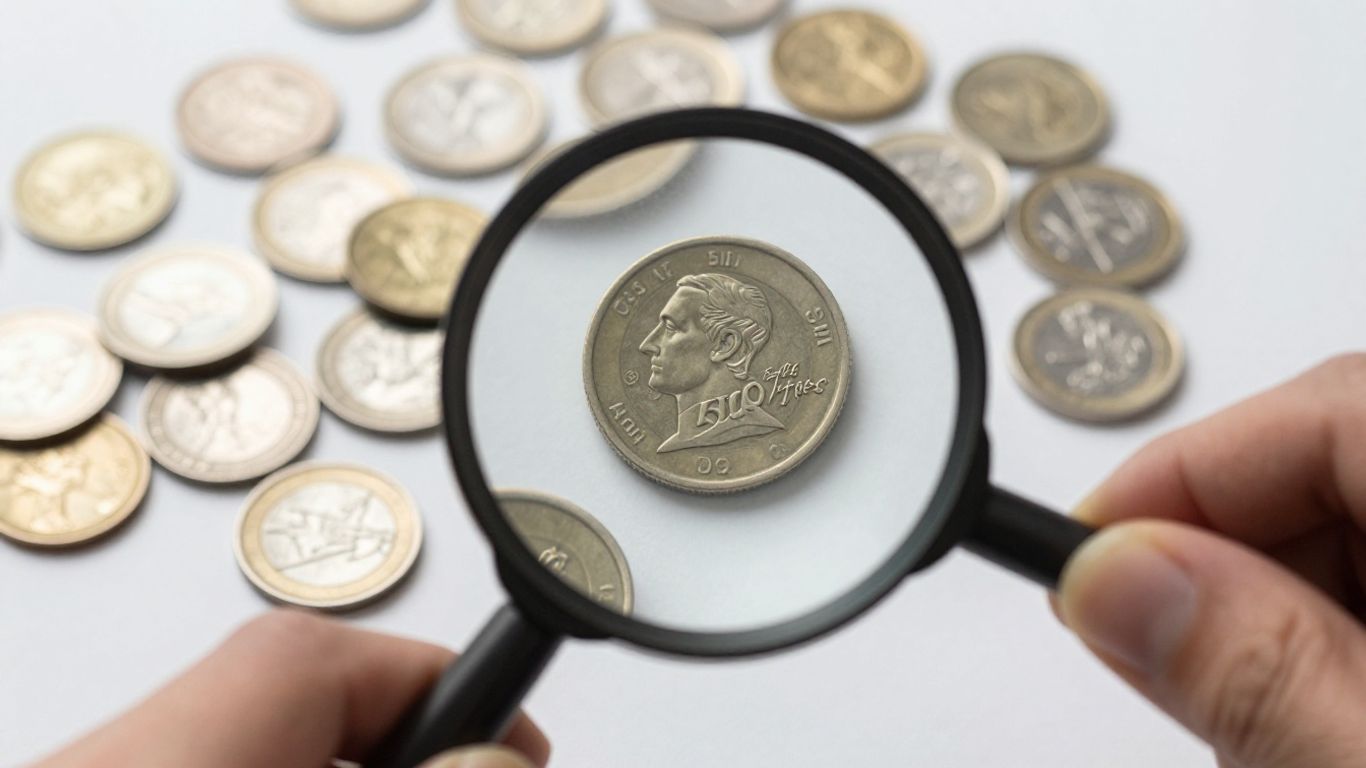
When you’re looking to get a handle on what your coins are worth, there’s a pretty standard process most appraisers follow. It’s not just a quick look and a guess; there are actual steps involved to figure out the value. This helps make sure the appraisal is fair and makes sense.
Initial Visual Inspection and Identification
The first thing an appraiser does is take a good, close look at your coin. They’ll use magnification, like a jeweler’s loupe, to see all the details. This is where they figure out the basics: what country it’s from, what year it was made, and where it was minted (that’s the mintmark). These details are the starting point for everything else. For example, a coin made in a year with low production numbers might be worth a lot more than one from a year when tons of them were made, even if they look similar at first glance. Getting this identification right is key to understanding the coin’s potential value.
Authenticating Coin Generality
Before anyone can even think about value, the coin has to be confirmed as real. Sadly, fakes are out there for all sorts of coins, from old silver dollars to ancient pieces. Spotting these requires a trained eye and sometimes special tools. Appraisers check things like the coin’s weight, its exact size, and the look of its surface. They might even use electronic gear. A coin that looks like a million bucks but turns out to be a fake is really worth nothing. It’s a critical step to make sure you’re dealing with a genuine piece of history.
Determining the Coin's Condition Grade
This is where the coin’s physical state comes into play. Appraisers use a standard scale to grade coins, usually from 1 to 70. Coins that have been used in everyday transactions get a grade that reflects wear, while coins that have never been circulated are in a higher category. The better the condition, the higher the grade, and generally, the higher the value. It’s a bit like judging the condition of a car; the less wear and tear, the more it’s worth. This grading process is a big part of what determines the final appraisal.
The condition of a coin is one of the most significant factors in its valuation. Even minor wear can drastically alter its worth compared to an uncirculated example. Therefore, careful assessment of surface preservation, strike quality, and eye appeal is paramount during this stage of the appraisal process.
Here’s a simplified look at how grading can impact value:
| Grade Category | Description |
|---|---|
| Mint State (MS-60+) | Uncirculated, no wear visible |
| About Uncirculated | Very slight wear, often only under magnification |
| Extremely Fine (EF) | Light wear on high points |
| Very Fine (VF) | Moderate wear, details softened |
| Fine (F) | Significant wear, major details visible |
| Good (G) | Heavy wear, design outlines only |
This step is where the coin’s journey through circulation, or lack thereof, is carefully documented. It’s a detailed process that requires a keen eye for subtle differences that can mean a lot in terms of monetary worth. For anyone looking to sell their coins, understanding this grading aspect is quite helpful, especially if you’re considering selling your valuable coins.
Factors Influencing Coin Valuation
When you’re looking to get a coin appraised, a few things really stand out that determine what it’s worth. It’s not just about what the coin is made of, though that’s part of it. Think of it like this: two coins might look similar, but one could be worth way more than the other. Why? It all comes down to a mix of factors.
The Impact of Mint Year and Mintmark
The year a coin was made, and where it was made (that’s the mintmark), can make a big difference. Some years, fewer coins were produced, or a specific mint might have had a shorter run. This scarcity naturally drives up the value. For example, a coin from a year with a very low mintage will almost always be more sought after than one from a year where millions were churned out. It’s like finding a limited edition item versus something mass-produced.
Assessing Precious Metal Content
For many coins, especially modern ones or older ones made of gold or silver, the metal content is a significant part of their value. This is often called the "melt value." The price of gold and silver fluctuates daily on the market, so a coin’s intrinsic metal worth changes too. Bullion coins, like American Eagles or Canadian Maple Leafs, are primarily valued for their gold or silver content. Even older coins, if they contain a good amount of precious metal, will have a baseline value tied to the current market price of that metal. You can often find charts showing the spot price of gold and silver online, which gives you a good idea of this aspect of a coin’s worth.
Recognizing Historical Significance
Sometimes, a coin is valuable not just because of its metal or how many were made, but because of its story. Coins tied to important historical events, famous people, or significant periods can gain a special appeal. A coin that was in circulation during a major war, or one that commemorates a key moment in history, might be worth more to collectors interested in that particular narrative. This historical connection adds a layer of desirability that goes beyond the coin’s physical attributes. It’s about owning a piece of history.
Identifying Errors and Varieties
Mistakes happen, even when making coins. Sometimes, errors during the minting process create unique varieties that collectors find fascinating. These could be things like a double strike, a misaligned die, or even a planchet (the blank metal disc) that wasn’t quite right. These "error coins" are often rare and highly collectible because they represent a deviation from the norm. Similarly, minor variations in the design, known as "varieties," can also increase a coin’s appeal and value if they are recognized and sought after by collectors. The more unusual or rare the error or variety, the higher its potential value.
Understanding these different elements is key to getting a realistic appraisal. It’s a combination of the coin’s physical makeup, its production history, its condition, and any unique characteristics it might possess. Each factor plays a role in painting the full picture of what a coin is truly worth in the market today.
Types of Coin Appraisals Available
When you’re looking to figure out what your coins are really worth, you’ve got a few different paths you can take. It’s not a one-size-fits-all situation, and the best approach often depends on what you want to achieve with the appraisal and the kind of coins you have. Let’s break down the main options.
Complimentary Coin Appraisals
Lots of coin dealers and some online places will offer to look at your coins for free. It’s pretty straightforward: you bring in your coins, or send in pictures, and they give you an idea of the value. The big plus here is, well, it doesn’t cost you anything upfront. This can be a good starting point, especially if you’re just curious or thinking about selling a few common coins. However, it’s important to remember that a dealer offering a free appraisal often has a vested interest in buying your coins. Their valuation might be more about what they’re willing to pay, rather than the absolute highest price the coin could fetch on the open market. It’s always a good idea to check out reviews and see what other people say about their experience with these services.
Paid Professional Appraisals
For a more official and unbiased valuation, a paid professional appraisal is usually the way to go. These appraisers are typically independent, meaning they don’t have a direct financial stake in buying your coins. They charge a fee for their time and expertise, which can range from $50 to $150 per hour, sometimes more for very complex collections. The big advantage here is that you get a detailed, written report. This kind of documentation is really important if you need it for insurance purposes, estate settlements, or tax filings. It provides a solid, defensible value that can be used in official capacities. If you’re dealing with valuable coins or a significant collection, this is often the most reliable method to understand their true value.
Online Coin Appraisal Platforms
In today’s digital age, online platforms have become a popular choice for getting a preliminary coin appraisal. These services usually let you upload clear photos of your coins, along with any identifying details you have. Some use sophisticated software, sometimes combined with human review, to give you an estimate. It’s super convenient and can be quite fast, giving you a quick idea of what you might have. However, the accuracy can really depend on the quality of the photos you provide and how complete the information is. It’s a great way to get a general sense of value, but for anything particularly rare or valuable, you might still want to consider a more hands-on approach.
When considering any appraisal, especially a free one, remember that the goal is to get an accurate picture of your coin’s worth. Be wary of anyone who seems overly eager to buy immediately or pressures you into a decision without giving you time to think. A trustworthy appraisal process involves clear communication and a willingness to explain how they arrived at their valuation.
In-Person vs. Online Appraisal Methods
When it comes to getting your coins appraised, you’ve got a couple of main routes: doing it in person or going the online route. Each has its own set of pros and cons, and what works best really depends on your situation and the coins you have.
Benefits of In-Person Coin Appraisals
Getting an appraisal face-to-face means someone can actually hold your coin, look at it under magnification, and really get a feel for its condition. This direct interaction is pretty important, especially for rarer or more valuable pieces. It allows for immediate back-and-forth discussion about the coin’s details and condition. This can clear up any confusion right away and helps both parties understand exactly what’s being evaluated. For those with significant collections, or if you’re looking to sell your coins, this method often provides the most thorough assessment. You can find local coin shops or attend coin shows for these types of evaluations. Some services even offer at-home appraisals for convenience.
Evaluating Online Appraisal Effectiveness
Online appraisals are super convenient. You can often upload photos and details from your own home and get a preliminary idea of value pretty quickly. This is great for getting a general sense of what your coins might be worth, especially if you have common items. However, the accuracy can really depend on how good your photos are and the knowledge of the person or platform doing the appraisal. It’s hard for someone to judge the true condition of a coin just from pictures. For common coins, online appraisals can work fine, but for anything truly rare or valuable, it’s usually best to have it looked at in person.
When to Prioritize In-Person Review
There are definitely times when you should skip the online route and go straight for an in-person appraisal. If you have coins that are potentially very valuable, historically significant, or part of a large collection, seeing them in person is almost always the better choice. This is also true if you’re planning to sell soon and want the most accurate valuation possible before accepting any offers. It’s also a good idea if you’re unsure about the authenticity or condition of your coins. For a more formal valuation, especially for insurance or estate purposes, a written appraisal from an in-person evaluation is usually required. Deciding where to sell your rare coins can be tricky, and understanding the appraisal method is part of that decision process.
The convenience of online tools is undeniable, offering quick estimates without leaving your house. However, the tactile and visual nuances of a coin, which are critical for accurate grading and valuation, are often lost in digital formats. For anything beyond a casual estimate, the direct examination offered by in-person appraisals remains the gold standard for precision and confidence.
Choosing a Reputable Coin Appraiser
Finding someone you can trust to look at your coins is a big deal. It’s not just about getting a number; it’s about getting a fair assessment from someone who knows their stuff. You want to avoid people who might try to take advantage of you, especially if you’re new to coin collecting or have inherited a collection.
Essential Credentials and Affiliations
When you’re looking for an appraiser, check what groups they belong to. Membership in organizations like the American Numismatic Association (ANA) or being affiliated with groups like the Professional Numismatists Guild (PNG) can be good signs. These affiliations often mean they’ve met certain standards and agree to follow a code of ethics. It’s like a stamp of approval, showing they’re serious about their profession. You might also see certifications from services like PCGS or NGC, which are well-respected in the coin world.
Assessing an Appraiser's Reputation
Beyond just credentials, see what other people say about them. Look for reviews or ask around in collector circles. A good reputation is built over time, and it means they’ve likely treated people fairly. You can often find local coin appraisal services that have been around for a while and have a solid standing in the community. It’s worth doing a little digging to see if they have a history of honest dealings.
Ensuring Transparency in Valuation
A good appraiser won’t just throw out a number and expect you to accept it. They should be willing to explain how they arrived at that value. This means talking about the coin’s condition grade, its rarity, market demand, and any other factors that play a role. They should be able to clearly explain their methodology and answer your questions without making you feel rushed or ignorant. If they just give you a price without any explanation, that’s a bit of a red flag.
Recognizing Pressure-Free Practices
Be wary of anyone who tries to rush you into a decision. A reputable appraiser will give you time to consider their valuation and any offers they might make. They understand that selling coins is a significant decision. If someone is pressuring you to sell on the spot, or making you feel like you need to decide right then and there, it’s a sign to step back and reconsider. You should feel comfortable and in control of the process, not pressured into a deal. It’s always a good idea to get a second opinion if you feel uncertain.
Red Flags to Avoid During Appraisals
When you’re looking to get your coins appraised, it’s important to know what to watch out for. Not everyone offering an appraisal has your best interests at heart. Some folks might be more interested in acquiring your collection for less than it’s worth. Being aware of these warning signs can save you a lot of trouble and potential financial loss.
Identifying Unrealistic Offers
One of the first things to be wary of is an offer that sounds too good to be true. Sometimes, a dealer might give you an exceptionally high valuation just to get you to bring your coins into their shop. Once they have your collection in hand, the offer might suddenly drop significantly, or they might start pointing out all sorts of supposed flaws to justify a much lower price. It’s a tactic to get you hooked. Always question offers that seem wildly out of line with what you might expect, especially if you’ve done some preliminary research on your own.
Recognizing High-Pressure Sales Tactics
Another big red flag is when an appraiser or dealer tries to rush you into making a decision. They might say things like, "This offer is only good for today," or "Someone else is interested in this piece right now." This pressure is designed to prevent you from taking the time to think things over, compare offers, or get a second opinion. A legitimate appraiser will give you space and time to consider their valuation and any offers presented. You should never feel cornered into selling.
Spotting Lack of Documentation
A professional appraisal should always come with some form of written documentation. This report should detail the coins being appraised, their condition, and how the appraiser arrived at their valuation. If someone is unwilling or unable to provide a written appraisal, or if the document is vague and lacks specifics, that’s a major warning sign. This paperwork is important for your records, whether you’re selling, insuring, or just keeping track of your collection. It provides a clear record of the coin’s assessed value at a specific time. For instance, if you’re looking to sell gold or silver, understanding the process helps you avoid common errors.
Questioning Refusal to Explain Methodology
When you ask an appraiser how they determined the value of your coin, they should be able to explain their reasoning. This includes discussing the coin’s grade, its rarity, market demand, and any other factors that influenced the price. If the appraiser becomes defensive, evasive, or simply refuses to explain their methodology, it’s a sign they might not be as knowledgeable as they claim, or worse, they might be hiding something. Transparency in the appraisal process is key. You have a right to understand how your coin’s worth was calculated. Consulting current and trustworthy resources is also important, as coin values fluctuate.
Be cautious of anyone who seems overly eager to buy your coins on the spot without providing a detailed, written explanation of their valuation. A reputable professional will be happy to educate you on their process and the factors contributing to your coin’s worth.
Preparing Your Coins for Appraisal
Getting your coins ready for an appraisal might seem straightforward, but a few key steps can make a big difference in how smoothly the process goes and how accurately your collection is valued. Think of it as setting the stage for the appraiser to do their best work.
The Critical Rule: Do Not Clean Your Coins
This is the absolute most important thing to remember. Seriously, don’t do it. Even a gentle wipe with a cloth can damage the coin’s original surface. This damage is permanent and can significantly reduce a coin’s worth, sometimes by half or even more. Experienced appraisers can spot cleaned coins right away, and it often leads to a much lower valuation. It’s better to present a coin with its natural patina, even if it looks a bit dusty, than to risk ruining its value through cleaning. If you’re curious about the best way to handle specific coins, it’s always best to ask a professional first.
Organizing Your Collection Effectively
While you don’t need to be a professional numismatist to organize your coins, a little effort goes a long way. Try to group similar coins together. This could mean separating them by country, by denomination (like all your quarters together, all your dimes together), or by type (e.g., all Lincoln cents, all Morgan dollars). If you have coins in original holders or albums, leave them as they are. The goal is to make it easy for the appraiser to see what you have without excessive handling. For inherited collections, it’s often best to leave them in the state you found them, as improper organization can sometimes cause damage.
Capturing High-Quality Photographs
If you’re considering an online appraisal, good photos are non-negotiable. You’ll want to take pictures in bright, natural light if possible, but avoid direct sunlight which can create harsh glare. Make sure the entire coin is in focus, both the front (obverse) and the back (reverse). Blurry or poorly lit photos make it very difficult for an appraiser to identify details like mint marks, wear patterns, or any potential errors. Some online platforms even offer guides on how to take the best pictures of your coins. Clear images are your best bet for getting an accurate preliminary assessment.
Gathering Supporting Documentation
Do you have any old receipts from when the coins were purchased? Perhaps original packaging or certificates of authenticity? Any previous appraisal documents? All of this information can be incredibly helpful. This kind of supporting material, often referred to as provenance, can add context and sometimes even increase the perceived value of your coins. It shows a history and care for the items that collectors and appraisers appreciate. Having this paperwork ready can streamline the appraisal process and provide a more complete picture of your collection’s history. You can find more details on what to look for when preparing your collection at coin appraisal resources.
The most important takeaway is to handle your coins with care and avoid any actions that could alter their original state. Preservation is key to maintaining their potential value for appraisal.
Understanding Appraisal Costs and Value
When Free Appraisals Suffice
Lots of people start with free appraisals, and honestly, for many situations, that’s perfectly fine. If you’ve got a handful of common coins or you’re just curious about what a dealer might offer you for your collection right now, a free appraisal can give you a general idea. It’s a good way to get a quick sense of things without spending any money. Many dealers offer this service, especially if they’re hoping to buy your coins. Just remember, a free appraisal from a buyer is often more of an offer than a neutral valuation. It’s a starting point, but don’t base any big decisions on it alone.
Justifying the Cost of Paid Appraisals
So, when does it make sense to pay for an appraisal? Usually, it’s when you need a formal, documented valuation for specific purposes. Think insurance policies – your insurance company will likely want a written appraisal to know how much to cover your collection for. Estate planning is another big one; if you’re dividing assets or settling an estate, you need an accurate, unbiased value. Tax filings, especially for donations or significant transfers, also require this kind of official paperwork. A paid appraisal provides an objective opinion of value, backed by professional knowledge and documentation. For these official needs, the cost is often a necessary step. You can find professional appraisers who charge anywhere from $50 to $150 per hour, or sometimes a flat fee for smaller collections [f3dc].
Recouping Appraisal Investment
It might seem like paying for an appraisal is just another expense, but often, it pays for itself. When you have a formal appraisal for insurance, for example, you’re protecting your collection’s value. If something happens to your coins, you’ll get fair compensation. For high-value individual coins or entire collections that are destined for insurance coverage or are part of an estate settlement, the money spent on a professional appraisal is almost always worth it in the long run. It gives you peace of mind and ensures you’re not leaving money on the table due to an inaccurate valuation. It’s an investment in knowing your collection’s true worth.
The Distinction Between Appraisal and Grading
It’s easy to mix up coin appraisal and coin grading, but they’re actually two different things. Think of it like this: grading is all about a coin’s physical condition, while an appraisal looks at the bigger picture to figure out what it’s worth in the real world.
Grading: Assigning a Condition Score
Grading is the process of assessing how worn or pristine a coin is. The most common system used is the Sheldon scale, which runs from 1 (basically falling apart) all the way up to 70 (absolutely perfect). A coin’s grade tells you about its wear, luster, and any marks or damage it might have. For example, a coin that’s been handled a lot will have a lower grade than one that’s never been used in commerce. Professional grading services like PCGS and NGC use this scale to give coins a standardized numerical grade. This helps collectors and dealers talk about coin condition using a common language. It’s a pretty detailed process, often requiring magnification to spot subtle differences. You can find basic coin grading guides online to get a feel for it.
Appraisal: Determining Market Value
An appraisal takes the coin’s grade and then figures out its actual market value. This means considering not just the condition but also factors like rarity, historical importance, and current demand. An appraisal is essentially an educated opinion on what someone would realistically pay for the coin right now. This is what you need for things like insurance, estate planning, or if you’re thinking about selling. It’s more than just a number; it’s about understanding the coin’s place in the market. For instance, a rare coin in a lower grade might still be worth a lot more than a common coin in a higher grade.
How Grading Informs Appraisal
So, how do these two connect? Well, the grade is a huge part of the appraisal. A coin’s grade directly impacts its value. A coin graded MS-65 (Mint State, gem quality) will fetch a much higher price than the exact same coin graded VF-20 (Very Fine, showing wear). However, grading isn’t the only factor. An appraisal also looks at other things that grading doesn’t cover. This includes things like whether the coin is made of precious metal, if it has any special errors or varieties, or if it has a unique historical story attached to it. Sometimes, a coin might get a "Details" grade from a service, which means it has issues that prevent a standard numerical grade, and this will definitely affect its appraisal value. Ultimately, grading provides the foundation, but the appraisal builds the whole house of value on top of it. If you’re looking to sell your coins, understanding this difference is key to getting a fair offer.
It’s important to remember that an appraisal is an opinion of value, not a guarantee of sale price. The market can fluctuate, and what one appraiser determines might differ slightly from another’s assessment. However, a professional appraisal provides a solid benchmark.
Conclusion
Getting your coins appraised doesn’t have to be confusing or stressful. By understanding the steps, knowing what to look for in an appraiser, and preparing your collection, you can make sure you get a fair and accurate value. Whether you use an online service or meet with someone in person, remember to ask questions and take your time. A good appraisal is more than just a number—it’s peace of mind for your collection.
Frequently Asked Questions
What is a coin appraisal?
A coin appraisal is when an expert looks at your coin and tells you how much it’s worth based on things like age, condition, and rarity.
Do I need to clean my coins before getting them appraised?
No, you should never clean your coins. Cleaning can scratch them and make them worth less.
How do online coin appraisals work?
With online appraisals, you take clear pictures of your coins and send them to an expert. They look at the photos and give you an estimate.
What’s the difference between appraisal and grading?
Grading is about the coin’s condition and gets a score. Appraisal is about how much money it’s worth.
How much does a paid appraisal cost?
Paid appraisals usually cost between $50 and $150 per hour, depending on how many coins you have and how hard they are to value.
Can damaged coins still be worth something?
Yes, some damaged coins are still valuable, especially if they’re rare. But damage usually lowers the price.
How can I tell if an appraiser is trustworthy?
Look for appraisers with good reviews, clear paperwork, and who don’t pressure you to sell. They should also explain their process.
Should I get more than one appraisal?
If you have rare or expensive coins, it’s smart to get a second opinion so you know you’re getting a fair value.