
Spotting fakes or altered coins is a big deal, especially when you’re dealing with a lot of them. It’s not just about knowing if a coin is real or not, but also about checking for any funny business on its surface. We’re going to look at some pretty advanced ways to do this, going beyond just basic checks. This involves some cool imaging tricks and smart software to really get a good look at what’s going on with a coin’s surface. The goal is to make sure we can reliably detect any signs of tampering or fakery, which is key for coin surface manipulation detection.
Key Takeaways
- Using special lighting techniques and high-quality cameras can really help in seeing the fine details on a coin’s surface, making coin surface manipulation detection more effective.
- Cleaning up images by removing noise and fixing distortions is an important step before trying to find any subtle changes that might indicate tampering.
- Looking closely at specific features like dates, mint marks, and the overall shape of the coin helps in figuring out if it’s genuine or if something’s been done to it.
- Older methods that only looked at basic shapes or highly simplified images often miss the small details needed for accurate coin surface manipulation detection.
- Newer approaches are focusing on advanced imaging and processing to get a clearer picture, helping to distinguish real coins from fakes more reliably.
Advanced Imaging Techniques for Coin Surface Manipulation Detection
When we talk about spotting fakes or altered coins, how we capture the image is a really big deal. It’s not just about pointing a camera and clicking; there’s a whole science to it. We need to get the best possible view of the coin’s surface, highlighting all the little details that might give away a forgery or a worn-down genuine coin.
Illumination Strategies for Enhanced Feature Visibility
Getting the lighting just right is probably the most important first step. Think about how light plays on different surfaces. For coins, we’re often dealing with raised metal features and fine engravings. The way light hits these can either hide them or make them pop. We’re looking for ways to make those features stand out.
- Controlled Angles: Changing the angle of the light source can dramatically alter how shadows fall on raised details. A low-angle light, for instance, can cast long shadows, making even slight imperfections visible. This is a bit like how a sculptor might use raking light to check their work.
- Uniformity: On the flip side, sometimes we need very even, flat lighting to see subtle color variations or surface textures without shadows playing tricks on us. This is where diffuse lighting comes in handy.
- Specific Wavelengths: Sometimes, using light of a specific color or even ultraviolet (UV) light can reveal details not visible under normal light. Certain materials might fluoresce differently, or inks used in counterfeiting might react uniquely.
The goal here is to make the coin’s surface tell us its story, not to have the imaging setup obscure it. We want to see the real texture, the true depth of the engravings, and any anomalies that don’t belong.
High-Resolution Imaging Sensors
Once we’ve got the lighting sorted, we need a camera that can actually capture all those fine details. Old, low-resolution cameras just won’t cut it. We need sensors that can see the tiny nicks, scratches, or deliberate alterations that a less capable sensor would miss. Think of it like trying to read a tiny inscription with blurry vision versus sharp eyesight.
| Sensor Type | Typical Resolution | Best Use Case |
|---|---|---|
| CCD | 1-20 Megapixels | General purpose, good for consistent lighting |
| CMOS | 5-100+ Megapixels | High detail capture, faster frame rates |
Modern cameras, especially those using CMOS sensors, can capture an incredible amount of detail. This is important because a counterfeit might have a slightly different texture or a less precise strike than a genuine coin. These differences, however small, can be picked up by a high-resolution sensor.
Image Acquisition Under Controlled Lighting
Putting it all together, the actual process of taking the picture needs to be repeatable and precise. This means setting up a consistent environment. We can’t just take a picture on a messy desk under a desk lamp and expect reliable results. We need a setup where the lighting, camera position, and coin orientation are always the same, or at least systematically varied in a controlled way. This is where techniques similar to those used in scientific imaging, like those developed for analyzing satellite data [ded2], become relevant. By controlling these variables, we can compare images taken at different times or of different coins with confidence, knowing that any differences we see are likely due to the coin itself, not the imaging conditions. This controlled approach is key to building reliable detection systems. Digital holographic microscopy [135e] is another advanced technique that offers a non-invasive way to study surface details in real-time, which could be adapted for coin analysis. The consistency in image acquisition is paramount for accurate comparison and analysis.
Image Preprocessing for Robust Coin Analysis
Before we can really get into the nitty-gritty of spotting fakes or identifying coins, we need to clean up the images we’ve captured. Think of it like prepping a canvas before painting; you wouldn’t just slap paint on a dirty, lumpy surface, right? The same goes for coin images. This stage is all about making the raw data usable and reliable for the fancy algorithms that come later.
Noise and Artifact Reduction
Cameras, especially in less-than-ideal lighting, can introduce all sorts of unwanted speckles and smudges into an image. This is noise. We also might get weird patterns from the sensor itself or reflections. These things can really mess with our analysis, making it hard to see the actual coin details. So, we use filters to smooth things out, getting rid of random pixels that don’t belong. It’s like dusting off a photograph to see the picture underneath more clearly. We want to get rid of anything that isn’t part of the coin’s surface itself.
Geometric Distortion Correction
Sometimes, the way the camera is positioned or the lens used can warp the image. A perfectly round coin might look a bit oval, or straight lines might appear curved. This geometric distortion needs to be fixed so that measurements we take later are accurate. We essentially ‘unwarp’ the image, making it geometrically true to the coin’s actual shape. This is super important because if the coin’s shape is off from the start, any analysis based on its dimensions will be wrong. Getting the shape right is key for later steps like contour detection.
Adaptive Thresholding for Contour Detection
Once the image is cleaned up and geometrically corrected, we need to find the edges of the coin and any raised features on its surface. A simple black-and-white conversion (thresholding) can work, but coin surfaces often have varying shades of gray due to lighting and wear. Adaptive thresholding is smarter; it figures out the best threshold for different parts of the image. This helps us get clean outlines, or contours, of the coin and its details. These contours are like the skeleton of the coin’s image, giving us the basic shapes to work with. It’s a critical step for understanding the coin’s form.
The goal here is to transform raw, imperfect image data into a clean, geometrically accurate representation. This preprocessing pipeline is not just about making images look pretty; it’s about creating a solid foundation for all subsequent, more complex analytical tasks. Without this careful preparation, even the most advanced detection algorithms would struggle to perform reliably.
Here’s a quick rundown of what we aim to achieve:
- Noise Removal: Eliminating random pixel variations that obscure details.
- Distortion Correction: Rectifying optical and perspective warps for accurate measurements.
- Edge Definition: Sharpening the boundaries of the coin and its features for clear analysis.
This process might seem straightforward, but getting it right is vital. It sets the stage for everything that follows, from identifying the coin’s basic shape to spotting the tiniest imperfections that might signal a counterfeit. It’s the unsung hero of coin analysis, really.
Feature Extraction for Coin Surface Manipulation Detection
Extracting features from coin images is the backbone of detecting surface manipulation, separating real coins from altered or counterfeit ones. This step is where computers look for things that stand out on the coin—its boundary shape, the patterns from embossing, and all those specific details like the mint date and mark. Let’s break down these aspects.
Ellipse Fitting for Coin Boundary Analysis
Ellipse fitting is a go-to technique for finding the edge of a coin in complex images. A coin is generally circular (sometimes a bit squished), so when you fit an ellipse to its outline, you quickly get info like center, orientation, and size. This matters a lot for several reasons:
- Helps the system crop out just one coin—even with background clutter.
- Measures effective radius, often tagging the denomination.
- Supports consistency: repeated scans can match up the same coin’s obverse and reverse.
If the system fits a bunch of ellipses, it keeps the ones that are closest to circles and within known coin size limits. Bad fits or crazy shapes? Tossed out early. This step keeps things efficient for all the more detailed analysis that follows.
Analysis of Embossed Feature Scattering
Next, coins have raised surfaces—think portraits, numbers, or lettering—scattered across their face. Analyzing these scattered raised regions does a few important things:
- Separates regions with just background from those with authentic relief.
- Spots unusual or out-of-place feature clusters, which can point to tampering.
- Creates a map of the surface, measuring the distribution of high and low points.
It’s useful to structure how this data gets processed, for example:
| Feature | Measured Value | Typical Use |
|---|---|---|
| Relief Area Count | 12–24 | Differentiate coins |
| Feature Spacing | 0.5–3.0mm | Spot clustering |
| Height Distribution | 0–0.8mm | Detect irregularity |
Extracting Mint Date and Mark Details
Probably the hardest part is picking out those tiny date numbers and mint marks. They’re not always in the same spot, nor do they look exactly the same from year to year. Here’s how systems tackle it:
- Isolate the region on the coin likely to have date or mark details using prior geometric info from boundary analysis.
- Apply strong local contrast enhancement to make faint or worn numbers stand out.
- Use pattern recognition to match detected shapes with known font types used for dates and marks.
Reliable extraction of mint marks and dates lets collectors and researchers find rare coins with less hassle, speeding up what used to be a tiring manual task.
All in all, feature extraction balances reliability with detail. Stick to the basics first—like finding boundaries—then zoom in to those rare details. This approach keeps processing quick, yet precise, and avoids common problems with methods that reduce everything to just radius or abstract patterns. For example, checking fine features like date markings can be supported by X-Ray Fluorescence (XRF) analysis when coins need extra scrutiny, though this goes beyond typical surface imaging.
Comparative Analysis of Prior Art in Coin Identification
When we look at how people have tried to figure out if a coin is real or fake, or just what kind of coin it is, for a long time, the methods were pretty basic. A lot of the older techniques focused on just the shape and size of things on the coin’s surface. They’d take a picture, turn it into a black and white image, and then measure things like how big different blobs were or how far apart they were. The idea was to compare these measurements to what a real coin of that type should look like. It sounds simple enough, right? But this approach really struggled when coins had unique marks, like the date or the mint where it was made, because those details can look a little different from one coin to the next.
Limitations of Geometric Relation-Based Methods
These older methods, which relied heavily on geometric relationships, often fell short. They were good at identifying the main outline of a coin, sure, but they weren’t great at picking out the finer points. Think about it: if you’re just measuring the distance between big shapes, you’re going to miss subtle differences in, say, the lettering of a mint date. This is especially true if the patterns aren’t found on every single coin of that type. It’s like trying to identify a specific person by only knowing their height and shoe size – you’ll miss a lot of what makes them unique.
Shortcomings of Highly Abstracted Image Data
Another common tactic in the past was to simplify the image data a lot. This was often done to make the computer processing faster, which makes sense. But when you simplify too much, you lose important information. Imagine taking a detailed photograph and reducing it to just a few colors or shapes; you might get the general idea, but you lose all the nuance. This kind of highly abstracted data just doesn’t have enough detail to reliably spot the small variations that can indicate a counterfeit or a rare coin. It’s a trade-off between speed and accuracy, and for coin identification, accuracy often needs to win out.
Challenges with Universal Pattern Presence
One of the biggest headaches for older coin identification systems was dealing with patterns that weren’t always there. Many coins have specific marks, like the year they were made or the specific mint that produced them. These details are super important for authentication, but they can vary. Some coins might have a slightly different font for the date, or the mint mark might be a bit smudged. If your system only looks for a very specific, universal pattern, it’s going to get confused when it encounters these common variations. It’s like expecting every single tree in a forest to have the exact same leaf shape – it just doesn’t happen in nature. This is why new methods are looking at more detailed analysis, moving beyond simple shape matching to identify specific coin attributes.
The reliance on general geometric features and overly simplified image data in prior art often proved insufficient for robust coin identification, particularly when dealing with subtle, non-universal details like mint dates and marks. These methods struggled to capture the fine-grained variations that are critical for distinguishing genuine coins from counterfeits or identifying rare specimens.
Addressing Rolling Shutter Issues in Coin Imaging
When we’re trying to get clear pictures of coins, especially for detecting any funny business on their surfaces, the type of camera sensor we use really matters. Many modern cameras, particularly those based on MOS (Metal-Oxide-Semiconductor) technology, use something called a ‘rolling shutter’. This isn’t usually a problem for everyday photos, but with fast-moving objects like coins on a conveyor, it can cause some weird distortions. Basically, instead of capturing the whole image at once, a rolling shutter scans the scene line by line. If the coin moves or vibrates while this scan is happening, the image can end up looking stretched, skewed, or wobbly. This makes it tough to get accurate measurements or spot small details. This distortion is a significant hurdle for reliable coin analysis.
Circumventing MOS Sensor Limitations
So, how do we get around this rolling shutter effect? One way is to adjust how we capture the images. Instead of just snapping a picture when the coin is perfectly still, we can start capturing images a bit before the coin reaches its ideal spot. Then, we briefly light up the coin and quickly finish the image capture. This way, we get a short burst of images, and we can pick the best one where the coin is captured cleanly. We can also try to speed up the sensor’s frame rate by reducing the image resolution. This means we get more frames per second, which can help freeze the motion better, though it’s a trade-off between speed and detail. It’s all about finding that sweet spot.
Pre-emptive Image Capture Strategies
Another approach involves thinking ahead. We can trigger the image capture process earlier than strictly necessary. Imagine a coin moving along a line; we can start taking pictures before it even gets to the main inspection point. This gives us a buffer. If the coin isn’t perfectly positioned or is moving a bit too fast, we can simply discard the images where it’s not fully captured or is too distorted. This is like taking a few extra shots just in case one doesn’t turn out right. We might also set up a ‘stop trigger’ further down the line. Once the coin passes this point, the camera stops taking pictures. This helps limit the number of images we need to process, saving time and resources. It’s a bit like knowing when to stop recording a video to avoid a lot of unnecessary footage.
Alternative Image Acquisition Methods
Sometimes, the best way to avoid a problem is to use different tools altogether. While MOS sensors are common, other types of sensors, like CCD (Charge-Coupled Device) sensors, often have a ‘global shutter’. This means they capture the entire image simultaneously, eliminating rolling shutter distortion entirely. Although CCD sensors can sometimes be more expensive or consume more power, they offer a cleaner image for applications where motion blur is a major concern. Another idea is to control the coin’s movement more precisely. If we can slow down or stop the coin completely for a brief moment during imaging, even a rolling shutter sensor can produce good results. This might involve specialized handling mechanisms. For very precise work, techniques that minimize optical path lengths, like rotating the sample at an angle, can also help improve image quality, though this is more about the setup than the sensor itself [6026]. Ultimately, the goal is to get a clear, undistorted view of the coin’s surface, and there are several ways to achieve that, depending on the specific setup and budget.
Distinguishing Genuine Coins from Counterfeits
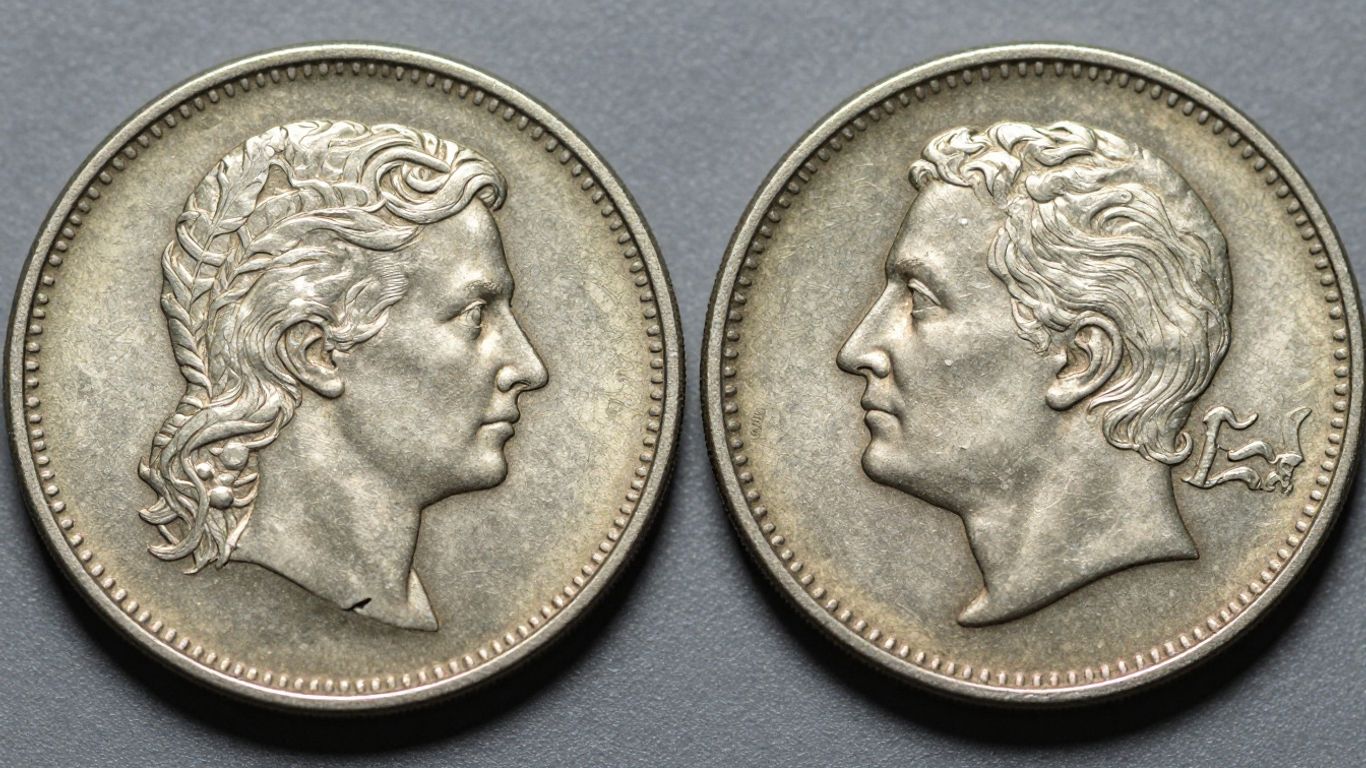
When it comes to telling a real coin from a fake, collectors and experts rely on a blend of physical tests and smart comparisons. There’s more to authentication than just eyeballing; reliable checks take a bit of effort, and sometimes even special equipment. Here are some ways to sort real coins from crafty imitations:
Discrimination Based on Physical and Electromagnetic Properties
- Examine the coin’s weight and dimensions, comparing them to official specifications.
- Use a simple magnet—many counterfeits skip precious metals and use magnetic alloys instead.
- Conduct advanced tests like XRF (X-ray fluorescence) to check metal content if available.
| Test Type | Target Property | Expected Result for Authentic Coin |
|---|---|---|
| Weight/Dimension | Mass/Size | Matches mint specs |
| Magnet Test | Magnetic Response | Non-magnetic (most cases) |
| XRF Analysis | Metal Composition | Matches declared alloy |
Even small changes in physical or electromagnetic characteristics can expose a counterfeit, especially when paired with modern testing devices or a calibrated scale.
Pattern Matching Against Known Coin Databases
- Compare high-resolution photos of the coin to those found in trusted online catalogs or apps.
- Look for pattern differences in the design, font, or mint marks—many fakes miss small details.
- Use database resources focused on rare coins, such as those helping identify fake silver dollars (identifying fake silver dollars).
Identifying Foreign or Non-Sovereign Coins
- Check the coin’s country of origin, mint mark, and year for consistency with cataloged records.
- Research whether a specific type or design was ever issued by the claimed mint or government.
- Look for foreign imitations that may mimic classic designs but use different details, or that combine elements from multiple countries—a common counterfeit trick.
- Carefully review all markings for irregularities.
- Double-check reference materials from certified institutions or known experts.
- Don’t hesitate to seek third-party certification or input from coin-collecting communities—sometimes, a group effort is best when a coin looks off.
Bold comparisons, consistent measurements, and keeping up with counterfeit trends make a real difference for collectors at all levels.
Advanced Techniques for Detecting Surface Irregularities
Utilizing High-Angle Illumination for Relief Highlighting
When we look at coins, we often just see the flat surface, right? But there’s a whole lot more going on with those raised bits and engraved lines. To really see what’s happening, especially if someone’s tried to mess with the surface, we need to change how we light things up. Using light that comes in at a steep angle, almost grazing the surface, can make those tiny bumps and dips pop out. It’s like shining a flashlight across a textured wall – you see every little imperfection. This kind of lighting is great for spotting things like shallow scratches or wear marks that might not show up under normal, flat lighting. It helps highlight the coin’s relief, making subtle differences much more obvious.
Analyzing Light Scattering from Raised Features
Think about how light bounces off different surfaces. Shiny things reflect a lot, rough things scatter light everywhere. On a coin, the raised parts, like the portrait or the lettering, will interact with light differently than the flat background. By looking at how the light scatters off these raised features, we can get clues about their exact shape and texture. If a coin has been altered, the way light scatters might change. For instance, if a detail has been smoothed over or re-engraved, the scattering pattern won’t match what we expect from a genuine coin. This is a bit more technical, but it’s a powerful way to find subtle differences. We can measure the intensity and direction of the scattered light to build a profile of the coin’s surface.
Identifying Subtle Differences in Mint Marks and Dates
Mint marks and dates are often the smallest details on a coin, and they’re prime targets for counterfeiters or for people trying to alter a coin’s appearance. Even tiny differences in the shape, depth, or clarity of these marks can be a giveaway. For example, a genuine mint mark might have very specific serifs or a particular curve, while a fake one might be slightly off. We can use high-resolution imaging, combined with careful lighting, to zoom in on these areas. Sometimes, just looking at the edges of the numbers or letters is enough. If they look too sharp, too blurry, or just not quite right compared to known examples, it’s a red flag. It’s about looking for those tiny inconsistencies that are hard to replicate perfectly. Examining these small details is key to spotting alterations, and it’s something that can be done with careful inspection, perhaps using a magnifying loupe for close-up views.
Detecting surface irregularities isn’t just about seeing big dents or scratches. It’s about noticing the fine details, the way light plays on the metal, and how those small features, like dates and mint marks, hold up under scrutiny. These subtle clues can tell us a lot about a coin’s authenticity and history.
Computational Efficiency in Coin Surface Analysis
Selective Image Capture for Resource Conservation
When you’re dealing with a lot of coins, processing every single image can really slow things down. A smart way to speed things up is to only take pictures when you really need to. For example, if the first image of a coin already gives you enough information to figure out what it is, why bother taking a second picture of the other side? This simple step saves processing time and uses fewer resources. It’s like only taking a photo of your food if it looks really good – saves memory and effort.
Optimizing Image Processing Pipelines
Processing images involves a bunch of steps, and each one takes time. Think of it like an assembly line. If one station is slow, the whole line backs up. We can speed things up by making each step faster. For instance, after getting an image, we might clean up noise and fix any distortions. Then, we look for the coin’s edge, often by fitting an ellipse to its outline. If the ellipse looks right – not too stretched out and about the size of a real coin – we keep it. Otherwise, we toss it. This filtering early on means less work later. Sometimes, we might even skip processing if the initial image doesn’t look like a coin at all, based on simple checks like the total white area after a basic thresholding. This avoids wasting time on images that won’t yield results.
Efficient Feature Extraction Algorithms
Getting the important details out of an image is key. Instead of trying to analyze every single pixel, we can use clever tricks. One common method is to use "pyramidal" techniques. This means we shrink the image down first. Processing a smaller image is much faster. After we find the basic shape and size in the small image, we can then use that information to guide the analysis on the full-size image. It’s like getting a rough sketch before drawing the detailed version. This approach can significantly cut down on the number of calculations needed, especially for things like finding circles or ellipses. It’s also useful for iterative processes where you start with a rough guess and then refine it. This method helps keep the analysis quick without losing too much accuracy. For example, if you’re trying to find the exact radius of a coin, starting with a downsampled image gives you a good starting range, making the final calculation on the full image much faster. This is a bit like how some battery models use equivalent circuit models to simplify complex electrochemical processes [be32].
The goal is to get the necessary information with the least amount of computational effort. This often involves making smart decisions early in the process about which images or features are worth pursuing further. By filtering out unlikely candidates and using faster, approximate methods as a first pass, we can dramatically reduce the overall processing time required for coin analysis.
The Role of Lighting in Coin Surface Manipulation Detection
When you’re trying to figure out if a coin’s surface has been messed with, how you light it up makes a huge difference. It’s not just about seeing the coin; it’s about seeing the details that tell a story. The right lighting can highlight tiny imperfections or features that might otherwise be lost in shadow or glare. Think of it like using a spotlight on a stage – it draws your attention to exactly where you need to look.
Controlling Incident Light Angles
One of the most effective ways to get a good look at a coin’s surface is by changing the angle of the light. Instead of shining a light straight down, which can flatten out details, using light at a steep angle can really make raised features pop. This technique, sometimes called "dark field illumination," works because the flat parts of the coin don’t reflect much light back towards the camera, making them look dark. But the edges of embossed designs, like dates or portraits, catch the light and appear bright. This contrast is super helpful for spotting alterations.
- High-angle illumination: Light hits the coin surface at a large angle relative to the normal. This makes raised features stand out.
- Low-angle illumination: Light grazes the surface, emphasizing texture and very fine details.
- Uniform illumination: Light sources are positioned to provide even brightness across the entire coin surface, minimizing shadows.
Achieving Uniform and Intense Illumination
Getting the light just right means making sure it’s both strong enough and spread out evenly. You don’t want some parts of the coin to be super bright while others are dim. This is where using multiple light sources, like LEDs, can help. Positioning them carefully, perhaps in a ring around the coin, can create a consistent glow. The intensity of the light matters too; a brighter light can reveal more subtle surface characteristics. Sometimes, these lights are set to flash in sync with the camera, giving a clear, sharp image without blur. This is especially useful when dealing with fast-moving coins on a production line.
Mitigating Reflections from Imaging Surfaces
Reflections can be a real pain when you’re trying to analyze a coin. Shiny surfaces, like the metal of the coin itself or even parts of the camera setup, can bounce light around and hide important details. To combat this, you might use special lighting setups or even anti-reflective coatings on any transparent parts of your equipment. The goal is to get the light to interact with the coin’s surface in a way that reveals its true topography, not just a shiny glare. Sometimes, the way the coin is presented, like on a specific surface, can also affect how light bounces back. Understanding how light behaves off different materials is key to getting a clean image. For collectors, understanding how light affects the appearance of a coin can also help in assessing its condition, distinguishing natural toning from artificial alterations [8e8b].
The way light interacts with a coin’s surface is not just about brightness; it’s about revealing texture, depth, and subtle variations. By carefully controlling the angle, intensity, and uniformity of illumination, we can transform a flat image into a detailed map of the coin’s physical characteristics, making it much easier to spot any signs of manipulation.
Beyond Basic Geometric Measurements
While basic geometric measurements like diameter and thickness give us a starting point, they often don’t tell the whole story when it comes to spotting manipulated coins. We need to look at more detailed aspects of the coin’s surface. This involves using techniques that can pick up on subtle variations that might otherwise go unnoticed.
Template Matching for Specific Coin Attributes
Template matching is a neat trick where we compare a section of the coin’s image against a known, ideal template of that specific feature. Think of it like trying to fit a puzzle piece. If the edges don’t line up perfectly, or if there are slight differences in the pattern, it suggests something might be off. This is particularly useful for intricate designs or security features unique to certain coins. We can create templates for specific mint marks, dates, or even tiny patterns within the coin’s design. The degree of match, often quantified by a correlation score, tells us how close the observed feature is to the expected one. A low score can be a red flag.
Segmentation of Sub-Images for Detailed Analysis
Sometimes, the whole coin image is too much to analyze at once, especially if we’re looking for very small anomalies. Segmentation helps us break down the coin’s surface into smaller, manageable regions. We can then focus our analysis on these specific areas. For instance, if we suspect tampering around the mint date, we can segment just that part of the image and analyze it in high detail. This approach is like using a magnifying glass on specific parts of a document to find errors. It allows for a more targeted and precise examination, improving the chances of detecting subtle alterations that might be lost in the noise of a full-image analysis.
Identifying Unique Coin Characteristics
Every coin, even from the same mint run, has tiny, unique characteristics. These can be microscopic scratches, slight variations in the metal’s surface texture, or minute imperfections from the striking process. Advanced imaging, combined with sophisticated algorithms, can capture and analyze these unique identifiers. The goal is to build a profile of a coin’s surface that goes beyond its intended design. By comparing these detailed profiles, we can distinguish between genuine coins and those that have been altered, even if the alterations are very skillfully done. This is similar to how forensic document examiners look for unique characteristics in handwriting. Analyzing these subtle differences can be key in identifying foreign or non-sovereign coins that might try to mimic genuine ones. This detailed analysis can also be applied to blockchain security, where unique transaction patterns can be identified [8c66].
Here’s a look at how we might quantify these unique characteristics:
| Characteristic Type | Analysis Method | Potential Indicator of Manipulation |
|---|---|---|
| Surface Texture | Micro-Raman Spectroscopy, Atomic Force Microscopy | Non-uniform scattering, altered crystalline structure |
| Micro-Engravings | High-resolution imaging, Fourier Transform Analysis | Blurred edges, missing details, inconsistent patterns |
| Wear Patterns | Texture analysis algorithms, fractal dimension calculation | Unnatural wear distribution, smoothing of fine details |
Analyzing these unique, often microscopic, features requires specialized equipment and advanced computational methods. It moves beyond simple visual inspection or basic geometric checks, aiming to capture the ‘fingerprint’ of a genuine coin’s surface. This level of detail is what separates advanced detection techniques from more rudimentary methods.
Wrapping Up
So, we’ve gone over some pretty neat ways to spot if a coin’s been messed with. It’s not just about looking at the big picture anymore; we’re talking about getting down to the nitty-gritty details. The tech we’ve discussed, like special lighting and sharp imaging, helps catch even the smallest changes. This stuff is important for keeping things fair, whether you’re dealing with currency or collectibles. It’s a complex field, but understanding these advanced methods gives us a better handle on coin authenticity. Keep an eye on how this technology keeps developing, because it’s definitely not standing still.
Frequently Asked Questions
What is the main goal of advanced coin surface analysis?
The main goal is to find out if a coin is real or fake by looking very closely at its surface. It helps detect tiny changes or marks that might show if someone has tampered with it or tried to make a fake.
Why is special lighting important for looking at coins?
Special lighting, like shining light from the side, helps make the raised parts of a coin stand out more. This makes it easier to see details like the year it was made or other markings that might be hard to spot with regular light.
What are 'rolling shutter' issues, and how are they fixed?
Some cameras, called MOS sensors, can cause images to look a bit wobbly or stretched, especially when something is moving fast like a coin. To fix this, we can start taking pictures a little before the coin is in the perfect spot, or use different camera methods.
How do computers help in identifying fake coins?
Computers use special programs to look at pictures of coins. They can measure shapes, compare patterns to known coins, and find tiny differences that a person might miss. This helps them decide if a coin is genuine.
What information can be found on a coin's surface?
Coins usually have important details like the year they were made, where they were made (mint mark), and words or pictures that identify the country or ruler. Sometimes, there are also small marks that can tell us if the coin has been altered.
Why are simple methods sometimes not good enough for coin analysis?
Simple methods often look at basic shapes like circles or the size of spots. But these can miss important details that are only on certain coins, like the exact year or a specific mint mark, which are key to telling real coins from fakes.
Can advanced techniques tell the difference between coins from different countries?
Yes, by looking at unique designs, sizes, and metal properties, advanced methods can help tell coins from different countries apart, even if they look similar at first glance.
What is 'feature extraction' in coin analysis?
Feature extraction is like picking out the most important clues from a coin’s picture. It means finding and measuring specific things like the edge shape, the details in the design, or the numbers and letters, so the computer can use this information to identify the coin.