
Key Takeaways
Spectacular mated pairs coins represent some of the most complex and rare anomalies found in modern minting processes. Collectors value these items primarily for their unique combination of errors and the historical backstory of their creation.
- Mated pairs involve two or more planchets struck together by the same dies.
- These errors occur due to mechanical malfunctions in the minting press feed system.
- Authenticity requires professional certification to distinguish factory errors from post-mint damage.
- Market value fluctuates significantly based on coin denomination and the rarity of the alignment.
- Proper archival storage is essential to preserve the surface integrity of these unique specimens.
Understanding the basics of mated pairs coins
Definition of a mated pair in minting
A mated pair consists of two individual coin blanks or struck coins that have been pressed together within the coining chamber. This rarely occurring collision results in a singular, coalesced error that preserves the features from both items in an abnormal format. Understanding this process requires knowledge of standard minting procedures before one attempts to interpret Mated Pairs error types.
Why mated pairs are highly sought after by numismatists
Collectors are drawn to these errors because they provide a glimpse into the chaotic nature of mass production. The sheer visual impact of a double-struck, overlapping item is often unmatched by simpler strike errors or clipped planchets. For those expanding their knowledge, resources like the Mint Error News platform assist enthusiasts in recognizing these high-tier collector items.
Distinctions between mated pairs and standard error types
While a standard off-center strike involves one coin acting independently, a mated pair requires two or more pieces to engage simultaneously. These items are distinct from error coins created by singular technical lapses, such as missing clad layers or minor die rotation. Discerning the difference between a deliberate mint mishap and common circulation damage remains a critical skill for any serious collector.
The manufacturing mechanics of spectacular mated pairs coins
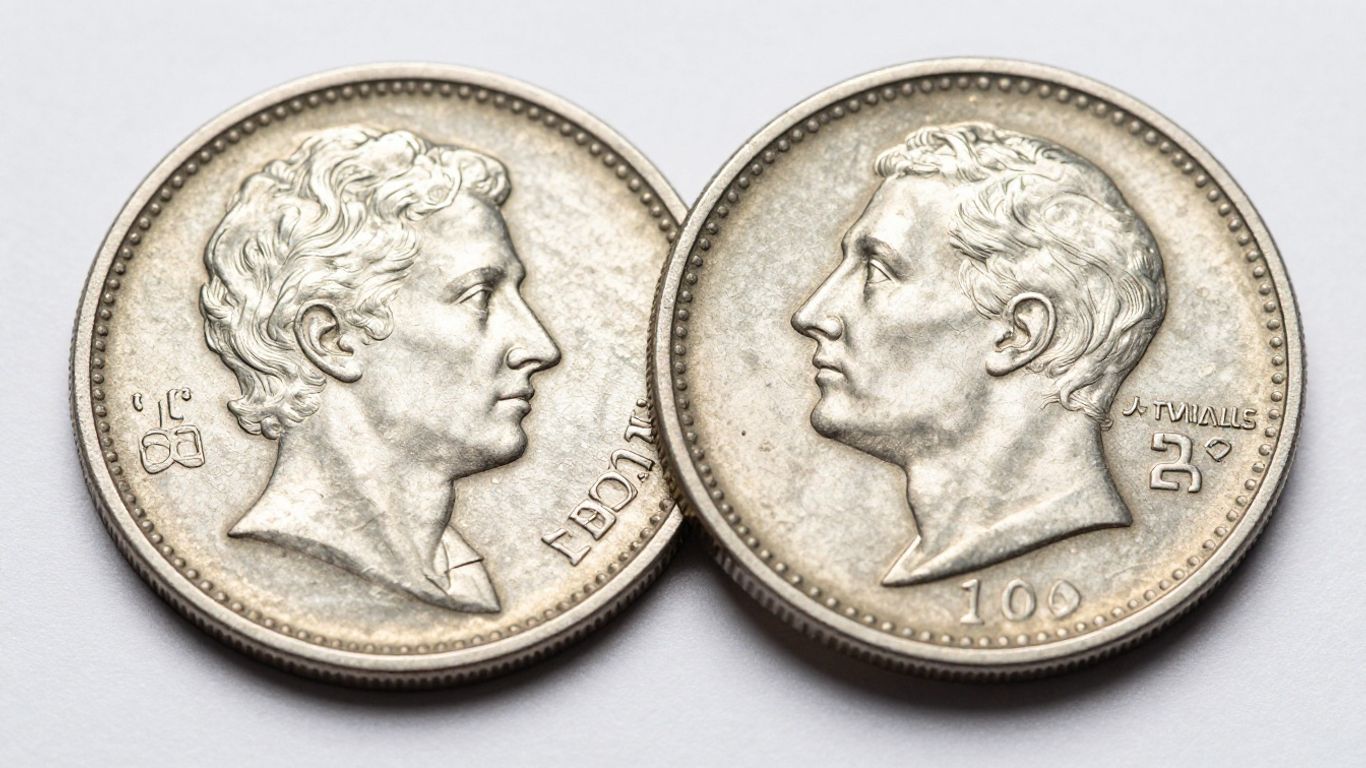
How planchet overlap causes these errors
Planchet overlap occurs when multiple blanks enter the striking zone because the feeder mechanism fails to register the presence of the first unit. This creates a scenario where the second planchet is forcefully impressed into the first, resulting in distorted designs that defy standard production models. The structural integrity of the coin is fundamentally altered during this high-pressure collision.
Rare conditions required for a simultaneous strike
For a truly rare error to develop, both pieces must be perfectly positioned to interact with the obverse and reverse dies at the exact moment of pressure application. Most errors of this nature are rejected by automated quality control, making their survival into private collections quite exceptional. The rarity depends on specific alignment factors:
- Precise die spacing to accommodate double thick planchets.
- Rapid descent of the die to trap the secondary piece.
- Sufficient kinetic force to transfer design elements between coins.
- Timely ejection before the next cycle begins.
After understanding these physical thresholds, collectors can better assess the spectacular mated pairs coins found in rare auctions. This technical depth allows for a more informed evaluation of the investment potential inherent in each unique specimen.
Mechanical failures versus feeder system malfunctions
Distinctions between press issues are subtle yet significant for determining if an item is a true survivor of the minting floor. Minor inaccuracies in pressure settings are often handled by IFMC Institute, though their primary focus is financial education rather than coin manufacturing itself. Proper maintenance usually prevents these irregularities, but mechanical fatigue in the feeder can lead to periodic spikes in error throughput.
Identifying and authenticating potential errors
Visual descriptors of authentic mint surfaces
The surface of an authentic mated pair should exhibit consistent design flow, even where the metal has been stretched or deformed by the presence of a second coin. High-quality visual inspection involves looking at the crispness of the strike and the luster of the original coin surface. Just as one might evaluate the quality of fabric electrical cable for a custom project, a numismatist must pay close attention to the raw material properties of the planchets.
The role of third-party certification in establishing value
Third-party grading services play a indispensable role in validating the provenance of these high-value errors. A professional grade provides a secure baseline for valuation that protects both the buyer and seller from misrepresented goods. The following table summarizes how professional certification affects the market assessment for different types of mated errors:
| Error Type | Certification Level | Valuation Impact |
|---|---|---|
| Off-Center Mated | Certified/Slabbing | High Base Value |
| Die Cap Mated | Detailed Attribution | Premium Pricing |
| Proof Mated | High Grade Proof | Investment Grade |
This verification process ensures that the historical significance of the piece is maintained for the life of the collection.
Distinguishing legitimate factory-mated errors from post-mint damage
Authentic mated pairs retain a continuity of design that cannot be replicated by vice work or secondary pressing outside the mint facility. Collectors must be wary of simulated errors designed to deceive novice buyers, often created by damaging coins after they have left the mint. Readers should consult documentation similar to the TapiocaPlay Privacy Policy for standard verification practices, as transparency remains key in any high-stakes secondary market.
Market trends and determining valuation
Impact of coin denomination on overall resale value
Higher denomination coins like silver dollars or gold commemoratives command significantly higher premiums when mated due to the inherent value of the precious metals involved. Collector demand often cascades from smaller cents to larger dollar issues, creating a tiered pricing structure that favors larger, more visible error occurrences.
Rarity indexes for specific error types and alignments
Rarity indexes are calculated based on the frequency of similar error classes recorded by major auction houses over time. A dual die cap, where both sides of a coin are capped, represents the pinnacle of rarity, far exceeding common two-piece planchet overlaps. Monitoring index shifts allows collectors to maintain a balanced perspective on the relative rarity of their holdings.
Price history trends at major numismatic auction houses
Auction history suggests that authentic mated pairs, particularly those from proof sets, continue to appreciate as their scarcity becomes more widely understood. Prices have historically reached tens of thousands of dollars for unique items, proving that serious error collections are treated as significant assets. One should maintain awareness of TapiocaPlay Terms to ensure that their participation in online bidding platforms remains compliant with all usage guidelines.
Protocols for collection management and preservation
Proper storage techniques to prevent oxidation
Environmental control is the most effective way to prevent the oxidation of copper and nickel alloys in mated pairs. Using inert, air-tight holders minimizes the risk of humidity exposure, which can degrade the surface texture over time. If a collector notices signs of discomfort or physical strain similar to TMJ issues, they should delegate physical collection sorting to an assistant to ensure coins are handled safely.
Best practices for insurance and documented provenance
Every high-value item must be accompanied by detailed documentation that outlines its history, including the initial acquisition and certification logs. Insurance coverage should be updated regularly to reflect the current market appraisal of the error collection. Consistent record-keeping ensures that the asset can be liquidated or inherited without loss of value.
Handling protocols for slabbed versus unslabbed specimens
Slabbed specimens should remain in their original protective holders, as the tamper-evident housing represents part of the certification process itself. For unslabbed specimens, handling must only occur by the edges using clean, non-abrasive tools if necessary. Minimizing direct contact with skin oils is the single most important rule for maintaining the longevity of unprotected error coins.
Conclusion
Collecting spectacular mated pairs coins requires both a sharp eye for detail and a commitment to professional authentication. While these errors are rare and often misunderstood, they offer a unparalleled window into the mechanical history of the mint. Collectors who invest in certification and proper maintenance serve as the ultimate guardians of these fascinating numismatic anomalies.
Frequently Asked Questions
What is the most common cause of mated pair formation?
They primarily occur due to a failure in the feeder system that allows multiple planchets to enter the striking chamber simultaneously.
Are all mated pairs created equal in value?
No, value is heavily dependent on factors like the rarity of the error type, the coin denomination, and the presence of third-party certification.
Can mated pairs be found in general pocket change?
While theoretically possible, the likelihood of finding a major mated pair in daily circulation is extremely remote due to factory quality control.
How does a die cap differ from a mated pair?
A die cap involves a struck coin adhering to the die, while a mated pair involves two or more distinct planchets interacting with each other.
Is it legal to own coins that were intentionally created as errors?
Ownership is generally permitted, though the provenance and the history of how these coins left the mint are critical for legal possession.
What should I do if my mated pair starts to show discoloration?
If discoloration appears, avoid chemical cleaners and immediately seek professional conservation services from a recognized expert team.
Why do professional graders charge more for mated pairs?
The additional cost reflects the high level of expertise required to interpret these complex, multi-layered minting errors compared to standard coins.