
Key Takeaways
- Mule error coins are created when mismatched obverse and reverse dies are used during the minting process.
- These errors are highly sought after by collectors for their rarity and unique physical characteristics.
- Modern mules are often identified by planchet size similarities between different denominations.
- Identifying these coins requires a close examination of design elements on both sides of the coin.
- Proper authentication is essential whenever acquiring high-value error pieces to ensure their legitimacy.
1. 1999 Georgia state quarter/dime mule
The 1999 Georgia state quarter often sparks conversation among error collectors due to its status as a foundational piece in modern minting anomalies. While not as universally famous as later errors, it represents a period of intense pressure within the minting process. Much like the principles discussed in The Numbers Were Right. The Decision Was Wrong, efficiency-focused production lines at the turn of the millennium occasionally prioritized output speed, sometimes at the expense of oversight regarding die pairings.
Collectors look for subtle differences in the texture and strike of these pieces. Because the dime obverse was accidentally paired with the quarter reverse, the overall aesthetic of the coin remains slightly distorted to the trained eye. This creates a fascinating case study for those who appreciate the intersection of high-volume manufacturing and accidental variation.
Ultimately, discovering such a piece in general circulation today is extremely difficult. The combination of design inconsistencies makes these items a prime target for those who scrutinize every bit of pocket change. Collectors often search for these specific coins as a way to prove that even advanced machinery can produce truly unpredictable results.
2. 2000 Sacagawea dollar/Washington quarter mule
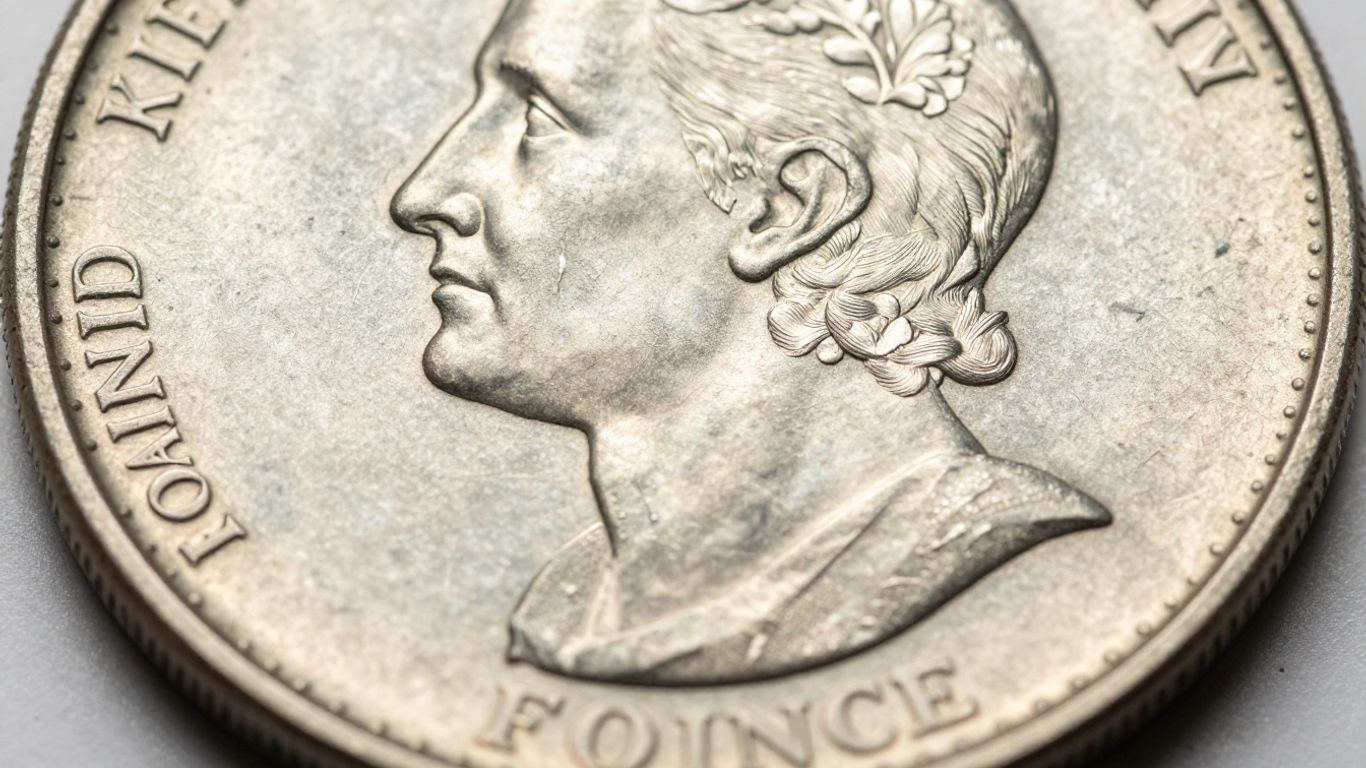
This specific error, often discussed by Manhattan Gold & Silver, is widely considered the undisputed king of modern U.S. mint errors. It occurred when a Sacagawea dollar obverse die was erroneously paired with a Washington quarter reverse die, creating a hybrid that defied standard production measures. The distinct color difference between the golden alloy of the dollar and the copper-nickel composition of the quarter makes the disparity immediately apparent.
These pieces were initially found in rolls of coins distributed to banks, leading to a sudden surge of interest from the numismatic community. Unlike typical manufacturing errors, this mule captured the public imagination because the two sides of the coin were so wildly different in appearance. It serves as a stark reminder of how quickly an accidental pairing can become a legendary item in the marketplace.
Because of the extreme scarcity of these coins, collectors often rely on third-party grading services to verify their provenance. The history of this error has been meticulously documented, providing clear markers for identifying the genuine article. For anyone building a collection of significant errors, this piece remains the centerpiece.
3. 1994 Jefferson nickel/Washington quarter mule
Exploring this error requires a deep understanding of Coin World archives, which have chronicled the rise of various hybrid coins over the decades. The 1994 Jefferson nickel paired with a quarter reverse is a rare anomaly that highlights the challenges of die management in the mid-1990s. The mismatch is less visually obvious than some golden dollar errors, yet it remains just as significant when analyzed under magnification.
Collectors seeking these pieces often focus on the reeding and the diameter of the coin, as these are the first details to show the interference of the mismatched die. It is a classic example of a die transition error where a worker inadvertently slotted the wrong component into a press. Such discoveries continue to surface in major auction settings, drawing intense bidding from serious enthusiasts.
| Feature | Observation | Impact |
|---|---|---|
| Edge Reeding | Standard Quarter | High |
| Metal Composition | Nickel Alloy | Low |
| Die Alignment | Off-Center | Moderate |
This table illustrates why these specific physical traits are vital for grading. A clear comprehension of these nuances is what distinguishes a casual accumulator from a dedicated numismatist. By carefully reviewing the strike characteristics versus expected mint standards, one can confirm if a specimen is truly an error piece.
4. 1959 Lincoln cent/Roosevelt dime mule
In the mid-20th century, the minting process was notably more manual than it is today, yet errors like the 1959 Lincoln cent mule still occurred. This classic variety is a testament to the fact that even in an era of human-operated presses, items could slip through the cracks of quality control. The small size of the dime compared to the cent did not prevent a mismatch from going out into the world.
Collectors often search for this specific error to complete their sets of historical anomalies. The aesthetic value of seeing Lincoln on one side and the torch or profile of the dime on the other is a unique experience. While these appear infrequently, they remain highly desirable among collectors who look for deep-cut history in their portfolios.
Understanding why these occurred involves looking back at the daily operational shifts of the era. With different denominations often produced in proximity, it was occasionally possible for a set of dies to be switched accidentally. These coins serve as physical reminders of the human element in an industrial process.
5. Modern presidential dollar mule errors
Modern presidential dollar series introduced a unique set of challenges due to the high volume of production and the frequency of die changes. Experts at Bullion Shark LLC have noted that these coins offer some of the most complex, yet rare, mule variations in recent memory. Mules involving the presidential dollar series often happen when the obverse die from one president is accidentally paired with the generic reverse of another.
- Extremely low survival rates among circulated rolls.
- High demand due to the popularity of the series.
- Distinct die-cracking patterns near the coin rim.
- Variations occurring within specific regional mint facilities.
This list highlights the primary factors that collectors must consider when searching for these high-value errors. By focusing on these specific identifiers, one can narrow down their search and increase the success rate of discovering a true rarity. It is these small, technical indicators that transform a standard coin into a significant find.
Furthermore, the classification of these modern errors has evolved significantly over the last few years. As new examples are discovered, the numismatic community updates its internal guides to help people distinguish between genuine mint errors and post-mint damage. Proper identification is the primary hurdle for those interested in adding these to their permanent collections.
6. Silver Eagle mule errors
Silver Eagles are distinct in their production, yet they are not immune to the errors found in standard currency. The weight and diameter of these bullion pieces make them unique, yet they occasionally suffer from improper die alignments during strikes. A mule involving an American Silver Eagle can be incredibly valuable, sometimes reaching well into the thousands of dollars at auction.
These pieces are often found by investors who check their bullion shipments with care. Unlike circulation coins, the pristine condition expected for these silver pieces makes any variation, such as an incorrect reverse design, stand out immediately. It is a niche area of collecting that combines bullion investing with a sharp eye for error diagnostics.
Collectors should focus on the hallmarks of the series, such as the weight and specific mint mark placement, to ensure they aren’t looking at a simple novelty item. When dealing with precious metals, accuracy is paramount. Engaging with experienced peer groups is often the best way to cross-reference a suspect coin against known examples.
7. Foreign coin mule variants
Global minting operations have produced some of the most famous mule errors in history, with the Australian and Canadian examples leading the way in global recognition. These coins often gain fame because they represent a cross-border or even cross-denominal error that is hard to explain in theory but undeniable in practice. They frequently appear in sitemap and web discussions concerning global numismatic rarity.
Foreign mules can be particularly difficult to appraise because local mint records for these incidents are not always accessible to the average collector. This creates an environment where provenance records become even more important than the coin itself. If you are dealing with a foreign piece, you must ensure you are checking against international registries.
This international market adds a layer of mystery and scale to the hobby. Collectors who focus on these pieces often develop a broad worldview regarding how different sovereign nations manage their minting quality. It is a rewarding niche for those who enjoy the investigative side of error collecting.
8. Early experimental mule proofs
Experimental proofs are the precursors to what we eventually see in circulation, and they often involve deliberate or accidental mule pairings during testing. These pieces were never intended to leave the mint walls, which makes them essentially the gold standard for rarity. They provide a look at the "behind the scenes" processes that normally remain hidden.
Because these pieces were usually captured and destroyed, the surviving few are held by museum curators and the most prominent private collectors. Acquiring one of these is typically an exercise in patience and significant financial preparation. For many, simply viewing these in a public or private gallery is the highlight of their time in the hobby.
It is essential to distinguish between these legitimate experimental proofs and after-the-fact fabrications. The authenticity of early proofs is usually validated by chemical analysis and historical provenance documents. Without these, one should approach any listing with extreme caution.
9. Transitional year mule error coins
Transitional years occur when a mint is changing from one design series to another, creating an overlapping period where dies from both eras are available. This overlap is a hotbed for inadvertent mule errors. During such times, the potential for a mismatched die being loaded into a press increases significantly as busy mint workers manage competing design formats.
These coins are particularly prized because they represent a temporal snapshot of a mint in flux. They are not just random errors; they are markers of a specific historical boundary. Collectors often search through bags of coins minted during these transitional windows to find these rare gems hidden amongst more common varieties.
Maintaining a clean list of minting transition windows is a good strategy for any serious collector. By knowing exactly when a design switch took place, you can focus your efforts on the years where the statistical probability of a mule is highest. This level of research significantly improves your efficiency.
10. Clipped flange and partial mule defects
Clipped flange and partial mules occur at the periphery of the production process where mechanical issues manifest on the physical edges of the coin. These defects can look like mules because the design doesn’t meet the expected circular threshold allowed by the die. They are distinct from traditional mules but are often grouped with them due to the visual confusion they create.
Understanding these defects involves learning about planchet preparation and how metal flows into the die during the high-pressure striking sequence. A partial mule occurs when only a portion of the unintended die design makes an impression because of the planchet alignment. They are subtle, fascinating pieces that reward those with a high level of patience.
Even if these are less "complete" than a true mule, they carry their own charm for collectors. They show the mechanical reality of the press in a way that perfect coins never will. For the enthusiast who values the process over the perfection, these are wonderful objects to observe and collect.
Conclusion
Identifying and collecting these unique items is an engaging challenge that demands both historical knowledge and sharp visual acuity. Whether dealing with a modern SACAGAWEA DOLLAR mule or an early experimental trial, the passion for finding these rare treasures remains a core aspect of numismatics. By documenting findings and verifying authenticity, you ensure the preservation of these fascinating production errors for future generations.
Frequently Asked Questions
What is a mule error coin?
A mule coin is a numismatic rarity where the obverse and reverse dies used to strike the coin do not belong together in that specific configuration, often resulting from an accident during the minting process.
How does a mule error happen in a mint?
These errors typically occur when a mint operator inadvertently inserts the wrong die into one of the press holders, causing the machine to stamp a coin with a design intended for a different series or denomination.
Are all mule coins extremely valuable?
Most mule coins carry significant premiums due to their extreme scarcity, though the exact market value depends heavily on the condition, the history of the specific error, and the demand from active collectors at the time of sale.
Is it common to find mule coins in pocket change?
It is exceptionally rare to find high-value mule coins in normal pocket change, as most are discovered shortly after minting by those who carefully inspect entire rolls or bags obtained directly from banking sources.
Should I certify my mule error coin?
Yes, it is highly recommended to have any suspected mule coin authenticated and encapsulated by a reputable third-party grading service to ensure its provenance and market value are acknowledged by other collectors.
How can I tell if my coin is a fake rather than a mule?
Genuine mule coins show specific diagnostic markings that match documented mint errors, whereas many fakes are produced via post-mint alterations which can often be identified by improper reeding, weight irregularities, or surface pitting.
Where can I learn more about specific mule error types?
Numismatic guidebooks, reputable auction house records, and dedicated coin collecting societies provide the most reliable data for researching specific mule error varieties and their historical context.