
Key Takeaways
Identifying composition error coins types allows serious collectors to distinguish valuable mint-made anomalies from post-mint damage. These errors arise through technical failures in the metallurgical and manufacturing process, creating unique artifacts that fall into distinct categories.
- Composition errors occur primarily due to material quality control failures.
- Planchets of the wrong metal or alloy result in highly prized specimens.
- Visual assessment and weight verification remain the most effective initial identification methods.
- Proper storage is essential to prevent chemical reactions on exposed alloys.
- Provenance documentation significantly enhances the trade value of major rarities.
Understanding the source of composition error coins
The metallurgical process of coin production
Coin production starts with the creation of specific metal alloys, carefully measured to ensure consistency throughout the minting run. Engineers monitor the heat and chemical ratios to achieve the desired luster and durability for circulation. When these chemical processes deviate from the standard, the resulting metal blanks can exhibit microscopic flaws that inevitably manifest during the striking process.
Distinguishing composition flaws from strike errors
Distinguishing between genuine manufacturing mistakes and post-mint damage requires a keen eye for physical characteristics. While strike errors, such as those discussed at mint-made errors, relate to how the die contacts the planchet, composition flaws originate within the very metal itself. Collectors must examine the edge and the surface to see if the error happened at the foundry or through environmental wear.
The life cycle of a planchet in the minting facility
Raw metal strips move through high-speed rolling mills that compress the material to precise thickness standards. These planchets then undergo an upsetting process, which creates the rim used to protect the design elements during long-term circulation. If a planchet bypasses these stages or undergoes improper heat treatment, we see the emergence of unique metallurgical anomalies that attract significant collector interest for their rarity.
Major categories of composition errors
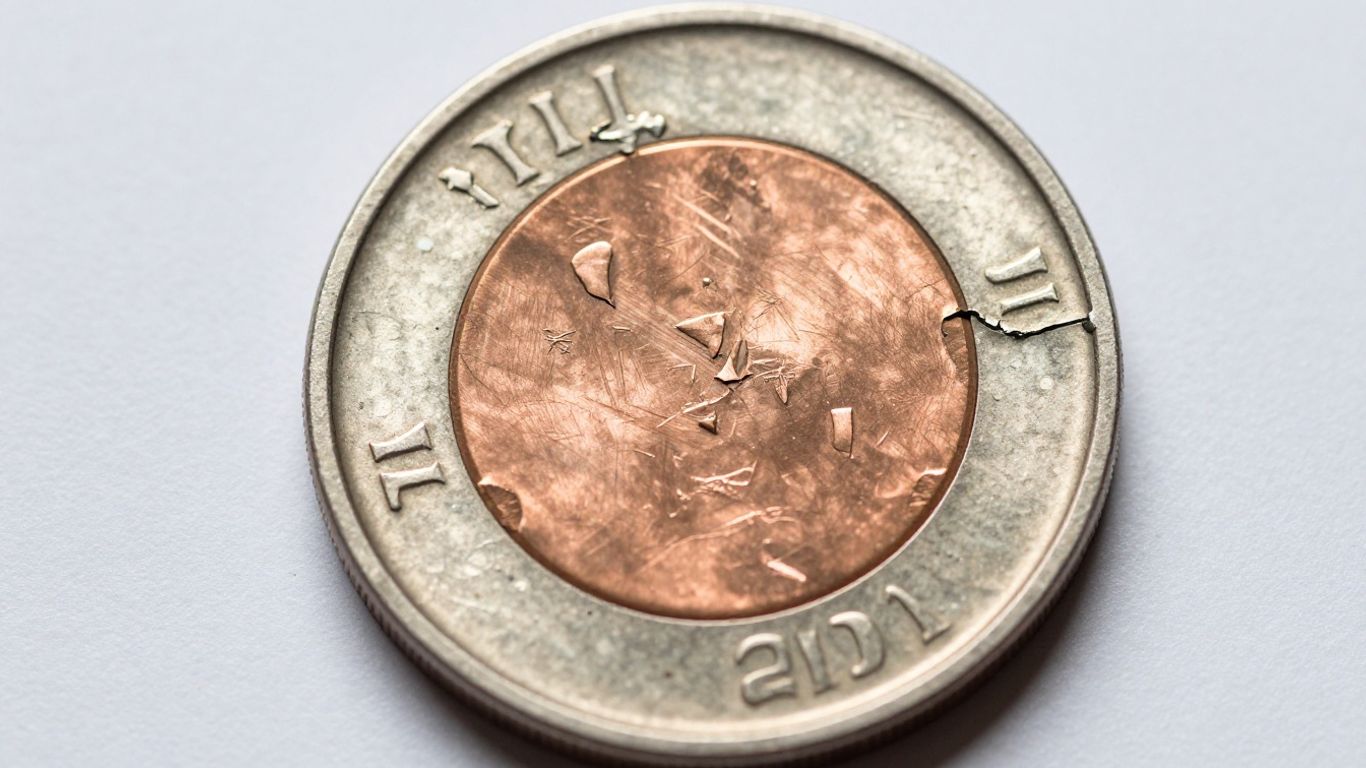
Clad layer missing errors on modern coinage
Modern coins often consist of a core material wrapped in a secondary thin layer of metal, known as cladding. When these layers fail to bond correctly, or if the blank skips the layering process, the coin surface appears unevenly colored. Collectors often look for these dramatic transitions in luster at sites like Jim’s Coins and Stamps to better understand how plating failures disrupt the finished appearance of the coin.
Wrong planchet or wrong metal composition errors
Sometimes, a planchet intended for one denomination finds its way into the wrong hopper. This mistake leads to coins struck on outdated metal blanks, a phenomenon often categorized by researchers as transitional planchet issues. These errors, which occur when small numbers of old-composition planchets persist in the system, are among the most celebrated discoveries in the field as described in this transitional planchet errors overview.
Mixed metal alloy and rolling mill streaks
Rolling mills can occasionally experience issues where disparate metals fail to coalesce into a uniform alloy. This results in distinct surface streaks or color variations that run across the face of the coinage. Because these streaks are embedded into the metal grain structure, they cannot be removed or altered without destroying the surface of the piece.
Improper annealing or surface contamination issues
Annealing is designed to soften the metal to make it more receptive to the die strike, but incorrect temperatures can corrupt the surface. Additionally, contamination within the plant during the stamping of the blanks causes dark spotting or brittle textures. These issues often lead to flawed coins that bypass inspection and enter standard circulation channels.
Methods for identifying composition errors in a collection
Analyzing physical weight and density variations
Experienced numismatists rely on high-precision scales to verify whether a coin matches its specified weight. If a coin is underweight due to a smaller-than-intended planchet or overweight because of a different metal density, it immediately signals a potential production flaw. The following table highlights common weight variations attributed to common composition mismatches:
| Error Type | Expected Weight (grams) | Observed Weight (grams) | Variance Status |
|---|---|---|---|
| Standard Cent | 2.50 | 2.50 | Perfect |
| Zinc Planchet | 2.45 | 2.48 | Negligible |
| Bronze Planchet | 3.11 | 3.11 | Error Identified |
Wait, these values represent just one example of the analytical rigor required to document specific piece anomalies. Following these measurements, collectors should consider these three steps to finalize their assessment process:
- Confirm the specific gravity of the metal for identification.
- Cross-reference the weight with mint-provided technical sheets.
- Log details in a central database to track specimen history.
Visual assessment of color and luster inconsistencies
Differences in light refraction provide early indicators that a coin may lack the standard metallic composition. Using magnification to inspect the fields for color variations allows the examiner to see where the metallurgy has failed. This visual check is often the first line of defense against mistakenly attributing environmental damage to genuine mint errors.
Utilizing advanced diagnostic tools for metal testing
Non-destructive X-ray fluorescence testing offers a way to confirm the metal composition without causing damage to the surface. It provides precise chemical percentages, allowing an collector to compare the signature against official records. This is particularly useful when the composition error is subtle and not immediately visible to the naked eye.
Comparing samples against official mint specifications
Every denomination carries specific manufacturing requirements that must be met for mass distribution. By comparing suspect pieces against documented mint tolerances, collectors can determine if the piece falls outside of the acceptable range for its year. When the specifications differ wildly, it often suggests a rare error occurred during the procurement of raw materials.
How minting facility inconsistencies create material flaws
Raw material procurement and quality control standards
The minting process relies on a steady supply of high-grade raw metals to maintain consistency. When suppliers provide contaminated batches, or when mixing errors occur at the foundry stage, these imperfections enter the facility and impact the resulting coins. Proper quality control acts as the gatekeeper, but occasionally, small batches bypass these automated sensors through human error or mechanical failure.
Troubleshooting production line accidents and mix-ups
Historical context of metal usage in standard coinage
Understanding the historical metal shortages clarifies why certain years are prone to composition errors. For instance, wars or economic downturns necessitated the substitution of more expensive metals, leading to rare examples like bridge coins or tokens. Researchers interested in these shifts can find comprehensive coins and errors discussions that chronicle these historical changes.
The impact of technical equipment failures on planchet creation
Technical failures within the blanking machines often create irregularly shaped planchets. When these machines experience a misalignment or die shift, the planchets are punched from the source metal at the wrong depth or angle. This creates blanks that are thicker or thinner than standard requirements, leading to variations in the final composition’s appearance and durability.
Determining the value and rarity of composition errors
Essential factors influencing collector market demand
High demand correlates with the visibility and the nature of the error. Collectors value pieces that clearly show the manufacturing flaw over those where the error is minimal or nearly undetectable. Rarity also plays a major role, as fewer surviving examples of a specific error type drive prices higher in competitive auction environments.
The role of third-party authentication and grading
Third-party grading services provide the necessary validation to ensure that the coin is genuine and not a result of post-mint tampering. A certified label provides confidence to buyers, particularly for high-value items where provenance is critical. This level of professional oversight is standard for any serious collection involving significant monetary investment.
Economic impact of rarity on error numismatics
Market trends show that the most dramatic errors command the highest premiums. When a collector understands the scarcity of a specific metal composition error, they can gauge the item’s potential for appreciation. The economic impact is often localized to specific collector circles where these rarities are highly sought after by those specializing in that series.
Trends in sales and auction performance for major errors
Historical auction data indicates that major composition errors frequently set records when they appear for sale. These pieces often feature in collections for years before becoming available on the secondary market. Tracking these trends provides insight into how the market perceives different types of metallurgical errors over long periods.
Strategies for collecting and maintaining error coins
Ethical storage practices for chemically unstable planchets
Some composition errors are physically delicate and require specific environmental controls to prevent further oxidation. Acid-free holders are mandatory for protecting surfaces that may have been altered by improper heat treating during the initial striking process. Maintaining a stable climate is directly correlated with preserving the visual clarity of the error for long-term enjoyment.
Managing professional risk when acquiring error coinage
Assessment of risk begins with verifying all documentation before finalizing a purchase. Engaging with experts and reviewing the planchet errors history helps mitigate scenarios where an investor might overpay for post-mint damage. Always treat acquisitions with high levels of caution unless the provenance is impeccable.
Navigating reputable dealer networks and numismatic communities
Building relationships with established dealers creates opportunities to find rare items before they hit the open market. These communities often share knowledge about current trends and help beginners verify the authenticity of their findings. Trusted networks act as collective filters, ensuring that only verified specimens pass through to enthusiasts.
Documenting provenance for high-value error pieces
Provenance adds an extra layer of value by tracing the history of a rare coin back through multiple owners. Keeping detailed records, including previous valuations and auction catalogs, ensures that the item retains its market position. For major rarities, this documentation is just as valuable as the metal coin itself.
Conclusion
Success in collecting composition error coins requires a blend of metallurgical knowledge, historical research, and careful physical inspection. By staying informed about the production processes and validating each specimen through reputable grading services, collectors can secure remarkable artifacts that serve as tactile reminders of the technical complexities inherent in our national currency output.
Frequently Asked Questions
How does a collector distinguish a legitimate mint error from damage caused after the coin leaves production?
Legitimate mint errors exhibit stress patterns that match the striking process, whereas environmental damage usually displays scratches or chemical burns on top of the original design.
Can composition errors still be found in regular pocket change today?
While automated equipment is highly effective at removing errors, it is still possible to find modern anomalies in circulation, though the probability is significantly lower than in past decades.
Why does the density of a planchet matter so much for value?
Density is a key indicator of composition; if a planchet uses the wrong metal, the density will deviate from that of an official coin, immediately identifying it as an error.
What should a collector do if they believe they have discovered a rare error?
An enthusiast should get the piece appraised by a professional third-party grading service to authenticate and stabilize the discovery for future collection.
Are all composition errors considered equally valuable by the market?
Market value varies based on the dramatic nature of the error, the scarcity of that specific manufacturing event, and the visual appeal of the final product.
Does the year of the coin affect the rarity of a composition error?
Yes, as mints frequently change their metal composition requirements due to economic conditions, specific years are more likely to exhibit transitional errors than others.
Is it necessary to store error coins differently than standard coins?
Collectors should ensure that chemically sensitive errors remain in inert materials to prevent further reaction, especially if the error involved an unusual combination of metals that may react to air exposure.