
Key Takeaways
- Die cuds are significant minting errors caused by the loss of a portion of the die face.
- Market premiums for these errors are determined by size, location, and the coin the error appears on.
- Authentication is critical, as some surface marks may mimic the appearance of a genuine cud.
- Identifying the specific die state involved can drastically shift a coin’s perceived collector value.
- Collectors often turn to specialized databases to compare auction history when estimating potential worth.
What is a cud error and how it impacts value
Definition of a die cud in numismatics
A die cud occurs when a piece of the die breaks away, leaving a void where metal flows during the strike. Because the die surface is damaged, the struck coin exhibits a raised, featureless area where the original design elements should be. This blank projection is commonly referred to as a "cud," distinguishing it from other types of minor surface imperfections.
The formation process of die breaks
Die breaks typically begin as tiny fissures in the steel caused by repeated stress under immense striking pressure. Over time, these cracks widen until a small section of the die metal eventually detaches completely. When this happens, the planchet material expands into the resulting cavity, creating a prominent raised blob of metal on the final coin product.
How error severity influences market demand
Severity is generally defined by the size of the break and the amount of design detail obscured by the void. Experienced collectors look for major breaks that touch the rim, as these are often easier to verify and hold more historical interest. Prices tend to rise sharply when the error causes a dramatic, visually striking change to the portrait or legend.
Distinguishing cuds from heavy contact marks
Distinguishing a true cud from a simple rim bruise requires careful inspection under magnification. While contact marks usually show compressed or displaced metal, a genuine cud will exhibit smooth, flowing transitions that match the surrounding fields. Utilizing tools like Coin Snap ID can help verify whether your specific coin is an authentic mint error or just a post-mint damage event.
Factors affecting cud premium ranges
Size and position of the cud error
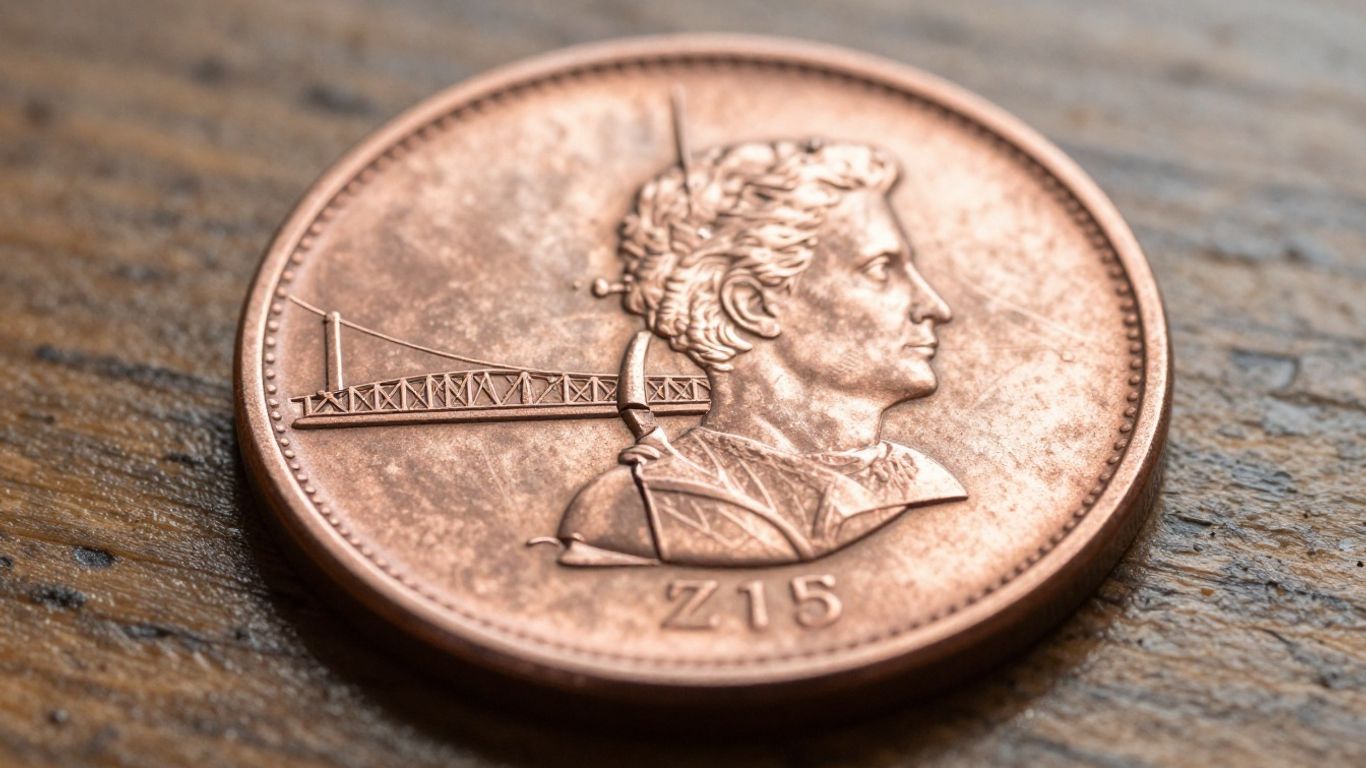
Larger errors extending deep into the field often command higher prices than small rim bumps. Collectors value the visual drama that a significant die failure adds to an otherwise unremarkable coin.
| Error Type | Visual Coverage | Premium Potential |
|---|---|---|
| Small Rim Cud | 5% or less | Low-Moderate |
| Mid-Range Field | 10-25% | Moderate-High |
| Major Portrait | Over 30% | Very High |
Rarity of the specific coin series and year
Certain denominations or dates are known to suffer from die failures more frequently than others. When an error is spotted on a low-mintage key date, the combined rarity of the date and the error can result in exceptionally high premiums. Collectors often monitor the fascinating world of specialized die varieties to spot these infrequent windows of opportunity.
Eye appeal and overall strike quality
Even with a dramatic error, the base quality of the coin remains a vital consideration. If a coin is heavily worn or lacks luster, the error might be less desirable than it would be on a brilliant, near-mint-state specimen. High-quality strikes allow the viewer to appreciate the texture of the error without the distraction of heavy surface abrasion.
Collector interest in specific die states
Some die breaks are traced to specific stages in a die’s lifecycle, which hobbyists track to build complete sets. When a die state becomes widely known in the community, the demand for coins from that particular production sequence climbs significantly. This requires staying informed through networks and the QA Coins glossary of industry terms to understand collector sentiment.
Categorizing cud errors by location
Peripheral cuds on the coin rim
Peripheral cuds are the most commonly encountered type, appearing as raised metal along the edge. Because they are often visible to the naked eye, they are a frequent point of entry for new collectors venturing into error coins.
Field cuds impacting the coin center
Field cuds are far more sought after due to their tendency to obscure central design features. An error that covers part of the date or a major inscription is highly prized because of its unique appearance.
- Early detection of die wear helps prevent field loss.
- Variations in metal flow can alter the final shape.
- Proper identification ensures correct cataloging.
- Field cuds remain popular among specialist collectors.
Major die breaks involving significant portrait area
Portrait-altering cuds possess a distinct allure, as they effectively rewrite the face of the coin. Seeing a familiar design partially missing creates a jarring yet fascinating effect that many numismatists find inherently appealing for their collections.
Minor die cracks versus full cud errors
Distinguishing between a simple die crack and a full cud is essential for valuation. A crack is a thin line of raised metal, while a cud represents an actual void on the die surface. Many cracks eventually evolve into cuds, so collectors keep an eye on them for investment potential.
Using price guides for coin error valuation
Accessing reliable numismatic error databases
Professional databases offer the most accurate snapshots of current market health for error coins. Relying on verified sales data rather than simple estimates ensures you don’t overpay for pieces with inflated, unrealistic asking prices.
Interpreting auction record data for error coins
Auction results provide a transparent look at what collectors are actually paying in a competitive environment. These records serve as a benchmark when evaluating liquidity and price trends for specific types of die failures.
Comparing private sale prices versus dealer catalogs
Private sales often capture unique nuances and relationships between seller and buyer that public auctions might miss. While dealer catalogs provide a good baseline, they are often conservative compared to the aggressive bidding war occasionally seen in private error exchanges.
Limitations of standardized price guides for unique errors
Rare, one-of-a-kind errors often fall outside the scope of standardized books. Because there may be no prior sales, valuation becomes a subjective measure of personal desire and rarity rather than a strict calculation based on population numbers.
Best practices for authenticating and documenting coin cuds
Utilizing magnification to inspect die flow lines
Checking for the presence of die flow lines under high magnification is a primary way to confirm a strike-related error. If these lines continue uninterrupted through the cud, it confirms the error occurred during the striking process rather than as a secondary post-mint impact.
Importance of professional third-party grading
Grading services provide an impartial verification that confirms the error is authentic and correctly attributed. This documentation not only protects the buyer but also establishes the coin’s provenance for future owners.
Documenting pedigree for major error varieties
Major varieties should always be accompanied by a detailed record of their history, especially if they have been featured in major exhibitions. This record-keeping, often utilizing helpful coin acronyms and standard abbreviations, adds tangible weight to the significance of the item.
Recognizing altered or simulated die breaks
Unfortunately, some coins are intentionally damaged to look like desirable mint errors. Careful examination for tool marks around the "cud" will reveal whether the texture is genuinely metallic and native to the minting process or fabricated with modern equipment.
Market trends in error coin collecting
Rising interest in Lincoln cent die breaks
The Lincoln cent error market has exploded in recent years, drawing in hobbyists looking for affordable but significant variety acquisitions. Many collectors are starting to hunt through rolls to discover their own unique die markers, contributing to the high circulation of these error pieces.
Impact of contemporary errors on modern coin values
Modern coins now feature higher quality control, making errors relatively rare. This scarcity has pushed the value of unintentional mistakes upward, as they are now seen as a novelty compared to the automated perfection of current minting processes.
Evaluating the liquidity of high-premium error coins
High-premium items often require finding the right buyer who specializes in the specific error type. While they hold value well, they may not turn into cash as quickly as more standard coins that have broader general appeal.
The role of photography in driving error coin prices
Excellent photography brings an error to life, making it easier for potential buyers to appreciate the fine details of a die failure from afar. Many sellers find that clear, high-contrast imagery is the single biggest factor in reaching the reserve price during competitive online auctions.
Conclusion
Evaluating cuds requires a keen eye and a solid understanding of how the minting process creates these fascinating imperfections. By focusing on authentication and keeping track of market trends, collectors can distinguish between common errors and truly exceptional finds that stand out in any collection.
Frequently Asked Questions
Are all die cuds valuable to collectors?
Most cuds carry some premium, but their value is ultimately determined by the size, prominence, and the rarity of the coin series on which they appear.
How can I distinguish a cud from post-mint damage?
Genuine cuds exhibit raised, smooth metal features that match the surface of the coin, whereas damage typically involves displaced or gouged metal.
Should I have all my potential error coins graded?
Grading is usually recommended for major, high-value errors to verify authenticity, though it may not be economically viable for minor or common crack varieties.
Do larger cuds always command higher prices?
Generally, yes, as larger die breaks are more visually dramatic and provide a clearer, more desirable example of the error for collectors.
Where can I find information on specific die states?
Collectors often use club journals, specialized die-variety books, and online databases to track the known progression of die states for various series.
Is it common for coins to have both cuds and other errors?
It is rare but not impossible for a coin to exhibit multiple minting issues, such as a combination of a cud and an off-center strike, which can significantly boost value.
Can I find valuable errors in current pocket change?
While less common due to modern quality control, there is still potential to discover intriguing finds in circulation if you know exactly what to look for when sorting through your change.