
Key Takeaways
Peeling layer errors on coins represent fascinating minting anomalies that occur when metal fails to bond correctly during production. Understanding these errors involves analyzing alloy composition and minting procedures to separate genuine faults from post-mint damage.
- Lamination errors occur when metallic layers separate along internal planes of weakness.
- Impurities or surface contaminants during the rolling process are primary triggers for delamination.
- Collectors prioritize coins with distinct, original peels over those showing environmental damage.
- Professional grading services authenticate these errors by checking for mint-original metallurgical signs.
- Dramatic, large-scale peel errors often command higher premiums among error coin enthusiasts.
Understanding lamination errors
Lamination errors are distinct metallurgical phenomena that occur when the metallic structure of a planchet exhibits horizontal separation or flaking. These anomalies manifest on the finished coin surface as raised or missing sections of metal, often resembling a peeling layer. Because these coins can appear damaged, distinguishing them from coins that were mistreated after leaving the mint is a central challenge for collectors.
Definition of a lamination error
At their core, these errors signify a structural failure within the planchet itself. A lamination error occurs when a thin layer of metal separates from the underlying core, often leaving a rough, uneven cavity. This often stems from environmental or manufacturing quirks at the production facility that prevent the alloy from maintaining a cohesive, single-piece structure during the strike of the coin.
How metal strips are processed
Before a coin is struck, large coils of metal pass through heavy rollers to reach specific thicknesses. During this high-pressure attenuation, manufacturers must ensure the alloy remains uniform and free from trapped gasses or debris. Experts at Error-Ref.com provide deep dives into these metallurgical processes, helping explain how the structural integrity of the metal ribbon directly dictates the quality of the final planchet.
Distinguishing peeling from surface damage
Identifying whether a coin is truly an error requires careful scrutiny of the damaged area’s edges and underlying material. Post-mint damage usually displays fresh, jagged impressions indicative of secondary impact, while a true lamination involves exposed surfaces that appear aged or consistent with the rest of the coin’s plan structure. Consider these key differences to help identify a genuine error:
- The internal surface of a true lamination is typically consistent in patina with the surrounding metal.
- Genuine mint errors do not show the characteristic "pushed" displacement of surface damage scratches.
- The edges of a lamination peel are often smooth and gently tapered rather than sharp.
Once you observe these consistent features, you can be more certain of an authentic mint-originated anomaly rather than simple pocket circulation wear.
Why metal layers peel on coins
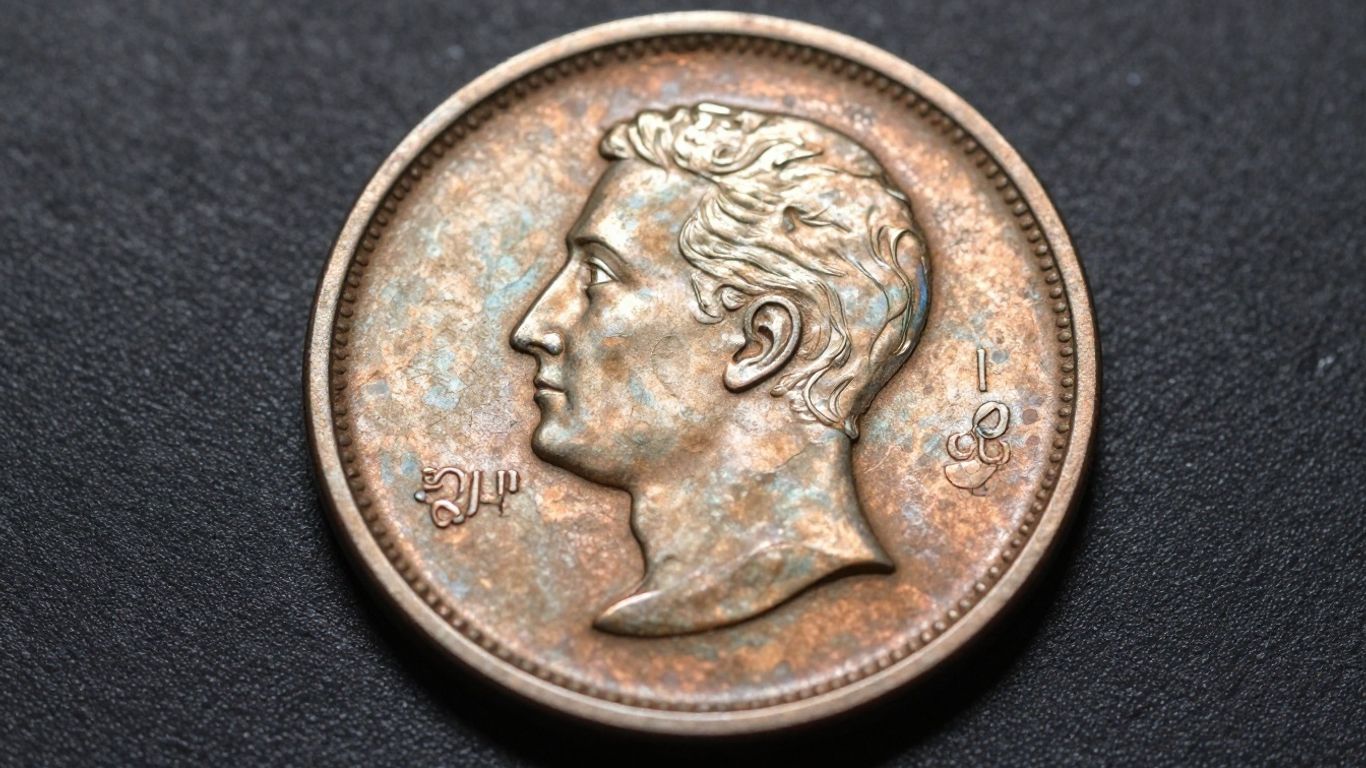
The underlying cause of a lamination usually suggests a failure in the initial casting or annealing of the metal. When the chemical consistency or pressure is off, the material becomes prone to failure under the immense tonnage of the coining press. These events reveal specific insights into the strict technical requirements needed to produce circulating currency effectively.
Impurities in the alloy composition
If the metallic alloy contains pockets of gas, sulfur, or unwanted chemical elements, these impurities create micro-cracks during the initial rolling. These impurities don’t bond well with the primary base metal, creating horizontal separation planes that may stay dormant during early manufacturing phases. Under the extreme pressure of the die strike, these areas weaken further and occasionally break away entirely.
Factors during the annealing process
Annealing is the heating phase intended to soften metal to make it more receptive to striking forces. If temperature controls are inconsistent, the surfaces can become brittle or oxidize, which leads to weak adhesion. This metallurgical instability is a common root cause for coins that exhibit surface weakness or delicate, flaky segments.
Contamination of the strip during rolling
During high-speed rolling, any foreign substance landing on the strip can leave a permanent blemish or create a weak point in the metal fabric. The table below illustrates how different contaminants introduce specific types of structural vulnerabilities before the blanking process begins:
| Contaminant Type | Impact on Metal | Potential Resulting Error |
|---|---|---|
| Oil Residue | Prevented fusion | Lamination flake |
| Dust/Dirt | Surface inclusion | Pit or depression |
| Metal Shavings | Improper bonding | Surface delamination |
By observing the structural failures associated with these contaminants, mint operations can refine their cleanup protocols to ensure consistent metal quality, as discussed in mint-made errors records.
Common coin series prone to lamination peels
Certain eras and series of coins appear more frequently with these errors due to the metallurgical changes made by mints over time. Historical production standards often relied on different refining techniques, making older coinage a common hunting ground for those looking for peeling layer errors coins among their collections. Evaluating these coins requires a focus on the specific minting era to determine if the peel is expected or highly unusual for that particular date.
Observation in wheat pennies
Wheat pennies, particularly those minted during the mid-20th century, display lamination errors with relative consistency. These coins were composed of specific alloy blends that, when improperly mixed, created the perfect environment for minor flaking on the obverse or reverse fields.
Frequency in clad half dollars
Clad issues present a unique situation because they consist of different layers fused together under heat. Occasionally, one of these outer clad layers does not fully bond to the core, leading to broader sections of peeling when the internal pressure shifts during the final striking event.
Rare occurrences in modern quarters
While modern coins are manufactured with high precision, they are not immune to the occasional planchet failure. Finding a significant lamination on a modern quarter is rare, as automated inspection systems quickly cull these items before the bags ever reach a bank or local distributor.
Analyzing the physical characteristics of a peel
When evaluating a suspected lamination, the depth and behavior of the peel serve as the best indicators for authenticity. A true error flows naturally with the metal’s grain, whereas fakes often appear to be hacked or manually removed from the coin’s surface. Collectors should prioritize items where the transition between the solid coin and the peel is gradual.
Partial versus complete metal detachment
Partial peeling occurs when a section of the metal has lifted but remains partially attached as a curled flap or raised ridge. Complete detachment is observed when the piece has entirely broken free, leaving a smooth, indented crater in the coin’s surface that looks like a mirror-image pocket in the metal.
The depth and texture of the exposed surface
An authentic lamination will reveal a textured base within the cavity that matches the appearance of the rest of the planchet alloy. If the cavity is bright, shiny, and shows signs of tool marks or scraping, it is likely that the surface damage was applied intentionally to mimic a high-value mint error, a common issue documented by Hero Bullion regarding identification practices.
Identifying remaining cladding material
Because clad coins have a distinct copper-colored core, analyzing the color of an exposed area can reveal a significant amount about the error itself. If the peel exposes the copper core, it is a clad-related issue; if the peel stays within the silver-colored outer layer without exposing the core, it is a surface-specific lamination error.
Valuation and collectibility of peeling layer coins
Collectibility often hinges on the visual appeal and the dramatic nature of the error. A small, subtle flake might be interesting but worth little, whereas a half-obverse peel can be quite significant for an error registry. Market demand fluctuates based on how clearly the error highlights the minting process itself.
Assessing the impact on visual appeal
Coins where the peel does not obscure the date or the portrait are usually more desirable than those with catastrophic damage. A cleanly removed piece that leaves the rest of the coin’s design intact allows collectors to enjoy both the beauty of the original design and the uniqueness of the strike anomaly.
Rarity and market demand for dramatic peels
Extremely large or "retained" lamination errors, where the piece hangs off the coin, command the highest prices. These dramatic physical shifts illustrate how the metal flows through the dies, providing a clear window into how coins undergo planchet errors during high-speed production.
Comparing mint error value versus post-mint damage
Understanding the premium attached to mint errors requires a firm grasp on the difference between a natural metallurgical fault and deliberate abuse. Reputable error coin examples provided by industry professionals often emphasize that provenance matters, as an unauthenticated piece of damage holds no value compared to a slabbed, legitimate mint fault.
Authentication and grading of peel errors
Authentication provides the final word on whether an item belongs in an advanced collection or just a box of curiosities. Third-party grading services utilize microscopes and metallurgical expertise to confirm the origins of a peeling surface. Without this official validation, even the most interesting-looking coin may find a cold reception in the secondary market.
Professional service standards
Grading firms follow strict criteria for evaluating surface anomalies. They will examine the coin under high magnification to look for tool marks, oxidation layers inside the peel, and the consistency of the surrounding strike. This objective assessment ensures the hobby maintains a standard of quality that prevents fabricated errors from passing as genuine.
Documenting the error on slabs
Once a coin is deemed authentic, the slab label will often note the specific type of error, such as a "Lamination Error" or "Planched Fault." This documentation provides peace of mind for the current owner and adds institutional legitimacy to the item’s historical record.
Avoiding counterfeit or altered error coins
Collectors are cautioned to be wary of coins that look "too good to be true." Tools like grinders, acid baths, or physical wedges are frequently used to create artificial peels on otherwise normal coins. By comparing a suspicious item against verified error databases, buyers can avoid buying altered pieces that have no historical value.
Conclusion
Peeling layer errors provide a unique look at the complexities of the coining process, reminding us that even in a highly automated facility, the elemental properties of metal can create unexpected results. For the dedicated collector, the hunt for these pieces offers a blend of historical research and metallurgical discovery that makes the hobby uniquely rewarding. By utilizing professional authentication and staying diligent about distinguishing mint errors from incidental damage, collectors can build a high-quality portfolio that celebrates the fascinating realities of world-class minting.
Frequently Asked Questions
Are all lamination errors considered high value?
No, value varies wildly depending on the size of the peel, the coin series, and how much of the original design is still visible to the naked eye.
How can I tell if my coin is just damaged?
Surface damage typically shows sharp edges, scratches from tools, or metal displacement that does not match the original strike, whereas true lamination errors have weathered, naturally shaped internal surfaces.
Do lamination errors happen on silver coins?
While more common in copper or clad-alloy coins, lamination can technically occur in any metallic mixture containing impurities or gas voids despite the metal type.
Should I attempt to remove a loose, hanging peel?
Never attempt to remove or reattach a loose section, as unauthorized conservation usually destroys the original error value and often harms the coin’s final grade.
Where can I find professional help to authenticate an error?
Third-party grading services and reputable numismatic dealers specializing in error coins are the best sources for professional opinion on a suspicious coin.
Does a lamination error make a coin more fragile?
Yes, an existing lamination can continue to flake or detach further if the coin is subjected to vibrations, cleaning, or rough handling during storage.
Is every peeling coin a mint error?
No, many coins suffer from environmental corrosion or physical strikes while in circulation that result in surface metal loss, which collectors refer to as post-mint damage.