
Getting your coin collection in order can feel like a big task, especially when you’re just starting out. It’s easy to just toss new finds into a box, but that can lead to trouble later on. You might buy duplicates, lose track of what you have, or even damage your coins. This guide is here to help you figure out how to organize coins by grade level and keep your collection tidy and valuable. We’ll cover the basics of grading, the tools you might need, and different ways to sort everything so you can find what you’re looking for.
Key Takeaways
- Understanding coin grading involves careful visual inspection and using available resources to learn about different condition levels, from worn coins to mint state.
- Basic tools like good lighting and magnification are important for accurately assessing a coin’s condition and identifying subtle wear.
- Organizing coins by grade level helps in appreciating their condition and making informed decisions about your collection.
- Developing a consistent documentation system, including acquisition details and condition notes, is vital for tracking your collection’s value and history.
- Choosing a simple, consistent organizational method, whether alphabetical, numerical, or categorical, is more important than the specific system itself for long-term success.
Understanding Coin Grading Fundamentals
Getting a handle on coin grading is your first real step into serious collecting. It’s not just about knowing if a coin is old; it’s about understanding its condition and how that affects its story and worth. Think of it like appraising a classic car – a pristine model tells a different tale than one that’s seen better days. The condition of a coin is what really sets it apart in the eyes of collectors.
The Importance of Visual Inspection
When you first look at a coin, you’re trying to see how much of its original detail is still there. This is where you start to learn the language of coin grades. You’ll hear terms like ‘Good,’ ‘Very Fine,’ and ‘Uncirculated.’ A ‘Good’ coin might still show the date, but the design details are pretty worn down. Move up to ‘Very Fine,’ and you’ll see more of those details coming back, though the high points might show some wear. The goal is to train your eye to spot these differences.
- Good (G-4): Major details are visible, date is readable, but most fine points are gone. Think smooth wheat stalks on a penny.
- Very Fine (VF-20): Still shows wear, but details are sharper. Lines in the wheat stalks are clear, but high points like a portrait’s cheek might be worn.
- About Uncirculated (AU-50): Almost perfect, with only the slightest hint of wear on the very highest points. Most of the original shine is still present.
Learning to grade takes practice. It’s like learning any new skill; the more you do it, the better you get. Don’t get discouraged if you don’t get it right away. Just keep looking at coins.
Leveraging Educational Resources
Nobody expects you to be an expert overnight. There are plenty of ways to learn more about grading. Attending coin shows and just looking at as many coins as possible is a great start. You can also find classes offered by numismatic organizations. Talking to experienced dealers you trust can also provide insights. Building your knowledge base is key to making smart collecting decisions.
Specializing Your Numismatic Focus
Trying to learn grading for every single type of coin out there is a huge task. Many collectors find it easier to focus on a specific area, like U.S. type coins or a particular series. This way, you can become really good at grading a smaller group of coins. For instance, if you find yourself particularly adept at grading Liberty Head half eagles, you might decide to build your collection around them. Specializing helps you build confidence and a deeper knowledge base in a manageable way. It’s a smart approach for anyone serious about building a collection. You can find resources on coin grading standards to help you get started.
Essential Tools for Coin Assessment
To really get a handle on what you’ve got, you’ll need a few basic things. It’s not about fancy equipment, but about having the right setup to actually see what you’re looking at. Without these, you’re just guessing, and that’s no fun when you’re trying to organize your coins.
Adequate Illumination for Detail
Good lighting is probably the most important thing. You can’t see the little nicks or the faint lines if you’re in a dim room. A bright desk lamp is your best friend here. You want something that shines directly on the coin without creating glare. Think about how a jeweler looks at a ring – they have bright lights for a reason. This helps you spot wear and any imperfections that might be hard to see otherwise. Proper lighting makes all the difference in spotting those subtle details.
Magnification for Subtle Wear
Once you have good light, you need to get closer. A simple magnifying glass, like a 5x or 10x jeweler’s loupe, is perfect for this. It lets you see the fine details that tell you about a coin’s condition. You can check the sharpness of the design, look for tiny scratches, and see if the lettering is worn down. This is how you start to tell the difference between a coin that’s seen a lot of use and one that’s barely been handled. For serious collectors, using magnification is key to accurately assessing a coin’s condition.
Protective Surfaces for Handling
How you hold your coins matters a lot. Your fingers have oils that can leave marks on the metal over time, especially on shinier coins. It’s best to handle coins by their edges. If you’re dealing with really valuable pieces, or just want to be extra careful, wearing clean cotton gloves is a good idea. Also, it’s smart to have a soft cloth or pad to place your coins on while you’re examining them. This way, if you accidentally drop one, it won’t get damaged. It’s a simple step, but it protects your collection.
- Always hold coins by their edges.
- Use clean cotton gloves for valuable coins.
- Examine coins over a soft surface like a cloth or pad.
Taking care of your coins during assessment prevents damage that could lower their value. Simple precautions go a long way in preserving the condition of your numismatic items.
Categorizing Coins by Condition
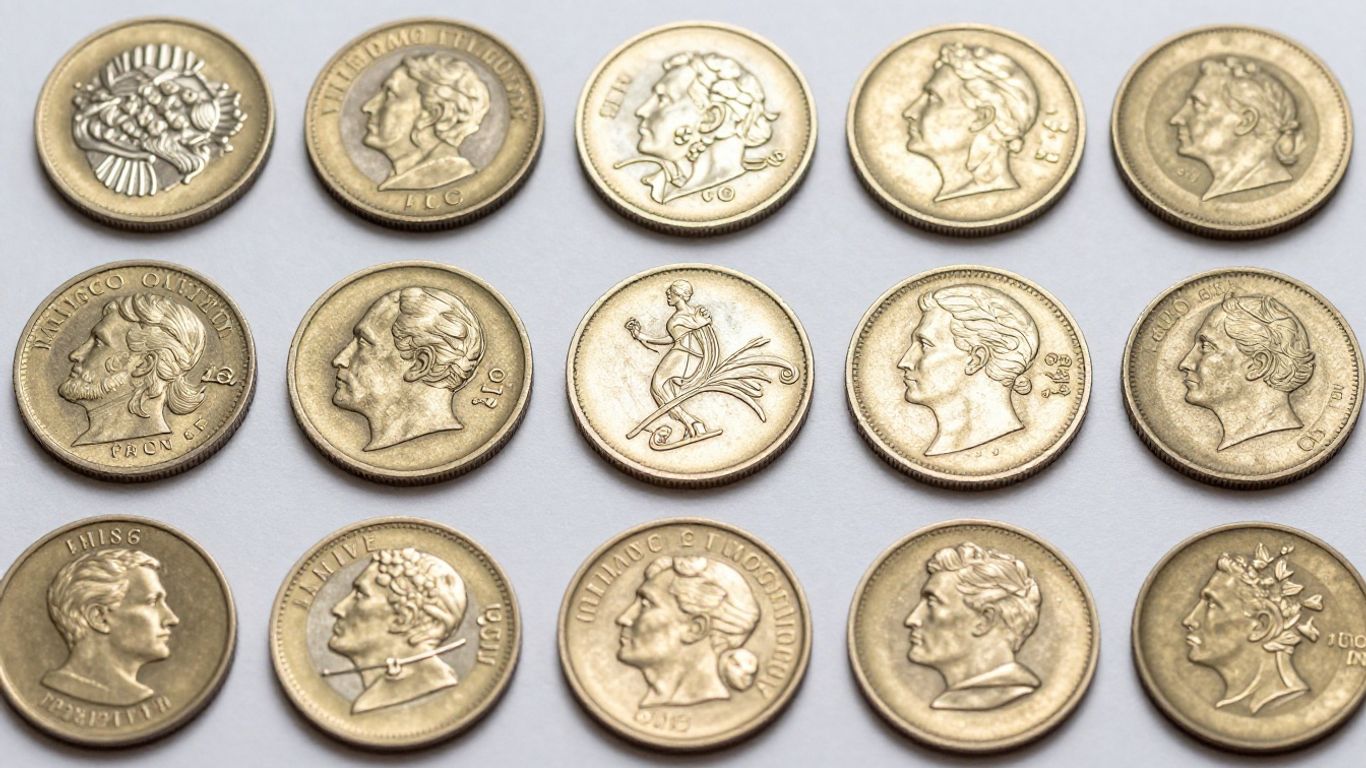
Understanding a coin’s condition is your first step toward building a collection you can be proud of. It allows you to appreciate the history of each piece and make informed decisions, whether you’re buying, selling, or just organizing your finds. Isn’t an old coin just an old coin? Not in the world of numismatics! Think of it like a classic car. A rusty, dented model is still that model, but a pristine, factory-fresh one is in a completely different league of value. Coins are the same. A coin’s grade reflects how much of its original detail and mint luster remains. A higher grade means the coin is closer to its original state, making it rarer and far more desirable to collectors. The difference in value between a heavily worn coin and an uncirculated one of the same date can be staggering—from a few cents to hundreds or even thousands of dollars.
Recognizing Fine and Very Fine Details
When you’re looking at coins that have seen some time in circulation, you’ll start to notice wear. It’s not just about whether you can see the date; it’s about how much detail is left.
- Fine (F-12): At this level, the wear is pretty obvious. Most of the main details are still clear, though. For example, on a coin with wheat stalks, you’d still see the lines on the stalks and some separation in the hair and jawline of the portrait.
- Very Fine (VF-20): A coin in Very Fine condition has circulated but still holds onto sharp details. All the lines in the wheat stalks would be clear. The highest points of the design, like a cheekbone or jawline, will show the most wear, but the overall image is still strong.
Grading coins isn’t about finding flaws; it’s about observing what remains. The goal is to assess the coin’s state relative to its original mint condition.
Identifying About Uncirculated Characteristics
Coins in this category are just a step away from looking like they just left the mint. They might have seen the briefest moment of circulation, but it’s barely noticeable.
- About Uncirculated (AU-50): This is a coin that’s almost perfect. It might have just a tiny bit of wear on the very highest points of the design. The good news is that an AU coin will still have most of its original mint luster, that shiny, satiny look.
Defining Uncirculated and Mint State Standards
These are the coins that collectors often seek out the most. They haven’t been used for everyday transactions and look very close to how they did when they were first made.
- Uncirculated (MS-60 and up): A coin graded as Uncirculated, or Mint State (MS), has zero signs of wear from circulation. It’s in the same condition as the day it left the mint. These coins are then further graded based on things like contact marks (scratches from being in bags with other coins), how well the design was struck, and the brilliance of the original mint luster. You can learn more about the PCGS grading standards which use a numerical scale to define these conditions.
| Grade Category | Description |
|---|---|
| Good (G-4) | Heavily worn, main design visible, date and mint mark legible, fine details mostly gone. |
| Very Good (VG-8) | Still worn, but more detail than ‘Good’; some lines in design elements may start to appear. |
| Fine (F-12) | Obvious wear, but most major details clear; lines on design elements visible, some separation in high points. |
| Very Fine (VF-20) | Circulated but sharp details retained; all lines clear, highest points show most wear. |
| About Uncirculated (AU-50) | Trace of wear on highest points only; retains most original mint luster. |
| Uncirculated (MS-60+) | Zero wear from circulation; condition as when struck, graded on marks, strike, and luster. |
Understanding these basic grades is a great starting point for anyone looking to assess a coin’s condition and build a solid collection.
The Significance of Mint Luster
When you first look at a brand-new coin, it has this special shine, right? That’s what we call mint luster. It’s like the coin’s original glow, and it’s a big deal for collectors. Think of it as the coin’s first impression, straight from the mint. This sheen comes from tiny lines on the coin’s surface, made when it was stamped. When you tilt the coin under a light, you can sometimes see this cool "cartwheel" effect as the shine seems to move. Luster is often the very first thing to disappear when a coin starts getting used in everyday transactions. Because of this, its presence is a major clue that a coin hasn’t been worn down by circulation.
Understanding the Sheen of New Coins
This original mint luster is a frosty or satiny look that tells you a coin is in top shape. It’s not just about how shiny it is; it’s about how the light plays off the coin’s surface. A coin that still has its full luster is much closer to how it looked the day it was made. This is super important because collectors really want coins that look as close to new as possible. It’s a sign of quality and care, even before you look at the finer details.
The Cartwheel Effect Explained
The "cartwheel effect" is that visual phenomenon where the mint luster on an uncirculated coin appears to radiate outwards from the center, like spokes on a wheel. You see this when you gently tilt the coin under a light source. It’s a direct result of the microscopic flow lines on the coin’s surface, created during the minting process. This effect is a strong indicator that the coin has retained its original mint surfaces and has not been handled excessively or cleaned. It’s a beautiful visual cue that serious collectors look for.
Luster as an Indicator of Preservation
So, why is this shine so important? Well, it tells a story about the coin’s life. A coin with strong, vibrant luster has likely been kept safe, maybe in a collection or an original mint package, since it was made. On the other hand, a coin that looks dull or has a different kind of shine might have been cleaned or handled roughly. Sometimes people try to make old coins look shinier using methods like whizzing, but experienced collectors can usually spot these alterations. Preserving that original luster is key to a coin’s grade and its appeal to collectors. It’s a clear sign that the coin has been well-preserved over time, making it more desirable.
Choosing Your Coin Organization Method
Once you’ve got a handle on grading and the tools you need, the next big step is figuring out how to keep your growing coin collection in order. It might seem like a small detail, but having a solid organizational system makes a world of difference. It helps you find what you’re looking for in a snap and, importantly, stops you from accidentally buying duplicates. Seriously, nobody wants two of the same rare coin.
There are a few main ways people tackle this, and the best one for you really depends on your collection and how you like to think about things. It’s not about finding the ‘perfect’ system, but rather one that makes sense to you and that you’ll actually stick with.
Alphabetical Arrangement for Simplicity
This is probably the most straightforward approach. You just arrange your coins by name. So, all your American Silver Eagles would be together, then your Barber Dimes, and so on. It’s easy to understand and even easier to add new coins to. Just figure out where it fits alphabetically, and pop it in. This method works well if you have a pretty diverse collection or if you’re just starting out and don’t have a super specific focus yet. It’s a good way to get a feel for organizing without getting too bogged down in complex rules. You can find coin dealers who might help you sort through initial acquisitions privately or through coin clubs.
Numerical Systems for Efficient Notation
Some collectors prefer using numbers. This could mean assigning a unique number to each coin in your collection and keeping a separate log that details what each number represents. Or, you might number your storage containers (like coin envelopes or slabs) and then list the coins within each container. The upside here is speed. Once you have your system set up, you can jot down a coin’s number much faster than writing out its full name every time. It’s a bit more work upfront to set up, but it can really speed things up as your collection grows.
Categorical Grouping by Type or Era
This method involves grouping coins based on shared characteristics. You could group them by:
- Coin Type: All your Morgan dollars together, all your Lincoln cents together.
- Country: All coins from the United States in one section, all from Canada in another.
- Historical Era: Grouping coins by the time period they were minted, like pre-war coins or coins from a specific dynasty.
- Metal Content: Separating your silver coins from your gold or copper ones.
This approach is fantastic if you have a specific collecting interest, like only collecting ancient Roman coins or focusing on a particular country’s coinage. It allows you to see your specialized collection develop visually.
The most important thing is consistency. Whatever system you choose, apply it uniformly. If you decide to organize by type, do it for every coin. If you pick a numerical system, use it for all your entries. Mixing methods randomly will just lead to confusion down the line. A well-maintained system is your best friend in numismatics.
Many collectors find that a combination of these methods works best. For instance, you might group coins by country first, and then arrange them alphabetically within each country. The key is to create a system that is logical for you and that you can maintain over time. As your collection grows, you might even find yourself tweaking your system, which is perfectly fine. The goal is to make your collection accessible and enjoyable.
Implementing Hybrid Organizational Approaches
Combining Methods for Custom Systems
Most collectors find that a single organizational method doesn’t quite fit their needs as their collection grows. That’s where hybrid approaches come in. Think of it like building a custom toolbox; you might use a standard drawer for some tools, but then add specialized compartments for others. For instance, you could start by grouping coins by country, and then within each country, arrange them chronologically. Or, perhaps you collect a specific type of coin, like Morgan dollars, and within that series, you organize them by mint mark and then by year. The key is to create a system that makes sense to you and allows for quick retrieval of any coin. This flexibility is what makes hybrid systems so popular among seasoned numismatists.
Maintaining Consistency Across Your Collection
Once you’ve decided on a hybrid system, sticking to it is super important. It’s easy to get excited about a new coin and just toss it somewhere, but that’s how chaos creeps back in. If your system involves grouping by type and then alphabetically, make sure every single coin follows that rule. This consistency is what makes your organization truly effective. It might take a little extra effort upfront, but it saves a lot of headaches down the road. Imagine trying to find a specific coin in a collection where half the coins are organized by date and the other half by metal content – it would be a nightmare.
Scalability for Growing Collections
Your collection isn’t going to stay the same size forever, right? A good organizational system needs to grow with you. Hybrid approaches are great for this because they’re usually quite adaptable. If you start with a system that’s mostly by type, but then decide to focus more on a specific historical period, you can easily add a new layer of organization within that type. It’s like adding more shelves to your bookcase as your book collection expands. You don’t have to completely overhaul everything; you just build upon what you already have. This makes managing your collection a lot less daunting, even as it gets bigger and more complex. It’s a smart way to keep things manageable, whether you’re just starting out or have amassed a significant number of coins over the years. This systematic approach helps in managing and understanding your collection effectively by coin type, country, historical period, or metal content.
When you’re mixing and matching organizational strategies, always ask yourself: ‘Can I find any coin in my collection within 60 seconds?’ If the answer is no, it’s time to tweak your system. The goal is efficiency and ease of access, not just having a system for the sake of it.
Establishing a Coin Documentation System
As your coin collection grows, keeping track of what you have becomes really important. It’s not just about knowing which coins are in your albums; it’s about having a clear record for a few key reasons. A well-documented collection helps you avoid buying duplicates and makes it easier to manage your collection’s value over time.
Recording Acquisition Details
When you get a new coin, jotting down a few things right away saves a lot of headaches later. Think about where you got it from – was it a coin show, an online auction, or a trade with a friend? Knowing the source can sometimes add context to the coin’s history. Also, record the date you acquired it and, if possible, the price you paid. This information is super useful for tracking your collection’s overall worth and for insurance purposes.
- Date of Acquisition
- Source (e.g., Dealer, Auction, Show, Gift)
- Purchase Price
- Any notes about the transaction
Noting Condition and Descriptions
Beyond just the basic details, you’ll want to describe the coin’s condition. This is where your grading knowledge comes in handy. Note the grade if you know it, or describe its appearance in your own words. Mention any unique features, like toning, scratches, or mint errors. This detailed description helps differentiate coins that might look similar at first glance. For instance, a coin’s grade is a primary descriptor of its condition.
Cross-Referencing Storage Locations
If you’re using multiple storage methods – like albums, coin slabs, or tubes – it’s a good idea to note where each coin is kept. This prevents you from digging through several boxes when you’re looking for a specific piece. A simple system can be as easy as assigning a number or letter to each storage container and then noting that number next to the coin’s entry in your log. This makes finding any coin a quick task.
Keeping a consistent record of your coins is more than just a hobbyist’s habit; it’s a practical step that safeguards your numismatic assets and enhances your enjoyment of the pursuit. Without proper documentation, a collection can quickly become a jumbled mess, making it difficult to assess its true worth or even to know what you possess.
Avoiding Common Cataloguing Pitfalls
The Perils of Improper Handling
It might seem obvious, but how you touch your coins makes a big difference. Skin oils, even if you can’t see them, leave a residue. Over time, this residue can oxidize and cause permanent marks, especially noticeable on shiny coins. It’s like leaving fingerprints on a mirror that won’t wipe off. For anything valuable, it’s best to hold coins by their edges. Using clean cotton gloves is even better. Don’t let friends or family handle your coins without giving them the same advice. It’s a simple step that protects your collection.
Risks of Inadequate Storage Materials
Putting coins in just any old bag or envelope is a recipe for disaster. Paper envelopes often contain sulfur, which can cause coins to tone or tarnish over time. Plastic bags, especially the common ziplock kind, can trap moisture. This trapped humidity sits against the coin’s surface, leading to damage. The fix is straightforward: get proper storage. Acid-free capsules or specific album pages are designed to protect your coins. Transferring them to these as soon as you get them is a smart move.
The Necessity of Detailed Labeling
This is where many collectors stumble, especially as their collection grows. If you can’t remember where a coin came from, what you paid, or even its basic details, you’re in trouble. This lack of information makes insurance claims nearly impossible and seriously hurts the coin’s resale value. You need a system, even a simple spreadsheet, that records key details for each coin: its denomination, year, mint mark, condition, where you bought it, how much you paid, and when you acquired it. For quick checks, small labels in album pages can be a lifesaver. Ignoring mint marks and treating same-year coins as identical is another common mistake; a coin from one mint can be quite different in value from one minted elsewhere in the same year. Always check that mint mark, using a magnifier if needed. Learn about coin errors can help you spot unusual details that might affect value.
A well-documented collection is not just organized; it’s protected. It provides a clear history for each piece, which is invaluable for insurance, resale, and simply enjoying your hobby with confidence. Without it, you’re essentially flying blind, risking both financial loss and the potential for duplicate purchases.
Strategic Considerations for Collection Growth
As your coin collection expands, thinking ahead about how you want it to grow becomes really important. It’s not just about buying more coins; it’s about buying the right coins for your collection and making sure your system can handle it. This means being smart about what you add and how you manage it.
Prioritizing Quality Over Quantity
It might be tempting to grab every coin that catches your eye, but that can lead to a collection full of filler pieces. Focusing on quality means seeking out coins that are in better condition, have interesting historical significance, or fit perfectly into a specific theme you’re building. A smaller collection of high-quality coins is often more satisfying and valuable than a large one filled with average pieces. Think about what makes a coin truly special to you and aim for those.
- Condition: Look for coins with minimal wear, good strike, and attractive surfaces.
- Rarity: Consider how many of a particular coin were minted or how many survive today.
- Eye Appeal: Does the coin look good? Sometimes a coin with great color or toning can be very desirable.
- Historical Context: Does the coin tell a story or represent an important event?
Investing Wisely in High-Quality Pieces
When you decide to invest in a more significant coin, do your homework. Understand its market value, its grading, and its potential for appreciation. It’s often better to save up for one exceptional coin than to spend the same amount on several lesser pieces. This approach helps build a collection that is not only aesthetically pleasing but also holds its value well over time. For those building substantial precious metals portfolios, proper cataloguing becomes essential for both security and investment management. You might want to look into different coin collecting themes to guide your investment.
Long-Term Holding Strategies
Think about your collection’s future. Are you building it for personal enjoyment, as an investment, or for eventual inheritance? Your goals will shape your strategy. For instance, if you’re focused on long-term investment, you’ll want to prioritize coins that have a history of holding or increasing in value. This often means focusing on rarer dates, coins in higher grades, or specific series that are in demand. Patience is key here; building a valuable collection takes time and consistent effort.
Building a collection is a marathon, not a sprint. Rushing into purchases or constantly changing your focus can lead to regrets. A steady, informed approach, prioritizing quality and consistency, will yield the most rewarding results over the years.
Advanced Techniques for Serious Collectors
Utilizing Professional Cataloguing Standards
As your collection grows, relying on simple lists might not cut it anymore. Serious collectors often adopt professional cataloguing standards to keep things orderly and to track value accurately. This means using specific terms for coin conditions, like those found on a 70-point grading scale, and being consistent. It’s about creating a detailed record for each coin.
- Record the coin’s full name and designation.
- Note the mint mark and date precisely.
- Describe any unique features or errors.
- Document the purchase price and date.
Implementing High-Quality Photography
Good photos are more than just pretty pictures; they’re important for insurance, selling, and just keeping track of what you have. You want to capture clear images of both sides of the coin, ideally with consistent lighting and a plain background. This helps you spot details and wear over time. Think of it as creating a visual inventory that shows the true state of your coins. For valuable pieces, this level of detail is a must.
Integrating Database Systems for Value Tracking
For those with substantial collections, especially those involving precious metals, a database system can be a game-changer. These systems can link to market data, showing you how your collection’s value changes in real-time. This is super helpful for making smart decisions about buying or selling. It turns your hobby into something closer to managing an investment portfolio. Many collectors find that keeping detailed records significantly impacts their understanding of coin value.
Keeping your coins organized will ensure that your hobby is truly a joyful pursuit and not an aggravating task. Regular updates prevent chaos as your collection expands. Planning for the future, including potential technology changes, is also part of this advanced approach.
Maintaining Your Organized Coin Collection
Keeping your coins tidy is really important, especially as your collection grows. It’s not just about finding things easily, but also about avoiding those annoying mistakes, like buying a coin you already have. Think of it like keeping your tools organized; you know where everything is, and it just makes the whole process smoother.
Regularly Updating Records
This is where you really need to be on top of things. As soon as you get a new coin, jot down the details. Don’t wait until later, because later often turns into never. A simple spreadsheet or even a notebook works fine to start. You’ll want to record:
- The coin’s name and description
- Where and when you got it
- How much you paid
- Its condition and any notes about it
- Where you’re storing it
The key is to make updating your records a habit. It might seem like a small thing, but it prevents a lot of headaches down the road. If you’re adding a new piece, make sure to update your inventory right away. It’s like putting a tool back in its place after you use it.
Keeping your coins organized will ensure that your hobby is truly a joyful pursuit and not an aggravating task. It transforms what could be a chaotic pile of metal into a structured, enjoyable, and potentially valuable asset.
Reassessing Organization Methods
What works today might not work tomorrow. As your collection expands, you might find your current system is getting a bit clunky. Maybe you started with alphabetical order, but now you have so many coins from one country that it’s getting hard to manage. It’s okay to tweak your system. Maybe you’ll decide to group coins by type first, then alphabetize within those groups. The important thing is to stick with whatever method you choose once you decide on it. Don’t jump around too much, or you’ll just create more confusion. Think about what makes sense for you and how you look for coins. If you’re finding it takes too long to locate something, that’s a sign it’s time to rethink your approach. You might even want to look at how other collectors organize their finds for inspiration. See how others organize.
Planning for Future Technological Needs
Technology changes, and so might the way you keep track of your coins. If you’re using a simple spreadsheet now, that’s great. But what happens if your collection gets really big? You might want to look into dedicated numismatic software or even database programs. These can help you track values, manage images, and even link to market data. It’s also super important to back up your data. Don’t just keep it on one computer. Use cloud storage, an external hard drive, or even printouts. Losing your records would be a disaster, especially if you have valuable coins. Think about how you’ll transfer your data if you get a new computer or if a program becomes outdated. Planning ahead means your collection management system can grow with your collection and keep up with the times.
Wrapping Up Your Coin Collection Journey
So, we’ve gone over a bunch of ways to get your coins sorted. Whether you’re just starting out with a few finds or have a growing pile of metal, having a system makes things way easier. It helps you know what you have, stops you from buying the same coin twice (which is a real bummer), and honestly, just makes the whole hobby more fun. Pick a method that feels right for you, stick with it, and don’t be afraid to tweak it as your collection changes. The main thing is to keep things tidy so you can actually enjoy looking at your coins instead of feeling overwhelmed.
Frequently Asked Questions
Why is it important to organize my coin collection?
Organizing your coin collection is super important! It helps you keep track of everything you own, makes it easy to find specific coins, and stops you from accidentally buying duplicates. Think of it like organizing your closet so you know where all your shirts are!
What are the basic tools I need to look at my coins?
You don’t need a lot of fancy stuff. A good desk lamp to see clearly and a magnifying glass (like a jeweler’s loupe) to spot small details are the most important. Holding coins carefully on a soft cloth also helps protect them.
How can I tell if a coin is in good condition?
Coin condition, or ‘grade,’ is judged by how much wear it has. Coins that look almost new with lots of shine are usually worth more than ones that have been used a lot. Looking closely for tiny scratches and worn-down spots helps you figure out the grade.
What is 'mint luster' and why does it matter?
Mint luster is the shiny, almost frosty look a brand-new coin has right after it’s made. It’s like the coin’s original sparkle! This shine wears off quickly if a coin is used, so seeing it is a big clue that the coin is in great shape and hasn’t been handled much.
What's the easiest way to start organizing my coins?
For beginners, simply arranging your coins alphabetically by name is a great starting point. It’s straightforward and easy to remember. As your collection grows, you might want to try grouping them by type or by the time period they come from.
Should I use just one way to organize my coins, or can I mix methods?
You can totally mix methods! Many collectors find it helpful to use a combination, like grouping coins by type first and then arranging them alphabetically within each group. The most important thing is to be consistent so you can easily understand your own system.
What information should I write down about each coin?
It’s a good idea to record details like when and where you got the coin, what you paid for it, its condition, and any special notes. This information is super helpful for insurance, selling, or just remembering the story behind each piece.
What are common mistakes beginners make when organizing coins?
Some common mistakes include handling coins with bare hands (oils can damage them), storing them in cheap plastic bags that trap moisture, and not writing down enough information. Always use proper storage and keep good records!