
So, you’ve found some old paper money and you’re wondering what to do with it, especially if you’re in the San Antonio area. It can feel a bit overwhelming trying to figure out what it’s worth and where to sell it. This guide is here to help you understand your collection, find good buyers, and make the selling process as smooth as possible. We’ll cover everything from understanding the value of your old paper money san antonio finds to making sure you get a fair deal.
Key Takeaways
- Understand the types of old paper money you have, as rarity and condition greatly affect value.
- San Antonio has a local market for collectors and dealers interested in old paper money.
- Professional appraisals are important to know the true worth of your collection before selling.
- Look for buyers who are reputable, transparent, and offer fair prices for your old paper money.
- Consider selling your entire collection at once for efficiency, especially for large holdings.
Understanding Your Old Paper Money Collection
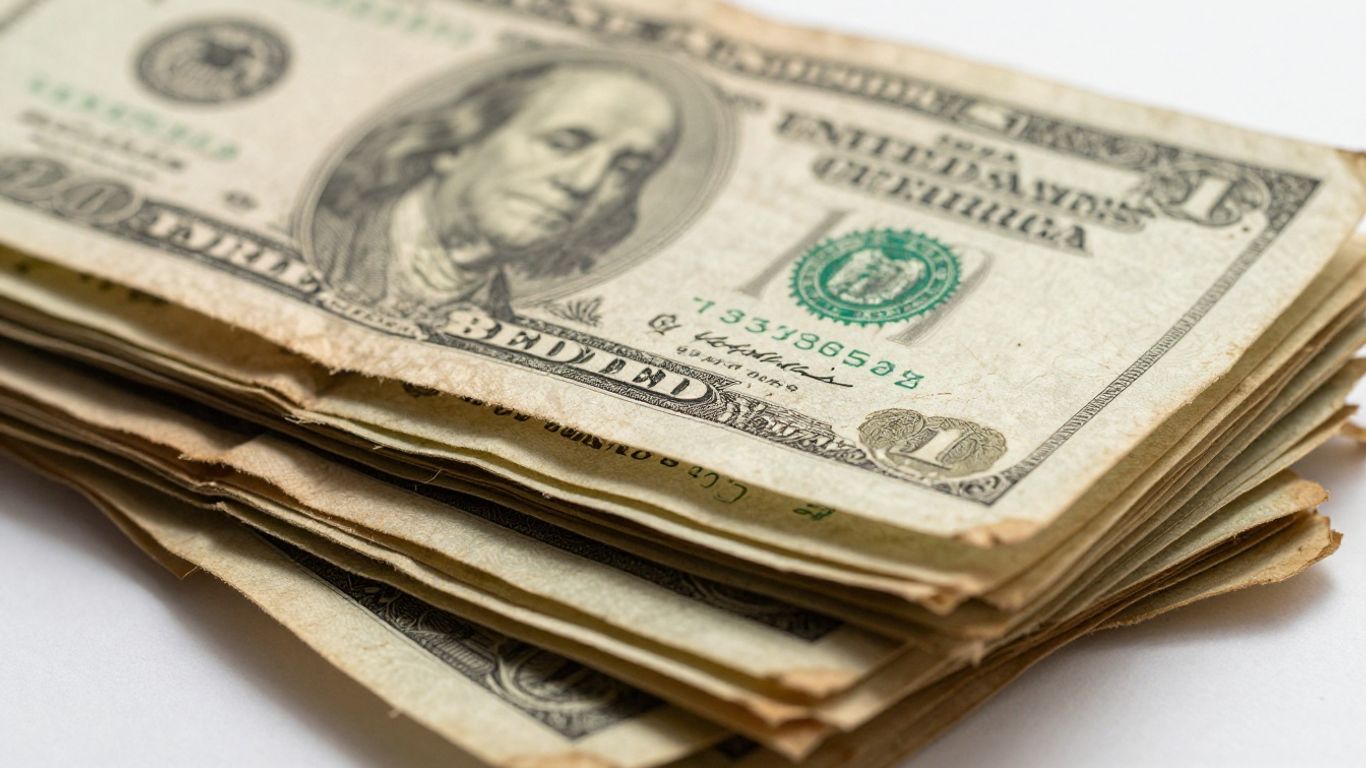
Before you think about selling your old paper money in San Antonio, it’s a good idea to get a basic understanding of what you have. This isn’t just about knowing the face value; it’s about recognizing the historical context, rarity, and condition that can make a piece of currency genuinely interesting and potentially valuable.
What Are So-Called Dollars?
So-called dollars are a unique category of U.S. currency. They aren’t official government-issued money but rather private tokens or medals that were often issued to commemorate significant events, like expositions or anniversaries. Think of them as historical souvenirs that also happen to be made of metal or paper. Their value isn’t tied to their use as legal tender but rather to their historical significance, rarity, and condition. Some of these pieces can be quite collectible.
The Value of Historical Currency
When we talk about the value of old paper money, it’s a mix of several things. Of course, the condition of the note plays a big part. A crisp, uncirculated bill will be worth more than one that’s been folded and handled a lot. But beyond that, rarity is a major factor. If only a few of a certain type of note were printed, or if very few have survived, they tend to be more sought after. Historical significance also adds to the appeal; notes tied to important events or periods can command higher prices. Even unique serial numbers, like those that are sequential or have repeating digits, can make a note more interesting to collectors and increase its worth. You can learn more about identifying these special serial numbers.
Factors Influencing Paper Money Worth
Several elements come into play when determining what your old paper money is actually worth. It’s not always straightforward, and sometimes a note that looks plain can be quite valuable.
Here are some key factors:
- Condition (Grade): This is perhaps the most significant factor. Notes are graded on a scale, with higher grades indicating better condition (less wear, fewer folds, no tears, etc.). Professional grading services can provide an official assessment.
- Rarity: How many of these notes were printed, and how many are still known to exist today? Scarce notes are generally more valuable.
- Demand: Are collectors actively looking for this particular type of note? Popularity among numismatists can drive prices up.
- Historical Significance: Does the note represent a specific event, era, or person of note? This can add considerable appeal.
- Serial Number: As mentioned, unusual serial numbers can add a premium. Discovering what makes your currency worth more than face value often starts with examining these details.
The intrinsic value of a piece of paper money is often less important than its numismatic value. This means its worth is primarily determined by its desirability to collectors, influenced by its history, rarity, and condition, rather than the cost of the materials it’s made from. Understanding this distinction is key to appreciating why some old notes are so highly prized.
When you’re ready to sell, knowing these factors will help you have a more informed conversation with potential buyers in San Antonio.
Why Sell Old Paper Money San Antonio?
San Antonio is becoming a more popular spot for people who collect coins and old paper money. This means there are more places and people interested in buying what you have. Selling locally can make things simpler, especially if you have a lot of items or something particularly rare. You can often get your collection looked at and get paid right there, which is pretty convenient.
San Antonio's Growing Numismatic Community
The interest in collecting old coins and paper money is definitely on the rise in San Antonio. More collectors and dealers are setting up shop or visiting the area, creating a lively market. This growth means there’s a better chance of finding someone who knows exactly what your old bills are worth and is eager to add them to their collection. It’s a good sign for anyone looking to sell.
Local Market Advantages for Sellers
Selling in San Antonio offers some real benefits. You can connect directly with buyers who understand the local market and the history of currency in Texas. This can lead to more accurate pricing and potentially better offers. Plus, you avoid the hassle and risk of shipping valuable items long distances. It’s often easier to build trust with a local dealer you can meet face-to-face.
Convenience of In-Person Transactions
One of the biggest pluses of selling in San Antonio is the ability to handle transactions in person. You can bring your collection to a dealer, have it appraised on the spot, and often receive payment immediately. This direct interaction helps build confidence and makes the selling process feel more secure. For those who aren’t comfortable with online sales or shipping, this is a major advantage.
When you’re ready to sell, remember that a good buyer will be upfront about their process and offer. Don’t hesitate to ask questions about how they determine value and what factors influence their offer. Feeling comfortable and informed is key to a successful sale.
Here are a few things to consider when looking for a buyer:
- Reputation: Seek out dealers with a solid history and positive feedback from other collectors.
- Specialization: Some buyers focus on specific types of currency, like National Bank Notes of Texas, which can be beneficial if your collection fits their niche.
- Transparency: Ensure the buyer is open about their appraisal methods and pricing.
Getting multiple offers is always a smart move to make sure you’re getting a fair price for your collection. You can find resources that help track currency values, like Greysheet pricing information, which can give you a baseline understanding before you talk to buyers.
Finding Reputable Buyers for Your Collection
Assessing Dealer Reputation and Transparency
When you’re ready to sell your old paper money, finding someone trustworthy is the first big step. It’s not just about getting a good price, though that’s certainly important. You want to work with someone who knows what they’re talking about and treats you fairly. Think about it: these items might have a long history, maybe even with your family, so you want to feel good about the person you’re dealing with. A good dealer will be upfront about their process. They should be able to explain how they figure out what your currency is worth and why. Look for dealers who are members of numismatic organizations; this often means they follow a code of conduct.
Specialization in Specific Currency Types
Some buyers focus on certain kinds of old money. If you have a collection that’s heavy on, say, National Bank Notes from Texas, finding a dealer who really knows that specific area can make a difference. They might have a better understanding of what makes your particular notes special and, therefore, be willing to pay more. It’s like going to a specialist doctor instead of a general practitioner when you have a specific health concern. You want someone who understands the nuances of your collection. For instance, if you’re looking for places that buy silver coins in San Antonio, you’d seek out a dealer known for that.
Seeking Multiple Offers for Fair Pricing
Don’t feel like you have to take the first offer you get. It’s a smart move to get a few different opinions on your collection’s worth. This gives you a chance to compare what different buyers are offering. You can see if one dealer’s valuation seems significantly higher or lower than others. This process helps you make sure you’re getting a fair deal. It also gives you a bit of negotiating power. Remember, the market can change, so an offer made today might be different tomorrow. Getting multiple quotes helps you get a clearer picture of the current market value for your specific items.
Selling your old paper money can feel like a big undertaking. Taking the time to find the right buyer, one who is honest and knowledgeable, will make the entire experience much smoother and more rewarding. It’s about more than just the money; it’s about respecting the history and value of what you own.
Valuation Services for Your Old Paper Money
Before you decide to sell your old paper money in San Antonio, it’s a good idea to get a sense of what it’s worth. This is where valuation services come in. They help you understand the true value of your collection, which can be a mix of historical significance and market demand.
The Importance of Professional Appraisals
Getting a professional appraisal is a smart move. It’s not just about finding out a dollar amount; it’s about learning about the items you have. A good appraiser can tell you about the history behind your currency, its rarity, and what makes it desirable to collectors. This knowledge helps you set realistic expectations and can prevent you from selling your collection for less than it’s worth. A professional appraisal provides a solid foundation for your selling decisions.
Understanding Coin Grading and Its Impact
When it comes to paper money, condition plays a huge role in its value. This is often referred to as grading. While there isn’t a single universal grading scale for paper money like there is for coins, experts look at factors such as:
- Centering: How well the image is centered on the note.
- Margins: The amount of white space around the printed area.
- Paper Quality: The crispness and feel of the paper.
- Color: The vibrancy of the ink.
- Absence of Defects: This includes things like folds, tears, pinholes, or stains.
Professional grading services can offer an objective assessment of your currency’s condition. This standardized evaluation is often recognized by buyers and can significantly influence the price you receive. For instance, a note in near-perfect condition will command a much higher price than one with noticeable wear and tear.
Getting Expert Opinions on Currency
There are several ways to get expert opinions on your paper money. You can visit local coin and currency dealers in San Antonio who offer appraisal services. Some dealers specialize in certain types of currency, so finding one that focuses on paper money, especially historical U.S. currency or specific regional notes like National Bank Notes of Texas, can be beneficial. You might also consider attending coin shows or contacting national appraisal services if your collection is particularly extensive or rare. Remember, getting opinions from multiple sources can help you confirm the accuracy of an appraisal and ensure you’re getting a fair assessment.
Understanding the value of your collection is more than just a number; it’s about appreciating their history and place in the numismatic world. A good appraisal service will educate you on these aspects, making the selling process more informed and less stressful.
The Selling Process in San Antonio
Selling your old paper money in San Antonio doesn’t have to be a complicated affair. It’s really about understanding the basic steps involved and knowing what to expect. The main goal is to get a fair price for your collection without a lot of fuss. Think of it as a straightforward transaction, not a treasure hunt with hidden traps.
Steps for Selling Your Collection Locally
When you decide to sell your paper money in San Antonio, taking it to a local dealer is a common route. Here’s a general idea of how that usually works:
- Initial Contact and Appointment: Reach out to a dealer you’ve researched. Some might take walk-ins, but scheduling an appointment can ensure someone knowledgeable is available to look at your items.
- In-Person Appraisal: Bring your collection to the dealer. They will examine each piece, considering its condition, rarity, and historical significance.
- Offer and Negotiation: The dealer will present an offer based on their assessment and current market rates. You can then decide whether to accept, negotiate, or take your collection elsewhere.
- Transaction and Payment: If you agree on a price, the dealer will typically pay you on the spot, often in cash or via a check.
What to Expect During an Appraisal
An appraisal is where the real evaluation happens. The dealer will look closely at several factors. They’ll check the overall condition of the notes – are there any tears, folds, or discoloration? They’ll also consider the specific type of currency, its denomination, and how scarce it is. Sometimes, even the serial number can play a role in its worth. The better the condition, generally the higher the potential value. It’s a detailed process, and a good appraiser will explain their reasoning.
A professional appraisal is more than just a number; it’s an assessment of your collection’s historical and market significance. Understanding this process helps you feel more confident when discussing prices with potential buyers.
Streamlining the Transaction Process
To make selling smoother, be organized. Have your collection ready, perhaps in protective sleeves if you have them. Knowing a bit about what you have beforehand can also help. If you’re dealing with a large estate, consider looking into specialists who handle inherited collections. This can make the process much more efficient. For smaller collections, a direct visit to a reputable dealer like those found on lists of top coin collectors in San Antonio is often the quickest way to get things done.
Where to Sell Specific Types of Currency
When you’re ready to sell your old paper money in San Antonio, it helps to know what kind of currency you have. Different types of money attract different buyers, and knowing this can help you find the right place to sell.
Selling U.S. Paper Money
This is probably what most people think of when they talk about old money. It includes everything from early U.S. Notes and Demand Notes to currency from the Civil War era and even more recent Federal Reserve Notes. If you have old paper money, you can get an expert appraisal. Many dealers are actively buying all sorts of U.S. currency.
Interest in National Bank Notes of Texas
There’s a special interest in National Bank Notes that were issued by banks right here in Texas. These notes come from the period between 1863 and 1935. Because so many banks in Texas issued these notes, they are really diverse and tell a story about the state’s financial past. They are very collectible for people who focus on paper money.
Valuable Foreign and Colonial Coins
Your collection might also include coins from other countries or older coins that circulated in the region long ago. Because of Texas’s history with Spain and Mexico, older Mexican Republic coins and Spanish Colonial coins (like reales and doubloons) that were used here are of interest. These foreign coins can be valuable not just for their metal content, but also because they are rare and historically important. If you have these, a place like Alamo Heights Coin Shop might be a good place to start.
It’s important to remember that the value of any currency, whether it’s U.S. paper money, a Texas National Bank Note, or a foreign coin, depends on several things. These include how rare it is, its condition, and what collectors are looking for right now. A good buyer will know how to assess these factors.
Here’s a quick look at what buyers often look for:
- U.S. Paper Money: All types, from early issues to modern notes.
- Texas National Bank Notes: Specific interest in notes from Texas banks.
- Foreign & Colonial Coins: Especially those with historical ties to Texas.
If you have a collection that includes a variety of these items, it’s a good idea to find a dealer who has broad knowledge or can point you to specialists. For instance, Rufers’ Coin Company is a local business that deals with coins and collectibles, and they might be able to offer guidance or a fair price.
Preparing Your Old Paper Money for Sale
Before you hand over your old paper money, a little preparation goes a long way. It’s not about making things look brand new, but rather about presenting your collection in a way that helps potential buyers see its true worth. Think of it as getting ready for a job interview – you want to look your best, but you don’t want to pretend to be someone you’re not.
To Clean or Not to Clean Your Currency
This is a big one, and the answer is almost always: don’t clean it. Seriously. While it might seem like a good idea to wipe away some grime or flatten out a crease, doing so can actually damage the paper and significantly reduce its value. Collectors and dealers often prefer notes in their original, unaltered state. Trying to ‘improve’ a note’s condition can backfire spectacularly. It’s better to leave any cleaning to the professionals, if it’s even necessary at all. Remember, the goal is preservation, not alteration.
The temptation to clean old paper money can be strong, especially if notes appear dirty or worn. However, aggressive cleaning methods can easily cause irreversible damage, such as thinning the paper, removing ink, or creating unnatural folds. These imperfections are far more detrimental to a note’s value than the original dirt or wear. It is generally advisable to leave the cleaning process to experienced numismatists or to refrain from cleaning altogether.
Documenting Your Collection
Before you even think about showing your notes to a buyer, take some time to document what you have. This doesn’t need to be a professional catalog, but a simple list can be incredibly helpful. It allows you to keep track of your items and provides potential buyers with a clear overview of your collection. This can also help you remember details about where or when you acquired certain pieces.
Here’s a basic way to start documenting:
- Note Type: (e.g., Federal Reserve Note, Silver Certificate, National Bank Note)
- Denomination: (e.g., $1, $5, $10)
- Year/Series: (e.g., 1928, 1953)
- Condition Notes: (e.g., "crisp", "some folds", "minor tear")
- Any Unique Features: (e.g., "star note", "rare serial number")
Having this information ready can speed up the appraisal process and shows you’ve taken care of your collection. You can find resources online that offer more detailed guidance on cataloging your paper money.
Handling Your Items with Care
Old paper money is delicate. The oils and dirt from your hands can degrade the paper over time. When you’re handling your notes, try to hold them by the edges. Using cotton gloves is even better, especially for your more valuable or fragile pieces. This simple step helps prevent fingerprints and smudges that can affect the note’s condition and, consequently, its value. Proper handling is key to preserving the integrity of your collection before you sell it. Organize them carefully is a good first step in this process.
Local San Antonio Coin and Currency Dealers
When you’re ready to sell your old paper money in San Antonio, finding the right local dealer makes a big difference. It’s not just about getting a price; it’s about working with someone who understands the history and value packed into those old bills. San Antonio has a solid community of these specialists, and knowing where to look can save you a lot of hassle.
Texas Coins and Collectibles
Texas Coins and Collectibles has been a fixture in the San Antonio area since 1988. They’ve built a reputation over the decades for handling a wide variety of numismatic items, including U.S. and foreign coins, currency, gold, and silver. They’re known for being open to deals of all sizes, whether you have a single rare note or an entire estate collection. They even mention meeting clients at their home or bank, which is a nice touch for convenience. If you’re looking for a dealer with a long history in the local market, they’re definitely worth checking out. You can find them at 950 NE Loop 410, San Antonio, TX 78209.
San Antonio Coin Buyers
San Antonio Coin Buyers is another local spot that comes up when people are looking to sell. They focus on professional evaluations and are known to pay cash for coins and currency. This can be a big plus if you’re hoping for a quick and straightforward transaction. They handle various types of coins, including gold and silver, and seem to be a go-to for many looking to get a fair price for their collection. It’s good to know there are places like this that specialize in making the selling process smooth.
Other Local Numismatic Resources
Beyond the specific shops, San Antonio has a broader network of collectors and dealers. Sometimes, attending local coin shows or joining numismatic clubs can connect you with individuals who might be interested in your specific type of paper money. These events are great for networking and getting a feel for the market. Remember, it’s always wise to do a little homework on any dealer before you commit to a sale. Checking online reviews or asking for references can give you peace of mind. Getting multiple opinions before selling is a smart move.
When dealing with old paper money, remember that condition is everything. Even minor wear can significantly impact the value. It’s often best to leave any cleaning or restoration attempts to the professionals, as improper handling can cause irreversible damage and devalue your collection.
Selling Entire Collections and Estates
Efficiently Selling Large Holdings
When you have a substantial collection of old paper money, whether it’s a lifelong accumulation or an inherited estate, selling it all at once can be the most practical approach. Breaking down a large collection into individual sales can be time-consuming and often yields less than selling the entire lot. Dealers who specialize in bulk acquisitions understand the complexities of evaluating and pricing large holdings. They can assess the overall value, taking into account the condition, rarity, and market demand for all the items together. This often leads to a more streamlined process and potentially a better overall return compared to piecemeal selling.
Working with Estate Liquidation Specialists
Dealing with an estate can be an emotional and logistically challenging task. If you’re managing an estate that includes a significant paper money collection, partnering with specialists in estate liquidation can be incredibly beneficial. These professionals are experienced in handling sensitive situations with care and discretion. They can manage the entire process, from initial inventory and appraisal to marketing and final sale, often working closely with executors or beneficiaries to meet specific goals. Some local San Antonio businesses focus on household liquidation services, which can extend to valuable collections.
Receiving Competitive Prices for Bulk Sales
Getting a fair price for a large collection requires a buyer who understands the market for bulk numismatic items. Reputable dealers who purchase entire collections often have a broader customer base and can move inventory more quickly, allowing them to offer more competitive prices. They will typically provide a comprehensive valuation, detailing the factors that contribute to the collection’s worth. It’s always a good idea to seek out multiple offers from different dealers to ensure you are receiving a price that reflects the true market value of your collection. This diligence is key to a successful transaction.
Selling a large collection or an estate’s holdings requires a different approach than selling a few individual pieces. It’s about understanding the aggregate value and finding a buyer who can appreciate and acquire the collection as a whole. This often involves working with experienced professionals who can manage the process efficiently and fairly.
Online Selling Options for San Antonio Residents
Convenience of Online Appraisals
Selling your old paper money doesn’t always require a trip to a local dealer. For San Antonio residents, the digital age offers a straightforward path to getting your collection appraised and sold from the comfort of your home. Online platforms have become quite popular, allowing you to submit details or photos of your currency for an initial evaluation. This can be a great first step, especially if you’re unsure about the value or condition of your items. It’s a way to get a preliminary idea of worth without the immediate pressure of a face-to-face sale. Many services provide free, no-obligation appraisals, making it easy to explore your options.
Secure Shipping for Valuable Items
Once you’ve agreed on a price, the next step involves getting your paper money to the buyer. Reputable online dealers understand the importance of secure transit for valuable items. They typically provide pre-paid, insured shipping labels. This means the shipping costs are covered, and your collection is protected against loss or damage during transit. It’s always a good idea to confirm the insurance coverage details and understand the process before sending anything off. This careful approach helps protect your investment.
Market-Leading Prices Through Digital Platforms
Online marketplaces can sometimes offer more competitive prices than traditional brick-and-mortar stores. This is often because online businesses have lower overhead costs. They can connect with a wider pool of buyers, both locally and nationally, which can drive up demand and, consequently, prices. When considering online sales, look for platforms that specialize in numismatics and have a strong track record. Some services even offer real-time market data to help you understand current pricing trends for your specific currency. This transparency can be very helpful in getting a fair deal for your collection.
Selling your collection online requires a degree of trust in the platform you choose. Researching reviews, understanding their return policies, and confirming their security measures for transactions are all important steps. Don’t hesitate to ask questions about their process for handling and verifying your items.
Wrapping Up Your Paper Money Journey
So, you’ve explored the world of old paper money right here in San Antonio. It might seem like a lot to take in at first, figuring out where to find these treasures and then how to sell them. But really, it’s not as complicated as it sounds. The key is finding people who know their stuff, offer a fair price, and make the whole process feel easy. Whether you’re looking to sell a few old bills or a whole stack, a little bit of looking around goes a long way. Don’t be shy about asking questions, and make sure you feel good about whoever you decide to sell to. Happy collecting and selling!
Frequently Asked Questions
Where can I sell my old paper money in San Antonio?
In San Antonio, you can sell your old paper money at local coin and currency dealers. Places like San Antonio Coin Buyers and Texas Coins and Collectibles are known to buy various types of currency. These dealers often provide professional evaluations and can offer cash for your collection.
How do I find out how much my old paper money is worth?
To learn the value of your old paper money, it’s best to get a professional appraisal. Experts at coin and currency shops can examine your items, considering factors like rarity, condition, and historical importance to give you an accurate valuation.
Do dealers in San Antonio buy all types of old paper money?
Most dealers are interested in a wide range of U.S. paper money, including older notes like National Bank Notes, Civil War currency, and even modern bills if they are rare. Some also buy valuable foreign paper money. It’s always a good idea to check with the specific dealer about what they are currently looking for.
What makes old paper money valuable?
Several things make old paper money valuable. The rarity of the note, its condition (how well-preserved it is), its historical significance, and how much collectors want it all play a role. Sometimes, a small mistake during printing can also make a note very valuable.
Should I clean my old paper money before selling it?
Generally, it is strongly recommended not to clean old paper money yourself. Cleaning can often damage the note and significantly reduce its value. It’s best to leave the cleaning and preservation to the experts.
What should I expect when selling my collection in person?
When you sell in person, a dealer will likely examine your paper money and provide an offer. You can ask questions about their valuation process and compare offers from different dealers if possible. The process is usually straightforward, and you can often get paid right away.
Are there online options for selling paper money from San Antonio?
Yes, many dealers offer online appraisal services. You can often send photos or details of your collection for an initial evaluation. For selling, you might ship your items securely, or some online platforms may arrange for local pick-up or other convenient methods.
What is the difference between paper money and 'so-called dollars'?
‘So-called dollars’ are not official currency but rather medals or tokens that look like dollar coins. They often celebrate events or places. Old paper money, on the other hand, refers to actual currency issued by governments that was used as legal tender.