
Getting your coins sorted can seem like a big job, especially if you have a lot of them lying around. It’s easy to just toss them in a jar, but then finding anything specific becomes a real headache. This guide is all about making sense of your collection, focusing on chronological coin organization. We’ll walk through how to gather everything up, set up a system that works for you, and keep it all in order so you can actually enjoy your coins.
Key Takeaways
- Start by gathering all your coins from various places to get a clear picture of your collection’s size.
- Choose a primary method for chronological coin organization, like sorting by year or by country then year, to create a structured framework.
- Physically store your coins using appropriate protective materials like coin books or holders, and consider a digital catalog for detailed record-keeping.
- Document each coin accurately, including details about its condition, any varieties or errors, and high-quality photos of both sides.
- Regularly maintain your system to prevent clutter and ensure you can easily access and account for every coin in your collection.
Gathering Your Numismatic Treasures
Before you can organize anything, you need to have your coins in one place. This might sound obvious, but it’s often the first hurdle for new collectors. People tend to acquire coins in bits and pieces over time – maybe a few from a grandparent, some pocket change that looked interesting, or a souvenir from a trip. The initial step is to bring all these scattered pieces together. This consolidation is the bedrock of any organized collection.
The Initial Coin Hunt
This is where the fun really begins. Think of it as a treasure hunt within your own home and among your acquaintances. Go through old jars, desk drawers, and jewelry boxes. Ask family members if they have any old coins lying around. Sometimes, the most unexpected places yield the most interesting finds. Don’t overlook coin rolls from the bank if you’re looking for circulated examples, or even local antique shops and flea markets for potential additions. It’s about casting a wide net to see what numismatic treasures you already possess or can easily acquire.
Consolidating Your Collection
Once you’ve done your initial searching, it’s time to bring everything together. You might be surprised by the volume of coins you’ve accumulated. This is a good moment to get a general sense of what you have. Don’t worry about sorting them perfectly just yet; the goal here is simply to gather them into a single, manageable location. This could be a large box, a tray, or even a dedicated shelf. Having everything in one spot makes the subsequent steps much easier and prevents items from getting lost again.
Assessing Your Holdings
With all your coins gathered, take a moment to look through them. You don’t need to identify every single coin at this stage, but try to get a feel for the types of coins you have. Are they mostly modern currency? Do you see any older coins? Are there foreign coins mixed in? This initial assessment helps you start thinking about how you might want to organize them later. It’s also a good time to identify any coins that are in particularly poor condition or are duplicates. For a general overview of how to approach your collection, consider these expert advice on organizing your numismatic items.
This initial phase is about discovery and gathering. It’s about seeing the scope of what you have before you start imposing order. Think of it as collecting all the ingredients before you decide on the recipe.
Establishing Your Chronological Coin Organization Framework
So, you’ve gathered your coins, and now it’s time to make sense of the pile. This is where we build the actual system for your collection. Think of it as laying the foundation before you start building the house. Without a solid framework, even the most beautiful coins can end up in a jumbled mess, making it hard to find anything or appreciate what you have. The goal here is to create a structure that works for you, making your collection accessible and enjoyable.
Understanding Chronological Sorting
At its heart, chronological sorting means arranging your coins by the year they were made. This is a really popular way to organize because it lets you see the history of coinage unfold. You can literally create a timeline of currency right there on your shelf. It’s a fantastic way to track the evolution of a specific country’s money or even global monetary history. This method provides a clear narrative of your collection’s development. It helps you understand how designs changed, how economic events might have influenced minting, and how different eras produced distinct coins. It’s a straightforward approach that makes it easy to see the story your collection tells at a glance [fcaa].
Choosing Your Primary Organization Method
While chronological order is a great starting point, it’s not the only way, and often, it’s not the only way you’ll want to organize. Many collectors find success by combining methods. Here are a few common primary approaches:
- By Country, Then Chronologically: This is probably the most common and logical approach. You create a section for each country (e.g., United States, France, Germany) and then order the coins within that section by date, from oldest to newest. It’s a brilliant way to see the evolution of a nation’s currency.
- By Denomination, Then Chronologically: Within each country section, you might further sort by denomination (e.g., all pennies together, then all nickels, etc.), and then order those by year. This can be helpful if you’re focusing on specific denominations.
- Thematic Grouping: This method is wonderful for more specialized collections. You might group all your silver dollars together, regardless of country or year. Another collector might have a thematic collection of animal coins or coins from World War II. It’s a very personal and rewarding way to organize [6eeb].
Integrating Thematic Groupings
Sometimes, a purely chronological or country-based system doesn’t quite capture the full story of your collection. That’s where thematic groupings come in. This involves arranging coins based on a shared characteristic other than just their date or origin. Think about:
- Historical Events: Coins minted during significant periods like World Wars, major anniversaries, or periods of great change.
- Design Motifs: Coins featuring animals, famous landmarks, specific rulers, or artistic styles.
- Metal Content: Grouping all your silver coins, gold coins, or copper coins together.
Many experienced collectors use a hybrid approach. They might organize their main collection by country and date but keep separate, smaller collections for specific themes, error coins, or commemoratives. For example, your main system could be for UK coins, but you have a separate album just for your commemorative 50p pieces. This flexibility ensures your catalogue remains a helpful tool, not a source of frustration.
Sorting and Categorizing Your Coins
Alright, so you’ve gathered your coins, and now it’s time to actually sort them. This is where things start to get really organized. It might seem a bit tedious at first, but trust me, getting this right makes everything else so much easier down the line. We’re going to break this down into a few key steps.
Separating By Denomination
First things first, let’s get all the coins grouped by what they are. Think pennies with pennies, nickels with nickels, dimes with dimes, and so on. If you’ve got a lot of foreign coins, you’ll want to do the same for those – group all your Euros together, all your Canadian dollars, etc. This initial sort is pretty straightforward. You can just make piles on a table or use small containers. This basic grouping is the foundation for all further organization. It helps you see how many of each type you have and makes the next steps much quicker.
Identifying Mint Marks
Now, for the slightly more detailed part: mint marks. These are usually small letters or symbols on the coin that tell you where it was made. For U.S. coins, you’ll often see ‘D’ for Denver, ‘S’ for San Francisco, or no mark for Philadelphia. Other countries have their own systems. Why does this matter? Because coins from different mints, even if they’re the same year and denomination, can be worth different amounts, especially for collectors. You’ll want to get familiar with what the mint marks look like for the coins you have. It’s a good idea to have a reference chart handy, or you can often find this information online. For example, knowing the mint mark is key when you’re looking at US silver dollars.
Categorizing Circulation vs. Collectible Coins
This is a big one. You need to decide which coins are just everyday money and which ones might be worth more to a collector. Generally, coins that are still in wide use as currency fall into the ‘circulation’ category. These are the coins you might find in your change. Collectible coins, on the other hand, might be older, rarer, have errors, or be part of a special series. Think about coins that are no longer made, like old silver dollars, or special commemorative issues. You might even have some foreign coins that are no longer in circulation. It’s helpful to create two main piles: one for common, current coins and another for anything that seems a bit more special or unusual. This helps you decide how you’ll store and catalog them later. Some collectors even create a separate pile for coins that are in really nice condition, even if they are common.
When you’re sorting, it’s easy to get bogged down in the details. Remember the goal is to create a system that works for you. Don’t feel pressured to identify every single rare variety right away. Focus on the broad categories first. You can always go back and refine your sorting later as you learn more.
Here’s a quick way to think about it:
- Circulation Coins: Standard currency you might find in your pocket. Often common and not particularly valuable on their own.
- Collectible Coins: Older coins, coins with errors, special mint issues, or coins from series that are no longer produced.
- Foreign Coins: Coins from other countries. These can be further divided into circulation and collectible categories based on their origin and rarity.
This sorting process is also a good time to start thinking about how you’ll group similar items. For instance, if you have a lot of a specific coin series, like Lincoln Cents or Morgan Dollars, you might want to keep them together. This is a concept known as organizing by series, and it can be very useful for managing your collection.
Implementing Chronological Coin Organization
Now that you have a framework in place, it’s time to actually sort your coins by date. This is where your collection starts to tell a story, showing the progression of coinage over time. It might seem daunting, but breaking it down makes it manageable.
Ordering By Year of Minting
This is the most straightforward chronological method. You’ll arrange coins from the earliest year of minting to the most recent. This approach is fantastic for understanding the historical output of a specific mint or country. For example, if you’re focusing on U.S. cents, you’d line them up from 1793 all the way to the present day. It really highlights changes in design, metal composition, and even the economic conditions of the time.
Organizing By Country, Then Chronologically
For collectors with coins from multiple nations, this is often the most practical method. First, you’ll create distinct sections for each country represented in your collection. Within each country’s section, you then apply the chronological sorting by year. This allows you to see the entire numismatic history of, say, Great Britain, before moving on to the history of French coinage. It keeps things tidy and makes it easier to compare currency developments across different regions. This method is a solid choice for building a diverse numismatic library.
Creating A Timeline Through Coinage
This method takes chronological organization a step further by using your coins to visually represent historical periods. You might group coins by significant historical events or eras, such as ‘The Roaring Twenties,’ ‘World War II Era,’ or ‘The Space Race.’ Within each era, you would then arrange the coins chronologically. This turns your collection into a tangible history lesson. It’s a more interpretive approach, but it can be incredibly rewarding for those interested in the historical context of their coins. It’s a great way to see how coinage reflects the times.
When you’re sorting, remember that consistency is key. Whatever method you choose, stick with it. This prevents confusion down the line and makes your collection a joy to explore, rather than a puzzle to solve. A well-organized collection is a pleasure to manage and appreciate.
Here’s a quick look at how you might structure a section for U.S. Quarters:
| Year | Mint Mark | Denomination | Notes |
|---|---|---|---|
| 1932 | D | Quarter | First year of issue |
| 1932 | P | Quarter | Philadelphia Mint |
| 1933 | D | Quarter | Scarce year |
| 1934 | D | Quarter | Heavy coat of arms |
| 1935 | P | Quarter | Light coat of arms |
| … | … | … | … |
This table format helps you see the progression clearly. You can adapt this for any country or series you are collecting. It’s all about making the information accessible and easy to understand at a glance.
Handling Unique and Miscellaneous Coins
Creating A 'To Be Integrated' Section
Sometimes, you might inherit a collection or acquire a large lot of coins that don’t immediately fit into your established system. Instead of letting these pieces create clutter, set up a temporary holding area. This ‘To Be Integrated’ section is perfect for temporarily housing these new acquisitions. You can start by cataloguing them digitally, perhaps using a simple spreadsheet, so their existence is recorded. Then, you can tackle integrating them into your main chronological framework in manageable batches. This prevents feeling overwhelmed and ensures no coin gets lost in the shuffle.
Establishing A 'Miscellaneous World Coins' Category
Many collectors pick up interesting coins during travels or from various sources that don’t align with their primary collecting focus. To keep these from disrupting your main organization, create a dedicated ‘Miscellaneous World Coins’ category. This acts as a catch-all for those one-off foreign pieces. It keeps them accounted for without forcing them into a chronological system where they don’t belong. Think of it as a special exhibit for your global finds. You can always revisit this section later if you decide to expand your collecting interests or find a more specific home for a particular coin. This approach helps maintain the integrity of your main chronological coin organization.
Designating Homes for Oddities
Beyond standard currency, collections often include items like tokens, medals, or even exonumia (items that resemble coins but aren’t official currency). These oddities need a designated place. You might create a separate section for tokens and medals, or perhaps a ‘Special Issues’ category. The key is to give these unique items a specific home within your overall system. This prevents them from being misplaced or forgotten. For instance, a commemorative medal from a historical event might not have a mint year in the traditional sense, but it can still be catalogued by the event’s date. The goal is to have a logical place for every item, no matter how unusual.
Here’s a simple way to think about categorizing these unique items:
- Tokens: Often used for specific purposes (e.g., transit, arcade). Catalog by issuer and date if known.
- Medals: Commemorative or artistic pieces. Catalog by the event or theme they represent and their issue date.
- Exonumia: Items that look like coins but aren’t. Catalog by type and origin.
Having a clear strategy for these non-standard items is just as important as organizing your regular coinage. It ensures that your entire collection is documented and accessible, reflecting the full scope of your numismatic interests.
Structuring Your Physical Coin Collection
Once you have a handle on your coin inventory and a framework for organization, it’s time to think about where all these pieces will live. Your physical storage should make sense with your organizational system, so finding a coin in hand matches what you see in your records. It’s about making your collection accessible and safe.
Utilizing Coin Collection Books
Coin collection books are a popular choice for many collectors, especially those starting out or focusing on specific series. These books often come with pre-sized pockets or slots, making it easy to insert coins and keep them separated. They offer a clear visual representation of your collection’s progress. When choosing a book, look for ones made with archival-safe materials to protect your coins from damage over time. Some books are designed for specific denominations or countries, which can help streamline your organization further. For instance, a book with 60 pockets can be divided into zones, perhaps dedicating sections for different countries or types of currency, making it simple to locate specific items. This method is great for keeping things tidy and preventing coins from getting mixed up.
Rolling Coins for Storage
For more common circulation coins, coin rolling is a practical and traditional method. You can pick up coin wrappers at most banks or office supply stores. Filling these wrappers correctly, denomination by denomination, turns a jumble of loose change into neat, stackable rolls. This is particularly useful if you’re saving coins for a specific purpose or if you have a large quantity of standard currency. It’s a satisfying process that makes your collection look orderly and professional, and it’s a good way to manage bulk.
Selecting Appropriate Protective Storage
Beyond books and rolls, there are various other storage solutions. This might include coin albums with custom-fit slots, individual coin holders (like flips or slabs), or even specialized display cases. The key is to use materials that are acid-free and non-abrasive. This prevents chemical reactions that can damage the coin’s surface or cause toning. Think about how you want to view your collection. Do you prefer to see them laid out in an album, or do you want each coin individually protected and perhaps graded? Your choice of storage should align with the value and type of coins you possess, and it should also consider how you plan to display your treasures and access them for study or enjoyment. The goal is to keep your coins safe from physical harm and environmental degradation, preserving their condition for years to come.
Developing Your Digital Coin Catalogue
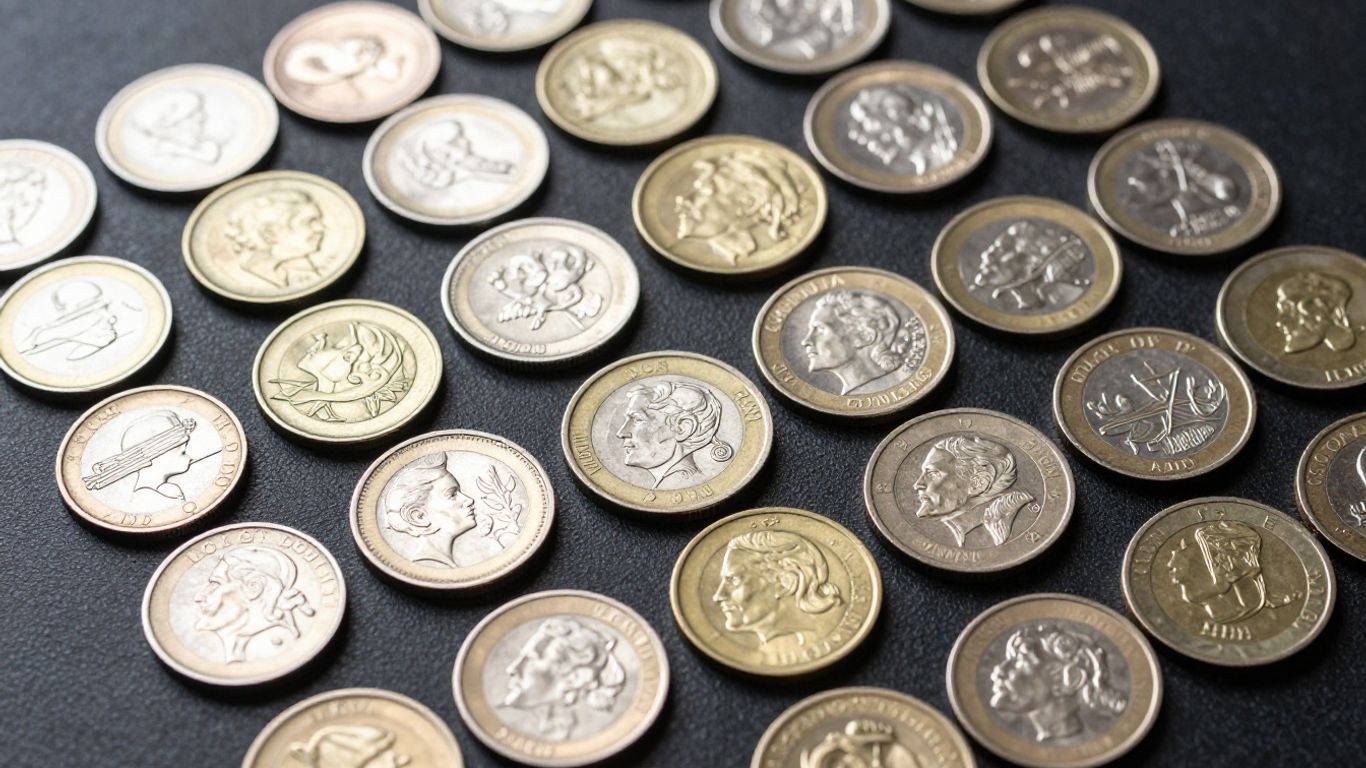
While your physical albums and storage solutions give your coins a home, a digital catalogue acts as the brain of your entire operation. It’s where you keep track of all the important details that make each coin unique. Honestly, you don’t need fancy software to start; a simple spreadsheet can be incredibly powerful for building a database of your holdings. This personal inventory is really important for insurance, helps you see what you still need for your "want list," and lets you watch your collection’s value change over time. The key is consistency in the data you record.
Essential Columns for Your Spreadsheet
When you’re setting up your digital catalogue, think about what information is most important to you. While you can customize this a lot, here are some columns that most collectors find helpful:
- Coin Description: This is where you note the denomination, year, and any specific variety or error. For example, "1983 New Pence 2p Mule" or "1953 Canadian Silver Dollar – Die Crack".
- Country of Origin: Simple enough, but vital for world coin collectors.
- Mint Mark: If applicable, note the mint where the coin was produced (e.g., ‘P’ for Philadelphia, ‘D’ for Denver).
- Grade/Condition: A basic grade like Uncirculated (UNC), Extremely Fine (EF), or Very Fine (VF) is a good starting point. You can get more detailed later if you wish.
- Purchase Date & Price: Useful for tracking your investment.
- Notes: A space for any unique stories or observations about the coin.
Capturing Coin Details Accurately
Getting the details right from the start saves a lot of headaches later. For instance, when noting a coin’s description, be specific. Instead of just "Penny," write "1975 Lincoln Cent." If there’s a known variety, like a doubled die or a repunched mint mark, make sure to include that information. This level of detail is what separates a casual list from a serious collector’s inventory. For those looking for robust tools, applications like MyCoinWorX offer advanced features for cataloguing.
The Importance of High-Quality Photos
Pictures are worth a thousand words, and in coin collecting, they are worth even more. While you don’t need a professional studio, taking clear, well-lit photos of both the obverse (front) and reverse (back) of your coins is a big help. Good photos make identification easier and are invaluable for insurance purposes. They also let you share your collection with others online or simply admire your coins when they’re stored away. Many mobile apps, such as Coin Collection, make it easy to snap photos and add them directly to your digital records.
A well-organized digital catalogue is more than just a list; it’s a dynamic record of your numismatic journey. It provides security, aids in future acquisitions, and can even help track the financial growth of your passion. Making the effort to build and maintain this digital archive is an investment in the longevity and enjoyment of your collection.
Documenting Coin Varieties and Condition
Once you’ve got your coins sorted, the next big step is really getting to know each one. This means paying attention to the little details that make a coin unique, and also how well it’s held up over time. It’s not just about knowing you have a coin; it’s about knowing which coin you have and what condition it’s in. This is where things get interesting, and honestly, pretty important for any serious collector.
Noting Variety and Error Details
Coins aren’t always perfect. Sometimes, mistakes happen during the minting process, or a die might be used for longer than it should be. These little quirks can actually make a coin much more interesting, and sometimes, a lot more valuable. You’ll want to look for things like doubled dies, where the design looks like it was stamped twice, or off-center strikes, where the coin wasn’t perfectly aligned when it was hit. Even small things like a missing mint mark or a repunched date can be significant. Keeping track of these specific varieties is what separates a casual collection from a truly specialized one. It’s about spotting the unlisted variety, the one that might turn a common coin into a rare find. For those looking to understand the basics of how coins are evaluated, a guide on coin grading can be quite helpful.
Recording Grade and Condition
This is where you get into the nitty-gritty of a coin’s physical state. The grade of a coin is arguably the most significant factor in its value. You’ll see terms like ‘Uncirculated,’ ‘Extremely Fine,’ or ‘Good.’ Each grade has specific characteristics that graders look for. For instance, an uncirculated coin should show no signs of wear at all, while a ‘Good’ coin will be heavily worn. Understanding the standard grading scale is key. It helps you assess your coins objectively and communicate their condition accurately to others. You can find more detailed explanations of these terms in resources that explain the vocabulary of coin grading.
Here’s a quick look at some common grading levels:
- Poor (P-1): Barely recognizable. Date and mintmark might be gone. Heavy wear.
- Good (G-4): Main design and lettering are visible but very worn. Rims are complete.
- Very Fine (VF-10): Moderate wear, but most details are still clear.
- Extremely Fine (XF-40): Light wear, with most finer details still present.
- About Uncirculated (AU-50): Very light wear, only visible in the highest points of the design.
- Uncirculated (MS-60+): No wear. Mint luster is present.
Photographing Obverse, Reverse, and Edge
Good photos are super important. You want to capture the coin clearly so you can see all those details you’re documenting. Always take pictures of both the front (obverse) and the back (reverse). For your more valuable coins, don’t forget the edge! Sometimes, important information or varieties can be found there. Try to keep your lighting consistent and avoid glare. A simple setup with good natural light can work wonders. If a coin has any dirt or grime, be very careful about cleaning it before you photograph it; improper cleaning can actually lower a coin’s value. You might want to look into safe cleaning methods if you’re unsure.
Documenting your coins properly is more than just making a list. It’s about creating a record that shows the history, condition, and unique characteristics of each piece. This detailed approach adds significant depth and potential value to your collection, turning it into a well-protected asset rather than just a collection of metal.
Maintaining Your Organized Coin Collection
A well-organized coin collection is a joy to behold, but its true value lies in keeping that organization current. The good news is that maintenance doesn’t have to feel like a chore. The trick is to build small, consistent habits that prevent the task from ever becoming overwhelming. Many seasoned collectors have mastered this through simple, regular routines.
Think of it this way: spending just a little time each week to log any new coins prevents a huge backlog from ever building up. This small commitment is far less daunting than facing a mountain of uncatalogued coins every few months. The most successful systems are the ones that fit neatly into your life, not the ones that demand huge blocks of your time. As your collection grows, your cataloguing needs will change too. The system that worked perfectly for your first 50 coins might start to feel clunky when you reach 500. This is a natural and positive sign of a growing passion.
Regular System Maintenance
Keeping your catalogue up-to-date is key. Aim to spend a short, dedicated block of time each week or month to process new acquisitions. This prevents a large backlog from forming, which can be discouraging.
- Log New Additions Promptly: As soon as you acquire a new coin, take a few minutes to add its basic details to your digital catalogue. This ensures it’s recorded while the information is fresh in your mind.
- Review and Update Existing Entries: Periodically, go through your catalogue to check for any necessary updates, such as changes in condition or newly discovered varieties.
- Physical Check-ins: While cataloguing, it’s also a good time to physically inspect your coins. Check for any signs of environmental damage or issues with their protective holders. Proper storage is vital, so keeping coins in a cool, dry environment helps prevent discoloration and devaluation. Save any original documentation that came with your coins or coin sets.
Preventing Future Coin Clutter
Clutter happens when new items aren’t integrated into the system. Proactive steps can stop this before it starts.
- Designated Acquisition Time: Set aside specific times for sorting and cataloguing new coins, rather than letting them pile up.
- ‘To Be Integrated’ Area: For larger acquisitions or inherited collections, use a temporary holding area. Catalogue these items digitally first, then integrate them into your main system gradually to avoid feeling overwhelmed.
- Mindful Purchasing: Before buying a new coin, consider if it truly fits your collecting goals and if you have a place for it within your current organizational structure.
Ensuring Quick Access and Accurate Accounting
Your catalogue should make it easy to find information quickly. This is where consistent data entry pays off.
A well-maintained catalogue is more than just a list; it’s a dynamic record that reflects the growth and history of your collection. It serves as a powerful tool for insurance, research, and tracking the evolving value of your numismatic treasures.
- Standardized Data Entry: Use consistent formatting for dates, denominations, and descriptions across all entries. This makes searching and sorting much more efficient.
- Regular Backups: If you’re using a digital catalogue, make sure to back up your data regularly. Losing your catalogue means losing years of meticulous record-keeping.
- Periodic Audits: Occasionally, cross-reference your physical collection with your digital catalogue to catch any discrepancies. This ensures your records are accurate and your collection is accounted for, which is especially important for insurance purposes and understanding the overall value of your holdings.
Advanced Techniques for Serious Collectors
As your collection grows, you’ll likely want to move beyond basic organization and delve into more specialized areas. This is where serious numismatists really shine, turning their hobby into a more in-depth pursuit. It’s about developing a keen eye for the details that truly matter in the coin world.
Attribution, Grading, and Provenance Research
Attribution involves identifying the exact variety of a coin, which can significantly impact its value. This might mean recognizing a specific die variety, an overdate, or a minor minting error. Grading is the process of assessing a coin’s condition using a standardized scale, often from Poor (P-1) to perfect Mint State (MS-70). Understanding grading is key to knowing what your coins are worth. Provenance research traces a coin’s ownership history. A well-documented history, especially for rare or historically significant pieces, can add considerable value and authenticity. This detailed research transforms a simple coin into a piece of history with a traceable lineage.
Using Your Catalogue as a Research Tool
Your meticulously organized catalogue isn’t just an inventory; it’s a powerful research instrument. You can use it to track trends in coin values, identify gaps in your collection, or even spot potential investment opportunities. For instance, by noting the purchase price and current estimated value of coins, you can begin to see which types of coins appreciate most over time. This analytical approach can guide future acquisitions and help you build a more strategic collection. Learning how to catalogue coins effectively can turn your hobby into a more informed pursuit.
Tracking Value and Future Potential
For collectors who view their coins as investments, tracking value is paramount. This involves regularly updating your catalogue with current market prices, perhaps referencing auction results or dealer listings. Consider creating a separate section in your catalogue or spreadsheet to note estimated values. This allows you to see the overall growth of your collection’s worth. It also helps in making informed decisions about buying, selling, or trading coins. Remember to back up your digital records regularly, perhaps using a cloud service, to protect all your hard work.
The true value of a coin often lies not just in its metal content or rarity, but in the story it tells and the history it represents. Detailed documentation helps preserve and communicate that narrative for future generations.
Wrapping Up Your Coin Journey
So, we’ve walked through gathering your coins, sorting them out, and getting them into neat rolls. We also touched on how to handle those oddball coins that don’t quite fit and why taking pictures and making notes is a good idea. Remember, the goal isn’t to have the fanciest system right away. It’s about making your collection easier to manage and more enjoyable for you. Whether you’re just starting or have a big pile already, taking these steps can make a real difference. It turns a jumble of metal into a story you can easily follow and share. Keep at it, and you’ll find your own rhythm.
Frequently Asked Questions
What's the best way to start organizing my coins if I have a lot of them?
The best way to begin is by gathering all your coins into one place. Then, sort them by type, like pennies, nickels, dimes, and quarters. After that, you can decide on your main organization method, such as by country and then by year. Don’t try to do everything at once; start with a small, manageable group of coins to build momentum.
Should I organize my coins by year or by country first?
Both methods are popular and effective. Organizing by country first, and then by year within each country, is very common because it helps you see how a country’s money changed over time. However, if you have coins from many different countries, you might prefer to group them by country and then sort them chronologically within those groups.
What should I do with foreign coins or unusual coins that don't fit my main collection?
It’s a good idea to create a separate category for these. You could have a ‘Miscellaneous World Coins’ section or a ‘To Be Integrated’ area. This way, these unique coins have a designated spot, preventing them from cluttering your main system while still being properly recorded and stored.
How can I protect my coins from damage?
To keep your coins in good condition, use protective storage like coin albums with acid-free pages or individual coin holders made from safe materials. Avoid touching coins with bare fingers, as oils from your skin can cause damage over time. Always handle them by the edges.
Is a digital catalog really necessary for my coin collection?
Yes, a digital catalog is highly recommended. Even a simple spreadsheet can help you keep track of every coin’s details, such as its description, condition, and where it’s stored. This is invaluable for insurance, tracking your collection’s value, and knowing what coins you might still need.
What information should I include in my coin catalog?
You should include key details like the coin’s country, year, denomination, and any special varieties or mint marks. Recording the coin’s condition or grade is also important. Adding clear photos of both sides, and sometimes the edge, provides a complete record.
How do I handle coins that have errors or are rare varieties?
When you find a coin with an error or a special variety, it’s crucial to document it accurately in your catalog. Note the specific details of the error or variety. These unique features can significantly increase a coin’s value and are important for serious collectors to track.
How often should I update or maintain my coin collection system?
Regular maintenance is key. It’s wise to periodically review your catalog to ensure it’s up-to-date, especially if you add new coins. Also, check your storage methods to make sure coins are still protected. Making this a habit prevents future clutter and keeps your collection easily accessible and accurately accounted for.