
Key Takeaways
Understanding minting defects allows collectors to distinguish between genuine errors and post-mint damage. These anomalies provide a windows into the complex industrial process of currency production.
- Planchets are blank metal discs prepared for the final coin strike.
- Wrong planchet errors occur when a blank intended for one denomination is used with a different die pair.
- Off-metal errors involve the usage of incorrect metallic composites during the blanking process.
- Mint inspectors use automated systems to reduce the release of flawed coins into circulation.
- Collector valuation of these errors depends heavily on rarity, condition, and expert authentication.
What is a planchet in the minting process?
Before a coin arrives in your pocket, it begins as a long, heavy coil of metal. The manufacturing journey from industrial feedstock to currency requires precise engineering at every stage. Quality control ensures that each finished piece meets stringent weight and diameter specifications required for daily circulation.
The purpose of metal rolls and blanking
The minting process starts when large rolls of strip metal are fed into a blanking press. This machine punches circular discs, known as planchets, out of the metal strip. Because the strip is produced to specific thickness requirements, the resulting discs must be uniform to ensure consistent weight across the entire production run. These initial blanks are eventually polished to a high luster before reaching the next stage of the manufacturing sequence.
The upsetting machine and rim formation
Once the blanks are punched, they move to an upsetting machine which raises the edge of the disc. This raised border serves two purposes: it protects the central design elements from wear during circulation and provides a surface for the striking dies to engage properly without damaging the main portrait or device. This critical step defines the diameter of the coin and creates an environment where metal can flow evenly during the final strike, resulting in detailed coin production features.
Composition standards and metal alloys
Modern coinage relies on standardized alloys to provide durability and cost-effectiveness. Whether using a clad composition like copper-plated zinc or a solid alloy like nickel and copper, the mint maintains strict chemical ratios. These standards vary by denomination to ensure that automated counting and vending systems can accurately identify the coinage through electromagnetic signatures.
How a wrong planchet causes coins to be considered errors
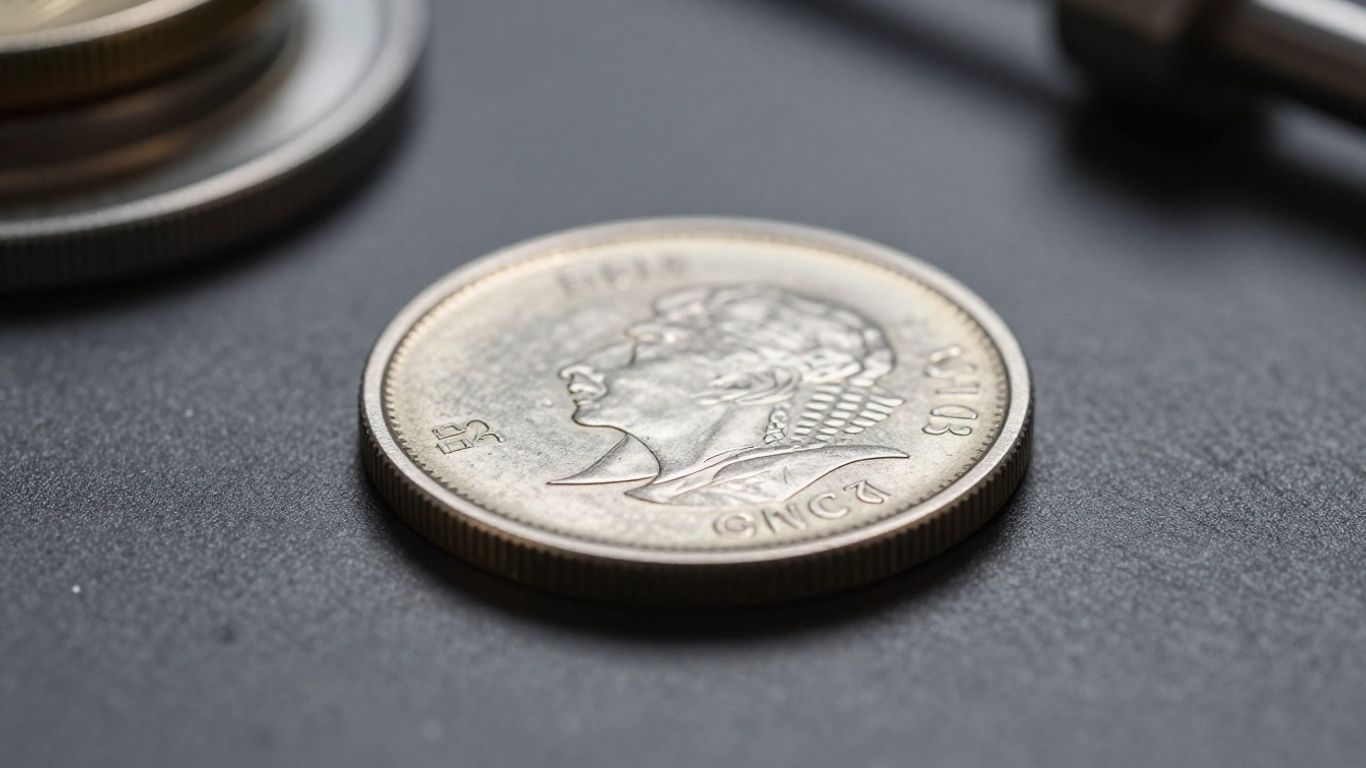
When the orderly process of minting is disrupted, unexpected results can occur. The intersection of different production lines sometimes places the wrong metal blank between the wrong set of dies. This creates a scenario where the physical properties of the planchet contradict the design stamped upon it.
Defining the wrong planchet and off-metal error
A wrong planchet error occurs when a blank intended for one denomination is struck with the dies of another. An off-metal error occurs when a blank is made from the wrong alloy entirely, such as a cent struck on a dime planchet or a dime made on copper composition intended for another coin. These unique mint errors offer a glimpse into the mechanical complexity associated with modern large-scale production.
How production errors escape the mint inspection process
Although the mint employs advanced sensors and weight-sensitive scales, thousands of coins are produced per hour. Occasionally, a single off-spec blank can slip through the screening process, especially if its weight falls within a tolerated range of the intended coinage. Because the system is designed to catch major discrepancies, subtler inconsistencies, often resulting in authentic mint errors, sometimes bypass these automated safeguards during high-speed runs.
Distinguishing authentic mint errors from post-mint damage
Collectors must remain vigilant when evaluating potential finds. Post-mint damage usually occurs through environmental exposure, deliberate tampering, or wear, while true mint errors are forged in the facility. Table 1 below highlights key differences between types of anomalies found on coins:
| Feature Type | Mint Error Origin | Environmental Damage | Authenticated Value |
|---|---|---|---|
| Surface Texture | Original Flow | Pitted or Corroded | Generally Higher |
| Edge Definition | Mechanically Raised | Flattened or Marred | Variable Based on Rarity |
| Design Detail | Correctly Struck | Weakened or Scratched | High with Grading |
Discerning these differences is necessary for ensuring that one does not pay a premium for simple machine-struck damage that has no numismatic merit.
Common types of planchet-related mint errors
Beyond basic placement issues, the sheer physicality of metal manipulation presents many failure points. Identifying these patterns helps specialists categorize the specific nature of a coin anomaly.
Clipped planchets caused by feeding malfunctions
The feeding of metal strips into the press is a high-speed endeavor. If the metal strip misfeeds, the punch may partially overlap an existing hole, creating a clip. This leaves a crescent-shaped vacancy in the final coin. Collectors prioritize these based on the size of the clip, as significant feeding errors indicate specific types of mechanical stress. Following standard industry practice, one should track these using the following identifiers:
- Curved clips occurring at the edge of the disc.
- Straight clips resulting from edge-cut interference.
- Improperly centered feeding alignment issues.
- Blanking press hesitation marks on the planchet.
Once identified, these traits help distinguish incidental edge chips from more severe manufacturing flaws.
Blank planchets: differentiating type 1 and type 2
Not every planchet is struck. Some blanks bypass the striking press entirely. Type 1 blanks are unrimmed, having never passed through the upsetting machine. Type 2 blanks have passed through the rim-forming process but were never pressed against the dies. Because they lack design, they are often difficult to value unless they have clear origins in a mint batch.
Lamination errors and internal metal stress
Internal contaminants within the metal sheet can lead to lamination errors. If oil or air gaps reside inside the metal, parts of the surface may peel away after striking. This process creates a flaky or layered appearance that some collectors identify as lamination flaws. These coins are distinct from simple contact marks, as the metal actually delaminates from the base, revealing the inner structure of the alloy.
Thickness variations and weight discrepancies
Errors in metal sheet rolling are rare but consequential. If a sheet is rolled thinner or thicker than the design requires, the final coin will be noticeably off-weight. While subtle shifts might hold less value, significant variations that prevent proper weight registration draw immediate interest at specialized numismatic auctions.
Off-metal errors versus wrong planchet errors
Distinction is the hallmark of the experienced collector. While the terms are often used interchangeably, the technical reason for the disparity matters when determining the provenance of the issue.
Understanding size and denomination mismatches
If the planchet diameter does not match the die, the resulting strike will be partial or distorted. This is a classic hallmark of a wrong planchet, where the physical size mismatch prevents the full design from appearing. Understanding the denomination mismatch process is crucial for identifying why certain images are truncated on the coin surface.
Struck-over errors on foreign or domestic blanks
Sometimes a coin is struck over an existing coin or a planchet intended for a different country. This indicates a high level of operational failure in the binning department. Such anomalies are exceptionally rare and often command significant attention among serious hobbyists who track these striking error examples.
The role of coin diameter and strike pressure
Strike pressure is calibrated for each specific denomination. Applying high pressure to an undersized planchet might cause the metal to spread unnaturally into the collar, while a larger planchet struck with low pressure results in a weak, poorly defined image. The balance between die force and metal mass is the engine of minting quality.
Assessing the value of planchet error coins
Valuation is not a static calculation. It is a market-driven process that depends on how much the error changes the aesthetic and technical nature of the coin.
Rarity and collector demand for mint mistakes
Collectors pursue errors that display unique, undeniable traits. Much like the UFC marketing strategy builds fan devotion through exclusive behind-the-scenes glimpses, the numismatic error market thrives on the discovery of human error in a machine-driven environment. Scarcity combined with high collector interest drives the final price of the rarest pieces.
Evaluating condition and technical authentication
Authentication by a third-party grading service is standard. Without a slab or certificate of authenticity, many error coins remain speculative. A professional, unbiased assessment of the coin’s grade and error type provides the necessary confidence for both the buyer and the seller to transact fairly.
Detecting sophisticated counterfeit error coins
High-value errors are prime targets for counterfeiters. Altered surfaces, intentionally ground edges, and chemically treated blanks are common tactics used to deceive beginners. Verifying the coin’s weight against historical mint-made error records is a primary defense against investing in fraudulent items.
Preventing and identifying fake mint errors
Accuracy in minting is achieved by balancing the speed of industrial machinery with the rigor of manual inspection and advanced sensing technology to verify every mass-produced disc.
When identifying fakes, one must look for evidence of manual manipulation. True errors originate from the press, whereas artificial errors show signs of post-strike tools or localized damage.
Red flags for artificially created coins
Watch for tool marks around the edges or inconsistencies in the strike depth. If a design looks ‘pushed’ rather than ‘stamped’, it was likely handled after leaving the mint. These visual cues are essential for any collector aiming to build a reputable portfolio of authentic mistakes.
Using professional grading services for validation
Professional services provide a critical layer of security for the numismatic community. They use microscopic analysis to determine if an error happened during the strike or if it occurred long after the coin left the facility. Having an item encapsulated by these experts is the most reliable way to maintain a record of provenance.
Understanding how automated production reduces human error
Modern mints utilize computerized checks to monitor the metal strips and the blanks themselves. These sensors detect variations in thickness or composition long before the coin is struck, significantly reducing the volume of errors. Today, the scarcity of genuine planchet issues is a direct result of these sophisticated, high-speed measurement tools.
Conclusion
Exploring planchet errors offers a deep dive into the mechanical imperfections that occasionally escape the rigorous standardization of modern minting. By studying the distinctions between planchet-related, off-metal, and struck-over errors, enthusiasts can better appreciate the rarity and technical significance of these unique pieces. While technological advancements have minimized these occurrences, the historical specimens that remain serve as a fascinating connection to the physical process of creating the currency used every day.
Frequently Asked Questions
What is a planchet in basic terms?
A planchet is the blank, circular metal disc that has not yet been struck with the specific die design of a coin.
Can I find error coins in my regular change?
Yes, it is possible, though rare, to find mint-error coins in circulation because automated inspection systems occasionally miss anomalies.
Does a clipped planchet indicate a fake coin?
Not necessarily, as clipped planchets occur when metal strips are improperly punched, but they should be verified for authenticity.
Why are off-metal errors so valuable to collectors?
These occur due to rare factory accidents where the wrong metal is used, making them unique compared to millions of standard coins.
How do I tell the difference between damage and an error?
True errors created during the minting process typically show original mint luster, whereas damage often includes scratches or pits not consistent with production.
Should I clean my error coin to improve its look?
No, cleaning a coin can permanently damage the surface and significantly decrease its market value to collectors.
Where can I get an error coin professionally graded?
There are established third-party services that specialize in numismatic authentication and grading, which is recommended for high-value items.