
Thinking about selling your San Francisco Mint coins in San Antonio? It can feel a bit overwhelming, trying to figure out the best way to get a fair price. You want to make sure you’re dealing with trustworthy people and that you understand what your coins are actually worth. This guide is here to help you sort through the process, from finding the right buyers to getting the most for your collection.
Key Takeaways
- When you want to sell San Francisco Mint coins in San Antonio, look for dealers who specialize in the types of coins you have.
- Check a dealer’s reputation by looking for reviews or asking other collectors.
- Understanding coin grading, like what NGC provides, can help you know your coin’s condition and potential value.
- Researching current coin prices and market trends will help you know what to expect when you sell.
- Comparing offers from different buyers and knowing when to sell can help you get the best deal for your San Francisco Mint coins in San Antonio.
Finding Reputable Dealers to Sell San Francisco Mint Coins in San Antonio
When it comes time to sell your San Francisco Mint coins, finding a buyer you can trust is pretty important. You want someone who knows what they’re talking about and will give you a fair shake. In San Antonio, there are a few ways to go about finding these dealers.
Locating Coin Shops and Dealers
Your first step is to find the coin shops and dealers operating in the San Antonio area. Think of it like finding a good mechanic; you want someone local and reliable. A good place to start is by looking online. Many dealers will have websites or listings that tell you a bit about their business. You can also ask around in local collector groups or forums if you’re part of any.
- Online Search Engines: Use terms like "coin dealers San Antonio" or "San Francisco mint coins buyer San Antonio."
- Numismatic Organizations: Check if any local or national coin collecting groups have member directories that include dealers in your area.
- Word of Mouth: Ask fellow collectors or even jewelers who might deal with precious metals if they know reputable coin buyers.
Searching Dealers by Coin Specialty
Not all coin dealers are created equal, and some focus on specific types of coins. Since you have San Francisco Mint coins, you’ll want to find dealers who have experience with U.S. coinage, and ideally, those who appreciate the nuances of mint marks and specific series. Some dealers might specialize in gold and silver, while others might focus on ancient coins or error coins. It’s beneficial to find a dealer whose specialty aligns with the type of coins you possess.
Exploring Coin Stores by Service
Beyond just buying coins, dealers offer various services. Some might focus solely on buying and selling, while others offer appraisals, consignment services, or even coin grading submissions. Consider what you need from the dealer. Are you just looking for a quick sale, or do you want a detailed appraisal first? Understanding their services can help you choose the right fit for your selling goals.
- Buying and Selling: The most straightforward service, where they purchase coins directly from you.
- Appraisals: Offering an expert opinion on your coin’s worth, which can be helpful even if you don’t sell to them.
- Consignment: Selling your coins on your behalf, taking a percentage of the final sale price.
When looking for a dealer, don’t be afraid to ask questions. A good dealer will be happy to explain their process and answer any concerns you might have about selling your San Francisco Mint coins.
Evaluating Potential Buyers for Your San Francisco Mint Coins
When you’re ready to sell your San Francisco Mint coins, finding the right buyer is just as important as knowing the value of your collection. Not all dealers are created equal, and some will be a much better fit for your specific coins than others. It pays to do a little homework before you walk into a shop or agree to a private sale.
Understanding Dealer Specializations
Coin dealers often focus on certain types of coins. Some might specialize in U.S. coins, while others deal in ancient coins or world currency. A dealer who actively buys and sells coins from the San Francisco Mint will likely have a better understanding of their market value and a more established customer base for them. Look for dealers who mention U.S. coinage, particularly if they have experience with Morgan dollars, Peace dollars, or other series that were heavily produced at the San Francisco Mint. This specialization means they’re more likely to recognize the nuances of your coins, like specific mint marks or rare varieties.
Asking Key Questions to Dealers
Before you commit to selling, have a conversation with potential buyers. It’s a good way to gauge their interest and knowledge. Here are some questions to consider:
- What is your experience with San Francisco Mint coins?
- Are you interested in purchasing my coins today, or would you need to find a buyer first?
- How do you determine the value of my coins?
- What payment methods do you offer?
- Do you provide written offers?
It’s important to get a clear understanding of their buying process and how they arrive at their offers. This transparency can help you feel more confident in the transaction.
Assessing Dealer Reputation
Reputation matters a lot in the coin-selling world. You want to work with someone honest and fair. Check online reviews for local coin shops. Look for comments about fair pricing, good customer service, and transparent dealings. You can also ask other collectors or check with local numismatic clubs for recommendations. Sometimes, a dealer with a long history in the business, like Maxferd Jewelry & Loan, has built a solid reputation over many years.
Be wary of dealers who pressure you to sell immediately or offer prices that seem too good to be true. A reputable dealer will take the time to properly assess your coins and provide a fair offer without undue pressure.
The Role of Grading Services in Selling Coins
When you’re looking to sell your San Francisco Mint coins, you might hear a lot about grading services. These services are pretty important in the coin world. They look at your coin and give it a grade, basically a score for how good its condition is. This grade is usually on a scale, and it really affects how much someone might pay for your coin. Think of it like getting a report card for your coin – a better grade often means a higher price.
About the NGC Coin Dealer Locator
One helpful tool out there is the NGC Coin Dealer Locator. It’s basically a directory that helps you find coin shops and dealers. You can search by location, which is handy if you’re trying to find someone in San Antonio. It also lets you look for dealers based on what kind of coins they specialize in. So, if you have specific San Francisco Mint coins, you can try to find a dealer who knows a lot about them. It’s a good starting point for finding places that might be interested in buying your coins.
Benefits of Third-Party Grading
Getting your coins graded by a third party, like NGC (Numismatic Guaranty Company) or PCGS (Professional Coin Grading Service), can be a big deal. These services provide an objective assessment of your coin’s condition and authenticity. When a coin is graded by one of these reputable companies, it comes in a sealed holder, often called a "slab," with the grade and details printed on it. This gives potential buyers a lot of confidence because they know the coin has been looked at by experts who aren’t directly involved in the sale. It takes a lot of the guesswork out of the transaction for both you and the buyer.
Here are some reasons why third-party grading is useful:
- Objectivity: Graders are trained professionals who follow strict standards, reducing personal bias.
- Authenticity: They verify that the coin is genuine and not a counterfeit.
- Standardization: The grading scale is consistent, making it easier to compare coins.
- Marketability: Graded coins often attract more buyers and can command higher prices.
Finding Authorized Dealers
Some grading services, like NGC, have lists of "Authorized Dealers." These are dealers who have met certain requirements set by the grading service. While this doesn’t automatically mean they’re the best buyer for your specific coins, it can be another indicator of a dealer’s standing in the numismatic community. You can often find these lists on the grading services’ websites. It’s just another way to help you find reputable people to talk to about selling your San Francisco Mint coins.
When you’re thinking about selling, especially if you have coins that might be quite valuable, getting them professionally graded beforehand can make a significant difference. It provides a clear, recognized standard that buyers understand and trust, which can simplify the selling process and potentially lead to a better outcome for you.
Understanding Coin Value and Market Trends
Researching Coin Prices
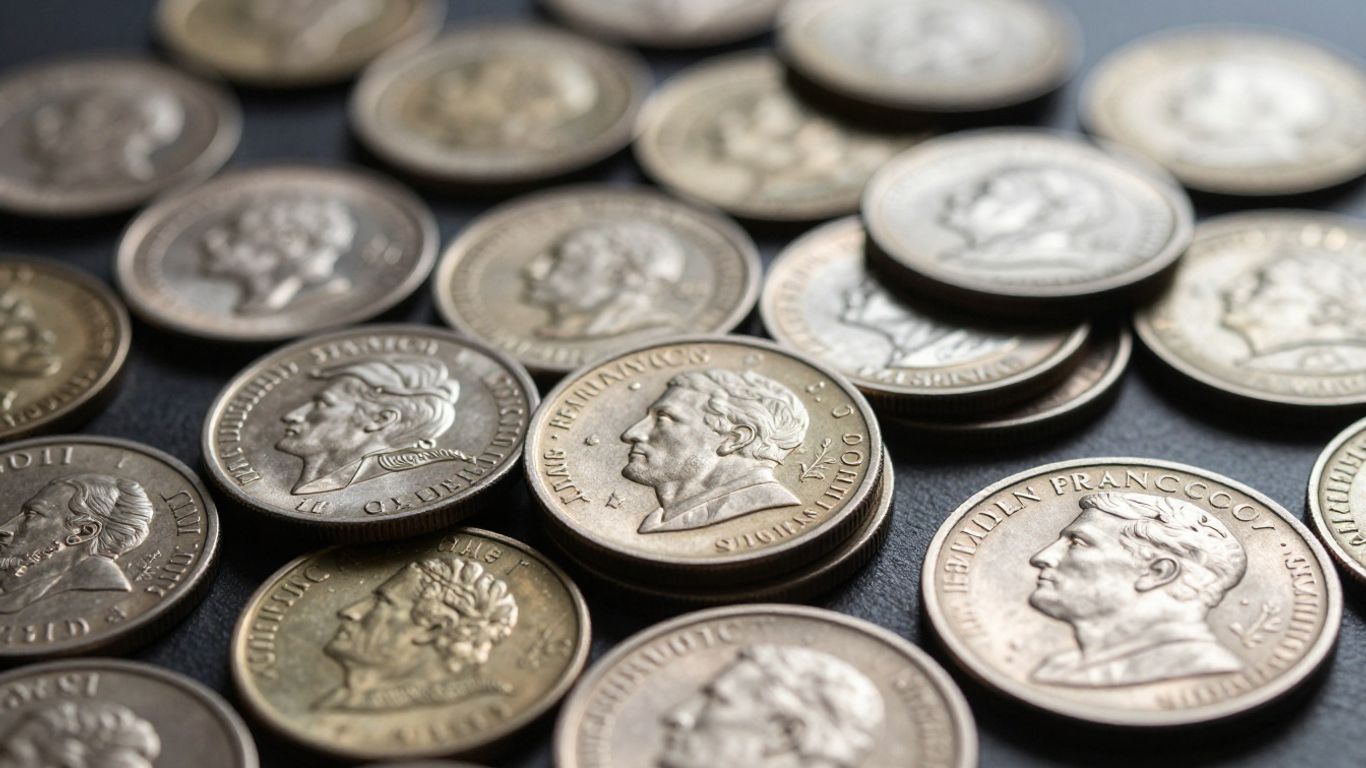
Before you even think about selling your San Francisco Mint coins, it’s a good idea to get a handle on what they might be worth. This isn’t always straightforward, as coin values can shift. You can start by looking at recent sales of similar coins. Online resources, like price guides and auction results, can give you a general idea. Keep in mind that these are often averages, and the actual price you get can depend on many things.
Factors Affecting Coin Value
Several things play a role in how much a coin is worth. The condition of the coin is a big one – a coin that’s worn down won’t fetch as much as one that looks almost new. The rarity of the coin is also important; if only a few were made, it’s likely worth more. The demand for that specific coin at the time you’re selling it matters too. Sometimes, a coin might be rare but not highly sought after, which can affect its price. For San Francisco Mint coins, the specific year and any special mint marks can also influence value.
Here are some common factors:
- Condition (Grade): From heavily worn to pristine, the state of preservation is key.
- Rarity: How many of these coins were originally produced, and how many still exist?
- Demand: Is there a strong interest from collectors for this particular coin?
- Mint Mark: For San Francisco coins, the ‘S’ mint mark is a significant identifier.
- Metal Content: The intrinsic value of the gold or silver in the coin.
Staying Informed on Market Fluctuations
Coin values aren’t set in stone. They can go up and down based on what’s happening in the broader economy, collector trends, and even news events. For instance, if gold prices surge, older gold coins might become more valuable. Similarly, if a particular series of coins suddenly becomes popular with collectors, prices for those coins can rise. It’s helpful to keep an eye on coin collecting news and market reports to get a sense of where things are headed. This can help you decide the best time to sell.
Understanding the market is like watching the weather. You can’t control it, but knowing if a storm is coming or if it’s a clear day helps you plan your activities. For coins, knowing if prices are generally rising or falling can guide your selling strategy. It’s about being aware of the general mood and direction of the coin collecting world.
Preparing Your San Francisco Mint Coins for Sale
Before you take your San Francisco mint coins to a dealer in San Antonio, a little preparation can go a long way. It’s not about making them look shinier than they are, but rather about presenting them in a way that lets their true condition and history shine through. This helps potential buyers see what they’re getting and can lead to a better sale price.
Documenting Your Collection
Start by making a list of all the coins you plan to sell. For each coin, jot down its denomination, the year it was minted, and importantly, the mint mark. For San Francisco coins, you’ll be looking for that distinctive "S" mint mark. Note any unique features or errors you might be aware of. If you have any original packaging or certificates of authenticity, gather those too. This documentation is your first step in showing a buyer you’ve taken care of your collection.
Handling Coins Properly
When you’re handling your coins, always try to touch them by the edges. This might sound simple, but it’s really important. Fingerprints can leave oils on the coin’s surface, and over time, these oils can cause damage or discoloration. This is especially true for older coins or those in high grades. Using cotton gloves is a good idea if you have them, but if not, just be mindful of where you’re touching the coin. The goal is to preserve the coin’s original state as much as possible.
Understanding Coin Condition
Coin condition, often called
Navigating the Selling Process in San Antonio
So, you’ve got some San Francisco Mint coins and you’re looking to sell them here in San Antonio. It might seem a bit daunting at first, but breaking it down makes it much more manageable. The key is to be prepared and know what to expect.
Local Coin Dealers in San Antonio
San Antonio has a number of coin shops and dealers who specialize in buying and selling numismatic items. These are often the most straightforward places to start when you want to get a feel for what your coins might be worth. When you visit, try to have a general idea of what you have, but don’t worry if you’re not an expert. A good dealer will be happy to explain things to you.
Here are a few things to consider when looking for a local dealer:
- Reputation: Look for dealers who have been in business for a while and have positive reviews. Word-of-mouth is often a good indicator.
- Specialization: Some dealers focus on specific types of coins. While many will handle general collections, a specialist might offer a better price for your San Francisco Mint coins if that’s their niche.
- Transparency: A reputable dealer will be open about their buying process and how they arrive at their offers.
Comparing Offers from Buyers
Once you’ve identified a few potential buyers, it’s smart to get more than one offer. This isn’t about playing dealers against each other, but rather about understanding the market value for your specific coins. Different dealers might have different customer bases or inventory needs, which can influence what they’re willing to pay.
When you receive an offer, ask the dealer to explain how they reached that figure. They should be able to point to market comparables or their own pricing structure. It’s also helpful to note any differences in how they assess the condition or rarity of your coins. Remember, the highest offer isn’t always the best if it comes with strings attached or from a less trustworthy source.
Selling coins can feel like a negotiation, and it is to some extent. However, the goal is to reach a fair price that both you and the buyer feel good about. Don’t be afraid to ask questions or to take some time to consider an offer before accepting.
Negotiating Your Sale
Negotiation is a natural part of selling valuable items. If you’ve done your homework and have a good understanding of your coins’ potential worth, you’ll be in a stronger position. If an offer seems low, you can politely explain why you believe it should be higher, perhaps referencing your own research or the condition of the coin. Sometimes, a dealer might be willing to adjust their offer slightly. If you’re selling a collection, you might also be able to negotiate a better overall price for the entire lot rather than selling individual pieces. For those looking to exchange currency or acquire precious metals, places like CXI San Francisco Centre offer various services, though their focus might differ from coin collecting.
Alternative Selling Avenues for San Francisco Mint Coins
Online Coin Marketplaces
Selling your San Francisco Mint coins online opens up a vast audience beyond your local area. Websites dedicated to coin trading allow you to list your items for sale, reaching collectors and investors across the globe. These platforms often provide tools for creating detailed listings, including descriptions and images, which can help attract potential buyers. It’s important to research the fees associated with each marketplace, as they can vary significantly. Some platforms might take a percentage of your sale price, while others have fixed listing fees.
When listing your coins, be as thorough as possible. Include details like the coin’s condition, any certifications it has, and its specific mint mark (in this case, ‘S’ for San Francisco). High-quality photographs from multiple angles are also a must. Consider the following when choosing an online marketplace:
- Reputation: Look for platforms with a good track record and positive user reviews.
- Fees: Understand the commission rates, listing fees, and any other charges.
- Audience: Does the platform cater to serious coin collectors or a more general audience?
- Payment Security: Ensure the platform offers secure payment processing for both buyer and seller.
Coin Auctions
Auctions can be an exciting way to sell your San Francisco Mint coins, especially if you have rare or high-value items. Both online and physical auctions can generate competitive bidding, potentially leading to a higher sale price than you might achieve through a direct sale. Online auction houses have become increasingly popular, offering convenience and a wide reach. Physical auctions, while perhaps less common for coins specifically in San Antonio, still exist and can provide a different kind of buyer engagement.
Here’s a general idea of how the auction process might work:
- Submission: You submit your coin(s) to the auction house for evaluation.
- Cataloging: The auction house will research, describe, and photograph your coin for the auction catalog.
- Auction Day: Your coin is put up for bid.
- Sale: If the reserve price is met, the coin sells, and the auction house takes a commission.
Be aware that auction houses typically charge a seller’s commission, which is a percentage of the final hammer price. It’s wise to understand this fee structure upfront and compare it between different auction houses.
Private Collectors
Connecting directly with private collectors can sometimes yield the best results, especially if you know someone interested in the specific types of San Francisco Mint coins you possess. This method often bypasses the fees associated with marketplaces and auction houses. However, finding these collectors can be the biggest challenge. You might network through local coin clubs, attend coin shows, or even advertise your coins in specialized numismatic publications or forums. Building a relationship with a collector can lead to a smoother transaction, as they often have a deep appreciation for the coins themselves rather than just their market value.
Key Considerations When Selling San Francisco Mint Coins
Before you hand over your San Francisco mint coins, there are a few things to think about. It’s not just about finding a buyer; it’s about making sure you get a fair deal and that your coins go to someone who appreciates them. Let’s break down some of the important points.
Identifying Your Coins' Mint Mark
The mint mark is like a coin’s fingerprint, telling you where it was made. For coins from the San Francisco Mint, you’ll be looking for an ‘S’ mint mark. This little letter is usually found on the reverse (back) of the coin, often below the design, or on the obverse (front) below the date or a feature like a wreath. Knowing this mark is the first step in understanding what you have. It’s not just about knowing it’s from San Francisco; it helps distinguish it from coins made at other mints, which can significantly affect its value.
Understanding Rarity and Demand
Some coins are just plain harder to find than others. This rarity, combined with how many people actually want to buy that specific coin (demand), is a big driver of price. A coin might be rare, but if nobody’s looking for it, its value won’t be as high. Conversely, a coin that’s not super rare but is highly sought after by collectors can fetch a good price. For San Francisco mint coins, factors like the year of mintage, the specific denomination, and whether it was part of a special issue can all play a role in how rare and in-demand it is.
Here’s a quick look at how rarity and demand can influence value:
| Rarity Level | Demand Level | Potential Value Impact |
|---|---|---|
| Low | Low | Generally Lower |
| Low | High | Moderate to High |
| High | Low | Moderate |
| High | High | Potentially Very High |
The Importance of Authenticity
This is a big one. You want to be sure your coins are the real deal, and buyers will want that assurance too. Counterfeit coins exist, and they can fool even experienced eyes. If you have any doubts about a coin’s authenticity, especially for more valuable pieces, getting it authenticated by a reputable third-party grading service is a smart move. This not only protects you from unknowingly selling a fake but also gives potential buyers confidence, which can lead to a better selling price.
When selling your San Francisco mint coins, remember that authenticity is key. Buyers are looking for genuine pieces, and any doubt can significantly lower the perceived value. If you’re unsure about a coin’s origin or if it seems too good to be true, it’s always best to get it checked out by a professional before putting it on the market.
Maximizing Your Return When Selling Coins
Getting the best price for your San Francisco Mint coins involves a bit of planning and smart strategy. It’s not just about finding a buyer; it’s about finding the right buyer and presenting your coins in the best possible light. Think of it like preparing anything valuable for sale – a little extra effort upfront can make a big difference in the final outcome.
Timing Your Sale Strategically
Coin values can shift based on market demand and economic conditions. While it’s impossible to predict the market perfectly, being aware of general trends can help. For instance, if there’s a surge in interest for a particular series of coins, or if precious metal prices are high, it might be a good time to sell. Keep an eye on numismatic news and market reports. Sometimes, waiting a few months can mean a noticeable difference in what a buyer is willing to pay.
Presenting Your Coins Effectively
How you present your coins matters. This doesn’t mean cleaning them – in fact, improper cleaning can significantly devalue a coin. Instead, focus on presentation and documentation.
- Organize your collection: Group similar coins together. If you have them in protective holders, keep them that way.
- Gather all relevant information: This includes any purchase receipts, previous appraisals, or historical notes you might have about the coins.
- Take clear photos: If you’re selling online or sending photos to potential buyers, ensure the images are well-lit and show the coin clearly from both sides.
Remember, a coin’s condition is paramount. Avoid touching the coin’s surface directly with your fingers, as oils can cause damage over time. Use soft cotton gloves or hold the coin by its edges.
Considering Professional Appraisal
For particularly rare or valuable San Francisco Mint coins, a professional appraisal can be a wise investment. An experienced numismatist can provide an accurate assessment of your coin’s worth, taking into account its condition, rarity, and current market demand. This appraisal can give you a solid baseline for negotiations and help you avoid selling your coins for less than they’re worth. While there’s a cost associated with appraisals, it can often pay for itself by ensuring you get a fair price.
Resources for Coin Collectors and Sellers
When you’re looking to sell your San Francisco Mint coins, having the right information and tools at your disposal can make a big difference. It’s not just about finding a buyer; it’s about understanding the market, knowing your coins’ worth, and making sure you get a fair deal. Luckily, there are several excellent resources available to help you through this process.
NGC Coin Dealer Locator
The NGC Coin Dealer Locator is a handy tool designed to help you find coin shops and dealers in your area. Whether you’re looking to buy or sell, this directory lists businesses that handle various types of coins, including US coins, world coins, and ancient coins. You can search by location and even by coin specialty to find dealers who might be particularly interested in your San Francisco Mint coins. It’s a good starting point for identifying potential buyers right in San Antonio.
Benefits of Third-Party Grading
While not strictly a selling resource, understanding third-party grading services like NGC (Numismatic Guaranty Company) is important. These services authenticate and grade coins, providing a standardized assessment of their condition and authenticity. A coin that has been professionally graded by a reputable service often commands a higher price and attracts more serious buyers. It removes a lot of the guesswork for potential purchasers and can give you more confidence when setting a price.
Finding Authorized Dealers
Many grading services maintain lists of authorized dealers. These are professionals who have met certain criteria and are often well-versed in the coin market. Working with an authorized dealer can sometimes streamline the selling process, as they are typically experienced in handling transactions and understanding coin values. You can often find these lists on the grading services’ websites, which can be a good way to connect with established professionals in the numismatic community. For instance, if you’re looking for auction houses, you might find places like Stack’s Bowers Galleries that have a strong presence in the market.
Having reliable information is key when selling any collectible. Don’t hesitate to use the tools available to research prices, understand market trends, and identify reputable buyers. This preparation will help you feel more confident and secure throughout the selling process.
Here are some additional resources that can be quite useful:
- NGC Coin Buying Guide: This guide offers insights into how coins are bought and sold, helping you understand the general market dynamics and what buyers look for.
- NGC Price Guide: While not a definitive appraisal, the price guide can give you a ballpark idea of what certain coins are selling for. Remember that actual selling prices can vary based on condition, demand, and the specific buyer.
- NGC Census Information: The census provides data on how many coins of a particular type and grade have been certified. This can help you understand the rarity of your San Francisco Mint coins, which is a significant factor in their value.
Utilizing these resources can help you approach the sale of your San Francisco Mint coins with more knowledge and a clearer strategy.
Wrapping Up Your Coin Sale
So, you’ve got these San Francisco Mint coins and you’re looking to sell them here in San Antonio. It’s not as complicated as it might seem. We’ve talked about a few places where you can take them, from local coin shops to dealers who specialize in what you have. Remember to do a little homework first – know what you’re selling and maybe get a couple of opinions if you can. It’s always a good idea to shop around a bit to make sure you’re getting a fair deal. Selling coins can be a straightforward process if you go about it the right way. Good luck with your sale!
Frequently Asked Questions
How do I find places in San Antonio that buy San Francisco Mint coins?
To find dealers in San Antonio who purchase coins from the San Francisco Mint, you can start by searching online for “coin dealers San Antonio” or “coin shops San Antonio.” Many dealers specialize in certain types of coins, so look for those that mention buying or selling U.S. coins or specific mint marks. Checking online directories like the NGC Coin Dealer Locator can also help you find reputable businesses.
What makes a coin dealer reputable?
A reputable coin dealer is usually transparent, knowledgeable, and fair. They should be willing to answer your questions clearly and provide a reasonable offer for your coins. Look for dealers who have positive reviews online or who are members of professional numismatic organizations. A dealer who specializes in the types of coins you have, like those from the San Francisco Mint, is often a good sign.
Should I get my San Francisco Mint coins graded before selling them?
Getting your coins graded by a trusted third-party service like NGC (Numismatic Guaranty Company) can increase their value and make them more attractive to buyers. Grading provides an objective assessment of a coin’s condition and authenticity. While it costs money, a high grade can often result in a significantly higher selling price, especially for rare or valuable San Francisco Mint coins.
How can I figure out the value of my San Francisco Mint coins?
To get an idea of your coins’ worth, you can research recent sales prices for similar coins. Look at online coin price guides, auction results, and dealer websites. Consider factors like the coin’s date, condition, rarity, and whether it has a mint mark (like ‘S’ for San Francisco). Understanding these details will help you know if you’re getting a fair offer.
What's the best way to prepare my coins for a sale?
Before selling, it’s best to handle your coins carefully by their edges to avoid damaging them. Do not clean or polish your coins, as this can significantly reduce their value. If possible, gather any original packaging or documentation that came with the coins. Knowing the specific details of each coin, such as its date and mint mark, will also be very helpful when talking to dealers.
Should I compare offers from different coin buyers?
Absolutely. It’s wise to get quotes from several different coin dealers or buyers before accepting an offer. Each buyer might have a different perspective on your coin’s value based on their own inventory needs and customer base. Comparing offers helps ensure you get the best possible price for your San Francisco Mint coins.
Are there other ways to sell my coins besides local shops?
Yes, there are other options. You can sell your coins through online marketplaces, which reach a wider audience. Coin auctions, both online and in-person, can also be a good way to sell rarer or more valuable items. Sometimes, collectors who are specifically seeking certain coins might be interested in buying them directly from you.
What is a mint mark, and why is it important for San Francisco coins?
A mint mark is a small letter or symbol on a coin that shows where it was made. For coins from the San Francisco Mint, you’ll typically see an ‘S’ mint mark. This mark is crucial because it helps identify the coin’s origin and can significantly affect its rarity and value. Coins from different mints, even if they have the same date, can be worth very different amounts.