
If you’ve ever collected coins, you know how quickly they can pick up scratches, dings, or even corrosion. In San Antonio, the weather and handling can make coin damage a real headache for collectors. Whether your coins are family keepsakes or part of a growing collection, knowing how to spot and fix coin damage in San Antonio can help keep your collection looking its best and holding its value. Let’s look at some key points to keep in mind when dealing with damaged coins in the area.
Key Takeaways
- Coin damage in San Antonio often comes from handling, storage, or local environmental factors like humidity.
- Professional inspection can help spot subtle problems and show how damage might affect a coin’s value.
- Gentle cleaning and proper handling prevent further damage, but deeper repairs should be left to specialists.
- Corrosion and pitting can sometimes be stabilized, but not all coins can be fully restored.
- Choosing the right local repair or restoration service is important for protecting your coins and their value.
Understanding Coin Damage in San Antonio
When you’re building a coin collection, especially here in San Antonio, you’ll eventually run into coins that aren’t in perfect shape. It’s just part of the hobby. Knowing what to look for and how it affects your coins is pretty important if you want to keep them looking good and holding their value. Damage can happen in a lot of ways, from how a coin is handled to how it’s stored over time.
Common Types of Coin Damage
Coins can get damaged in many ways. Some are obvious, while others are more subtle. Understanding these different types is the first step to figuring out what you’re dealing with.
- Scratches and Abrasions: These are marks on the surface. They can be fine lines or deeper gouges. They often happen when coins rub against each other or hard surfaces.
- Corrosion: This is when a coin’s metal reacts with its environment, leading to pitting, discoloration, or a powdery surface. It’s often caused by moisture or chemicals.
- Bends and Dings: Physical impacts can cause coins to bend, warp, or develop dents. This is more common with larger or softer metal coins.
- Cleaning Marks: Improper cleaning can leave its own kind of damage, like hairlines from aggressive scrubbing or a dull, unnatural appearance.
Identifying Surface Scratches and Dings
Looking closely at a coin’s surface is key. Scratches often appear as lighter lines against the coin’s natural color. Dings might look like small dents or flattened spots, especially on the high points of the design. Sometimes, a coin might have been dropped, leading to multiple dings or even a bend. It’s helpful to examine coins under good light, perhaps with a magnifying glass, to spot these issues. If you’re looking to buy or sell, knowing about these marks can help you understand coin values.
Recognizing Environmental Corrosion
Corrosion is a bit trickier. It can range from a slight discoloration to a rough, pitted surface. Sometimes, coins stored in damp places or in contact with acidic materials can develop a green or brown crust. This is often called patina, but true corrosion is damaging. It eats away at the metal. A coin that looks dull or has a powdery residue might be suffering from environmental damage. It’s a good idea to get a professional opinion if you suspect significant corrosion.
Dealing with damaged coins can be frustrating, but it’s also an opportunity to learn more about coin care. Sometimes, what looks like damage might just be wear from circulation, which is different. It’s all about careful observation and knowing the difference.
Here’s a quick look at common damage types:
| Damage Type | Appearance |
|---|---|
| Scratches/Abrasions | Lines, gouges, or dull spots on the surface |
| Corrosion | Pitting, discoloration, powdery texture |
| Bends/Dings | Warped shape, dents, or flattened areas |
| Cleaning Marks | Unnatural shine, hairlines, dullness |
Professional Coin Inspection Services
Expert Evaluation of Your Collection
When you’ve got coins that you suspect might have some issues, or maybe you just want to know their true condition, getting a professional look-over is a smart move. Think of it like taking your car to a mechanic for a check-up; you want someone who knows what they’re doing to spot things you might miss. In San Antonio, there are folks who specialize in this, looking at your coins with a trained eye to see beyond the obvious. They can tell if a scratch is just a surface mark or something more serious, or if that bit of discoloration is just age or the start of something that could eat away at the metal.
Detecting Subtle Imperfections
It’s amazing what a trained eye can spot. Sometimes, damage on a coin isn’t a big, obvious gash. It can be tiny pits, faint scratches that only show up under magnification, or even slight bending that you might not notice at first glance. These little things can really affect how a coin is valued, especially if you’re thinking about selling it or getting it graded. Professionals use special tools, like magnifying loupes and even digital microscopes, to get a really close look. They’re trained to recognize patterns of wear and damage that are common to different types of coins and different eras.
Assessing Damage Impact on Value
This is where it really counts, right? A coin might look okay to you, but if it has damage, its value can drop significantly. A professional inspection isn’t just about finding flaws; it’s about understanding what those flaws mean for the coin’s worth. They’ll consider:
- Type of Damage: Is it a scratch, a dent, corrosion, or something else?
- Severity: How deep or widespread is the damage?
- Location: Is the damage on a key part of the coin’s design?
- Coin Type: Some coins are more susceptible to certain types of damage, and collectors might be more forgiving of damage on rarer pieces.
Knowing the extent of damage helps you understand if a coin is worth repairing or if its value is already significantly impacted. It’s about getting a realistic picture of your collection’s worth.
Sometimes, a coin might have what looks like damage, but it’s actually part of its natural toning or patina. A good inspector can tell the difference. They’ll look at things like:
- Surface Scratches: Fine lines that disrupt the coin’s surface.
- Dings and Nicks: Small, localized impacts.
- Corrosion: Pitting or discoloration caused by environmental factors.
- Cleaning Marks: Evidence of improper cleaning that can harm the surface.
Repairing Scratches and Abrasions
Scratches and abrasions are common issues that can affect the appearance of coins. These marks can range from faint hairlines to deeper gouges, often caused by improper handling, storage, or cleaning attempts. Addressing these imperfections requires a delicate touch to avoid causing further damage.
Gentle Cleaning Techniques
When dealing with minor surface marks, gentle cleaning can sometimes help. The goal is to remove any surface dirt that might be making the scratch more noticeable without abrading the coin’s surface further.
- Distilled Water Soak: A short soak in distilled water can loosen surface grime. Pat dry with a soft, lint-free cloth.
- Mild Soap Solution: For slightly more stubborn dirt, a very dilute solution of a pH-neutral soap (like pure castile soap) in distilled water can be used. Rinse thoroughly with distilled water afterward.
- Avoid Rubbing: Never rub the coin’s surface, even with a soft cloth. This can create new scratches or spread existing ones.
Polishing Methods for Minor Scuffs
Polishing is a more aggressive approach and should be undertaken with extreme caution, as it can remove metal and alter the coin’s surface. For very minor scuffs that are not deep, a specialized coin polishing compound might be considered, but this is generally not recommended for valuable or collectible coins.
- Specialized Compounds: If you choose to use a polishing compound, select one specifically designed for coins and test it on a less significant area first, if possible.
- Application: Apply a tiny amount of the compound to a soft cotton swab and gently dab at the affected area. Do not rub back and forth.
- Evaluation: Immediately after application, rinse the coin thoroughly to remove all traces of the compound.
When to Seek Professional Intervention
For anything beyond the most superficial marks, or if the coin has significant collectible value, it is almost always best to consult a professional. Attempting repairs yourself can easily devalue a coin, sometimes permanently. Professionals have the tools and knowledge to assess the damage and determine if any intervention is possible without harming the coin’s integrity or grade. They can often identify the cause of the damage and advise on preventing it in the future.
Attempting to remove scratches or abrasions from a coin can be a risky endeavor. The metal on a coin is often quite soft, and even seemingly gentle methods can lead to unintended consequences, such as altering the coin’s surface texture or removing original mint luster. For most collectors, the safest course of action is to leave such issues unaddressed or to seek expert advice before attempting any form of repair.
Addressing Corrosion and Patina Issues
Corrosion and patina are two distinct but often related challenges when it comes to coin preservation. While patina can sometimes be desirable, indicating age and authenticity, corrosion is almost always detrimental. Understanding the difference and how to manage them is key to maintaining your collection’s integrity.
Stabilizing Corroded Surfaces
Corrosion on coins, often appearing as powdery green or white deposits (verdigris) on copper or bronze coins, or dark spots on silver, is a sign of active deterioration. Left unchecked, it can eat away at the metal, causing irreversible damage. The first step is to halt this process. This usually involves careful cleaning to remove loose corrosion products without disturbing the underlying metal. For severe cases, professional intervention is often necessary to stabilize the coin and prevent further degradation. Think of it like treating a wound; you need to clean it and protect it to allow healing.
Preserving Original Patina
Patina, on the other hand, is a surface layer that forms over time due to natural chemical reactions. On many coins, especially older ones, a desirable patina can actually add to the coin’s aesthetic appeal and historical character. It’s a sign of age and can be a mark of authenticity. The goal here isn’t removal, but preservation. This means avoiding harsh cleaning methods that could strip away this natural coloration. Gentle handling and proper storage are paramount to keeping the patina intact and stable. Sometimes, a light surface cleaning might be needed to remove superficial dirt that obscures the patina, but this should be done with extreme caution. For those interested in the conservation of metal objects, understanding these processes is quite involved [0609].
Consulting Specialists for Severe Corrosion
When corrosion is extensive, deeply pitted, or affecting the coin’s structural integrity, attempting repairs yourself can do more harm than good. This is where seeking out specialists becomes important. These professionals have the tools, knowledge, and experience to assess the damage accurately and determine the best course of action. They can employ specialized techniques to stabilize the coin, remove active corrosion, and sometimes even fill minor pits, all while trying to minimize any impact on the coin’s overall appearance and value. It’s a delicate balance, and their guidance is often indispensable for rare or valuable pieces.
Here’s a quick look at common corrosion indicators:
- Green/White Powdery Deposits: Typically seen on copper and bronze coins.
- Dark Spots or Pitting: Common on silver and gold coins.
- Surface Flaking: Can occur on various metal types as corrosion progresses.
It’s important to remember that not all surface changes are damage. Patina, when developed naturally over a long period, can be a sign of a coin’s history and should often be preserved rather than removed. Aggressive cleaning to remove what appears to be dirt might actually be stripping away a valuable historical layer.
Restoring Bent or Deformed Coins
Bent or warped coins can be a real headache for collectors. Even minor bends can greatly decrease both eye appeal and value. If you’re considering bringing a coin back to shape, caution and patience go a long way.
Careful Straightening Techniques
- Always assess the level of bend or warp before attempting any fix.
- Place the coin between two flat, non-abrasive surfaces. Slowly apply gentle, even pressure — never use hammers or pliers.
- For very slight bends, simply sandwiching the coin between thick books and waiting a few days sometimes helps.
Minimizing Further Damage
- Never heat the coin; temperature changes may impact its surface or luster.
- Use soft materials (like microfiber cloth or thin flexible pads) to protect surfaces during any pressure-based repair.
- Inspect the coin often while working. Stop if you see cracking, splitting, or odd noises.
Evaluating Repair Feasibility
| Severity of Bend | DIY Fix Possible? | Professional Needed? |
|---|---|---|
| Small/slight | Usually | Rarely |
| Moderate curve | Sometimes | Often |
| Sharp crease | Unlikely | Always |
Rushing to restore a badly bent coin often does more harm than good. If there’s any doubt, bringing it to a professional increases your chances of saving the coin’s value.
In the end, not every warped coin can or should be straightened. Sometimes, the risk outweighs the reward—especially for rarer pieces. Handle repairs with a steady hand and an open mind about the outcome.
Handling Surface Pitting and Gouges
Assessing the Depth of Pits
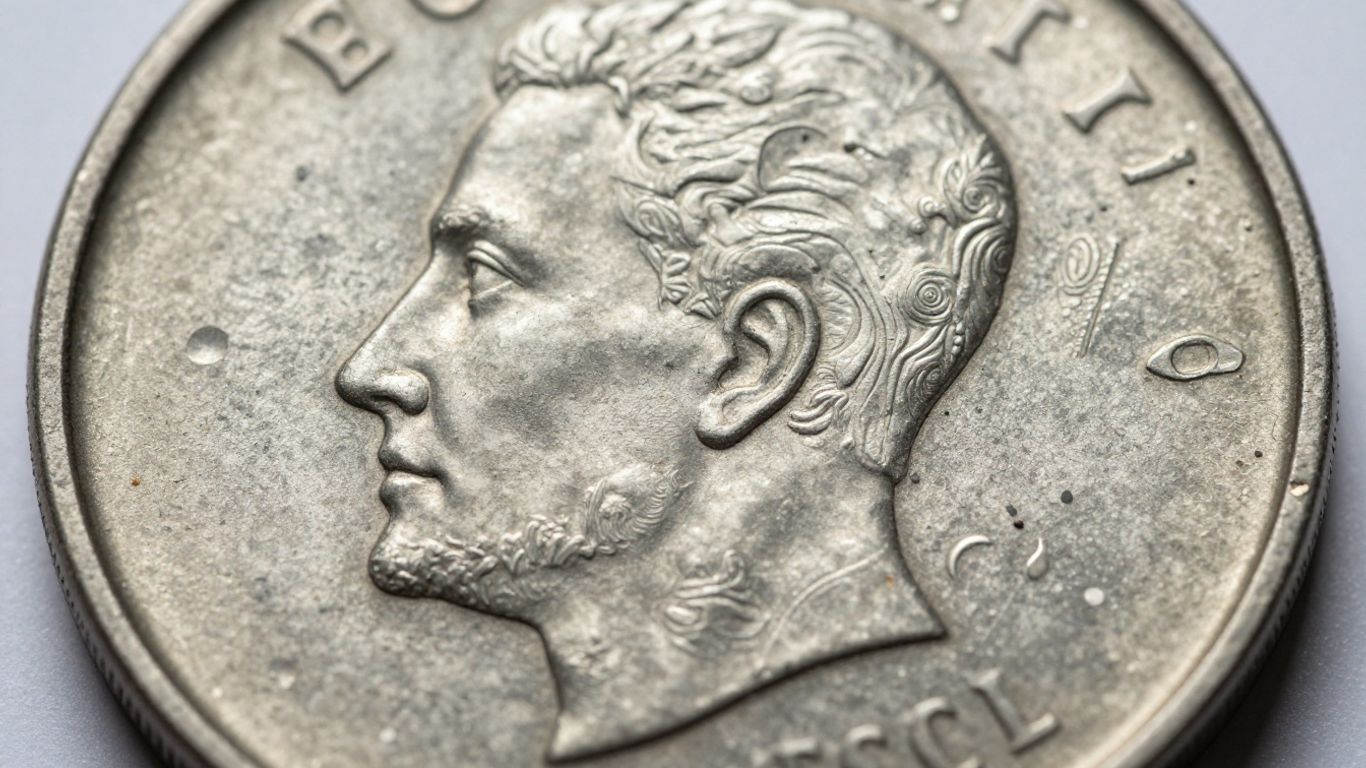
When you find pitting or gouges on a coin, the first thing to figure out is how bad it is. Pitting means there are small, rough spots, almost like tiny craters. Gouges are deeper cuts or scrapes. You need to look closely to see if these are just on the surface or if they go deeper into the metal. A magnifying glass or a jeweler’s loupe can really help here. The depth matters a lot because it tells you if anything can even be done about it.
Fill Techniques for Small Pits
For really small pits, sometimes a skilled person can fill them in. This isn’t like filling a pothole in the road, though. It’s a delicate process. Think of it like adding tiny bits of metal to smooth things out. It takes a lot of practice and the right tools. The goal is to make the surface look more even without making it obvious that work was done. It’s tricky, and not always successful, especially if the pits are widespread.
Limitations of Repairing Deep Gouges
Deep gouges are a whole different story. It’s usually not possible to truly repair a deep gouge on a coin without leaving some sign of the repair. Trying to fill a deep cut often makes the area look unnatural or can even damage the surrounding metal. In the coin collecting world, originality is key. Any attempt to fix a deep gouge will likely be visible to an expert and will definitely affect how the coin is graded and its value. For most collectors, it’s better to accept the damage than to try a repair that will be obvious.
When dealing with coin damage, especially pitting and gouges, it’s important to remember that less is often more. Aggressive attempts to fix these issues can sometimes create more problems than they solve, leading to a coin that looks altered and loses its appeal to collectors.
Preventing Future Coin Damage
Caring for your coins is not just about fixing the issues you see now; it’s about making sure new problems don’t show up in your collection. A few good habits can keep your coins safe for years to come.
Proper Coin Storage Solutions
It’s easy to underestimate how storage conditions affect the state of your coins. To minimize future damage, consider these tried-and-true storage methods:
- Use acid-free holders or flips to avoid chemical reactions.
- Store coins in individual capsules or soft cloth pouches for added protection.
- Choose albums or cases designed specifically for coins, avoiding PVC materials which can release harmful fumes.
Here’s a quick table comparing common storage options:
| Storage Type | Protection Level | Risk of Damage | Best For |
|---|---|---|---|
| Coin album | Moderate | Medium | Long-term display |
| Coin flip (non-PVC) | Good | Low | Short-term handling |
| Airtight capsule | Excellent | Very Low | High-value coins |
| Plastic bag | Poor | High | Never recommended |
Handling Coins Safely
Even clean hands can leave oils behind. Mishandling is a major cause of scratches and other damage:
- Pick up coins by their edges, never the faces.
- Wear cotton gloves to prevent fingerprints or residue.
- Avoid cleaning coins unless absolutely necessary. If you must, use the gentlest method available.
Environmental Controls for Collections
San Antonio’s humidity and temperature shifts can do a number on coin metals. To create the right conditions for your collection:
- Keep coins in a room with stable temperature, ideally below 75°F.
- Use silica gel packets or dehumidifiers to control moisture in storage areas.
- Don’t store coins in attics, garages, or basements where weather changes are most dramatic.
Sometimes, one careless moment while moving a box or stacking piles can leave a mark that lasts forever. Taking time up front to create the right home for your collection can save you endless frustration later.
Specialized Coin Repair in San Antonio
When your coin collection has seen better days, finding the right help in San Antonio is key. It’s not like fixing a leaky faucet; coins, especially valuable ones, need a delicate touch. You can’t just grab any old tool. Finding a local expert who understands numismatics is the first step to restoring your damaged pieces.
Finding Local Coin Restoration Experts
San Antonio has a few places that might seem like they can help, but not all are created equal. Think about jewelers or antique shops. Some might have the skills for very minor work, like a gentle clean. However, for actual damage like scratches, corrosion, or bending, you need someone who specializes in coins. This often means looking beyond the usual suspects. Sometimes, a dedicated coin dealer or a collector with a known reputation for restoration work is your best bet. Ask around at local coin shows or clubs if you can find them. These folks usually know who does good work and who to avoid.
Understanding Repair Costs
Repairing coins isn’t cheap, and the price can jump around a lot depending on what’s wrong. A simple cleaning might cost you $10-$20, but if you’re looking at fixing a deep scratch or some serious corrosion, you could be looking at $50, $100, or even more. It really depends on how much work is needed and how rare the coin is. A common coin might not be worth the repair cost, but a rare one? That’s a different story.
Here’s a rough idea:
| Type of Damage | Estimated Cost Range |
|---|---|
| Light Cleaning | $10 – $30 |
| Minor Scratch Polish | $30 – $75 |
| Corrosion Treatment | $50 – $150+ |
| Straightening (minor) | $75 – $200+ |
Keep in mind these are just guesses. Always get a quote before you agree to anything.
Choosing the Right San Antonio Service
So, how do you pick the right person or shop? First, ask for references or look for reviews. See if they have before-and-after pictures of their work. A good restorer will be upfront about what can and cannot be fixed, and they won’t promise miracles. They should also explain the process and the potential impact on the coin’s grade and value. If someone guarantees they can make a damaged coin look perfect, be very wary. True restoration aims to stabilize and improve a coin’s condition without making it look unnaturally altered. It’s a fine line, and the best services respect that.
The Role of Professional Cleaning
Professional cleaning plays a big part in coin maintenance, especially in areas as humid as San Antonio. Even small particles of dust or spots you think are harmless can eat away at a coin’s surface over time. A thoughtful approach to cleaning helps keep coins looking their best without risking further damage or loss of value. Below, we’ll break down what safe professional cleaning really means for coin collectors in San Antonio.
Safe Cleaning Methods for Coins
- Use only mild soap and distilled water for basic dirt removal. Avoid regular tap water, which can leave mineral deposits.
- Pat dry with soft, lint-free cloths—never rub, as this causes micro-scratches.
- Always use cotton gloves to prevent skin oils from contacting the coin’s surface.
- For more sensitive coins or antiques, ultrasonic cleaners (operated by professionals) can be a safe alternative.
If you’re ever unsure about the best method, local experts at Alamo Heights Coin Shop are experienced in proper coin cleaning.
Avoiding Harmful Cleaning Agents
Many everyday cleaners can permanently damage coins. Here’s what to avoid:
- Acidic solutions (like vinegar or lemon juice)
- Abrasive powders or scrubbing pads
- Tarnish removers not made specifically for coins
Using the wrong product may remove patina or original surface matter, which often lowers a coin’s value significantly. Some cleaning products are advertised as gentle but may leave irreversible chemical marks.
When Professional Cleaning is Advised
- If a coin is extremely valuable, rare, or has historical significance
- When stubborn stains, green spots (verdigris), or difficult residues remain after gentle cleaning
- Before submitting coins for grading or auction
| Scenario | DIY Cleaning? | Professional Only? |
|---|---|---|
| Modern low-value coins | ✓ | |
| High-value, old coins | ✓ | |
| Removing sticky residue | ✓ | |
| Treating corrosion or encrust | ✓ |
Quick DIY cleaning is fine if you know the coin’s value is low, but if you ever hesitate—even for a second—about its worth or rarity, leave the job to skilled pros. The risks to both appearance and resale value are too high to cut corners.
Preserving Coin Integrity and Value
Balancing Repair and Preservation
When you’re looking at a coin that’s seen better days, the first thought might be to fix it up. But here’s the thing: not all repairs are created equal, and some can actually hurt the coin’s worth more than they help. It’s a delicate dance between making a coin look better and keeping its original character. Sometimes, a little bit of wear or even some minor damage is part of a coin’s story, and trying to erase it completely can backfire. Think about it like an old house; you want to fix the leaky roof, sure, but you probably don’t want to rip out all the original woodwork just to make it look brand new. The goal is to keep the coin as close to its original state as possible, only intervening when absolutely necessary.
Impact of Repairs on Coin Grading
Coin grading is a big deal for collectors, and how a coin is treated before it gets graded matters a lot. If a coin has been cleaned aggressively, polished too much, or had repairs done that aren’t obvious or well-executed, a professional grader will notice. This can lead to a lower grade, which directly affects how much the coin is worth. For instance, a coin that might have been a "very fine" condition could be downgraded to "good" if it shows signs of tampering. It’s often better to leave a coin as is, even with its flaws, than to attempt a repair that will be visible to a grader.
Here’s a general idea of how different types of interventions can affect a coin’s grade:
| Intervention Type | Potential Grade Impact | Notes |
|---|---|---|
| Gentle Cleaning | Minimal to None | If done correctly, may not affect grade. |
| Aggressive Cleaning | Significant | Can result in a "cleaned" designation. |
| Polishing | Significant | Removes metal, alters surface texture. |
| Minor Scratch Repair | Moderate | Depends on visibility and skill of repair. |
| Major Damage Repair | Severe | Can drastically lower the grade and value. |
| Natural Patina Preservation | Positive | Often viewed favorably by graders. |
Maintaining Your Collection's Worth
Keeping your coin collection valuable means being smart about how you handle and store your coins. It’s not just about buying rare pieces; it’s about taking care of what you have. This means using the right storage materials – think inert plastics, not just any old box. It also means handling coins by their edges, not touching the surfaces. If you’re thinking about cleaning or repairing a coin, it’s usually best to consult with a professional who knows coins. They can tell you if a repair is worth the risk or if it’s better to leave the coin alone. A well-maintained collection, even with some imperfections, will generally hold its value better over time than one that has been damaged by improper care.
When considering any work on your coins, always ask yourself if the potential improvement in appearance is worth the risk of devaluing the piece. Sometimes, the most valuable action is inaction.
Wrapping Up Coin Care in San Antonio
So, we’ve talked about spotting damage on your coins and what you can do about it right here in San Antonio. It’s not always easy, and sometimes, trying to fix things yourself can actually make them worse. That’s why knowing when to call in the pros is pretty important. Whether it’s a rare find or just something you cherish, getting expert help can make sure your coins stay in the best shape possible. Don’t hesitate to reach out to local specialists if you’re unsure about any repairs. They’ve got the right tools and know-how to handle delicate items without causing more harm.
Frequently Asked Questions
What are the most common ways coins get damaged?
Coins can get damaged in several ways. Things like scratches from rough handling, dents from being dropped, or even corrosion from being exposed to moisture and air can harm a coin. Sometimes, coins can also get bent or have small pits form on their surface.
How can I tell if my coin is damaged?
You can usually spot damage by looking closely at the coin. Scratches will appear as lines on the surface. Dents are small dips or indentations. Corrosion might look like a fuzzy or uneven coating, especially on older coins. Bent coins are obviously not flat, and pitted coins will have small holes or rough spots.
Can damaged coins be repaired?
Some types of damage, like minor scratches or light corrosion, can sometimes be improved with careful cleaning or specialized treatments. However, severe damage, such as deep gouges or significant bending, is often difficult or impossible to repair without making the coin look unnatural or reducing its value even further. It’s important to be cautious.
Should I try to clean my damaged coins myself?
It’s generally best to avoid cleaning damaged coins yourself unless you have a lot of experience. Many common cleaning methods, like using harsh chemicals or scrubbing too hard, can actually cause more harm than good. For valuable coins, it’s always safer to consult a professional.
What is corrosion on a coin?
Corrosion happens when a coin reacts with its environment, like moisture or chemicals in the air or soil. This can cause the metal to break down, leading to a rough, discolored, or even flaky surface. It’s a form of deterioration that can affect a coin’s appearance and value.
How does damage affect a coin's value?
Damage almost always lowers a coin’s value. Coins are often valued for their original condition and appearance. Scratches, dents, corrosion, and other forms of damage make a coin less attractive to collectors and can significantly reduce how much it’s worth.
What is patina on a coin?
Patina is a natural coating that can form on a coin over time due to its environment. It’s often seen as a desirable, thin layer of color that can actually protect the coin. However, sometimes what looks like patina can actually be corrosion, so it’s important to know the difference.
Where can I find experts to help with coin damage in San Antonio?
In San Antonio, you can look for reputable coin dealers or numismatic services. These professionals have the knowledge and tools to assess coin damage, offer advice on potential repairs, and sometimes even perform restoration services. It’s wise to research and find someone with good reviews and experience.