
So, you’ve got some old coins, maybe even some branch mint coins, and you’re thinking about selling them here in San Antonio. It can be a bit confusing, right? There are so many places to go and so much information out there. This guide is here to help you figure out where to sell branch mint coins in San Antonio and what to look out for. We’ll cover how to know what your coins are worth and where the best spots are to find buyers who know their stuff.
Key Takeaways
- When looking to sell branch mint coins in San Antonio, it’s smart to know what you have before you go to a dealer. Things like the coin’s condition, how rare it is, and if it has any special history really matter.
- For valuable or rare coins, like certain territorial gold pieces or proof-only issues, look for coin dealers who specialize in these types of items. They’ll know what they’re worth.
- Even if you have common silver dollars or modern bullion coins, local coin shops in San Antonio can be a good place to sell them, especially if you have a collection.
- Getting your coins looked at by a professional grading service like PCGS or NGC can help a lot when you sell. It gives buyers more confidence and can often mean a better price.
- Always do your homework. Compare offers from a few different buyers in San Antonio before you decide to sell your branch mint coins to make sure you’re getting a fair deal.
Understanding Your Coin's Value Before You Sell
Before you even think about heading to a coin dealer in San Antonio, it’s a good idea to get a handle on what your coins might be worth. This isn’t always straightforward, as a coin’s age alone doesn’t tell the whole story. Several things play a part in determining its market value, and knowing these can help you have a more productive conversation with potential buyers.
Factors Influencing Gold Coin Value
The value of gold coins, especially older ones, is a mix of the metal’s worth and its numismatic appeal. The price of gold itself fluctuates daily, so that’s a baseline. But for collectible coins, other elements matter a lot more. Think about how many were originally made and how many are still around today. A coin that’s rare is usually worth more than one that was produced in huge numbers, even if they’re the same age. The specific type of coin also matters; some series are just more popular with collectors than others.
The Importance of Coin Condition and Grade
This is a big one. How well has the coin held up over time? A coin that looks like it just came from the mint, with no scratches, nicks, or wear on the design, will be worth far more than one that’s been handled a lot or damaged. Coin experts use a grading scale, often from 1 to 70, to describe a coin’s condition. A higher grade means a better-preserved coin. For example, a coin graded MS65 (Mint State 65) is in much better shape than one graded MS60. Even small differences in grade can mean big differences in price.
Here’s a simplified look at grading:
- Uncirculated (MS/PF): No wear from circulation. Looks new.
- Extremely Fine (XF): Very light wear, but details are still sharp.
- Very Fine (VF): Moderate wear, some details are softened.
- Fine (F): Significant wear, but the main design elements are still visible.
- Good (G): Heavy wear, design is visible but very worn.
Researching Historical Significance and Rarity
Sometimes, a coin’s story is what gives it its value. Coins from important historical periods, like the California Gold Rush or early U.S. Mint issues, often carry a premium. Rarity isn’t just about low mintage numbers; it can also be about specific varieties, errors, or coins that were only made as proofs. For instance, a proof-only issue like the 1895 Morgan Dollar is rare because no regular circulation strikes were ever made. Knowing the history and any unique characteristics of your coin can help you understand why it might be particularly sought after by collectors.
When you’re assessing your coins, try to look at them objectively. What might seem like a minor imperfection to you could be a significant flaw to a collector. It’s often helpful to compare your coin to known examples online or in reference books, paying close attention to the details of the design and any signs of wear or damage.
Where to Sell Branch Mint Coins in San Antonio
So, you’ve got some coins from a U.S. branch mint, maybe a piece of Gold Rush history or a silver dollar with a story to tell, and you’re in San Antonio looking to sell. It can feel a bit overwhelming trying to figure out the best place to take them. You don’t want to just hand them over to anyone; you want to find someone who knows what they’re talking about and will give you a fair shake. Luckily, San Antonio has a few options for coin sellers.
Reputable Coin Dealers Specializing in Rare Coins
When you have coins that are more than just their metal content – think territorial gold, early U.S. issues, or key date silver dollars – a specialized dealer is often your best bet. These folks live and breathe coins. They understand the nuances of rarity, condition, and historical importance that drive up a coin’s value beyond its melt price. They’re the ones who know that an 1851 Humbert Fifty Dollar isn’t just a big gold coin, but a piece of California Gold Rush history. Finding a dealer with a solid reputation is key. Look for businesses that have been around for a while, have positive reviews, and are members of professional numismatic organizations. They’ll be able to properly assess your coin and offer a price that reflects its true numismatic worth.
- Check for affiliations: Look for dealers who are members of groups like the American Numismatic Association (ANA) or the Professional Numismatists Guild (PNG).
- Ask about specialization: Confirm they have experience with the specific type of coins you’re selling, especially if they are U.S. gold or rare silver.
- Get multiple opinions: It’s never a bad idea to visit a couple of different dealers to compare offers and see who seems most knowledgeable and trustworthy.
Selling rare coins requires a buyer who understands their unique appeal. It’s not just about the metal; it’s about the history, the condition, and the rarity that collectors seek.
Local Coin Shops for Modern and Bullion Coins
Not every coin you own is going to be a rare, high-value numismatic item. Sometimes, you might have a collection of modern silver eagles, bags of circulated silver dollars, or even just a quantity of gold bullion coins. For these types of items, your local, general coin shop is often the most straightforward place to sell. These shops are well-equipped to handle bulk purchases and coins where the value is primarily tied to the precious metal content or the coin’s mint-state condition without necessarily being a rare key date. They can quickly assess the metal weight or the condition of modern mint-state coins and provide a competitive offer. It’s a good option for coins like modern Sacagawea dollars in bulk or common date silver coins.
Auction Houses for High-Value Numismatic Items
For truly exceptional pieces – think a 1907 Ultra High Relief Double Eagle in top grade, a rare proof coin like an 1887 Liberty Double Eagle, or a coin with significant provenance – an auction house might be the best route. Auction houses have the reach to connect your valuable coin with a global audience of serious collectors who might be willing to pay a premium. They handle the marketing, cataloging, and sale process, taking a commission but potentially achieving a higher final price than a dealer might offer outright. It’s a good strategy for items where maximizing the sale price is the primary goal, and you’re willing to wait for the auction cycle to complete.
- Research auction consignment fees: Understand the percentage the auction house will take from the final sale price.
- Consider the auction type: Some houses specialize in numismatics, while others are more general. Choose one with a proven track record for selling similar items.
- Be aware of the timeline: Auctions can take time to catalog, market, and sell, so this isn’t usually the fastest way to get cash.
Selling Territorial Gold Coins in San Antonio
Identifying and Valuing Territorial Gold
Territorial gold coins are a fascinating part of American history, especially those minted outside the main U.S. Mint facilities during periods like the Gold Rush. These coins often carry mint marks or names indicating their origin, such as "San Francisco" or specific assay office symbols. They were typically produced in the mid-1800s, serving as a vital medium of exchange when formal coinage was scarce. Determining the true value of these pieces involves looking beyond their gold content. Factors like rarity, the condition of the coin, and its historical significance all play a big role. For instance, an 1851 Humbert Fifty Dollar, a well-known Gold Rush era coin, is highly prized not just for its gold but for its story and limited mintage.
Finding Buyers for Gold Rush Era Coins
When you’re ready to sell your Gold Rush era coins in San Antonio, finding the right buyer is important. You’ll want to connect with dealers who have a solid reputation and specific experience with rare and territorial gold. Auction houses that focus on numismatic items can also be a good avenue, especially for higher-value pieces. It’s always a smart move to research potential buyers, check their reviews, and see if they specialize in the type of coins you have. Local coin clubs can sometimes offer recommendations for reputable dealers in the area.
Appraisal Services for Unique Gold Pieces
Before you sell any unique gold pieces, getting a professional appraisal is highly recommended. An expert appraiser can properly assess your coin’s condition, rarity, and historical context. This professional evaluation gives you a clear understanding of its market worth, helping you set a fair price and avoid underselling your treasure. Some dealers offer appraisal services, but you might also consider independent appraisers who specialize in numismatics. This step is particularly important for coins with uncertain origins or those that are not commonly seen.
Here’s a general idea of what influences the value of territorial gold:
- Rarity: How many were originally made, and how many still exist today?
- Condition: Is the coin worn, or does it look almost new? Are there scratches or other damage?
- Historical Context: Does the coin represent a significant event or location?
- Mint Mark/Assay Office: Coins from specific locations or assay offices might be more sought after.
Selling territorial gold coins requires a bit of homework. It’s not just about the metal; it’s about the history and the story each coin tells. Finding a buyer who appreciates these aspects will likely lead to a better outcome for you.
Key Considerations for Selling Specific Rare Coins
When you have a coin that’s more than just gold or silver, like some of the really special ones out there, selling it takes a bit more thought. It’s not like selling a regular bullion piece. You’re dealing with history, art, and rarity, all rolled into one. Let’s look at a few examples to see what makes them stand out and how you might approach selling them in San Antonio.
The 1851 Humbert Fifty Dollar: A Gold Rush Gem
The 1851 Humbert Fifty Dollar gold coin is a piece of California Gold Rush history. These were privately minted in San Francisco by Augustus Humbert, the U.S. Assayer. They were made when the official U.S. Mint was still getting established out west. Because of this, they played a big role in commerce during that exciting time. Original examples, especially those with the "887" stamp indicating a higher gold content, are highly prized by collectors.
When selling one, condition is everything. A coin that looks like it’s been through the wringer won’t fetch as much as one that’s well-preserved. Look for clear details, minimal scratches, and attractive toning. If you have any paperwork that came with the coin, like old receipts or appraisals, be sure to bring it along. This history, or provenance, can really add to its appeal and value.
Selling a coin like this means finding someone who understands its historical context. It’s not just about the gold weight; it’s about owning a tangible piece of the Gold Rush era. A specialist dealer or a reputable auction house is often the best route.
1907 Ultra High Relief Double Eagle: Artistic Masterpiece
The 1907 Ultra High Relief Double Eagle is a stunning coin, designed by the famous sculptor Augustus Saint-Gaudens. It was an ambitious project, aiming for a level of artistic detail rarely seen on U.S. coinage. The "Ultra High Relief" version is particularly rare because it was difficult to strike properly and was only produced for a short time before being modified to a "High Relief" version. This artistic quality and scarcity make it a top-tier collectible.
When you’re thinking about selling this coin, remember that its artistic merit is a huge part of its value. The detail, the design, and the overall look are what collectors are paying for, in addition to its gold content. If your coin has been graded by a service like PCGS or NGC, that certification will be very important. A high grade on an Ultra High Relief coin can mean a significant difference in price. You might want to check out major coin auction sites for examples of recent sales.
Here’s a general idea of what influences its value:
- Relief: The original Ultra High Relief is much rarer and more valuable than the later High Relief version.
- Grade: Coins in Mint State (MS) condition, especially MS-63 and above, are highly sought after.
- Authenticity: Professional grading and authentication are almost always required for coins of this caliber.
1887 Liberty Double Eagle: Proof Coin Rarity
The 1887 Liberty Double Eagle, particularly a proof version, is a coin that appeals to collectors who appreciate rarity and specialized issues. Unlike regular circulation coins, proof coins are made using special techniques for collectors. The 1887 proof issue is not extremely rare in terms of numbers produced compared to some other coins, but high-grade examples are certainly desirable. Proof coins often have a mirror-like finish and frosted design elements that make them visually striking.
If you have an 1887 Liberty Double Eagle proof, getting it professionally appraised is a smart move. This will give you a clear idea of its condition and potential market value before you talk to any dealers or auctioneers in San Antonio. The grade and eye appeal are key factors. Look for coins that are free of distracting marks and have a pleasing contrast between the shiny fields and frosted devices. A coin with CAC approval, for instance, indicates it has met a high standard of quality.
Navigating the Market for Morgan and Liberty Dollars
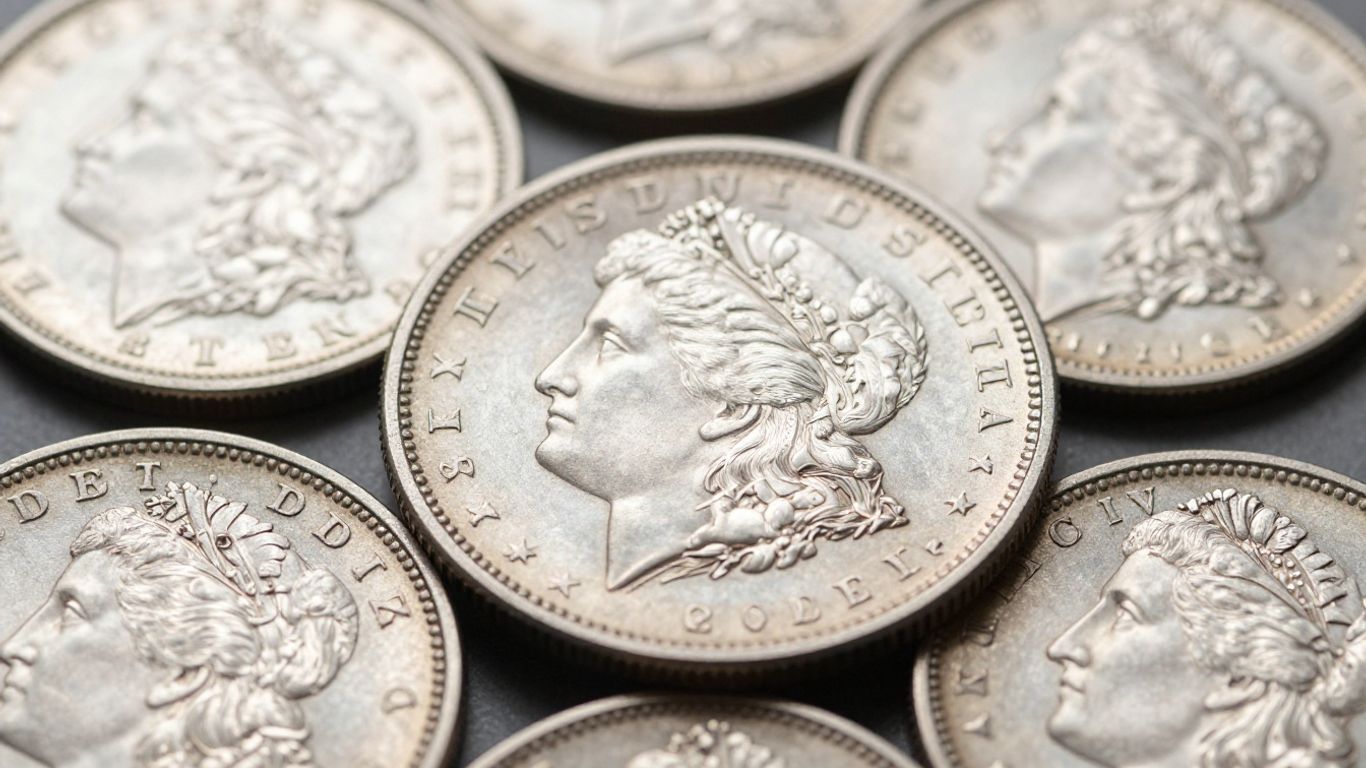
When you’re looking to sell coins like the Morgan Dollar and the Liberty Double Eagle, it helps to know what makes them special to collectors. These aren’t just pieces of metal; they’re part of American history, and their value can really depend on the details.
Selling the Scarce 1895 Morgan Dollar (Proof Only)
The 1895 Morgan Dollar is a bit of a legend among collectors. Unlike most Morgan Dollars that were made for everyday use, this one was only ever produced as a proof coin. This means it was made specifically for collectors, and very few were originally struck. Because of this, finding one in good shape can be a real challenge, and collectors are often willing to pay a good amount for a nice example.
When you’re ready to sell your 1895 Morgan Dollar in San Antonio, remember that its condition is super important. The better it looks, the more it’s likely to be worth. Look for buyers who know about these special proof coins. They’ll be able to tell you what it’s worth based on its grade and how well it’s been kept.
Here’s what buyers usually look at:
- Grade: How well preserved is the coin? Higher grades mean less wear and more original detail.
- Eye Appeal: Does the coin look good? This includes things like frosty surfaces and clear details.
- Authenticity: Is it certified by a trusted service like PCGS or NGC? This adds confidence for buyers.
The proof-only status of the 1895 Morgan Dollar makes it a unique item. Its rarity is a major draw for serious numismatists.
Understanding the Value of the 1883 Liberty Double Eagle
The Liberty Double Eagle, a $20 gold coin, has several interesting dates, and the 1883 is one that stands out. Like the 1895 Morgan Dollar, the 1883 Liberty Double Eagle was also a proof-only issue. This means it wasn’t meant for circulation, and only a small number were made – just 92 proof pieces were struck. It’s thought that even fewer of these survive today, making them quite desirable.
If you have an 1883 Liberty Double Eagle, finding a buyer who understands the value of rare proof gold coins is key. A dealer who focuses on U.S. gold coins or rare currency would be a good place to start. They can properly assess its condition and rarity.
The Appeal of Carson City Minted Coins
Coins made at the Carson City Mint, marked with a ‘CC’ mint mark, have a special appeal. This mint operated for a limited time in Nevada during the Gold Rush era, and many of its coins are scarce. This historical connection and limited production make ‘CC’ coins sought after by collectors.
When selling a coin like the 1870-CC Liberty Double Eagle, the ‘CC’ mint mark is a big deal. Buyers will also look closely at the coin’s condition and grade. A coin that’s well-preserved and has clear details will be worth more than one that shows a lot of wear. Getting it graded by a service like PCGS or NGC can help show its condition clearly.
Selling Other Notable U.S. Coinage
Beyond the well-known series, there are other U.S. coins that can be quite interesting to collectors and potentially valuable when you decide to sell them here in San Antonio. These might not be gold or silver dollars, but they have their own unique appeal based on history, rarity, or design.
The 1919-S Standing Liberty Quarter
The Standing Liberty Quarter, minted from 1916 to 1930, is a popular series for collectors. The "S" mint mark means it was struck at the San Francisco Mint. The 1919-S date is not the rarest in the series, but coins in high grades, especially those with full "head" detail on Liberty, are always in demand. When you’re looking to sell one, focus on its condition. A coin that looks sharp and shows minimal wear will always attract more attention from buyers.
- Condition is Key: Look for full details on Liberty’s head. Worn coins are worth less.
- Mint Mark: The "S" for San Francisco is important for collectors.
- Grading: Coins graded by services like PCGS or NGC often fetch higher prices.
Early American Eagles: The 1799 Ten Dollar
These early gold coins, known as Coronet or Turban Head Eagles, are a tangible piece of America’s early financial history. The 1799 Ten Dollar gold coin is particularly significant as it comes from a time when the U.S. Mint was still finding its footing. Finding one of these in good shape can be a real find for collectors. The value really depends on how well it’s been preserved and if it has any unique characteristics.
Factors that influence the worth of a 1799 Ten Dollar coin include:
- Grade: How much wear is visible? Mint State grades are best.
- Variety: Are there any specific die characteristics that make it rarer?
- History: Does the coin have a known past ownership, like being part of a famous collection?
- Certification: Has it been graded and authenticated by a reputable third party?
Modern Sacagawea Dollars: Bulk and Collection Sales
The Sacagawea Dollar series started in 2000 and is known for its distinctive golden color. While individual coins from this series aren’t typically worth a lot unless they have errors or are in perfect uncirculated condition, they can be sold as part of a larger collection or in bulk. Local coin shops in San Antonio that deal with modern U.S. currency are usually the best place to sell these. They often buy them by the roll or as part of a general coin collection.
When preparing to sell Sacagawea Dollars, consider:
- Condition: Aim for uncirculated examples if possible.
- Mint Mark: The "D" for Denver or "P" for Philadelphia.
- Quantity: Selling in rolls or as part of a larger lot can be more efficient.
Selling coins like these, whether they are old gold pieces or more modern silver dollars, often comes down to finding the right buyer. A specialist dealer will understand the nuances of a rare gold coin, while a shop that handles modern currency might be more interested in bulk silver dollars or complete sets of Sacagawea Dollars. It pays to do a little homework on where you’re selling.
The Role of Professional Grading and Authentication
When you’re looking to sell your branch mint coins, especially those with significant numismatic value, getting them professionally graded and authenticated is a really smart move. It’s not just about getting a number; it’s about building trust with potential buyers. Think of it like getting a car inspected before you sell it – it gives people confidence in what they’re buying.
Why PCGS and NGC Grading Matters
Services like Professional Coin Grading Service (PCGS) and Numismatic Guaranty Company (NGC) are the big names in the business. They have experts who examine your coins and assign a grade based on a standardized scale, usually from 1 to 70. This grade tells buyers about the coin’s condition, like how much wear it has, if the details are sharp, and its overall appearance. A coin graded MS65 (Mint State 65) for uncirculated coins, or PR65 (Proof 65) for proof coins, is generally considered a high-quality example that collectors seek out. This objective assessment helps set a clear market value and makes your coin much more attractive to serious collectors and dealers.
The Impact of CAC Approval on Value
Beyond the initial grading, some coins can get an extra stamp of approval from Certified Acceptance Corporation (CAC). CAC doesn’t assign numerical grades; instead, they review coins already graded by PCGS or NGC. If CAC believes a coin meets the quality standards for its assigned grade, they’ll add a sticker to the holder. This extra step is a big deal for many collectors because it signifies that the coin is not only correctly graded but also has superior eye appeal for that grade. A CAC sticker can often lead to a higher selling price, as it provides an additional layer of confidence in the coin’s quality and authenticity.
Ensuring Authenticity for High-Value Sales
For valuable coins, especially those from the Gold Rush era or rare proof issues, authenticity is paramount. Professional grading services authenticate coins as part of their grading process. This is important because the market unfortunately has seen its share of counterfeits or altered coins. Having a coin in a sealed, tamper-evident holder from a reputable service like PCGS or NGC, especially with CAC approval, significantly reduces the risk for buyers. It shows that the coin has been examined by experts and is what it claims to be, making it much easier to sell and often fetching a better price in the San Antonio market.
Preparing Your Coins for Sale
Before you head out to sell your branch mint coins in San Antonio, taking a little time to get them ready can make a big difference. It’s not about cleaning them up, which can actually hurt their value, but more about understanding what you have and presenting it well. Think of it like getting ready for a job interview; you want to look your best, and in this case, that means knowing your coin’s story and condition.
Assessing Coin Condition and Eye Appeal
When a potential buyer looks at your coin, the first thing they notice is its overall appearance. This is often called "eye appeal." A coin that looks clean, has strong details, and maybe some attractive natural toning will generally be more desirable than one that looks dull, has scratches, or is covered in grime. Even if a coin is rare, poor eye appeal can lower its perceived value. For uncirculated coins, look for a lack of bag marks or other surface imperfections. For circulated coins, the wear should be even and not obscure important design elements. The better a coin looks, the more likely a buyer is to offer a good price.
Understanding Mint Marks and Varieties
Many coins, especially those from branch mints, can have different varieties or specific mint marks that significantly affect their worth. For example, a coin struck at the Carson City Mint (CC) is often more valuable than one from Philadelphia (no mint mark) or Denver (D), simply because fewer were made. Similarly, certain die varieties or errors can make a common coin quite rare and collectible. You’ll want to identify the mint mark, usually found on the reverse or sometimes the obverse of the coin, and research if your specific coin has any known rare varieties. This information is key to getting an accurate appraisal.
Documenting Provenance for Added Value
Provenance, which is simply the history of ownership for a coin, can add a surprising amount of value, especially for rare or historically significant pieces. If you have any old receipts, previous appraisal documents, or even letters that mention the coin and its acquisition, gather them. Knowing that a coin was once part of a famous collection or has a documented history can give buyers more confidence and potentially increase what they are willing to pay. It tells a story beyond just the metal content or the date.
Preparing your coins properly involves more than just having them in hand. It’s about understanding their physical state, their specific identity within a series, and any history they carry. This preparation helps you communicate effectively with potential buyers and ensures you’re not leaving money on the table due to overlooked details.
Finding Reputable Buyers in San Antonio
So, you’ve got some interesting coins, maybe some old gold pieces from the branch mints, and you’re thinking about selling them right here in San Antonio. It can feel a bit overwhelming trying to figure out who to trust with these potentially valuable items. The good news is, there are solid places to turn to if you do a little homework. The key is to connect with buyers who know their stuff and treat customers fairly.
Networking Through Local Coin Clubs
Local coin clubs are fantastic places to start. They’re usually full of people who are passionate about numismatics, from beginners to seasoned collectors and dealers. Attending a meeting can give you a feel for the local coin community. You can chat with members, ask for recommendations, and learn who in San Antonio has a good reputation for buying and selling.
- Attend Meetings: Most clubs have regular meetings. Go, introduce yourself, and listen.
- Ask Questions: Don’t be shy about asking for advice on where to sell specific types of coins.
- Build Connections: Getting to know people in the club can lead you to honest buyers.
Researching Dealer Reviews and Reputation
Before you walk into any shop or agree to a sale, take some time to look up the dealers online. Websites like the Better Business Bureau (BBB) or even general review sites can give you an idea of how a business operates. Look for consistent feedback, both positive and negative. A dealer with a long history and a solid track record is usually a safer bet.
When you’re looking to sell, especially if you have something rare or valuable, it’s always a good idea to get a second opinion. Don’t feel pressured to accept the first offer you receive. Take your time to make sure you’re comfortable with the buyer and the price.
Comparing Offers from Multiple Buyers
This is probably the most important step. Never settle for the first offer you get, especially if you haven’t done your research. Take your coins to a few different reputable dealers or auction houses in San Antonio. See what each one offers. This not only helps you get the best possible price but also confirms that you’re dealing with fair-minded individuals. It’s like shopping around for anything else important – you want to make an informed decision.
Here’s a simple way to compare:
| Buyer Name | Type of Business | Offer for Coin X | Notes |
|---|---|---|---|
| Dealer A | Local Shop | $1,500 | Offered cash, seemed knowledgeable |
| Dealer B | Online/Local | $1,750 | Offered store credit or cash, higher valuation |
| Auction House C | Auction | $1,800 – $2,000 (est.) | Commission fees apply, potential for higher return |
Wrapping Up Your Coin Sale in San Antonio
So, you’ve gone through the process of figuring out where to sell your branch mint coins right here in San Antonio. It can feel like a lot, trying to find the right spot that knows what your coin is really worth. Remember, doing a bit of homework on your specific coin, like its condition and any special history it has, really helps. Don’t be afraid to get a second opinion from a couple of different dealers if you’re unsure. Ultimately, finding a buyer who respects the coin’s story and its condition is the goal. Good luck with your sale!
Frequently Asked Questions
What makes some gold coins more valuable than others?
Several things make a gold coin valuable. Its age, how rare it is, its condition (like if it’s shiny and has no scratches), and if it has a special historical story all play a big part. Some coins made in specific places, like territorial gold coins, are also extra special.
Where can I find trustworthy buyers for my territorial gold coins in San Antonio?
In San Antonio, you can look for established coin dealers and reputable auction houses. It’s wise to research businesses that specialize in rare coins and have good reviews. Checking with local coin clubs or numismatic organizations can also provide recommendations.
Should I get my territorial gold coins appraised before selling them?
Yes, getting an appraisal is a very good idea. An expert can tell you the true value of your coin, considering its rarity, condition, and historical importance. This helps you know what a fair price is before you sell.
What exactly is 'territorial gold'?
Territorial gold coins are gold coins that were made outside of the main U.S. Mint before the government officially set up branch mints everywhere. These coins were often made during times like the Gold Rush when people needed a way to use gold for everyday money.
How can I tell if my coin is a 'territorial gold coin'?
Territorial gold coins often have mint marks or names that show where they were made, like ‘San Francisco’ or specific assay office marks. They were usually made in the mid-1800s, especially during the California Gold Rush, and might look different from regular U.S. coins.
What's the difference between a proof coin and a regular coin?
A proof coin is made using special techniques to create a very shiny and detailed finish, intended for collectors. Regular coins, also called business strikes, are made for everyday spending and may show signs of wear from circulation.
How does the condition of a coin affect its selling price?
The condition, or grade, of a coin is extremely important. Coins that are in better shape, with fewer scratches, dents, or signs of wear, are worth much more than those that are damaged or heavily used. High-grade coins are often preferred by collectors.
Why is professional grading and authentication important when selling rare coins?
Professional grading by services like PCGS or NGC provides an unbiased assessment of a coin’s condition and authenticity. This gives potential buyers confidence, often leading to higher prices because they know exactly what they are buying and that it’s genuine.