
Looking to sell your paper money in San Antonio? Finding the right place can feel like a treasure hunt. This guide is here to help you figure out where to find paper money currency buyers in San Antonio for 2026. We’ll cover how to spot good buyers, what kinds of money they look for, and how to get your collection ready. Whether you have old dollar bills or special certificates, knowing where to go makes a big difference.
Key Takeaways
- Several types of dealers and collectors in San Antonio buy paper money.
- Look for dealers who specialize in the kind of currency you have.
- Online resources and local clubs can help you find buyers.
- Knowing the condition and type of your paper money helps when selling.
- Always check a buyer’s reputation before selling your collection.
Locating Paper Money Currency Buyers in San Antonio
Understanding the San Antonio Market for Currency
Finding the right place to sell your paper money in San Antonio involves a bit of homework. The market here has a mix of local shops and national networks, each with their own way of doing things. It’s not just about finding anyone; it’s about finding someone who knows what they’re looking at and offers a fair price. You want to connect with buyers who understand the specific value of your collection.
When you’re ready to sell, think about what you have. Are you holding onto common Federal Reserve Notes, or do you have rarer items like Gold Certificates or Depression-era bills? Knowing this helps you target the right buyers. Some dealers specialize in certain types of currency, while others are more general. It’s a good idea to get a feel for the local scene before you commit to selling.
Key Factors When Choosing a Buyer
When you’re looking for someone to buy your paper money, several things matter. First off, reputation is huge. You don’t want to deal with someone who has a shady past or is known for lowballing customers. Look for dealers who have been around for a while and have good reviews. Another factor is how they operate. Do they have a physical store you can visit, or do they primarily work online? For San Antonio residents, having a local option can be convenient.
Here are some points to consider:
- Specialization: Does the buyer focus on the type of currency you own?
- Pricing: Do they offer competitive rates compared to the market?
- Transparency: Are their buying practices clear and upfront?
- Reputation: What do other collectors say about them?
The process of selling currency can feel overwhelming, but breaking it down into manageable steps makes it much easier. Start by understanding what you have and then research potential buyers thoroughly. Don’t rush into a sale; take your time to find the best fit for your collection.
For those looking to connect with local numismatic groups, the Gateway Coin Club often has members who are knowledgeable about paper money and can offer insights or direct you to reputable buyers in the San Antonio area. These clubs are great resources for getting advice and meeting fellow collectors.
Specialized Dealers for Your Collection
Identifying Dealers with Specific Expertise
When you’re looking to sell paper money, it helps to find dealers who really know their stuff. Not all dealers are the same, and some focus on specific types of currency. For instance, a dealer might be an expert in U.S. Federal Reserve Notes but know very little about foreign banknotes. Finding a specialist can often lead to a fairer price for your collection. It’s like taking a rare antique to a specialist appraiser rather than a general pawn shop.
Here are a few areas where dealers might specialize:
- U.S. Paper Money: This is a broad category, but some dealers focus on specific eras like Colonial currency, Civil War notes, or modern Federal Reserve Notes.
- World Paper Money: Dealers in this area handle currency from countries all over the globe, often with a focus on particular regions or historical periods.
- Error Notes: These are notes with printing mistakes, which can be quite valuable to collectors.
- High-Grade or Rare Notes: Some dealers concentrate on acquiring and selling only the finest condition or most scarce currency.
Exploring Different Types of Currency Buyers
Beyond specialists, you’ll find different kinds of businesses that buy paper money. Some are general coin and currency shops, while others might be part of larger auction houses or even online platforms. For example, Texas Coins has been a fixture in San Antonio for years, dealing in a wide range of numismatic items. You might also encounter dealers who focus solely on buying, acting as scouts for larger collections or other dealers. Then there are those who also offer appraisal services, which can be helpful if you’re unsure of your currency’s worth. It’s worth looking into Aurora Rarities LLC if you’re interested in a more specialized consultation.
The key is to match your collection’s needs with the buyer’s strengths. A dealer who actively buys and sells a particular type of currency you own is likely to be more knowledgeable and interested than one who only occasionally encounters it.
Navigating Online Resources for Buyers
In today’s digital age, the internet offers a vast landscape for finding potential buyers for your paper money. While local dealers are important, online platforms can significantly broaden your reach, connecting you with collectors and dealers far beyond San Antonio.
Utilizing Dealer Locators
Several organizations dedicated to numismatics provide online tools to help you find dealers. These resources often allow you to search by location, specialty, and services offered. For instance, some platforms list dealers who specialize in specific types of currency, such as U.S. notes or world paper money. These locator tools are a great starting point for identifying reputable businesses. When using these services, pay attention to any affiliations or partnerships mentioned, as this can sometimes indicate a dealer’s standing within the community. You might find a dealer through a service like the PMG Banknote Dealer Locator, which helps connect you with shops that handle various types of currency.
Evaluating Online Seller Platforms
Beyond dedicated dealer locators, general online marketplaces and auction sites are also avenues for selling paper money. These platforms can expose your collection to a wide audience, potentially leading to competitive bidding. However, it’s important to approach these sites with caution and a clear strategy.
Here are some points to consider when using online marketplaces:
- Research the platform’s policies: Understand their fees, seller protections, and dispute resolution processes.
- Assess buyer demand: Look at completed sales for similar items to gauge interest and potential pricing.
- Prepare detailed listings: High-quality photos and accurate descriptions are vital for attracting serious buyers.
Some online auctions, like the upcoming "April 23, 2026 Collectors Choice Online Auction" hosted by Stack’s Bowers Galleries, can be a good place to see what’s currently being traded. Other sites, such as Profile Coins, offer direct sales with various payment and shipping options. Remember that many online platforms may have affiliate relationships, which means they might earn a commission if you make a purchase through their site.
When selling online, transparency is key. Be honest about the condition of your currency and any known flaws. This builds trust with potential buyers and can prevent issues down the line. A well-presented item with clear information is more likely to attract genuine interest and a fair offer.
Types of Paper Money Accepted by Buyers
When you’re looking to sell your paper money, it’s good to know what kinds of currency buyers are typically interested in. While some dealers might specialize, most are on the lookout for a variety of U.S. paper money. Understanding the common categories can help you identify potential buyers for your specific collection.
Federal Reserve Notes and Silver Certificates
Federal Reserve Notes are the most common type of U.S. currency you’ll encounter today, and they are widely accepted. This includes notes from various districts and series. Silver Certificates, recognizable by their blue seals, are also a popular item. These were issued from 1878 to 1964 and represent a significant part of U.S. monetary history. Buyers are often interested in:
- Star Notes: These are replacement notes with a star in the serial number, often rarer.
- Different Series Years: Notes from earlier series can be more desirable.
- Condition: As with all currency, the better the condition, the higher the interest.
Gold Certificates and Depression-Era Currency
Gold Certificates, identified by their gold seals and borders, are less common than Silver Certificates and are highly sought after by collectors. They were issued from 1863 to 1933. Depression-Era Currency, also known as
The Role of Grading Services in Selling
Understanding Third-Party Grading
When you’re looking to sell your paper money, you’ll often hear about grading services. These are independent companies that examine your currency and assign it a numerical grade based on its condition. Think of it like a report card for your banknote. A higher grade generally means a higher value. These services are important because they provide an objective assessment, which buyers find reassuring. Without a professional opinion, a buyer might be hesitant, unsure of the true state of the note. Services like PCGS and PMG are well-known in the numismatic world for their grading. They have strict standards and experienced graders who look at everything from the paper quality to the centering of the design. You can find information about upcoming events where you might get your currency graded, like the PCGS Trade & Grade Showcases in 2026.
How Grading Impacts Buyer Interest
So, how does getting your currency graded actually help you sell it? For starters, it adds a layer of trust. Buyers, especially those who aren’t experts themselves, feel more comfortable purchasing a graded note because they know it’s been vetted by a reputable third party. This can significantly speed up the selling process and often lead to better prices. Buyers are willing to pay a premium for notes that have been professionally graded and authenticated. It removes a lot of the guesswork for them.
Here’s a quick look at how grades can affect value:
- Uncirculated (UNC): Notes that show no signs of wear. These are typically the most sought after.
- About Uncirculated (AU): Notes with very minor signs of handling, but still look almost new.
- Extremely Fine (XF): Notes that have seen some circulation but retain most of their original crispness.
- Fine (F): Notes that show clear signs of wear, with folds and some softness.
While grading can add value and make your currency more attractive to buyers, it’s not always necessary for every single note. For very common or low-value items, the cost of grading might outweigh the potential increase in price. It’s a decision that depends on the specific note and your selling goals.
For collectors looking to buy or sell, knowing the grade is a big deal. It helps them make informed decisions. If you’re looking for a place that deals with various types of currency, you might find dealers like Rufer’s Coin Company helpful. They handle a range of items, and understanding grading is part of their business.
Direct Transactions with Collectors
Connecting with Private Collectors
Sometimes, the best place to sell your paper money isn’t a shop or a dealer, but directly to someone who loves collecting it as much as you do. Private collectors often have a deep passion for specific types of currency and might be willing to pay a fair price to add a piece to their own collection. This can be especially true for rarer items or notes with unique historical significance. Finding these individuals might take a bit more effort than walking into a store, but the payoff can be quite good. You might find collectors at local coin shows or through online forums dedicated to numismatics. Building a relationship with a collector can lead to more sales down the line.
Benefits of Selling Directly
Selling directly to collectors can offer several advantages. For starters, you often cut out the middleman, meaning you might get a better price for your currency. Dealers need to make a profit, so they’ll typically offer you less than what they expect to sell it for. When you sell to a collector, that profit margin is often passed on to you. It also allows for a more personal transaction, where you can discuss the history or unique features of the notes you’re selling. This can be a more satisfying experience than a quick sale to a dealer. Plus, you get immediate feedback on what collectors are looking for, which can be helpful if you plan to continue collecting or selling.
Here are some points to consider when selling directly:
- Research is key: Know the approximate value of your currency before you approach collectors. This helps you set a fair price and avoid being taken advantage of.
- Be patient: Finding the right collector can take time. Don’t rush the process; it’s better to wait for a good offer than to accept a low one.
- Safety first: If meeting in person, choose a public, well-lit place. Consider bringing a friend or family member along for safety.
- Honesty is the best policy: Accurately describe the condition and any flaws of your currency. This builds trust with potential buyers.
Selling directly to collectors bypasses the typical retail markup. This means you can potentially achieve a higher return on your collection. It requires more legwork to find interested parties, but the direct connection can be rewarding both financially and personally. You’re not just selling an item; you’re passing it on to someone who will appreciate its numismatic value.
Preparing Your Currency for Sale
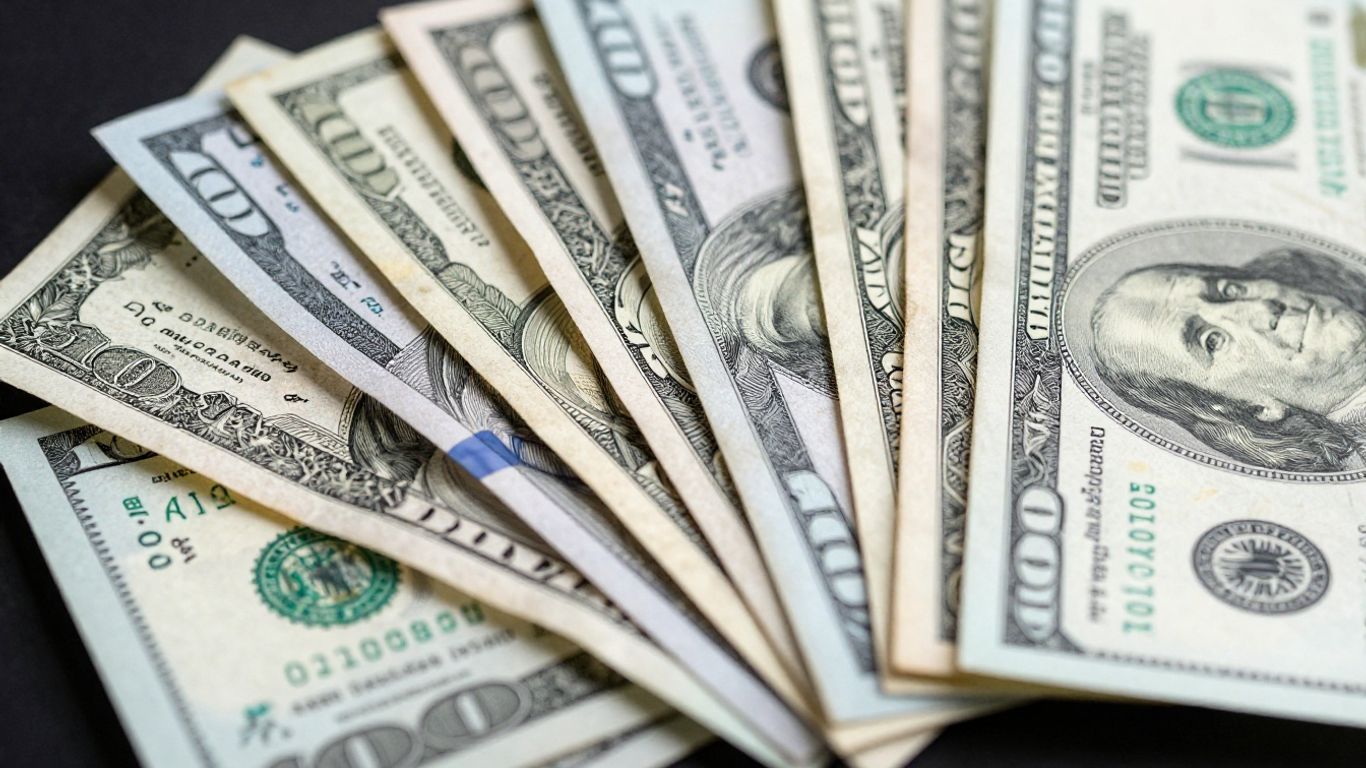
Before you even think about contacting a buyer, taking some time to get your paper money ready is a really good idea. It’s not just about making things look nice; it’s about presenting your collection in a way that shows you’ve taken care of it. This can make a big difference in how much a buyer is willing to offer.
Documenting Your Collection
First off, you need to know what you have. Make a list of all the bills you plan to sell. For each bill, jot down its denomination (like a $1 bill or a $10 bill), the series year (e.g., 1928, 1957), and any special markings or features. If you have a bill with a star in the serial number, or a rare serial number like "12345678", make sure to note that down. This detailed record helps you keep track of everything and gives potential buyers a clear picture of your holdings. It also helps you check against a paper money value guide later on.
Assessing Condition and Value
This is where things get a bit more involved. The condition of your paper money is probably the most important factor in its value. Buyers look for bills that are crisp, clean, and free from major damage like tears, folds, or stains. You’ll want to get a general idea of the condition of each bill. Is it perfectly flat and new-looking, or does it show signs of use?
Here’s a simple way to think about condition:
- Uncirculated (UNC): Looks brand new, with no folds or creases. It’s crisp and stiff.
- About Uncirculated (AU): Almost perfect, maybe one or two very light folds that aren’t obvious.
- Extremely Fine (XF): Shows some circulation, but still looks pretty good with a few light folds.
- Very Fine (VF): Has been used more, with several noticeable folds, but no rips.
- Fine (F): Shows clear signs of wear and handling, with multiple folds and maybe some softness.
- Poor (P): Damaged, torn, or heavily soiled.
Once you have a sense of the condition, you can start looking into the potential value. You can use online resources or even a old paper money value chart to get an estimate. Remember, these are just estimates, and a professional buyer will make their own assessment.
Handling your currency with care is paramount. Always hold bills by the edges to avoid transferring oils from your skin, which can cause damage over time. Storing them in protective sleeves, especially if they are in good condition, can help preserve their state until you decide to sell.
Having this information ready will make the selling process much smoother and help you get a fair price for your collection.
Questions to Ask Potential Buyers
When you’re ready to sell your paper money, talking to potential buyers is a big step. You want to make sure you’re dealing with someone honest and knowledgeable. Asking the right questions upfront can save you a lot of trouble later on. It’s not just about getting the best price; it’s about having a smooth transaction with someone you can trust. Think of it like getting ready for a big purchase, like a new home; you’d want to know all the details before signing anything. This is where understanding their process really comes into play.
Inquiring About Buying Practices
It’s smart to understand how a buyer operates before you commit to selling. This includes knowing what types of currency they are most interested in and how they determine their offers. Some buyers might specialize in certain eras or types of notes, while others have a broader interest. Asking about their buying process helps you gauge their seriousness and their understanding of the market.
Here are some points to consider asking about:
- What specific types of paper money do you actively purchase?
- How do you arrive at your offer price for a given note or collection?
- Are you interested in individual notes, or do you prefer to buy larger collections?
- Do you have any minimum purchase requirements?
- What is your typical payment method and timeline?
Understanding Their Authentication Process
Authenticity is key in the world of collectibles. You’ll want to know how a buyer verifies the legitimacy and condition of your paper money. A reputable buyer will have a clear process for this, often involving experienced numismatists. This is also a good time to ask if they use third-party grading services or have their own in-house experts. Knowing their authentication methods gives you confidence in their evaluation.
- How do you authenticate the paper money I bring to you?
- Do you have in-house experts who assess the notes, or do you send them out for grading?
- If you send notes out, which grading services do you typically use?
- What factors do you consider most important when evaluating a note’s condition?
- Can you provide a written appraisal or breakdown of your assessment?
Asking these questions isn’t about being difficult; it’s about being informed. It helps you build a relationship with a buyer who respects your collection and provides a fair assessment. This diligence is similar to the steps involved in a final walkthrough of a property, where you check every detail before finalizing.
When looking for buyers, you might find resources like dealer locators helpful. These tools can point you toward established dealers in the San Antonio area who specialize in paper money. Remember, a good buyer is one who is transparent about their practices and knowledgeable about the currency you possess. You can find many such dealers by searching online for currency buyers San Antonio.
Finding Buyers Through Numismatic Communities
Local Coin and Currency Clubs
Connecting with local coin and currency clubs in the San Antonio area can be a really effective way to find people interested in buying your paper money. These groups are full of collectors who are passionate about numismatics and often have a good pulse on who is buying and selling. Attending meetings gives you a chance to talk to people directly, show them what you have, and get a feel for their interest. It’s a more personal approach than just browsing online listings. You might even find a buyer right there at a club meeting. Many clubs have informal trading sessions or members who are always looking to add to their collections. It’s a good idea to check out the schedule for local clubs and see when their next meeting is. You might be surprised at the connections you can make.
Online Numismatic Forums
Beyond local clubs, the internet offers a vast network of numismatic forums. These online spaces are where collectors from all over, including those in and around San Antonio, gather to discuss coins and currency, share knowledge, and sometimes, make deals. Participating in these forums can help you gauge the market and identify potential buyers. You can post about what you have for sale, ask for opinions on value, and connect with individuals who express interest. Remember to be cautious and do your due diligence when dealing with people you meet online. Look for established members with positive feedback. Some forums even have dedicated sections for buying and selling. It’s a good way to reach a wider audience than you might find locally. You can often find discussions about specific types of currency, which can help you understand what’s in demand. For instance, a quick search might reveal interest in Federal Reserve Notes or other historical currency.
When you’re looking to sell, engaging with numismatic communities, whether in person or online, offers a direct line to enthusiasts. These individuals often have a deep appreciation for the history and condition of paper money, making them potentially serious buyers. Building relationships within these circles can lead to fair transactions and a better understanding of your collection’s worth.
Evaluating Buyer Reputation and Trust
Researching Buyer Reviews
When you’re looking to sell your paper money, finding a buyer you can trust is pretty important. It’s not just about getting a fair price; it’s also about having a smooth transaction. One of the best ways to get a feel for a potential buyer is to see what other people are saying about them. Online reviews can give you a good idea of their business practices and how they treat their customers. Look for patterns in the feedback – are multiple people mentioning good communication, fair offers, or prompt payment? Conversely, watch out for consistent complaints about lowball offers, poor service, or difficulties in completing a sale. A buyer with a long history of positive feedback is generally a safer bet. You can often find reviews on dealer websites, numismatic forums, or even general business review sites. For instance, if you’re looking at dealers in other areas, you might find resources that list top-rated coin dealers.
Seeking Recommendations
Beyond online reviews, don’t underestimate the power of personal recommendations. If you’re part of any local coin or currency clubs, ask fellow collectors for their experiences. They might know reputable dealers in the San Antonio area or have dealt with buyers online that they can vouch for. Word-of-mouth is often a very reliable way to find trustworthy individuals or businesses. If you know anyone who has sold currency before, reach out to them. They might have insights into who to approach and who to avoid. Sometimes, a direct recommendation from someone you know can be more telling than a dozen online reviews. It’s like asking a friend for a restaurant recommendation versus just picking one randomly from a map.
Dealing with currency can feel a bit like a minefield sometimes. You want to make sure you’re not getting taken advantage of, especially with items that might have significant historical or monetary value. Taking the time to check out who you’re dealing with beforehand can save you a lot of headaches down the road. It’s about protecting your collection and your investment.
Here are a few things to consider when evaluating a buyer:
- Years in Business: A longer track record often indicates stability and a solid reputation.
- Professional Affiliations: Membership in numismatic organizations can suggest a commitment to ethical practices.
- Transparency: Do they clearly explain their buying process, grading standards, and payment terms?
- Communication: Are they responsive to your inquiries and willing to answer your questions thoroughly?
It’s also worth noting that sometimes, even established businesses can have issues. For example, one customer expressed dissatisfaction with Note Collection Services despite having made payments, indicating that even with a company name, it’s wise to be cautious and do your homework.
Wrapping Up Your Search for Paper Money Buyers
So, you’ve got some old paper money you’re looking to sell in San Antonio. It can feel a bit overwhelming at first, trying to figure out who actually buys this stuff and if they’ll give you a fair shake. We’ve looked at a few ways to connect with collectors and dealers who are interested in US paper money, from specific types like Federal Reserve Notes to older currency. Remember, places like the PMG Dealer Locator can help you find shops, and sometimes, just reaching out to local coin and currency collectors is a good start. Don’t be afraid to ask questions and compare offers. Selling your collection doesn’t have to be a headache if you know where to look.
Frequently Asked Questions
Where can I find people who buy old paper money in San Antonio?
You can find buyers for your paper money in San Antonio by checking with local coin and currency shops, attending coin shows, or looking for dealers online. Some shops specialize in different types of money, so it’s good to do a little research first.
What types of old money do buyers usually want?
Buyers are often interested in various types of U.S. paper money. This includes older bills like Silver Certificates, Gold Certificates, and currency from the Depression era. They might also look for uncut sheets or bundles of bills.
How do I know if my old money is valuable?
The value of old money depends on its condition, rarity, and historical significance. Bills that are in great shape, have unique serial numbers, or are from very old print runs are usually worth more. Professional grading services can help determine the exact condition and value.
Should I get my money graded before selling?
Getting your money graded by a professional service like PMG can be very helpful. A good grade shows buyers that the bill is in excellent condition and authentic, which can make it more attractive and potentially increase its value.
Are there online places to sell my old money?
Yes, there are online platforms where you can sell your paper money. Websites like eBay allow you to list your items, and some specialized dealer websites also have sections for buying and selling. Just be sure to research the platform and buyer carefully.
What should I ask a potential buyer before selling?
Before selling, ask potential buyers about their experience with the type of currency you have, how they determine its value, and what their buying process is. It’s also wise to inquire about their reputation and if they are members of any numismatic organizations.
Can I sell directly to other collectors?
Selling directly to other collectors is an option. You can often connect with collectors through local coin clubs or online forums dedicated to currency collecting. This can sometimes get you a better price, as you cut out the middleman.
How can I find out if a buyer is trustworthy?
To check if a buyer is trustworthy, look for online reviews and testimonials. Asking for recommendations from other collectors or dealers you trust is also a good strategy. Reputable dealers often have a long history in the collecting community.