
Keeping track of your coin collection can feel like a big task, but it doesn’t have to be. Setting up good coin inventory tracking systems from the start makes everything easier down the road. This guide is here to walk you through how to get your collection organized, documented, and managed, whether you’re just starting out or looking to improve your current setup. We’ll cover the basics of setting up your system, how to keep your records tidy, and even touch on how to protect your investment. Let’s get your coins in order.
Key Takeaways
- A solid foundation for your coin inventory tracking systems involves defining your collection goals, understanding what makes coins valuable, and choosing appropriate storage solutions.
- Effective implementation of coin inventory tracking systems requires logical categorization, detailed documentation of each coin, and the smart use of digital tools.
- Organizing and displaying your collection with tracking in mind means creating appealing albums, using quality protective materials, and adding historical context.
- Maintaining your coin collection data involves best practices for coin preservation, keeping thorough inventory records, and securing your collection through insurance.
- Advanced coin inventory tracking systems can offer automation, integration with other collector platforms, and streamlined acquisition tracking to simplify management.
Establishing Your Coin Inventory Tracking Systems Foundation
Starting a coin collection can feel like a big undertaking, and figuring out how to keep track of everything is a big part of that. Before you even think about fancy software, it’s smart to lay down some groundwork. This means getting clear on what you want from your collection and how you plan to store it.
Defining Your Collection Goals
What are you hoping to achieve with your coins? Are you aiming for a complete set of U.S. state quarters, or perhaps coins from a specific historical era? Maybe you’re interested in error coins or coins made from a particular metal. Knowing your focus helps you make smarter choices about what to buy and what to skip. It also makes the whole process more enjoyable because you’re building something specific.
Here are some common collecting goals:
- Completing Sets: Aiming for every coin in a particular series (e.g., Lincoln Cents, Morgan Dollars).
- Historical Focus: Collecting coins from a specific time period or event (e.g., Roman Empire, World War II era).
- Thematic Collection: Gathering coins based on a theme (e.g., animals, ships, famous people).
- Investment: Acquiring coins with the primary goal of future financial gain.
Understanding Numismatic Value Factors
Coins aren’t just metal discs; their value can change based on several things. Understanding these factors will help you when you’re cataloging and when you’re looking to add to your collection. It’s not just about the date on the coin.
- Rarity: How many of these coins were made, and how many still exist? Scarcer coins often fetch higher prices.
- Condition (Grade): This is a big one. A coin that looks almost new will be worth much more than one that’s heavily worn. Grading services use specific scales to assess this.
- Demand: Sometimes, a coin might be rare but not particularly sought after. Conversely, a more common coin might be in high demand due to its historical significance or aesthetic appeal.
- Mint Mark: Where the coin was made can affect its value. Coins from smaller mints or those made in fewer numbers are often more desirable.
The market for coins can shift. What’s popular today might be less so tomorrow, and vice versa. Staying informed about trends is part of the fun.
Choosing the Right Coin Storage Solutions
How you store your coins matters a lot. The wrong materials can actually damage your collection over time. You want to protect your investment and keep your coins in the best possible shape. Think about what kind of coins you have and how you want to see them.
- Coin Flips/Holders: These are individual plastic sleeves that protect each coin. They’re great for keeping coins separate and preventing scratches. Look for ones made from inert materials that won’t harm the metal. You can find these at most coin shops or online.
- Coin Albums: These are books with pre-cut slots for specific coin series. They’re a popular way to organize and display complete or in-progress sets. Make sure the album pages are acid-free to avoid damaging the coins. Many collectors find these albums make it easy to see their progress and catalog your coin collection effectively.
- Coin Tubes: These are good for storing multiples of the same coin, especially if you have a lot of lower-value coins you’re saving. They offer basic protection but aren’t ideal for displaying.
Selecting the right storage is the first step toward a well-managed collection. It sets the stage for all your future tracking efforts.
Implementing Effective Coin Inventory Tracking Systems
Getting your coin collection organized is more than just putting coins in a box. It’s about creating a system that makes sense for you and your collection. This means figuring out how to group your coins and what details you need to write down for each one. Using digital tools can really help make this whole process smoother.
Categorizing Your Collection Logically
Think about how you want to group your coins. There isn’t one right way, but some methods work better than others for keeping things tidy. You could sort them by country, like all your US coins together and all your Canadian coins together. Or maybe by historical period, putting ancient coins in one section and modern ones in another. Another common way is by denomination – pennies, nickels, dimes, and so on. The key is to pick a system and stick with it. This makes it much easier to find what you’re looking for later on. A good starting point for beginners is to focus on a straightforward approach to cataloging their coins, ensuring every piece is accounted for and easily accessible. This initial organization is vital for preventing duplicate purchases and for a clear overview of your holdings.
Detailed Coin Documentation Practices
Once you have your categories, you need to record information about each coin. What you write down depends on how serious you are about tracking. At a minimum, you’ll want the coin’s name, date, and country. But you can go further. Adding details like the mint mark, condition (like ‘good’ or ‘very fine’), and any unique features can be really useful. If you have a coin with a known error, definitely note that down. Keeping these records helps you understand your collection’s value and history. It’s also a good idea to take photos of your coins; a picture is worth a thousand words, after all.
Here’s a basic list of what to consider documenting:
- Coin Name/Description: (e.g., 1909-S VDB Lincoln Cent)
- Country of Origin: (e.g., United States)
- Year of Issue: (e.g., 1909)
- Mint Mark: (e.g., S)
- Denomination: (e.g., Cent)
- Condition/Grade: (e.g., AU, MS-65)
- Acquisition Date: (When you got it)
- Purchase Price/Value: (What you paid or its estimated worth)
- Notes: (Any special details, errors, provenance)
Proper documentation is the backbone of any good inventory system. Without it, you’re essentially just looking at a pile of metal. Taking the time to record the specifics for each coin builds a solid foundation for managing and appreciating your collection over time.
Leveraging Digital Tools for Tracking
Writing everything down in a notebook works, but digital tools can make things much easier. You can use a simple spreadsheet program like Excel or Google Sheets. This lets you sort your coins in different ways and easily update information. There are also specialized coin collecting software programs and apps available. These often come with built-in databases of coins, making it faster to enter details. Some even let you scan barcodes or use your phone’s camera to add coins. Regularly updating and reviewing your coin collection catalog is key, especially as your collection grows. This helps maintain an accurate and manageable inventory.
| Feature | Spreadsheet Software | Dedicated Coin App |
|---|---|---|
| Ease of Use | Moderate | High |
| Cost | Free/Low | Varies |
| Coin Database | No | Often Yes |
| Photo Integration | Possible | Often Built-in |
| Reporting | Basic | Advanced |
Organizing and Displaying Your Coins with Tracking
Once you have a solid inventory system in place, the next logical step is to make your collection visually accessible and protected. This isn’t just about making things look pretty; it’s about safeguarding your assets and making them easier to appreciate. A well-organized display can transform a pile of coins into a narrative.
Creating a Visually Appealing Album
Think of your coin album as a curated exhibition. The goal is to present your coins in a way that is both attractive and informative. Start by grouping your coins logically. This could be by country, date, denomination, or even by a specific theme that interests you. A consistent organizational structure makes it simple to find what you’re looking for and track your collection’s progress. When selecting albums, opt for those with clear, acid-free pockets. This prevents damage and allows for easy viewing without direct handling. You might consider different types of albums depending on your collection’s size and focus. For instance, specialized albums exist for specific series like Lincoln Cents or Morgan Dollars.
Protecting Your Collection with Quality Materials
Protection is paramount. Your coins, especially older or rarer ones, can be sensitive to environmental factors and physical damage. Using archival-quality materials is non-negotiable. This includes:
- Coin holders: Cardboard 2x2s with Mylar windows are a common choice for individual coins. Ensure they are made from inert materials.
- Albums: Look for albums with sturdy construction and pages that securely hold the coin holders without causing undue stress.
- Storage boxes: For bulk storage of albums or holders, use acid-free boxes that can be stored in a stable environment.
The environment where your coins are stored plays a significant role in their preservation. Avoid areas with high humidity, extreme temperature fluctuations, or direct sunlight. A stable, cool, and dry location is ideal for long-term storage.
Enhancing Display with Historical Context
Simply placing coins in an album is a good start, but adding context elevates the experience. Consider including small, typed labels next to each coin or group of coins. These labels can detail:
- The year of minting
- The mint mark (if applicable)
- The metal composition
- A brief historical note about the coin or the era it represents
This approach not only makes your collection more interesting to view but also serves as a constant learning tool. It helps connect the physical object to its place in history, making each coin a story waiting to be told. You can find more tips on how to showcase your coins effectively by looking at professional advice.
| Coin Type | Year Range | Material |
|---|---|---|
| U.S. Silver Dollar | 1878-1935 | 90% Silver |
| British Penny | 1901-1952 | Bronze |
| Roman Denarius | 50 BCE-476 CE | Silver |
Maintaining and Preserving Your Collection Data
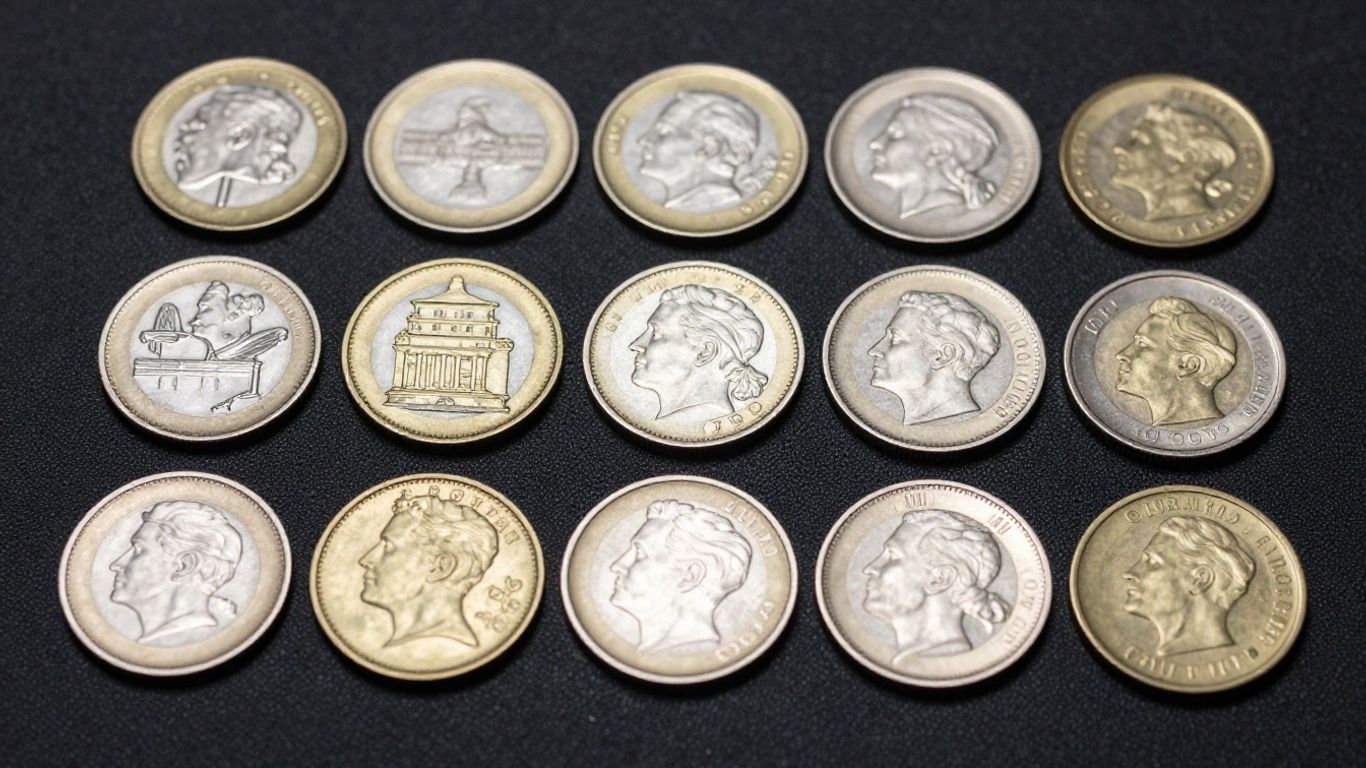
Keeping your coin collection safe and sound goes beyond just having a good storage system. It’s also about looking after the information you’ve gathered about each piece. Think of it like keeping a diary for your coins; it helps you remember what you have, where it came from, and why it’s special.
Best Practices for Coin Preservation
Proper handling is the first line of defense. Always use soft cotton gloves or a soft cloth when you need to touch your coins. Good lighting is also key, so you can see what you’re doing without accidentally damaging anything. Storing your coins in a place that’s cool, dry, and out of direct sunlight helps prevent them from degrading over time. Fluctuations in temperature and humidity can be quite harsh on metal.
- Handle coins with gloves or a soft cloth. This stops oils from your skin from getting on the metal. See coin care tips.
- Store in a stable environment. Avoid attics or basements prone to extreme temperature and moisture changes.
- Use appropriate holders. Acid-free flips, albums, or cases protect individual coins from scratches and environmental damage.
Keeping Comprehensive Inventory Records
Your inventory is your collection’s roadmap. It should include details that help you identify each coin and track its condition and value. This information is not just for your own reference; it’s vital if you ever need to file an insurance claim or prove ownership.
Here’s a basic breakdown of what to record:
| Field | Description |
|---|---|
| Date Acquired | When you added the coin to your collection. |
| Coin Description | Country, year, denomination, mint mark, and any specific varieties. |
| Condition/Grade | A note on its state, or the official grade if professionally slabbed. |
| Purchase Price | What you paid for the coin. |
| Current Estimate | Your best guess at its present market value. |
| Notes | Any unique history, provenance, or specific details about the coin. |
Keeping your records up-to-date is as important as protecting the coins themselves. A detailed log makes managing your collection much simpler and more effective.
Securing Your Collection Through Insurance
Even with the best preservation methods, accidents can happen. Theft, fire, or other unforeseen events can lead to the loss of your collection. That’s where insurance comes in. It provides a financial safety net, allowing you to replace lost items or recover their value. When looking for insurance, seek out providers who understand numismatics. They’ll know how to properly assess the value of your collection and offer suitable coverage. Get specialized insurance to protect your investment.
Advanced Features of Coin Inventory Tracking Systems
Beyond the basics of cataloging your coins, modern inventory systems offer features that can really speed things up and make managing your collection feel less like a chore. These advanced tools are designed to automate tasks, connect with other collector resources, and streamline how you add new coins to your collection.
Automating Inventory Updates
Think about how much time you spend logging each new coin. Advanced systems can cut down on this by automatically pulling information. Some software can connect directly to grading services like PCGS or NGC. When you get a coin graded, the system can pull the details – like the grade, certification number, and even images – straight into your inventory. This means fewer typos and less manual data entry. It’s like having a digital assistant for your collection. This automation is key to keeping your inventory accurate and up-to-date with minimal effort.
Integrating with Other Collector Platforms
Your coin collection doesn’t exist in a vacuum. Many tracking systems now allow you to connect with other parts of the numismatic world. This could mean linking your inventory to online marketplaces to see current values, or connecting with forums and communities. Imagine being able to see the market price for a coin directly from your inventory list, or easily sharing your collection’s highlights with fellow enthusiasts. This interconnectedness makes your collection data more dynamic and useful. For serious numismatists, tools like Exact Change offer sophisticated database capabilities that can integrate with other numismatic resources.
Streamlining Acquisition Tracking
Adding new coins is exciting, but keeping track of where, when, and how much you paid can get messy. Advanced systems help here too. They can create detailed records for each acquisition, including:
- Purchase date and source (dealer, auction, private sale)
- Price paid, including buyer’s premiums and shipping
- Payment method
- Notes on the coin’s condition or provenance
- Associated images or documents (receipts, auction listings)
Some systems even allow you to set up alerts for when you’re approaching a budget limit for a specific series or type of coin. This structured approach to tracking acquisitions prevents those "where did I get this?" moments and helps you manage your collecting budget more effectively. Many collectors find that cloud-based solutions, such as MyCoinWorX, simplify this process significantly.
Keeping your inventory current is a constant task. While manual entry has its place, looking for ways to automate data input and connect your collection management to external resources can save a lot of time and reduce errors. The goal is to make managing your collection as enjoyable as collecting itself.
Avoiding Pitfalls in Coin Inventory Management
Setting up a coin inventory system is one thing; keeping it running smoothly is another. It’s easy to stumble into common problems that can make your hard work feel like it’s for nothing. Let’s look at a few ways things can go wrong and how to steer clear of them.
Preventing Data Overload
It might seem like a good idea to record every single detail about every coin you own. You know, the exact weight down to the milligram, the precise diameter, the microscopic imperfections only a microscope can see. But honestly, this can quickly become too much. Trying to track too much information means your records get messy, and it takes ages to update anything. You end up with incomplete entries because people get tired of typing. Focus on what really matters for your collection goals.
- Key Coin Identifiers: Date, Mint Mark, Denomination, Country.
- Condition Notes: Obvious damage, significant wear, or unique features.
- Acquisition Details: Purchase date, price paid, source.
- Storage Location: Where the coin is physically kept.
Collecting too much data too early can lead to inconsistent entries and a lot of extra work just to manage it all. It’s better to start with the basics and add more detail later if you find you really need it.
Ensuring Data Consistency
Imagine you have a coin listed as "Silver Dollar" in one place and "Morgan Dollar" in another. Or maybe one entry says "1921-S" and another just "1921 S". This kind of inconsistency makes searching and sorting a nightmare. It happens when different people are entering data, or when you change your system halfway through. Keeping your catalog up-to-date and sticking to a set format is key to avoiding this mess. If you’re working with others, make sure everyone knows the rules. For example, always use the same abbreviations for mint marks and always record the full date. This is especially important if you ever need to track your inventory for events or sales.
Recognizing the Limits of Automation
Automation sounds great, right? Tools can scan barcodes, import data, and update records automatically. This can be a huge time-saver, especially for large collections. However, relying solely on automation can lead to its own set of problems. What if the scanner misses a detail? What if the software misinterprets a coin’s grade? Automation is a tool, not a replacement for a watchful eye. You still need to check the automated entries, especially for valuable or rare items. It’s about making the process easier, not eliminating human oversight entirely. For instance, while automated systems can help with cataloging coin collections, a final human review is always a good idea.
Valuing and Appraising Your Collection with Tracking
Knowing what your coins are worth is a big part of collecting. It helps you make smart choices when you’re buying, selling, or even just insuring your collection. Your tracking system is going to be super helpful here, giving you a solid base to start from.
Understanding Coin Rarity and Condition
The value of any coin really comes down to a few key things. First off, how rare is it? Some coins were made in huge numbers, while others were printed in very limited runs. Then there’s the condition, which is a huge deal. A coin that looks almost new will be worth way more than one that’s heavily worn or damaged. We usually talk about condition using a grading scale, often from 1 to 70. The higher the number, the better the coin’s state. It’s not just about scratches; things like original shine and how well the details are preserved matter a lot.
- Rarity: How many of these coins were originally made, and how many still exist today?
- Condition (Grade): This covers everything from wear and tear to surface marks and overall appearance.
- Metal Content: Sometimes, the value is simply based on the precious metal the coin is made from, like gold or silver.
- Historical Significance: Coins tied to important events or figures can sometimes fetch a higher price.
Utilizing Professional Grading Services
While you can learn a lot about grading yourself, sometimes you need an expert opinion, especially for your more valuable pieces. Professional grading services are the go-to for this. Companies like PCGS and NGC have experts who examine your coins and give them an official grade. This isn’t just a number; it’s a standardized assessment that collectors and dealers trust. Getting your coins graded can really clarify their value and make them more appealing to potential buyers. It’s a good idea to look into professional grading services for your key coins.
Getting an objective grade from a reputable service can remove a lot of guesswork. It provides a common language for describing a coin’s condition, which is vital for fair transactions and accurate record-keeping.
Researching Market Prices for Acquisitions
Once you know the rarity and condition, the next step is figuring out what people are actually paying for coins like yours. This is where your tracking system really shines. You can look up coins similar to yours in your inventory and see what they’ve sold for recently. Resources like Greysheet are excellent for checking current pricing trends. Auction results and dealer listings are also great places to get a feel for the market. This research helps you understand if a coin you’re considering buying is a good deal or if the price you’re asking for a coin you own is fair. It’s an ongoing process, as prices can change.
The Future of Coin Inventory Tracking Systems
The world of coin collecting is always changing, and so are the tools we use to keep track of our treasures. Looking ahead, we can see some pretty exciting developments that will make managing your collection even easier and more effective. It’s not just about listing what you have anymore; it’s about smarter ways to track, protect, and even grow your collection.
Emerging Technologies in Numismatics
We’re starting to see technologies that were once science fiction become reality for collectors. Think about how blockchain could be used. It offers a way to create a secure and transparent record of a coin’s history, including its ownership and authenticity. This could really help combat counterfeits and make trading more trustworthy. Artificial intelligence (AI) is also stepping in. AI can help analyze market trends, predict future values based on condition and rarity, and even help identify coins from images. Imagine an app that can tell you a coin’s potential value just by taking a picture of it. This kind of tech could really change how we assess and trade coins.
Adapting to Evolving Collector Needs
As more people get into collecting, especially younger generations, the demand for user-friendly and accessible tools is growing. Systems like MyCoinWorX are being built with these modern needs in mind, aiming to be more intuitive than older methods. Collectors want to connect with others, share their finds, and easily manage their growing collections without getting bogged down in complicated spreadsheets. The future likely holds more integrated platforms where you can track your inventory, connect with other collectors, and even manage sales or trades all in one place. This makes the hobby more engaging and less of a chore.
Building a Legacy Through Organized Collections
Ultimately, a well-managed inventory is more than just a list; it’s a record of your passion and a valuable asset. As technology advances, these systems will become even better at helping you document the story behind each coin. This detailed history is what makes a collection truly special and can be passed down through generations. The goal is to create a living archive of your numismatic journey.
Keeping your inventory up-to-date and detailed is key. It’s not just about knowing what you own, but understanding its significance and value. This careful record-keeping ensures that your collection is not only preserved but also appreciated for years to come, becoming a tangible link to history and personal achievement.
Here are some key areas where technology is making a difference:
- Enhanced Authenticity Verification: Using AI and blockchain to verify coins and their provenance.
- Predictive Market Analysis: AI tools that help forecast coin values and market trends.
- Integrated Collector Communities: Platforms that combine inventory management with social networking features for collectors.
- Automated Data Entry: Tools that can scan and input coin details, reducing manual effort.
Wrapping Up Your Coin Inventory
So, we’ve gone over a lot of ground here, from picking out your first coin to keeping track of everything you own. It might seem like a lot at first, but really, it’s all about making this hobby work for you. Having a good system for your coins means less stress and more time to actually enjoy looking at them. Whether you use a simple spreadsheet or a fancy app, the main thing is to find what fits your collection and your life. Keep learning, keep organizing, and most importantly, keep enjoying the hunt for those special pieces. Happy collecting!
Frequently Asked Questions
What is the main goal of a coin inventory tracking system?
The main goal is to help you keep a detailed record of all the coins you own. This makes it easier to know what you have, where it is, and how much it might be worth. It’s like having a super organized list for your entire coin collection.
How do I decide what information to include for each coin?
You should include important details like the coin’s name, the year it was made, where it’s from, its condition, and any special features. Think about what would help you identify it easily and understand its story.
Should I use a physical notebook or a digital tool for tracking?
Both can work, but digital tools like spreadsheets or special apps often make things easier. They allow you to sort, search, and update your information quickly, and you can often add pictures too.
How often should I update my coin inventory?
It’s best to update your records whenever you add a new coin or make any changes to your collection. Keeping it up-to-date regularly prevents you from forgetting details or losing track of your items.
Why is it important to protect my coins when storing them?
Coins can be damaged by air, moisture, or even just being handled too much. Good storage, like using special holders or albums, keeps them safe from scratches, fading, or other harm, preserving their condition and value.
What does 'numismatic value' mean?
Numismatic value refers to the worth of a coin beyond its metal content. It takes into account factors like how rare the coin is, its condition, its historical importance, and how much collectors want it.
Is it a good idea to get my coins professionally graded?
Yes, for valuable coins, professional grading can be very helpful. Experts examine the coin’s condition and assign it a grade, which gives a more official idea of its value and makes it easier to sell or insure.
How can a tracking system help me if my collection is stolen or lost?
A detailed inventory with descriptions, photos, and purchase information is crucial for insurance claims. It proves what you owned, making it much easier to get reimbursed or replaced if something happens to your collection.