
Mint errors are fascinating. They’re not just mistakes; they’re little accidents that happened when coins were made. Think of a coin that got struck twice, or one where the design is a bit off-center. These aren’t the usual coins you find in your pocket. They’re rare, and because they’re so uncommon, collectors really like them. We’re going to look at what makes these special strike coins characteristics so unique and why people get excited about them.
Key Takeaways
- Special strike coins, often called mint errors, happen when something goes wrong during the coin-making process.
- Common errors include striking issues like off-center designs or double strikes, planchet flaws like missing metal, and die problems such as doubled designs.
- The value of these coins depends a lot on how rare the error is, the coin’s condition, and how many people want to buy it.
- Getting these coins checked and graded by experts helps confirm they are real and gives a better idea of their worth.
- Collecting these unique coins can be a fun hobby and a smart way to invest because of their limited supply and growing interest.
Understanding The Minting Process And Error Origins
Ever wonder how those shiny coins in your pocket come to be? It’s a pretty involved process, and sometimes, things just don’t go exactly as planned. That’s where special strike coins, or mint errors, come into play. They’re not just random mistakes; they’re a direct result of what happens—or doesn’t happen—during the coin-making journey.
The Precise Dance of Coin Production
Making coins is a lot like a carefully choreographed dance. It involves several steps, each needing to be just right. When one of these steps falters, even slightly, it can lead to a coin that’s a little bit different from the rest. These differences are what collectors find so fascinating.
Planchets: The Foundation of Every Coin
Before a coin can even think about getting its design, it starts as a planchet. Think of this as the blank canvas. Metal sheets are punched out into perfectly round discs. These are the planchets. They need to be the right size, thickness, and metal composition for the coin they’re intended to become. If a planchet is flawed before it even gets to the striking press, it can cause all sorts of issues later on. Sometimes, the wrong kind of metal might even be used, leading to a really unusual coin.
Striking: Imprinting Designs Onto Blanks
This is the moment of truth for a coin. The planchet is placed into a powerful coin press. Then, two dies—one for the front (obverse) and one for the back (reverse)—slam down onto the planchet with immense force. This strike is what imprints the intricate designs, dates, and lettering onto the metal. It’s this high-pressure striking process that is responsible for the majority of coin errors. If the planchet isn’t perfectly positioned, if the dies are worn or damaged, or if the press malfunctions, the resulting coin can show a wide range of fascinating imperfections. Understanding these basic steps helps us appreciate why mint error coins are so unique.
The journey from a simple metal disc to a finished coin is a marvel of engineering. However, the very precision required also means that even minor deviations can create something extraordinary and collectible.
Common Categories Of Special Strike Coins Characteristics
When we talk about special strike coins, we’re really looking at the ways things can go a little sideways during the minting process. It’s not just about a coin having a weird design; it’s about how that design got there, or what happened to the metal before or during the strike. Think of it like a factory line – sometimes a machine glitches, or a part is a bit off, and you get something unique. For coins, these "glitches" fall into a few main buckets.
Striking Errors: When The Press Goes Awry
This is probably what most people picture when they hear "mint error." These happen right at the moment the coin is being made, when the dies hit the metal blank. If the alignment is off, or the pressure isn’t quite right, or something else interferes, you get a striking error. These can range from subtle shifts to really dramatic effects.
- Off-Center Strikes: The blank wasn’t perfectly positioned between the dies. You end up with a coin where the design is clearly shifted, sometimes missing a big chunk of the image on one side.
- Double Strikes: The coin gets hit by the dies more than once. This can create overlapping images, where you see a ghostly second impression of the design on top of the first.
- Broadstrikes: These coins are struck without the collar, which is the ring that normally keeps the coin’s edges neat and gives it its thickness. Without the collar, the metal spreads out wider and thinner than it should.
- Capped Die Strikes: This is a bit more unusual. Instead of a regular die hitting the blank, a "die cap" – a previously struck coin that’s stuck to the die – is used. This results in a coin with a very different surface, often showing a sort of "imprint" from the die cap itself.
Planchet Errors: Flaws Before The Strike
Before the coin even gets to the striking press, the metal blank, called a planchet, can have its own problems. These are issues with the metal itself or how it was prepared. These errors are fascinating because they show flaws that existed before the design was even applied.
- Blank Planchets: Sometimes, a planchet just misses its date with the striking dies. You get a smooth, undecorated metal disc instead of a coin.
- Clipped Planchets: These look like someone took a bite out of the edge of the coin. This happens when the metal strip being punched for blanks has a flaw, or the punching process itself goes wrong, leaving a crescent-shaped missing piece.
- Wrong Metal Planchets: This is a big one for collectors. It’s when a planchet made of the wrong metal gets into the striking process. The classic example is a copper penny made during a time when they were supposed to be zinc, or vice-versa.
Die Errors: When The Mold Is Compromised
The dies are the steel tools that actually stamp the design onto the coin. If the dies themselves have problems, it shows up on the coins they strike. These are often considered some of the most desirable errors because they require a specific flaw in the die itself.
- Doubled Dies: This happens when the die is accidentally struck twice during the hubbing process (when the design is transferred to the die), or if the die shifts between strikes. This results in a noticeable doubling of the design elements, often visible with the naked eye.
- Die Cracks and Cuds: If a die gets a crack, it can create a raised line on the coin. A more severe break can result in a "cud," which is a larger chunk of the die breaking off, leaving a raised blob on the coin’s edge.
- Misaligned Dies: Even if the dies themselves are perfect, if they aren’t perfectly aligned with each other during the striking process, it can lead to subtle or even significant shifts in how the design appears on the coin.
Understanding these categories helps you appreciate the variety of ways a coin can deviate from its intended form. Each type tells a story about a specific point in the minting journey where something unexpected occurred, turning a mass-produced item into a unique collectible.
Exploring Specific Striking Error Types
Sometimes, the coin-making machinery just doesn’t line up perfectly. These are the striking errors, where the actual moment the design gets pressed onto the metal goes a little sideways. It’s not the metal itself that’s the problem, or the original design on the die, but how that design transfer happens. These can lead to some really interesting-looking coins that collectors go wild for.
Off-Center Strikes: A Shift In Design
This happens when the blank planchet isn’t perfectly positioned between the dies when the press comes down. Instead of the design being centered, a good chunk of it might be missing, or you’ll see a large, un-struck area. The degree of the off-center strike really matters for value. A coin that’s just a little bit off might not be that exciting, but one that’s significantly off, maybe with only half the design showing, is a whole different story. It’s like a photograph where the subject is way off to the side – it changes the whole feel of the image.
Double Strikes: Overlapping Impressions
Imagine the coin getting hit by the press not once, but twice, or even more times. This is a double strike. The second (or third) strike happens when the coin hasn’t been fully ejected from the striking chamber. The result is a ghostly, overlapping image of the design. Sometimes the second strike is faint, other times it’s quite strong, creating a really dramatic effect. It’s fascinating to see how the overlapping designs can sometimes create entirely new, unintended patterns.
Broadstrikes: Expanding Beyond The Collar
Normally, a metal collar surrounds the planchet during striking. This collar keeps the coin’s edges neat and helps create the reeded or smooth edge we expect. In a broadstrike error, the collar is either missing or not properly in place. Without that restraint, the metal has nowhere to go but outwards when the dies strike. This makes the coin wider and thinner than it should be, often with a design that extends all the way to the edge. It looks like the coin just sort of… spread out.
Capped Die Strikes: Unique Surface Characteristics
This is a bit of a strange one. A capped die error happens when a previously struck coin sticks to the upper die (the one on top). When the next blank planchet is struck, it’s not hitting a normal die, but this die that already has a coin stuck to it. This can result in a coin with a very weak or even completely missing design on one side, and sometimes a strange, concave surface. The stuck coin might even get partially imprinted onto the new coin, creating a sort of brockage effect. These are often quite visually distinct and can look almost like a blank planchet on one side, but with a weird texture.
Investigating Planchet And Die Imperfections
Sometimes, the issues that make a coin special don’t happen during the actual striking. They can start even before that, with the metal disc itself, or with the tools that make the design. These are what we call planchet and die imperfections, and they can lead to some really interesting finds.
Blank Planchets: Undisturbed Metal Discs
Imagine a coin that never made it to the press. That’s essentially a blank planchet error. These are the metal discs, punched out from sheets of metal, that were somehow missed by the striking machinery. They’re just smooth, unadorned metal circles. While they might seem plain, their rarity makes them quite sought after by collectors who appreciate the sheer chance of one escaping the minting process entirely. It’s like finding a piece of the mint’s raw material that was never finished.
Clipped Planchets: Missing Metal Sections
This happens when the machine punching out the round blanks from a metal sheet is a bit too close to the edge. Instead of a perfect circle, you get a blank with a crescent-shaped piece missing. It looks like someone took a bite out of the coin’s edge. These are pretty common errors, but they still add a unique character to a coin. You’ll often see them on cents, nickels, and dimes, and they’re a clear sign that something went a little off during the blank preparation stage.
Wrong Metal Planchets: Compositional Anomalies
This is where things get really exciting and potentially valuable. A wrong metal planchet error occurs when a blank intended for one type of coin is accidentally struck with dies meant for another. The most famous example is the 1943 Lincoln Cent, which was supposed to be made of steel due to wartime metal shortages, but a few were mistakenly struck on copper planchets. These copper 1943 cents are incredibly rare and command very high prices. It’s a mistake that turned a common coin into a numismatic legend.
Doubled Dies: Misaligned Design Impressions
Die errors are all about the tools used to create the coin’s design. A doubled die happens when the die itself is struck twice, or when the hubbing process (where the design is impressed onto the die) is misaligned. This results in a noticeable doubling of the design elements – the numbers, letters, and images on the coin appear to have a shadow or a second, slightly offset impression. The 1955 Doubled Die Lincoln Cent is a classic example, with its dramatic doubling that makes it a highly prized collectible. It’s a clear sign that the die itself had an imperfection before it ever touched a blank.
The creation of a coin involves several steps, and any deviation can lead to an error. Understanding these imperfections, whether in the planchet or the die, helps collectors appreciate the rarity and uniqueness of these special strike coins. It’s a fascinating look into the less-than-perfect side of mass production.
Here’s a quick look at how these errors can affect a coin:
- Blank Planchets: Smooth, un-struck discs. Rare, but lack design features.
- Clipped Planchets: Missing sections of the edge, creating a distinctive shape.
- Wrong Metal Planchets: Made from an unintended metal composition, often very rare and valuable.
- Doubled Dies: Design elements appear doubled due to issues with the die itself.
Rare And Unusual Mint Error Variations
Mule Coins: Obverse-Reverse Mismatches
Mule coins are a fascinating category of mint errors where the obverse (heads) die of one coin denomination is paired with the reverse (tails) die of a different denomination. This usually happens when dies are accidentally swapped during the minting process. The most famous example is the 2000 Sacagawea dollar struck with the reverse die of a Washington quarter. These hybrids are incredibly rare and highly sought after by collectors.
Transitional Errors: Caught Between Eras
Transitional errors occur when a coin is struck on a planchet intended for a different year or composition, often reflecting a change in coinage metal. A prime example is a 1965 dime struck on a silver planchet instead of the new copper-nickel clad composition. These errors represent a brief, accidental overlap between old and new minting standards.
Brockages: Imprinted Coin Surfaces
A brockage error happens when a freshly struck coin fails to eject from the die and is then struck again by another coin. This second strike imprints the design of the struck coin onto the surface of the coin that’s already been struck, creating a mirror image of the design. You might see a coin with a full design on one side and a sunken, mirrored impression of that same design on the other.
Indent Errors: Sunken Design Marks
Indent errors are similar to brockages but typically involve a coin being struck by another coin that is already partially or fully struck. This results in a sunken or indented area on the surface of one coin, showing a partial or complete impression of the design from the other coin. These can look like a "bite" taken out of the coin, but with a design within the indentation.
Proof-Like And Deep-Mirror Qualities
Defining Proof-Like Surfaces
Sometimes, you’ll come across a regular mint-issue coin that just seems to gleam a little differently. These are what collectors call "Proof-Like" or PL coins. They aren’t actual proof coins, which are made with special care for collectors. Instead, a PL coin is a standard business strike that happened to be struck with dies that were exceptionally well-polished or brand new. Think of it like this: when the mint’s machines are stamping out coins, the "dies" are the metal stamps that imprint the design. If those stamps are super shiny and smooth, the coin they hit will also have a super shiny, smooth surface, especially in the flat areas, called the fields. This mirror-like finish is the main thing that sets a PL coin apart from its regular counterparts. It’s not quite the same as a true proof coin’s finish, but it’s definitely eye-catching.
Characteristics Of Deep-Mirror Proof-Like Coins
Now, if a Proof-Like coin is impressive, a "Deep Mirror Proof-Like" or DMPL coin takes that reflectivity to a whole new level. These coins have fields that are so incredibly reflective, they look like a perfectly polished mirror, almost glassy. You can often see clear reflections of objects or text from several inches away. This intense shine usually comes with a strong contrast between the design elements (like the portrait or eagle) and the background fields. The design elements often appear frosted or matte, while the fields are brilliantly mirrored. This dramatic difference is what makes DMPL coins so striking and desirable to collectors.
Here’s a quick rundown of what to look for:
- Extreme Reflectivity: The fields are like a mirror, showing clear reflections from a distance.
- Strong Contrast: A noticeable difference between the shiny fields and the frosted or textured design.
- Sharpness: Often, the details on DMPL coins are exceptionally sharp and well-defined.
Designations By Grading Services
Professional coin grading services, like PCGS and NGC, have specific ways to identify and label these special coins. They don’t just look at the coin; they assess its surface quality and reflectivity. A coin that meets the criteria for a mirror-like finish will get a "PL" designation on its holder. If the reflectivity is exceptionally deep and the contrast is significant, it earns the "DMPL" designation. Sometimes, NGC uses "DPL" instead of DMPL, but it means the same thing. These official designations are important because they confirm the coin’s special qualities and help collectors know what they are buying.
The difference between a regular coin and one with PL or DMPL qualities often comes down to the condition of the dies used during the minting process. Freshly polished dies produce these stunning, reflective surfaces, but this quality diminishes as the dies are used more and more.
Factors Driving Value In Special Strike Coins
So, you’ve found a coin with a bit of a oopsie, a mint error. Cool! But what makes one of these ‘mistakes’ worth more than another? It’s not just about how weird it looks, though that’s part of it. Several things come into play, and understanding them is key if you’re thinking about buying or selling.
Rarity: The Scarcity Of The Error
This is probably the biggest one. If only a handful of coins were made with a specific error, or maybe just one, it’s going to be worth a lot more than a common mistake that happened thousands of times. Think about it – if everyone has one, it’s not special, right? Some errors are so rare they’re practically legendary. For example, a coin with a completely wrong metal composition or a double strike that’s incredibly clear and distinct will always fetch more than a slightly off-center strike that you see more often.
Condition: Preservation And Wear
Even if a coin has a super rare error, if it’s all beat up, scratched, or heavily worn, its value takes a hit. Collectors want these coins to look as good as possible. A coin that looks like it just came off the minting press, with sharp details and no major damage, will always be more desirable. Grading services look at this closely. A coin graded as "Mint State" (meaning it’s in uncirculated condition) with a rare error is the jackpot.
Demand: Collector And Investor Interest
Sometimes, a particular type of error or a specific coin becomes really popular. Maybe a famous collector is looking for it, or a TV show highlights it. When lots of people want the same thing, the price goes up. This can happen with specific denominations, historical periods, or even just visually striking errors. It’s like anything else – if there’s a buzz, prices tend to follow.
Historical Significance: A Glimpse Into Minting History
Some errors tell a story about what was happening at the mint when they were made. Maybe a die was about to break, or they were trying out new equipment. Coins that represent a unique moment in the minting process, or that show a transition between different minting techniques, can have extra appeal. They’re not just flawed coins; they’re little pieces of history that show us how coins were made and the challenges faced by the people doing the work.
The value of a mint error coin isn’t a single number; it’s a mix of how rare the mistake is, how well the coin has been kept over time, and how many people want to own it. Plus, if the coin has a cool story behind its error, that adds even more appeal.
Here’s a quick look at how these factors stack up:
- Rarity: The fewer there are, the higher the potential value.
- Condition: Better preserved coins are always more sought after.
- Demand: Popular errors or coins drive up prices.
- History: Errors that show a unique minting event can be extra special.
The Importance Of Authentication And Grading
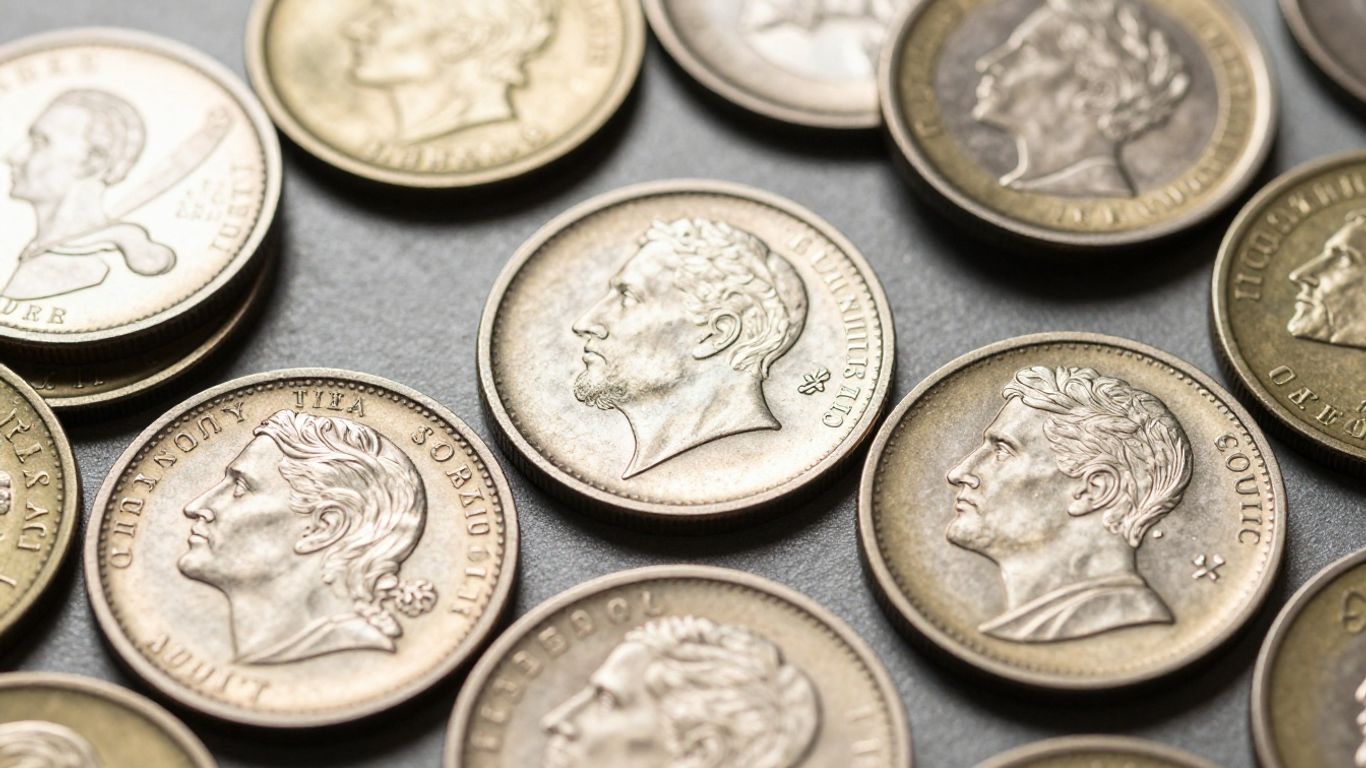
So, you’ve found a coin that looks a little… off. Maybe it’s got a weird double image, or a chunk missing. Cool, right? But before you start planning your retirement, it’s super important to get it checked out. That’s where authentication and grading come in. Think of it like getting a professional opinion on whether your cool find is the real deal and how good of shape it’s actually in.
Verifying Authenticity With Grading Services
This is the first big step. You can’t just assume a coin with an oddity is a genuine mint error. Sometimes, people try to fake these things, or maybe it’s just a damaged coin that looks like an error. That’s why sending your coin to a reputable third-party grading service is a smart move. Companies like PCGS and NGC have experts who know their stuff. They’ll look at the coin, check its metal composition, and compare it to known minting processes. If it’s legit, they’ll put it in a special sealed holder, often called a ‘slab,’ with a label saying it’s authentic. This slab is your proof that you’re not holding a fake. It’s a big deal for collectors because it means they can trust what they’re buying. You can find out more about key terms in numismatics to help you understand their reports.
Evaluating Condition And Wear
Once a coin is confirmed as a genuine error, the next step is figuring out its condition. This is what grading is all about. The graders look at a bunch of things, like how much wear the coin has, if there are any scratches or nicks, and how sharp the design details are. They use a scale, usually from 1 to 70, where 70 is pretty much perfect. A coin that’s in great shape, with no major damage and sharp details, will get a higher grade. This matters a lot because a rare error coin in mint condition is worth way more than the same error coin that’s been tossed around for years.
Here’s a quick look at what graders consider:
- Wear: How much of the original design has been smoothed away by circulation.
- Surface Preservation: Any marks, scratches, or environmental damage.
- Strike Quality: How well the coin’s design was impressed by the dies.
- Luster: The original shine or brilliance of the coin’s surface.
Understanding The Impact Of Grading On Value
So, why go through all this trouble? Because grading has a massive impact on how much a special strike coin is worth. A coin that’s been authenticated and given a high grade by a respected service can be worth exponentially more than an uncertified coin, even if it’s the exact same type of error. It’s like the difference between a vintage car that’s been fully restored to its original glory versus one that’s been sitting in a field for decades. The certified, high-grade coin is seen as a safer, more desirable investment. It also makes it easier to sell later on, as buyers know exactly what they’re getting. It takes the guesswork out of the equation for everyone involved.
Getting your special strike coins authenticated and graded isn’t just about getting a number or a fancy holder. It’s about confirming the coin’s story, its condition, and ultimately, its place in the collecting world. It adds a layer of trust and certainty that’s pretty hard to beat when you’re dealing with unique pieces of history.
Identifying And Avoiding Counterfeit Errors
Red Flags For Suspicious Coins
When you’re looking at a coin that’s supposed to be a special strike, it’s super important to be able to spot fakes. Sometimes people try to pass off regular coins as errors, or even create fake errors to make a quick buck. One big sign to watch out for is if the price seems way too good to be true. If a coin is supposed to be super rare and valuable, but it’s being sold for next to nothing, that’s a major warning sign. Also, pay attention to the overall look and feel of the coin. Does the "error" look natural, or does it seem like it was added later? Sometimes counterfeiters will try to create errors using lasers or by damaging existing coins, and these often look pretty obvious if you know what to look for. Coins that are supposed to have mint errors but lack any kind of certification from a reputable grading service should also make you pause. It’s like buying a fancy car without the title – you just don’t know for sure what you’re getting.
The Role Of Certification In Authenticity
Getting coins certified by a professional grading service is a really big deal, especially when you’re dealing with potential mint errors. Services like PCGS (Professional Coin Grading Service) and NGC (Numismatic Guaranty Company) have experts who examine coins very closely. They check if the coin is genuine, if the error is real and not faked, and what condition the coin is in. When a coin comes back from one of these services, it’s usually in a sealed plastic holder, often called a "slab," with a label detailing its grade and authenticity. This slab is pretty hard to fake convincingly, and it gives you a lot of confidence that you’re buying the real deal. It’s like having a stamp of approval from the top dogs in the coin world. Without this kind of certification, especially for high-value error coins, you’re taking a much bigger risk.
Trusting Expert Vetting Processes
When you’re buying special strike coins, especially those with mint errors, it’s always a good idea to buy from dealers or sources that have a solid reputation for vetting their items. These experts have spent years, sometimes decades, looking at coins and learning all the little details that separate genuine errors from fakes or just damaged coins. They know the common error types inside and out, and they can spot inconsistencies that the average person might miss. Think about it like buying a used car – you’d rather buy from a dealership with good reviews than from a random person on the side of the road, right? Reputable dealers often provide their own guarantees of authenticity, and they’ll stand behind the coins they sell. If something turns out to be wrong, they’ll usually make it right. This kind of trust is built over time, and it’s what makes collecting these unique coins a much safer and more enjoyable experience.
Building A Collection Of Mint Error Treasures
Starting a collection of mint error coins can feel a bit like embarking on a treasure hunt. It’s not just about finding any old coin; it’s about discovering those unique pieces that tell a story of a moment when the minting process took an unexpected turn. These aren’t just mistakes; they’re historical footnotes, tiny accidents that make each coin one-of-a-kind. The thrill comes from the hunt, the research, and the eventual acquisition of a truly rare find. It’s a journey that requires patience, a keen eye, and a bit of luck.
Strategic Acquisition Of Unique Coins
When you’re looking to build a collection of these special coins, it’s smart to have a plan. You don’t want to just buy whatever you stumble upon. Think about what kind of errors really catch your eye. Are you drawn to dramatic off-center strikes, or do you prefer the subtle intrigue of a doubled die? Setting a focus helps you become more knowledgeable about a specific area, making your acquisitions more meaningful. It’s also wise to consider the condition of the coin. A coin with a significant error but in poor shape might not be as desirable as a coin with a less dramatic error but in near-perfect condition. Remember, rarity and condition are often the biggest drivers of value.
Here are a few steps to consider when acquiring unique mint error coins:
- Research thoroughly: Before buying, understand the specific error type, its typical appearance, and its rarity. This knowledge is your best defense against overpaying or buying a fake.
- Start with reputable sources: Look for established dealers, auction houses, or coin shows where authenticity is usually guaranteed. Buying certified coins from services like PCGS or NGC is a good way to ensure you’re getting what you pay for.
- Set a budget: Mint error coins can range from affordable to extremely expensive. Knowing your budget beforehand will help you make realistic choices and avoid impulse buys.
- Focus on quality over quantity: It’s often better to have a few high-quality, significant error coins than a large number of minor ones.
The Thrill Of The Hunt For Rare Errors
There’s an undeniable excitement that comes with searching for rare mint errors. It’s like being a detective, piecing together clues and hoping to uncover a hidden gem. You might spend hours poring over coin rolls, attending auctions, or browsing online marketplaces, all in pursuit of that elusive piece. Sometimes, the discovery happens when you least expect it – perhaps in a mixed lot at an estate sale or even in circulation, though finding significant errors in circulation is incredibly rare these days. The stories behind these errors, like the famous 1943 bronze cent, add another layer of fascination. Each coin represents a unique moment in the history of US mint error coins, a tangible piece of the past that escaped the normal production line.
The pursuit of rare mint errors is more than just a hobby; it’s an adventure into the unpredictable nature of mass production. It rewards those who are observant, persistent, and willing to learn the intricacies of coin manufacturing. The satisfaction of finding and owning a truly unique piece of numismatic history is immense.
Mint Errors As A Smart Investment
Beyond the sheer enjoyment of collecting, mint error coins can also be a sound investment. Their value is driven by scarcity, demand, and condition, much like other rare collectibles. As more people become aware of the unique appeal and historical significance of these coins, demand tends to increase. This growing interest, coupled with the inherent rarity of most mint errors, can lead to significant appreciation over time. For instance, a well-authenticated and graded mule coin, like the 2000 Sacagawea dollar/Washington quarter hybrid, can fetch substantial sums. Building a collection with an eye toward investment means focusing on errors that are well-documented, have a proven track record of value increase, and are certified by reputable grading services. It’s about acquiring pieces that are not only interesting but also possess strong potential for future growth.
| Error Type | Potential Value Range (USD) | Key Factors Influencing Value | Rarity Level |
|---|---|---|---|
| Off-Center Strike | $50 – $5,000+ | Degree of centering, date | Common to Rare |
| Doubled Die | $100 – $100,000+ | Severity of doubling, date | Rare to Very Rare |
| Wrong Metal | $1,000 – $1,700,000+ | Metal type, date, condition | Extremely Rare |
| Mule Coin | $10,000 – $100,000+ | Specific pairing, condition | Extremely Rare |
Wrapping Up: The Allure of Special Strike Coins
So, we’ve looked at what makes these special strike coins so interesting. It’s not just about a coin having a mistake; it’s about understanding the process and how those little slip-ups become rare finds. Things like coins struck off-center or those with double images, they’re not just errors, they’re like tiny historical accidents. And when you get them checked out by places like PCGS or NGC, they become certified treasures. These coins are definitely more than just pocket change; they’re a mix of history, rarity, and sometimes, a surprising amount of value. If you’re thinking about collecting them, remember that knowing what to look for is key. It’s a fascinating corner of the coin world, for sure.
Frequently Asked Questions
What exactly is a “special strike coin”?
A special strike coin, often called a mint error coin, is a coin that has a mistake made during the process of creating it at the mint. Think of it like a tiny accident during production, like a design being stamped a little crooked or the metal being slightly off. These aren’t supposed to happen, which makes them unusual and interesting to collectors.
How do these mistakes, or errors, happen?
Mistakes can happen at several points. Sometimes the metal blank (called a planchet) has a flaw before it’s even struck. Other times, the big machines that stamp the designs (the dies) might be misaligned, worn out, or even break. Even the process of striking the coin can go wrong, leading to off-center designs or double images.
Are all mint errors valuable?
Not all errors are equally valuable. The value usually depends on how rare the mistake is, how noticeable it is, and the overall condition of the coin. A very rare error on a coin that’s in great shape will likely be worth more than a common error on a worn coin.
What are some common types of mint errors?
Some common errors include off-center strikes, where the design isn’t perfectly placed, and double strikes, where the design appears twice, overlapping. You might also find broadstrikes, where the coin spreads out too much because it wasn’t properly contained, or clipped planchets, which look like they have a bite taken out of the edge.
What is a “doubled die” error?
A doubled die error happens when the die (the stamp that creates the coin’s design) is slightly misaligned when the design is being etched onto it. This results in the design appearing doubled or “ghostly” on the coin. Some doubled dies are very famous and valuable, like the 1955 Lincoln Cent.
What does “Proof-Like” (PL) or “Deep Mirror Proof-Like” (DMPL) mean for a coin?
These terms describe coins that look very shiny and reflective, almost like a mirror, similar to special coins made for collectors called proofs. A PL coin has shiny surfaces, while a DMPL coin is even shinier. This shininess happens when the minting machines use very new and polished dies, making the coin look extra special.
Why is getting a coin authenticated and graded important?
Getting a coin checked by a professional grading service (like PCGS or NGC) is important because they can confirm if the error is real and not something someone faked. They also assess the coin’s condition, which greatly affects its value. This certification gives buyers confidence they are getting a genuine and accurately described coin.
How can I tell if a coin with an “error” might be fake?
Be cautious if a coin looks too good to be true, especially if the price seems very low for a supposed rare error. Sometimes people try to fake errors by altering coins. Always look for coins that have been certified by reputable grading services. These services have experts who are trained to spot fakes and confirm genuine mint errors.