
Thinking about selling some old hard times tokens you found? Maybe they’ve been sitting in a box for years. If you’re in San Antonio, Texas, you’ve got a few options for finding buyers. It’s not always straightforward, but with a little know-how, you can figure out where to sell hard times tokens in San Antonio, TX. We’ll look at what makes these tokens special, where people in San Antonio look to buy them, and how to get the best price for your collection.
Key Takeaways
- Understand the historical context and types of hard times tokens to better assess their significance.
- Explore local San Antonio coin dealers, antique shops, and online platforms to find potential buyers for your tokens.
- Factors like condition, rarity, and current market demand will influence the value of your hard times tokens.
- Properly prepare your tokens for sale by considering cleaning, documenting their history, and taking good photos.
- Research specific categories like store cards or tokens related to San Antonio’s history, such as the Hemisfair ’68 token, which might attract local collectors.
Understanding Hard Times Tokens
Historical Significance of Tokens
Hard Times Tokens are more than just old coins; they’re little pieces of history. They popped up mostly between 1832 and 1844, a period in the U.S. marked by economic ups and downs, especially around the Bank War. When the national bank’s charter was in question, regular money became scarce. Businesses and individuals started making their own tokens to keep commerce going. These tokens often had political messages or advertised local shops, giving us a look into the everyday concerns and opinions of people back then.
Types of Hard Times Tokens
These tokens generally fall into a few main categories:
- Political Tokens: These often carried strong opinions about politicians or events of the day. Think of them as early political cartoons you could hold in your hand. Many were critical of President Andrew Jackson and his policies regarding the national bank.
- Store Cards: These were issued by businesses, like general stores or taverns, and were usually redeemable for goods or services at that specific establishment. They served as a form of local currency and advertising.
- Exotic or Fantasy Tokens: Some tokens were created with no real intention of being used for trade, but rather as curiosities or collectibles, sometimes mimicking official coinage.
Identifying Genuine Tokens
Spotting a real Hard Times Token takes a bit of know-how. First, check the period. Most genuine ones date from the 1830s and early 1840s. Look at the metal; they were commonly made of copper, brass, or sometimes white metal. The designs can be quite detailed, but also sometimes a bit crude, reflecting the manufacturing methods of the time. Genuine tokens often show signs of circulation, like wear and tear, though uncirculated examples do exist. Comparing your token to known examples in reference books or online databases is a good step. Be wary of modern reproductions, which might look too perfect or be made of incorrect materials.
Where to Sell in San Antonio
Finding the right place to sell your hard times tokens in San Antonio can make a big difference in getting a fair price. It’s not like selling a common item; these tokens often require a specific kind of buyer.
Local Coin Dealers and Numismatists
San Antonio has several coin dealers and numismatists who specialize in coins and tokens. These professionals have a good understanding of the market and can offer informed appraisals. They often deal with collectors and may have a ready customer base for your items. When you visit, be prepared to discuss the history and any known details about your tokens. Some dealers might be more interested in certain types of tokens than others, so it’s worth doing a little research beforehand.
- Check their specialization: Do they handle tokens or just modern currency?
- Ask about their buying process: Will they make an offer on the spot?
- Inquire about appraisal services: Is there a fee for an appraisal?
Antique Shops and Collectible Stores
Beyond dedicated coin shops, some antique stores and general collectible shops in San Antonio might be interested in your hard times tokens, especially if they have a local connection or a unique design. These places often attract a diverse range of buyers, some of whom might be looking for unusual historical pieces. However, their knowledge of token values might be less specialized than that of a numismatist. It’s a good idea to have a general idea of what you think your tokens are worth before approaching these establishments.
It’s important to remember that antique shops often operate on consignment or buy items at a lower price to resell for a profit. Be prepared for offers that may not reflect the full potential value of a rare token.
Online Marketplaces for Collectors
For a wider reach, consider online platforms. Websites dedicated to coin and token collecting allow you to list your items for sale to a national or even international audience. This can be particularly effective for rarer tokens that might not have a strong local market. You’ll need to take good photos and write detailed descriptions. Selling online can often yield higher prices due to the increased number of potential buyers. Platforms like eBay are popular, but there are also more specialized numismatic forums and marketplaces. Remember to factor in shipping costs and payment processing fees when setting your prices. You can find resources for selling coins and collectibles online, which can help you understand the process better.
Valuing Your Tokens
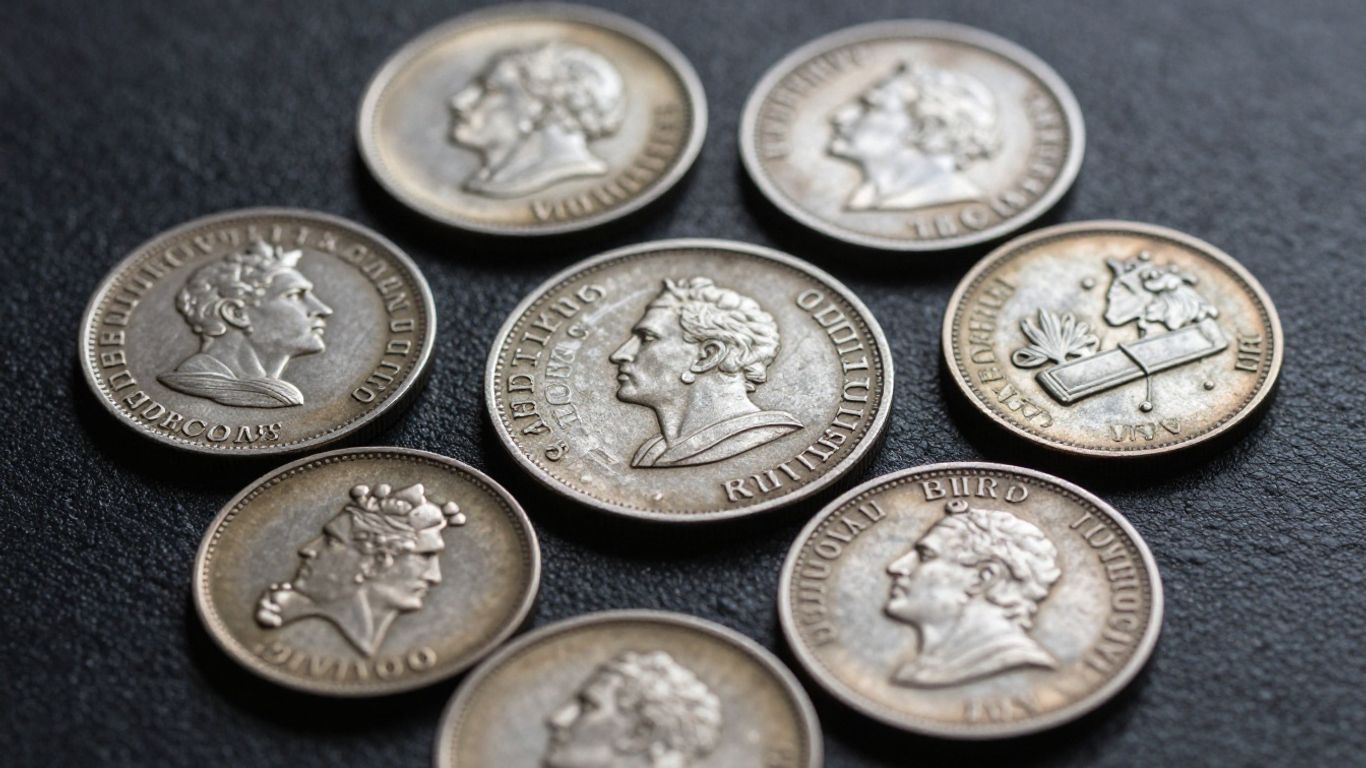
Figuring out what your hard times tokens are actually worth can feel like a puzzle. It’s not just about what you paid for them, or even what you think they should be worth. Several things play a part in their market price. The condition of the token and how rare it is are usually the biggest factors.
Here’s a breakdown of what influences value:
- Condition: This is a big one. Tokens in mint condition, with sharp details and no wear, will always fetch more than those that are worn down, scratched, or damaged. Collectors often look for pieces that are as close to their original state as possible.
- Rarity: How many of these tokens were made, and how many still exist today? If only a handful were ever produced, or if most have been lost to time, that scarcity drives up the price. Sometimes, a token might be common in lower grades but very rare in uncirculated condition.
- Historical Significance: Tokens tied to important historical events, well-known businesses, or significant figures can be more desirable. For example, a token from a prominent San Antonio business during a specific era might have more appeal than a generic one.
- Material: While less impactful than condition or rarity, the metal composition can play a role. Some collectors prefer certain metals, and tokens made from precious metals, though uncommon for this category, would naturally be worth more.
Factors Affecting Token Value
When you’re looking at your collection, think about these points. A token might look interesting, but its actual market value depends on a mix of its physical state and its place in history. For instance, a token from a defunct local business might be worth more to a San Antonio collector than to someone elsewhere. It’s about supply and demand, but also about the story the token tells.
Condition and Rarity
Condition is graded on a scale, much like coins. Terms like ‘Uncirculated’ (UNC), ‘Extremely Fine’ (XF), ‘Very Fine’ (VF), and ‘Good’ (G) describe the wear. Uncirculated pieces are the most sought after, showing no signs of circulation. Rarity is often determined by mintage numbers and survival rates. A token with a low mintage and few surviving examples will command a higher price than one produced in large quantities.
Market Demand in San Antonio
San Antonio has a unique history, and tokens that connect to that local heritage can be particularly appealing to collectors in the area. Think about tokens related to local businesses, events, or historical periods specific to South Texas. While national demand exists for many types of tokens, a strong local interest can certainly boost prices for relevant items. If you’re looking to sell, finding buyers who appreciate the local connection is key. You might find interested parties at local coin shops or through specialized online forums. Some San Antonio businesses, like Texas Coins and Intrigue Gold & Gifts, are known to deal in collectibles and might be a good starting point for inquiries about local items Texas Coins and Intrigue Gold & Gifts.
The value of a token isn’t always obvious. It’s a combination of its physical state, how many others like it exist, and who wants to buy it. Sometimes, a token’s story or its connection to a specific place or time can make it more desirable, even if it’s not in perfect condition.
Preparing Tokens for Sale
Before you try to sell your hard times tokens, there are a few things you should do to get them ready. This makes them look better and can help you get a better price. It’s not about making them look new, but about keeping them as they are and showing off what makes them special.
Cleaning and Preservation
When it comes to cleaning old tokens, less is usually more. Harsh cleaning can actually lower a token’s value. For most metal tokens, a gentle wipe with a soft, dry cloth is often enough to remove loose dust. If there’s some grime, you might try a very mild soap and water solution, but be sure to rinse thoroughly and dry it completely with a soft cloth. Avoid abrasive cleaners or polishes at all costs. For tokens with significant corrosion or damage, it’s often best to leave them as they are. Sometimes, the "patina" or the natural aging of the metal is part of its appeal.
Documentation and Provenance
Gathering information about your tokens is a smart move. If you know where you got them, or if they’ve been in your family for a while, that history (called provenance) can add interest and sometimes value. Try to find out what the token was used for, when it was made, and any interesting stories associated with it. This information can be a big help when you’re trying to sell.
Photography for Listings
Good photos are super important, especially if you’re selling online. You want clear pictures that show the token accurately. Use good lighting, preferably natural light, and try to get shots of both the front and the back. A plain, neutral background works best so the token stands out. If there are any flaws, like scratches or holes, it’s honest to show those too. Sometimes, a close-up shot can highlight interesting details.
Here’s a quick guide to taking better photos:
- Lighting: Use natural light whenever possible. Avoid direct sunlight, which can create harsh shadows.
- Background: A simple, uncluttered background (like a white or black surface) helps the token pop.
- Angles: Take pictures of the front, back, and any edges that show detail.
- Focus: Make sure your photos are sharp and in focus.
Taking the time to prepare your tokens properly can make a real difference in how they are perceived by potential buyers. It shows you care about the item and have done your homework.
Specialized Token Categories
Hard times tokens aren’t just one thing; they come in different flavors, each telling a bit of a story. When you’re looking to sell, knowing these categories can help you find the right buyers.
Store Cards and Advertising Tokens
These are like the business cards of the past. Shops, merchants, and businesses would issue these tokens, often for a specific amount of trade or as a way to advertise. Think of them as early loyalty programs. They might say "Good for 5¢ in Trade" on one side and list the store’s name and location on the other. Some are quite simple, while others have detailed images of the business or its products. The more local the business, the more niche the collector might be.
- Merchant Name: Who issued the token?
- Location: Where was the business based?
- Denomination/Purpose: What was it good for (e.g., 5 cents, a specific product)?
- Material: Often brass, copper, or white metal.
Commemorative and Event Tokens
These tokens were made to mark special occasions, anniversaries, or events. They could be for national celebrations, historical milestones, or even local fairs. They often feature portraits of famous people, depictions of significant buildings, or symbols related to the event. For example, a token might commemorate a "First Flight" or a "Centennial Celebration." These can be quite collectible, especially if the event itself is of historical interest.
Tokens with Local San Antonio History
This is where things get really interesting for selling in San Antonio. Tokens that specifically relate to the city’s past are often highly sought after by local collectors. This could include tokens from San Antonio businesses that no longer exist, event tokens from local festivals, or even pieces related to significant historical moments in the city. The Hemisfair ’68 token is a prime example, but there could be others tied to older businesses or city events that aren’t as widely known.
Identifying tokens with a direct connection to San Antonio can significantly increase their appeal to buyers in the area. Local history buffs and collectors often pay a premium for items that represent their city’s heritage.
Here’s a look at some types you might encounter:
| Category | Description |
|---|---|
| Store Cards | Issued by local businesses for trade or advertising. |
| Advertising Tokens | Similar to store cards, but might promote a specific product or service. |
| Commemorative Tokens | Created for specific events, anniversaries, or historical moments. |
| Local San Antonio Tokens | Directly tied to the history, businesses, or events of San Antonio. |
Navigating the San Antonio Market
Attending Local Coin Shows
Local coin shows are a fantastic place to connect with other collectors and dealers in San Antonio. These events are often held regularly and provide a direct way to see what tokens are available and get a feel for current prices. You might find dealers who specialize in tokens or general coin dealers who have a selection. Don’t be afraid to strike up conversations; many dealers are happy to share their knowledge. It’s a good idea to bring your tokens with you to get opinions and potential offers.
Networking with Collectors
Beyond organized shows, look for local numismatic clubs or collector groups in the San Antonio area. These groups often meet informally and are a great resource for information and potential buyers. Members can offer insights into the rarity and value of your specific tokens, and you might find someone looking to add a particular piece to their own collection. Building relationships within the collecting community can open doors to private sales.
Understanding Buyer Expectations
When you’re ready to sell, it’s important to know what buyers are looking for. Most collectors are interested in tokens that are in good condition and have some historical or local significance. They’ll also be looking at rarity and overall market demand. Be prepared to discuss the history of your token if you know it, as provenance can add to its appeal. Buyers often have a price in mind, so research is key before you start negotiating.
Be aware that the market for hard times tokens can fluctuate. What might be in high demand one month could be less sought after the next. Staying informed about general coin and token trends, especially those with a connection to Texas history, will help you set realistic expectations and get the best price for your items.
Here are some common types of tokens you might encounter and their general appeal:
- Store Cards: Often used as local currency by businesses, these can be interesting if they represent a well-known or historic San Antonio business.
- Advertising Tokens: Similar to store cards, these promote a product or service. Those from defunct or notable companies can be more desirable.
- Commemorative Tokens: These mark specific events or anniversaries. Tokens related to Texas or San Antonio history are particularly sought after in the local market.
| Token Type | Potential Appeal Factors |
|---|---|
| Store Cards | Business history, local connection, condition |
| Advertising Tokens | Brand recognition, historical advertising, condition |
| Commemorative Tokens | Event significance, historical relevance, condition, rarity |
| Political Tokens | Historical figures, campaign relevance, condition, rarity |
| Transportation Tokens | Era of use, transit company history, condition, rarity |
The Hemisfair '68 Token
San Antonio's Own Token History
San Antonio has its own piece of token history tied to a major event: Hemisfair ’68. This international exposition celebrated the city’s 250th anniversary and brought a lot of attention to the area. As part of the celebration, special tokens were created. These weren’t just for show; they often served a practical purpose, like being good for a certain amount of trade at the fairgrounds or simply acting as a souvenir of the event. The "Hemisfair 68" token, specifically, is a tangible link to this significant time in San Antonio’s past.
Potential Value of Hemisfair Tokens
The value of a Hemisfair ’68 token can vary quite a bit. Several things play a role in how much it’s worth to a collector. The material it’s made from is a big one – brass tokens are common, but if you find one in a different metal, it might be more sought after. The condition is also super important. A token that looks like it’s brand new, with no scratches or wear, will be worth more than one that’s seen better days. Rarity matters too; if only a small number were made or survived, that increases its appeal.
Here’s a general idea of what you might see:
| Material | Condition | Approximate Value |
|---|---|---|
| Brass | Uncirculated (Unc) | $10 – $25 |
| Brass | Very Fine (VF) | $5 – $15 |
Keep in mind these are just estimates. A truly rare variant or one with a unique story could fetch a higher price.
Where to Find Localized Tokens
When you’re looking for tokens with a local San Antonio connection, like the Hemisfair ’68 ones, your best bet is to check out places that deal with local history and collectibles.
- Local Coin Dealers: These shops often have a good selection of tokens and understand their value.
- Antique Stores: You might stumble upon them in antique shops, especially those that focus on ephemera or local history items.
- Online Auctions and Forums: Websites dedicated to coin collecting or local history can be great places to find specific items, though you’ll need to be careful about authenticity.
It’s always a good idea to do a little research on the specific token you find. Knowing its history and how many were originally produced can help you understand its true worth and appeal to potential buyers in the San Antonio area.
Selling Strategies for San Antonio
When it comes time to sell your hard times tokens, having a solid plan can make a big difference. It’s not just about finding a buyer; it’s about finding the right buyer and getting a fair price for your piece of history. Here in San Antonio, like anywhere else, there are a few ways to approach this.
Setting Realistic Prices
Figuring out what your token is worth is the first step. You can’t just pick a number out of thin air. Look at what similar tokens have sold for recently. This means checking out auction results, coin dealer websites, and even online marketplaces where collectors gather. Remember, condition and rarity play a huge role. A token that’s common and in rough shape won’t fetch the same price as a rare one in great condition.
Here’s a general idea of how condition can affect value:
| Condition Grade | Description |
|---|---|
| Uncirculated | No wear, looks as it did when made. |
| About Uncirculated (AU) | Very slight wear, almost uncirculated. |
| Extremely Fine (XF) | Light wear, but details are still sharp. |
| Very Fine (VF) | Moderate wear, some details softened. |
| Fine (F) | Significant wear, major details visible. |
| Good (G) | Heavy wear, only outlines of design visible. |
Don’t be too quick to clean a token yourself. Sometimes, what looks like dirt is actually part of the token’s history and can add to its appeal for collectors. Over-cleaning can actually lower its value.
Negotiating Offers
Once you have an idea of your token’s worth, you’ll likely get offers. Be prepared to negotiate. If you’re selling to a dealer, they need to make a profit, so their offer will probably be lower than what you might get from a private collector. Know your bottom line – the lowest price you’re willing to accept. If an offer is too low, it’s okay to politely decline. You can also try to counter-offer with a price that’s fair to both you and the buyer.
Ensuring Secure Transactions
Safety is important, especially when dealing with potentially valuable items. If you’re meeting a buyer in person, choose a public, well-lit place. If you’re shipping the token, use a trackable shipping method and consider insuring it for its full value. For larger sales, especially if you’re dealing with a dealer, make sure you get a receipt or bill of sale that clearly states what was sold, the price, and the date. This protects both you and the buyer.
- Research potential buyers: Look for reputable dealers or collectors with good reviews.
- Document everything: Keep records of your token’s history, any appraisals, and the sale itself.
- Be patient: Don’t rush into a sale if you’re not comfortable with the terms or the buyer.
Beyond Traditional Sales
Auctions and Estate Sales
Auctions can be a fantastic way to sell your hard times tokens, especially if you have a collection or a particularly rare piece. Local auction houses in San Antonio often handle estate sales, which can include coin and token collections. These events draw serious collectors who might be looking for exactly what you have. It’s a good idea to research auction houses beforehand to see if they specialize in numismatics or have a history of selling similar items. The excitement of an auction can sometimes drive prices higher than you might expect.
Private Sales to Enthusiasts
Sometimes, the best buyer isn’t found at a public sale. There are many private collectors and numismatists in the San Antonio area who actively seek out specific types of tokens. Connecting with these individuals can lead to a direct sale, often at a fair price, without the fees associated with auctions or dealers. You might find these enthusiasts through local coin clubs or online collector forums. Building a relationship with a collector can be rewarding, as they often have a deep appreciation for the history behind the tokens.
Consignment Options
If you prefer not to handle the sale yourself but want more control than a direct sale to a dealer, consignment is an option. This involves leaving your tokens with a dealer or auction house, who then sells them on your behalf for a commission. This method can be beneficial if you don’t have the time or expertise to market your tokens effectively. It allows you to benefit from the seller’s established customer base and marketing efforts. Be sure to understand the consignment agreement, including the commission rate and the duration of the agreement, before proceeding.
When considering alternative sales methods, remember that each has its own set of advantages and potential drawbacks. Researching each option thoroughly will help you make an informed decision that best suits your needs and the nature of your hard times tokens.
Wrapping Up Your Token Search
So, you’ve got some old tokens and you’re wondering where to take them in San Antonio. It’s not always straightforward, but there are definitely places that appreciate these little pieces of history. Think about local coin shops first. They often deal with all sorts of collectibles, and while they might not be experts on every single token, they’re a good starting point. Sometimes, antique stores or even flea markets can be a surprise find, especially if the owner has a knack for old items. Don’t forget online options either; there are plenty of collectors out there looking for specific tokens, and a good listing can reach them. It might take a little digging, but finding the right buyer for your hard times tokens is totally doable.
Frequently Asked Questions
What exactly are 'Hard Times Tokens'?
Hard Times Tokens are old coins, usually from the 1830s and 1840s, that were made because regular money was hard to get. They were often used like money in stores or for special events. Think of them as old-timey coupons or special coins that businesses made themselves.
How can I tell if my token is real and not a fake?
Checking if a token is real involves looking closely at its metal, weight, and how it was made. Genuine tokens often have a certain feel and look that copies can’t perfectly match. Sometimes, older tokens might have small marks or wear that show their age. It’s a good idea to compare yours to known examples or ask an expert.
Where in San Antonio can I sell these old tokens?
In San Antonio, you can try selling your tokens at local coin shops, which often have experts who know about these kinds of items. Antique stores or places that deal in collectibles might also be interested. If you want to reach a wider audience, online selling platforms for collectors are another good option.
What makes one token worth more than another?
Several things affect a token’s worth. Its condition is very important – tokens that look almost new are usually worth more than worn-out ones. How rare the token is also matters; if there aren’t many like it, it could be more valuable. Plus, if many people want that specific type of token, its price can go up.
Should I clean my tokens before selling them?
Generally, it’s best not to clean old tokens yourself. Cleaning can sometimes damage them or make them look less appealing to collectors. It’s often better to leave them as they are, or only do very light cleaning if you know what you’re doing. Keeping them in their original state is usually the safest bet.
What about tokens related to San Antonio's history, like the Hemisfair '68 token?
Tokens made for local events or places, like the Hemisfair ’68 token from San Antonio, can be quite interesting to collectors. These often have a special appeal because they connect to a specific time and place. Their value can depend on how many were made and how many people still want to collect them.
How do I figure out a fair price for my token?
To set a good price, research similar tokens that have sold recently. Look at their condition, rarity, and how much collectors seem to want them. You can check prices at coin dealers, in collector guides, or on online auction sites. Knowing the market helps you set a price that buyers might accept.
What's the best way to present my tokens when selling?
When you’re ready to sell, make sure your tokens are well-documented. If you know their history or where they came from, include that information. Taking clear, good-quality photos is also very important, especially if you’re selling online. This helps potential buyers see exactly what they are considering buying.