
Keeping your coins safe from the environment is a big deal, whether you have a few old pennies or a whole hoard of valuable pieces. Things like moisture, dust, and even the air itself can cause damage over time, dulling their shine or worse. This guide is here to help you figure out the best ways to store your collection, looking at different options from simple holders to fancy display cases. We’ll talk about what materials are good and what to stay away from, so your coins stay looking good for years to come. Addressing environmental coin storage needs properly means your collection is protected and can be enjoyed by you and others down the road.
Key Takeaways
- Always use storage materials that won’t harm your coins over time. Avoid plastics like PVC, which can cause damage. Look for Mylar flips or acid-free paper instead.
- Think about how you want to see and access your coins. High-value coins need strong security, but you also want ways to display and enjoy the ones you love.
- Figure out what kind of coins you have. Their value, how rare they are, and what they’re made of will help you pick the right storage for each one.
- There are many places to buy coin storage, from big online stores to shops that focus just on coins. Choose a supplier that fits what you need, whether it’s a lot of basic supplies or special items.
- For very valuable or large collections, consider professional storage like bank vaults or private depositories. Make sure to get good insurance and keep detailed records of everything you own.
Understanding Environmental Coin Storage Needs
Your coin collection is more than just a hobby; it’s a piece of history and potentially a significant investment. Keeping these items in good condition over time requires paying attention to what’s around them. The environment plays a big role in how well your coins hold up. Things like humidity, air quality, and even the materials your coins are stored in can cause damage. Protecting your numismatic assets means understanding these threats and taking steps to counter them.
The Importance of Protecting Your Numismatic Assets
Think of your coins as tiny historical artifacts. Each one tells a story, and their condition is a big part of that story. A coin that’s been properly cared for will look better, be worth more, and be more enjoyable to own than one that’s been neglected. This isn’t just about keeping them shiny; it’s about preserving their integrity for the future. When you invest time and money into building a collection, you’re also investing in its preservation.
Environmental Factors Threatening Coin Collections
Several environmental elements can negatively impact your coins. Humidity is a major culprit. High moisture levels can lead to toning, spotting, and even corrosion, especially on silver and copper coins. Air quality is another concern; pollutants and sulfur compounds in the air can cause tarnish. Even dust can be abrasive over time. The materials used for storage are also critical. Some plastics, particularly those containing PVC, break down and release chemicals that can permanently damage a coin’s surface. Similarly, acidic paper or cardboard can cause discoloration and degradation.
- Humidity: High levels promote oxidation and corrosion.
- Air Pollutants: Sulfur and other compounds cause tarnishing.
- Improper Materials: PVC and acidic substances degrade surfaces.
- Physical Damage: Dust and abrasive handling can cause scratches.
The goal of proper storage is to create a stable, controlled environment that minimizes exposure to these damaging factors. This involves selecting inert materials and managing the surrounding atmosphere.
Long-Term Preservation Strategies
To ensure your coins last, you need a plan. This starts with choosing the right storage materials. Look for items specifically labeled as archival quality, meaning they are chemically stable and won’t harm your coins. This includes using acid-free paper for labels and avoiding plastics that contain PVC. Controlling the environment where you store your collection is also key. Keeping the relative humidity low, ideally below 50%, is a good practice to prevent many forms of damage. For valuable coins, individual capsules or holders that create a microenvironment can offer superior protection. Regularly inspecting your collection and its storage conditions will help you catch potential problems early.
- Use chemically inert storage materials.
- Maintain a low-humidity environment.
- Inspect coins and storage regularly.
- Consider individual protection for valuable pieces.
Prioritising Archival Quality Materials
When it comes to keeping your coins safe for the long haul, the stuff you put them in really matters. It’s not just about keeping them from getting scratched; it’s about stopping chemical reactions that can ruin their surface over time. Think of it like this: you wouldn’t store a valuable painting in a damp basement, right? Your coins deserve the same level of care.
Identifying Chemically Inert Storage Solutions
What you want are materials that won’t react with the metal of your coins. This means looking for things that are chemically stable. The goal is to create a neutral environment where the coin can just sit there without anything bad happening to it. This is especially important for older coins or those made of more reactive metals like silver or copper. For a good starting point on what to look for, check out resources that explain archival quality materials. These are materials specifically designed to not degrade or off-gas harmful substances.
Avoiding Harmful Plastics Like PVC
One big no-no in coin collecting is Polyvinyl Chloride, or PVC. This stuff is found in a lot of cheaper plastic products, and it’s a real menace to coins. Over time, PVC breaks down and releases acids that can literally eat away at your coin’s surface, leaving a sticky, green, or brown residue that’s incredibly hard to remove, if not impossible. Always check the packaging or product description to make sure PVC is not listed as an ingredient. It’s a simple step that can save your collection a lot of grief.
The Benefits of Mylar Flips and Acid-Free Paper
So, what should you use? Mylar flips are a popular choice. They’re made from polyester, which is inert and won’t harm your coins. They usually come with a paper insert where you can write notes, but make sure that paper is acid-free. Regular paper can also contain acids that can transfer to the coin. Acid-free paper, often called archival paper, is specifically manufactured to be neutral and safe for long-term contact with sensitive items. Using these materials helps prevent common issues like toning and corrosion, keeping your coins looking their best.
- Mylar Flips: Clear, protective sleeves made from polyester.
- Acid-Free Paper Inserts: For labeling and additional protection.
- Avoid: Any plastic that isn’t clearly labeled as inert or PVC-free.
The materials that come into contact with your coins are just as important as the coins themselves. Choosing inert, acid-free options is a proactive step in preserving the condition and value of your numismatic assets for years to come.
When you’re starting out, it can feel a bit overwhelming to figure out all the different types of storage. But focusing on these key material qualities – inertness and the absence of harmful chemicals like PVC – will set you on the right path. It’s about making smart choices now to avoid costly mistakes later. For a wide variety of safe storage options, looking at specialised numismatic retailers can be very helpful, as they typically stock products vetted for coin safety.
Balancing Protection and Accessibility
It’s a common puzzle for coin collectors: how do you keep your treasures safe from harm while still being able to see and enjoy them? You don’t want your coins locked away so tightly that you never get to appreciate them, but leaving them out in the open is just asking for trouble. Finding that sweet spot between top-notch security and easy access is key to a satisfying collecting experience.
Secure Storage for High-Value Coins
For those coins that represent a significant investment or hold immense historical importance, security needs to be the top priority. We’re talking about pieces that could attract unwanted attention. Think about using a high-quality safe or even exploring professional storage facilities. These options offer a robust defense against theft and environmental damage. It’s about peace of mind, knowing that your most prized possessions are protected. For serious collectors, looking into options like secure vault storage is a smart move.
Display Options for Showcasing Collections
But what about the coins you want to admire regularly? This is where display solutions come into play. Instead of just piling them up, consider elegant display cases or specialized albums. These allow you to show off your collection without exposing the coins to unnecessary risks. Look for materials that are archival-quality, meaning they won’t harm the coins over time. A well-designed display can turn your collection into a conversation piece.
Ensuring Enjoyment of Your Numismatic Treasures
Ultimately, the goal is to enjoy your collection. Storage shouldn’t be a barrier to that enjoyment. It’s about creating a system that works for you. Maybe you need a secure place for your most valuable items and a more accessible display for your everyday favorites. The right balance means you can share your passion with others or simply take a moment to appreciate the history in your hands whenever you wish. Remember, the best storage solutions are those that protect your coins while allowing you to connect with them. This involves understanding the different needs of your collection, which is a topic we’ll explore further. For a broader look at protecting valuables, check out this guide to protecting your precious items.
Assessing Your Collection's Specific Requirements
When you’re thinking about how to keep your coins safe, it’s not a one-size-fits-all situation. What works for a few old pennies might not be enough for a rare gold coin. You really need to look at what you’ve got.
Categorising Coins by Value and Rarity
First off, sort your coins. Are you dealing with common pocket change, or do you have pieces that collectors would pay a lot for? High-value coins, especially those that are also rare, need top-notch protection. Think individual capsules made of inert materials. For less valuable coins, you might be able to use albums or tubes. It’s about matching the protection level to the coin’s worth and how hard it is to find.
- High Value/Rarity: These need the most secure, inert storage. Consider individual, snug-fitting capsules. This is where you might look at specialized numismatic retailers for the best options.
- Medium Value/Rarity: These can often be stored in archival-grade flips or small multi-coin holders.
- Low Value/Common: Bulk storage in tubes or basic albums is usually sufficient.
Considering Material Composition and Condition
What are your coins made of, and what shape are they in? Silver coins, for example, are prone to tarnishing. Older coins might be more fragile. A coin that’s already showing signs of damage needs careful handling and storage that won’t make things worse. You’ll want to avoid anything that could react with the metal. For instance, storing silver coins requires different considerations than storing copper or gold ones. The condition of the coin is just as important as its material.
The environment inside a storage container is just as critical as the container itself. Factors like humidity and air quality can accelerate degradation, especially for sensitive metals like silver and copper. Maintaining a stable, low-humidity environment is key to preventing tarnish and corrosion.
Tailoring Storage to Collection Size and Type
How many coins do you have, and what kind of coins are they? A small collection of foreign currency might fit neatly into a small album. A large collection of US quarters might fill up many tubes. If you collect coins from a specific era or country, you might want display options that highlight that theme. Think about how you want to view your collection, too. Do you want to see them all at once, or are you okay with them being in storage boxes? Making sure your storage fits the size and type of your collection makes it easier to manage and enjoy. For a broad range of supplies, checking out places like Flizzards can be a good start.
Here’s a quick look at how size and type influence choices:
| Collection Size | Coin Type Examples | Recommended Storage Options |
|---|---|---|
| Small | Commemorative sets, ancient coins | Individual capsules, small archival albums, display cases |
| Medium | Circulated modern coins | Coin tubes, larger archival albums, multi-coin holders |
| Large | Bulk bullion, common series | Large storage boxes, bulk tubes, specialized filing cabinets |
Remember, the goal is to protect your investment and historical pieces while making them accessible for your own enjoyment. Taking the time to assess your collection properly is the first step toward finding the right storage solutions. You can find more information on proper storage environments at 65–70°F.
Exploring Premier Storage Solution Providers
When it comes to keeping your coins safe and sound, where you get your supplies matters. It’s not just about grabbing any old box; you want materials that won’t harm your collection over time. Luckily, there are some great places to look for these specialized items.
Specialised Numismatic Retailers
These shops really know their stuff when it comes to coins. They often carry a wide variety of products specifically made for collectors. Think of places that focus just on coins and related accessories. They’re usually good for finding things like:
- Individual coin flips
- Archival-quality albums
- Display cases
- Cleaning supplies (use with caution!)
These retailers understand the needs of collectors, from beginners to seasoned pros. They are often the best first stop for most collectors looking for reliable storage solutions. If you’re just starting out or need a good range of basic supplies, a place like Flizzards can be a real help. They stock many trusted brands, making it easier to find what you need without getting lost in technical details. They’re based in the US, so keep shipping in mind if you’re elsewhere.
Museum-Grade Archival Suppliers
For those with particularly valuable or sensitive collections, looking at suppliers that cater to museums and archives is a smart move. These companies focus on the highest standards of preservation. Their products are designed to be chemically inert and last for centuries. You might find:
- Specialized inert plastics
- Acid-free paper products
- Climate control solutions
These suppliers might have a more technical product list, but their items offer top-tier protection. It’s worth checking out places that focus on archival materials if you’re serious about long-term preservation.
Online Marketplaces for Variety
Online platforms can offer a huge selection, sometimes from many different sellers. This can be great for finding unique items or comparing prices. You can find everything from basic coin holders to elaborate display stands. However, it’s extra important to check the quality of the materials when buying online. Always look for descriptions that mention archival quality and avoid PVC. Some online stores, like those found through a quick search for coin collecting supplies, can provide a broad range of options. You might also find professional storage services advertised here, which are important for significant holdings.
When selecting a provider, always consider the materials they use. Chemically inert products are key to preventing damage. Look for terms like "acid-free," "archival safe," and "PVC-free." If a product description is vague, it’s often best to look elsewhere or contact the seller directly for clarification. Your collection’s condition depends on these choices.
For those with substantial investments, professional storage facilities are a different category altogether. Companies like SummitMetals.com offer secure, insured storage for precious metals, which can include bullion coins. They handle everything from storage to secure shipping, providing a level of security and convenience that home storage often can’t match. They also focus on transparency in pricing, which is a big plus when dealing with valuable assets.
Evaluating Individual Coin Protection Options
When it comes to keeping your coins safe, thinking about each one separately makes a lot of sense, especially for the more valuable or delicate pieces in your collection. It’s not just about tossing them into a box; it’s about giving each coin its own little safe haven. This is where individual coin capsules really shine.
The Superiority of Individual Coin Capsules
These are usually clear, hard plastic cases that are made to fit specific coin sizes. They do a great job of stopping coins from moving around, which is a big deal because even slight jostling can cause tiny scratches over time. The best capsules fit snugly, almost like a custom glove for your coin. This snug fit is key to preventing damage and keeping the coin looking its best. They also offer a good barrier against dust and fingerprints, which can be a real problem if you handle your coins a lot.
Understanding Airtight Seals and Microenvironments
Many of these capsules are designed to be airtight, or at least very close to it. This is super important for preventing tarnish, especially on silver coins. By sealing the coin in its own little world, you cut down on its exposure to the air and any nasty stuff in it, like moisture or sulfur. This controlled space, often called a microenvironment, helps slow down the natural processes that can degrade a coin’s surface. For collectors concerned about silver tarnishing, using these capsules is a smart move. You can even add a small anti-tarnish strip inside some larger capsules if you’re really worried about the air quality.
Sizing and Fit for Optimal Security
Getting the right size is absolutely critical. If a capsule is too big, the coin will rattle around inside, defeating the purpose of protection. Too small, and you might struggle to get the coin in without damaging it. Most capsule manufacturers provide detailed sizing charts, often listing the exact diameter of coins they fit. It’s worth taking a moment to measure your coin accurately before you buy. For example, a US Silver Eagle has a different diameter than a Canadian Maple Leaf, even if they are both one-ounce silver coins. Getting this right means your coin is held securely, preventing any unwanted movement and maximizing its protection against the elements and accidental damage. Storing your coins in a cool, dry place is also vital, and these capsules help maintain that controlled environment for each individual piece.
Comprehensive Solutions for Bulk and Display
When you’ve got a lot of coins, or you just really want to show them off, you need storage that handles more than just one or two pieces at a time. This is where bulk storage and display options come into play. It’s about finding that sweet spot between keeping a large number of coins safe and making them look good.
Multi-Coin Display Stands and Blocks
Display stands and blocks are fantastic for showing off a group of coins. Think of them as little showcases for your collection. They’re often made from clear acrylic, which lets you see the coins from all angles without having to pick them up. This is great for a few reasons:
- Visual Appeal: They make your coins look like a curated exhibit.
- Protection: They keep coins from touching each other, reducing the risk of scratches.
- Accessibility: You can easily see what you have without digging through boxes.
Some stands are designed for specific coin sizes, while others have adjustable holders. You can find some really neat options that are made from eco-friendly materials, which is a nice bonus if you care about that sort of thing. For example, you might find acrylic blocks that hold several coins snugly in place, creating a solid, attractive piece. These are perfect for a desk or a shelf where you want to admire your collection regularly. You can find these kinds of display cases made of 100% acrylic and solid wood that require no tools for assembly here.
Archival-Grade Albums and Folders
For a more traditional approach to storing multiple coins, archival-grade albums and folders are a solid choice. These are designed to hold many coins, often with individual slots or pockets. The key here is ‘archival-grade,’ meaning they are made from materials that won’t harm your coins over time. This is super important because some plastics can break down and damage the metal.
- Organization: They keep coins neatly sorted, often by date, mint mark, or type.
- Space Efficiency: They pack a lot of coins into a relatively small space.
- Protection: Each coin is usually separated, preventing contact damage.
Look for albums with acid-free paper or inert plastic pages. Some have clear pockets so you can see both sides of the coin, while others might have a label area next to each coin. These are excellent for building a collection around a specific theme or series. Many retailers offer a broad spectrum of coin collecting storage supplies, including these types of albums and folders, catering to both beginners and seasoned collectors like this.
Secure Storage Containers and Cubes
When you have a larger quantity of coins, or perhaps coins that aren’t on display, secure storage containers and cubes are the way to go. These are typically more robust than albums and are designed for long-term storage, often in bulk. They might be plastic boxes, metal tins, or even specialized coin tubes that stack together.
- Bulk Handling: Ideal for storing rolls of coins or many individual coins.
- Protection from Elements: Many are designed to offer a good barrier against dust and moisture.
- Stackability: Most are designed to stack neatly, making storage more efficient.
When choosing these, pay attention to the material. You want something sturdy and inert. Some containers come with dividers or trays to keep coins separated, while others are just open bins. For coins that aren’t frequently handled or displayed, these containers provide a safe haven. They are a practical solution for managing a growing collection without taking up excessive space.
The goal with bulk and display solutions is to balance the need for organization and protection with the desire to view and appreciate your collection. It’s about creating a system that works for the number of coins you have and how you want to interact with them, whether that’s admiring them on a shelf or safely storing them away for the future.
Professional Storage Facilities for Significant Holdings
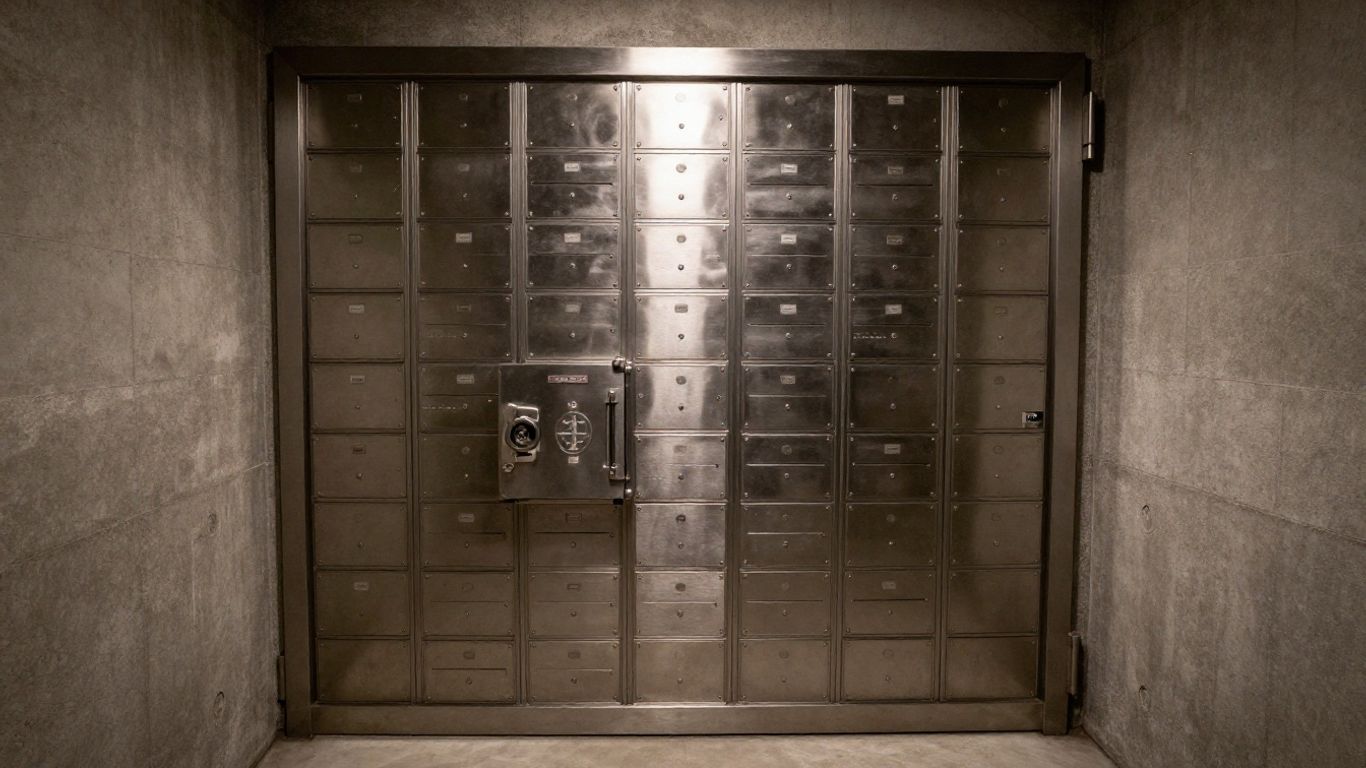
For collectors with truly substantial coin collections, the question of storage moves beyond simple boxes or albums. When your numismatic assets represent a significant portion of your wealth, or when you simply want the highest level of security, professional storage facilities become a serious consideration. These are not your everyday bank safety deposit boxes; they are specialized environments designed for the long-term preservation and security of valuable items.
Bank Vaults and Safety Deposit Boxes
Traditional bank vaults and safety deposit boxes offer a baseline level of security that many find reassuring. Banks have robust physical security measures, including surveillance and controlled access. However, it’s important to understand their limitations. Bank insurance policies typically do not cover the contents of safety deposit boxes, meaning you’ll need to arrange separate insurance for your collection. Access is also usually restricted to banking hours, which can be inconvenient. Furthermore, in extreme circumstances, banks might limit access, which could be problematic if you need to retrieve your coins quickly.
Private Depository Services
This is where things get more specialized. Private depositories are facilities built specifically for storing valuable assets, including precious metals and, by extension, coins. They often provide a higher degree of security than banks, with advanced surveillance, climate control, and dedicated security personnel. Many offer options like segregated storage, where your specific items are kept separate from others, or allocated storage, which provides clear documentation of ownership for each piece. This level of detail is particularly important for high-value collections. These services are designed to protect against theft, fire, and environmental damage, offering peace of mind that home storage or standard bank boxes cannot match. For those looking to store precious metals as part of an IRA, these facilities often comply with IRS regulations, making them suitable for tax-advantaged accounts. You can often arrange for physical delivery or withdrawal when needed, with secure shipping managed through reliable procedures. Direct bullion storage is a prime example of this specialized care.
Insurance and Documentation Best Practices
Regardless of whether you choose a bank vault or a private depository, proper insurance and meticulous documentation are non-negotiable. Your insurance policy should specifically cover your numismatic collection, detailing the types of coins, their estimated value, and any special conditions. Keep detailed records of every coin in your collection, including purchase dates, prices, provenance, and condition reports. High-resolution photographs or videos of your collection are also advisable. This documentation is vital not only for insurance claims but also for managing your collection and for estate planning. When considering storage, always inquire about the facility’s insurance coverage and what documentation they provide. Understanding the economics of professional storage is also key; while it might seem expensive, the cost can be balanced against the potential loss from theft or damage. Always consider how much you are willing to spend to balance security, accessibility, and affordability.
Mitigating Tarnish and Environmental Damage
Keeping your coins safe from tarnish and environmental wear is something that really pays off over the years, especially with anything made from silver. Even tiny bits of moisture or contact with the wrong material can trigger reactions that stain, spot, or permanently mar your collection. Let’s break down what you need to know to keep your coins looking their best.
Understanding the Causes of Silver Tarnish
- Silver tarnish happens when the metal reacts with sulfur compounds in the air to form silver sulfide.
- Main culprits include pollution, certain household products, cheap plastics, cardboard, and rubber.
- Don’t be fooled by myths: silver doesn’t rust like iron, but it will lose its shine and value quickly if left unprotected.
<table>
<thead>
<tr><th>Factor</th><th>Effect on Tarnishing</th><th>Prevention Method</th></tr>
</thead>
<tbody>
<tr><td>Humidity</td><td>Accelerates sulfur reaction</td><td>Store below 50% RH</td></tr>
<tr><td>Heat</td><td>Speeds up chemical reactions</td><td>Store in cool spaces</td></tr>
<tr><td>Air Quality</td><td>Sulfur and pollution drive tarnish</td><td>Airtight storage, activated carbon strips</td></tr>
</tbody>
</table>
Spotting tarnish early and addressing environmental factors quickly is one of the best ways to avoid long-term, costly coin damage.
Controlling Humidity and Air Quality
- Use airtight capsules or containers that lock out sulfur compounds—these create a reliable barrier and are easy to find online or through specialty coin suppliers.
- Add silica gel packs or anti-tarnish strips with activated carbon to containers to keep moisture low and absorb airborne chemicals.
- Keep storage settings under 50% humidity and away from direct sunlight or sudden temperature swings. Avoid places like attics, basements, or near heaters—these locations can lead to more tarnish and even container failure.
- For additional detail and step-by-step solutions to keep silver in top shape, check these effective storage solutions.
Proper Handling Techniques for Pristine Coins
- Always grab coins by the edges, never the faces. Even clean hands can leave behind oil or salts that lead to permanent marks.
- Use cotton or nitrile gloves every time you handle coins, especially valuable or historic ones.
- Work over a padded surface; even a short fall can ding or scratch them.
- For rare or very old coins, keep all cleaning and touching to an absolute minimum—natural patinas often increase a coin’s value, and removing them can destroy collectible worth.
- Visual checks are important, but it’s best to use a magnifying glass or take photos rather than touch the coin frequently.
- For more on these handling and storage basics, get a clear view of how to store silver coins without risking damage.
Keeping tarnish at bay really comes down to common sense, a little vigilance, and the right materials. Protect your collection now, and you’ll thank yourself later.
Sustainable Choices in Coin Collecting Storage
Eco-Friendly and Recyclable Materials
When we think about storing our coins, the first thing that usually comes to mind is protection. We want to keep them safe from damage, tarnish, and loss. But lately, more and more collectors are starting to think about the planet too. It’s about finding ways to store our collections that are good for the environment, not just for the coins themselves. This means looking at the materials we use and how they’re made. We should aim for storage solutions that minimize waste and use resources responsibly.
Here are some materials to consider:
- Recycled Paper Products: Many companies now offer acid-free paper and cardboard products made from recycled content. These are great for labels, interleaving sheets, or even some types of coin envelopes. Just make sure they are certified acid-free.
- Plant-Based Plastics: While traditional plastics can be problematic, some newer options are derived from plant sources and are biodegradable or compostable. Research these carefully to ensure they are chemically inert and won’t harm your coins.
- Glass and Metal: For display or long-term storage, glass-top display cases or metal containers can be very durable and often recyclable at the end of their life. They offer good protection and can be a more sustainable choice than single-use plastics.
Reducing Environmental Impact
Beyond just the materials themselves, we can also think about the overall impact of our storage choices. This involves looking at the entire lifecycle of the product, from manufacturing to disposal. For instance, choosing products that require less energy to produce or that can be reused multiple times makes a difference. Think about bulk purchases of supplies like Mylar flips if you have a large collection, as this can reduce packaging waste compared to buying small quantities frequently.
The drive towards sustainability in coin collecting storage isn’t about sacrificing quality; it’s about making smarter, more conscious decisions. It means questioning the status quo and seeking out alternatives that align with both numismatic preservation and environmental stewardship. As the market evolves, we can expect to see even more innovative and eco-friendly options become available to collectors.
Balancing Sustainability with Preservation Needs
It’s important to remember that the primary goal of coin storage is preservation. We can’t let the desire for sustainability compromise the safety of our collections. This means carefully vetting any ‘eco-friendly’ option to ensure it meets archival standards. For example, while some biodegradable plastics might seem like a good idea, they could break down too quickly or release harmful substances, damaging the coins. Always prioritize materials that are chemically inert and proven safe for long-term coin contact, like those made from polyester or polypropylene, which are generally considered safe and are often recyclable. The key is finding that sweet spot where environmental responsibility meets the stringent demands of numismatic preservation. For collectors focused on the highest level of protection, individual coin capsules made from inert materials are still the gold standard, and many manufacturers are now exploring more sustainable production methods for these as well. If you’re looking for reliable, inert storage, checking out options made from polyvinyl chloride-free materials is a good starting point.
Wrapping Up Your Coin Storage Strategy
So, we’ve looked at a lot of ways to keep your coins safe. It’s clear that how you store your collection really matters, not just for keeping things tidy, but for making sure those coins stay in good shape for a long time. Whether you’re just starting out with a few interesting pieces or you’ve been collecting for years, picking the right storage is a big deal. Remember, there’s no one-size-fits-all answer. Think about what you have, how much it’s worth, and what you want to do with it. By paying attention to the materials you use and where you keep them, you’re doing a lot to protect your collection’s value and history. It might seem like a lot of detail, but taking these steps now means your coins will be around for others to appreciate down the road.
Frequently Asked Questions
Why is it important to store my coins properly?
Storing your coins the right way is super important because it keeps them safe from damage. Things like too much moisture, dust, or even certain types of plastic can hurt your coins over time, making them look bad or lose value. Good storage acts like a shield, protecting your collection so it stays in great shape for a long, long time.
What kind of materials should I avoid when storing coins?
You should definitely stay away from plastics that contain PVC. When PVC breaks down, it releases harmful gases that can seriously damage your coins, causing them to corrode or change color. It’s best to stick with materials that are known to be safe for long-term storage, like Mylar flips or acid-free paper.
What are archival quality materials?
Archival quality materials are special supplies made to last for many, many years without falling apart or harming the things stored inside them. For coins, this means they are chemically stable and won’t react with the metal. Think of them as super-safe, long-lasting containers that won’t cause any unwanted changes to your coins.
Are individual coin capsules a good choice?
Yes, individual coin capsules are excellent for protecting valuable coins! They fit snugly around each coin, stopping it from moving around and getting scratched. Many of them also create a sealed environment, which helps keep out moisture and air, slowing down things like tarnishing. It’s like giving each coin its own personal, protective bubble.
How can I store a lot of coins without taking up too much space?
For larger collections, you can use archival-grade albums or folders that have special slots for each coin. Another great option is secure storage containers or cubes. These are designed to hold many coins safely and neatly, often with clear lids so you can see what’s inside without having to open them.
What should I do if I have very valuable or rare coins?
For your most precious coins, consider using professional storage facilities. Places like bank vaults or specialized private depositories offer top-notch security and controlled environments. It’s also wise to get them properly insured and keep detailed records of everything you own.
How can I prevent my silver coins from tarnishing?
Tarnishing happens when silver reacts with sulfur in the air. To prevent it, you need to control the environment around your coins. Keep humidity low (ideally below 50%), avoid storing them in places with lots of air pollution, and make sure your storage materials are chemically safe. Also, handle your coins carefully with clean hands or gloves to avoid transferring oils.
Are there eco-friendly options for storing my coins?
Yes, there are! Some companies now offer storage solutions made from recyclable materials. You can find display stands or holders made from sustainable plastics or other eco-friendly materials. It’s a great way to protect your collection while also being mindful of the environment.