
Keeping up with what coin collectors are interested in is pretty important if you’re serious about numismatics. It’s not just about knowing the old, famous coins anymore. Things are changing, and knowing where the market is heading helps you make smarter choices, whether you’re buying, selling, or just building your own collection. This guide looks at how to keep an eye on these trends, especially as we head towards 2026.
Key Takeaways
- Modern coins, especially those with low production numbers or special finishes, are becoming more popular and are often seen as good investments.
- Factors like how rare a coin is, its condition, and whether it has any mistakes or special mint marks really affect its value.
- To understand what collectors want, you need to watch auction results, join online coin groups, and read what experts are saying.
- Investing in rare coins can be a way to grow your money over time, sometimes even better than traditional investments, and mixing different types of coins can lower risk.
- Focusing on the truly rare coins, those with a good story and unique features, is often a better strategy for building a valuable collection than just buying common items.
Understanding the Evolving Numismatic Landscape
The Rise of Modern Era Coins
The world of coin collecting is always changing, and lately, we’re seeing a big shift towards newer coins. For a long time, the focus was mostly on very old coins, but that’s not quite the whole story anymore. Coins made in the last few decades, especially those with limited production runs or perfect grading scores, are becoming just as interesting to collectors as their older cousins. Think about coins from the early 2000s or even more recent issues; they’re catching a lot of attention. This isn’t just about shiny new metal; it’s about how these coins connect with today’s world.
- Low Mintages: Fewer coins produced means they’re naturally harder to find.
- Perfect Grades (MS70/PF70): Coins in flawless condition are always desirable.
- Unique Design Elements: Special finishes or artistic features draw collectors in.
- Historical Context: Even modern coins can represent significant events or changes.
These modern pieces often come with a clearer story and more accessible information, making them easier for new collectors to get into. It’s a different kind of appeal, but a strong one.
Transparency and Innovation in Coinage
Today’s coin production is a lot more open than it used to be. Mints are sharing more details about how coins are made, what materials are used, and the thinking behind the designs. This openness builds trust with collectors and investors. Plus, there’s a lot of new technology and creative thinking going into coin production. We’re seeing different finishes, security features, and even ways to verify authenticity that weren’t common even ten years ago. This makes coins more than just currency; they become objects of art and technology.
The way coins are made and presented today offers a level of detail and clarity that wasn’t available before. This makes it easier for people to understand what they are buying and why it might be worth more than its face value.
This focus on clear information and new production methods is making the coin market more attractive to a wider range of people. It’s less mysterious and more engaging.
Historical Significance and Minting Marvels
Even with the rise of modern coins, the historical weight of older pieces still holds immense appeal. Coins are tiny time capsules, each one telling a story about the era it came from – the leaders, the events, the art styles, and the economic conditions. Some coins are considered marvels of minting for their time, showcasing incredible craftsmanship with the technology available back then. These coins aren’t just metal; they’re pieces of history you can hold in your hand.
| Coin Type | Approximate Minting Period | Key Historical Link |
|---|---|---|
| Roman Denarius | 2nd Century BCE – 3rd Century CE | Roman Empire, Emperors, Mythology |
| Spanish Doubloon | 16th – 19th Centuries | Age of Exploration, Colonial Trade |
| U.S. Morgan Dollar | 1878 – 1921 | American West, Industrial Revolution |
| British Sovereign | 1817 – Present | British Monarchy, Global Finance |
Understanding the history behind a coin, its design, and the circumstances of its creation adds a layer of depth that pure investment value can’t always match. It’s this blend of history, art, and rarity that keeps the numismatic landscape so dynamic.
Identifying Key Numismatic Market Drivers
Rarity, Condition, and Momentum
When you’re looking at coins, a few things really stand out as making a big difference in what they’re worth. First off, how many of them are there? The fewer coins that exist, the more people will want them, generally speaking. This is rarity. Then there’s the condition. A coin that looks like it just came from the mint, with no scratches or wear, is going to be worth a lot more than one that’s been tossed around. We often talk about grades like MS70 for uncirculated coins or PF70 for proof coins – those are the top marks, meaning they’re pretty much perfect.
Momentum is a bit trickier. It’s about how much interest there is in a particular coin or type of coin right now. Are people talking about it? Are prices going up? This can be influenced by new discoveries, big auction sales, or even just trends in collecting. It’s like a stock – sometimes a coin can become really popular for a while.
Here’s a quick look at how these factors play out:
- Rarity: Low mintage numbers, limited production runs, or coins that were recalled.
- Condition: Mint State (MS) or Proof (PF) grades, especially the highest ones (like 70), are key.
- Momentum: Current auction results, collector demand, and media attention.
The Role of Mint Marks and Errors
Mint marks are like a coin’s birthplace. They tell you which mint produced the coin (like a ‘D’ for Denver or an ‘S’ for San Francisco). Sometimes, coins from a specific mint are rarer than others, which can affect their value. It’s not always the case, but it’s something to check.
Errors are where things get really interesting for some collectors. These are mistakes made during the minting process. Think about a coin that’s struck twice, or one where the metal is wrong, like a penny made of copper instead of zinc. These aren’t just flaws; they can make a coin incredibly scarce and highly desirable. Some of the most famous rare coins are famous precisely because of a specific error.
- Mint Marks: Look for letters like ‘D’, ‘S’, ‘O’, ‘CC’ which indicate the mint.
- Common Errors: Double dies, off-center strikes, wrong planchets (the metal disc before striking), and clipped planchets.
- Value Impact: Errors can turn a common coin into a highly sought-after rarity.
Understanding these specific details – the tiny marks and the unexpected mistakes – is what separates a casual observer from someone who can spot real value.
Assessing Historical Significance and Design
Beyond just the physical aspects, a coin’s story matters a lot. Coins that represent important moments in history, like a special commemorative issue or a coin from a significant year, often carry extra weight. Think about coins that mark a nation’s founding or a major event. These pieces connect us to the past in a tangible way.
The design itself also plays a big part. Some coin designs are simply iconic. They might be beautiful, intricate, or represent a powerful symbol. The artistry and the historical context of the design can make a coin much more appealing to collectors, even if its rarity or condition is similar to other coins. It’s about the overall package – the history, the look, and the story it tells.
Strategies for Tracking Numismatic Collector Trends
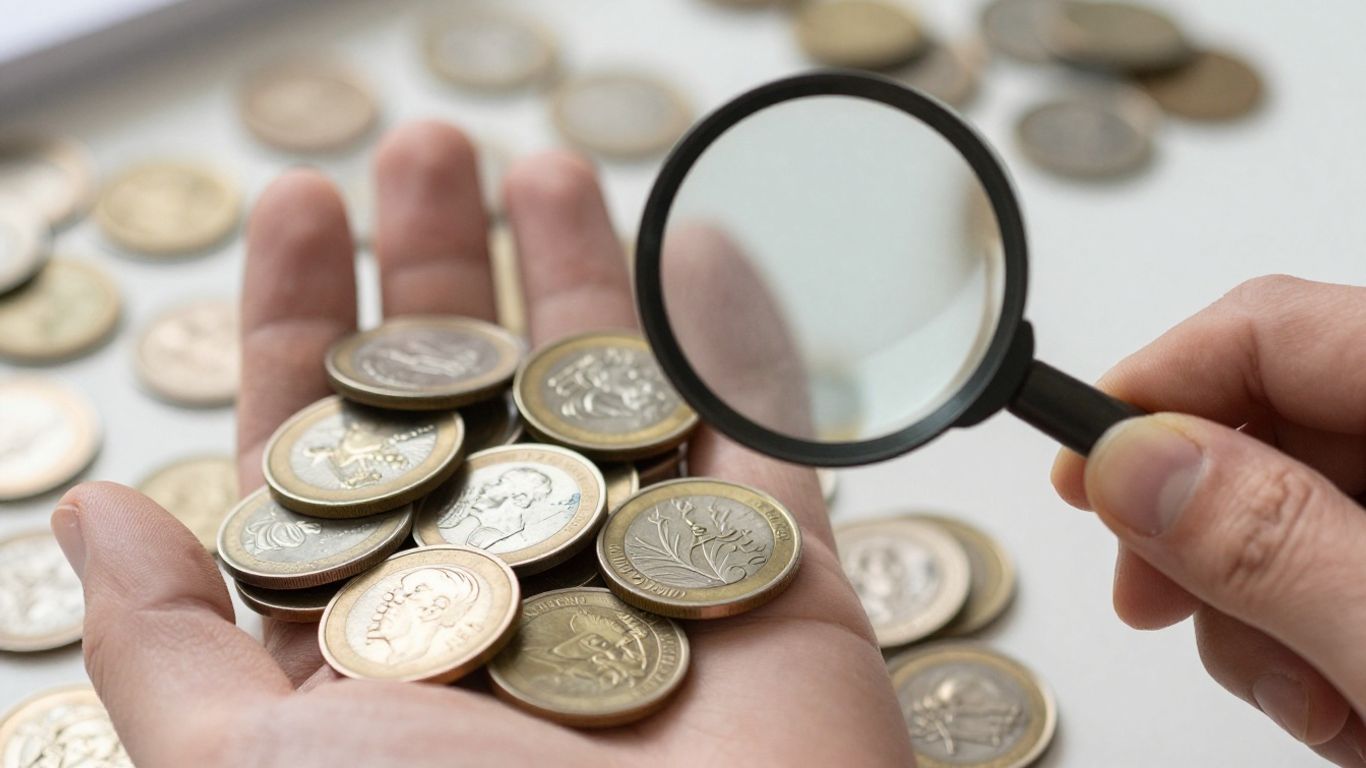
Keeping a pulse on the numismatic market is key to making smart moves, whether you’re building a collection or looking to invest. It’s not just about knowing what’s old; it’s about understanding what collectors are talking about and what’s likely to hold its value, or even grow. The market for coins changes, and staying informed means you can spot opportunities before others do.
Monitoring Auction Results and Collector Interest
Watching what happens at major auctions is like looking at a report card for the coin market. You can see which coins are selling, for how much, and if they’re meeting or exceeding expectations. This gives you a real-time look at demand. High prices at auctions often signal growing interest, which can be a good indicator for future value. It’s also worth paying attention to what coins are being discussed online or in collector forums. When a particular coin or series starts getting a lot of attention, it often means more people are looking to acquire it.
- Track prices realized for specific coins and series.
- Note which coins are attracting multiple bidders.
- Observe trends in the condition and grade of coins that perform well.
Engaging with Numismatic Communities
Talking to other collectors is a goldmine of information. Online forums, social media groups, and local coin clubs are places where people share what they’re seeing, what they’re excited about, and what they think might be the next big thing. You can learn a lot from experienced collectors who have been in the hobby for years. They often have insights into historical context or subtle market shifts that you might miss otherwise. Plus, it’s a great way to get a feel for the general sentiment and enthusiasm around different types of coins. This kind of interaction can help you discover coins that might not be getting a lot of mainstream attention yet, but are gaining traction within the collecting world. It’s a good way to get a feel for the market and find out about coins that are affordable hobby for many.
Following Industry Reports and Expert Analysis
Professional numismatic organizations and reputable dealers often publish reports and market analyses. These can provide a more structured view of market trends, including information on supply, demand, and price movements. Experts in the field often have a deep knowledge of coin history and market dynamics, making their opinions and predictions quite insightful. Reading these reports and following the advice of trusted experts can help you make more informed decisions about your collection and potential investments. It’s about getting a broader perspective beyond just individual auction results.
Staying informed about market trends is not just about watching prices; it’s about understanding the ‘why’ behind those prices. Collector sentiment, historical context, and even broader economic factors can all play a role in a coin’s desirability and value over time.
The Investment Potential of Rare Coins
Historical Appreciation and Outpacing Traditional Assets
When you look at rare coins as an investment, it’s not just about owning something old and pretty. For a long time now, certain coins have shown they can grow in value quite a bit, sometimes even more than things like stocks or bonds. Think about it – a coin that was made hundreds of years ago, especially if it’s in good shape and not many were made, can become really sought after. This demand from collectors and investors is what drives the price up. It’s this combination of scarcity, historical weight, and growing interest that makes rare coins a compelling part of a diversified investment strategy.
Long-Term Value and Portfolio Building
Building a collection of rare coins isn’t just a hobby; it can be a way to build wealth over time. Unlike some investments that can be here today and gone tomorrow, a well-chosen rare coin often holds its value and can increase over decades. When you’re putting together a portfolio, adding rare coins can bring a different kind of stability. They don’t always move with the stock market, which can be a good thing when other investments are shaky. It’s about picking pieces that have a story, a known history, and a limited supply. These are the kinds of coins that tend to do well over the long haul, becoming a solid part of your financial picture.
Diversification for Reduced Risk and Enhanced Returns
Putting all your money into one type of investment is usually not the smartest move. That’s where diversification comes in, and rare coins can play a big part in that. By adding coins to your portfolio, you’re spreading your risk. If the stock market takes a dip, your coins might be doing just fine, or even going up. This mix can help smooth out the ups and downs of your overall investments. Plus, when you find those special coins that are both rare and in demand, they can offer returns that are hard to match elsewhere. It’s about being smart with your money, making sure it’s not all tied up in one place, and looking for opportunities that can really pay off.
Here’s a look at how rare coins have performed compared to other assets:
| Asset Class | 10-Year Average Return (Approx.) |
|---|---|
| Rare Coins | 175% |
| Stocks (S&P 500) | 120% |
| Gold | 80% |
| Real Estate | 90% |
The appeal of rare coins as an investment lies in their tangible nature, historical narrative, and the potential for significant value appreciation driven by scarcity and collector demand. They represent a unique asset class that can offer both preservation of capital and substantial growth opportunities when approached with knowledge and a long-term perspective.
Focusing on the Rarest of the Rare
Beyond Bullion: Seeking Irreplaceable Pieces
When we talk about the numismatic market, it’s easy to get caught up in the daily fluctuations of precious metals or the sheer volume of modern issues. But for those looking to build something truly lasting, the focus shifts. We’re talking about coins that are more than just metal; they’re historical artifacts, tiny pieces of art, and often, unique survivors of time. These aren’t items you’ll find in bulk or easily compare on price alone. They stand apart. Think of coins with extremely limited mintages, perhaps only a few hundred or even fewer ever produced, or those that represent a singular moment in history that will never be repeated.
Coins with Provenance and Unique Characteristics
What truly sets the rarest coins apart is their story. Provenance, the documented history of ownership, adds immense weight. Knowing a coin was once part of a famous collection or passed through significant historical hands can dramatically increase its desirability and, consequently, its value. Beyond ownership history, unique characteristics play a huge role. This could be an unusual mint error that occurred only once, a specific die variety that was produced for a very short period, or even a coin that was struck on a different metal planchet by mistake. These anomalies make a coin one-of-a-kind, or nearly so.
- Limited Mintage: Coins produced in quantities of 1,000 or less.
- Historical Significance: Pieces tied to major events or figures.
- Unique Errors: Struck on incorrect metal, off-center strikes, or rare die pairings.
- Exceptional Condition: Coins in perfect or near-perfect state of preservation, especially for older issues.
The pursuit of the rarest coins is not about chasing trends; it’s about identifying pieces that possess an inherent, almost immutable quality. These are the coins that collectors and investors seek for their ability to hold value through economic cycles, often appreciating because their scarcity is absolute.
Building Numismatic Portfolios, Not Just Collections
For the serious collector aiming for long-term financial growth, the approach needs to be strategic. Instead of simply accumulating coins that appeal aesthetically, the focus is on building a balanced portfolio. This means identifying coins that are not only rare and historically significant but also have a proven track record of appreciation and a strong market demand. It’s about selecting pieces that are difficult to replicate and therefore less susceptible to market volatility. This often involves looking beyond the most common denominations and exploring specialized series or specific rare dates that have demonstrated consistent growth over decades.
| Coin Type | Approximate Rarity Factor | Key Value Driver |
|---|---|---|
| 1794 Flowing Hair Dollar | Extremely High | Historical Significance |
| 1913 Liberty Head Nickel | Extremely High | Unique Survival (4 known) |
| 1933 Saint-Gaudens Double Eagle | Extremely High | Legal Issues, Rarity |
Navigating the Modern Numismatic Market
The Allure of 21st Century Coinage
The coin collecting world isn’t just about old, dusty pieces anymore. Seriously, there’s a whole new wave of coins from the 2000s that are really starting to catch people’s eyes. Think about it: these coins were made with new technology, and often in smaller numbers than coins from decades ago. They represent a fresh chapter in history, and collectors are noticing. Many of these newer issues are already showing strong potential for value growth.
What’s driving this interest?
- Innovation in Minting: Modern coins often feature advanced designs and finishes that weren’t possible before.
- Limited Production Runs: Unlike older coins that might have been made in the millions, many contemporary special issues have strict mintage limits.
- Historical Context: These coins mark significant events or anniversaries of the 21st century, giving them a unique story.
Coins Defining the Next Generation of Wealth
When we talk about the future of collecting and investing, it’s hard to ignore the coins being produced right now. These aren’t just pocket change; they’re becoming the heirlooms of tomorrow. People are looking for pieces that tell a story relevant to our current times, and that often means looking at coins minted in the last couple of decades. They represent a tangible connection to our recent past and present.
Consider these points:
- Digital Age Connection: Some modern coins even incorporate elements that resonate with our increasingly digital world.
- Global Appeal: Coin designs are becoming more international, attracting a wider audience.
- Artistic Merit: Many contemporary coins are recognized for their artistic quality, making them desirable beyond just their metal content.
The shift towards modern coins isn’t just a trend; it’s a reflection of how people connect with history and value in the current era. These pieces offer a blend of accessibility and potential that’s hard to pass up.
Accessibility and Innovation in Contemporary Issues
One of the coolest things about coins made in the 21st century is how easy it is to get information about them and how they’re made. Minting facilities are more open about their processes, and grading services provide clear assessments. This transparency makes it simpler for new collectors to get involved without feeling overwhelmed. Plus, the variety of finishes, edge treatments, and special privy marks available on modern coins means there’s always something new and interesting to discover. It’s a dynamic space that keeps evolving.
Essential Tools for Numismatic Success
To really get a handle on the coin market and build a collection that means something, you need the right gear. It’s not just about having a good eye; it’s about having the information and resources to back up your decisions. Think of these tools as your compass and map in the sometimes-complex world of numismatics.
Leveraging Databases and Grading Services
Databases are your best friend for tracking what’s out there and what things are worth. They compile auction results, sales records, and population reports, giving you a clear picture of a coin’s history and availability. Grading services, on the other hand, provide an objective assessment of a coin’s condition. A coin graded by a reputable service like PCGS or NGC comes with a standardized score that buyers and sellers understand. This takes a lot of the guesswork out of buying and selling.
- Population Reports: These show how many coins of a specific grade have been certified by a grading service. Low numbers often mean higher rarity.
- Auction Archives: Accessing past sales data helps you understand current market values and identify trends.
- Third-Party Grading: Services like PCGS and NGC offer authentication and grading, adding a layer of trust and value to your coins.
Utilizing Online Resources and Dealer Networks
The internet has opened up the numismatic world like never before. Online forums, collector websites, and social media groups are great places to connect with other enthusiasts, share knowledge, and even find coins. Building relationships with reputable dealers is also key. They often have access to coins before they hit the open market and can provide expert advice. Just remember to do your homework on any dealer before making a significant purchase.
The Importance of Professional Valuation
Sometimes, you just need an expert opinion. A professional numismatist or appraiser can offer insights that databases and online research might miss. They have years of experience spotting details, understanding historical context, and assessing market demand. This is especially important when dealing with high-value items or when you’re unsure about a coin’s authenticity or true worth.
Getting a professional valuation isn’t just about knowing a price; it’s about understanding the story and the market forces behind that price. It adds confidence to your collecting and investment decisions.
Preserving and Showcasing Your Collection
Taking care of your coins is just as important as finding them. Proper preservation means your collection stays in good shape for years, maybe even generations. It’s not just about keeping them clean; it’s about protecting them from damage that can really hurt their value. Think about it like this: a coin that’s been scratched or corroded just isn’t as appealing, or as valuable, as one that’s been kept safe.
Best Practices for Coin Preservation
When it comes to keeping your coins in top condition, a few simple rules go a long way. The biggest thing is to avoid touching the coin’s surface directly. Your skin has oils that can cause damage over time. Always handle coins by their edges. Also, be careful about what you store them in. Some materials can react with the metal, causing discoloration or other problems. It’s best to stick with inert materials.
Here are some key points to keep in mind:
- Handle with Care: Always hold coins by their reeded edges or surfaces, using cotton gloves or a soft cloth if possible.
- Avoid Harsh Cleaning: Resist the urge to clean coins yourself. Improper cleaning can severely damage a coin’s surface and drastically reduce its value. Professional conservation is usually the best route if a coin needs attention.
- Use Inert Materials: Store coins in holders made from Mylar, polyethylene, or polypropylene. Avoid PVC (polyvinyl chloride) plastics, as they can break down and damage coins.
- Control the Environment: Keep your collection away from extreme temperatures, humidity, and direct sunlight. A stable environment is key to long-term preservation.
Effective Display and Storage Solutions
How you store and display your coins really matters. For everyday storage, individual holders like flips or slabs are great. These protect each coin and make it easy to see what you have. For displaying your collection, you have options like albums, display cases, or even custom-built cabinets. The goal is to show off your coins while still keeping them protected.
Consider these storage and display methods:
- Coin Albums: These are often designed for specific series or mints, with slots for each coin. They’re good for organizing and viewing.
- Coin Slabs (Graded Holders): Coins certified by grading services come in sealed plastic holders. These offer excellent protection and authentication.
- Display Cases: For showcasing, cases with velvet lining or clear acrylic fronts can make your collection look impressive. Make sure they offer UV protection if placed in sunlight.
- Safe Deposit Boxes or Home Safes: For high-value coins, secure storage outside the home can provide an extra layer of security.
The right storage and display aren’t just about looks; they’re a critical part of protecting your investment and ensuring the longevity of each piece. A well-organized and protected collection is easier to manage, appreciate, and potentially pass on.
Creating a Lasting Numismatic Legacy
Your coin collection can be more than just a hobby; it can become a legacy. Whether you plan to pass it down to family, use it as an educational tool, or even as a part of your financial planning, thinking about its future now is smart. A well-documented and preserved collection is much easier for others to understand and appreciate. It tells a story, not just of the coins themselves, but of your passion and dedication.
Spotting Hidden Gems and Valuable Finds
Finding those special coins that fly under the radar can be one of the most exciting parts of numismatics. It’s not always about the big-name rarities; sometimes, the real treasures are hiding in plain sight. This section is all about developing that sharp eye for coins that might be overlooked but hold significant potential.
Uncovering Rare Coins in Circulation
It might sound like a myth from a bygone era, but it’s still possible to find valuable coins in everyday change. While the days of pulling a 1933 Saint-Gaudens from your pocket are long gone, certain modern issues or older coins that slipped through the cracks can still surface. The key is knowing what to look for. Think about coins with low mintages, special finishes, or those that were part of limited commemorative series. Even a common coin can become rare if it has a specific error or a unique mint mark that wasn’t widely produced.
- Check the Mint Mark: Look for coins from smaller mints or those with unusual designations (like ‘W’ for West Point on certain modern issues).
- Examine the Date: Certain years within a coin series had significantly lower production numbers.
- Look for Errors: Off-center strikes, double dies, or planchet errors can turn a common coin into a find.
Recognizing Key Dates and Varieties
Within any coin series, certain dates and specific variations are far more sought after than others. These aren’t always the oldest coins; sometimes, it’s a particular year with a production anomaly or a design change that collectors covil. For instance, a specific Lincoln cent year might have a rare variety due to a die error, making it much more valuable than other cents from the same decade. Understanding these nuances requires a bit of research, but it’s where many hidden gems are found.
The 1982 No Mint Mark Roosevelt Dime is a prime example of how a simple omission can create significant collector interest.
The Thrill of the Numismatic Hunt
This pursuit is about more than just potential profit; it’s about the journey. The satisfaction of identifying a coin that others have missed, understanding its history, and knowing its place in the numismatic world is a reward in itself. It requires patience, a willingness to learn, and a bit of luck. Building a reference library or using online resources to cross-check potential finds is part of the fun. Remember, even if a coin isn’t a six-figure rarity, finding a coin with a story or a unique characteristic adds depth and excitement to any collection.
The pursuit of rare coins often rewards those who combine diligent research with a keen observational skill. Paying attention to the small details – the subtle differences in design, the presence or absence of a mint mark, or the tell-tale signs of a minting error – can transform a seemingly ordinary piece of metal into a significant numismatic find.
The Art of Buying and Selling Numismatic Treasures
Safe and Smart Acquisition Strategies
When you’re looking to add to your collection, being careful is key. It’s not just about finding a coin you like; it’s about making sure it’s the right move for your collection and your wallet. Think about where you’re buying from. Are you dealing with a reputable dealer who knows their stuff, or an online seller you’ve never heard of? Building trust with sellers is a big part of this. It means doing your homework on the seller and the coin itself. Always ask for details, like grading reports from recognized services, and don’t be afraid to walk away if something feels off. The goal is to acquire pieces that genuinely add value and historical context to your holdings, not just fill a space.
Here are some points to keep in mind when buying:
- Know Your Market: Understand the typical price range for the coin you’re interested in. Compare prices from different sources.
- Verify Authenticity and Condition: Always seek coins that have been professionally graded by services like PCGS or NGC. This helps confirm authenticity and provides an objective assessment of the coin’s condition.
- Consider the Seller’s Reputation: Look for dealers with a long-standing history and positive reviews within the numismatic community.
Maximizing Value When Selling Coins
Selling coins can be just as strategic as buying them. You want to get the best possible return for your treasures. This often means understanding the current market demand and presenting your coins in the best possible light. Sometimes, holding onto a coin for a bit longer can lead to a higher payout if its popularity or rarity increases. Think about the story behind the coin, too; a well-documented history can add significant appeal.
When you’re ready to sell, consider these approaches:
- Targeted Sales: Identify collectors or dealers who specifically seek the type of coins you own. This can lead to more competitive offers.
- Professional Grading: If your coin isn’t already graded, consider getting it done. A high grade from a reputable service can significantly boost its market value.
- Timing the Market: Research current trends. Selling when demand is high for a particular series or type of coin can result in a better price.
Selling a coin isn’t just about getting rid of an item; it’s about realizing the value you’ve cultivated through careful acquisition and preservation. It requires understanding the coin’s place in the market and presenting it to buyers who appreciate its unique qualities and historical significance.
Understanding Auction Dynamics
Auctions can be exciting places to buy and sell, but they come with their own set of rules. You need to be aware of buyer’s premiums, seller’s fees, and the pace of bidding. It’s easy to get caught up in the moment and overspend, so setting a firm budget beforehand is important. For sellers, understanding how auctions work can help you set realistic expectations for the final sale price and choose the right auction house for your items.
Key aspects of auction participation:
- Pre-Auction Research: Thoroughly examine the auction catalog and, if possible, the coins themselves. Understand the condition and any listed flaws.
- Set Your Limits: Decide on your maximum bid before the auction begins and stick to it. Emotional bidding can lead to costly mistakes.
- Factor in Fees: Remember to account for buyer’s premiums and any other associated costs when determining your total potential expenditure.
Looking Ahead: The Evolving World of Coin Collecting
So, we’ve looked at a lot of coins and talked about what makes them special. It’s clear that the coin collecting world isn’t just about old, dusty pieces anymore. Modern coins are really making a name for themselves, offering new stories and investment chances. Whether you’re into the classics like the 1794 Flowing Hair Dollar or the newer, shiny ones, the main thing is to stay curious and keep learning. The market changes, new coins come out, and understanding these shifts is key. By paying attention to what’s happening and knowing what to look for – like mint marks, condition, and historical background – you can build a collection that’s not just interesting, but also holds its own. It’s a journey, for sure, and one that promises to keep coin enthusiasts engaged for years to come.
Frequently Asked Questions
What makes a coin rare and valuable?
A coin becomes rare and valuable based on a few key things. Think about how many were made – fewer is usually better. Also, does it have a cool story from history? Sometimes, mistakes made when the coin was created, like a doubled image, make it special. Plus, if it’s in really good shape, that adds to its worth.
How can I tell if a coin I find is rare?
To figure out if a coin is special, check for tiny letters called mint marks that show where it was made. Look closely for any oddities or mistakes in the design. Sometimes, getting an expert to look at it and give it a grade can help you understand its true rarity and condition.
Where is the best place to buy rare coins?
You can find rare coins from trusted online sellers, local coin shops, and big auction houses. It’s super important to make sure the seller is honest and has a good reputation before you buy anything.
Are rare coins a smart investment?
Yes, rare coins can be a good investment for the long run. They often go up in value over time, especially if they have a lot of history or are very hard to find. Spreading your money across different types of coins can also help lower the risk.
How do I keep up with what's happening in the rare coin market?
To stay in the know, watch what coins are selling for at auctions. Read reports from people who study coins and join online groups where collectors talk. This helps you understand what’s popular and what might be a good buy.
What's the difference between collecting coins and investing in them?
Collecting is often about the love of history, art, and the thrill of finding unique pieces. Investing is more focused on the coin’s potential to increase in value over time, aiming for financial profit. Many people do both!
Are modern coins becoming as collectible as old ones?
Yes, many newer coins are becoming very popular. Coins made in the 21st century, especially those with limited production numbers or special finishes, are gaining a lot of attention and can be great additions to a collection.
What does 'provenance' mean for a coin?
Provenance refers to the history of a coin’s ownership. If a coin has passed through famous collections or has a well-documented past, that adds to its story and can make it more desirable and valuable to collectors.