
Coins are more than just metal; they’re tiny pieces of history. People collect them for all sorts of reasons, from the stories they tell to their potential to grow in worth. But figuring out just how much a coin is worth can be tricky. It’s not always about how old it is or what it’s made of. Sometimes, the smallest details about its condition and how many others like it exist play a huge role in its value. This guide looks at the main things that make certain coins more valuable than others, focusing on condition rarity factors coins.
Key Takeaways
- A coin’s value is a mix of its condition, how rare it is, and collector interest. These are the main things that make some coins worth a lot more than others.
- Condition rarity factors coins means that even if a coin was made in large numbers, if very few survive in good shape, it becomes rare and more valuable.
- The Sheldon Scale, from 1 to 70, is used to grade a coin’s condition. A higher grade, meaning less wear and better preservation, usually means a higher price.
- Beyond condition, things like how many coins were originally made (mintage) and how many are still around (survival rate) also affect how rare a coin is.
- Collectors often pay a lot for the best-preserved examples of a coin, sometimes called ‘top pops,’ driving up prices for coins in top grades.
Understanding Coin Condition Rarity Factors
The Role of Condition in Coin Valuation
When people talk about how much a coin is worth, they often focus on how old it is or how many were made. But there’s another huge piece of the puzzle: the coin’s condition. Think about it like this: a car that’s been driven every day for twenty years and parked outside will look and perform very differently from one that’s been kept in a garage and only driven on weekends. Coins are similar. The physical state of a coin plays a massive role in its desirability and, therefore, its price. A coin that looks almost brand new, with sharp details and no visible wear, is going to be worth significantly more than one that’s been handled a lot, showing scratches and worn-down features. This difference in condition is often what separates a common coin from a rare treasure. The better a coin’s condition, the rarer it is in that specific state, and the higher its value tends to be.
Defining Condition Rarity in Numismatics
In the world of coin collecting, we have a term for this: "condition rarity." It doesn’t just mean a coin is old or has a low mintage number. It specifically refers to how scarce a coin is in a particular grade or state of preservation. For example, a coin might have been minted in the millions, but if only a few hundred survive in what collectors call "Mint State" (meaning it looks like it just left the mint, with no wear), then it’s considered condition rare in that grade. It’s all about survival. Many coins get lost, damaged, or worn down over time. So, finding one that has managed to stay in excellent shape is quite uncommon. This scarcity in high grades is what drives up the value for many numismatic items.
How Condition Impacts Coin Value
The impact of condition on a coin’s value can be quite dramatic. It’s not just a small difference; sometimes, a single grade point can mean the difference between a coin worth a few hundred dollars and one worth tens of thousands. This is especially true for older or more popular series. For instance, a common date Morgan Silver Dollar might be worth only $30 in a lower circulated grade, but the exact same coin, if it’s in a top-tier Mint State grade like MS-67, could easily fetch over $1,000. This steep increase highlights how important preservation is. Collectors often strive to acquire the best possible examples of a particular coin, leading to intense competition for high-grade specimens. This demand, coupled with the inherent scarcity of coins in superior condition, directly translates into higher market prices. Understanding the coin grading scale is the first step to appreciating these differences.
Here’s a simplified look at how condition can affect value:
- Poor (P-1) to Good (G-4): Significant wear, most details are flat or missing. Low collector interest, value often close to metal content.
- Very Fine (VF-20 to VF-35): Moderate wear, major design elements are visible but softened. Moderate collector interest.
- Extremely Fine (XF-40 to XF-45): Slight wear, sharp details remain. Good collector interest.
- About Uncirculated (AU-50 to AU-58): Very light wear, often only visible under magnification. High collector interest.
- Mint State (MS-60 to MS-70): No wear from circulation. The higher the number, the fewer imperfections and the greater the value. MS-65 and above are highly sought after.
The journey of a coin from its minting to the present day is often fraught with peril. Circulation, environmental exposure, and simple handling can all take their toll. Consequently, coins that have managed to escape these detrimental effects and retain their original brilliance and sharp detail are inherently more scarce. This scarcity in pristine condition is a primary driver of numismatic value, often overshadowing factors like mintage alone.
Key Elements of Coin Condition
When we talk about coins, their physical state is a really big deal. It’s not just about whether it looks old or new; it’s about the nitty-gritty details that collectors and experts look at. Think of it like a vintage car – a pristine, low-mileage model is worth way more than one that’s been driven hard and left out in the rain. The same applies to coins. The better a coin has been preserved, the higher its potential value.
Assessing Wear and Tear
This is probably the most obvious factor. Has the coin been handled a lot? Has it been used as actual money in everyday transactions? You can usually tell by looking at the high points of the design. On a coin that’s seen a lot of use, these raised areas will be smoothed down. The less wear, the better the grade. We’re talking about things like:
- Obverse (Front) Details: Are the features on the main side, like a portrait’s hair or the lines on a building, still sharp and clear?
- Reverse (Back) Details: How do the elements on the other side look? Is a shield’s outline still defined, or is it rounded off?
- Edge: Even the rim of the coin can show wear if it’s been rubbed against other coins.
Coins that look like they just came from the mint, with no signs of circulation, are in what we call "Mint State." This is where the highest values are usually found. For a deeper dive into how this is assessed, understanding coin grading is a good start [87a7].
Evaluating Surface Quality and Luster
Beyond just the wear on the design itself, the overall surface of the coin matters a lot. This includes things like scratches, bag marks (small dents from being stored with other coins), and, importantly, luster. Luster is that original, frosty shine that a coin has when it’s first made. It’s like the sparkle on a diamond.
- Original Luster: Is the coin still bright and reflective, or does it look dull and lifeless?
- Contact Marks: Are there noticeable scratches or dings? Even minor ones can affect the grade.
- Toning: Sometimes, coins develop a natural patina over time. This can be attractive and even add value if it’s appealing and even. However, artificial toning or discoloration from damage is a negative.
The surface of a coin tells a story of its journey. A coin that has been kept safe, perhaps in a holder or album from an early age, will likely retain more of its original beauty and, consequently, its value. Even seemingly minor imperfections can add up.
The Importance of Strike and Detail
This element focuses on how well the coin was made in the first place. A strong "strike" means the dies (the metal tools used to stamp the design onto the coin blank) were pressed with enough force to bring out all the fine details. A weak strike can leave parts of the design looking mushy or incomplete, even on a coin that hasn’t been circulated.
- Sharpness of Detail: Are all the tiny lines, dots, and letters crisp and well-defined?
- Completeness of Design: Are there any areas where the design seems to fade away or is missing altogether due to a weak strike?
- Symmetry and Centering: While not strictly wear, a coin that is off-center or has uneven borders might be less desirable to some collectors, though this is often considered separately from wear and tear.
When a coin has a great strike, excellent surface quality, and minimal wear, it’s a strong candidate for a high grade. These factors, combined with rarity, are what truly drive a coin’s worth [95ba].
The Science of Coin Grading
Introduction to the Sheldon Scale
When you start looking into what makes a coin valuable, you’ll quickly run into the idea of grading. It’s basically a way to describe a coin’s condition using a standard system. Think of it like a report card for your coin. The most common system used today is the Sheldon Scale. Dr. William Sheldon came up with it back in 1948. He noticed that coins graded higher were worth way more than those graded lower. His idea was a scale from 1 to 70. A coin with a grade of ‘1’ was pretty rough, while a ’70’ was considered absolutely perfect. The cool thing is, a coin with a grade of 70 is theoretically worth 70 times more than a coin graded 1. This scale has become the backbone for how most grading services, like PCGS, do their work. It gives everyone a common language to talk about coin condition.
Understanding Mint State and Proof Designations
Beyond the numbers on the Sheldon Scale, there are specific terms used to describe a coin’s original state. Two important ones are "Mint State" (often abbreviated as MS) and "Proof." Mint State coins are those that were struck by the mint for circulation but have somehow survived without any wear. They look as if they just came off the minting press. A coin graded MS-60 is the lowest Mint State grade, while MS-70 is the highest, meaning it’s absolutely flawless. Then you have Proof coins. These aren’t made for everyday spending. They’re specially struck using polished dies and planchets, often multiple times, to get a really sharp, detailed image and a mirror-like background. They’re usually made in limited numbers for collectors. A Proof coin can also be graded on the 1-70 scale, with Proof 70 (PF-70 or PR-70) being the top grade. So, when you see a coin described as "MS-65" or "PF-68," you know it’s talking about its condition and whether it was intended for circulation or made as a special collector item.
The Impact of Grading Services on Value
So, you’ve got a coin, you’ve looked at its condition, and maybe you’ve even assigned it a grade. But what really makes a difference in the market? It’s often the opinion of a professional grading service. Companies like PCGS and NGC have become the go-to authorities. When a coin is sent to them, experts examine it and encapsulate it in a protective holder, called a slab, with a specific grade printed on it. This process does a few things. First, it authenticates the coin, meaning you know it’s real. Second, it provides an objective grade, which is super important because collectors want consistency. A coin graded by a reputable service often sells for significantly more than an un-graded coin of the same type and apparent condition. This is because the grading service’s label acts as a guarantee. It removes a lot of the guesswork for buyers. Registry sets, where collectors try to build the best possible collection of a certain coin type, heavily rely on these graded coins. The demand for the highest-graded examples, often called "top pops," can drive prices sky-high, making the grading service’s opinion a major factor in a coin’s market value. You can check out resources like the PCGS Price Guide to see how grades affect prices.
Rarity Factors Beyond Condition
While a coin’s condition plays a huge part in its value, it’s not the only thing that makes it rare. Several other elements contribute to how hard a coin is to find and, consequently, how much it’s worth. Think of it like this: even a perfectly preserved old book might not be that valuable if millions of copies were printed and still exist today. The same applies to coins.
Mintage Numbers and Scarcity
The number of coins a mint actually produces, known as the mintage, is a primary driver of rarity. A coin with a low mintage figure means fewer were originally made, making it inherently harder to come by. However, mintage alone doesn’t tell the whole story. We also need to consider scarcity, which is about how many of those minted coins are still around today. Many coins from earlier eras were simply melted down for their metal content or lost to time. So, a coin might have had a decent mintage, but if most of them vanished, the remaining ones become quite scarce.
- Low Mintage: Fewer coins produced at the mint.
- High Survival Rate: A large percentage of the minted coins still exist.
- Low Survival Rate: A small percentage of the minted coins still exist.
The combination of low mintage and a low survival rate is what truly creates significant rarity. For instance, the 1901 Morgan Silver Dollar, while not having the absolute lowest mintage, has fewer high-grade examples surviving, making those top examples quite rare. Understanding these numbers helps collectors identify coins that are genuinely hard to find.
Survival Rates and Existing Populations
This ties directly into scarcity. The number of a particular coin that still exists in any given condition is often referred to as its population. Coin grading services track these numbers, and they provide a clear picture of how many examples of a specific date and mint mark have been submitted and what grades they received. A coin with a low population in a high grade is often much more sought after than one with a high population, even if the mintage figures are similar. This is why tracking the existing populations of coins is so important for serious collectors.
The Influence of Minting Errors
Sometimes, coins become rare not because of planned production, but because of mistakes made during the manufacturing process. These minting errors can range from minor off-center strikes to dramatic double dies or planchet errors (where the metal blank itself is flawed). Because these errors are unintentional and usually occur sporadically, they create unique, one-of-a-kind or very low-mintage varieties. Collectors often seek out these anomalies, and their rarity can drive prices significantly higher than for a standard, perfectly struck coin of the same date and mint mark. These errors are a fascinating aspect of numismatics, turning a simple piece of metal into a collectible curiosity.
The value of a coin is a complex equation. While condition is a major factor, the original number produced, how many have survived the years, and even manufacturing mistakes all play a significant role in determining its place in the market. These factors combine to create the unique appeal of numismatic coins.
Condition Census Wars and Top Pops
The Pursuit of Finest Known Examples
In the world of coin collecting, there’s a special kind of competition that really drives up prices: the race to own the absolute best version of a particular coin. This is often called "condition census wars." Collectors who are building registry sets, which are collections organized by specific criteria, really want the top-graded coins. They’re not just looking for a good example; they want the finest known, or "top pop," as it’s known in the hobby. This intense desire for perfection means that coins in the highest grades can fetch prices far beyond what you might expect, sometimes reaching hundreds of thousands or even millions of dollars.
Registry Set Building and Demand
Registry sets are a big deal for serious collectors. These are curated collections, often managed by grading services, where collectors compete to have the best examples of specific coins. For instance, someone might aim to have the highest-graded 1909-S VDB Lincoln Cent. When a coin is the best of its kind in a registry set, its demand skyrockets. This demand is what fuels the "condition census wars." It’s not just about owning a rare coin; it’s about owning the rarest version of that rare coin. This competition creates a market where even a single grade point difference can mean a massive jump in price. For example, a coin might be graded MS65 and be worth a few thousand dollars, but if another example is graded MS66, it could be worth ten times that amount or more. It’s a fascinating dynamic that shows how condition plays such a huge role in numismatics.
How Top-Graded Coins Command Premiums
So, why do these top-graded coins get so much attention and money? It really comes down to scarcity and desirability. When you look at a coin’s population report, which shows how many of a specific coin have been graded at each level by services like PCGS, you can see just how few exist in the highest grades. For many popular coins, there might be thousands graded in the mid-range, but only a handful, or even just one, in the top grade. This extreme rarity, combined with the desire of collectors to complete their sets with the best possible specimens, creates a situation where these coins command significant premiums. They are the "holy grail" for many collectors, and their prices reflect that status. It’s a constant battle among collectors to acquire these elite pieces, often leading to record-breaking sales at major auctions. You can check out the population of graded coins for many series on resources like PCGS CoinFacts.
The pursuit of the absolute finest known examples of any given coin, often referred to as "top pops," has become a significant driver of value in the numismatic market. This intense competition, fueled by registry set building and the desire for ultimate rarity, means that coins in the highest possible grades can achieve prices that far exceed their intrinsic metal worth or even the value of lower-graded counterparts. The scarcity of these top-tier specimens creates a unique market dynamic where condition is paramount.
Historical Significance and Collector Appeal
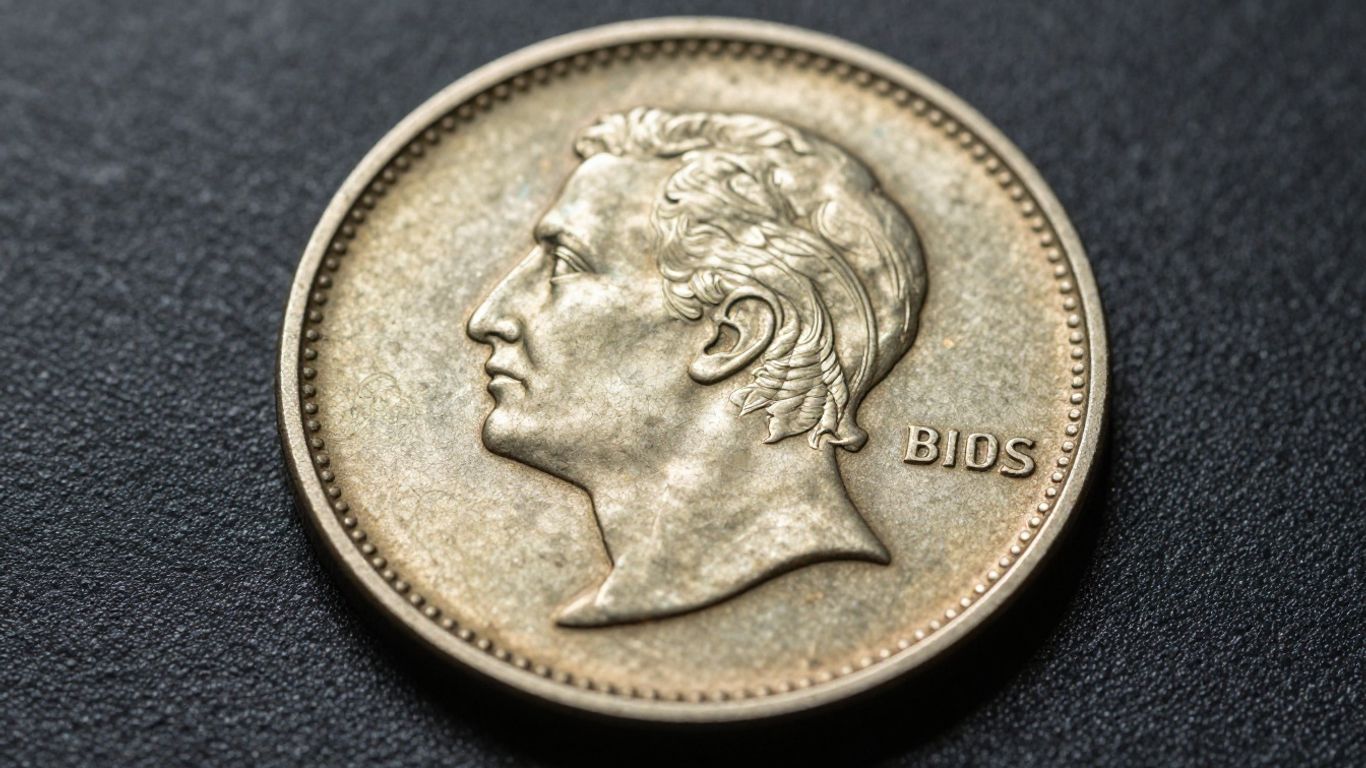
Beyond the physical state of a coin, its story and connection to the past can dramatically influence its desirability and, consequently, its value. Coins are not just metal discs; they are tangible pieces of history that have passed through countless hands and witnessed significant events. This historical weight adds a layer of appeal that often transcends mere rarity or condition.
Coins Tied to Pivotal Historical Events
Certain coins become highly sought after because of their association with major historical moments. Think about coins minted during times of war, economic upheaval, or significant political change. These pieces carry an inherent narrative that collectors find compelling. For instance, a coin from the American Revolutionary War or one that circulated during the Great Depression tells a story of resilience and a specific era. The 1933 Double Eagle, for example, is famous not just for its gold content but also for its connection to the end of the gold standard in the U.S., fetching millions at auction. Such coins offer a direct link to the past, making them more than just collectibles; they become historical artifacts.
Aesthetic Design and Artistic Merit
Not all coins are created equal in terms of their visual appeal. Many collectors are drawn to coins with intricate designs, beautiful engravings, or unique artistic themes. This is particularly true for ancient coins from civilizations like Rome or Greece, which often feature detailed portraits and mythological scenes. Even modern coins can possess significant artistic merit, with some designs becoming iconic. The aesthetic quality can turn a coin from a simple piece of metal into a miniature work of art, attracting collectors who appreciate its visual beauty. This aspect is subjective, of course, but certain designs have a broad appeal that consistently drives demand.
The Storytelling Value of Ancient Coins
Ancient coins offer a unique window into bygone eras. Their designs, inscriptions, and even the wear patterns tell stories about the rulers, the economy, and the culture of the time. Holding an ancient coin connects you directly to people who lived thousands of years ago. This deep historical connection is a powerful draw for many collectors. The rarity of surviving ancient coins, combined with their historical narrative, often places them in a category of their own. Understanding the context in which these coins were minted, the events they witnessed, and the scarcity of surviving examples helps collectors appreciate both the value and the story behind each piece. For those interested in history, these coins are invaluable.
The allure of a coin often lies not just in its metal or its mint date, but in the journey it has taken through time. Coins that have witnessed significant historical moments or possess exceptional artistic qualities tend to capture the imagination of collectors, adding a layer of desirability that can significantly impact their market standing. This narrative element transforms a simple object into a piece of history that people want to own and preserve.
When considering the value of a coin, remember that its historical context and aesthetic appeal are significant factors. A coin’s ability to tell a story or showcase artistic brilliance can make it highly desirable, even if its physical condition or mintage numbers are not exceptional. This collector appeal, combined with other factors, contributes to the overall numismatic value. For those looking to build a collection, focusing on coins with strong historical ties or captivating designs can lead to a more engaging and potentially rewarding experience. Exploring the history behind coins can help you find pieces that truly speak to you, turning a hobby into a passion. You might even find some of these historically significant pieces in unexpected places, not just at major auctions. For example, coins from the Roman Empire often carry immense historical weight.
Market Dynamics Influencing Coin Prices
When we talk about what makes a coin valuable, it’s not just about how old it is or how shiny it looks. There are bigger forces at play, kind of like how the price of gas goes up and down for reasons beyond just the oil itself. These are the market dynamics, and they can really shake things up in the coin world.
Macroeconomic Trends and Tangible Assets
Think about what happens when the economy feels a bit shaky, maybe inflation is high or the stock market is doing weird things. People start looking for places to put their money that feel more solid, more real. That’s where coins, especially those made of gold or silver, come in. They’re seen as tangible assets, something you can actually hold. This increased interest can push up the prices of certain coins, even if their rarity hasn’t changed. It’s like a general flight to safety, and coins often benefit from it. For instance, during periods of high inflation, coins with intrinsic metal value and historical significance tend to see more collector interest.
Auction Demand and Provenance
Auctions are a big deal in the coin collecting world. When a really special coin goes up for sale, a lot of people want it. This competition drives the price up. The more people who want a specific coin, the higher its price can go. But it’s not just about who’s bidding; it’s also about the coin’s history, its provenance. If a coin belonged to someone famous or has a documented history of being in important collections, that adds a layer of desirability. Think about it like buying a piece of art – knowing who owned it before can make a big difference. This is especially true for coins that have a documented history, like those that have appeared in major sales or belonged to notable collectors.
The Role of Market Sentiment
Sometimes, a coin’s value can go up simply because people think it’s going to go up. This is market sentiment. News about the coin market, reports on how many coins are in top condition, or even just buzz among collectors can influence how people feel about a particular coin or series. If everyone suddenly decides that a certain type of coin is the next big thing, demand can surge, and prices follow. It’s a bit like a trend. This is why keeping an eye on what collectors and experts are talking about is important. Understanding these factors is crucial for determining a coin’s worth [61e7].
The overall health of the economy and investor confidence play a significant role in the numismatic market. When confidence is high, collectors are more willing to spend on higher-end items. Conversely, during uncertain economic times, demand might shift towards more affordable series or coins with strong intrinsic metal value.
Identifying High-Value Coins in Circulation
It might seem like finding a treasure in your pocket change is a thing of the past, but it’s not entirely impossible. While the really big finds are rare, there are definitely coins that circulate that are worth more than their face value. You just need to know what to look for. It’s like a treasure hunt, but instead of a map, you’ve got your eyes and a bit of knowledge.
Searching for Rare Dates and Mint Marks
The date and mint mark on a coin are like its birth certificate and birthplace. Some combinations are just much rarer than others. For example, coins made in smaller quantities or at certain mints during specific years can be quite scarce. A quick look at a coin’s date and where it was made (indicated by a small letter, like ‘S’ for San Francisco or ‘D’ for Denver) can tell you a lot. A coin’s date and mint mark are often the first clues to its potential rarity. Checking resources that list mintage figures can help you spot these less common pairings. You can find lists of low-mintage coins online or in coin collecting books. Remember, even a common coin type can become valuable if it has a rare date and mint mark combination. For instance, a 1909-S VDB Wheat Penny is a classic example of a coin that commands significant attention due to its low mintage and the initials of its designer. You can learn more about how to determine if your old coins are valuable by understanding six key factors: metal content, rarity, grade, mint marks, errors, and demand. This guide helps you assess your collection.
Recognizing Valuable Mint Errors
Mistakes happen, even at the mint. These mint errors can turn an ordinary coin into something extraordinary. Think about coins that are off-center, have doubled lettering, or are missing parts of their design. Sometimes, coins are struck on the wrong metal planchet, or they might have a die that’s cracked or broken. These aren’t just flaws; they’re unique characteristics that collectors seek out. A coin with a significant error can be worth hundreds or even thousands of dollars, depending on the type and severity of the error. For example, a 1976-S Bicentennial Silver Quarter, especially in proof condition, can fetch a surprisingly high price due to its special composition and limited production. It’s worth keeping an eye out for these anomalies.
Hidden Gems in Everyday Change
So, how do you actually go about finding these potentially valuable coins? It takes a bit of patience and a systematic approach. Start by looking through your own change, and maybe ask friends or family if you can sort through theirs. Coin shows and local coin shops are also great places to look, though you’re less likely to find treasures in circulation there. When you find a coin that looks interesting, take a closer look. A magnifying glass can be really helpful. Check the date, the mint mark, and for any signs of errors or unusual wear. Remember that the condition of the coin matters a lot; a coin graded on a scale from 1 to 70, with 70 being perfect, will be worth more. Coins are graded on a scale from 1 to 70.
Here are some common types of errors to watch for:
- Off-center strikes: The design is not fully centered on the coin.
- Doubled dies: The design appears doubled, especially noticeable on lettering or numbers.
- Wrong planchet: The coin is struck on a metal disc intended for a different type of coin.
- Die cracks or breaks: Visible cracks or chips on the coin’s surface.
- Struck through: Foreign objects or debris interfere with the striking process.
Finding a valuable coin in circulation is a thrill. It’s a tangible connection to history and a reminder that sometimes, the most interesting things are hiding in plain sight. It encourages a closer look at the everyday objects we often overlook.
Maximizing Your Coin's Potential Value
So, you’ve got a coin, and you’re wondering how to get the most out of it. It’s not just about finding a buyer; it’s about presenting your coin in the best possible light and understanding the market. Let’s break down some key steps.
The Perils of Cleaning Coins
This is a big one, and it’s worth repeating: Never clean your coins. Seriously. It might seem like a good idea to wipe off some tarnish or dirt to make a coin look better, but for collectors, this is a major red flag. Cleaning almost always damages the coin’s surface, removing its natural patina and often leaving microscopic scratches. This damage can drastically reduce a coin’s value, sometimes by more than half. What looks shiny and new to you might look ruined to a seasoned collector. It’s better to leave a coin as it is, even if it appears a bit dull.
Strategic Selling and Buyer Selection
Choosing where and how to sell your coin can make a significant difference in the price you receive. Each method has its pros and cons:
- Local Coin Shops: These dealers can offer quick appraisals and immediate cash. However, they need to make a profit, so they’ll typically offer you less than the coin’s full market value.
- Auctions: Selling through a reputable auction house can expose your coin to a wide range of interested buyers, potentially driving up the price. This is especially true for rare or high-grade coins. You’ll need to factor in auction fees, but the final price can often be higher than selling privately. Properly grading your coins can significantly increase their selling price, potentially by 25% or more. Graded coins are more likely to sell and command higher values.
- Online Marketplaces: Platforms like eBay can reach a global audience, but you’ll need to handle shipping, payment processing, and potential returns yourself. Be aware of fees and competition.
- Private Sales: Selling directly to another collector can sometimes yield a good price, but it requires finding the right buyer and negotiating terms.
The market for numismatic items is dynamic. Understanding current trends and where specific types of coins are most in demand is key to achieving a favorable sale. Researching recent sales of comparable coins is a smart first step.
The Importance of Professional Appraisal
Before you decide to sell, getting a professional appraisal is highly recommended, especially for coins you suspect might be particularly rare or valuable. A qualified numismatist or a reputable grading service can provide an accurate assessment of your coin’s condition, authenticity, and market value. This expert evaluation is crucial for several reasons:
- Accurate Valuation: Appraisers have the knowledge and resources to determine a coin’s true worth based on its grade, rarity, and current market conditions. The value of rare coins can increase dramatically with higher grades, with the premium between EF and MS grades sometimes exceeding 500% for scarce coins. This significant difference is attributed to both the coin’s visual appeal and the challenges of preserving its condition over time.
- Authentication: They can verify that the coin is genuine and not a counterfeit.
- Grading: Professional grading services assign a numerical grade to the coin, which is essential for buyers and significantly impacts its price.
- Market Insight: An appraiser can advise on the best selling strategy and potential buyers for your specific coin.
Distinguishing Rare Coins from Bullion
When you look at a coin, especially one made of gold or silver, it’s easy to think its value is just tied to how much metal is in it. That’s true for bullion coins, but it’s not the whole story for many other coins. Bullion coins, like American Eagles or Canadian Maple Leafs, are mostly valued for their gold or silver content. Their price moves pretty much with the spot price of the metal. Think of them as a way to hold onto physical metal.
Rare coins, on the other hand, are a different animal entirely. Their worth comes from a mix of factors that have nothing to do with just the metal. This includes how many were made, how many still exist today, their condition, and any historical significance they might have. A coin’s numismatic value can be many times its melt value.
Here’s a breakdown of what sets them apart:
- Metal Content: Bullion coins are all about the gold, silver, or platinum. Their value is directly linked to the current market price of that metal. Rare coins might contain precious metals, but that’s just one piece of their worth.
- Rarity and Scarcity: How many of a specific coin were produced, and how many have survived over time? This is a huge factor for numismatic coins. A coin with a low mintage or a low survival rate, even if made of less precious metal, can be worth far more than a common bullion piece.
- Condition and Grading: The physical state of a coin matters a lot. A coin in perfect, uncirculated condition will always be worth more than one that’s worn down from use. Professional grading services help standardize this assessment.
- Historical Significance and Eye Appeal: Some coins are famous because of the events they represent or their unique designs. These stories and aesthetics add a layer of value that bullion simply doesn’t have. Think of coins tied to important historical moments or those with particularly beautiful artwork.
Understanding Intrinsic Metal Value
The intrinsic metal value, often called melt value, is straightforward. It’s the price you’d get if you melted down the coin and sold the raw metal. For coins like the American Gold Eagle or the Silver Britannia, this is their primary source of value. The weight and purity of the metal are stamped right on the coin, making it easy to calculate. For example, a one-ounce American Gold Eagle will trade very close to the price of one ounce of gold, minus a small premium for manufacturing and distribution. This makes bullion a predictable way to invest in precious metals. You can find current metal prices easily online to get an idea of this base value.
Numismatic Value vs. Melt Value
Numismatic value is what collectors are willing to pay for a coin based on factors beyond its metal content. This is where rarity, condition, historical context, and demand come into play. A common silver dollar might contain about $20 worth of silver, but if it’s a rare date in excellent condition, a collector might pay hundreds or even thousands of dollars for it. The 1933 Double Eagle is a prime example; while it contains gold, its extreme rarity and historical story pushed its sale price into the millions. It’s this numismatic value that separates collectible coins from simple metal investments. Understanding this difference is key to not selling a treasure for scrap metal prices. For a deeper look into what drives these values, check out numismatic coin value.
When to Seek Expert Evaluation
If you have a coin that isn’t a modern bullion piece, or if you suspect it might be more than just its metal weight, getting an expert opinion is a smart move. Don’t just take it to a scrap metal dealer or a general pawn shop. Look for coin dealers who specialize in numismatics or grading services like PCGS or NGC. These professionals understand the nuances of rarity, condition, and historical importance. They can tell you if your coin is a common date or a rare gem, and what its true market value is. This is especially important for older coins, coins with mint errors, or anything that seems unusual. A proper appraisal can mean the difference between a modest payout and a significant windfall. It’s about recognizing that some coins are pieces of history first and metal second, and their stories are what make them truly valuable investments.
Putting It All Together
So, we’ve talked about how coins aren’t just metal discs; they’re little pieces of history with stories to tell. We looked at how few of them were made, how well they’ve held up over time, and even if they have any weird mistakes from the mint. All these things, from the year it was made to how shiny or worn it looks, play a big part in what a coin is actually worth. It’s not always about the gold or silver inside, but more about its unique place in history and how many other people want it. Knowing these details helps you figure out if that old coin in your pocket or in a dusty box is just pocket change or something truly special.
Frequently Asked Questions
What makes a coin valuable?
A coin’s worth comes from a mix of things. How rare it is, its condition (like if it’s worn out or looks brand new), if it has any mistakes from when it was made, and if it’s connected to an important historical event all play a big part. Sometimes, the metal the coin is made of, like gold or silver, also adds value.
How can I tell if my coin is rare?
To see if a coin is rare, check its date and the mint mark, which is usually a small letter showing where it was made. Coins made in fewer numbers or those with unusual errors, like a doubled image or being struck off-center, are often rarer. Looking up specific dates and mint marks in a coin guide can help you figure this out.
Should I clean my old coins?
It’s best not to clean old coins. Even though you might want to make them shiny, cleaning can actually damage the surface and lower their value. Collectors usually prefer coins to look just as they were found, with their original look, even if they seem a bit dirty or dull.
What is coin grading and why is it important?
Coin grading is a way to describe a coin’s condition, usually on a scale from 1 to 70. A higher grade means the coin has less wear and tear and looks better. This is super important because a coin in excellent condition can be worth much more than the exact same coin that is worn out.
What are minting errors, and do they increase a coin's value?
Minting errors happen when a coin is made incorrectly at the mint. This could be a double image, a blank spot where there should be detail, or being struck crooked. Because these mistakes are uncommon, coins with errors are often more valuable to collectors than perfect ones.
How do historical events affect a coin's value?
Coins that were made during important times in history, like during a war or a big change in the country, can be more valuable. They tell a story and connect people to the past. For example, a coin from a famous battle or a significant political moment might be highly sought after.
What's the difference between a coin's metal value and its collector value?
A coin’s metal value, or melt value, is just what the metal it’s made of is worth, like gold or silver. Its collector value, or numismatic value, is what people are willing to pay for it because of its rarity, condition, or historical importance. Often, the collector value is much higher than the metal value.
Where can I get my coin appraised?
You can get your coin looked at by experts at coin shops, through auction houses that deal with coins, or by contacting numismatists who are certified by professional organizations. These experts can help you understand your coin’s condition, rarity, and overall worth in the current market.