
Figuring out the true worth of specialty metal scrap is a big deal in recycling. It’s not always easy, but new tools and methods are changing the game. Here are some of the main things to remember:
Key Takeaways
- Advanced tools like XRF and OES machines can quickly and accurately tell you what metals are in a piece of scrap.
- Smart computer programs help put together the information from these machines with current market prices to get a good estimate of value.
- Sometimes, tiny amounts of rare metals can add a lot to the value of scrap, and new tools can find these.
- Prices for metals can change really fast, so recyclers need to stay updated on what’s happening in the market.
- Even with the best machines, having skilled people who know how to use them and understand the market is super important for getting things right.
Understanding the Core Components of Coin Value
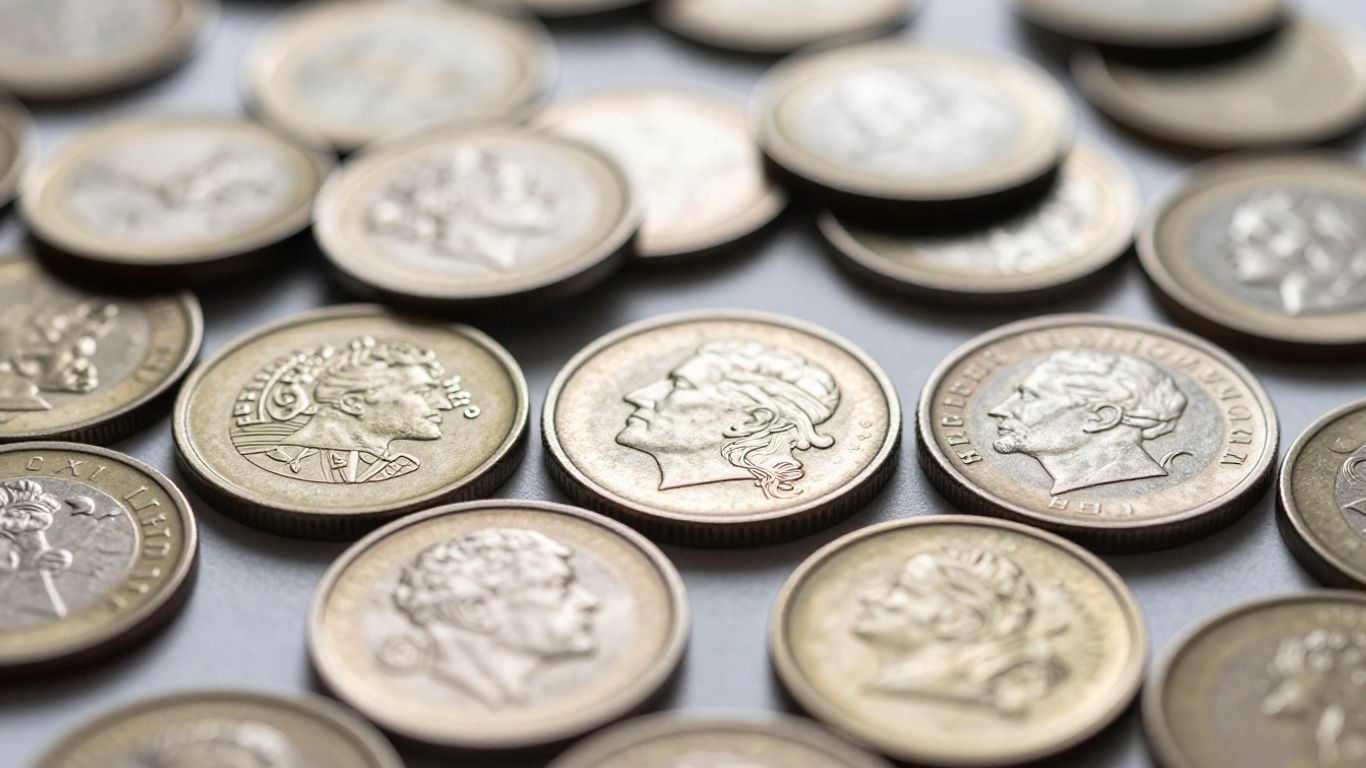
Breaking down a coin’s value isn’t just about its face value or collector’s appeal. There are several layers to consider, mainly what metals it’s made from and how much value might be hiding in those materials. Let’s dig into what goes into evaluating coins from a material standpoint, especially if you’re considering the scrap or melt value.
The Role of Elemental Composition in Coin Valuation
Every coin is a blend of metals, also called an alloy, put together for durability, cost, or security. The specific percentages of each element can dramatically affect what the coin is worth when melted down. For example, a coin that’s mostly copper won’t bring in as much as one that’s rich in silver or gold.
Key elements making a big difference in coin value:
- Gold and silver: Historically common, always valuable.
- Copper and nickel: Less precious, but still add up in bulk coins.
- Platinum, palladium, and other rarer metals: High value, even in small quantities.
| Metal | Common Uses in Coins | Current Scrap Value (per ounce)* |
|---|---|---|
| Gold | Bullion, commemoratives | $1,900 – $2,000 |
| Silver | Pre-1965 US coins | $24 – $26 |
| Copper | Pennies, minor coins | $0.30 – $0.35 |
| Nickel | Nickel coins | $7 – $9 |
*As of June 2026, based on average pricing
Identifying Precious and Rare Metals
Some coins hide their true value because they include precious and sometimes rare metals in their alloy, even if they look like ordinary change. Spotting these metals requires more than a visual check; it often means using tools to read the coin’s surface or even its interior.
- Most valuable coins contain gold, silver, platinum, or palladium.
- Rare earth elements, though not common in general circulation coins, can be present in special mints and commemorative editions.
- Base metals like copper and nickel are abundant, but some historical coins made with these metals can become worth much more if supply drops.
Carefully distinguishing coins with these metals often needs specialized equipment. It’s not just about weight or color; real, precise valuation starts with scientific tools trusted in the industry, such as X-ray fluorescence (XRF) or optical emission spectrometry.
Quantifying Trace Elements for Enhanced Value
Trace elements—those tiny bits and pieces within a coin—can really move the needle on value, especially when precious metals are present in small doses. With modern technology, even minor amounts of gold, silver, or platinum that once went unnoticed can now be found and factored into total value.
Why trace elements matter:
- Even small additions of gold can outpace the base value, especially in numismatic or scrap scenarios.
- Some trace elements are in demand in tech and industry, giving even older or non-collectible coins extra appeal.
- Detecting these traces turns scrap that might seem worthless into a source of unexpected profit.
For an example of how advanced analysis now reveals more value in assets, consider techniques used in technical and on-chain analysis for crypto trading, where minor signals can indicate major trends.
Accurately breaking down what’s inside every coin is the first step to a true and fair assessment. With metal prices and demand always changing, understanding these key components is the only way to stay ahead in today’s coin market.
Leveraging Advanced Spectroscopic Technologies
When it comes to figuring out what a coin is really worth, especially those with unusual metals or trace elements, you can’t just guess. That’s where fancy tools called spectroscopes come in. They’re like super-powered magnifying glasses for metals, letting us see exactly what’s inside without messing up the coin itself. This is a big deal because it means we can get a much clearer picture of a coin’s composition, which directly impacts its value. Think of it as getting a detailed ingredient list for your metal.
X-Ray Fluorescence for Rapid On-Site Analysis
X-Ray Fluorescence, or XRF, is a game-changer for quick checks right where the action is. You can take an XRF scanner to a pile of coins, or even a single one, and it shoots out X-rays. These X-rays make the atoms in the coin give off their own signals, like a fingerprint. The scanner reads these signals and tells you what elements are present and in what amounts. This non-destructive method is incredibly fast, often giving results in seconds, which is perfect for sorting through lots of material quickly. It’s like having a mini-lab in your hand. This technology is super helpful for identifying precious metals like gold, silver, and platinum, even when they’re mixed with other stuff. You can get a good idea of the main components right away, which helps in making fast decisions about sorting and pricing. For more on how this works, check out spectroscopic analysis.
Optical Emission Spectrometry for Detailed Composition
While XRF is great for a quick look, Optical Emission Spectrometry (OES) goes deeper. OES uses an electric spark or arc to really excite the atoms in the metal. When these atoms calm down, they release light at specific wavelengths. By analyzing this light, OES can give you a super detailed breakdown of the elements, including even small amounts of trace elements that XRF might miss. This is especially important for things like steel alloys, where tiny amounts of elements like carbon can change the metal’s properties and value quite a bit. OES is often used in more controlled settings, like a lab or a dedicated analysis station, because it provides a more thorough analysis. It’s the next step up when you need to know the nitty-gritty details.
Laser-Induced Breakdown Spectroscopy Applications
Laser-Induced Breakdown Spectroscopy, or LIBS, is another powerful technique. It uses a focused laser beam to vaporize a tiny bit of the coin’s surface. This creates a small plasma, and just like with OES, the light emitted from this plasma is analyzed to figure out the elemental composition. LIBS is known for its speed and its ability to analyze a wide range of elements, including some lighter ones that can be tricky for other methods. It’s also quite versatile and can be used in different environments. Think of it as a highly precise laser scalpel for metal analysis. It’s becoming more common in various industries for its ability to provide quick, detailed elemental information, helping to categorize coins based on their minting era and composition.
These spectroscopic tools are not just about identifying metals; they are about uncovering the hidden story within each coin. By precisely measuring elemental makeup, we can move beyond surface appearances and understand the true material value, leading to more accurate and profitable assessments.
The Power of Integrated Software Solutions
Hardware tools give us the raw numbers, but it’s the software that really makes sense of it all in today’s world of scrap valuation. Think of these platforms as the central hub, pulling in data from all your fancy analysis gadgets, checking current market prices, and even looking at past trends. This integrated approach gives you a much clearer picture of what your materials are actually worth.
These systems often use smart computer programs, like AI and machine learning, to get better at valuing things over time. They can consider things like how the market is doing right now, how much it costs to ship stuff, and even what’s happening in the global economy. It’s all about getting a complete view.
Here’s a look at how these software solutions help:
- Data Consolidation: Gathers information from XRF, OES, and other analyzers into one place.
- Market Integration: Connects material composition data with real-time commodity prices.
- Predictive Analytics: Uses historical data and AI to forecast future value trends.
- Operational Management: Often includes features for inventory tracking and customer records.
These platforms are becoming indispensable for any recycling operation that wants to run smoothly and make the most money. They help streamline everything, from knowing what you have to knowing what it’s worth.
By combining all this information, you can make smarter decisions. It’s not just about the metal itself anymore; it’s about how all the pieces fit together in the bigger economic puzzle. This kind of detailed insight can really help you optimize your operations.
Combining Analytical Data with Market Intelligence
This is where the magic happens. You get the precise elemental breakdown from your XRF or OES machine, and then the software takes that data and compares it to what’s happening in the market right now. It’s like having a super-smart assistant who knows both the chemistry of the metal and the economics of selling it. This allows for much more accurate pricing, especially for specialty metals where small differences in composition can mean big swings in value. You can also track how prices have changed over time, which helps in planning and forecasting. It’s about making sure you’re not leaving money on the table because you didn’t have the latest market info.
Utilizing AI and Machine Learning for Dynamic Pricing
Artificial intelligence and machine learning take things a step further. These technologies can analyze vast amounts of data – historical sales, current market fluctuations, even news about global supply and demand – to predict future price movements. This means you can set prices that adjust automatically based on these predictions, rather than relying on static price lists. It’s a more agile way to price materials, especially when markets are unpredictable. This can also help in identifying opportunities you might otherwise miss, based on subtle patterns in the data. It’s about being proactive rather than reactive, which is key to staying motivated in a fast-paced industry.
Streamlining Operations with Comprehensive Platforms
Beyond just valuation, these software solutions often bundle in other useful features. Think inventory management – knowing exactly what you have, where it is, and its assessed value. Or customer relationship management, keeping track of who you’re dealing with and past transactions. Some platforms even help with compliance, making sure you’re following all the rules. Having all these functions in one place saves a lot of time and reduces the chance of errors. It makes the whole process, from receiving materials to selling them, much smoother and more efficient. This kind of integrated system is becoming the standard for businesses looking to stay competitive.
Navigating Market Volatility in Specialty Metals
The market for specialty metals is a bit like a rollercoaster, and keeping up with its ups and downs can be tough. Prices can change pretty quickly because of what’s happening globally, like economic shifts or even political events. This means the value of the metal you have today might be different tomorrow, which makes figuring out its worth a real challenge.
Real-Time Market Monitoring Strategies
To deal with these price swings, many companies are now using advanced systems that watch the market constantly. These systems give them up-to-the-minute information, helping them make faster and more accurate decisions about pricing. It’s all about staying informed so you don’t get caught off guard. Keeping an eye on global trade policies, for instance, can give you a heads-up on potential price changes for metals like steel, aluminum, and copper [8540].
Agile Pricing Models for Fluctuating Values
Because prices change so fast, having a flexible way to set prices is key. Instead of sticking to old, fixed prices, businesses are developing models that can adjust quickly. This means they can react to market changes right away, making sure their valuations are always as close to the current market value as possible. This adaptability is super important when dealing with minor metals, where regulations from places like China can really shake things up [d278].
Global Perspective for Informed Decision-Making
Looking at the bigger picture is also a big help. Understanding what’s happening in different parts of the world, not just locally, gives a more complete view of the market. This wider perspective helps in making smarter choices, especially when dealing with metals that are influenced by international supply and demand.
The constant flux in specialty metal prices means that traditional, static valuation methods are often insufficient. Businesses must adopt dynamic strategies that incorporate real-time data and predictive analytics to maintain profitability and competitive advantage.
Here are some ways companies are staying ahead:
- Constant Data Feeds: Integrating live market data into valuation software.
- Scenario Planning: Developing pricing strategies for various market conditions.
- Supplier Communication: Maintaining open dialogue with suppliers about market trends.
- Hedging Strategies: Employing financial tools to mitigate price risks where applicable.
Addressing Complex Alloy Compositions
Dealing with coins made from intricate metal mixes can really throw a wrench in the valuation process. It’s not just about spotting gold or silver anymore; many coins are crafted from alloys where even small amounts of certain elements can change the value quite a bit. Think about older coins, like those from ancient Greece or Rome; they often used copper mixed with tin or lead, and the exact ratios weren’t always consistent. Figuring out these exact blends is where things get tricky.
Accurate Identification of Exotic Alloys
Modern coins, especially those made for collectors or special issues, might use less common metals or combinations. Identifying these exotic alloys requires more than just a quick glance. We need tools that can precisely measure the percentage of each metal present. This is important because a slight variation in an alloy can mean a big difference in its worth. For instance, a coin might be advertised as a specific platinum alloy, but if the actual platinum content is lower than stated, its market value drops significantly. Getting this right means using analytical methods that can pick up on even subtle differences.
Overcoming Challenges of Surface Contamination
Coins often pick up dirt, oils, or other residues over time. This surface contamination can mess with the results from analytical equipment. If you’re using something like X-ray fluorescence (XRF) to check the metal, a layer of grime might make it look like the coin has different metals than it actually does. It’s like trying to judge a book by its cover when the cover is smudged. To get a true reading, the surface needs to be clean, or the analysis method needs to be able to see past the surface layer. This is why proper cleaning protocols or analysis techniques that can penetrate a bit are so important.
Detecting Deeply Embedded Materials
Sometimes, foreign materials can get mixed into the metal itself during the minting process, or even later through wear and tear. These aren’t just on the surface; they’re part of the coin’s structure. Detecting these deeply embedded materials is a real challenge. It might require more advanced techniques than simple surface scans. Imagine a coin that looks like pure silver but has tiny, hard-to-see inclusions of a less valuable metal deep inside. These inclusions could affect the coin’s physical properties and, consequently, its value. Finding them means using methods that can probe deeper into the material, giving a more complete picture of what the coin is truly made of. This is where combining different analytical approaches can really help.
The precise measurement of elemental composition in alloys is not merely an academic exercise; it directly impacts the financial assessment of numismatic items. Minor deviations in alloy ratios can lead to substantial discrepancies in market valuation, necessitating robust analytical capabilities.
Here’s a look at how different alloys might be assessed:
- Common Alloys: Standard compositions like bronze (copper-tin) or brass (copper-zinc) are generally well-understood. Their value is often tied to the base metals and their condition.
- Precious Metal Alloys: Alloys containing gold, silver, or platinum require precise measurement of the precious metal content. For example, 14K gold is 58.3% gold, and this percentage is key to its valuation.
- Exotic or Specialty Alloys: These might include elements like palladium, rhodium, or even trace amounts of rare earth metals. Their valuation depends heavily on accurate identification and quantification of these less common components, often requiring specialized spectroscopic analysis.
Accurate alloy identification is a cornerstone of fair and profitable coin valuation. It requires a blend of sophisticated technology and skilled interpretation to make sense of the complex metallic makeup of these historical and modern artifacts.
The Human Factor: Calibration and Expertise
Even with the most advanced gadgets and software, people are still the most important part of getting coin values right. Think about it, a fancy machine can tell you what’s in a coin, but someone needs to know how to use it properly and what the numbers actually mean. That’s where calibration and training come in.
Ensuring Ongoing Equipment Calibration
Machines, especially the ones that measure metal content, need to be checked regularly. They can drift over time, meaning their readings might not be accurate anymore. This is especially true for tools like X-ray fluorescence (XRF) analyzers. They need to be calibrated with known standards to make sure they’re still giving correct results. Without this, you might think a coin is worth one thing when it’s actually another. It’s like trying to measure something with a ruler that’s stretched – the measurements will be off. This is a big deal for anyone dealing with specialty metals, where even small differences in composition can change the price a lot. Keeping equipment in check is a constant job, not a one-time thing. It’s a key part of how NASA plans its missions, making sure all systems work as expected.
Continuous Training for Valuation Personnel
People who value coins need to keep learning. The world of metals and coins changes all the time. New alloys show up, and the technology used to analyze them gets better. So, the folks doing the valuing need to stay up-to-date. This means regular training sessions, maybe workshops, and keeping up with what’s happening in the market. It’s not just about knowing how to push buttons on a machine; it’s about understanding the context of the data. For example, knowing that a certain trace element, even if present in tiny amounts, can significantly boost a coin’s worth requires specific knowledge. This training helps avoid mistakes that could cost a lot of money.
The Importance of Metallurgical Partnerships
Sometimes, a coin or a batch of metal is just too tricky to figure out with the standard tools. That’s when it’s smart to bring in outside help. Partnering with a metallurgical lab or an expert in metals can make a big difference. These specialists have deep knowledge and can handle really complex situations, like identifying unusual alloys or figuring out contamination issues. They can provide that extra layer of certainty when you’re dealing with something rare or difficult. It’s like having a specialist doctor on call when your regular doctor needs a second opinion. This kind of collaboration helps make sure you’re not missing out on value or making bad assumptions. It’s a smart move for any serious operation.
The accuracy of any valuation process hinges not just on the technology employed, but critically on the skill and diligence of the individuals operating it. Regular checks and updates for equipment, coupled with ongoing education for staff, are non-negotiable steps. These practices build confidence in the data and, by extension, in the final valuation. Without this human element, even the most sophisticated tools risk becoming unreliable.
Transformative Benefits of Modern Valuation Tools
Modern valuation tools are really changing the game in how we assess and process metal scrap. It’s not just about getting a number anymore; it’s about getting the right number, quickly and reliably. These technologies are making a big difference, and it’s worth looking at what they actually do for us.
Improved Material Assessment Accuracy
Forget the old ways of guessing or relying on basic tests. Tools like X-ray fluorescence (XRF) and optical emission spectrometry (OES) give us a much clearer picture of what’s actually in the scrap. They can spot tiny amounts of valuable elements that used to get missed, meaning we can price materials more accurately. This precision is key, especially when dealing with complex alloys or materials that look similar but have very different values. This detailed analysis helps avoid misclassifications and ensures fair pricing for everyone involved. It’s like finally having a high-definition view of your materials instead of a blurry old photograph.
Accelerated Processing Times and Throughput
Time is money, right? Well, these new tools are built for speed. Instead of sending samples off to a lab and waiting days for results, we can get on-the-spot analysis in seconds. This means we can sort and process much larger volumes of material faster. Think about it: less waiting around, fewer bottlenecks, and more material moving through the facility. This increased speed directly translates to higher throughput, which is a big deal for profitability. It also means we can respond more quickly to market changes, which is pretty important these days, especially with things like cryptocurrency predictions for 2026 showing how fast markets can shift.
Unlocking New Revenue Streams from Trace Elements
This is where things get really interesting. Modern valuation tools can detect and quantify trace amounts of precious and rare metals that were previously considered insignificant. We’re talking about finding small amounts of gold, silver, or platinum in electronic waste, or identifying rare earth elements needed for high-tech gadgets. These aren’t just tiny bits of metal; they can add up to significant value. By accurately identifying these trace elements, recyclers can turn what might have been low-grade scrap into a source of new income. It’s about getting the most out of every single batch of material that comes in.
The ability to precisely identify and quantify even small quantities of valuable materials fundamentally changes the economics of recycling. It moves operations from simply processing waste to actively recovering valuable resources, contributing to a more circular economy and reducing reliance on virgin material extraction.
Synergistic Application of Valuation Technologies
It’s not just about having the best tools; it’s about making them work together. Think of it like a band – you need the drummer, the guitarist, and the singer, but they sound best when they play in harmony. The same applies to valuing specialty metals. Combining different technologies gives you a much clearer picture than relying on just one.
Integrating XRF and OES for Comprehensive Analysis
X-ray Fluorescence (XRF) is great for quick, on-site checks. You can point it at a piece of metal, and it tells you what’s in it, fast. This is super handy for sorting materials right when they come in. But sometimes, XRF might miss very small amounts of certain elements or struggle with complex alloys. That’s where Optical Emission Spectrometry (OES) comes in. OES can give you a more detailed breakdown, especially for lighter elements that XRF might not pick up as well. By using both XRF for initial sorting and OES for deeper analysis, you get a more complete and accurate understanding of the metal’s composition. This dual approach helps avoid mistakes and ensures you’re not undervaluing materials.
The Synergy of Hardware and Software
Having advanced hardware like XRF and OES is only half the battle. The real magic happens when you connect these instruments to smart software. This software takes the raw data from the analyzers and does a lot more with it. It can compare the composition against current market prices, look at historical trends, and even factor in things like shipping costs. This integration turns simple data points into actionable business intelligence. For example, software can help identify exotic alloys that might not be immediately obvious from the raw spectral data, which is a big deal when you’re dealing with materials that have fluctuating values. This kind of integrated system is key to making informed decisions quickly, especially when you’re trying to get a handle on the patent valuation of unique materials.
Optimizing Operations Through Tool Integration
When all your valuation tools work together, your whole operation runs smoother. Imagine this workflow:
- Initial Screening: Use XRF analyzers at the receiving dock to quickly identify and sort incoming materials.
- Detailed Analysis: Send representative samples of specific batches to OES for a more thorough elemental breakdown.
- Data Consolidation: Feed all the analytical data into your integrated software platform.
- Market Contextualization: The software cross-references the composition with real-time market data and historical pricing.
- Dynamic Pricing: Generate accurate, up-to-the-minute valuations for each batch.
This coordinated approach minimizes errors, speeds up the valuation process, and helps you capture the full value of every material. It’s about creating a feedback loop where each tool supports and validates the others, leading to better business decisions and improved profitability. The draft business valuation standard also highlights the need for integrated approaches in financial assessments.
The true strength in modern metal valuation comes from the combined power of precise analytical hardware and intelligent software. This synergy allows for a more nuanced understanding of material composition and market dynamics, moving beyond simple identification to sophisticated value assessment.
This integrated system is what allows businesses to adapt quickly to market changes and extract maximum value from complex material streams.
Case Study: Innovation in Valuation Practices
Let’s look at a real-world example of how a company tackled some tough valuation problems. GreenMetal Recycling, a company that deals with specialty metals, was finding that their profits weren’t what they should be. The main issue? They weren’t always getting the valuations right. This meant they were either paying too much for scrap or not getting enough for the processed materials. It’s a common problem in the industry, especially when you’re dealing with a lot of different types of metals and alloys.
Addressing Valuation Inaccuracies with Technology
GreenMetal decided to make some big changes. First, they invested in a new XRF analyzer. This wasn’t just any analyzer; it had machine learning built-in. This tech helps it get better at figuring out exactly what kind of alloy it’s looking at over time. Think of it like a student who learns from every problem they solve. This made a huge difference in how accurately they could identify materials right away. They also developed their own software. This program takes the information from the XRF machine and mixes it with current market prices. This way, they could adjust their pricing much faster as the market changed. It’s pretty smart because the value of metals can jump around a lot, and you need to keep up.
The Impact of Machine Learning on Alloy Identification
Machine learning really changed the game for GreenMetal. Before, identifying complex alloys could be a guessing game sometimes, especially if the scrap was a bit dirty or mixed. The new analyzer, with its learning capabilities, could sort through these tricky situations much more reliably. They found that the system got better and better at spotting even subtle differences between similar-looking alloys. This meant fewer mistakes and more confidence in the prices they offered and accepted. It’s like having an expert metallurgist on staff, but it’s a computer program that keeps getting smarter.
Achieving Measurable Improvements in Profitability
So, what happened after all these changes? GreenMetal saw some pretty good results. Within a year, they reported that their valuation accuracy went up by about 15%. That might not sound like a lot, but in the recycling business, small improvements in accuracy can lead to big jumps in profit. They also found that their customers, the people selling them the scrap, were happier because they felt they were getting fairer prices. This built better relationships. Plus, by being able to identify and price materials more accurately, they could also find more value in materials they might have previously overlooked. This whole process showed that mixing new technology with smart people and good training is the way to go. It also helped them keep up with the fast-moving world of specialty metal markets.
The journey for GreenMetal highlights a broader trend: technology isn’t just about faster machines; it’s about smarter systems that learn and adapt. When combined with human skill, these tools can transform how businesses operate and find value in materials. This approach is becoming more important as the global economy relies more on efficient recycling and resource management, much like how some studies look at the impact of technology on economic growth.
Here’s a quick look at what they implemented:
- Advanced Analytical Hardware: A new XRF analyzer with machine learning for precise alloy identification.
- Integrated Software: Custom software linking composition data with real-time market prices.
- Expert Collaboration: Partnering with a specialized lab for difficult or rare alloy assessments.
- Continuous Staff Development: Regular training workshops to keep valuation teams up-to-date.
Conclusion
The world of specialty metal scrap valuation is getting more complex, but new tools are making it easier to figure out what things are really worth. By using advanced machines and smart software, recyclers can get a much better idea of the value hidden in old metals. It’s not just about making more money, though. This kind of careful analysis helps us reuse important materials, which is good for the planet. The future of recycling looks bright, especially for those who keep up with the latest technology and keep learning.
Frequently Asked Questions
What does 'coin value component analysis' mean?
It means looking closely at all the different parts that make up a coin’s worth. This includes what metals it’s made of, how rare those metals are, and if there are any special or unusual elements mixed in.
Why is knowing the metal in a coin important?
Different metals have different prices. Some metals, like gold or silver, are worth a lot more than others, like iron or copper. Knowing exactly what metal is in a coin helps decide its basic value.
Can tiny amounts of other metals change a coin's value?
Yes, they absolutely can! Sometimes, even a very small amount of a rare or precious metal can make a coin much more valuable than if it were just made of common metals.
What are XRF and OES machines?
These are special machines that help identify metals. XRF uses X-rays to see what’s inside, and OES uses sparks to analyze the light given off by the metal. They help figure out the metal mix really fast.
How does computer software help with coin value?
Software can take the information from the metal-testing machines and combine it with current prices of metals. It can even use smart computer programs to guess what the coin might be worth in the future.
What happens if metal prices change a lot?
When prices change quickly, it’s tricky to know a coin’s exact worth. Good analysis tools and staying updated on world prices help recyclers make smart choices even when things are up and down.
Are there special tools for coins made of many different metals mixed together?
Yes, there are. These coins, called alloys, can be hard to figure out. Advanced machines and software are designed to identify these complex mixes more accurately.
Does having smart machines mean people aren't needed?
Not at all! People are still very important. They need to know how to use the machines correctly, keep them working well, and understand the market. It’s the mix of smart machines and smart people that works best.