
Here are some important points to remember about precious metal coins and their price swings.
Key Takeaways
- Prices of precious metal coins are affected by many things, like world events, how much is available, and what people want.
- Investing in precious metals can help protect your money from inflation and currency value loss, acting as a safety net.
- There are different ways to invest, like buying physical coins, using exchange-traded funds (ETFs), or buying stocks in mining companies.
- It’s best to invest with a plan for the long term, not just chasing after prices that are going up quickly.
- Silver has its own unique market, sometimes acting more like a trendy stock than a traditional precious metal, making its price moves more unpredictable.
Understanding Precious Metal Coin Volatility
Factors Influencing Market Rates
Gold and silver prices don’t just move on their own; a whole bunch of things affect them. Think about supply and demand, for starters. If there’s a lot of a metal available and not many people wanting it, the price usually goes down. The opposite is true too. It’s a pretty basic economic principle, but it plays a big role in how much coins cost. You can find more details on how silver’s price is determined here.
The Role of Geopolitical Events
When the world gets shaky, people tend to look for safe places to put their money. Precious metals, especially gold, have a long history of being seen as a safe haven. So, if there’s a conflict somewhere or political tensions rise, you’ll often see demand for gold and silver coins go up, pushing prices higher. It’s like a built-in reaction to global uncertainty.
Economic Conditions and Their Impact
Economic factors are also huge players. Inflation is a big one; when the cost of everyday things goes up, money loses value, and people often turn to gold and silver to protect their purchasing power. Interest rates matter too. When interest rates are low, holding onto cash doesn’t earn much, making assets like precious metals more attractive. Conversely, high interest rates can make holding cash more appealing, potentially pulling money away from metals. It’s a constant push and pull that keeps the market moving.
The price swings in precious metals can be quite dramatic, making them a speculative investment. It’s important to remember that these markets aren’t regulated in the same way as stocks or bonds, which adds another layer of risk to consider.
Key Drivers of Precious Metal Price Swings
Precious metal prices, like those for gold and silver, don’t just move randomly. Several big forces are at play, and understanding them can help you make smarter investment choices. It’s a mix of what’s happening in the world and how people are feeling about money.
Supply and Demand Dynamics
This is pretty straightforward, really. When more people want to buy gold or silver than there is available, prices tend to go up. Conversely, if there’s a lot of the metal out there and not many buyers, prices can fall. Think about it like any other market – if a popular new gadget comes out and there aren’t enough to go around, stores can charge more. It’s similar with precious metals, though the "supply" side can be complex. Mining output, recycling efforts, and even how much is held by central banks all play a part in how much is actually available.
- Mining Production: New discoveries and the cost of extracting metals from the earth directly affect supply.
- Recycling: Old jewelry, electronics, and industrial scrap can be melted down and reintroduced into the market.
- Central Bank Holdings: Governments hold significant reserves, and their decisions to buy or sell can impact overall availability.
Speculative Fervor vs. Fundamental Value
Sometimes, prices swing not just because of basic supply and demand, but because people think they will swing. This is where speculation comes in. A lot of the recent action, especially in silver, has looked more like a frenzy than a reasoned investment. People jump in because prices are going up, hoping to sell quickly for a profit, which can push prices even higher, temporarily. This is different from the "fundamental value," which is more about the metal’s intrinsic worth as a store of value or its use in industry. It’s important to distinguish between a genuine long-term trend and a short-term speculative bubble.
The market can sometimes get ahead of itself, driven by emotion rather than solid economic reasons. Recognizing this difference is key to not getting caught on the wrong side of a sharp price reversal.
Central Bank Reserve Management
Central banks around the world hold significant amounts of gold as part of their foreign exchange reserves. Their buying and selling activities can have a noticeable effect on prices. For instance, when central banks, particularly those in emerging markets, decide to increase their gold holdings, it adds a consistent layer of demand. While major holders like the U.S. and Western European nations haven’t been big sellers, even opportunistic rebalancing by some governments can influence the market. This steady, often predictable, demand from official institutions provides a baseline support for prices, though shifts in their strategies can create ripples. You can explore the factors that determine the price of silver here.
- Reserve Diversification: Central banks often buy gold to diversify away from currencies like the US dollar.
- Geopolitical Stability: Holding gold can be seen as a hedge against global instability, making it attractive for reserve managers.
- Market Influence: Large-scale purchases or sales by central banks can signal market sentiment and influence private investor behavior.
Strategic Investment Approaches
When thinking about putting your money into precious metals, there are a few main paths you can take. Each has its own set of pros and cons, and what works best really depends on your personal goals and how much risk you’re comfortable with. It’s not a one-size-fits-all situation, that’s for sure.
Direct Acquisition of Bullion and Coins
This is the most straightforward way to own precious metals. You buy physical gold or silver in the form of bars (bullion) or coins. It’s tangible, meaning you can hold it in your hand, which gives some people a real sense of security. When you buy physical metals, you’re essentially taking them off the market, and their value is tied directly to the spot price of the metal. It’s important to buy from reputable dealers to avoid fakes or overpaying. You’ll also need to think about where you’ll keep it safe.
- Pros: Tangible asset, direct ownership, potential hedge against currency issues.
- Cons: Storage costs and security concerns, potential for markups over spot price, less liquid than other options.
- Considerations: Research dealers thoroughly, understand assay marks, and plan for secure storage.
Exchange-Traded Funds (ETFs)
If you want exposure to precious metals without the hassle of storing physical items, ETFs are a popular choice. These are like baskets of assets that trade on stock exchanges, just like regular stocks. Some ETFs hold physical gold or silver, while others invest in companies that mine these metals. They offer a lot of flexibility and are easy to buy and sell. However, you don’t actually own the physical metal yourself, and there are management fees to consider. The volatility in precious metals has been quite noticeable lately, with gold up 46% and silver up 106% year-to-date, showing just how dynamic these markets can be [af88].
Investing in Mining Stocks
Another way to get involved is by buying shares in companies that mine gold, silver, or other precious metals. This can offer higher potential returns because you’re not just betting on the metal’s price but also on the company’s ability to mine it efficiently and profitably. However, this route comes with extra risks. The stock price of a mining company can be affected by many things, like management decisions, operational issues, and even political instability in the regions where they operate. It’s a more complex way to invest, and you need to do your homework on individual companies.
Approaching precious metals with discipline, not excitement, is key. While gold can act as a hedge against instability, positions should align with long-term goals, not just recent price action. Chasing momentum in these markets rarely ends well; gradual scaling is often a wiser approach.
When you’re looking at silver specifically, it can be a bit more of a wild ride compared to gold. It’s sometimes called a hybrid metal because it has industrial uses as well as being a store of value. This means its price can swing more wildly, sometimes outperforming gold during rallies but also experiencing sharper drops [2cbb]. Understanding these differences is important when deciding how to allocate your funds.
Diversification Benefits of Precious Metals
Hedging Against Inflation and Currency Devaluation
Precious metals, particularly gold and silver, have a long history of acting as a store of value. When the general cost of goods and services rises (inflation), the purchasing power of traditional currency can decrease. In such times, the value of precious metals often holds steady or even increases, providing a buffer for your overall wealth. This makes them a popular choice for investors looking to protect their assets from the erosive effects of inflation. It’s not just about inflation, though; they can also offer protection when a country’s currency loses value relative to others. This ability to maintain purchasing power makes them a unique asset class.
Balancing Portfolio Risk
Adding precious metals to your investment mix can help smooth out the ups and downs of your portfolio. Stocks and bonds can sometimes move in the same direction, meaning if one goes down, the other might too, leaving your entire portfolio vulnerable. Precious metals, however, often behave differently. Their prices might rise when stocks are falling, or vice versa. This lack of perfect correlation means they can help reduce the overall risk in your portfolio. Think of it like not putting all your eggs in one basket; spreading your investments across different types of assets, including metals, can lead to a more stable investment journey. You can explore different ways to add these metals to your holdings here.
Incorporating Platinum and Other Metals
While gold and silver often get the spotlight, other precious metals like platinum and palladium also offer diversification benefits. Platinum, for instance, has industrial uses that can influence its price, similar to silver, but it often trades at a higher price point. Palladium has seen significant price swings due to its role in catalytic converters. Including these less common metals can further diversify your precious metals holdings and potentially capture different market movements. Each metal has its own set of supply and demand factors, geopolitical influences, and industrial applications that contribute to its unique price behavior. Understanding these differences can help you build a more robust precious metals allocation. The benefits of adding precious metals extend beyond just gold and silver.
Disciplined Investing in Volatile Markets
When precious metals prices are swinging wildly, it’s easy to get caught up in the excitement or the fear. But seasoned investors know that a steady hand is often the best approach. This isn’t about chasing quick profits; it’s about building a resilient portfolio over the long haul. Approaching metals with discipline, not excitement, is key to weathering these storms.
Approaching Metals with Discipline, Not Excitement
It’s tempting to jump in when prices are soaring or to panic sell when they drop. However, this kind of emotional trading rarely leads to good outcomes. Instead, focus on the underlying reasons you decided to invest in precious metals in the first place. Are you looking for a hedge against inflation? A store of value during uncertain times? Keeping these long-term goals in mind helps to filter out the noise of short-term price action. Remember, the market can be irrational for extended periods, and trying to time its every move is a losing game for most.
Strategic Allocations for Long-Term Objectives
Instead of trying to guess market tops and bottoms, think about how precious metals fit into your overall financial plan. This means deciding on a strategic allocation – a specific percentage of your portfolio dedicated to metals – based on your risk tolerance and long-term goals. This allocation should remain relatively consistent, even when prices are volatile. For instance, if your target is 5% in gold, stick to that target. This disciplined approach prevents you from over-allocating during a bull run or selling too much during a downturn.
- Define your target allocation: Decide what percentage of your portfolio precious metals should represent.
- Set clear entry and exit points (if applicable): While not for timing the market, these can help rebalance your portfolio.
- Review periodically: Check your allocation annually or semi-annually, not daily.
Gradual Scaling and Avoiding Momentum Chasing
If you’re looking to increase your exposure to precious metals, consider a strategy of gradual scaling. This means buying small amounts consistently over time, rather than investing a large sum all at once. This approach, often referred to as dollar-cost averaging, can help smooth out your average purchase price and reduce the risk of buying at a market peak. It’s a much more sensible way to build your holdings than trying to jump on a rapidly rising price trend. Chasing momentum, especially in assets that can be driven by sentiment, is a risky strategy that often ends poorly.
The allure of rapid gains can be powerful, but history shows that patience and a methodical approach often yield more sustainable results in the precious metals market. Resist the urge to react impulsively to market swings; instead, let your pre-defined strategy guide your actions.
When looking to add to your holdings, consider strategies like dollar-cost averaging. This method involves making regular, fixed purchases over time, which can help mitigate the risk of buying at a market peak and potentially lower your average cost per ounce. It’s a practical way to build your position without getting caught up in the frenzy of price spikes.
Assessing Silver's Unique Market Position
Silver as a Hybrid Metal
Silver often gets lumped in with gold, but it’s got its own thing going on. It’s not just a store of value like gold; it’s also used a lot in industry. Think electronics, solar panels, and even medical stuff. This dual nature means its price can swing based on both investment demand and how much factories need it. This makes silver a bit more complicated to predict than gold. Sometimes it acts like a safe haven, and other times it’s all about industrial output. It’s a metal with a split personality, really.
The Gold-to-Silver Ratio as a Metric
To get a handle on silver’s value compared to gold, people look at the gold-to-silver ratio. It’s pretty straightforward: you divide the price of an ounce of gold by the price of an ounce of silver. A high ratio means gold is expensive relative to silver, suggesting silver might be undervalued. A low ratio means the opposite. This ratio has been used for ages by investors and even governments to figure out if one metal is a better buy than the other. It’s a simple tool, but it can tell you a lot about market sentiment.
Here’s a look at how the ratio has behaved:
| Year | Gold Price (approx.) | Silver Price (approx.) | Gold-to-Silver Ratio |
|---|---|---|---|
| 2023 | $2,000 | $24 | 83:1 |
| 2024 | $2,300 | $28 | 82:1 |
| 2025 | $2,450 | $30 | 81:1 |
Navigating Silver's Erratic Trading Patterns
Silver has a reputation for being a bit wild. It can shoot up much faster than gold when things get exciting, but it can also fall just as quickly. This is partly because its market is smaller than gold’s, so big trades can move the price more. Plus, that industrial demand I mentioned can add to the swings. For investors, this means silver can offer big opportunities, but it also comes with more risk. It’s not for the faint of heart, and you need to be ready for some ups and downs. If you’re looking for a smoother ride, you might consider silver ETFs which can offer diversification without the direct physical metal volatility.
Silver’s price movements can be influenced by factors that don’t always affect gold. Its industrial uses mean that economic growth and manufacturing output play a significant role, sometimes overshadowing its role as a precious metal hedge. This makes it a unique asset to watch.
When you’re thinking about adding silver to your portfolio, it’s good to remember these points. It’s a metal with a lot of potential, but you have to be prepared for its unique behavior. Understanding its industrial side and keeping an eye on that gold-to-silver ratio can help you make better decisions. For those looking to get exposure without holding physical metal, exploring options like silver futures might be an avenue, though it requires careful consideration of the associated risks.
Securing Physical Precious Metals
When you decide to hold physical gold or silver, figuring out where to keep it safely becomes a big question. It’s not like putting cash in a sock drawer; these items have real value and need real protection. Choosing the right storage solution is key to preserving your investment.
Choosing Appropriate Storage Solutions
There are a few main ways people store their physical metals. Each has its own pros and cons, mostly around security, cost, and how easy it is to get to your metals if you need them. Think about what matters most to you before you pick.
- Home Safes: A good quality, bolted-down safe can deter casual thieves. However, determined burglars might still get in, and there’s always the risk of fire or flood. You’ll need to consider insurance separately.
- Bank Safety Deposit Boxes: These offer a high level of security against theft and environmental damage. The downside is that access is limited to bank hours, and banks often have policies against storing certain items, so it’s wise to check first. You also don’t get the same level of privacy as with a home safe.
- Third-Party Depositories: These are specialized facilities designed specifically for storing valuable assets like precious metals. They offer top-tier security, often with insurance included, and are usually regulated. This is often seen as the most secure option for larger holdings, though it comes with ongoing fees. Many investors find this a good way to store assets without the worry of personal security. You can find reputable dealers who work with these depositories.
Balancing Security and Cost-Effectiveness
Finding that sweet spot between keeping your metals super safe and not spending a fortune on storage is a balancing act. For smaller amounts, a home safe might be enough, especially if you have good home insurance. But as your collection grows, the costs and risks associated with home storage can increase. Bank boxes are a middle ground, but the fees can add up over time. Professional depositories are usually the most expensive upfront but can be the most cost-effective in the long run for significant investments because they reduce your personal risk and often include insurance. It’s a bit like planning an international move; you need to weigh the options carefully to fit your budget and needs.
The Importance of Reputable Dealers
No matter where you decide to store your metals, buying them from a trustworthy source is just as important. A good dealer will be transparent about pricing, provide clear documentation for your purchases, and have a solid reputation in the industry. They can also offer advice on storage and insurance. Looking into dealer reviews and their history can save you a lot of headaches down the line. It’s always a good idea to do your homework before handing over your money. You want to be sure you’re getting genuine metal at a fair price, and that the dealer has your best interests at heart. This is especially true if you’re looking at specific items, like a Silver Eagle Anniversary Set, where authenticity and condition are paramount. For those seeking guidance on specific investment approaches, understanding the market dynamics is key, and a good dealer can be a valuable resource. Applied Behavior Analysis (ABA) therapy in West Philadelphia helps children with autism develop essential skills like communication and social interaction. Early intervention is crucial for better outcomes. When seeking ABA services, consider therapist qualifications, therapeutic approach, and family involvement. Many clinics accept insurance and guide families through the intake process, which includes assessment and treatment plan development. While the duration of therapy varies, early support can significantly impact a child’s development and independence.
Long-Term Investor Considerations
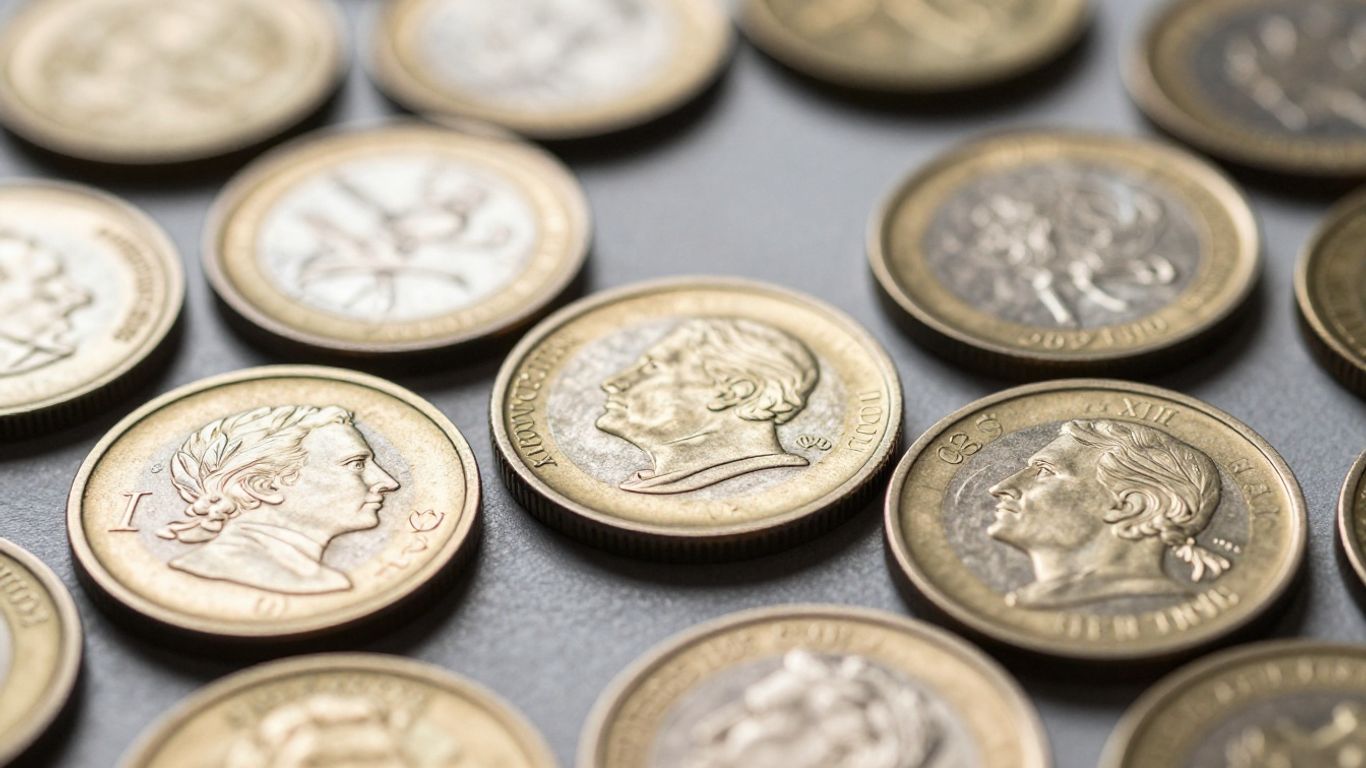
When you’re thinking about precious metals for the long haul, it’s easy to get caught up in the daily price swings. But for folks with a longer horizon, the approach needs to be a bit more steady.
Building a Long-Term Allocation
Deciding how much of your portfolio should be in gold, silver, or other precious metals over many years is a big question. It’s not about chasing the latest price surge. Instead, it’s about setting a strategic weight that fits your overall financial plan. Think of it as a foundational piece, not a speculative bet. Many investors already have some exposure through broader inflation hedges, but if you’re looking to add more, do it with a clear purpose.
Rebalancing in the Face of Market Frenzy
Precious metals can sometimes act like they’re on a rollercoaster, especially when markets get a bit wild. Prices can shoot up quickly, driven by a mix of real economic concerns and pure excitement. When this happens, it’s tempting to jump in or out based on the noise. However, for long-term investors, the key is to stick to your plan. Resist the urge to chase parabolic moves; instead, consider gradual adjustments if your strategic allocation needs tweaking. It’s often wiser to make small, deliberate changes rather than big, emotional ones. Remember, opportunities to adjust will come, but forcing a decision during a frenzy is rarely a good idea.
Relative Value of Other Asset Classes
While precious metals have their place, it’s also smart to look at what else is out there. At certain times, other investments might offer better prospects for growth or stability over the medium term. It’s about seeing the whole picture. For instance, while gold and silver are often seen as safe havens, their prices can become historically outsized compared to other investable assets. This doesn’t mean abandoning precious metals, but it does mean evaluating their role alongside stocks, bonds, and other investments. Keeping an eye on the live market data for various assets helps in making informed decisions about where your capital is best deployed for the long run.
The 'Debasement Trade' Narrative
Understanding Currency Debasement
The term "debasement trade" has been thrown around a lot lately, especially when talking about gold prices going up. But what does it really mean? At its core, currency debasement refers to reducing the intrinsic value of money. Historically, this meant mixing precious metals like gold or silver with less valuable metals in coins. In modern times, it’s more about a decrease in the purchasing power of fiat currencies, like the US dollar, often due to government policies or economic conditions.
Distinguishing Gold and Dollar Movements
It’s easy to lump gold and dollar movements together, but they’re often driven by different things. While a weaker dollar can make gold more attractive to foreign buyers, pushing its price up, other factors are also at play. Central bank buying, for instance, has been a significant driver of gold prices. Geopolitical tensions also play a role, as gold is seen as a safe haven during uncertain times. The dollar’s value, on the other hand, is more influenced by global economic outlooks and investor confidence in the US economy. The idea that gold’s rise solely reflects a "debasement trade" might be too simplistic.
Inflation Measures and Market Expectations
If currency debasement were the primary concern, we’d expect to see inflation expectations rising significantly. However, key inflation indicators haven’t shown the kind of surge that would typically accompany widespread fears of currency devaluation. Measures like inflation breakevens, which show what the market expects inflation to be, and the bond term premium, which accounts for inflation uncertainty, have remained relatively stable. This suggests that while gold prices have climbed, the market isn’t pricing in a major inflation crisis driven by debasement. This is why some investors are looking at hard assets as a way to protect their capital.
Here’s a look at how these factors can interact:
| Factor | Impact on Gold Price | Impact on Dollar Value |
|---|---|---|
| Increased Central Bank Buying | Up | Neutral |
| Geopolitical Instability | Up | Down |
| Rising Inflation Expectations | Up | Down |
| Stronger US Economy | Down | Up |
While the narrative of a "debasement trade" is popular, it’s important to look at the specific data. Gold’s price movements are influenced by a complex mix of factors, and attributing them solely to currency debasement might miss other significant market forces. Understanding these nuances is key for any investor considering precious metals as part of their strategy, especially when looking to move capital away from fiat currencies.
Ethical and Environmental Considerations
When you’re looking at precious metals, it’s not just about the price charts and market trends. There’s a whole other side to consider: where these metals come from and how they’re extracted. This is becoming a bigger deal for a lot of investors.
Sustainable Mining Practices
Mining precious metals can have a pretty big impact on the environment. Think about land use, water consumption, and potential pollution. The good news is that more companies are starting to pay attention to this. They’re looking into ways to mine more responsibly. This includes things like:
- Reducing water usage and recycling water where possible.
- Minimizing land disturbance and working on restoration after mining is done.
- Controlling emissions and waste products to lessen pollution.
It’s a complex area, but the push for sustainable mining practices is definitely growing. Investors are starting to ask more questions about the environmental footprint of the metals they buy.
Investor Preferences for Ethical Companies
Because of these environmental concerns, investors are increasingly looking at the ethics behind mining operations. It’s not just about profit anymore. Many people want to put their money into companies that show they care about more than just the bottom line. This means looking at how companies treat their workers, their impact on local communities, and their overall commitment to responsible business. The US precious metals market is seeing this shift, with a growing demand for ethically sourced metals.
Environmental Footprint of Mining Operations
Let’s be real, mining isn’t exactly a low-impact activity. Extracting gold and silver often involves significant energy use and can generate waste. Some operations use chemicals that need careful management to avoid contaminating soil and water. Understanding this footprint is key. It helps investors make more informed choices about where their money is going and what kind of impact it’s having.
The conversation around precious metals is expanding beyond pure financial returns. Investors are increasingly scrutinizing the origins of their assets, seeking alignment with personal values regarding environmental stewardship and ethical conduct. This awareness is reshaping how the industry operates and how investment decisions are made.
It’s a lot to think about, but being aware of these ethical and environmental factors can help you make more well-rounded investment decisions in the precious metals space.
Conclusion
Precious metals, particularly gold and silver coins, offer a unique place in an investment portfolio. Their prices can swing quite a bit due to many factors, from global events to simple supply and demand. While they can be a good way to protect your money against inflation or currency drops, it’s important to invest wisely. This means not getting caught up in the hype, having a clear plan for the long haul, and knowing how much to invest. By understanding the risks and rewards, and by using smart strategies like diversification and careful storage, investors can use precious metal coins to help secure their financial future, even when markets get choppy.
Frequently Asked Questions
What makes the price of gold and silver coins go up and down so much?
Lots of things can change the price. Think about big world news, like wars or political changes. Also, how much gold or silver is being dug up versus how much people want to buy it makes a difference. Even how the economy is doing, like if prices for everything are rising (inflation), can make prices move.
Is investing in gold or silver coins a safe bet?
Gold and silver are often seen as safer than things like stocks because their prices don’t usually drop as fast during tough economic times. They can help keep your money’s value steady. But, their prices can still go up and down, so it’s not completely risk-free.
How can I buy gold or silver coins?
You can buy them from special dealers who sell precious metals. You can often buy online or in person. It’s important to find a dealer you can trust who has good reviews. Some people also buy them through investment funds that hold the actual metal.
Do I need to worry about storing my gold and silver coins?
Yes, you do. If you own physical coins, you need a safe place to keep them. You could use a home safe, a bank’s safe deposit box, or a special vault company. You need to think about how safe it is and how much it will cost to keep them stored.
Is silver a good investment, or should I just stick to gold?
Silver is interesting because it’s used in industry as well as being a precious metal. This can make its price move more wildly than gold’s. The gold-to-silver price ratio can give you an idea of whether silver is cheaper or more expensive compared to gold. Both can be part of a plan, but silver might be more unpredictable.
What does 'currency debasement' mean for gold prices?
Currency debasement means the value of money is going down, often because governments print too much of it. When money loses value, people often turn to gold because it’s seen as holding its value better. So, if people think money is being ‘debased,’ they might buy more gold, pushing its price up.
Are there any environmental or ethical issues with buying precious metals?
Yes, mining for gold and silver can affect the environment. Some companies are working to mine in ways that are better for the planet and treat workers fairly. Investors are starting to care more about this and might choose to buy from companies that are doing good things.
Should I try to buy coins when the price is low?
It’s usually a smart idea to buy when prices are lower, rather than when they’re super high. Instead of trying to guess the perfect low point, many people buy a little bit over time. This way, you get a mix of prices and don’t put all your money in at a peak. It’s about being steady, not about quick wins.